

The mysteries of Machu Picchu have captivated the world for over a century. More than just a tourist attraction, this marvel of the Inca civilization is a symbol of architectural genius, spiritual depth, and ancient wisdom. Built high in the Andes of Peru, Machu Picchu continues to inspire awe and curiosity. In this article, you’ll uncover what makes this site so unique, and how you can explore it with unforgettable experiences like the Short Inca Trail 2 Days or the Classic Inca Trail 4 Days.
Machu Picchu: A Masterpiece of Inca Engineering
Perched at over 2,400 meters above sea level in the mountains of Peru, Machu Picchu was built in the 15th century by order of Emperor Pachacuti. Constructing a city in such an extreme location required extraordinary skill: massive stones were carved and transported across steep terrain, fitted perfectly together without the use of mortar.
The walls, terraces, and temples remain standing more than 500 years later, proof of the Inca mastery of stonework and seismic-resistant architecture.
Want to follow the footsteps of the Incas? The Classic Inca Trail 4 Days is the most iconic route to reach Machu Picchu, ending at the Sun Gate with a breathtaking sunrise view. If you’re short on time, the Short Inca Trail 2 Days offers a powerful yet accessible version of this ancient journey.

Architecture with Soul: Inca Spiritual Design
For the Incas, architecture was a spiritual practice. Every building in Machu Picchu reflects harmony with nature and reverence for sacred energies. Many structures align with the sunrise, and some replicate the shapes of nearby mountains, paying homage to the Apus, the mountain spirits worshipped by the Inca people.
The famous terraces, or andenes, had dual purposes: stabilizing the mountainside and supporting agriculture, the foundation of the Inca economy. The Intihuatana, a carved ritual stone, functioned as a solar clock and agricultural calendar.
Machu Picchu is a sanctuary where physical construction and spiritual intention merge into one timeless legacy.

The Real Mysteries of Machu Picchu
Despite decades of research, many of the mysteries of Machu Picchu remain unsolved. Was it a royal estate? A spiritual retreat? An astronomical observatory?
The leading theory suggests it was built by Emperor Pachacuti as a sacred retreat in the mountains, a place for his mummified body to rest for eternity. In Inca culture, emperors were considered divine, and their mummies were treated as living beings, even brought to ceremonies.
Yet, Pachacuti’s remains have never been found. In 2010, a sealed stone doorway was discovered that may hide a chamber below the site. Ground-penetrating radar detected what appeared to be gold-covered steps, but excavations were halted due to risk of collapse. Is Pachacuti buried there? The answer is still unknown.

Who Really Discovered Machu Picchu?
Most people credit Hiram Bingham, the American explorer, with discovering Machu Picchu in 1911. However, local Peruvians had known about the site long before. In fact, Agustín Lizárraga, a farmer from Cusco, visited the site in 1902 and left his name inscribed on one of the stones.
Today, Lizárraga is recognized as the Peruvian discoverer, while Bingham is acknowledged for making the site globally famous with the support of Yale University and the Peruvian government.
Unfortunately, both men removed archaeological items from the site, ceramics, textiles, metal artifacts, and many remain in the U.S. While some have been returned to Peru, many pieces are still waiting to come home.

Tourism in Machu Picchu: Between History and Sustainability
Today, Machu Picchu is one of the world’s most visited destinations. The gateway town is known as Aguas Calientes, officially called Machu Picchu Pueblo by locals. The town thrives on tourism, offering hot springs, hotels, and restaurants for travelers.
To reach the site, visitors must take a bus or hike a steep road from Aguas Calientes up to the sanctuary, climbing about 300 meters. The cost of entry varies, with discounted rates for Peruvian citizens and Andean residents.
Due to its location on the edge of the Amazon rainforest and the Andes, the site is vulnerable to landslides, especially during the rainy season from November to March. That’s why the Peruvian government monitors river flow and mountain activity 24/7 to protect visitors and the site itself.
At Ali Peru Treks, we are committed to responsible tourism that not only protects Machu Picchu but also supports the communities that preserve its legacy.
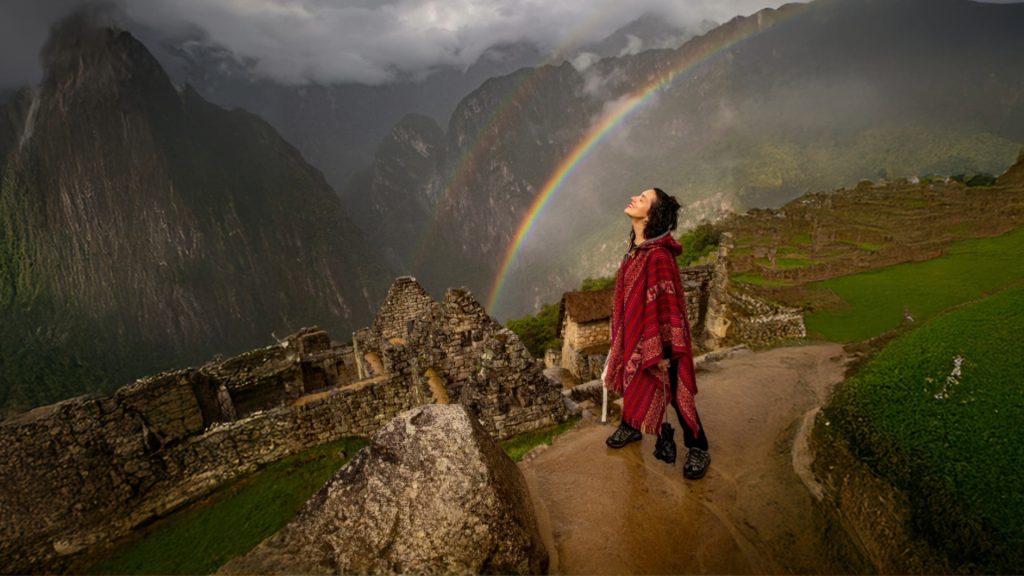
Ready to uncover the true mysteries of Machu Picchu?
Join us on a journey through history and legend with our guided tours:
🔗 Classic Inca Trail 4 Days – Ali Peru Treks
🔗 Short Inca Trail 2 Days – Ali Peru Treks
Explore the heart of Peru and walk in the footsteps of the Incas.
