

If you are looking for a unique Peruvian experience, Tambomachay Mystical Refuge is ideal. This enigmatic archaeological site is located just seven kilometers from Cusco. It is known as the «Inca’s Bath» or the «Ñusta’s Bath.» It holds ancient secrets waiting for curious explorers like you. We combine history, nature, and responsible adventure.
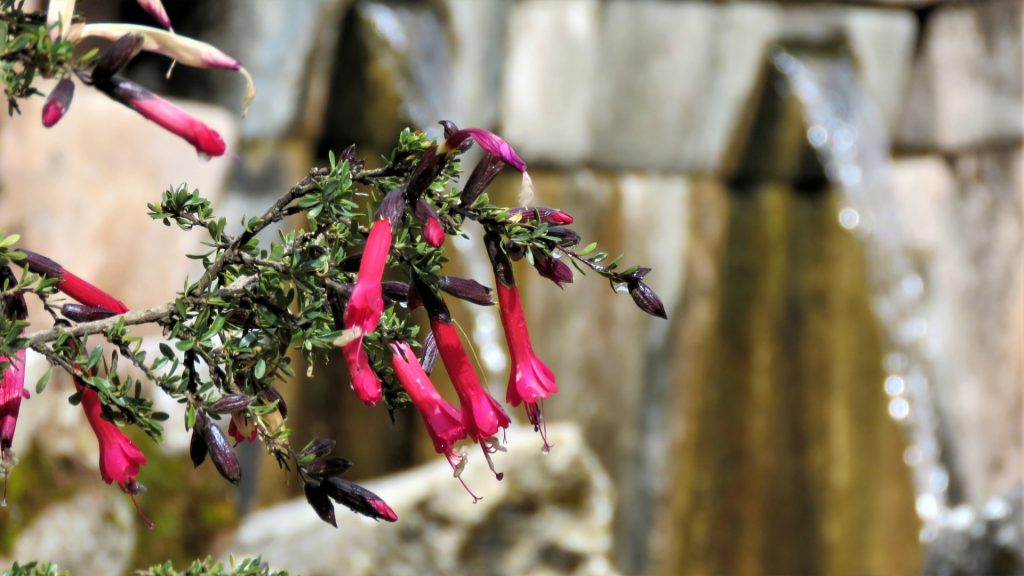
Tambomachay: The Temple and the Sacred Water (Yaku)
Upon arriving at Tambomachay, you see an amazing system. It consists of aqueducts, channels, and flowing waterfalls. These structures are designed with astonishing precision. The Incas masterfully harnessed natural resources here. They created a space of tranquility and harmony. As you explore, you travel to an era of legends. Every precisely cut stone tells a profound story.
What was the spiritual meaning of water for the Incas?
- Water (Yaku) was considered a powerful, sacred element.
- It symbolized fertility, renewal, and purification.
- The continuous flow at Tambomachay represents eternal life.
- Rituals were performed here to honor the Water Gods.
- The site’s meticulous engineering reflects this reverence.
What are the main theories about its original use?
- Water Worship Site: Many believe rituals honored the water deities.
- Royal Spa: Some suggest it was an exclusive rest area for Inca nobility.
- Purification Center: Others argue it served as a spiritual purification site.
- It was likely a combination of these sacred and administrative functions.
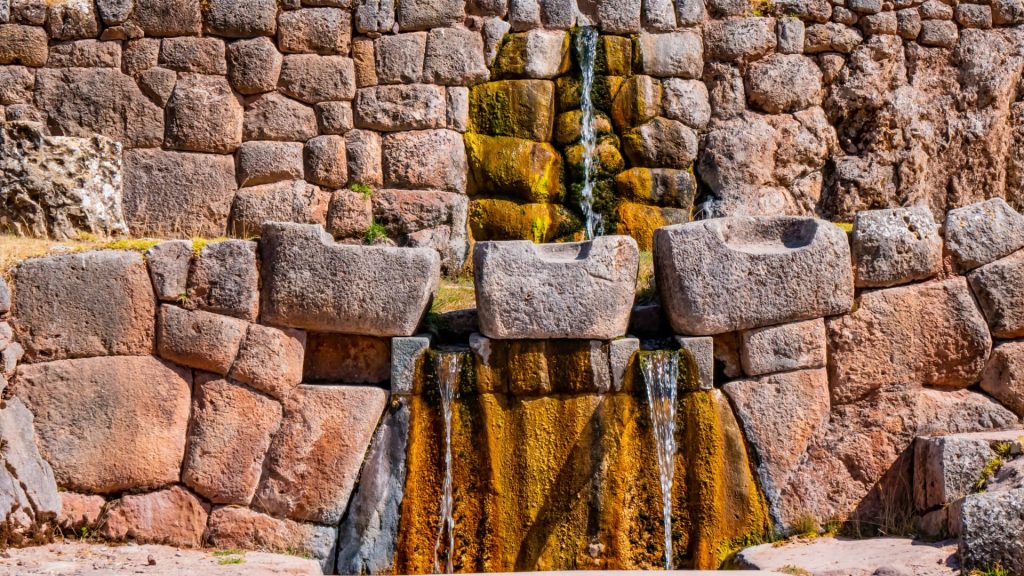
Architectural Genius: The Inca Hydraulic Engineering
Tambomachay is a living testament to Inca ingenuity. Its architectural precision in water management is remarkable. The complex consists of terraces and aqueducts. These systems channel water from underground springs. The waterfalls have flowed uninterrupted for centuries. This demonstrates the Incas’ advanced mastery of hydraulic science.
What defines Tambomachay’s unique structure?
- The complex uses fine, polished Inca stonework.
- The structure features two distinct levels of terraces.
- The channels ensure the water flows perfectly symmetrically.
- The water exits through two carved spouts onto the lower platform.
- The site’s name translates to Tampu (lodging) and Machay (cave).
- This suggests it was a resting and ceremonial location.
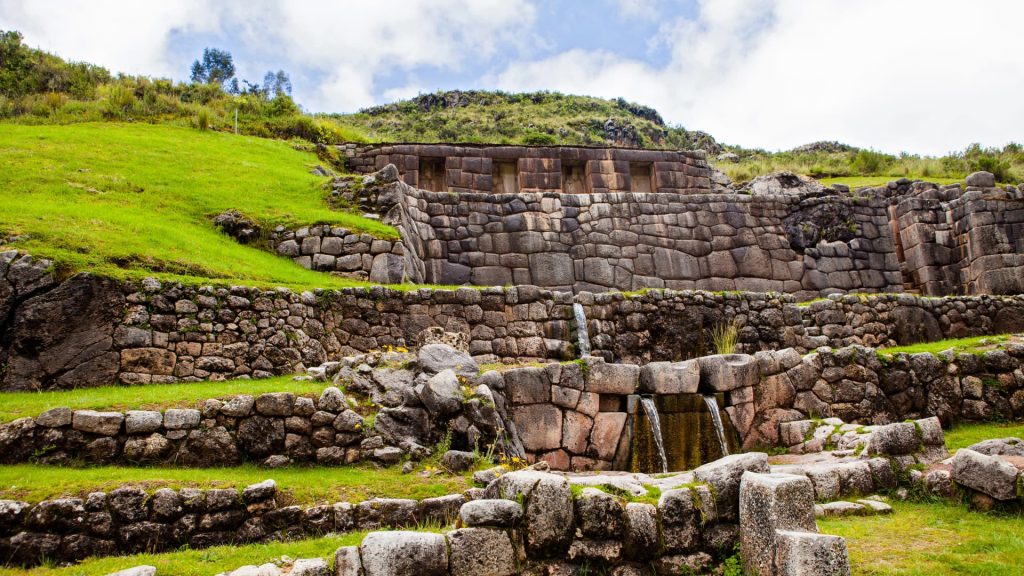
The Mystery of the Water: Precision and Inca Duality
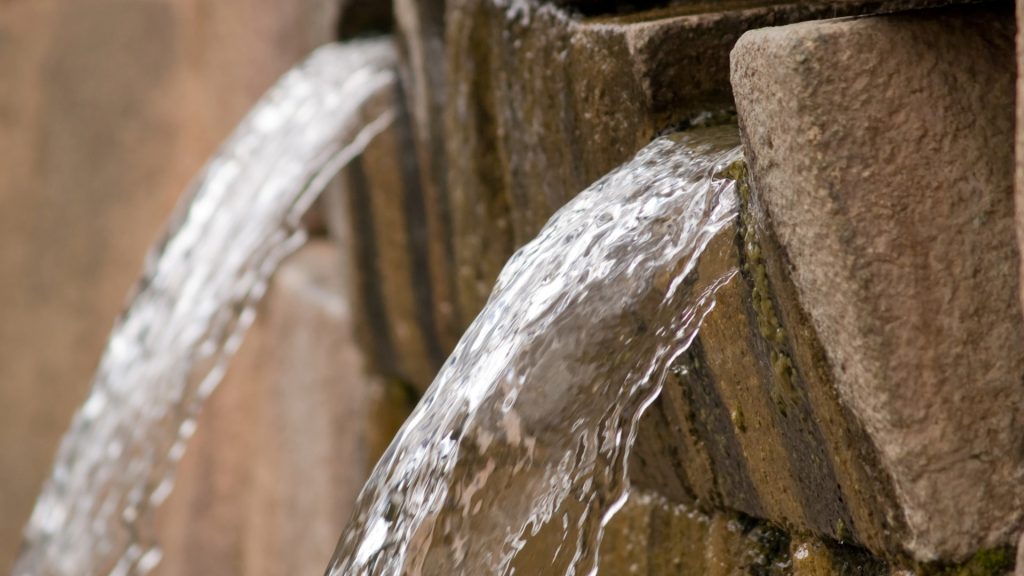
The most fascinating detail of Tambomachay is the water flow. At the lower level, two spouts release water simultaneously. These streams are identical in flow and volume. They fall into a small stone pool. This precision is not accidental or simple engineering. It reflects the Incas’ deep spiritual understanding.
How did the Incas control the water flow?
- The water originates from a hidden, underground spring network.
- The channels were precisely carved into the hillside stone.
- The symmetric design maintained equal pressure for both spouts.
- This demonstrates their mastery of hydraulics and masonry.
- The constant flow symbolizes the infinite cycle of life.
What is the legend of the Ñusta’s Bath?
- Tambomachay is often called the «Bath of the Princess» (Ñusta’s Bath).
- The twin streams symbolize the dual nature of the universe (Yanantin).
- This concept represents the perfect balance between two forces.
- It could be male and female, day and night, or mountain and valley.
- The ritual use of the twin spouts granted purification and renewed life.
The Cusco Tourist Circuit: Tambomachay’s Neighbors
Tambomachay is not an isolated site. It forms part of a critical archaeological route near Cusco. This route requires the Boleto Turístico (Tourist Ticket). We recommend combining your visit with the three nearby sites. This logistical planning maximizes your day trip.
Which sites are visited along this same route?
- Puka Pukara (The Red Fortress): Located just across the road from Tambomachay. This small, walled complex served as a military checkpoint. It protected the access route to Cusco and the Sacred Valley.
- Qenqo (The Labyrinth): This massive limestone outcrop features zigzagging channels. It was a site for rituals and sacrifices. Its underground chambers hold great mystical aura.
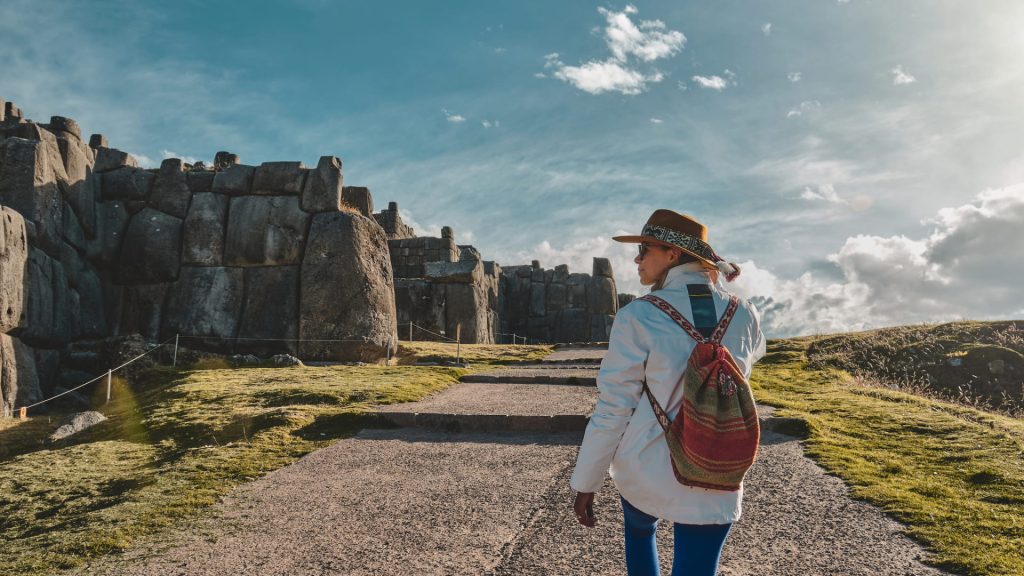
- Sacsayhuamán: The monumental fortress is the largest site on the route. Its enormous polished stone walls are an engineering marvel. It remains a key ceremonial center near Cusco.
- We include all these sites in our Half Day City Tour In Cusco experience.
Challenge Your Limits with Alternative Routes
For travelers seeking adventure beyond the conventional, Tambomachay offers hiking options. These routes will test your adventurous spirit. We encourage exploration and immersion.
What are the hiking options near the refuge?
- Secret Hydrology Route: This short hike allows you to see the water’s path. You witness the Incas’ hydraulic engineering firsthand. This peaceful trail is surrounded by native vegetation.
- Antisuyo Trail (Distant): This is a challenging trek towards the lowlands. It takes you through breathtaking, high-altitude landscapes. It allows you to follow in the footsteps of ancient Incas.
- Intermediate Hike: Start at the Sacsayhuamán Complex. Immerse yourself in the grandeur of this fortress. Then walk along the high-altitude trails to Tambomachay.

Recommendations for Your Adventure
To make the most of your visit, proper preparation is key. Tambomachay is easily accessible, but the Andean climate is unpredictable. Our priority is always your safety and comfort.
How can I reach the site using local transport?
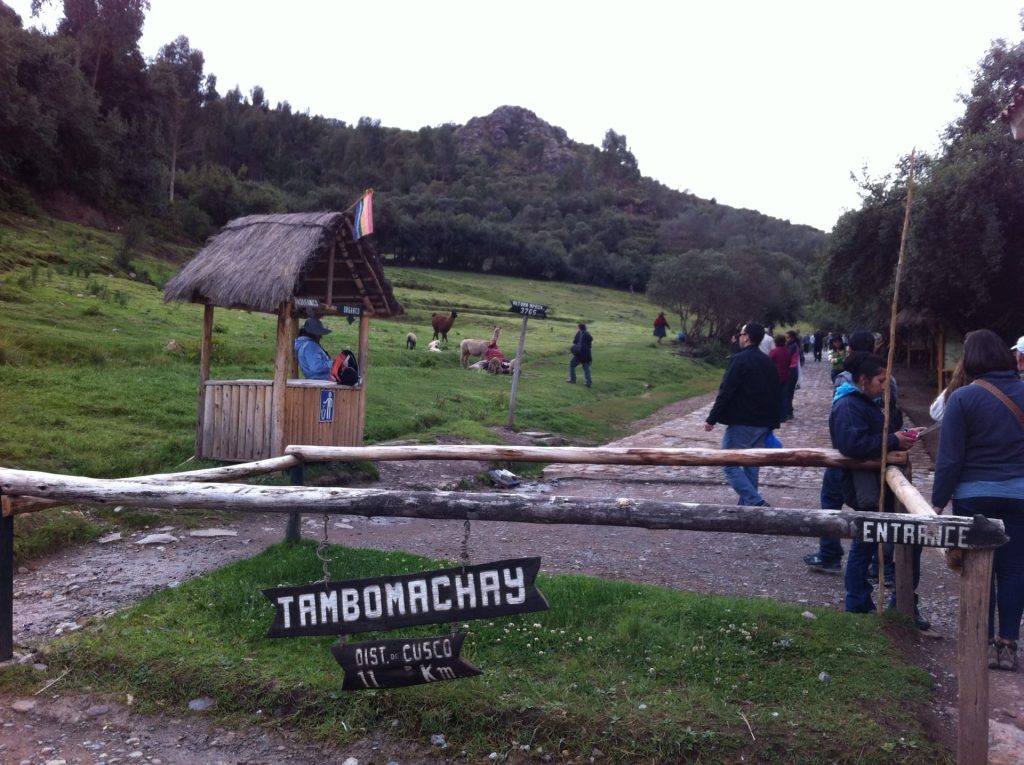
- Private Car/Taxi: Take a taxi directly to the Tambomachay entrance. You can find reliable drivers at the Puputi Street taxi stand.
- Public Transportation: Take the «Señor del Huerto» bus line. You can find this bus stop on Rosaspata Street. The bus takes you directly to the entrance gate.
- Tour Operator: Choose our guided City Tour. This option provides comfortable transport and expert explanations.
What should I bring and know before visiting?
- Access: A Boleto Turístico is required for entry. You can purchase it at access points or tourist offices.
- Clothing: Dress in layers for the variable Andean climate. Wear comfortable, sturdy walking shoes.
- Hydration: Bring water and snacks to maintain energy while exploring.
- Local Guides: Opt for one of our local guides. They enrich your experience with historical and cultural insights.
- Respect: Follow all site guidelines, avoid touching the structures.
- We recommend checking local reviews from past visitors on TripAdvisor before booking any local transport.
Conclusion
Tambomachay Mystical Refuge is not just a destination. It is a profound experience of history and nature. It blends the majesty of Inca ingenuity with serenity. Whether you choose a challenging trek or a peaceful visit, this site promises discovery. We are your local, direct operator committed to immersion. Book your Half Day City Tour In Cusco today to explore the Temple of the Water!