

When you journey through the mystical highlands of Peru, a pile of stones beside the trail might seem like just a landmark. But to us, local guides of Ali Peru Treks, we understand that these structures are much more. If you’re wondering what is the Apacheta Sacred Symbolism, know that it represents a profound, living ritual.
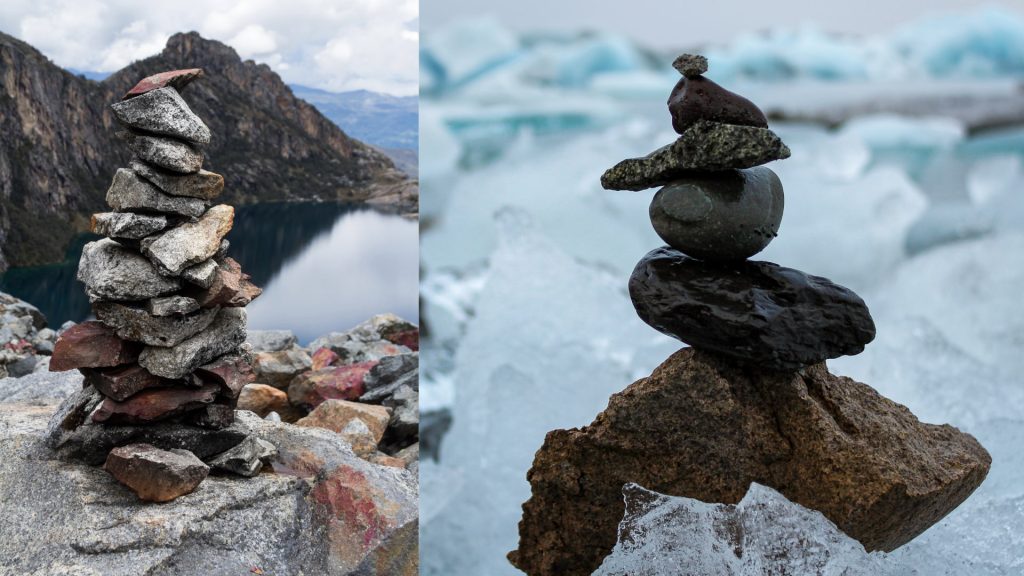
These sacred stone mounds,the apachetas,are powerful symbols, connecting the physical journey with the spiritual world of the Andes. We believe that true adventure means deeply understanding the land you traverse.
What is the Apacheta Sacred Symbolism in Andean Rituals
The tradition of the apacheta dates back to pre-Hispanic times, rooted deeply in the beliefs of the original Andean travelers. Historically, indigenous people would stop at high mountain passes, challenging inclines, or important crossroads to perform a sacred ritual.
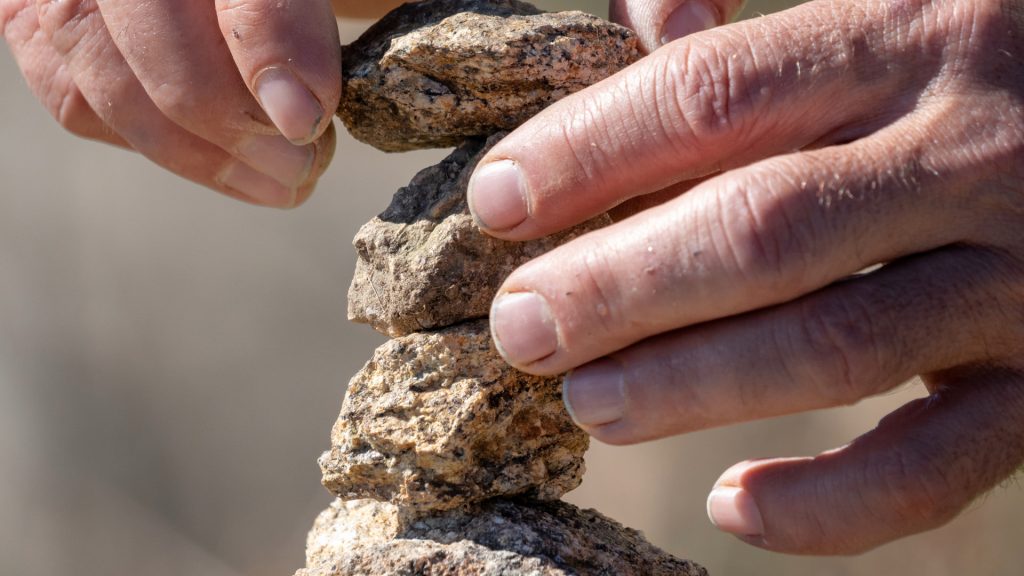
They would offer stones, known as k’intu or jatum, as tokens of gratitude, respect, and protection. Each stone placed on the mound symbolizes a silent prayer or a transfer of burden from the traveler to the earth.
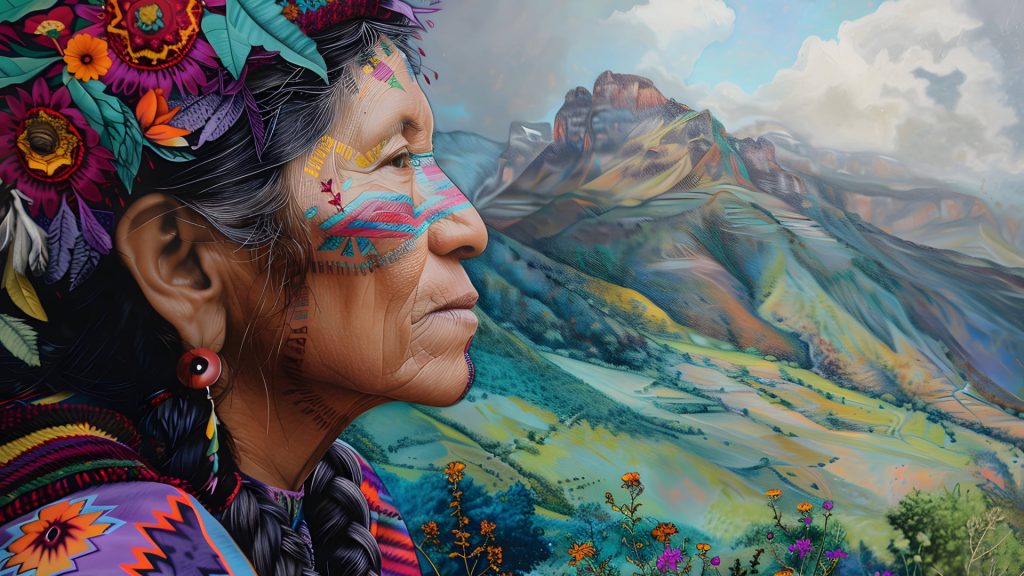
This act of reverence was directed primarily toward Pachamama, the Earth Mother, and the Apus, the powerful, ancestral spirits residing in the mountains. Travelers asked permission to enter the mountain’s realm and sought spiritual strength to continue their demanding journeys across the vast Inca Empire.
This wasn’t merely folklore; it was a deep, practical act of connection. It was believed that through these stone offerings, one could lighten their load, transfer illnesses, or prevent misfortune, ensuring a safe passage through the demanding terrain of the Inca Trail 4-Day Adventure – Your Gateway to Machu Picchu.
Where to Find Apachetas and Understand What is the Apacheta Sacred Symbolism
- Ceremonial stone towers found throughout Cusco’s main trekking routes.
- Appear as small three-stone piles or larger stacked structures.
- Usually located at high-altitude transition points with strong spiritual significance.
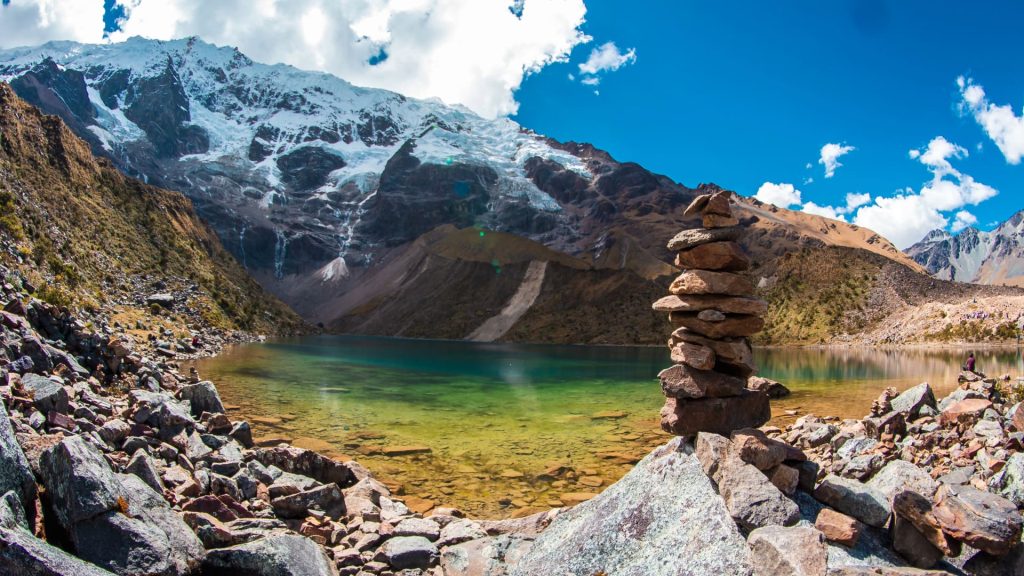
- Common along the Salkantay Trek and the trail to Humantay Lake.
- Serve as reminders of Andean traditions and respect for Pachamama.
- Understanding their sacred symbolism adds a deeper, more meaningful dimension to the trek.
Modern Offerings and What is the Apacheta Sacred Symbolism
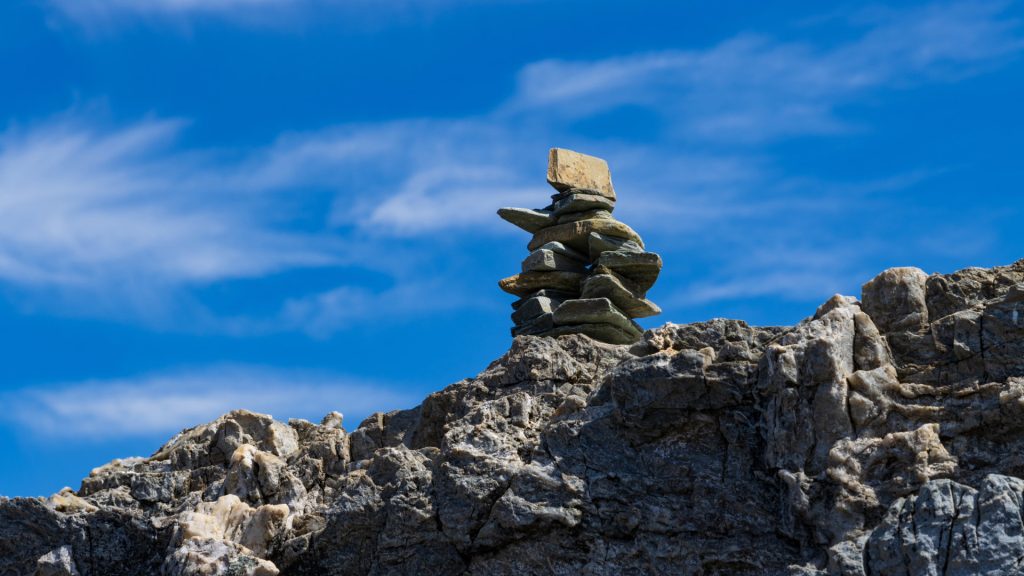
The apacheta tradition remains alive in the Andes. Locals and mindful trekkers still leave offerings such as coca leaves, chicha, llama fat, or small personal items,symbols of gratitude and respect for the mountain spirits.
With Ali Peru Treks, we promote responsible and culturally respectful interaction with these sacred sites. We guide you through proper protocol to ensure your participation is meaningful and aligned with Sustainable and Responsible Tourism. Your experience remains authentic, safe, and ethical just as many of our TripAdvisor guests describe.
Trek Experiences and What is the Apacheta Sacred Symbolism
Connecting with Andean culture is a meaningful part of any journey. Learning the apacheta’s sacred symbolism transforms travelers from observers into participants, especially on the 4-Day Ausangate Trek – Machu Picchu Experience, where the remote mountains bring you closer to the Apus.
Our local guides share the stories of sacred peaks and explain how apachetas maintain spiritual harmony. Adding your own stone is a simple, powerful way to show gratitude and join a tradition that has lasted for centuries.
The Meaning of Modern Offerings and Pachamama Offering
The apacheta tradition remains alive in the Andes, where locals and travelers leave small offerings as gestures of gratitude to the mountain spirits. These practices, rooted in the Pachamama offering, help explain What is the Apacheta Sacred Symbolism by showing the deep spiritual connection between people and the high Andean landscape. With Ali Peru Treks, visitors engage with these rituals respectfully and responsibly, following proper cultural protocols. This approach transforms the journey into an authentic, meaningful, and ethical cultural experience.
Frequently Asked Questions about the Apacheta
Why do people build apachetas at high points?
Apachetas are built at high passes because these spots are considered spiritual gateways and the closest points to the Apus (mountain spirits). Placing a stone or offering expresses gratitude, seeks protection, and honors the mountains during key transitions in the journey.
Is it acceptable for tourists to add a stone?
Yes if done respectfully. Travelers should add only one small stone, ideally carried from the start, as a symbolic offering. It must be a quiet, intentional act that acknowledges the sacred meaning of the apacheta.
What is the role of the Apus mountain spirits?
The Apus are powerful protectors believed to provide life, fertility, and safety. Apachetas act as altars where travelers offer thanks and ask for strength or blessings for the route ahead.
What is the deeper spiritual meaning behind the apacheta ritual?
The apacheta symbolizes reciprocity (Ayni) with the mountains and Pachamama. By offering a stone, coca leaves, or a simple prayer, travelers give thanks and symbolically release burdens, receiving protection and guidance in return. This transforms the trek from routes like Salkantay, Ausangate, or the Inca Trail into a culturally immersive and spiritually meaningful experience.
Would you like to read more real traveler reviews and see their experiences? .
Visit our TripAdvisor profile