

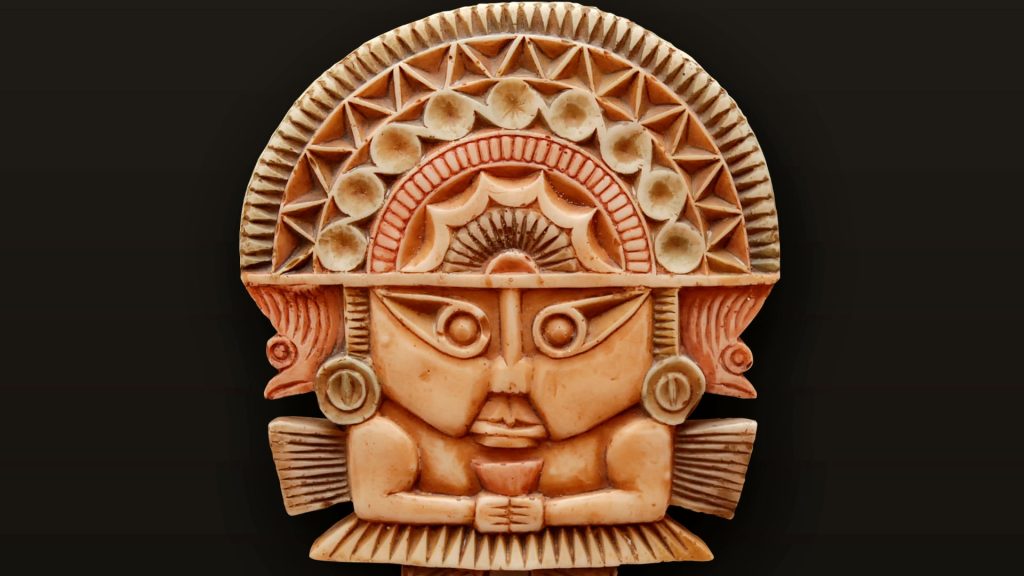
The Inca Civilization in Peru stands as one of the most sophisticated societies in pre-Columbian America. Its emperors led with vision, its economy thrived through cooperation, and its agriculture sustained millions across the Andes. From the legendary Pachacútec to the tragic fall under Atahualpa, every stage of Inca history reflects power, ingenuity, and deep connection to the land.
Important Leaders of the Inca Civilization
The greatness of the Inca Civilization in Peru was largely shaped by its visionary leaders:
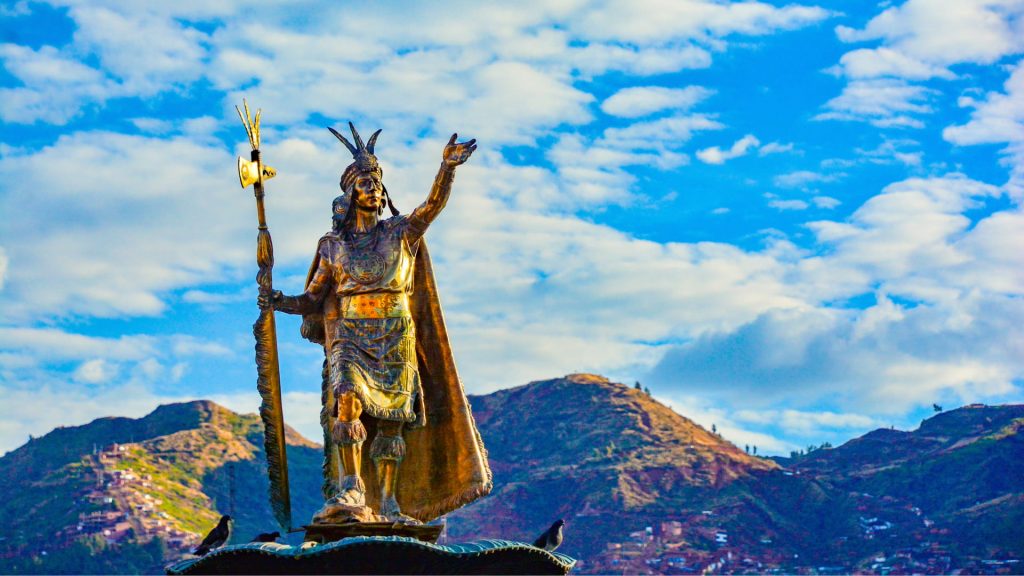
- Pachacútec: The architect of the empire and the visionary behind Machu Picchu.
- Túpac Yupanqui: Expanded territories and enhanced administrative efficiency.
- Huayna Cápac: Oversaw the empire at its peak of prosperity and organization.
- Atahualpa: The last emperor, remembered for his courage during the Spanish conquest.
Each ruler strengthened the empire’s structure and left a legacy that still resonates in Cusco, the ancient capital of the Andes.
Economy and Resource Management
The Inca economy was a model of cooperation and sustainability. It was based on agriculture, communal labor, and an intricate redistribution system managed by the state.
- Agriculture: Using terraces and irrigation channels, the Incas grew crops like potatoes, corn, and quinoa across diverse altitudes.
- Barter System: Instead of currency, communities exchanged goods and services.
- Storage and Redistribution: State warehouses (qollqas) ensured no region went hungry, showing their advanced planning and organization.
This balanced approach allowed the Inca Civilization in Peru to thrive even in challenging mountain environments.

Diet and Traditional Foods
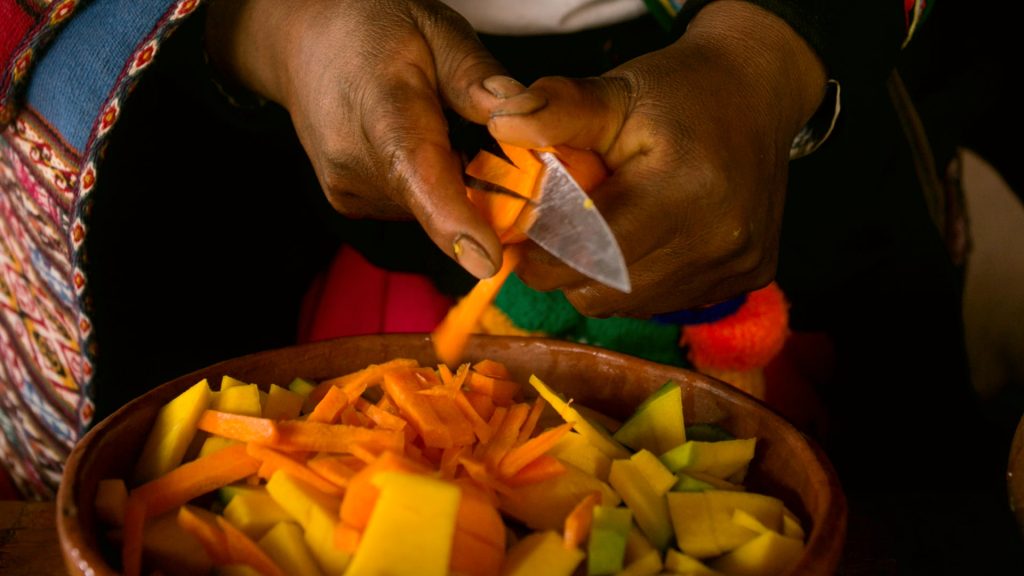
Food was both sustenance and a reflection of the Inca’s deep bond with nature. Their diet was rich, varied, and perfectly adapted to Andean geography.
- Potatoes: With hundreds of varieties, they were a staple of every household.
- Corn: Used in dishes and to brew chicha, a traditional fermented beverage.
- Charqui: Dried llama or alpaca meat preserved for long journeys.
- Quinoa, beans, and tubers: Provided essential nutrients for the population.
- Lucuma and custard apple: Offered natural sweetness in the highlands.
The diet of the Inca Civilization in Peru demonstrates their ingenuity in maximizing local resources while maintaining balance with the environment.
The Enduring Legacy of the Inca Civilization in Peru
Their visionary leaders, sustainable economy, and wholesome diet reflect a society built on balance, wisdom, and respect for nature. Today, traces of this greatness live on in Cusco, the Sacred Valley, and Machu Picchu, timeless witnesses of an empire that shaped Andean culture forever.