

Machu Picchu is located in the Peruvian Andes. It remains one of the world’s most visited destinations. Visiting this Inca citadel in Machu Picchu Travel Guide 2026 requires careful planning. New entrance regulations demand precision. This complete guide provides essential information. It covers tickets, circuits, and travel tips. We ensure you have a safe and unforgettable experience.
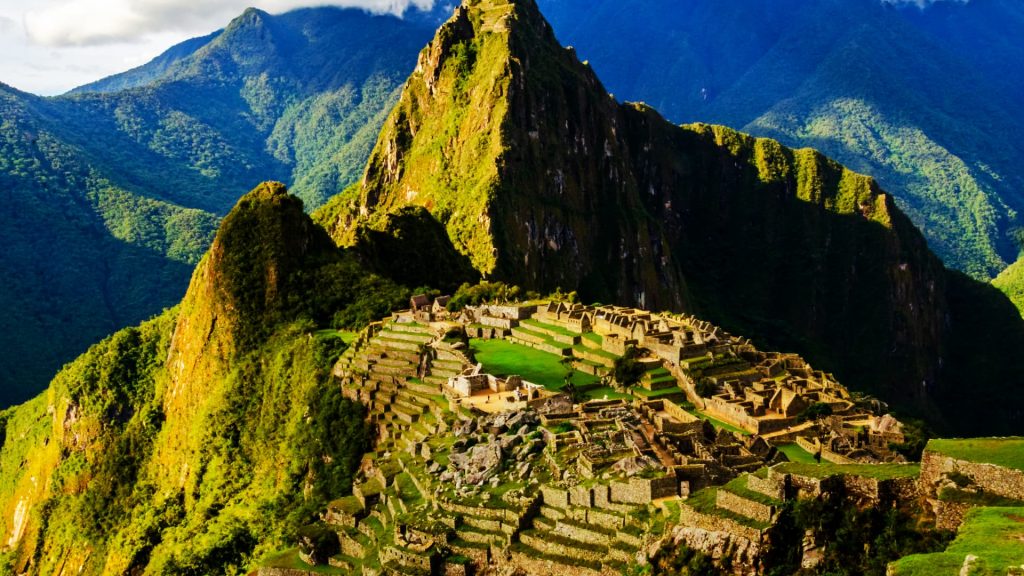
Navigating the New Machu Picchu Circuits
Since 2024, entrance to Machu Picchu is strictly managed by circuits. You must buy a specific ticket for a specific circuit. Re-entry is strictly prohibited once you exit the site. This system preserves the citadel’s integrity. We provide the latest details for the 2026 season.
How do the new circuits work?
- Circuit 1: Panoramic Route: This is ideal for upper-level photography. It includes the famous Guardian House viewpoint. This spot offers the classic postcard photo. It bypasses many main structures below.
- Circuit 2: Classic Citadel Route: This route covers the main constructions. It includes the Temple of the Sun and the Main Temple. This offers the most complete experience of the citadel. It is the most popular choice for first-time visitors.
- Circuit 3: Royalty Route: This offers a more exclusive, shorter tour. It covers the lower section of the citadel. This circuit includes the Temple of the Condor. It also features the agricultural terraces.
How do I reserve tickets for 2026?
- High demand makes early planning essential.
- Tickets should be purchased online through official channels.
- Select your preferred date and assigned time (6:00 a.m. to 3:00 p.m.).
- Tickets are sold in one-hour intervals.
- Respecting your scheduled time is mandatory for entry.
- We handle secure ticket purchasing for all our clients.
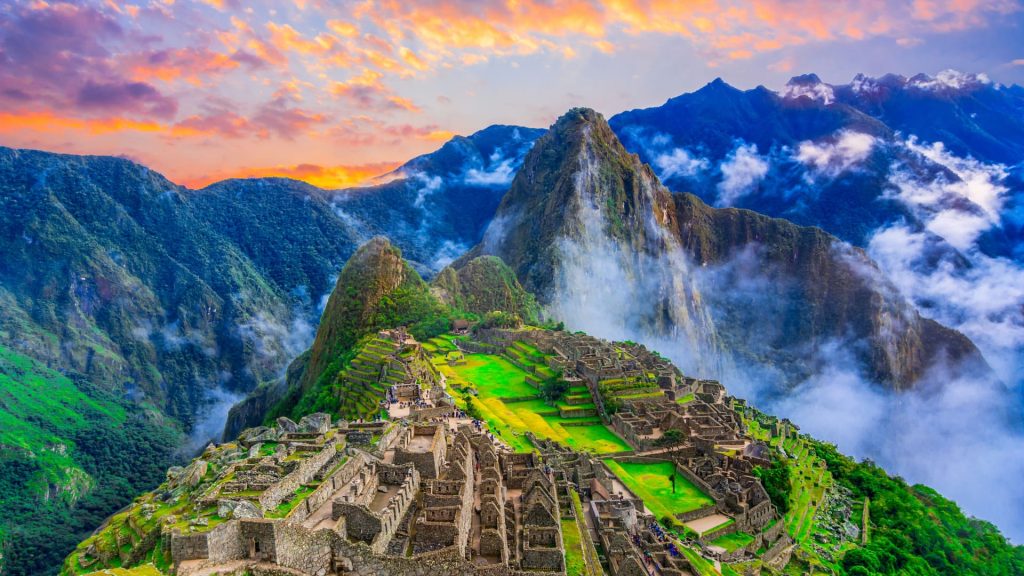
Access Options: Train vs. Trekking Adventure
The journey to Machu Picchu is part of the experience. You have two main, distinct ways to arrive. You can choose comfort via the train. Alternatively, select transformation through one of the ancient treks.
What are the main trekking options?
- Classic Inca Trail: This is the most famous route. It is a multi-day trek ending at the Sun Gate. It requires months of advance planning for permits.
- Salkantay Trek: This is the high-altitude adventure alternative. It offers spectacular glacial scenery. This route requires no special government permits.
- Lares Trek: This focuses on cultural immersion. It visits remote Andean communities. This offers a more social and less strenuous trekking option.
What is the train route and bus logistics?
- Trains run from Cusco or the Sacred Valley to Aguas Calientes.
- Aguas Calientes is the town at the base of Machu Picchu.
- From there, a bus takes you up a winding road.
- The bus trip to the main entrance takes about 30 minutes.
- This route is faster and less physically demanding.
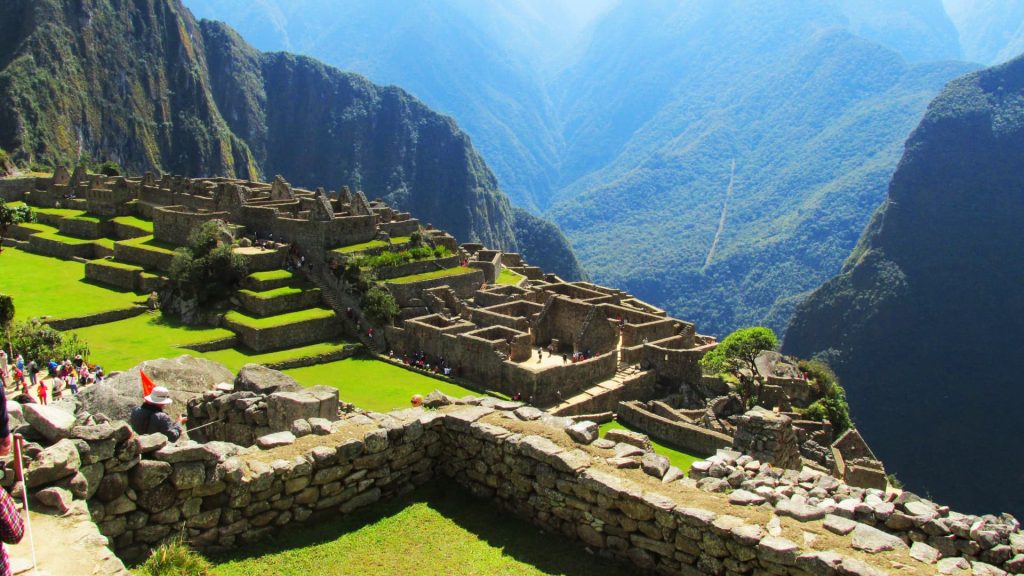
Essential Logistics: Train Types and Comfort
For the train route, choosing the right service affects your journey quality. Different carriers offer various levels of comfort. This ranges from panoramic luxury to essential service. We recommend services that prioritize passenger comfort. This ensures your energy is saved for the citadel visit.
What train classes are available?
- The Expedition/Voyager Class: This offers a comfortable and essential service. It features large windows for great views. It is the most popular choice for budget-conscious travelers.
- The Vistadome/Inca Rail 360: These feature panoramic windows and skylights. They offer snacks and cultural onboard entertainment. This maximizes the scenic journey experience.
- The Hiram Bingham/First Class: This is the luxury, all-inclusive option. It includes gourmet dining and live music. This service provides the highest level of comfort and exclusivity.

Regulations and Essential Preparation
To preserve Machu Picchu, strict rules are enforced. Following these regulations helps preserve this historical treasure. Our commitment to safety begins with proper visitor preparation.
What are the critical visitor restrictions?
- Mandatory Guide: Visitors must enter with an official tour guide. Guides lead groups of up to sixteen people. We provide highly knowledgeable, certified local experts.
- No Re-entry: Once you exit the site, re-entry is not allowed. Use the restrooms located outside the entrance before entry.
- Prohibited Items: Large backpacks (over 40x35x20 cm) are restricted. Food, alcoholic beverages, and tripods are not permitted. Metal-tip walking sticks are prohibited unless medically required.
What are the best practical tips for your visit?
- Altitude Adjustment: Spend at least one full day in Cusco (3,400 m) before visiting. Machu Picchu is lower (2,430 m). Acclimatization is vital (Altitude Sickness in Cusco: A Complete Guide to Prevention by Local Experts).
- Clothing: Use layered clothing for unpredictable weather. Pack rain gear, a hat, sunscreen, and insect repellent.
- Respect: Follow all guide instructions precisely. Do not touch or climb the ancient structures.
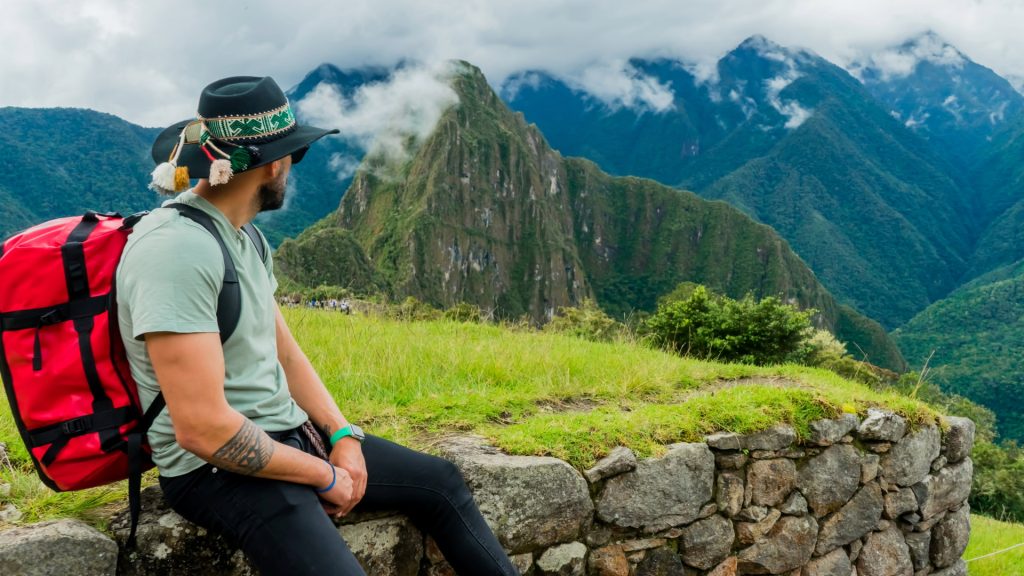
Huayna Picchu and Mountain Options
There are additional hikes available within the Machu Picchu Sanctuary. These add a physical challenge and a unique viewpoint. They require separate, highly limited tickets.
How do I hike Huayna Picchu?
- Huayna Picchu is the iconic peak behind the citadel.
- Its climb is steep and vertical, requiring great fitness.
- Tickets are the most limited and sell out fastest.
- The circuit includes the Temple of the Moon.
- This is for experienced hikers only.
What other mountain hikes are available?
- Machu Picchu Mountain: This offers a longer, less steep climb.
- The views are more expansive and panoramic than Huayna Picchu.
- Tickets are easier to obtain but still limited.
- The climb takes roughly 1.5 to 2 hours one way.
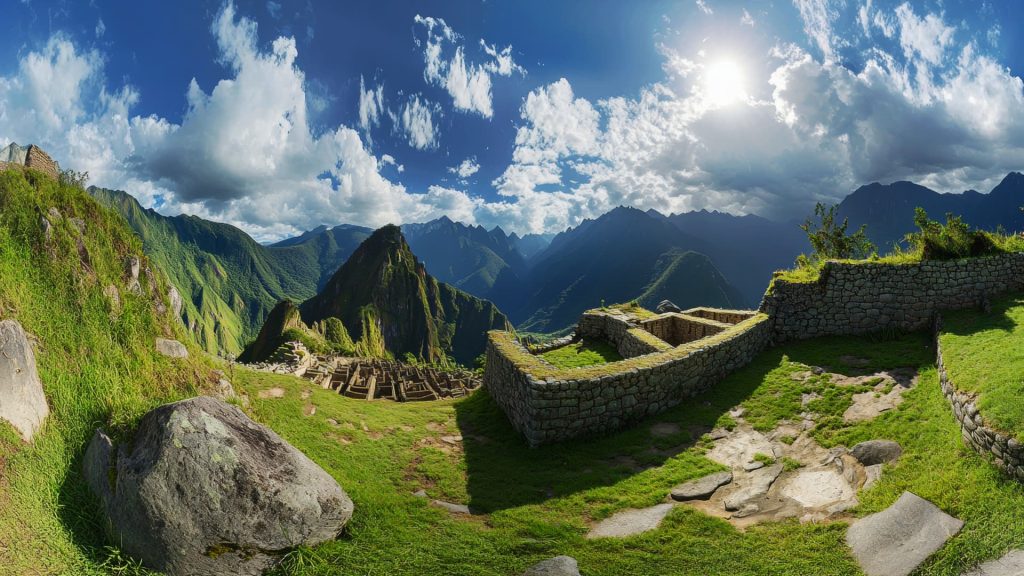
Three Hidden Historical Treasures of the Sanctuary
The Machu Picchu Travel Guide 2026 must go beyond the main ruins. The surrounding area holds smaller, fascinating Inca sites. These demonstrate the Incas’ mastery of engineering. Visiting them offers a deeper cultural immersion. We encourage exploring these hidden gems.
What are the lesser-known historical sites?
- Intipata (Sun Terrace): Located near the Wiñay Wayna campsite. This site features impressive, agricultural terracing. It provided food for the pilgrims and residents. It showcases Inca mastery of horticulture.
- Inti Punku (Sun Gate): The official end of the Classic Inca Trail. It offers a spectacular first view of the citadel. It served as the primary entrance checkpoint. It is a powerful spot for photography.
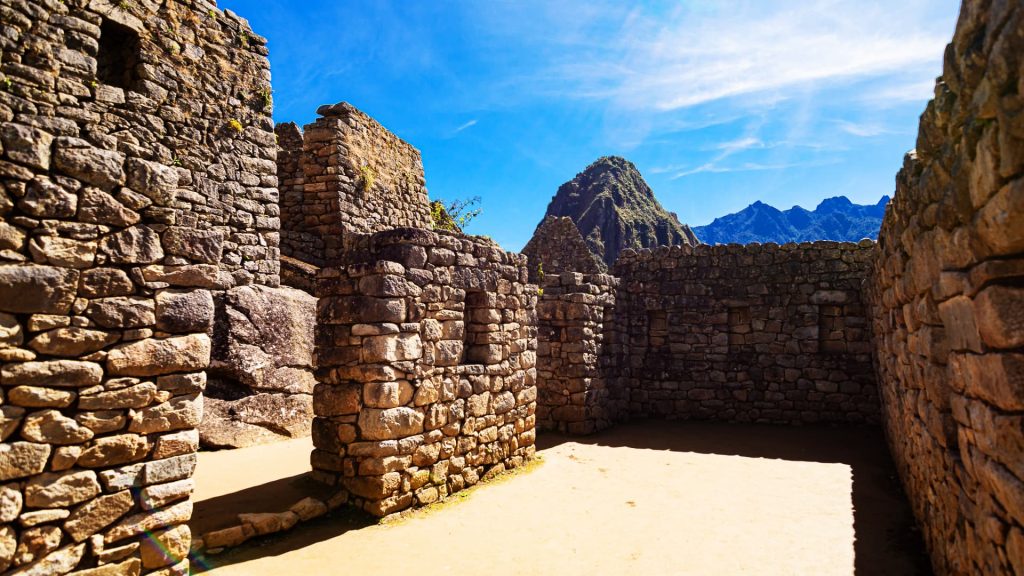
- Temple of the Moon (Templo de la Luna): Located beneath Huayna Picchu. This site is a small, sacred cave complex. It was likely used for ceremonies and rituals. Its intricate stonework is highly unique.
Conclusion
The Machu Picchu Travel Guide 2026 helps you prepare. Visiting Machu Picchu is more than a tour. It is an adventure into history and culture. By planning carefully, you ensure a smooth journey. We offer direct operation and ethical service. Follow the latest travel alerts on Facebook. Choose Ali Perú Treks to guide your unforgettable experience. Book your Machupicchu Full Day experience today!