
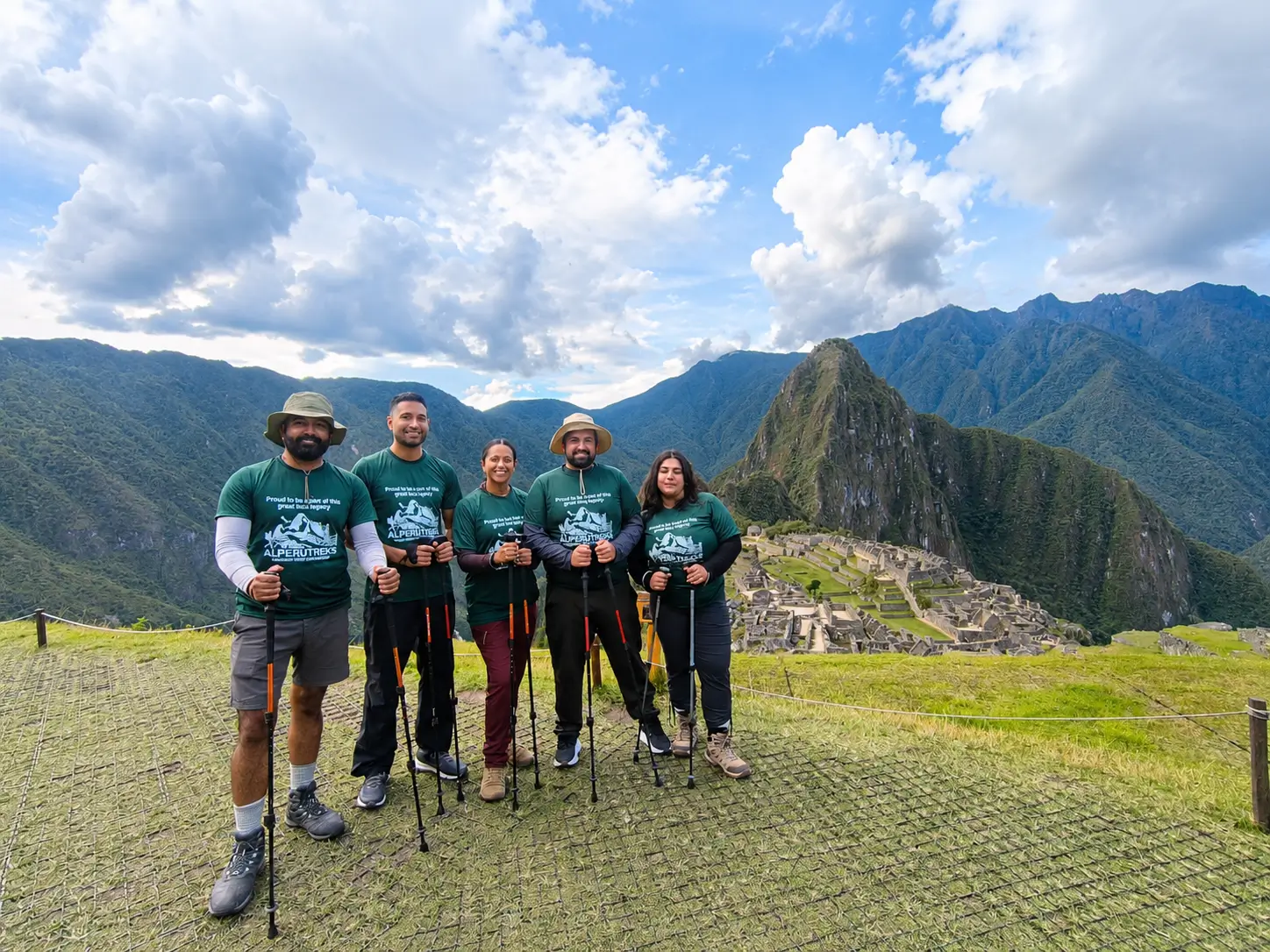
If you’re planning a February trip to Peru, here’s the short answer: the Classic Inca Trail is closed for the entire month, every year, by government mandate. This isn’t a booking issue or bad luck — it’s a scheduled annual closure that applies to every operator, with no exceptions. The good news is that Machu Picchu itself stays open, and several excellent multi-day treks keep running right through the rainy season.
This guide covers exactly why the Inca Trail shuts down in February, what the weather is actually like that month, which alternative treks are worth considering, and how to plan a trip to Machu Picchu that still feels worthwhile even without the Sun Gate sunrise.
Is the Inca Trail Open in February?
No. Both the Classic 4-day Inca Trail and the Short 2-day Inca Trail are fully closed throughout February. This applies to every trekking operator in Cusco — there’s no way to purchase a permit, and no legal way to hike any section of the trail, regardless of which company you book with.
Official Closure Dates
The closure is set by Peru’s Ministry of Culture, administered locally through the Dirección Desconcentrada de Cultura Cusco (DDC), in coordination with SERNANP, the national protected-areas service. In practice, this means the last possible start date for an Inca Trail departure is January 31, and the trail reopens on March 1. If February 29 falls in a leap year, the closure simply runs through that extra day as well.
Because this is a recurring annual policy rather than a one-off decision, it’s published well in advance each year as part of the Ministry’s permit calendar, and it hasn’t varied in recent seasons.
Does the Closure Include the Short Inca Trail?
Yes. Travelers sometimes assume the 2-day Short Inca Trail (starting at Km 104) might stay open since it’s a much smaller, lower-traffic section of the route. It doesn’t. Both the classic and short versions share the same final stretch of trail near Wiñay Wayna and the Sun Gate, so both are shut down together.
Why Is the Inca Trail Closed in February?
The closure comes down to two connected reasons: safety and conservation.
Peak of the Rainy Season
February sits at the height of the Andean wet season. Rainfall is heavier and more consistent than in any other month, and the trail’s narrow stone paths, steep staircases, and cliffside sections become genuinely hazardous — muddy footing, reduced visibility, and a higher risk of small landslides or rockfall. Closing the entire trail for one month, rather than trying to manage sporadic weather-related closures throughout the rainy season, is the approach Peruvian authorities have settled on.
Trail Maintenance and Conservation
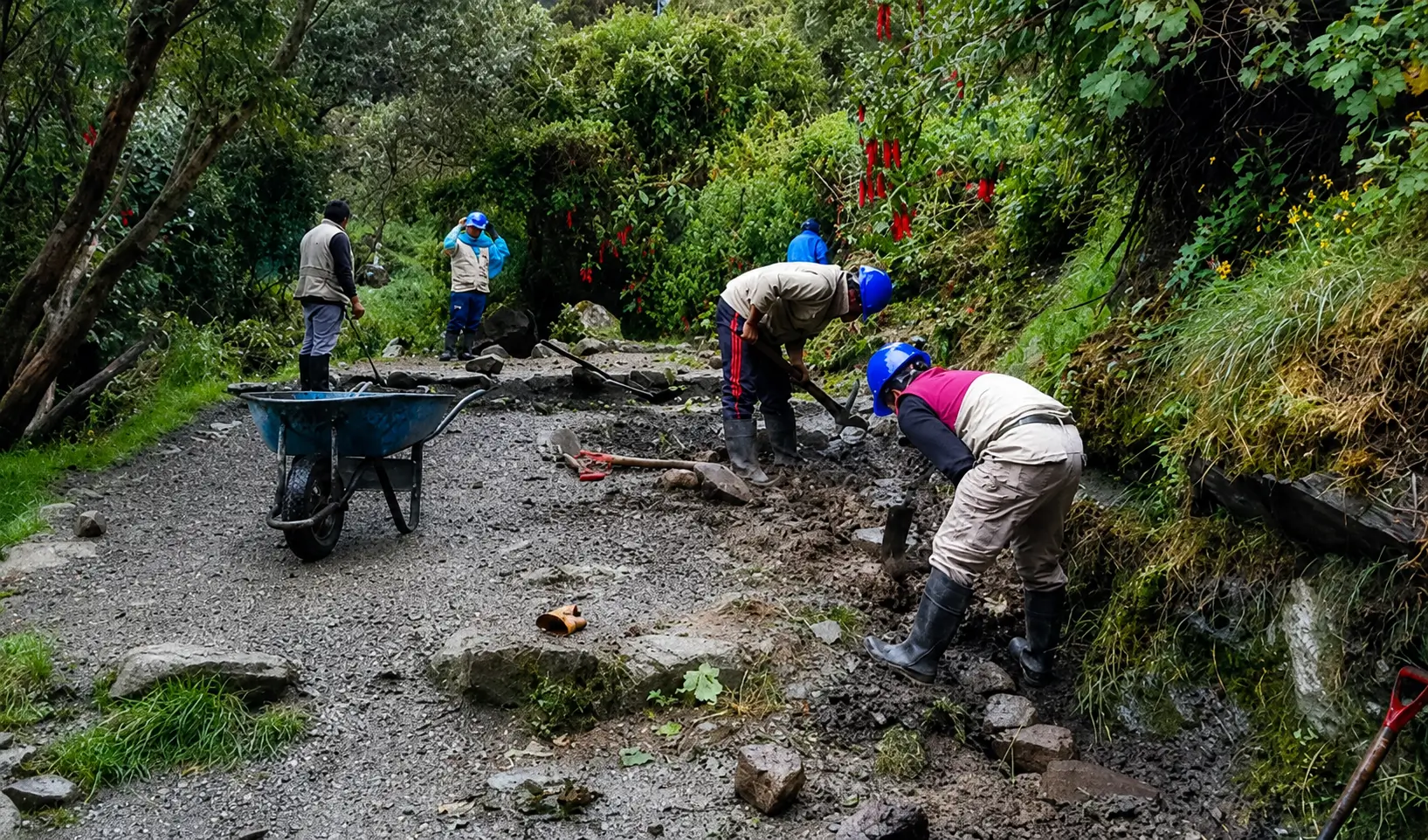
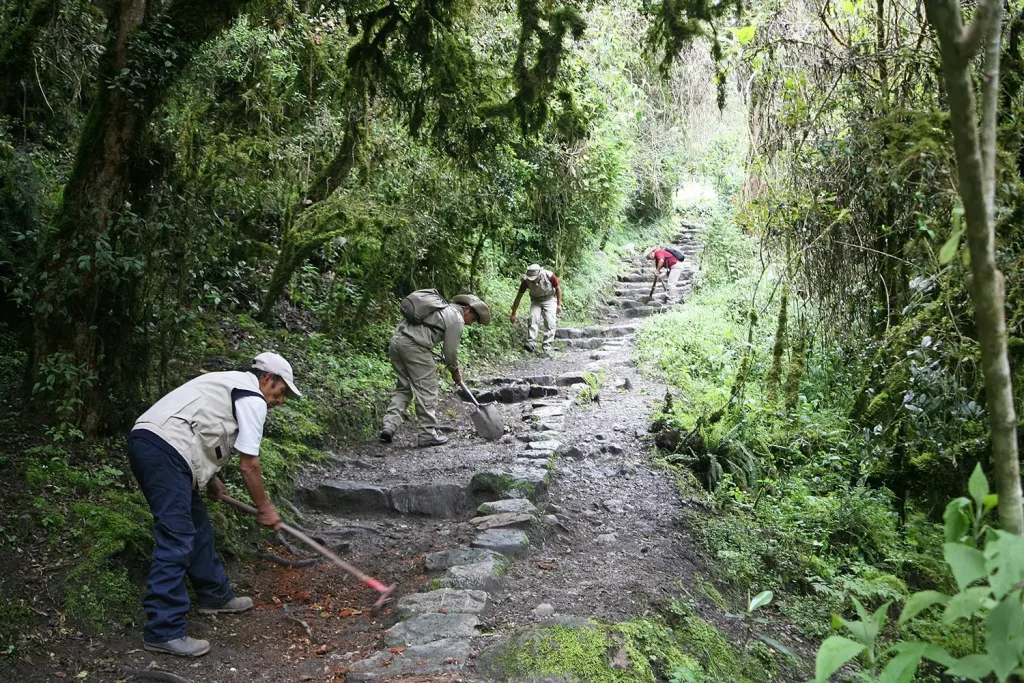
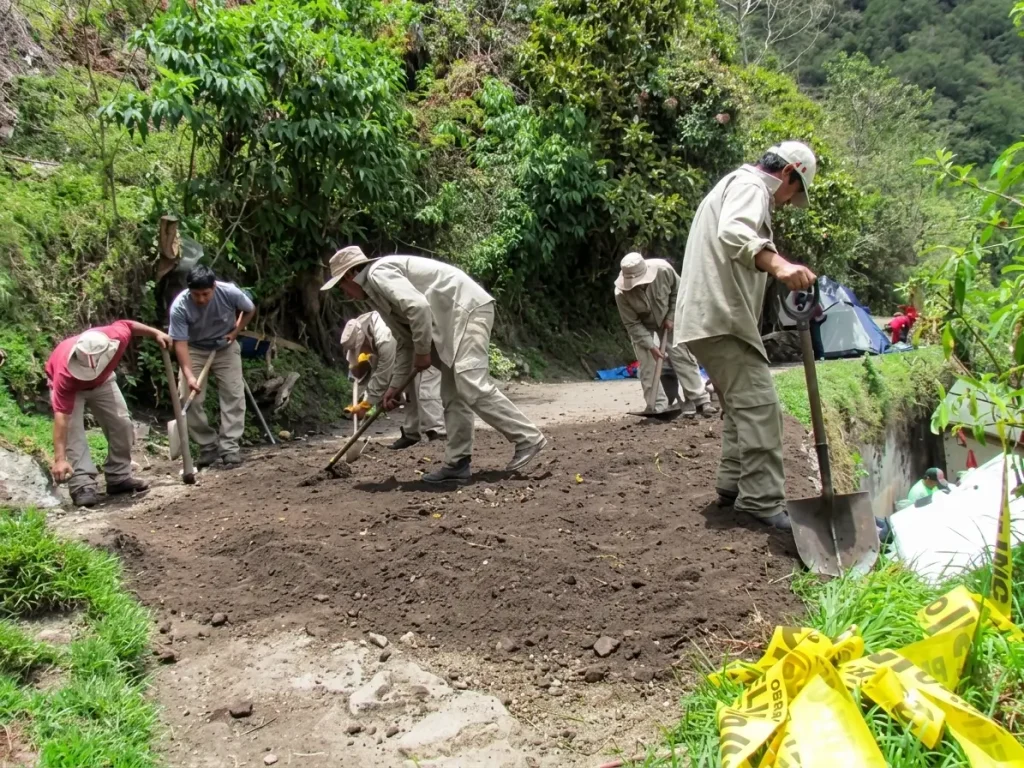
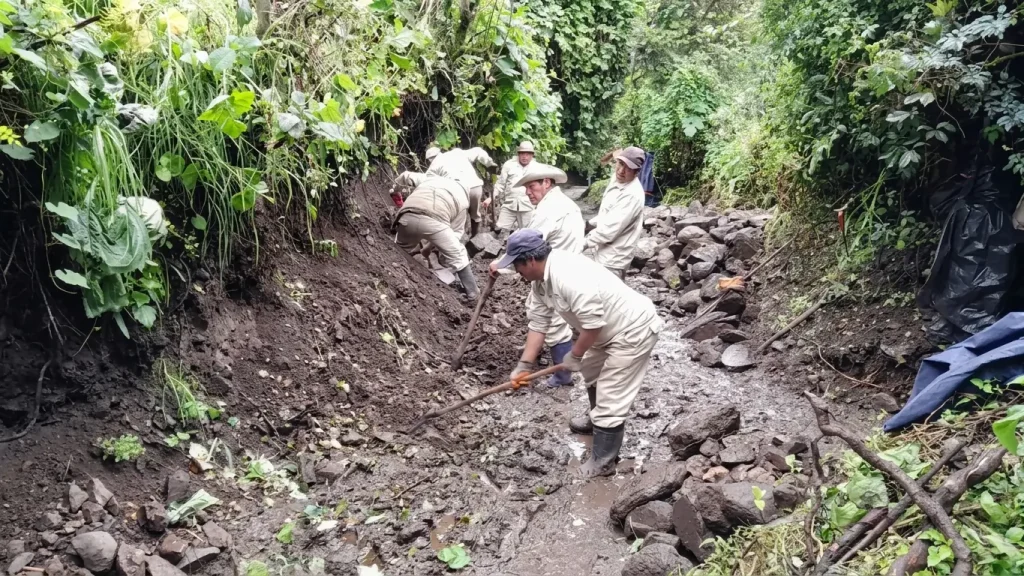
February also gives park authorities and maintenance crews a full month to work without hundreds of hikers passing through daily. During this window, crews repair stone steps, shore up drainage systems, reinforce bridges, and carry out cleaning and vegetation control along the route. Because the Inca Trail is both a hiking corridor and a protected archaeological site — with original Inca stonework and centuries-old terracing — this kind of maintenance simply isn’t possible while it’s in daily use.
Machu Picchu in February Weather
February is consistently ranked as the wettest month of the year in the Cusco region, and weather is the single biggest factor to plan around if you’re visiting during this time.
Cusco vs. Machu Picchu Climate
Cusco and Machu Picchu don’t share identical weather, even though they’re only a few hours apart by train. Cusco sits at over 11,000 feet in a drier highland basin, while Machu Picchu is lower in elevation and closer to the edge of the cloud forest, which makes it noticeably warmer and more humid.
As a general guide:
| Location | Typical Daytime High | Typical Nighttime Low | Typical Monthly Rainfall |
|---|---|---|---|
| Cusco | Roughly 59–65°F (15–18°C) | Roughly 43–46°F (6–8°C) | Historical averages vary by source, generally in the 130–250mm (5–10 in) range |
| Machu Picchu | Roughly 61–72°F (16–22°C) | Roughly 46°F (8°C) | Historical averages vary by source, generally in the 130–290mm (5–11 in) range |
These are long-term historical averages, not a forecast — actual conditions on any given trip can run wetter or drier than the norm, and climate data services don’t always agree exactly on totals. What’s consistent across every source is that February is the rainiest month of the year in this region, with rain falling on somewhere around 20 to 25 days of the month.
What Rain Actually Looks Like Day to Day
February rain in the Andes isn’t usually an all-day downpour. Many travelers find that mornings are clearer, with cloud building through the afternoon and heavier showers arriving later in the day or overnight. That pattern isn’t guaranteed, but it’s common enough that early starts tend to reward you with better visibility, especially at Machu Picchu itself.
Is Machu Picchu Still Open in February?
Yes — Machu Picchu operates normally all year, including in February. The citadel isn’t affected by the Inca Trail closure at all, since access to Machu Picchu doesn’t require hiking the trail. Almost all February visitors reach the site the same way: train from Cusco or the Sacred Valley to Aguas Calientes, followed by a short bus ride up to the entrance.
You’ll still get a full guided tour of the ruins, and you can still book Huayna Picchu or Machu Picchu Mountain add-on tickets if you want the extra hike, subject to availability. What you’ll miss is the specific experience of walking in through the Sun Gate on foot at sunrise, which only the Inca Trail itself delivers.
Inca Trail Alternatives in February
If your trip to Peru falls in February and multi-day trekking is part of the plan, several routes keep running through the rainy season. None of them enter Machu Picchu on foot through the Sun Gate, but each has its own strong appeal.
Salkantay Trek in February
The Salkantay Trek is the most popular Inca Trail alternative year-round, and it operates in February. It’s a higher and, in places, more physically demanding route than the Inca Trail — reaching over 15,000 feet at the Salkantay Pass — with dramatic mountain scenery, glacier views, and a warm cloud-forest descent toward Machu Picchu. Expect rain and mud in February, particularly at lower elevations, but the trail doesn’t share the Inca Trail’s closure and permit system, since it crosses public land rather than a protected archaeological corridor. A 5-day version is also available for travelers who want an extra acclimatization or rest day.
Lares Trek in February
The Lares Trek is generally less strenuous than the Salkantay Trek and follows a route through traditional Quechua-speaking Andean communities, weaving past small villages, hot springs, and high-altitude lakes rather than dense ruins. It’s a good option for travelers who want a strong cultural and scenery-focused trek without the elevation demands of Salkantay, and it also operates through February.
Other Route Options
Choquequirao Trek, sometimes called “Machu Picchu’s sister city,” is another possibility, though it’s a longer and more remote trek that can be affected by the same heavy rainfall patterns as the Inca Trail — check current conditions with your operator before committing to it in the wet season. Some travelers also use February to explore the Sacred Valley in depth, visiting sites like Ollantaytambo, Pisac, and Moray at a slower pace, then taking the train directly to Machu Picchu without a multi-day trek at all.
Visiting Machu Picchu in February — Pros and Cons
Pros
- Noticeably fewer tourists at Machu Picchu and in Cusco compared to the June–August peak season
- Lush, vivid green landscapes across the Sacred Valley and surrounding mountains
- Easier last-minute availability for hotels, guides, and Machu Picchu entrance tickets
- Peruvian Carnival festivities often fall in or near February, bringing colorful local celebrations to Cusco
- Lower average prices on accommodation in Cusco and the Sacred Valley
Cons
- No Inca Trail hiking of any kind (2-day or 4-day)
- The wettest month of the year, with a real chance of multi-day rain
- Mist and cloud cover can obscure Machu Picchu views, especially midday
- Occasional weather-related transportation delays on the Cusco–Aguas Calientes train route
- Trekking alternatives (Salkantay, Lares) will also involve mud and rain
Should You Travel to Peru in February?
February isn’t a bad time to visit Peru — it’s simply a different kind of trip than the classic dry-season itinerary. If hiking the Inca Trail through the Sun Gate is the centerpiece of your bucket list, February is the one month that experience is entirely off the table, and it’s worth knowing that before you book flights. If you’re more flexible — happy to see Machu Picchu by train, willing to trade some rain for fewer crowds and lower prices, and open to an alternative trek — February can still deliver a genuinely rewarding trip.
How to Plan Around the February Closure
If You Want to Hike the Inca Trail, Book March Instead
If the Sun Gate hike is non-negotiable for you, the simplest fix is shifting your trip to March, when the trail reopens. March permits sell out faster than usual because of pent-up demand from the closure, so if you can be flexible, aim to book your Inca Trail 4 Days trek as early as possible — permits for the classic route are limited to roughly 200 trekking spots per day and are managed directly by the Ministry of Culture. You can check current Inca Trail permit availability here.
Booking Your February Alternative Trek
Salkantay and Lares permits are not subject to the same government cap as the Inca Trail, which generally makes February booking more flexible — but weather-related itinerary adjustments are more common this time of year, so build a little slack into your schedule and choose an operator with solid wet-weather logistics (quality tents, waterproof gear, experienced guides who know when to adjust a route).
What to Pack for Peru in February
Regardless of which trek or itinerary you choose, February calls for rain-first packing:
- A proper waterproof rain jacket (not just water-resistant) and rain pants
- A rain cover for your daypack, plus dry bags for electronics
- Quick-dry hiking clothing rather than cotton, which stays wet
- Broken-in waterproof or water-resistant hiking boots with good tread
- A warm mid-layer for cold nights and high-altitude mornings, even though days feel mild
- Sun protection — UV exposure at altitude is strong even on cloudy days
- A headlamp, since power can be limited at some campsites on alternative treks
For a full month-by-month breakdown of Inca Trail weather and packing, see our complete Inca Trail weather guide.
Frequently Asked Questions
No. Both the 4-day Classic Inca Trail and the 2-day Short Inca Trail are closed for the entire month, from January 31 through February 28 (or 29 in a leap year), reopening March 1.
Peru’s Ministry of Culture closes the trail annually because February is the peak of the Andean rainy season, when wet conditions raise the risk of landslides and unsafe footing, and because the closure gives crews a full month to carry out maintenance on stone paths, bridges, and campsites without daily foot traffic.
Yes. Machu Picchu remains open year-round. Nearly all February visitors reach it by train from Cusco or the Sacred Valley to Aguas Calientes, followed by a short bus ride to the entrance.
The Salkantay Trek and Lares Trek both operate through February and are the two most established alternatives, since they aren’t subject to the same government-mandated closure as the Inca Trail.
Warm and humid by Andean standards, with daytime temperatures roughly in the 60s to low 70s°F (16–22°C) and frequent rain. It’s the wettest month of the year in the region, though showers often build later in the day rather than falling continuously.
Yes. The Andean highland rainy season generally runs from November through March or April, and February typically records the heaviest rainfall within that stretch.
If hiking the Inca Trail is essential to your trip, yes — March is the earliest the trail reopens. Because demand builds up during the February closure, March departures tend to sell out faster than usual, so early booking matters even more than in a typical month.
No — February is one of the lowest-crowd months of the year at Machu Picchu, thanks to the rainy weather and the Inca Trail closure reducing overall visitor numbers to the region.
No. Those are separate, optional hikes within the Machu Picchu archaeological site itself, and they continue to operate in February, subject to normal ticket availability.
Whatever the exact conditions turn out to be on your travel dates, the core planning fact doesn’t change: no version of the Inca Trail runs in February.
Build your itinerary around that from the start — whether that means a Salkantay or Lares trek, a slower-paced Sacred Valley trip with a train ride to Machu Picchu, or simply shifting your dates to March — and February can still be a genuinely worthwhile time to see Peru.