
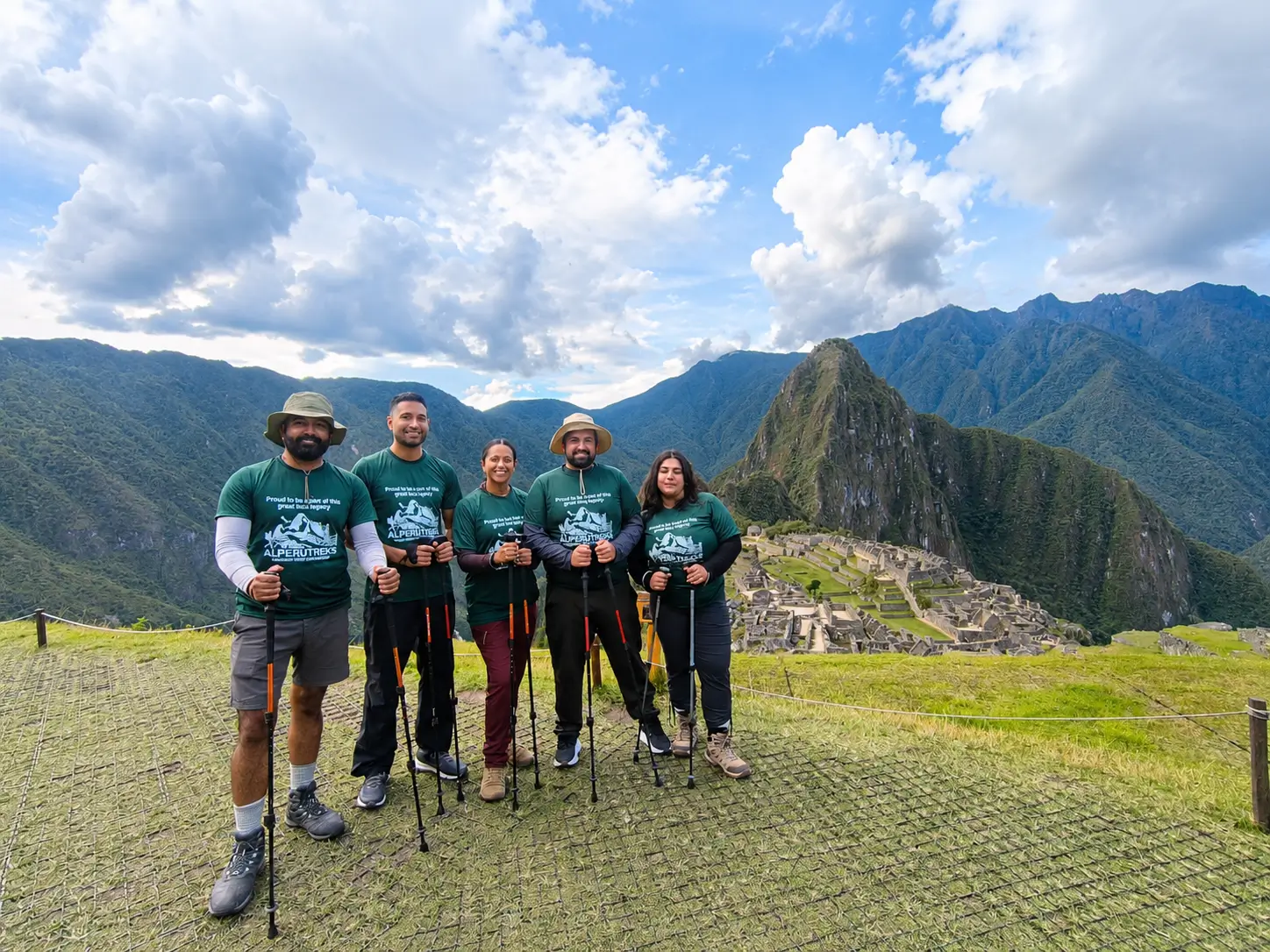
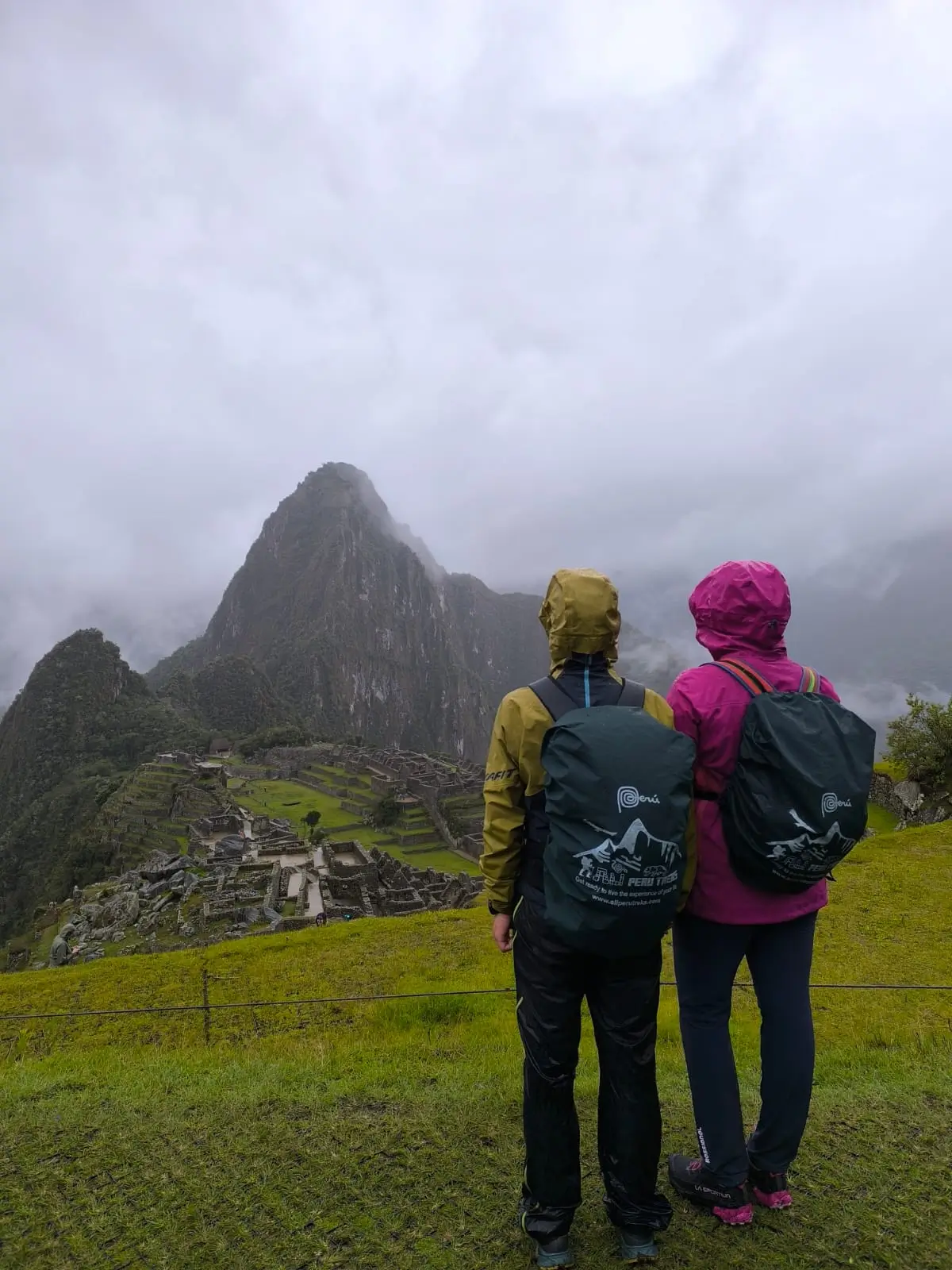
October is one of the better months to hike the Inca Trail. It sits at the tail end of the Andean dry season, so you’ll generally get more sun than rain, daytime temperatures that are comfortable for hiking, and noticeably fewer trekkers than during the June–August peak. It isn’t a guarantee of clear skies, though—the Inca Trail in October is a transition month, and afternoon showers become more common as the month goes on.
If you’re deciding whether to trek in October, here’s what actually shapes the experience: temperature and rainfall patterns, how crowded the trail and Machu Picchu get, how permits work this time of year, and how to pack and prepare for it.
Is October a Good Time to Hike the Inca Trail?
Yes, with a caveat. October is classified as shoulder season on the Inca Trail — the transition between the dry season (roughly May–September) and the wet season (roughly November–March). Early and mid-October tend to track closer to dry-season conditions: mostly sunny mornings, cooler nights, and manageable rain. By late October, cloud cover builds more often and afternoon showers become more frequent, as the region edges toward its wettest months.
Practically, that means October gives you a real shot at good weather and noticeably thinner crowds compared to peak season, in exchange for a somewhat higher chance of getting rained on at some point during your four days than you’d face in July or August. Most travelers who hike in October find it a reasonable trade.
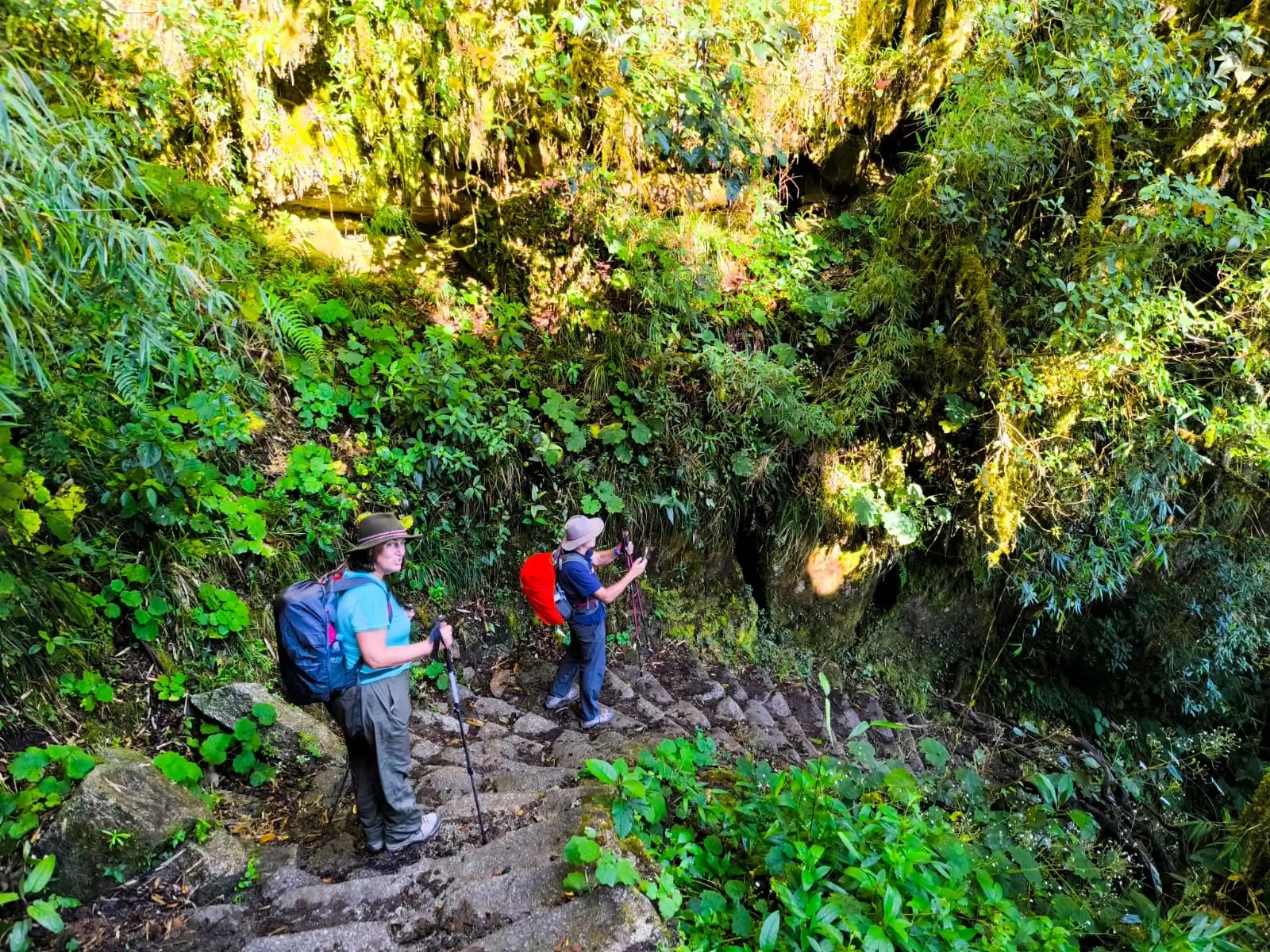
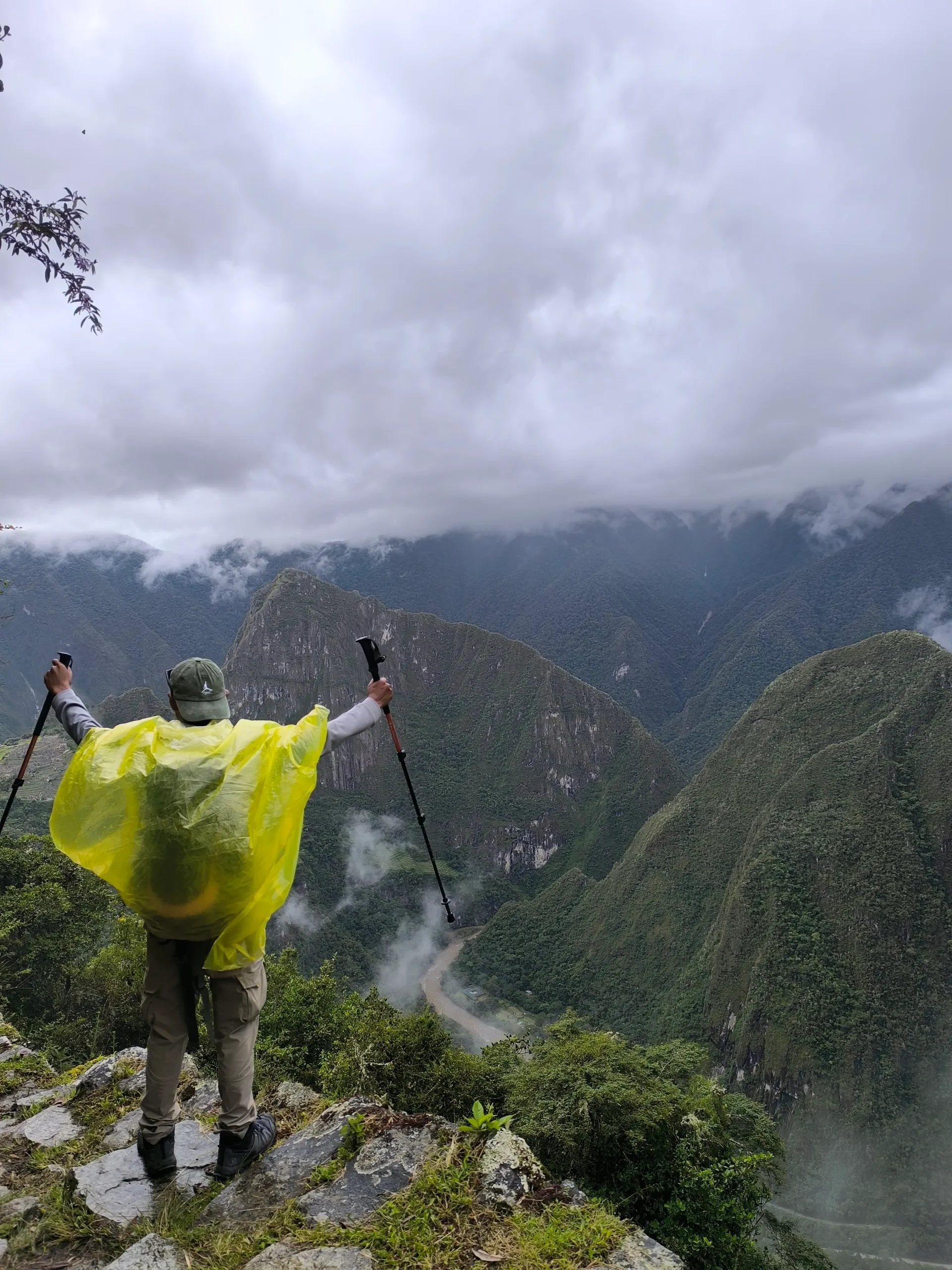
Inca Trail Weather in October
Daytime and Nighttime Temperatures
Temperature estimates for the Inca Trail in October vary a bit across sources, which reflects real variability across the route’s different elevations rather than any single “correct” number. As a working range: daytime temperatures along the trail typically fall somewhere between 15–22°C (59–72°F) in exposed, sunny sections, while nights — especially at the higher campsites near Dead Woman’s Pass — can drop to around 3–7°C (37–45°F), and occasionally colder in the early hours. The trail crosses several microclimates in four days, so “the weather” isn’t one number: Day 1 is warm and sunny in the valley, Day 2 turns cold and windy at the 4,215 m (13,828 ft) pass, and Day 3 is humid, misty cloud forest.
Rain and Humidity
October rainfall is best described as intermittent rather than heavy. Multiple sources estimate rain falls on roughly a third of days in the month, usually as afternoon or early-evening showers rather than sustained all-day downpours — mornings are more commonly clear. Humidity is noticeably higher than in the July–August dry-season peak, particularly in the cloud-forest sections between Phuyupatamarca and Wiñay Wayna on Day 3, where mist is common regardless of whether it’s actively raining.
Machu Picchu Weather in October (vs. the Trail Itself)
It’s worth separating trail weather from citadel weather, since they’re not identical. Machu Picchu sits lower (2,430 m / 7,970 ft) than most of the trail and tends to run warmer and more humid. Estimates for the citadel put daytime temperatures around 18–21°C (64–70°F) and nighttime lows around 5–8°C (41–46°F) in October, with rainfall increasing toward the end of the month as the wet season approaches — some sources place October rainfall in the 40–60mm range with 6–10 rainy days, still well below the totals seen from December through March. Morning cloud is common at the citadel even on largely dry days, typically clearing by mid-morning.
Trail Conditions in October
Because rain is intermittent rather than constant, trail conditions in October are generally good but not bone-dry. Expect:
- Mostly stable, walkable stone paths, with some sections becoming slick or muddy after rain — particularly in the cloud forest between Chaquicocha and Wiñay Wayna.
- Strong UV exposure even on cloudy days, since you’re hiking at high altitude; sun protection matters regardless of cloud cover.
- Increasingly lush, green scenery compared to the dry-season browns of June–August — October falls within the Andean spring, and wildflowers, including orchids, begin blooming along the trail.
- Visibility at viewpoints and passes that’s generally good in the morning, with a higher chance of cloud building by afternoon.
Crowds on the Inca Trail in October
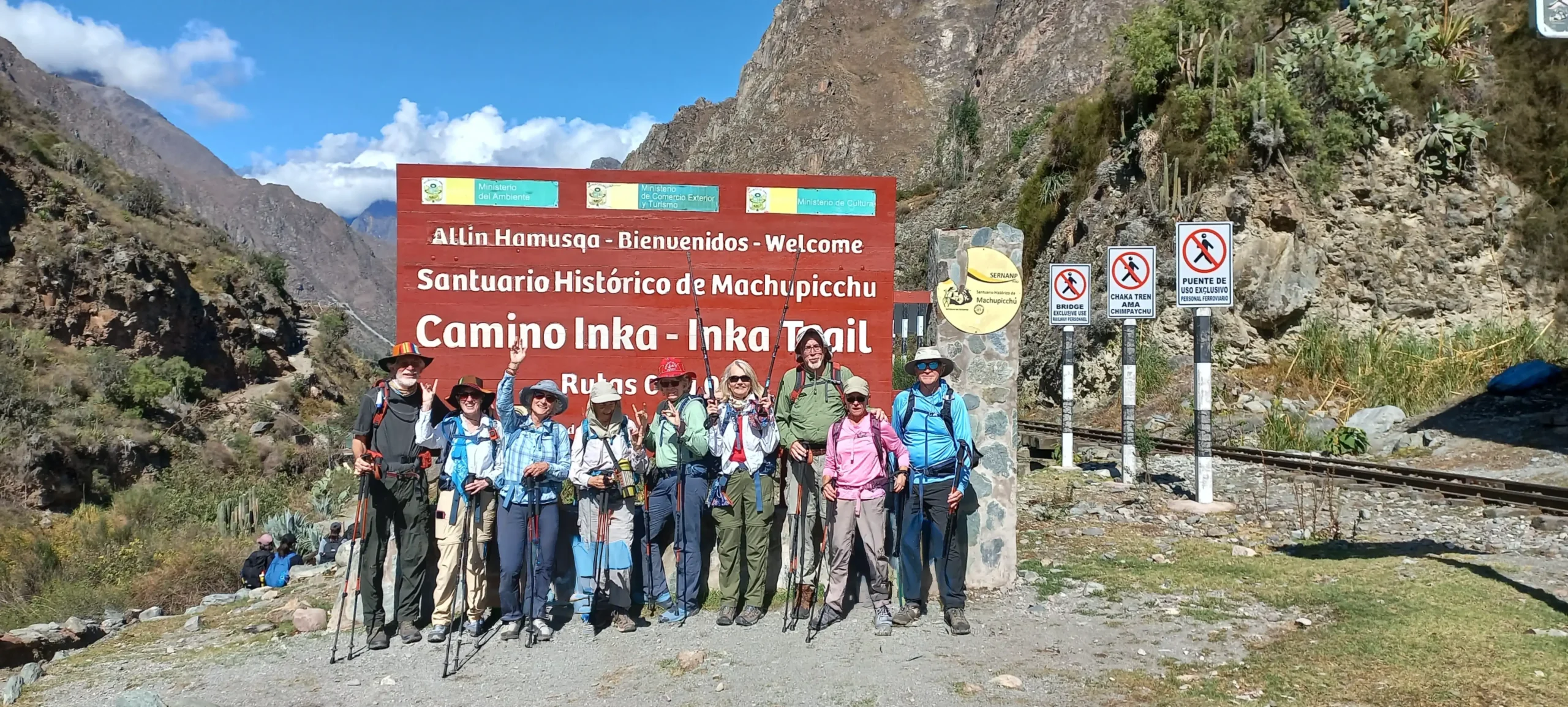
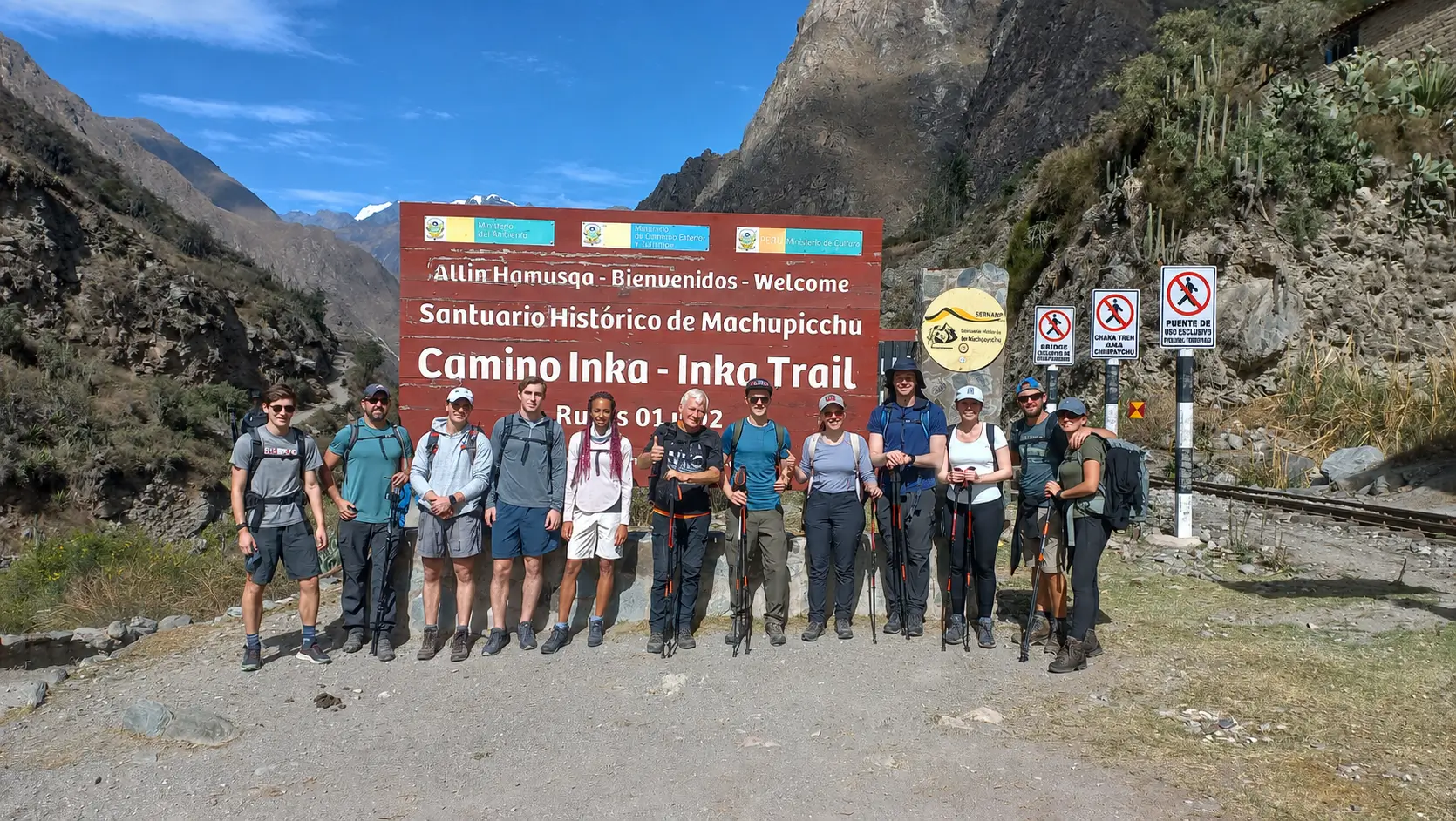
October is meaningfully quieter than the June–August peak, but it is not a low-crowd month in absolute terms. The trail’s daily cap (500 people, including staff) still fills toward capacity on many October dates, and Machu Picchu itself, while less congested than peak season, still sees solid visitor numbers. If your priority is genuinely light crowds, November through March (outside the February closure) will feel noticeably quieter — October is better described as “meaningfully less crowded than peak season” rather than “empty.”
October Inca Trail Permits and Availability
A few points are worth getting right here, since permit misinformation is common online:
- The daily cap is 500 people total on the Classic Inca Trail, which includes roughly 200 tourist spots and about 300 spots for guides, porters, and cooks. The Short Inca Trail (2 days, entering at Km 104) has its own separate, smaller quota.
- Permits can only be booked through a licensed tour operator. Independent trekking on the Inca Trail is not permitted under Peruvian regulation — there is no way to buy a permit directly as an individual.
- The Peruvian Ministry of Culture typically releases the following year’s full permit calendar in October. That means if you’re researching an October trek, you’re also in the exact window when next year’s dates open up — useful to know if your travel dates are flexible.
- Booking lead time: June–August dates can sell out four to six months ahead. Shoulder-season dates, including October, generally have more breathing room — a few months of lead time is usually sufficient, though popular dates (weekends, around holidays) can still sell out weeks or months in advance. Booking 3–4 months ahead is a reasonable target for October specifically.
- The trail is closed every February for maintenance, regardless of month you’re comparing to — this doesn’t affect October travel but is worth knowing if you’re weighing nearby months.
For live dates, always check current Inca Trail availability rather than relying on generic estimates, since the calendar updates in real time as operators book blocks of permits.
Pros and Cons of Hiking the Inca Trail in October
Pros
- Fewer crowds than the June–August peak, on the trail and at Machu Picchu
- Generally comfortable daytime hiking temperatures
- Greener, flower-filled landscapes as the Andean spring progresses
- Still within the broader dry-to-shoulder window, so extended multi-day downpours are uncommon
- More manageable permit booking timeline than peak season
Cons
- Rain becomes more frequent as the month progresses, especially late October
- Humidity is higher than the July–August dry-season peak, particularly in the cloud forest
- Popular October dates can still sell out, so last-minute booking is risky
- Some muddy or slick sections possible after showers
- Weather is less predictable day-to-day than in the core dry season
October vs. Other Months: How It Compares
| Comparison | What differs |
|---|---|
| October vs. June–August (peak dry season) | Peak months offer more reliable dry weather but far larger crowds and permits that sell out months earlier. October trades a small amount of weather reliability for noticeably fewer people. |
| October vs. September | September is generally considered slightly drier and marginally more crowded than October, as it’s still fully within peak-adjacent conditions; October begins the shift toward the wet season. |
| October vs. November | November sees a further increase in rainfall and is generally considered the start of the wet season proper, though crowds continue to thin and permits are easier to obtain. |
| October vs. December–March (wet season) | The wet season brings the greenest scenery, thinnest crowds, and easiest permit access, but also the highest rain totals and, in February, a full trail closure. |
Bottom line: if you want the best balance of decent weather and lighter crowds, October (along with April) is usually the sweet spot most guides — including Ali Perú Treks’ own month-by-month breakdown — point to. If dry weather is your top priority and you don’t mind the biggest crowds, June–August is more reliable. If quiet trails matter most and you can tolerate real rain, look to the wet season instead.
What to Pack for the Inca Trail in October
October’s transitional weather means packing for both sun and rain, and for a wide temperature swing between valley floor and mountain pass.
- Rain protection: A waterproof, breathable rain jacket and a pack cover or dry bag. Afternoon showers are common enough that this isn’t optional.
- Layers: A moisture-wicking base layer, a fleece or light insulating mid-layer, and a warm layer (down or synthetic) for the cold at the Dead Woman’s Pass campsite, where nights can approach freezing.
- Footwear: Broken-in, waterproof or water-resistant hiking boots with ankle support — trail sections can turn muddy after rain.
- Sun protection: High-SPF sunscreen, sunglasses, and a wide-brim hat — UV exposure is intense at altitude even under cloud cover.
- Hands and head: Lightweight gloves and a warm hat for the cold morning at the pass.
- Hydration: 2–3 liters of water capacity; increased humidity and exertion mean steady hydration matters even when it’s not hot.
- Extras: A dry bag or ziplock for electronics, insect repellent for the cloud-forest sections on Day 3, and a change of socks in case boots get wet.
For a complete gear breakdown, see our full Inca Trail packing list.
How to Prepare: Booking, Acclimatization, and Fitness
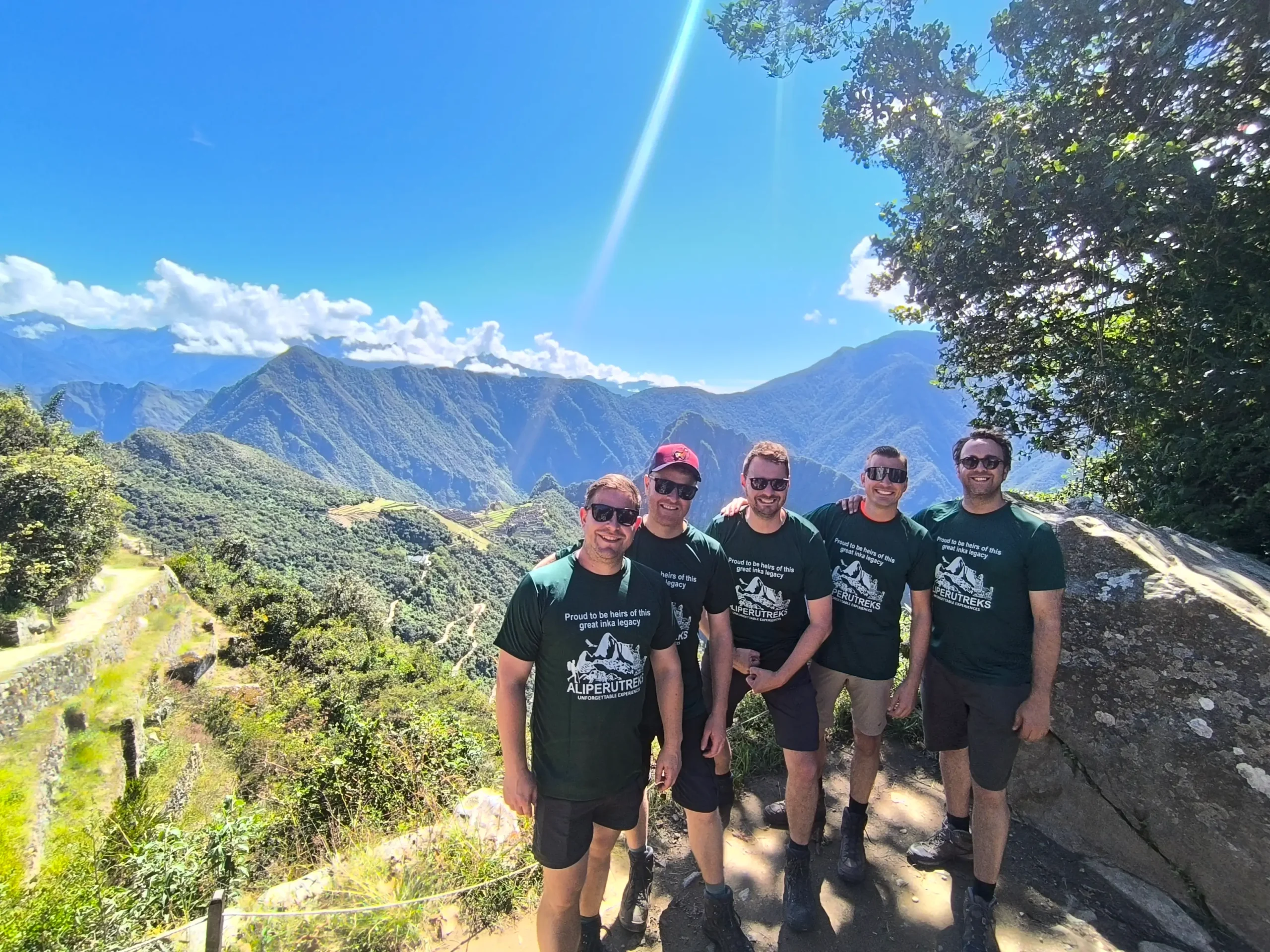
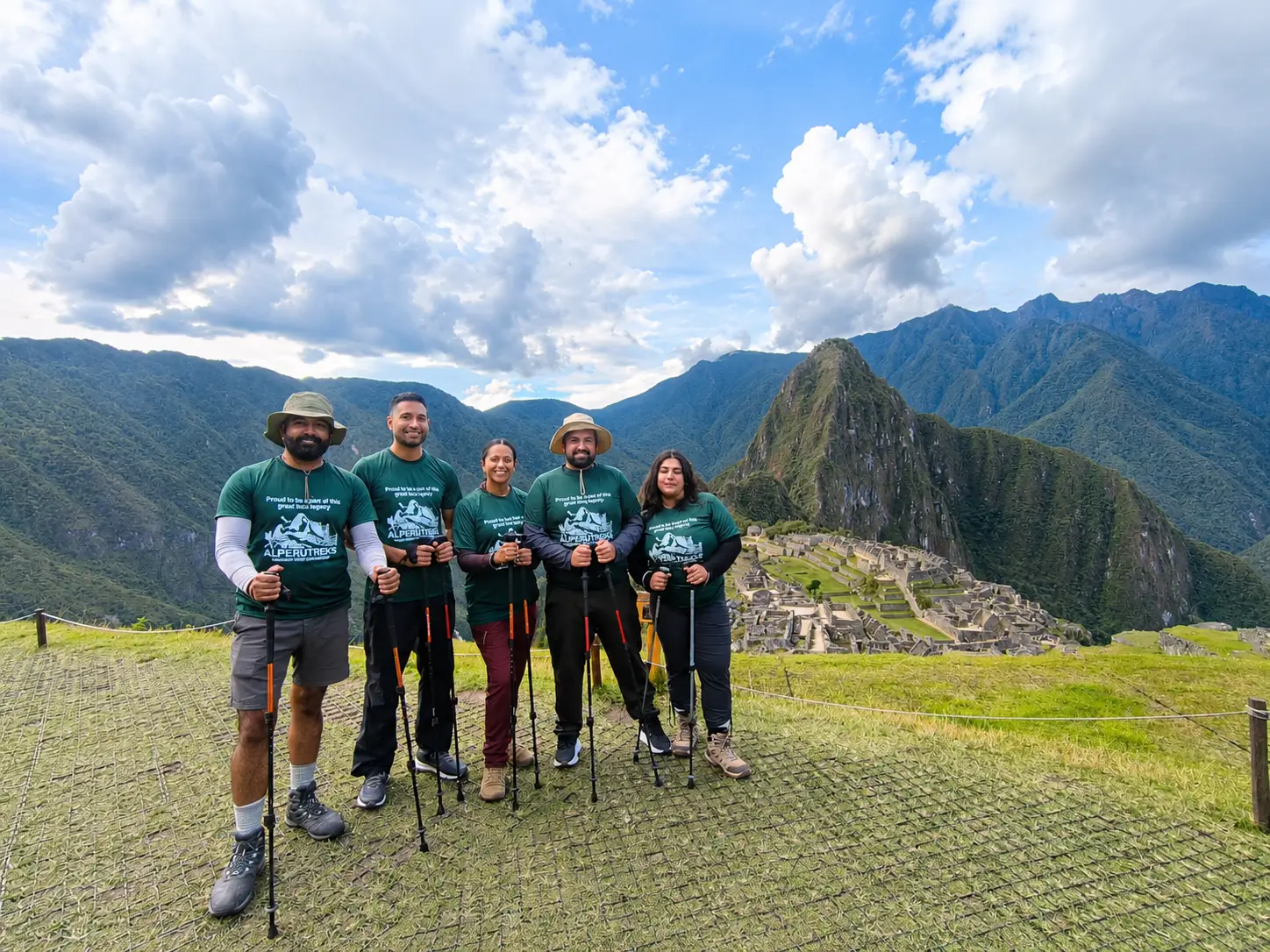
- Book ahead: Aim for roughly 3–4 months of lead time for October dates. Popular dates can sell out faster, so earlier is safer if your travel window is fixed.
- Acclimatize in Cusco: Spend at least 2 days in Cusco (3,400 m / 11,152 ft) before starting the trek. Altitude sickness can affect fit and unfit travelers alike, and October’s added humidity makes hydration especially important during acclimatization.
- Train beforehand: A few weeks of regular cardio (hiking, stair climbing, cycling) before your trip makes Day 2 — the steep ascent to Dead Woman’s Pass — noticeably more manageable.
- Check the forecast close to departure: Because October weather is more variable than peak-season months, it’s worth checking short-range forecasts a few days out so you can pack accordingly, even though your gear list should already cover both sun and rain.
If you’re specifically evaluating the Classic Inca Trail 4 Days, October departures give you a strong chance at good sunrise visibility from the Sun Gate along with meaningfully smaller trail groups than a July or August date. Travelers with tighter schedules sometimes compare this against the Short Inca Trail 2 Days, which follows the same final stretch — including Wiñay Wayna and the Sun Gate — in a shorter, less physically demanding format.
Frequently Asked Questions
Rain is more common than during the June–August dry-season peak but far less frequent than the November–March wet season. Expect intermittent, mostly afternoon showers rather than sustained daily rain, with conditions tending to get wetter as the month progresses.
Daytime temperatures are generally comfortable for hiking, while nights at the higher campsites near Dead Woman’s Pass can drop to around 3–7°C (37–45°F). Pack a warm layer regardless of how mild the daytime weather looks.
It’s quieter than June–August but not empty — the trail’s 500-person daily cap still fills on many October dates, and Machu Picchu sees solid visitor numbers, just fewer than peak season.
Roughly 3–4 months ahead is a reasonable target for October dates, though popular days can sell out faster. Since the Ministry of Culture typically releases next year’s permit calendar in October itself, this is also a good month to lock in an October trek for the following year.
Yes. The combination of manageable weather, moderate crowds, and easier permit access than peak season makes it a solid choice for first-timers, provided you pack for both rain and cold and allow proper acclimatization time in Cusco.
Yes, Machu Picchu is open year-round, including during the Inca Trail’s annual February closure — visitors can still reach the citadel by train even when the trail itself is shut for maintenance.
The trail crosses several elevations and microclimates in four days — cold and windy at the 4,215 m pass, humid in the cloud forest — while Machu Picchu itself sits lower and tends to run warmer and more humid, with morning cloud that usually clears by mid-morning.
Both are strong shoulder-season choices. September tends to be slightly drier and slightly more crowded; October trades a bit of weather reliability for a somewhat quieter trail and greener scenery.
Yes. Even though October isn’t a heavy-rain month, afternoon showers are common enough that a waterproof jacket and pack cover are essential, not optional, gear.
Yes — the Short Inca Trail (2 days, starting at Km 104) faces the same general October weather patterns as the final two days of the Classic route, including the cloud-forest humidity and the chance of afternoon showers, and shares the same Sun Gate entrance to Machu Picchu.
October rewards travelers who pack for both sun and rain and book with a few months of lead time. If you’re ready to lock in dates, check current Inca Trail availability or explore the full Classic Inca Trail 4 Days itinerary to see how it fits your October travel window.