
The Ultimate Inca Trail Packing List: Complete Gear Guide to Machu Picchu
Embarking on the legendary 4-day trek along the Classic Inca Trail 4 Days is a bucket-list adventure for hikers worldwide. Crossing dramatic high-altitude Andean passes, walking along ancient stone staircases carved by the Incas, and descending through cloud forests requires careful preparation—and above all, smart, intentional packing.
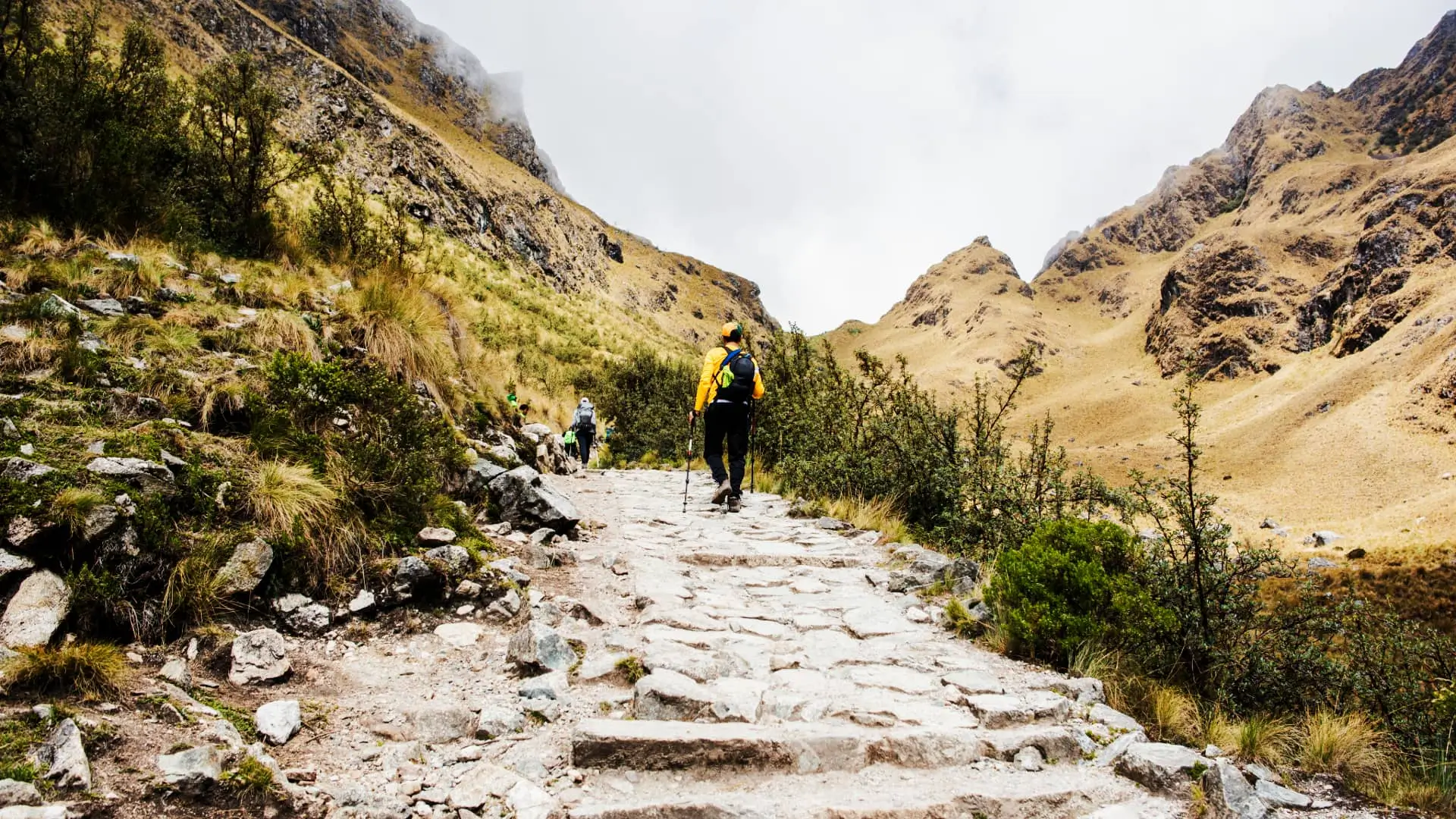
Whether you’re scaling Dead Woman’s Pass (Warmiwañusqa) at 13,780 feet or walking through the Sun Gate (Inti Punku) at dawn, carrying the right gear will make or break your journey. Weather in the Peruvian Andes can shift from warm, sun-drenched trails during the day to sub-freezing campsite temperatures at night.
This complete Inca Trail packing list covers everything you need to pack: mandatory documents, essential clothing layering systems, camping gear, daypack items, seasonal weather variations, and crucial weight limits enforced by Peruvian authorities.
Planning your trip to Peru? Read our detailed guide on How to Prepare for Altitude Sickness before stepping onto the trail.
Inca Trail Weight Restrictions: The Porter Duffel System
Before buying or packing gear, you must understand how luggage works on the Inca Trail. Peruvian law strictly protects trail porters by enforcing weight limits on the gear they carry for hikers.
Most authorized trekking agencies provide you with a duffel bag during your pre-trek briefing in Cusco.
- Duffel Bag Weight Limit: Typically 5 kg to 7 kg (11 to 15 lbs) per trekker. This weight MUST include your sleeping bag and sleeping pad. Porters carry this bag between campsites.
- Daypack Limit: There is no official weight limit for your daypack, but you will carry it yourself every step of the way. Aim to keep it between 10 to 15 lbs.
Pro Tip: Weigh your filled duffel bag at your Cusco hotel before your morning pickup. Any excess weight will either have to be left in hotel storage or carried on your back!
Absolute Essentials (Never Trek Without These)
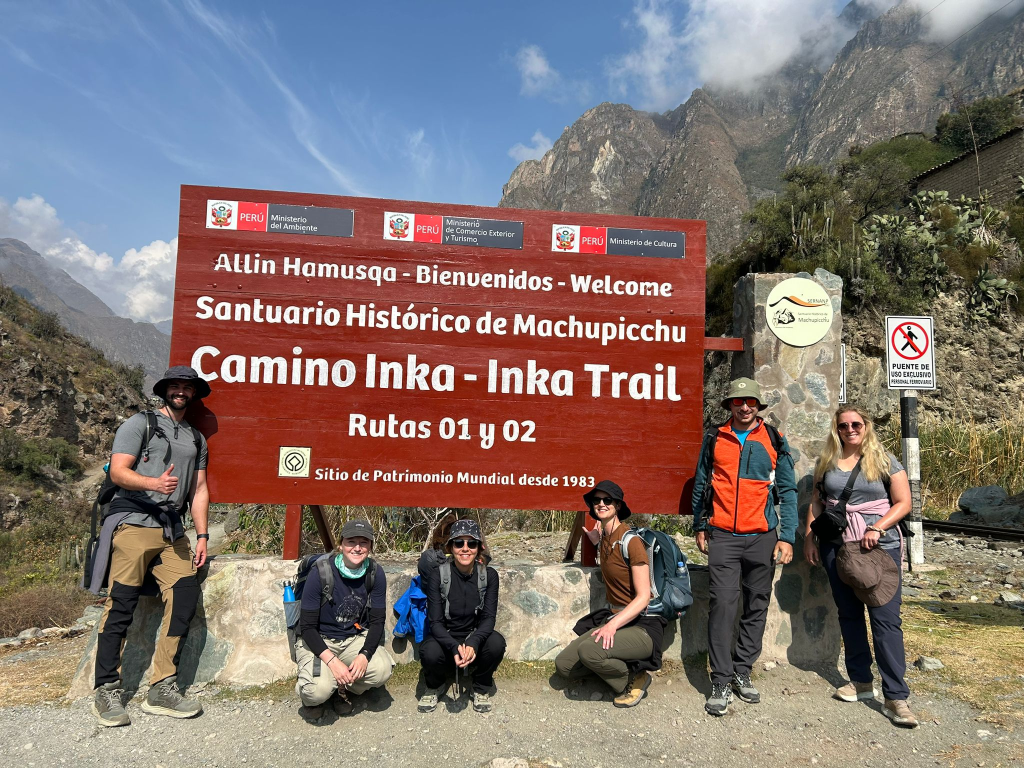
If you forget your rain jacket, you can buy one in Cusco. If you forget your passport, you will be turned away at the Kilometer 82 checkpoint. Store these non-negotiable items in a waterproof dry bag inside your daypack:
- Original Passport: Must be the exact physical passport used when booking your Inca Trail permit (with at least 6 months validity remaining). Passports are checked at the trailhead and stamped at Machu Picchu!
- Peruvian Soles (Cash): Carry approximately S/300 – S/500 ($80–$130 USD) in small denominations for tipping porters and guides, buying extra water or snacks from local villagers, and paying for bathrooms near the entrance.
- Personal Medications & Altitude Pills: Acetazolamide (Diamox), ibuprofen, anti-diarrheal tablets, rehydration salts/electrolytes, and blister treatments (Compeed or Moleskin).
- Travel Insurance Documents: Ensure your policy covers high-altitude trekking up to 4,500 meters (14,760 feet).
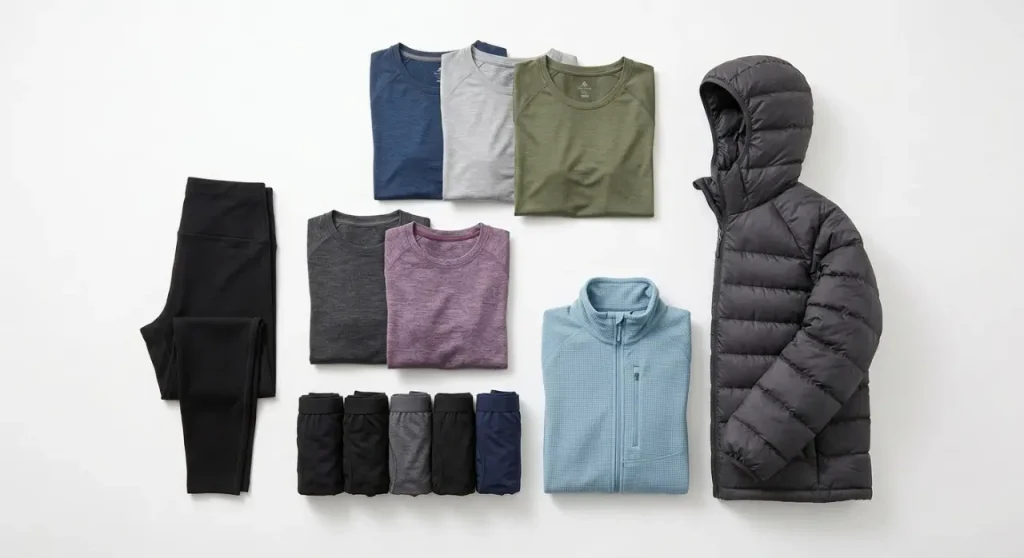
Inca Trail Clothing Guide: The 3-Layer System
Temperatures on the trail fluctuate dramatically—from hot 70°F (21°C) sunshine during mid-day ascents to chilly 28°F (-2°C) nights at high camps like Pacaymayo. The key to staying comfortable is multi-layering.
Base Layer (Moisture Management)
Synthetic moisture-wicking tops or Merino wool are mandatory. Never wear cotton on the trail—cotton absorbs sweat, stays damp, and accelerates hypothermia in cold mountain winds.
- 3x Short-Sleeve Athletic Tops: Moisture-wicking Merino wool or polyester.
- 1-2x Long-Sleeve Thermal Tops: Lightweight base layer for chilly mornings and sleeping.
- 1x Pair of Thermal Leggings/Tights: Merino wool or fleece-lined leggings for cold campsite nights.
- 4-5x Pairs of Moisture-Wicking Underwear: Athletic synthetic or Merino wool.
Mid-Layer (Insulation)
- 1x Lightweight Fleece Jacket: Grid fleece or fleece pullover for breathable warmth while hiking.
- 1x Compressible Down Jacket: A high-loft down or synthetic puffy jacket rated for freezing temperatures. Essential for windy passes and cold campsite dinners.
Outer Layer (Weather Protection)
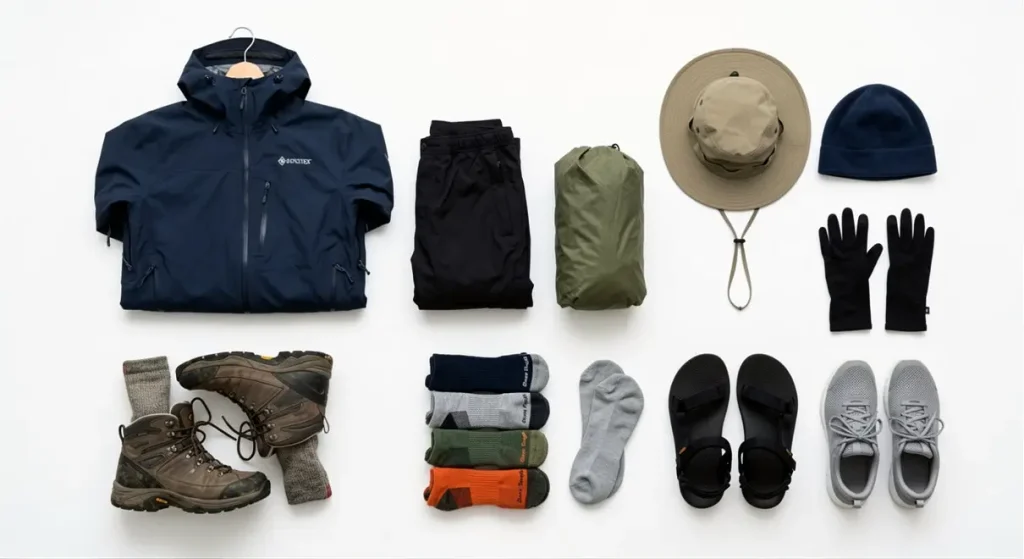
- 1x Waterproof & Windproof Jacket: Breathable membrane (Gore-Tex or equivalent) with an adjustable hood and pit zips.
- 1x Pair of Rain Pants or Heavy-Duty Rain Poncho: Crucial during the rainy season to keep your lower body dry.
Footwear & Accessories
- Best Hiking Boots for the Inca Trail: Sturdy, waterproof, broken-in hiking boots with good ankle support and grippy Vibram outsoles. Do not attempt the trail in brand-new boots!
- 4x Pairs of Merino Wool Socks: High-density wool socks (e.g., Darn Tough or Smartwool) + 2x sock liners to prevent friction blisters.
- 1x Pair of Camp Shoes: Lightweight sandals (Teva/Chaco) or lightweight sneakers to let your feet breathe at camp.
- Headwear: A wide-brim sun hat or baseball cap for day hikes, plus a fleece beanie for cold nights.
- Gloves: Lightweight touchscreen-compatible glove liners.
Camping Gear & Sleeping Essentials (For Your Duffel Bag)
While your tour operator supplies tents, mess halls, and cooking equipment, your personal sleeping setup goes directly into your porter duffel bag:
| Gear Item | Specifications & Recommendations | Bring or Rent in Cusco? |
| Sleeping Bag | Comfort rating down to 14°F / -10°C (Down or high-end synthetic) | Bring or Rent ($25 USD) |
| Sleeping Bag Liner | Silk or fleece liner (adds 5–10° warmth & extra hygiene) | Highly Recommended |
| Sleeping Pad | Inflatable pad with R-value 3+ (e.g., Therm-a-Rest) for ground insulation | Rent or Provided by Operator |
| Inflatable Pillow | Ultra-compact travel pillow | Bring |
Selecting a tour operator? Check out our honest review of the Top Authorized Inca Trail Tour Operators: How to Choose the Best Agency.
Inca Trail Daypack Essentials (Carried by You)
Your daypack remains on your back all day. Choose an ergonomic 25L to 30L backpack featuring a hip belt, chest strap, and integrated rain cover.
- Hydration System: A 2L or 3L hydration bladder (CamelBak / Hydrapak) PLUS a 1L wide-mouth Nalgene bottle. Note: Single-use plastic water bottles are strictly prohibited on the Inca Trail!
- Trekking Poles: Adjustable carbon or aluminum trekking poles with rubber tips. Metal tips are forbidden to preserve ancient Inca stone paving.
- Headlamp: 200+ lumen headlamp with extra batteries or a USB charging cable (vital for early 3:00 AM starts and nighttime campsite navigation).
- Sun & Insect Protection: Broad-spectrum SPF 50+ sunscreen, SPF lip balm, polarized sunglasses, and bug spray containing 20–30% DEET or Picaridin.
- Power Bank & Electronics: A 10,000–20,000 mAh portable charger (cold temps drain camera and phone batteries fast; there are no charging outlets on the trail).
- Hygiene Kit: Biodegradable wet wipes, hand sanitizer, travel toilet paper stored in a ziplock bag, and a small quick-dry pack towel.
- High-Energy Trail Snacks: Energy bars, dried fruit, nuts, electrolyte tablets, and coca candy for altitude support.
Seasonal Packing Breakdown: Dry Season vs. Rainy Season
Peruvian mountain climate is divided into two distinct seasons. Adjust your packing list based on your travel dates:
| Climate Feature | Dry Season (May – October) | Rainy Season (November – April) |
| Daytime Temperatures | Warm & Sunny (65°F – 70°F) | Mild & Humid (60°F – 65°F) |
| Nighttime Temperatures | Freezing / Near-Freezing (28°F – 35°F) | Cooler / Damp (40°F – 45°F) |
| Packing Focus | Heavy thermal base layers for night, high sun protection, dust gaiters. | Waterproof dry bags, heavy-duty rain poncho, Gore-Tex rain pants, extra socks. |
Undecided on travel dates? Read our complete seasonal breakdown: The Best Time of Year to Hike the Inca Trail to Machu Picchu.
What NOT to Bring on the Inca Trail
Keep your porter’s load manageable and respect local regulations by leaving these items at your hotel:
- Drones: Strictly prohibited across the entire Inca Trail network and Machu Picchu archaeological site.
- Single-Use Plastic Bottles: Banned at trail entry checkpoints to combat trail litter.
- Bare Metal Trekking Poles: Forbidden unless fitted with protective rubber tips.
- Heavy Cotton Clothing: Jeans, heavy cotton sweatshirts, and bath towels take days to dry and add unnecessary weight.
- Excess Cosmetics & Hair Styling Tools: There is no electricity and limited hot water at campsites. Keep your routine minimalist!
Frequently Asked Questions (FAQ)
Most authorized trekking operators strictly enforce a weight limit of 5 kg to 7 kg (11 to 15 lbs) per trekker for the porter duffel bag. This weight allowance must include your sleeping bag and pad.
Yes! Nearly all authorized Inca Trail agencies in Cusco offer sleeping bag rentals ($25 USD) and trekking pole rentals ($20 USD per pair) for the duration of the 4-day trek.
Cold showers are available on Night 3 at Wiñay Wayna campsite, though low evening temperatures mean few hikers use them. There are no power outlets along the trail, making a reliable portable power bank essential.