
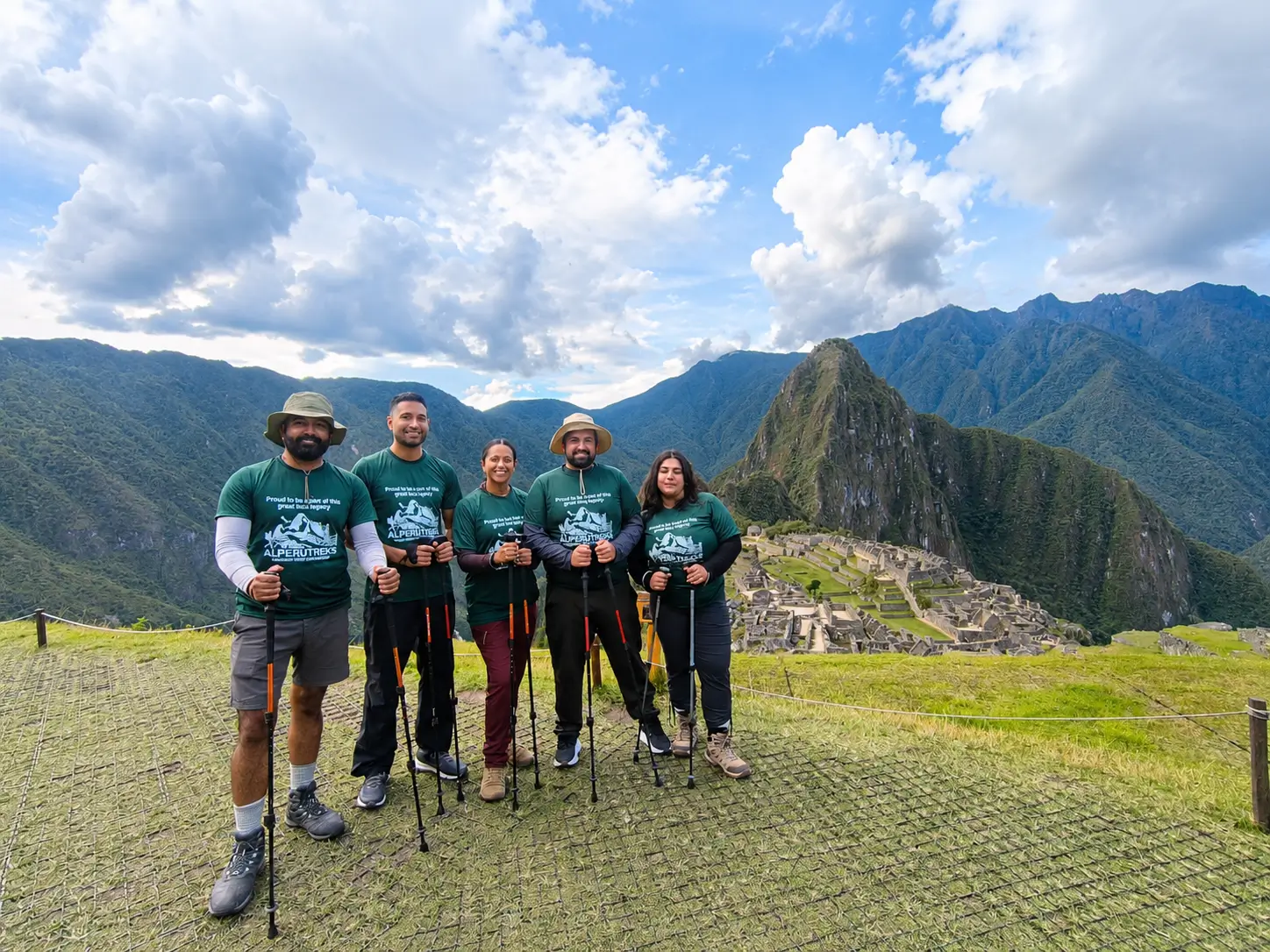
November is the last month before Peru’s rainy season fully takes hold, which makes it one of the more misunderstood months to hike the Inca Trail. It isn’t dry season, but it isn’t the soaked, low-visibility trekking some travelers expect either. Early November often still feels like an extension of the dry months, with clear mornings and manageable afternoon showers. By the back half of the month, rain becomes more frequent and the trail turns noticeably greener and muddier in places.
For most travelers, hiking the Inca Trail in November is a reasonable, often underrated choice — you’ll deal with a higher chance of rain than in July or August, but you’ll also see meaningfully fewer people on the trail and at Machu Picchu, and permits are generally easier to secure than during the June-to-August rush. Whether it’s the right month for you depends on how much you value dry, guaranteed-clear conditions versus a quieter trek with some flexibility in your itinerary.
This guide covers what actually changes on the ground in November — weather, trail conditions, crowd levels, permit availability, what to pack, and how the month stacks up against the rest of the year — so you can decide if it fits your trip.
Quick Answer: Is November a Good Time for the Inca Trail?
Yes, with a caveat. The Classic Inca Trail remains fully open in November, and it sits in what most tour operators and Cusco-based guides classify as shoulder-to-early-wet season. Early November trekking conditions are generally closer to the dry season: cooler mornings, warm afternoons, and rain that tends to be intermittent rather than constant. As the month progresses toward late November, showers become more frequent, typically arriving in the afternoon or evening rather than lasting all day.
If your priority is the highest odds of dry, clear-sky trekking and unobstructed mountain views, May through September remains the safer bet. If you’d rather trade a bit of weather certainty for fewer crowds, greener scenery, and generally easier permit availability, November is a solid alternative — particularly in the first half of the month.
Inca Trail Weather in November
Daytime and Nighttime Temperatures
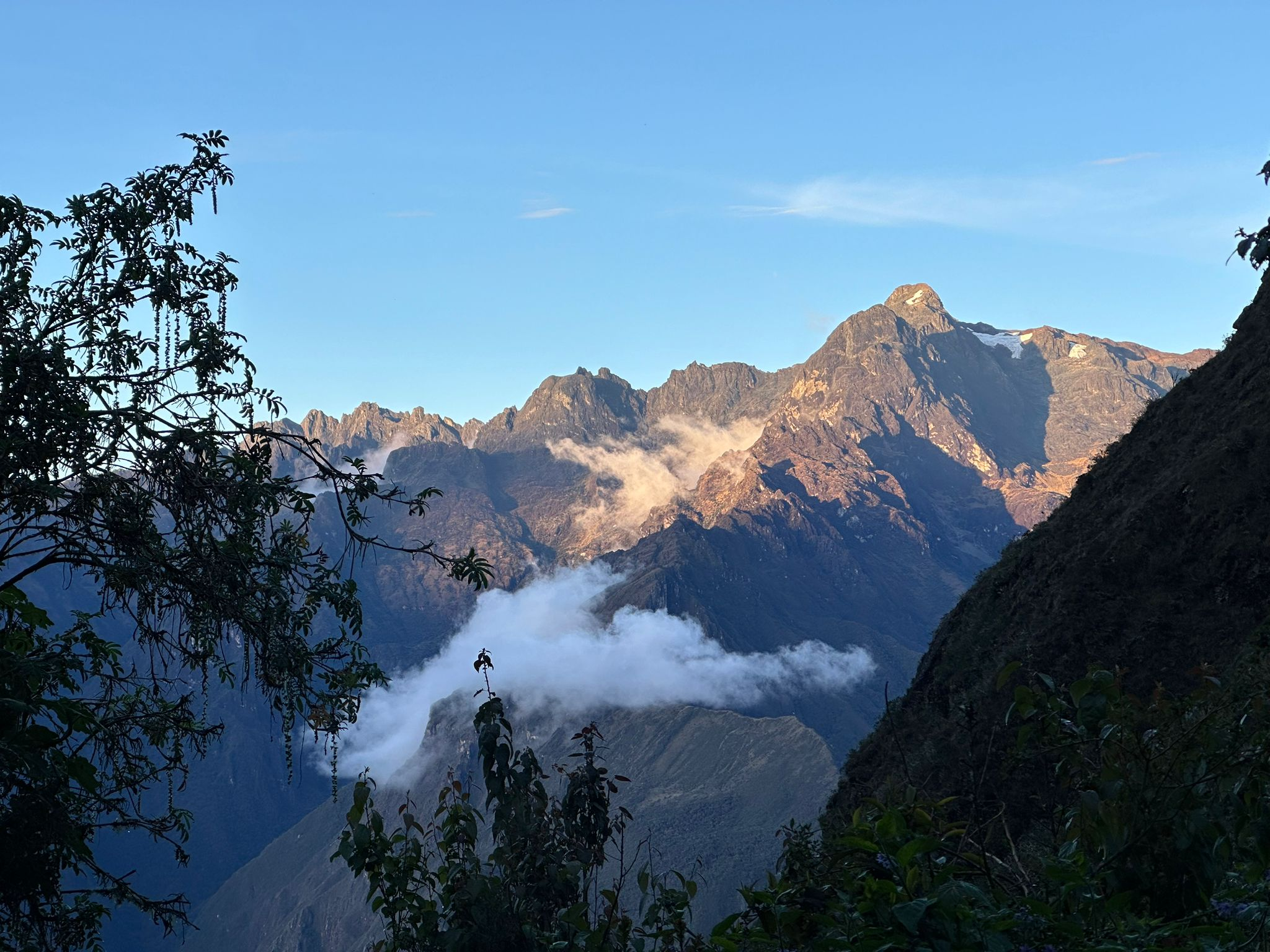
Daytime temperatures on the trail in November are typically mild, with many trekkers finding conditions comfortable for hiking in a base layer or light long-sleeve shirt once the sun is out. Nights, especially at the higher campsites near Dead Woman’s Pass, still get cold — temperatures at altitude can drop toward freezing or just above it after dark, even though the daytime feel is noticeably warmer than in the June–August dry season. A proper sleeping bag rated for near-freezing conditions is still necessary regardless of the month.
Because the trail crosses multiple microclimates — from the warm Sacred Valley start near Km 82 to the exposed high pass at 4,215 m (13,828 ft) to the humid cloud forest near Machu Picchu — temperature and weather can shift substantially within a single day, and November is no exception.
Rainfall and How It Behaves
November marks the start of Peru’s wet season buildup, but it is not yet the heaviest rain of the year — that typically arrives in January and February (when the trail closes for maintenance). In practice, this means:
- Rain in November tends to fall in showers rather than as sustained all-day rain, and afternoons are more likely to bring precipitation than mornings.
- Clear or partly cloudy mornings are common, particularly earlier in the month.
- Humidity increases compared to the dry season, especially in the cloud-forest sections on Day 3.
- Some days can pass with little or no rain at all; others may bring a heavier downpour for an hour or two.
Because rainfall is variable and increases as the month goes on, exact day-to-day conditions are difficult to predict more than a few days out. Waterproof gear should be treated as essential rather than optional for a November trek.
Early November vs. Late November
Trail operators generally treat the first half of November as meaningfully drier than the second half. If your travel dates are flexible, booking in the first one to two weeks of November tilts the odds toward drier, more dry-season-like conditions, while late-November departures should be planned with a higher expectation of rain.
Trail Conditions in November
Underfoot conditions shift gradually through the month. Early November trail surfaces are often still relatively firm and stable, similar to October. As rain becomes more frequent later in the month, expect:
- Muddy and occasionally slippery sections, particularly in shaded or forested stretches and on stone stairs.
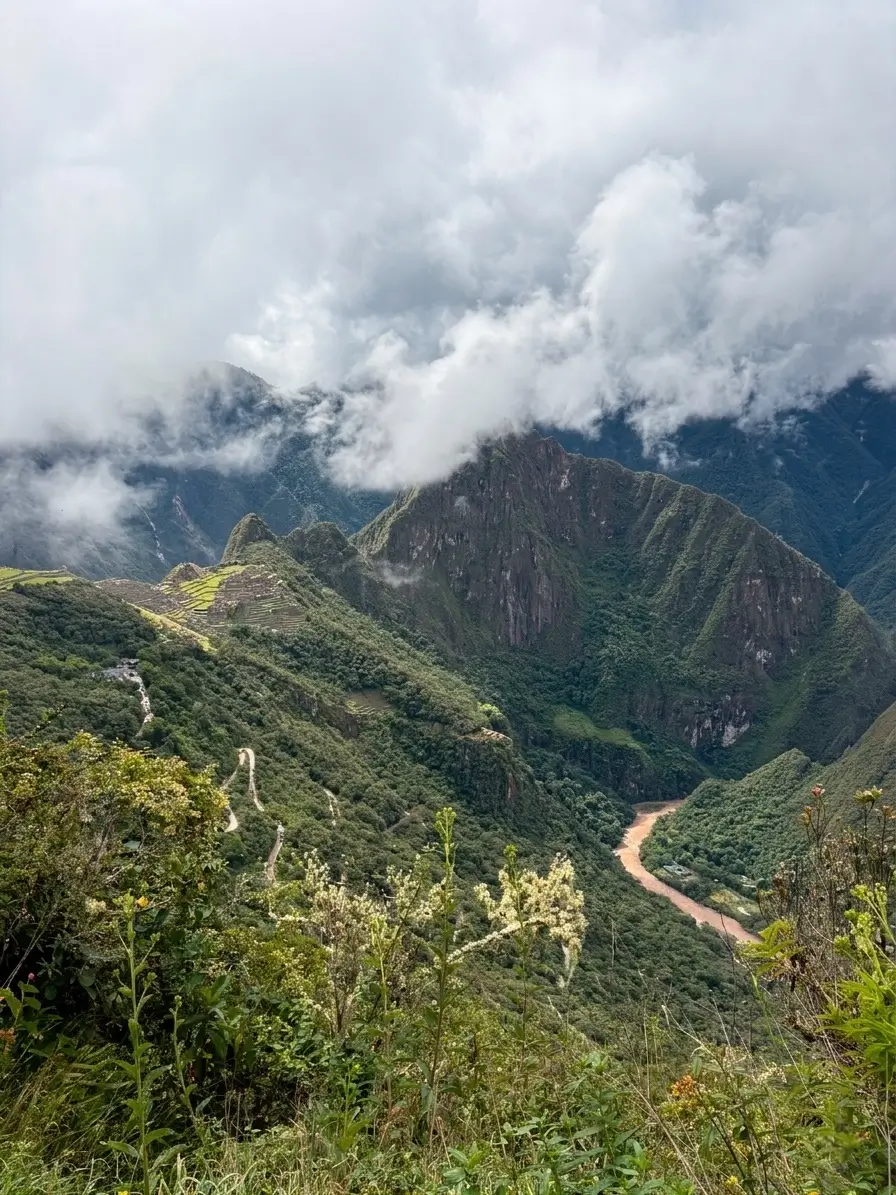
- Lush, visibly greener vegetation returning to slopes that look dry and dusty during peak dry season — many hikers consider this one of November’s most attractive features.
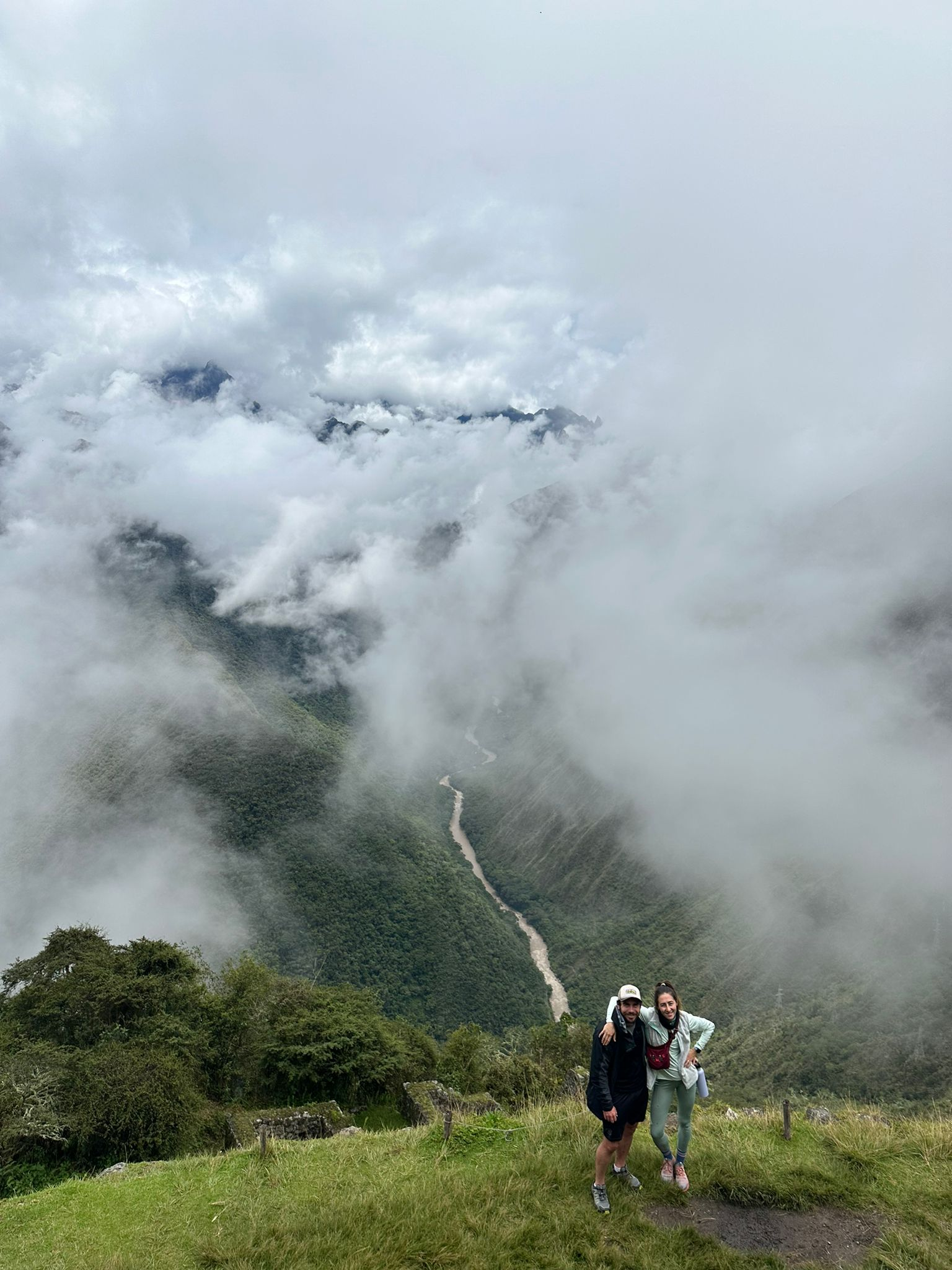
- Possible cloud cover that can obscure mountain views at high points like Dead Woman’s Pass, though this varies day to day and often clears later in the morning.
- Waterfalls and streams along the route becoming more active as rainfall increases.
None of this makes the trail unsafe or impassable — guided groups hike through comparable or wetter conditions from December through March — but it does mean trekking poles, broken-in waterproof boots, and careful footing on descents matter more in November than in July.
Crowds on the Inca Trail in November
November sits in the shoulder-to-low season for Inca Trail tourism, alongside April and October, though closer to the quieter end of that range as the month progresses. Compared to the June–August peak, when campsites and the trail itself can feel busy, November offers a noticeably calmer experience — smaller groups on the trail, more breathing room at archaeological sites like Wiñay Wayna, and a less crowded arrival at the Sun Gate.
It’s worth being precise here: “low season” does not mean empty. Some November departure dates, particularly around long weekends or holidays, still book up. But on balance, you’ll share the trail with far fewer people than during peak dry season, and Machu Picchu itself tends to see reduced visitor numbers in November as well.
Inca Trail Permits in November
Access to the Classic Inca Trail is capped at 500 people per day by Peru’s Ministry of Culture, a number that includes trekkers, guides, cooks, and porters — in practice, this leaves roughly 200 trekker spots per day. This cap applies every month the trail is open, including November.
Because November falls outside peak season, permits are generally easier to obtain than for June, July, or August dates, and last-minute or shorter-notice bookings have a better chance of success. That said, “easier” does not mean unlimited — permits are still allocated on a first-come basis through licensed tour operators, and popular dates can still sell out, especially as more travelers discover November’s advantages. Independent trekking is not permitted under any circumstances; every hiker must be booked through a government-authorized operator.
If you want to check real-time date availability before committing to travel plans, see Ali Perú Treks’ Inca Trail availability page.
Machu Picchu Weather and Conditions in November
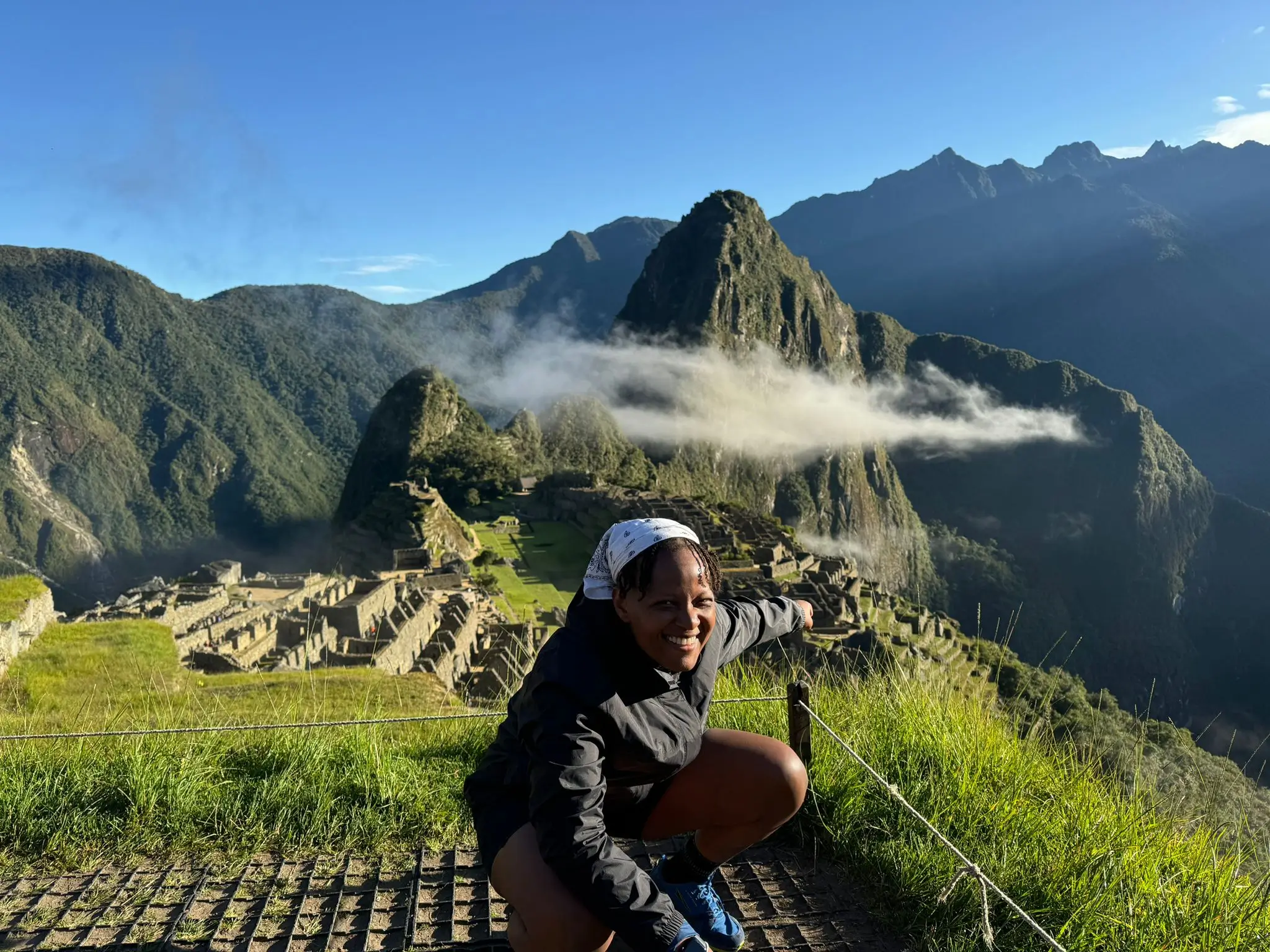
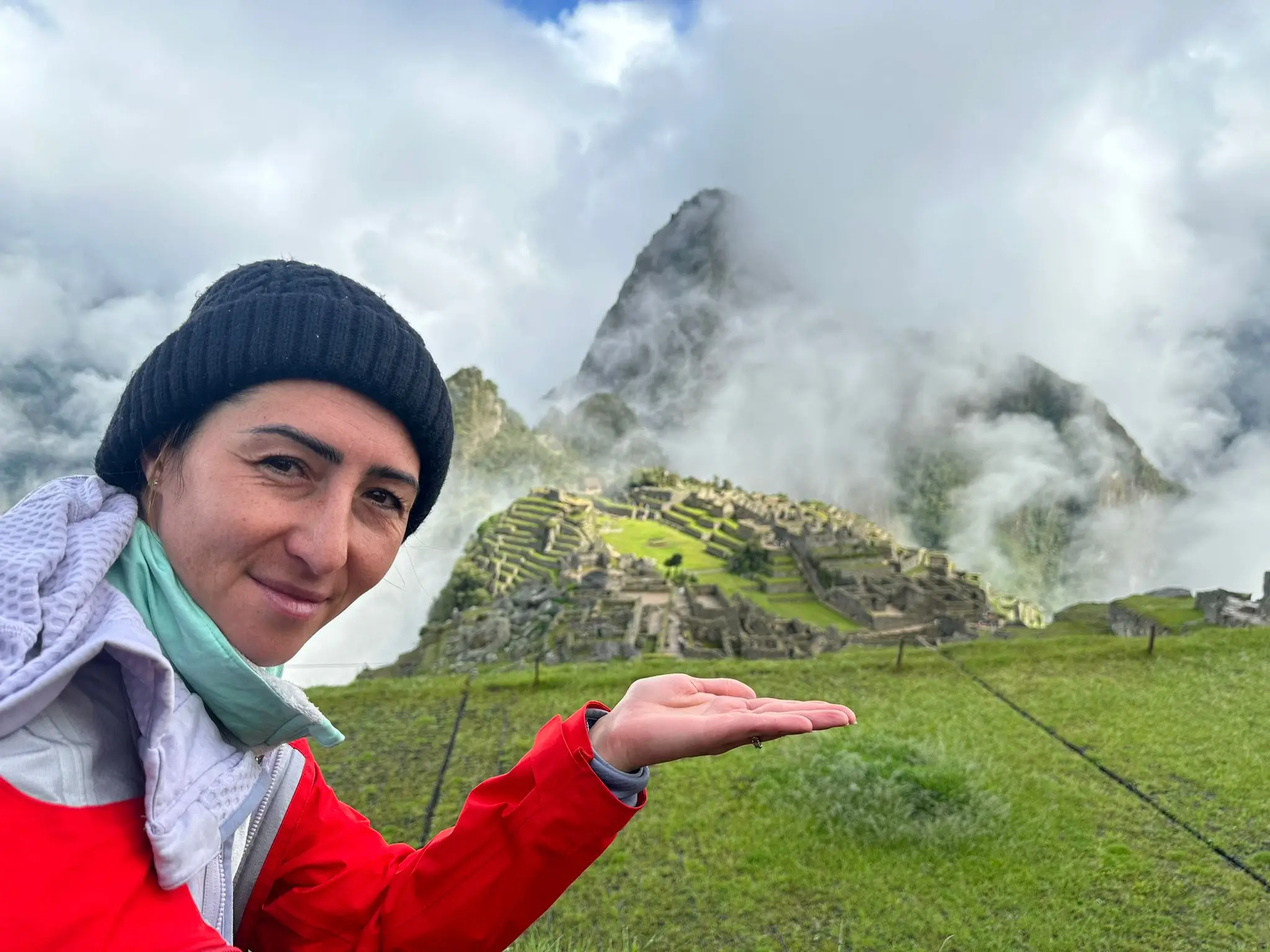
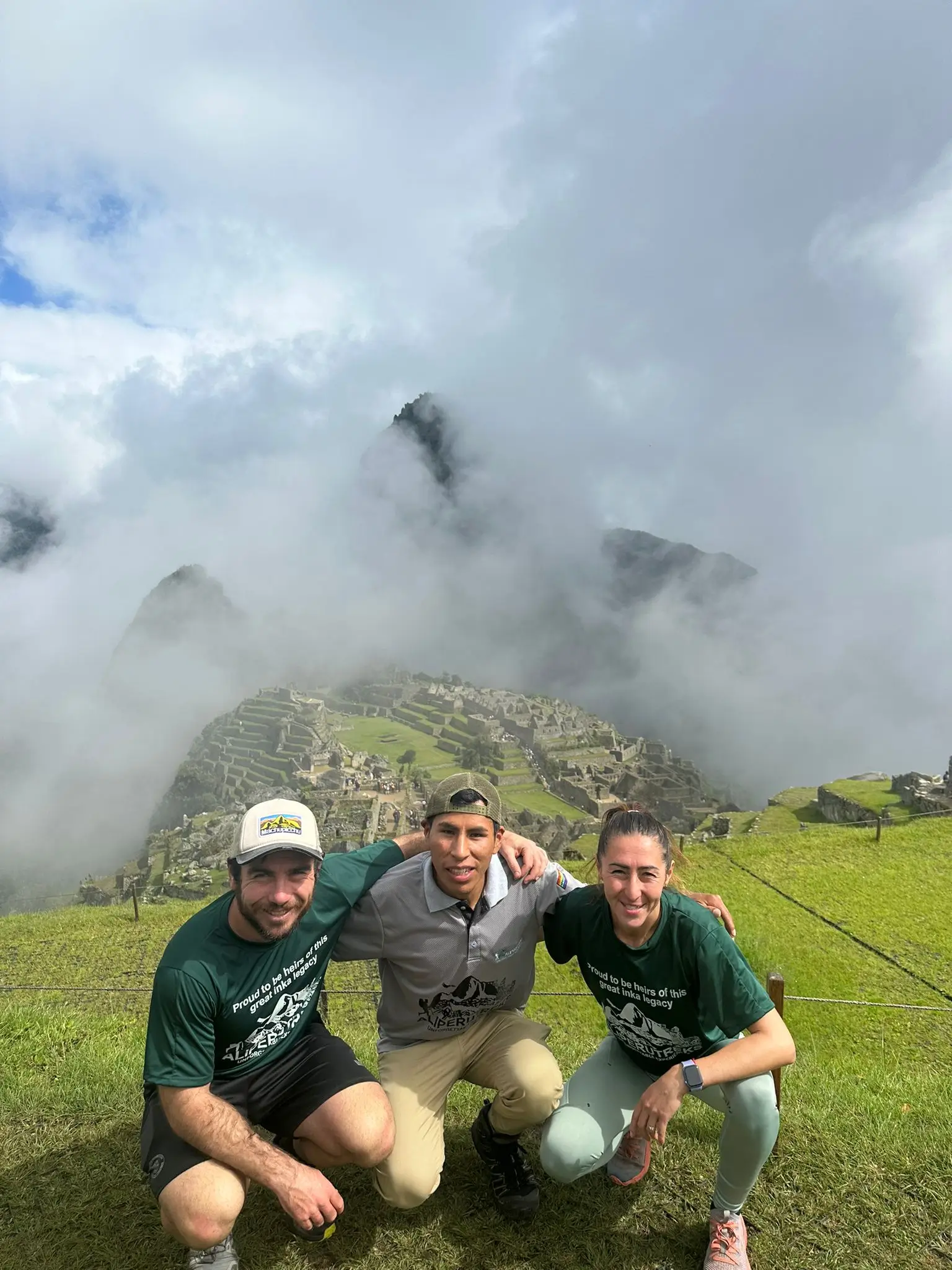
Conditions at Machu Picchu itself (2,430 m / 7,972 ft) track the broader regional pattern: warmer and more humid than the citadel feels during dry season, with a mix of sun and passing showers. Because Machu Picchu sits lower and closer to the cloud forest than the high points of the trail, mist and light rain can roll through even when the surrounding valley looks clear, then burn off within an hour. Photographers should be prepared for both dramatic, atmospheric cloud cover and, on clear stretches, some of the greenest backdrops of the year.
Pros and Cons of Hiking the Inca Trail in November
Pros
- Noticeably fewer trekkers than the June–August peak, especially at campsites and archaeological sites.
- Generally easier permit availability, with more flexibility for shorter-notice bookings.
- Lush, green landscapes and blooming Andean flora, including orchids, that dry-season hikers don’t see.
- Milder daytime temperatures compared to some of the coldest dry-season nights.
- Often lower accommodation and tour pricing in Cusco compared to peak months.
Cons
- Increasing chance of rain as the month progresses, particularly in the final two weeks.
- Higher likelihood of clouded-in views at high points like Dead Woman’s Pass on any given day.
- Muddier, occasionally slippery trail sections in forested and stone-stair areas.
- Weather is less predictable than during the reliable dry-season stretch (May–September).
- Cold nights at high camps persist regardless of daytime warmth, so cold-weather gear is still required.
November vs. Other Months
| Period | Typical Conditions | Best For |
|---|---|---|
| Dry season (May–Sept) | Clear skies, cold nights, minimal rain, busiest trail | Travelers prioritizing predictable weather and unobstructed views, who don’t mind crowds or booking far ahead |
| October | Warm, mostly dry with occasional rain, moderate crowds | A slightly drier alternative to November with similar shoulder-season upsides |
| November | Transitional — drier early, wetter late, fewer crowds | Travelers who want a quieter trek and are comfortable packing for rain |
| December–January | Rainy season established, festive but wetter, thinner crowds | Budget-conscious or crowd-averse travelers willing to accept more rain |
| February | Trail closed entirely for annual maintenance | Not applicable — plan an alternative trek or Machu Picchu by train |
| March | Rain tapering off toward month’s end | Travelers wanting to catch the tail end of the wet season with improving odds |
If dry, guaranteed-clear conditions are non-negotiable, choose the dry season. If you’re weighing November against its closest shoulder-season neighbor, October is typically a touch drier, while November tends to be quieter and greener — a reasonable trade for many hikers.
What to Pack for the Inca Trail in November
November’s shifting conditions call for a kit that handles both sun and rain on the same day:
- Waterproof rain jacket and rain pants — non-negotiable; showers can arrive with little warning.
- Backpack rain cover — keeps gear dry during sudden downpours.
- Broken-in, waterproof hiking boots with solid ankle support and good tread for muddy or slick stone sections.
- Moisture-wicking base layers to manage humidity and sweat on warmer, wetter days.
- A warm mid-layer (fleece or light down jacket) for cold mornings and the high pass.
- A sleeping bag rated to near-freezing temperatures — nights at the higher campsites stay cold regardless of daytime warmth.
- Trekking poles — genuinely useful on muddy descents and stone staircases.
- Sun protection (SPF 50+, hat, sunglasses) — the sun is still intense at altitude between showers.
- A dry bag or ziplock bags to protect electronics and documents inside your daypack.
- Insect repellent, especially for the cloud-forest section on Day 3, where humidity increases.
For a full, day-by-day packing breakdown, see complete Inca Trail packing list.
Booking Strategy: How Far in Advance to Plan
Because November sits outside peak season, the booking window is generally more forgiving than for June–August departures, where permits can sell out many months ahead. Even so, booking two to four months in advance is a reasonable target for November, and earlier is safer around the first half of the month, which tends to attract more bookings as travelers seek out drier shoulder-season conditions. If your dates are fixed — around a specific vacation window, for instance — book as soon as your travel dates are confirmed rather than waiting, since availability for any given day is never guaranteed until your permit is issued.
Combine your Inca Trail booking with at least two full days in Cusco (3,400 m / 11,152 ft) beforehand to acclimatize; altitude, not the November weather, is the more common reason trekkers struggle on Day 2’s climb to Dead Woman’s Pass. For guidance on preparing your body for the altitude, see this altitude sickness guide for Cusco and the Inca Trail.
Is November Right for You?
November suits travelers who want a genuine middle ground: meaningfully fewer people than peak season, generally accessible permits, and green, photogenic landscapes, in exchange for accepting a real chance of rain and some cloud cover at elevation. It’s a strong fit for flexible travelers, second-time visitors to Peru, and anyone who finds the idea of sharing camp with a handful of groups more appealing than a packed trail. It’s a less ideal fit for travelers who have one shot at the trip and want the highest possible odds of clear, dry conditions for photography — for that priority, the May–September dry season remains the more predictable choice.
If you’ve decided November works for your trip, the Classic Inca Trail 4 Days to Machu Picchu is the standard route, or consider the Short Inca Trail 2 Days if you’re working with a tighter schedule and still want the Sun Gate arrival experience.
Frequently Asked Questions
Yes. The Classic Inca Trail operates normally throughout November. The only month it closes entirely is February, for annual government-mandated maintenance.
Rain becomes more frequent as November progresses, but it is generally not constant. Showers most often arrive in the afternoon, and mornings — especially early in the month — are frequently clear or partly cloudy. Rain increases further from December through March.
Yes, for most first-timers. The trail remains well-maintained and guided, and the physical challenge (particularly Dead Woman’s Pass) doesn’t change by month. First-timers should simply pack for rain and cold nights and prioritize altitude acclimatization in Cusco before starting.
Noticeably less crowded than June through August. November sits in the shoulder-to-low season, so expect smaller groups on the trail and at campsites, though some dates can still fill up.
Generally yes, compared to peak dry-season months. However, permits are still limited to 500 people per day (roughly 200 trekkers), and popular dates can sell out, so booking a few months ahead is still recommended.
Layer for variable conditions: a moisture-wicking base layer, a warm mid-layer for cold mornings and the high pass, and a waterproof outer shell. Waterproof boots and rain gear are essential, and a warm sleeping bag is still necessary for cold nights at the higher campsites.
They’re close. October tends to be slightly drier overall, while November is typically quieter and greener. Neither is clearly “better” — the right choice depends on whether you weight drier weather (October) or fewer crowds and lush scenery (November) more heavily.
Often, yes — mornings frequently start clear, especially early in the month, giving many November trekkers unobstructed views on arrival. Cloud cover is more likely than during dry season, though, and can roll in at any point, particularly later in the day or later in the month.
The first two weeks generally offer the best balance of shoulder-season quiet and still-favorable weather before rain becomes more consistent in the back half of the month.