
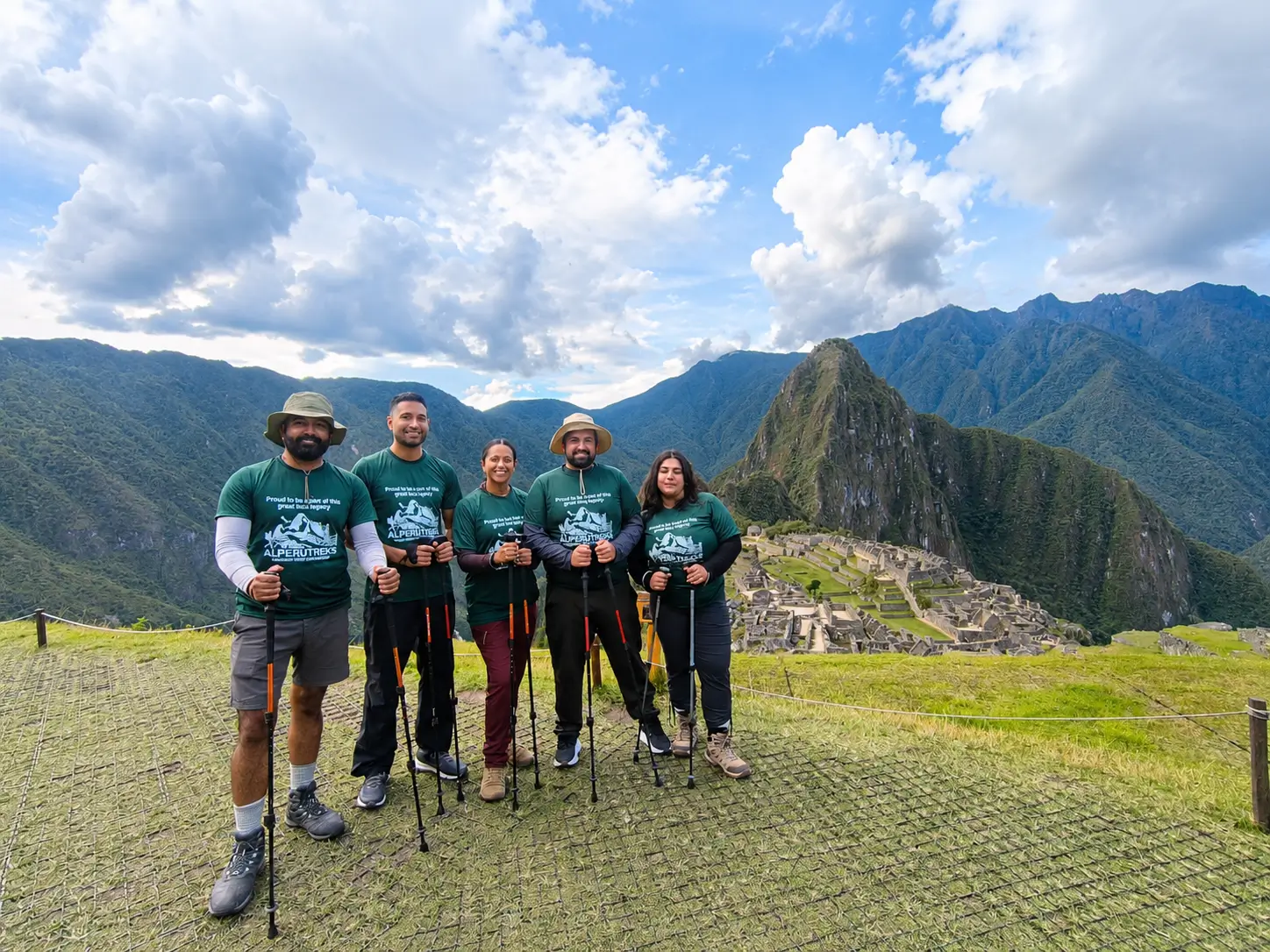
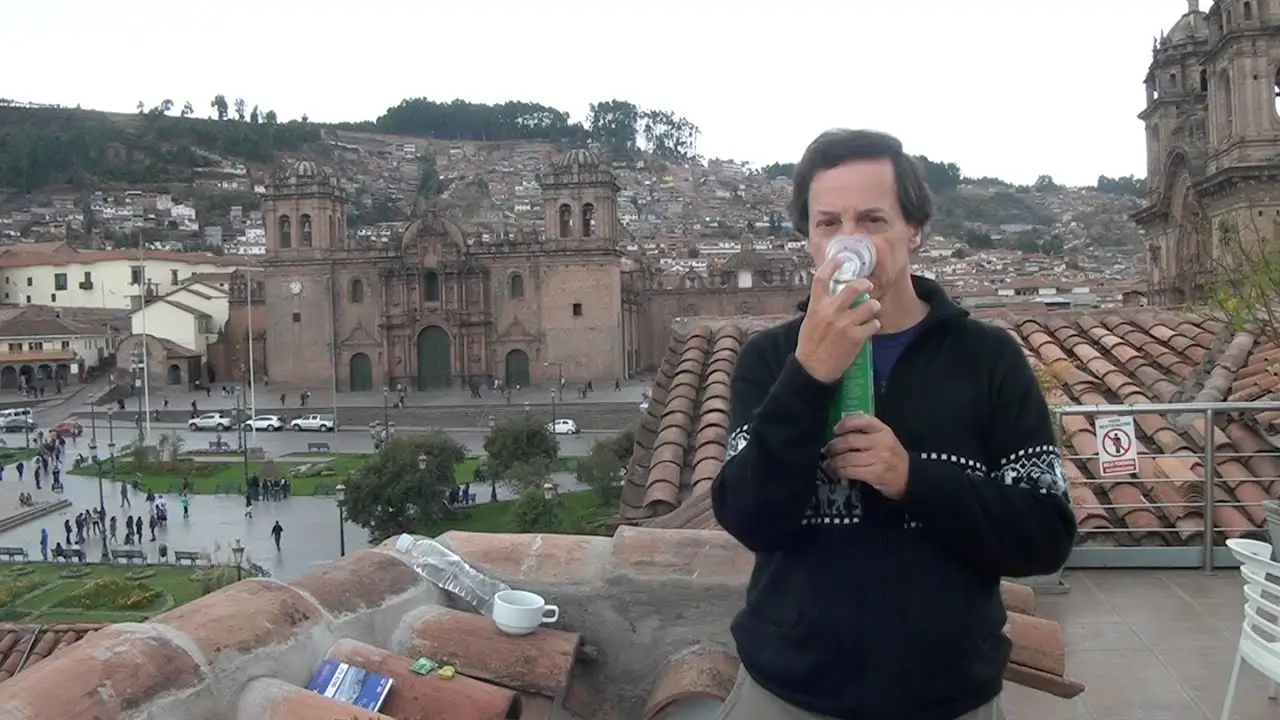
Cusco sits at 3,399 m (11,152 ft) above sea level — high enough that most visitors arriving from sea level will feel some effect, regardless of fitness level. Mild symptoms (headache, fatigue, shortness of breath, disturbed sleep) are common in the first 24–48 hours and usually resolve with rest and hydration. This isn’t medical advice — it’s a practical overview to help you plan; if you have a heart or lung condition, talk to a doctor before your trip.
Why Cusco Triggers Altitude Sickness
Altitude sickness (acute mountain sickness, or AMS — locally called soroche) happens because air pressure drops as elevation increases, meaning each breath delivers less oxygen. Your body compensates by breathing faster and, over several days, producing more red blood cells — but that adaptation takes time it can’t do instantly.
Cusco is one of the higher regularly-visited cities in the world. For comparison, Denver, Colorado — often cited as a “high-altitude” U.S. city — sits at about 1,600 m (5,280 ft), less than half of Cusco’s elevation. Most travelers simply haven’t spent time at anywhere close to 3,400 m before arriving, which is exactly why symptoms catch people off guard even if they consider themselves fit.
Fitness level does not predict who gets AMS. Marathon runners and elite athletes get it; sedentary travelers sometimes don’t. The single biggest risk factor is how quickly you ascend, not how many miles you can run at sea level.

Common Symptoms
Mild to moderate AMS typically includes:
- Headache (usually the first and most common symptom)
- Fatigue and general weakness
- Loss of appetite, mild nausea
- Shortness of breath with minor exertion
- Difficulty sleeping
- Dizziness or lightheadedness
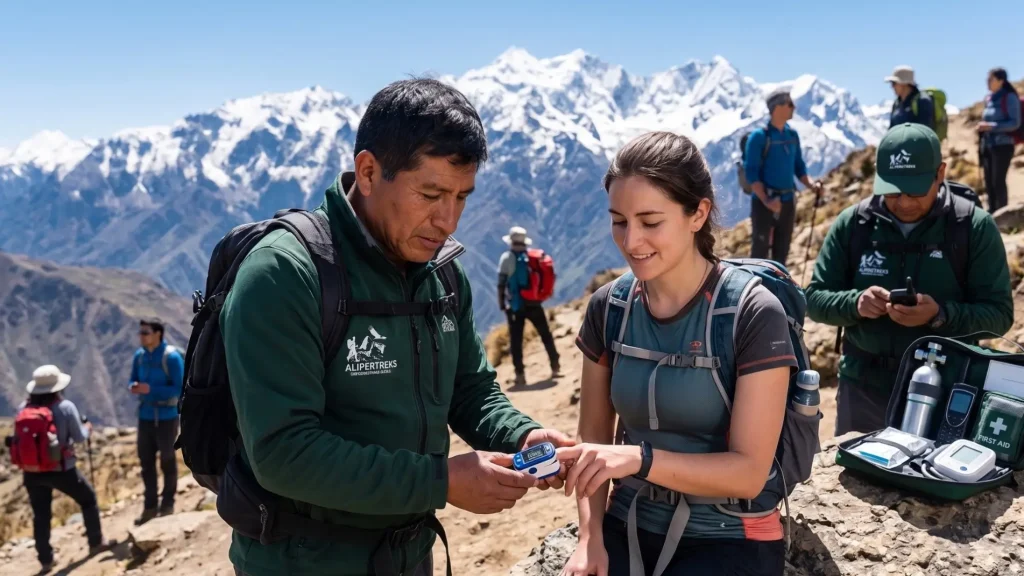
These symptoms typically appear within 6–12 hours of arrival and improve within 1–3 days as your body adjusts. Symptoms that should prompt immediate medical attention — because they may indicate High Altitude Pulmonary Edema (HAPE) or High Altitude Cerebral Edema (HACE), both rare but serious — include: shortness of breath at rest, a persistent cough (especially with pink or frothy sputum), confusion or loss of coordination, and chest tightness. These are medical emergencies, not something to sleep off.
Altitude at a Glance: Cusco and Nearby Destinations
Understanding relative elevation helps with trip planning, since not every destination around Cusco sits at the same height:
| Location | Elevation | Context |
|---|---|---|
| Cusco (city) | 3,399 m (11,152 ft) | Most travelers’ first stop and acclimatization base |
| Sacred Valley towns (Pisac, Urubamba, Ollantaytambo) | 2,800–2,950 m (9,200–9,700 ft) | Noticeably lower than Cusco; a common first-night alternative |
| Machu Picchu | 2,430 m (7,972 ft) | Lower than Cusco — many travelers feel better here than in the city |
| Dead Woman’s Pass (Classic Inca Trail) | 4,215 m (13,828 ft) | Highest point on the 4-day trek |
| Salkantay Pass (Salkantay Trek) | 4,600 m (15,090 ft) | Higher than Dead Woman’s Pass |
| Huayanay Pass (Ancascocha Trek) | 4,650 m (15,255 ft) | The highest point most travelers on Ali Peru Treks routes will reach |
| Rainbow Mountain (Vinicunca) | approximately 5,000 m (16,400+ ft) | Often the highest point of an entire Peru trip for day-trip visitors |
The takeaway: Cusco itself isn’t the highest point on most itineraries — it’s just usually the first, and often the most abrupt jump from sea level.
Prevention: What Actually Helps
- Give yourself acclimatization time before strenuous activity. Most guidance suggests at least one full day at altitude — ideally two — before attempting a trek or a high-altitude day trip like Rainbow Mountain. If your schedule allows it, spending your first night or two in a Sacred Valley town instead of Cusco itself (roughly 400–600 m lower) is a genuine option worth considering, though it adds a logistics step and isn’t necessary for everyone.
- Hydrate more than usual. Thin, dry mountain air increases fluid loss through breathing, and dehydration symptoms overlap heavily with AMS symptoms (headache, fatigue) — so much so that some “altitude sickness” is really just dehydration.
- Limit alcohol and heavy exertion for your first 24–48 hours. Alcohol impairs the breathing rate increase your body needs, and heavy exercise raises oxygen demand right when your body has the least capacity to meet it.
- Coca tea and coca leaves are a widely used local remedy. They’re legal, commonly offered at hotels, and many travelers report mild symptom relief, though rigorous clinical evidence for coca tea’s effectiveness against AMS is limited compared to pharmaceutical options. It’s a reasonable low-risk addition, not a substitute for the basics above.
- Acetazolamide (brand name Diamox) is the most evidence-backed preventive medication, typically started 1–2 days before ascent. It requires a prescription, has side effects (including tingling in fingers/toes and increased urination) some travelers find bothersome, and isn’t appropriate for everyone — this is a conversation to have with your doctor before your trip, not a decision to make from a blog post.
- Consider your itinerary’s built-in acclimatization. Multi-day treks that gain altitude gradually over several days give your body more adjustment time than jumping straight into a single-day high-altitude excursion. If you’re deciding between routes, it’s worth checking how a trek’s permit and booking timeline fits around a few acclimatization days in Cusco first.
What to Do If Symptoms Hit
For mild symptoms: rest, hydrate, avoid further ascent until you feel better, and consider over-the-counter pain relief for headaches (check with a pharmacist or doctor for anything you’re not already familiar with taking). Most mild AMS resolves within a day or two without intervention beyond rest.
For symptoms that don’t improve, worsen, or include any of the severe warning signs listed above (breathlessness at rest, confusion, persistent cough with abnormal sputum, chest tightness): descend to a lower elevation if possible and seek medical attention. Cusco has hospitals and clinics well accustomed to treating altitude-related illness, including access to supplemental oxygen — this is a routine, well-understood condition for local medical providers, not an obscure emergency.
Planning Your Itinerary Around Altitude
A few practical patterns worth knowing:
- Arriving in Cusco and heading straight into a multi-day trek the same day is the highest-risk approach. Most operators, including treks like the Ancascocha Trek and the Choquequirao Trek, recommend at least 2–3 nights of acclimatization beforehand, precisely because these routes spend consecutive days above 4,000 m.
- Lower-altitude day trips can double as gentle acclimatization. A Sacred Valley day tour or a visit to Humantay Lake (itself at high altitude, so this isn’t a guaranteed easy day) gets you moving without committing to a multi-day trek’s full physical demand.
- Machu Picchu itself is a relief, altitude-wise. At 2,430 m, it’s genuinely lower than Cusco, which is part of why travelers who struggled in the city sometimes feel noticeably better once they reach the ruins.
- The highest single-day excursion for most visitors is Rainbow Mountain, not a multi-day trek. Because it’s often done as a rushed day trip without gradual acclimatization, it’s worth treating with the same seriousness as a multi-day trek’s high pass, even though it doesn’t involve multiple days of hiking.
FAQ: Altitude Sickness in Cusco
Mild symptoms typically improve within 24–72 hours as your body acclimatizes. If symptoms persist beyond 3 days or worsen at any point, it’s worth seeking medical evaluation rather than assuming it will resolve on its own.
Not with certainty for everyone — some people are simply more susceptible regardless of precautions. But gradual ascent, proper hydration, avoiding alcohol early on, and (for some travelers) preventive medication meaningfully reduce both the likelihood and severity of symptoms.
It can be, since the Classic Inca Trail climbs above Cusco’s elevation, peaking at 4,215 m at Dead Woman’s Pass. This is exactly why acclimatization days in Cusco before starting a trek matter — you want your body partially adjusted before adding the physical exertion of hiking uphill at even higher elevation.
That’s a decision for you and your doctor, not something to decide based on general travel advice. It’s effective for many people but has side effects and isn’t right for everyone, particularly those with certain allergies or medical conditions — bring it up at a pre-travel medical appointment if you’re considering it.
Age alone isn’t a reliable predictor — fitness and genetics matter less than most people assume, and susceptibility varies individually. Travelers with pre-existing heart or lung conditions, or pregnant travelers, should specifically consult a doctor before planning high-altitude activity in and around Cusco.