Home » Blog » Coca Tea vs Muña Tea: Two Traditional Andean Infusions to Discover in Cusco
Coca Tea vs Muña Tea: Two Traditional Andean Infusions to Discover in Cusco
Ali Peru Treks
5 min read
Oct 16, 2025
1,477 views
In the Andean highlands of Peru, herbal infusions are more than just drinks; they are part of daily life and ancestral tradition. Among them, coca tea and muña tea stand out as two of the most emblematic beverages. Both are deeply rooted in Peruvian culture, especially in Cusco and the Sacred Valley of the Incas.
While coca tea is widely known for helping travelers prevent altitude sickness, muña tea remains a lesser-known gem. With its refreshing mint-like flavor and soothing properties, it deserves just as much attention. At Ali Peru Treks, we encourage travelers to taste both and experience the authentic essence of Andean traditions during their journey, especially when exploring iconic routes such as the Inca Trail to Machu Picchu.
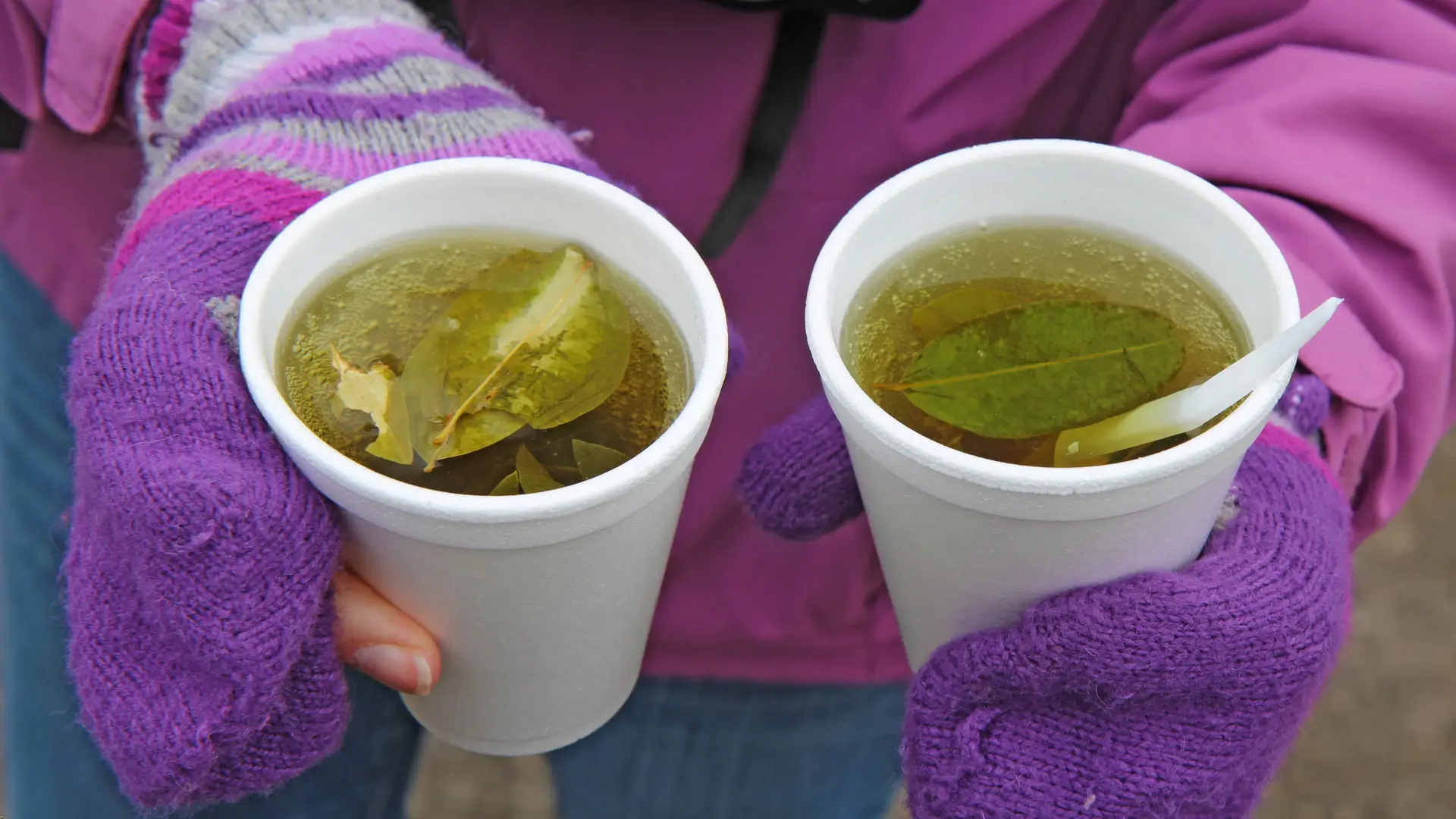
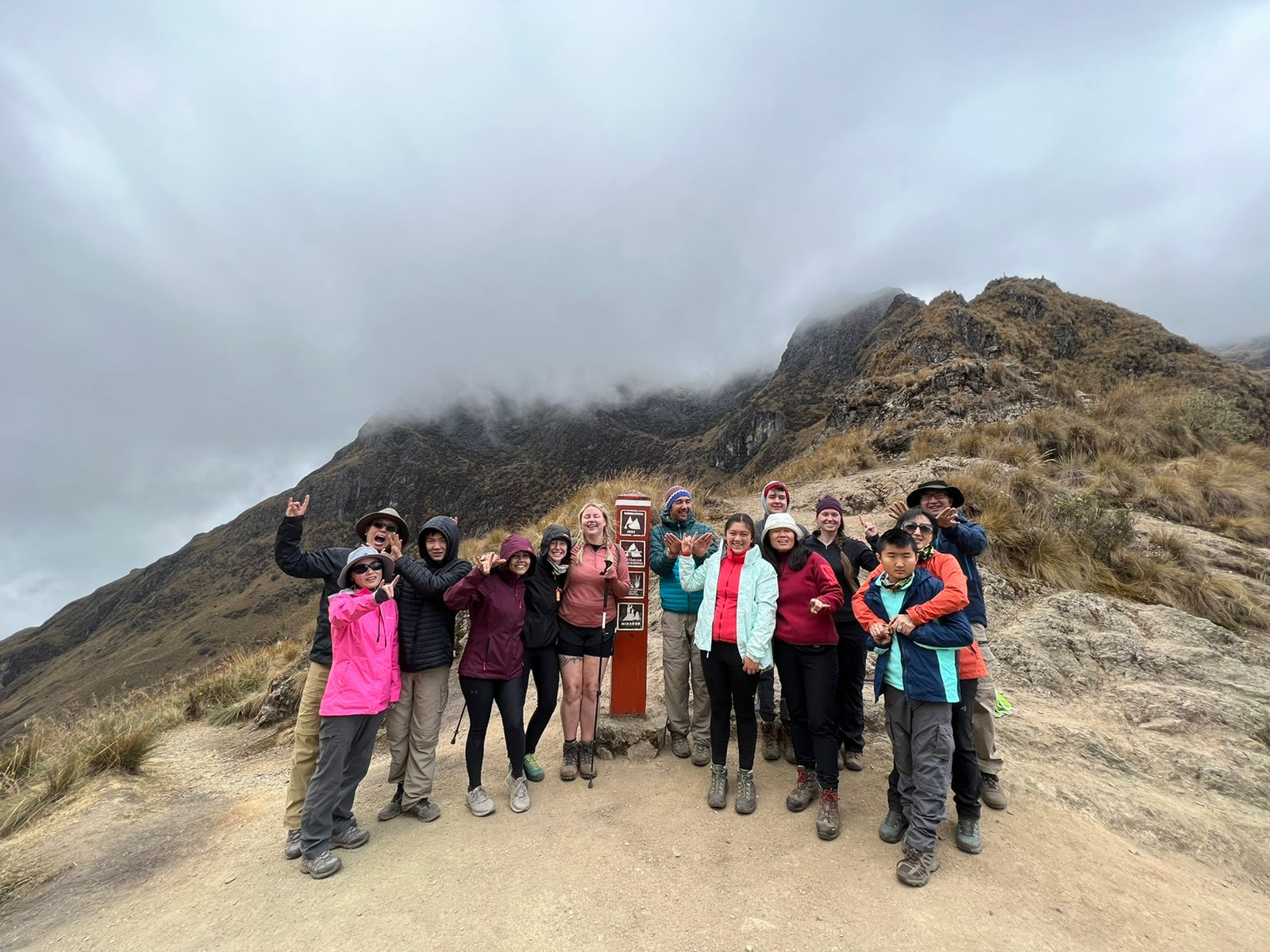
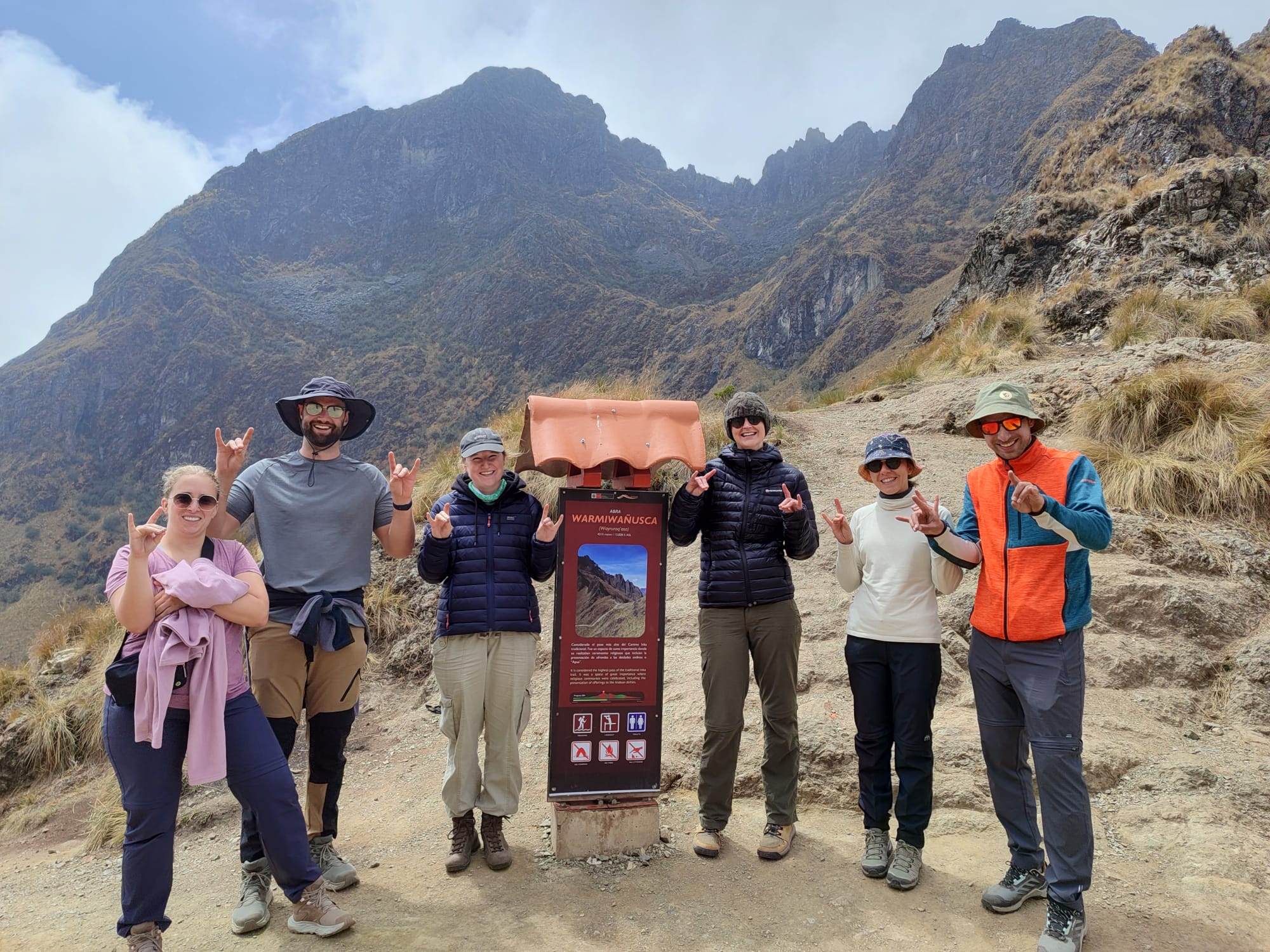
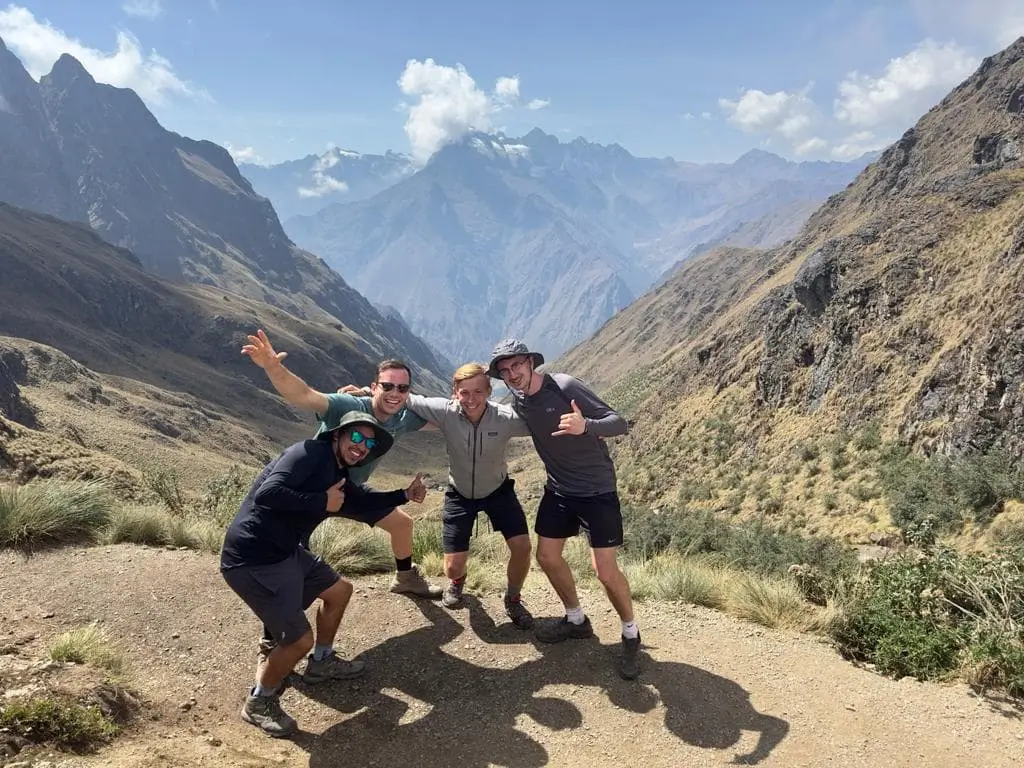
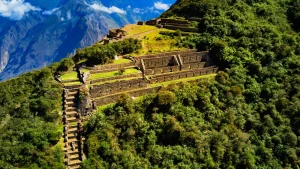
Coca Tea Break on the Salkantay Trek to Machu PicchuThe Warmiwañusca Pass, also known as the “Dead Woman’s Pass,” is the highest point on the Inca Trail to Machu Picchu
Muña Tea and Coca Tea: Ancient Roots of Andean Infusions
The Andes are home to centuries-old knowledge of medicinal plants. Coca leaves and muña leaves have long been used by local communities for their natural healing powers and spiritual importance.
The coca leaf was sacred to the Incas. It played a central role in ceremonies and offerings to the Apus, the mountain spirits that protect the Andean people. Coca was also chewed or brewed into tea to relieve fatigue and hunger during long journeys at high altitudes.
Meanwhile, muña, a native Andean herb, is beloved for its aroma and its benefits for digestion and respiratory health. Although less famous among tourists, it remains a household essential across mountain villages in Cusco, Pisac, and Ollantaytambo, where locals prepare it fresh every day.
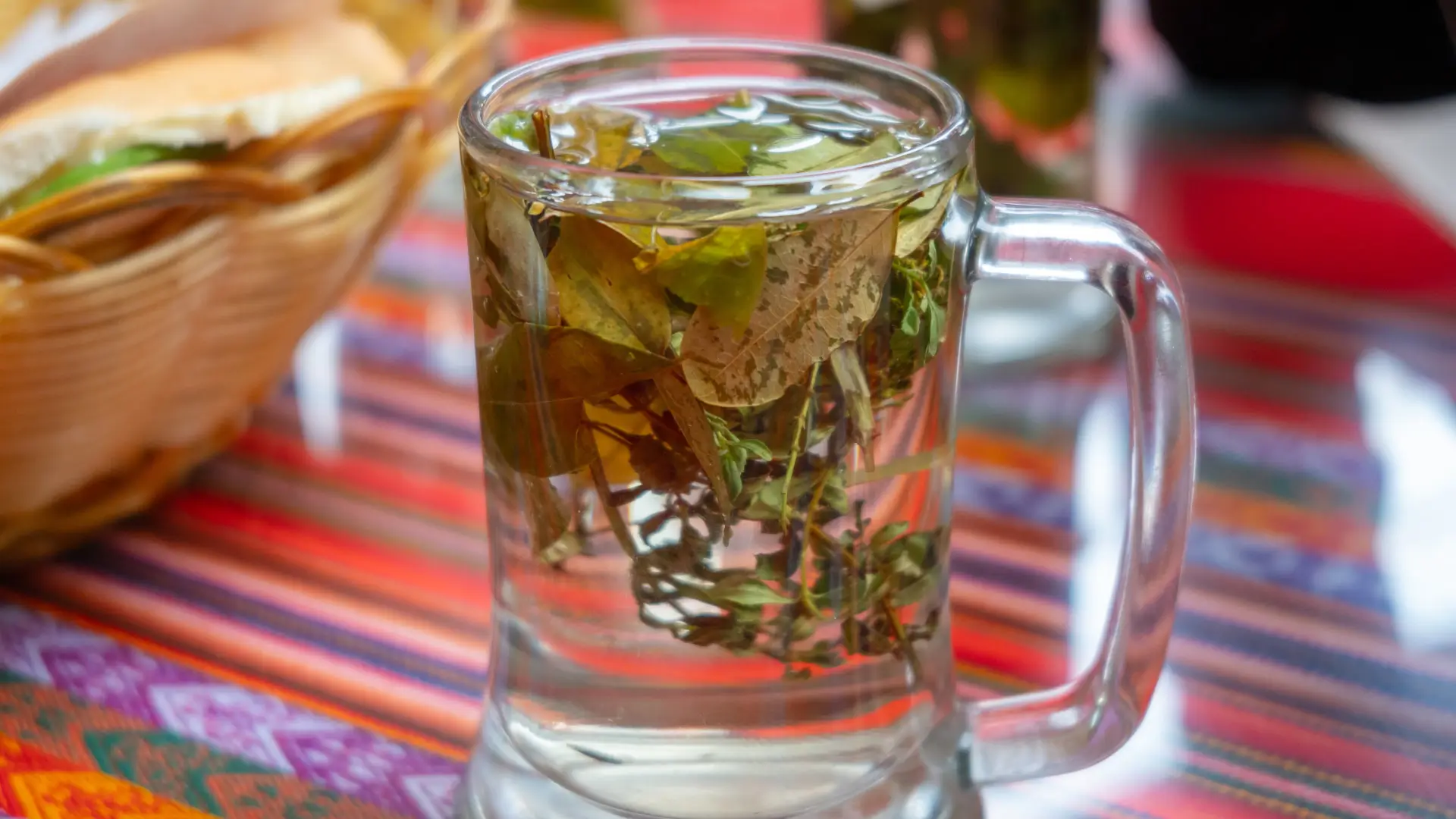
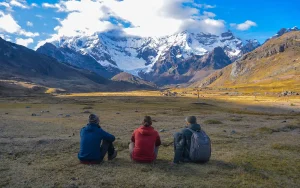
Coca Tea and Andean Breakfast Salkantay Trek to Machu PicchuWarmiwañusca, also known as the “Dead Woman’s Pass,” reaches an elevation of 4,215 meters above sea level
Benefits of Coca Tea
Coca tea is one of the most iconic traditional Peruvian drinks, especially for travelers visiting Cusco for the first time. Its herbal taste and energizing effect make it ideal for those adapting to the altitude or hiking toward Machu Picchu.
Main benefits of coca tea include:
It helps prevent altitude sickness and improves oxygen absorption.
Many hotels and restaurants in Cusco offer coca tea as a welcoming drink to help visitors acclimatize. It is a simple yet meaningful ritual that introduces travelers to the rhythm of Andean life.
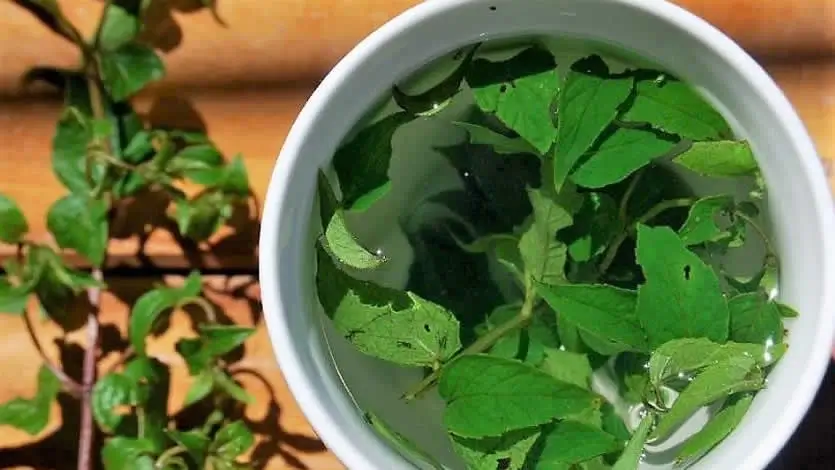
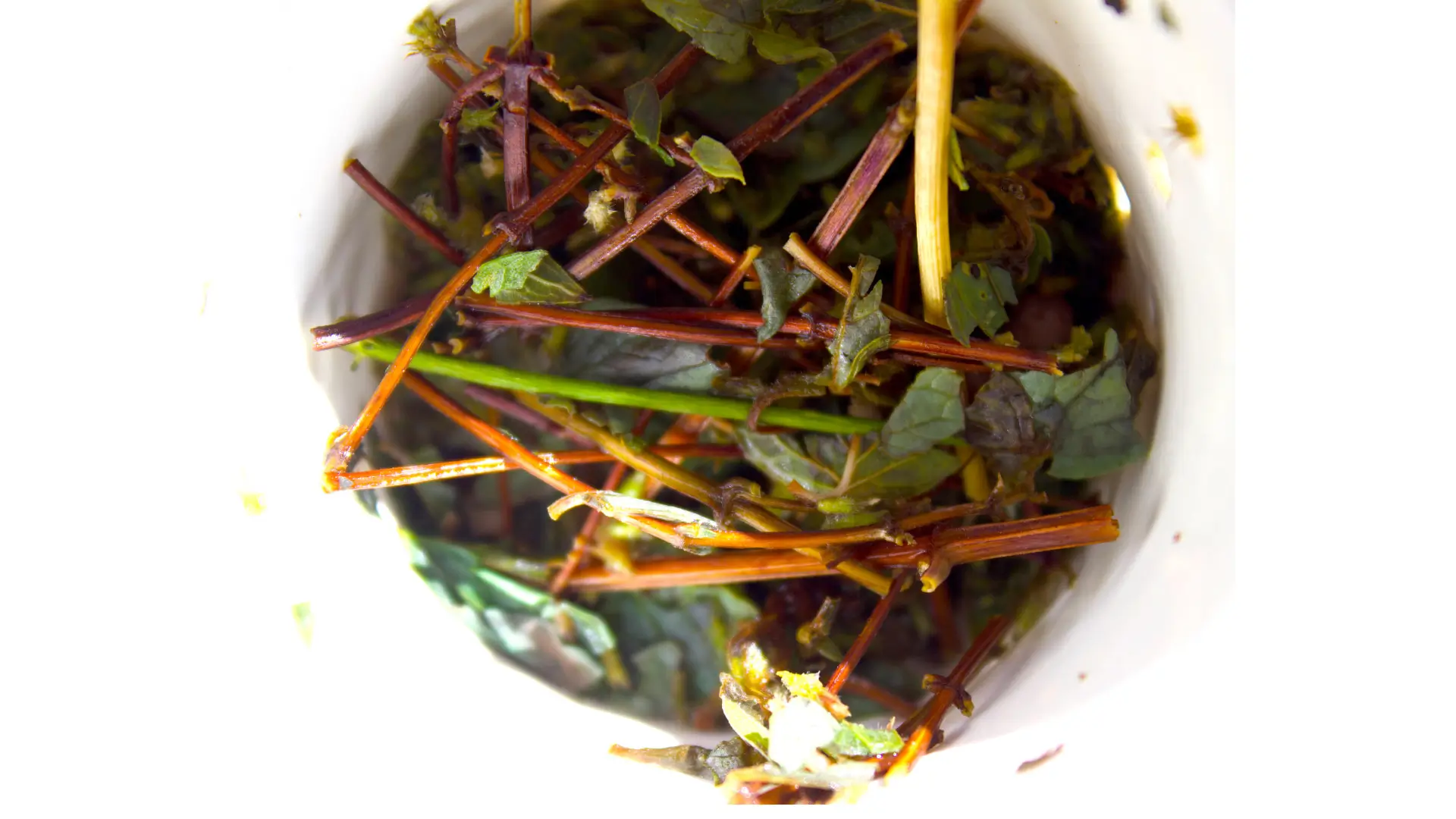
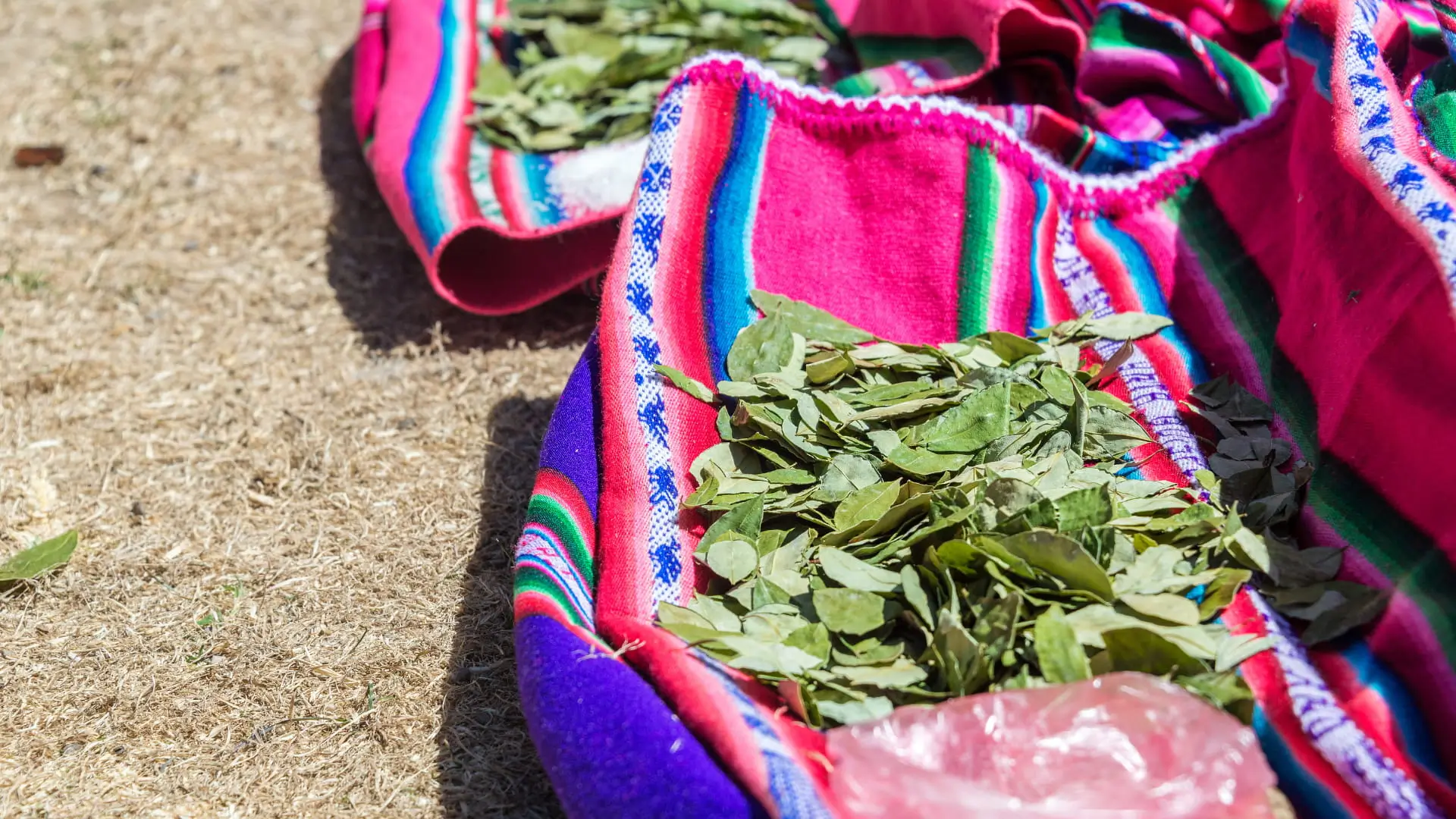
Dried Coca and Muna Leaves for Traditional Infusionstravelers after crossing the Dead Woman’s Pass
Benefits of Muña Tea
If coca tea revitalizes, muña tea soothes. Known as Andean mint tea, this infusion has a naturally refreshing flavor similar to peppermint, but with a stronger herbal character. It is commonly served after meals, particularly in highland areas where locals rely on its calming and cleansing effects.
Benefits of muña tea include:
It improves digestion and reduces bloating or stomach discomfort.
It has anti-inflammatory and antibacterial properties.
It helps relieve cold symptoms common in the highlands.
It promotes relaxation after a long day of Cusco tourism and exploration.
For travelers exploring the Sacred Valley of the Incas, muña tea is a wonderful way to unwind after a day of discovery.
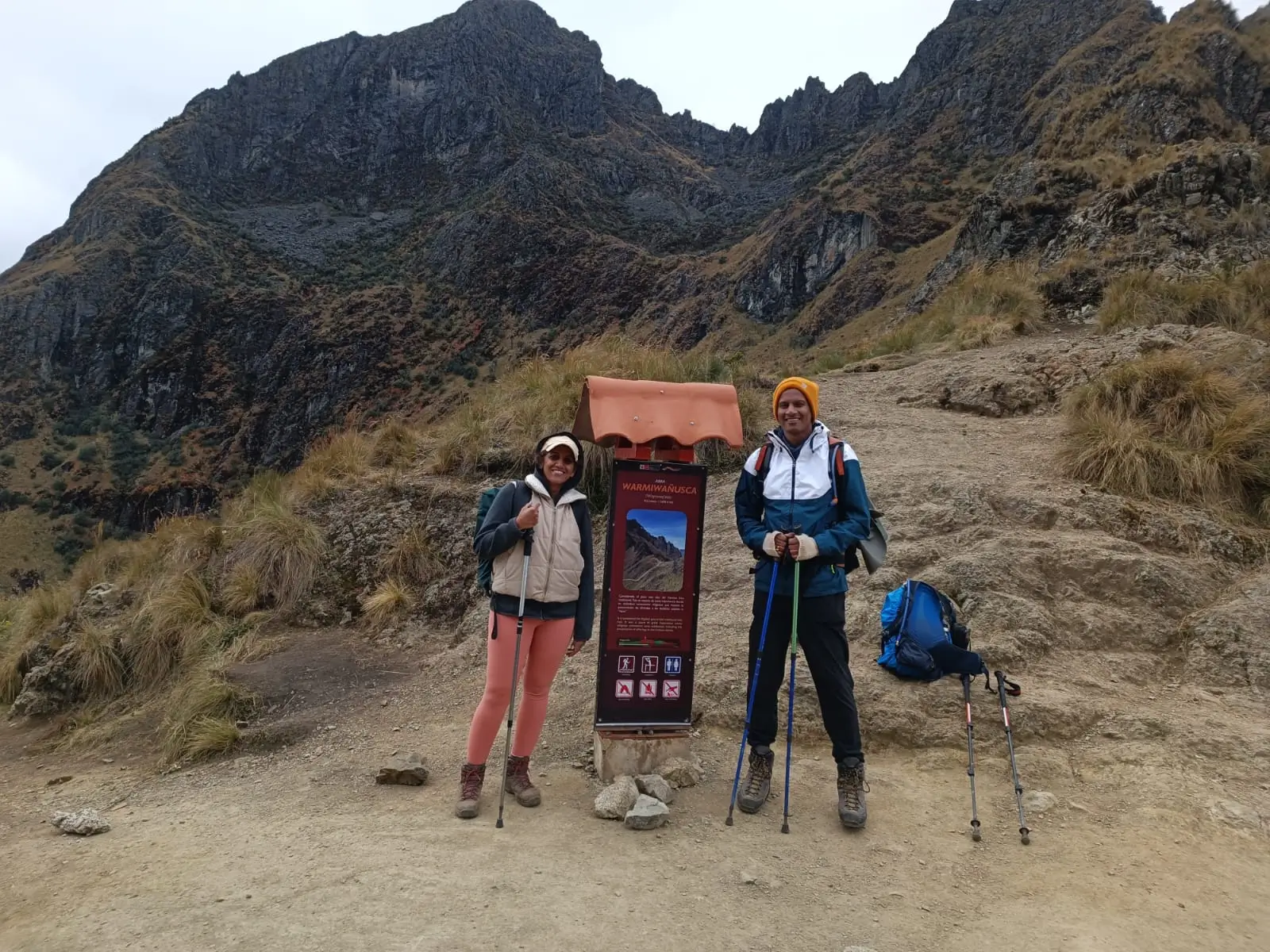
Coca Leaves for Traditional InfusionsA cultural immersion along the Inca Trail to Machu Picchu, near the challenging Warmiwañusca Pass, or “Dead Woman’s Pass.”
Where to Try Them in Cusco
Both coca tea and muña tea are available throughout Cusco and the Sacred Valley. You can find them in cafés, hotels, and local restaurants. For a deeper cultural experience, Ali Peru Treks recommends visiting traditional markets or local communities such as Chinchero, Huacawasi, or Lares Trek, where you can see how these herbs are grown, harvested, and prepared.
Buying dried leaves of coca and muña is also a great idea. They make meaningful and eco-friendly souvenirs that carry the spirit of the Andes back home.
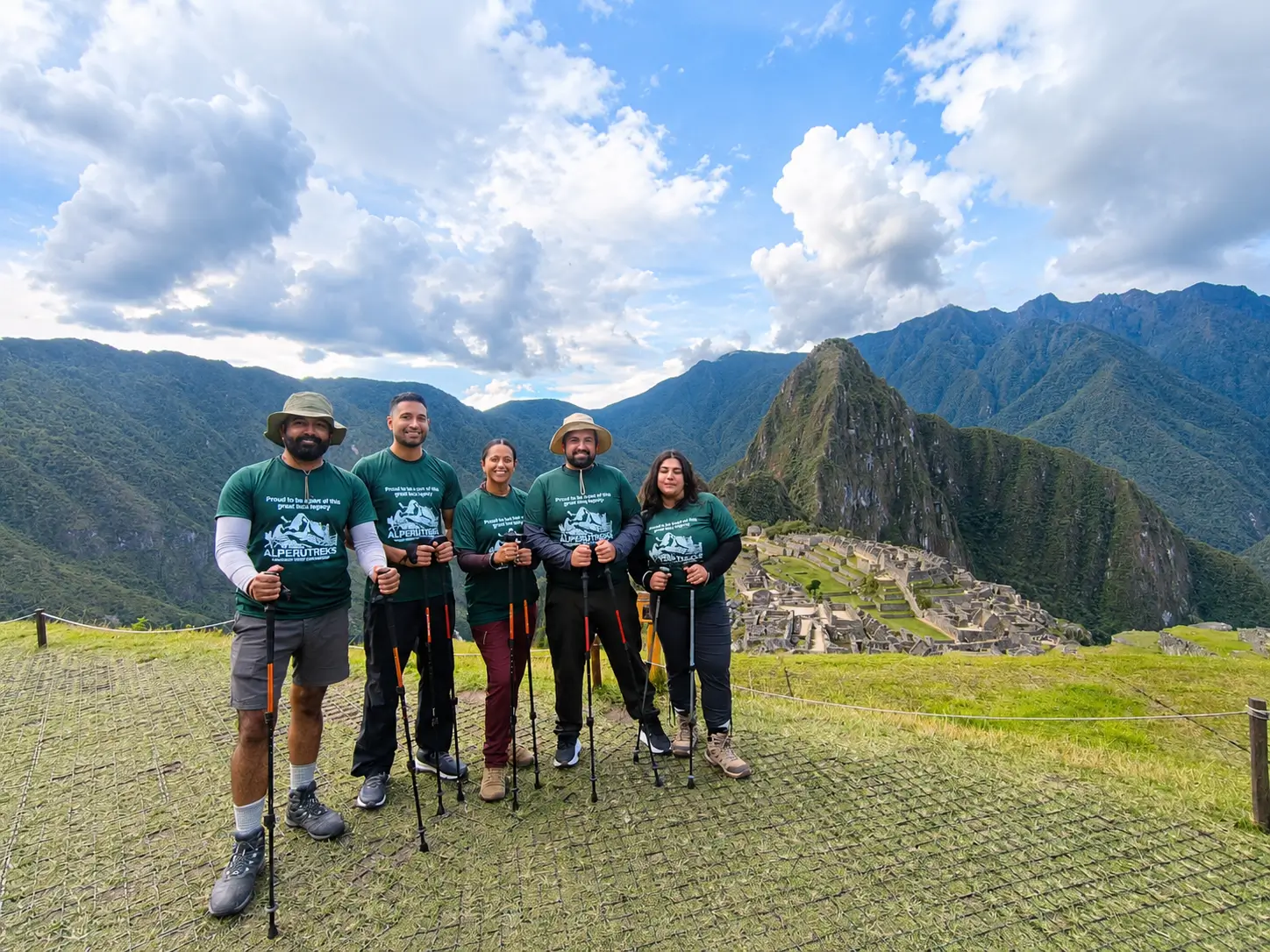
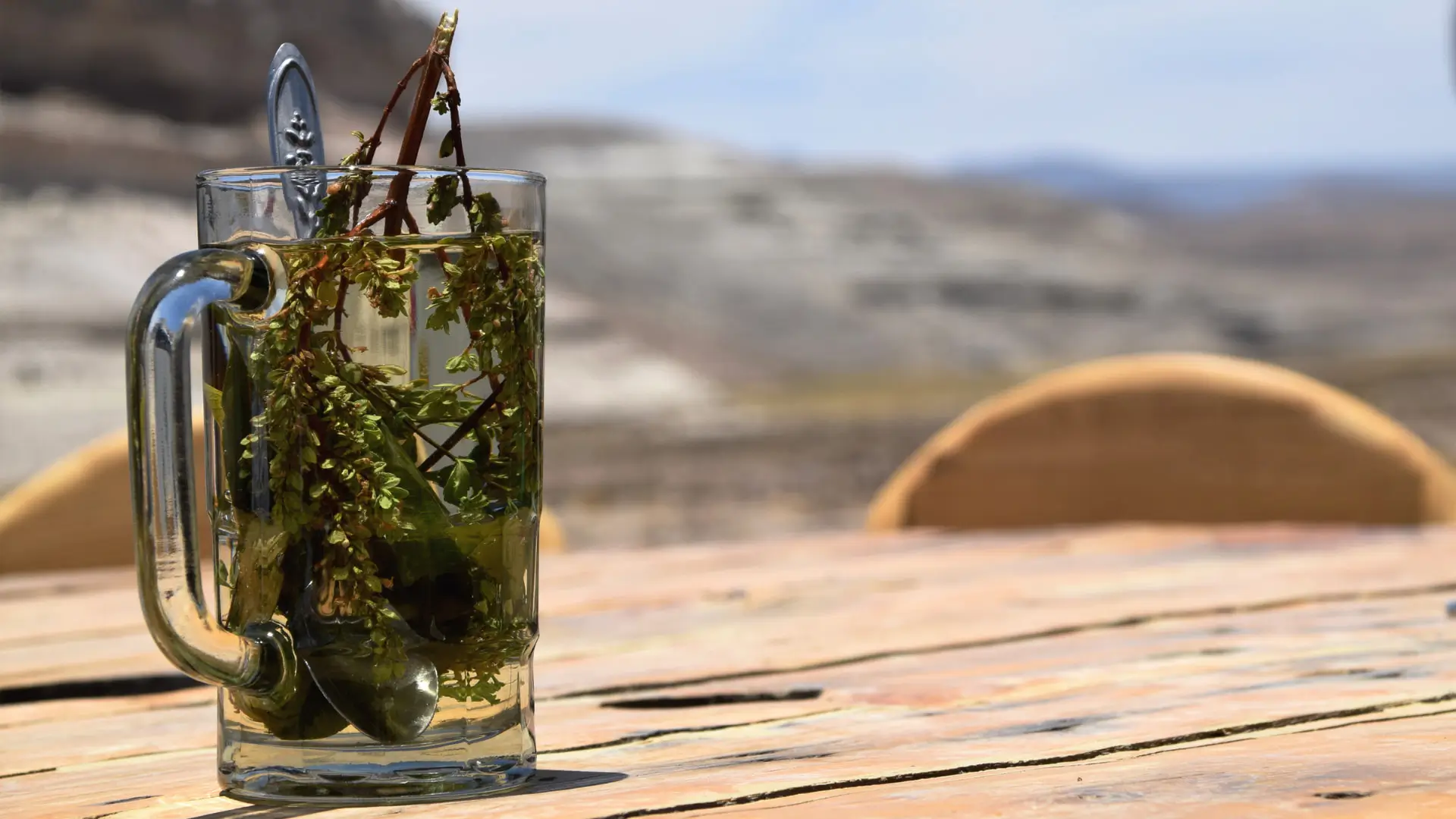
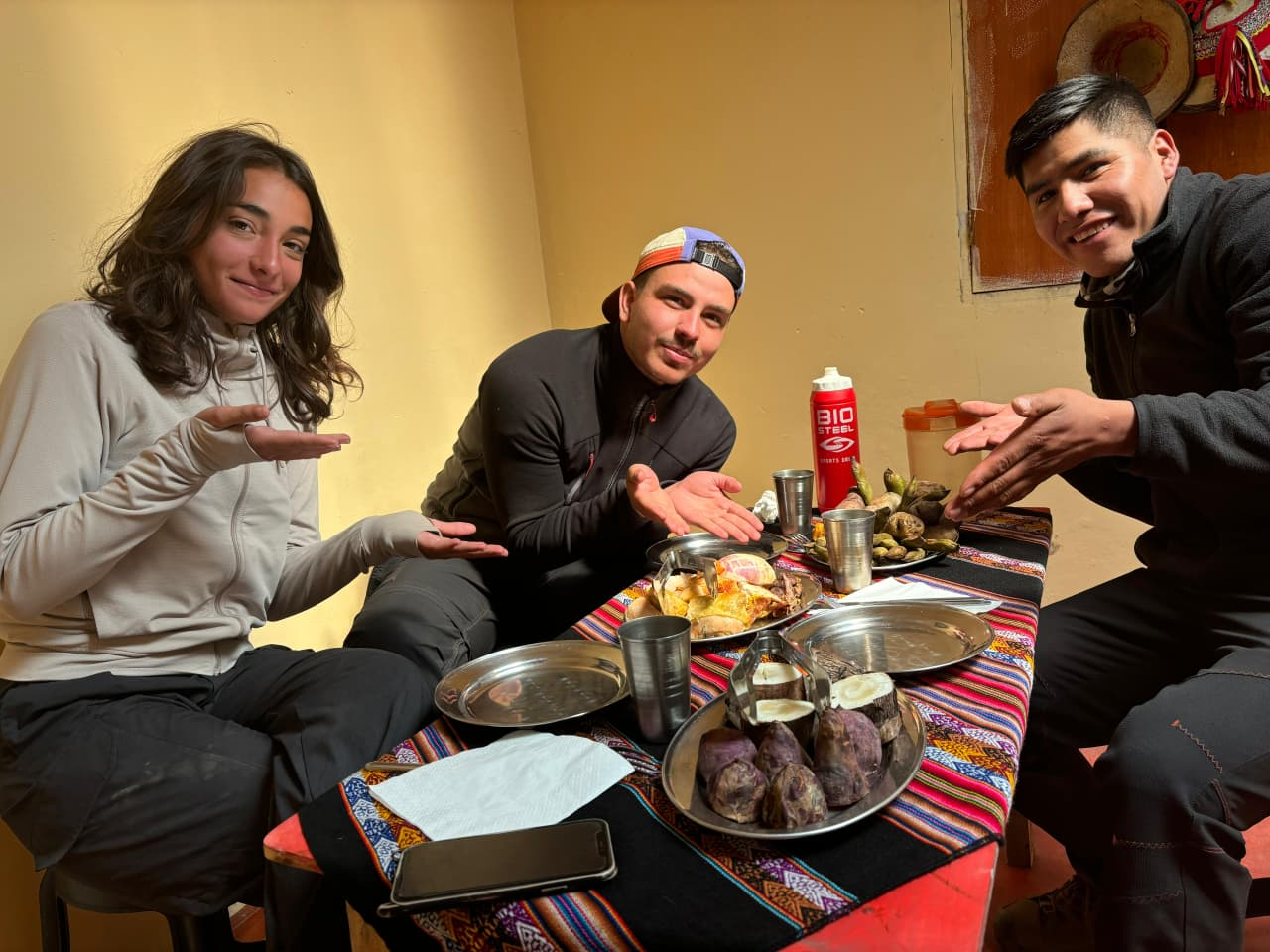
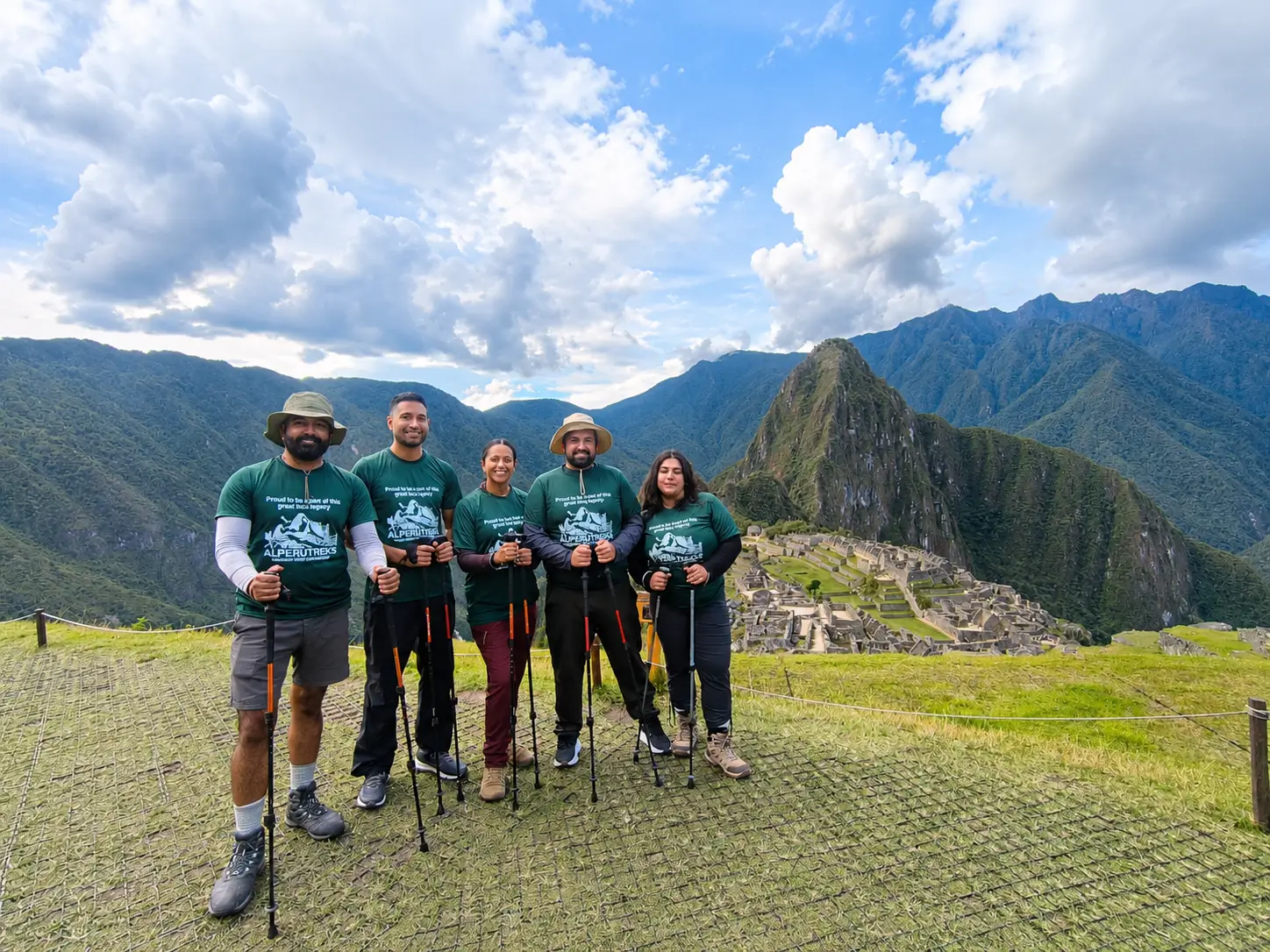
Coca and Muna Herbal Infusion in the AndesThe meal shown is similar to the meals prepared during the Inca Trail, which often include native potatoes and locally sourced ingredients.A group of people posing with hiking poles in front of the ruins of Machu Picchu in Peru
Two Flavors, One Essence of the Andes
The comparison between coca tea vs muña tea is not about choosing one over the other. It is about discovering the balance they represent in Andean life. Coca tea fuels your adventure and keeps you strong, while muña tea helps you relax and restore your inner harmony.
During your trip to Cusco, take the time to enjoy both. With every sip, you connect with the mountains, the traditions, and the people who have cherished these infusions for generations.
Experience the taste of the Andes with Ali Peru Treks. Join our cultural and trekking tours to discover the authentic flavors and traditions of Peru while exploring breathtaking landscapes like the Sacred Valley, Machu Picchu, and the Inca Trail.
The Ancascocha Trek passes four main Inca sites on its way to Machu Picchu. Perolniyoc (also called Raqaypata) sits on a cliff above a waterfall at about 3,550 m, Rayan Pata is a ceremonial site at about 3,800 m, Paucarcancha guards the junction of two valleys at about 3,100 m, and Patallacta (also called Llactapata)…
Moray and the Maras Salt Mines are two neighboring sites on the high plateau above the Sacred Valley, about 50 km from Cusco, and most travelers visit them together in half a day. Moray is a set of circular Inca terraces, and Maras is a hillside of thousands of salt pans still worked by local…
Plan at least three days in Cusco if you want to see the city and visit Machu Picchu, and four to five days if you also want the Sacred Valley or a high-altitude hike like Rainbow Mountain. Three days is the practical minimum because Cusco sits at 3,399 m (11,152 ft), and your first day…
Yanama Pass, at about 4,660 m (15,290 ft), is the highest point on the trek from Choquequirao to Machu Picchu. It sits in the Vilcabamba range, between the village of Yanama (about 3,500 m) and the Totora valley, and crossing it is usually the longest day of the route: 8 to 10 hours, with a…
The Choquequirao cable car is a planned public-private project that would link the Inca site of Choquequirao with the Apurímac and Cusco sides of the canyon, cutting a journey that now takes about two days on foot to roughly 20 minutes. As of November 2026, it has not been built. The project is still in…
The Choquequirao trek starts at Capuliyoc (about 2,950 m), drops to the Apurímac River at Playa Rosalina (about 1,550 m), and climbs back up through Santa Rosa and Marampata to the ruins at about 3,050 m. That means a descent of roughly 1,400 m followed by a climb of about 1,500 m, each way. This…
Yes, Choquequirao is open. The archaeological park reopened in the second half of April 2026, after a rainy-season closure that began on February 1, 2026. However, Peru’s Ministry of Culture has closed the site during heavy rains in several recent years, so if you plan to visit between December and April, expect the possibility of…
Both routes visit Choquequirao and finish at Machu Picchu, but they get there in very different ways. The 6-day trek is an out-and-back hike to Choquequirao through the Apurímac Canyon, followed by a road transfer and train to Aguas Calientes. The 8-day trek is a full traverse on foot, crossing the Vilcabamba range over Yanama…
On the Ausangate llama trek, a caravan of llamas led by local herders carries the camping equipment and your duffel bag, so you hike with only a daypack. Llamas are used because they are native to the high Andes, they are lighter on the trail than horses, and hiring them supports the herding families who…
The Ausangate trek follows high Andean trails around the base of Ausangate (about 6,384 m), crossing three passes between 4,850 and 4,980 m, passing turquoise lakes, and camping at Upis, Pucacocha, and Queullacocha before finishing at Rainbow Mountain (5,036 m). The route changes slightly between our four treks, so this guide lists the stops in…