
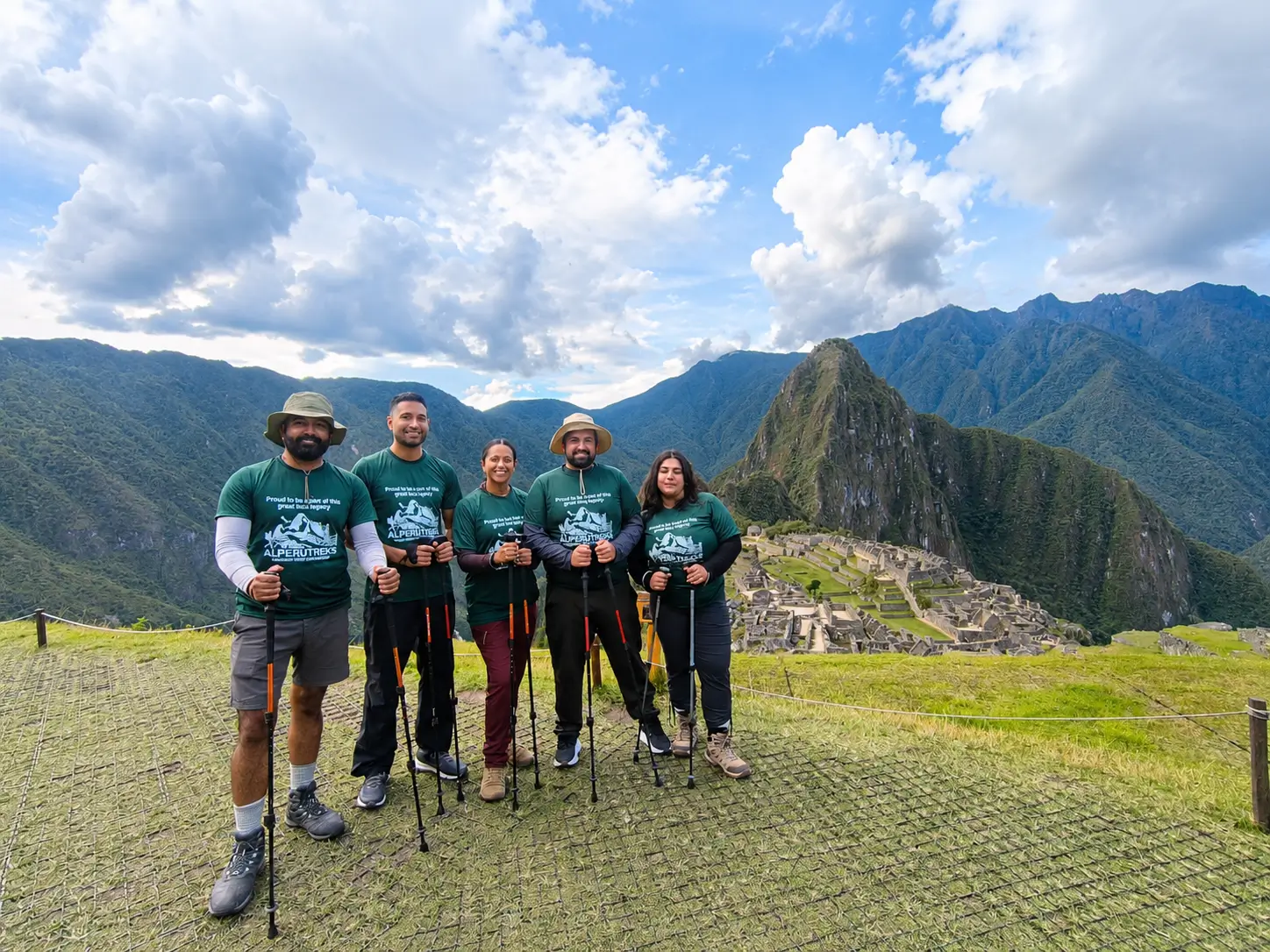
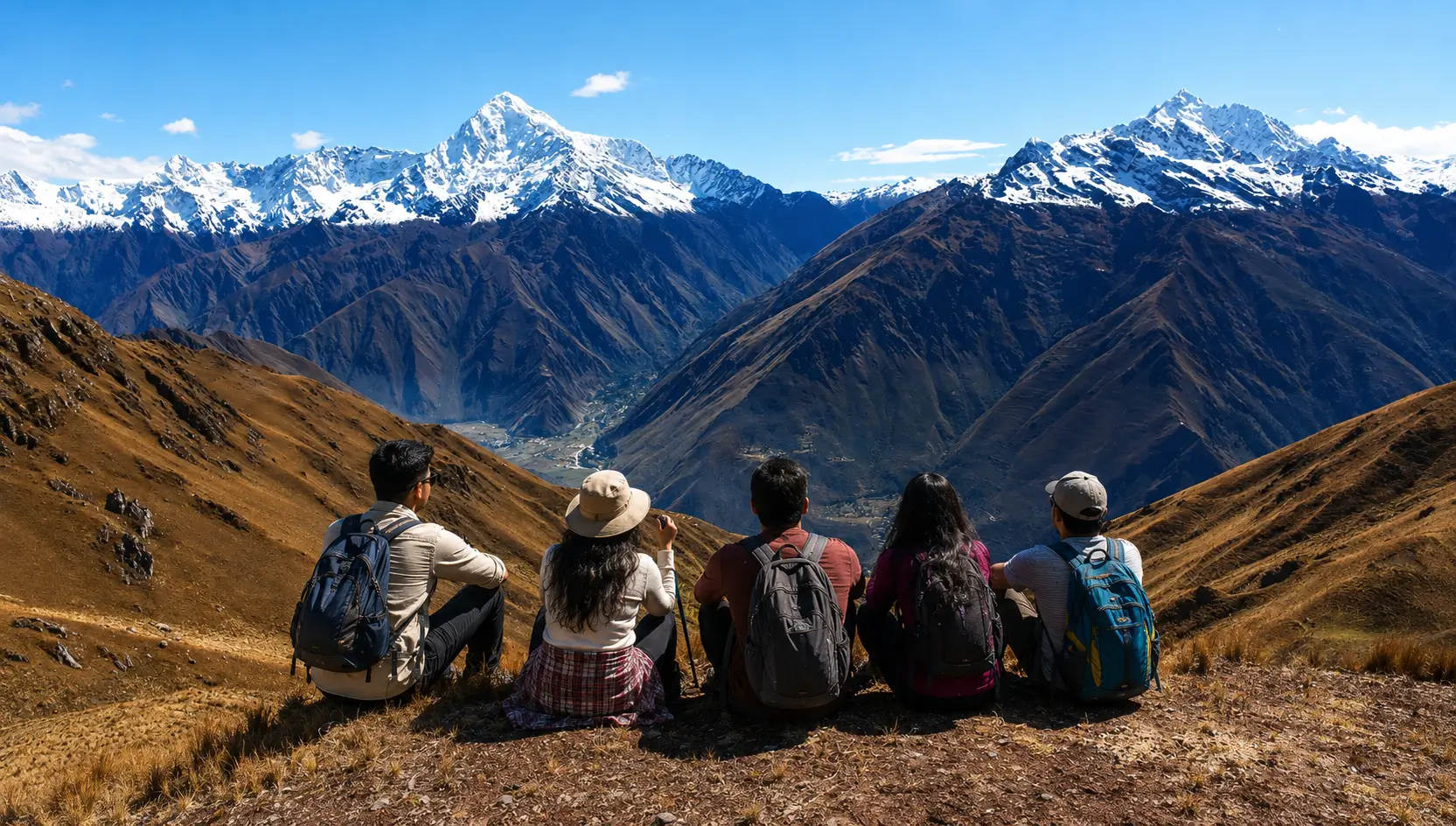
April on the Ancascocha Trek means the tail end of the rainy season handing off to dry season — greener landscapes than the dry months, noticeably fewer trekkers than the June–August peak, and rain risk that drops fast as the month goes on, especially after the first week or two.
Here’s what that actually means for planning your dates, based on regional Cusco-highland climate patterns and how they apply to this specific route.
What April Weather Looks Like on the Trail
Ancascocha climbs from around 3,200 m (10,500 ft) near the Soqma trailhead to 4,650 m (15,255 ft) at Huayanay Pass, tracking the same broad Cusco-highland climate as the rest of the region’s high-altitude treks. Across that region, the rainy season runs roughly November through March, and April is the first real month of the transition into dry season.
Average regional rainfall drops sharply in April compared to March — roughly half the monthly rainfall of the wetter months — while daytime temperatures stay comfortable, typically in the high 60s°F (around 20–21°C), dropping close to freezing overnight at the higher camps.
Early April can still carry over some of March’s instability (occasional showers, residual mud on the trail), but by the second half of the month, conditions are usually much closer to the dry season than the wet one. This is also the payoff month for greenery: the valleys and passes are still lush from the rains, unlike the browner, dustier look of the trail by July or August.
Practically, that means Huayanay Pass has noticeably better odds of a clear view in April than in March, without the crowd levels of peak dry season.
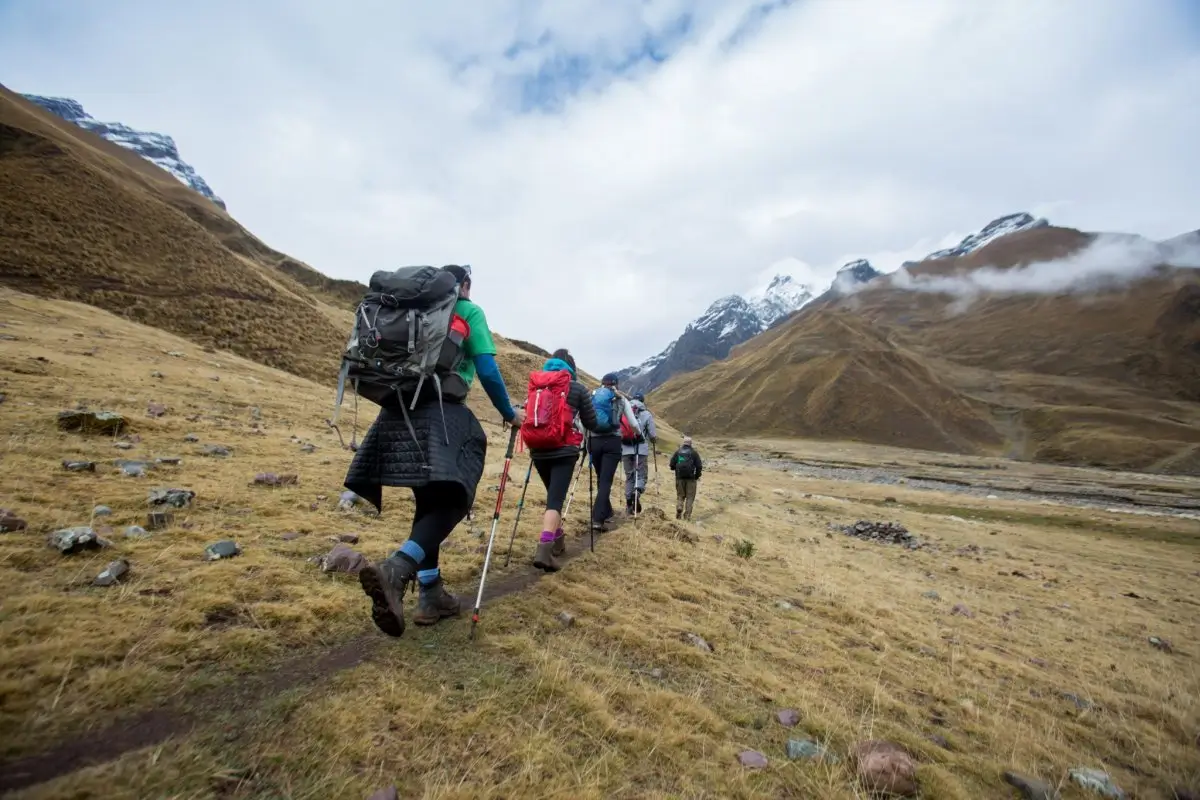
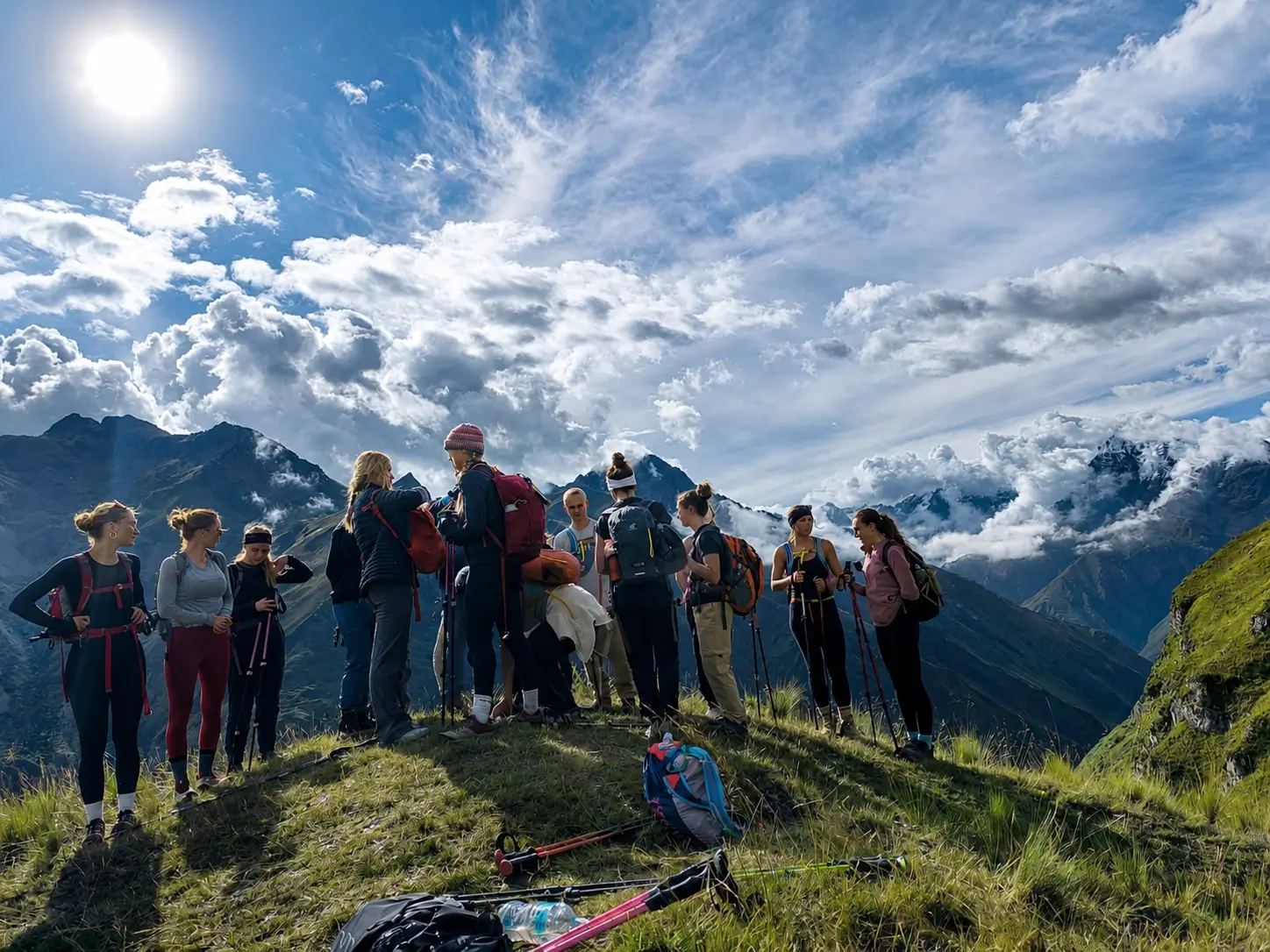
Crowds and Trail Access in April
April sits in what several operators, including our own site, describe as the shoulder-season “sweet spot” — dry-enough conditions without the June–August crowd surge. Ancascocha was already one of the least-trafficked routes to Machu Picchu even during peak months, so April pushes that solitude further: you’re unlikely to share campsites with other groups on most nights.
Unlike the Classic Inca Trail, which is not permit-limited the same way — Ancascocha doesn’t operate under the same capped-permit system, so there’s no seasonal bottleneck to plan around the way you would for Inca Trail permits. April availability is generally easy to book, though it starts tightening as May approaches and demand ramps into high season.
Ancascocha in April vs. Other Times of Year
| Factor | April (shoulder, post-rain) | March (rainy tail-end) | June–Aug (dry season) |
|---|---|---|---|
| Rain | Low, mostly early April | Frequent, especially afternoons | Rare |
| Trail conditions | Mostly dry by mid-month | Muddy in sections | Dry, dusty |
| Views from Huayanay Pass | Good odds, especially late April | Cloud risk on many days | Best visibility |
| Crowds | Low–moderate | Low | Highest of the year |
| Landscape | Green, post-rain lushness | Greenest, waterfalls full | Browner, dustier |
| Booking pressure | Easy, tightens toward May | Easiest of the year | Book months ahead |
The trade-off is modest rather than dramatic: April gives you close to dry-season conditions with a meaningfully greener landscape and lighter crowds, at the small cost of a slightly higher (though low) chance of a wet day than you’d get in July. If your dates are flexible, the second half of April is generally the stronger pick over the first half.
What to Pack for April
Most of the standard Inca Trail packing list applies directly, but for an April departure specifically:
- A light rain shell is still worth packing, even if you don’t expect to use it — early April can still surprise you
- Layering matters more than waterproofing this month: nights at altitude stay cold regardless of season
- Trail runners or hiking boots without heavy waterproofing are usually fine by mid-to-late April, when the trail has mostly dried out
- Sun protection becomes more important than in March, since clearer skies mean more direct high-altitude UV exposure
Altitude risk doesn’t change with the season — Huayanay Pass is above 4,600 m year-round — so acclimatization planning matters just as much in April as any other month. See our guide to altitude sickness in Cusco before you go.


Which Ancascocha Itinerary Makes Sense for April
April’s more stable weather makes it a reasonable month to consider the longer combination routes, which you might want to avoid in a wetter month:
- The Ancascocha Trek 4 Days remains the most straightforward, budget-friendly option.
- The Ancascocha Trek 5 Days is the most-booked version and includes a guided Machu Picchu visit.
- The Ancascocha & Short Inca Trail 5 Days and Ancascocha + Classic Inca Trail 7 Days combination routes add extra trail days — worth considering in April specifically, since the added days carry less rain risk than they would in March.
- If comfort matters more than budget, the Luxury Ancascocha Trek 5 Days is available year-round but is arguably less necessary in April than in the wetter months, since trail conditions are already more forgiving.
For a broader seasonal comparison across the whole region, our Best Time to Visit Machu Picchu guide covers how April stacks up against every other month, not just for Ancascocha.
FAQ
Generally yes. April is a shoulder month between the rainy and dry seasons, with rainfall dropping quickly, especially after the first week or two, while crowds stay well below the June–August peak. It’s one of the more balanced months to pick if you’re not tied to a specific date.
Yes, noticeably. Early April can still carry leftover instability from the rainy season — occasional showers, some residual mud. By the second half of the month, conditions are usually much closer to dry-season norms.
Possibly early in the month, less so as April progresses. It’s not comparable to peak rainy season (January–March), but it’s not guaranteed bone-dry either, especially in the first couple of weeks.
No — altitude risk at Huayanay Pass (4,650 m) doesn’t change by season. The same acclimatization guidance applies regardless of when you trek.
April is drier, greener from the recent rains, and offers better odds of clear mountain views, while March is wetter but cheaper and even less crowded. If you can shift your dates and clear views matter to you, April is generally the stronger choice.