
Best Time to Visit Machu Picchu
Picking the right dates can make or break your trip to one of the world’s most iconic archaeological sites. If you’re wondering about the best time to visit Machu Picchu, the honest answer depends on what you value most: clear mountain views for photos, smaller crowds at the Sun Gate, or a lower price tag on hotels and treks.
Most US travelers ask this question while juggling vacation days, trekking permits, and a long list of “what ifs” about Andean weather. The good news is that Machu Picchu welcomes visitors almost every day of the year, so there’s no single wrong month to go.
What changes from month to month is the experience: how much rain falls, how many other tourists you’ll share the trail with, and how far ahead you’ll need to book. Below, we break down Machu Picchu’s weather by month, compare the dry season vs. rainy season in plain terms, and share insider tips from our team on the ground in Cusco, Peru.
When Is the Best Time to Visit Machu Picchu
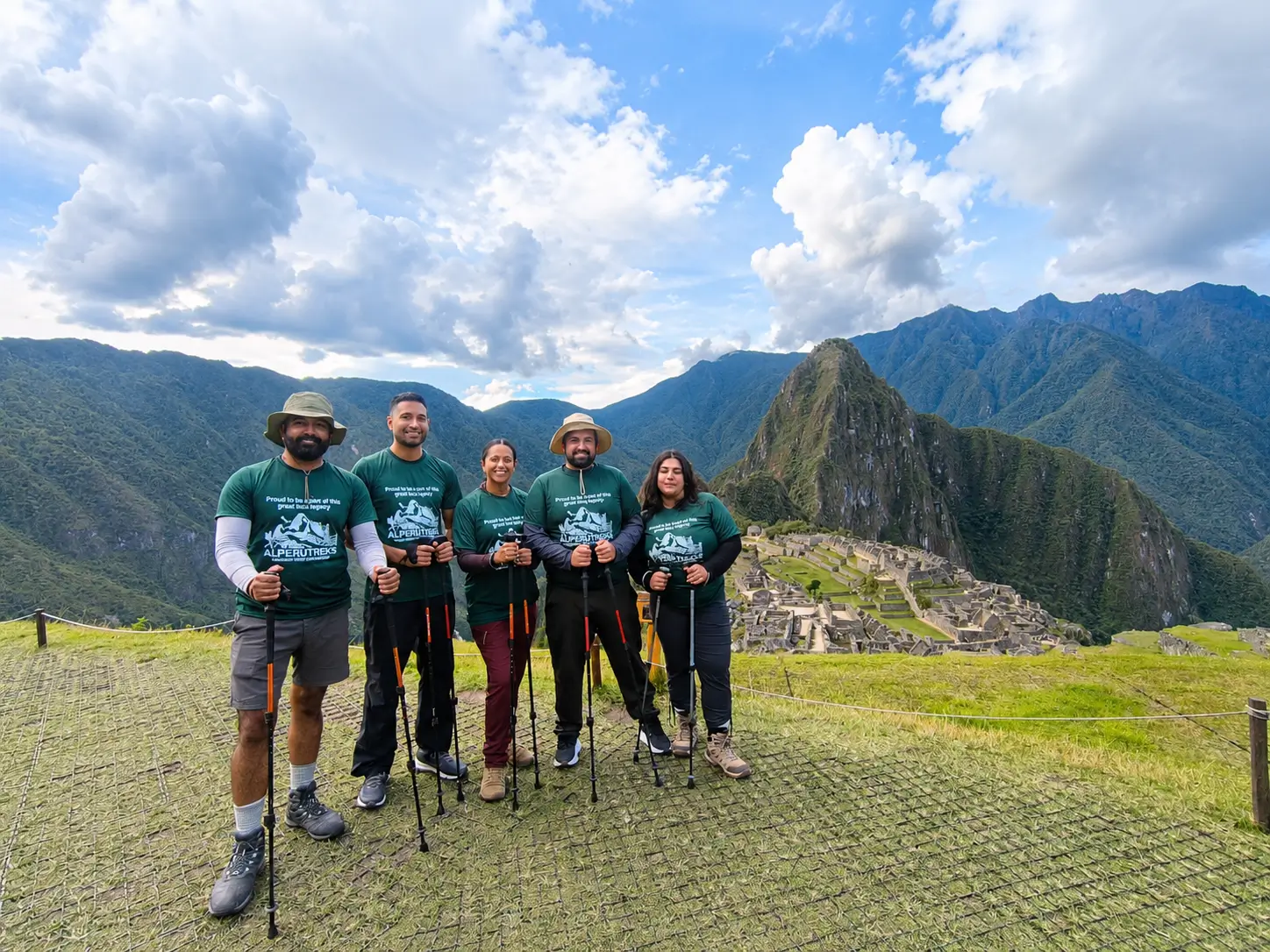
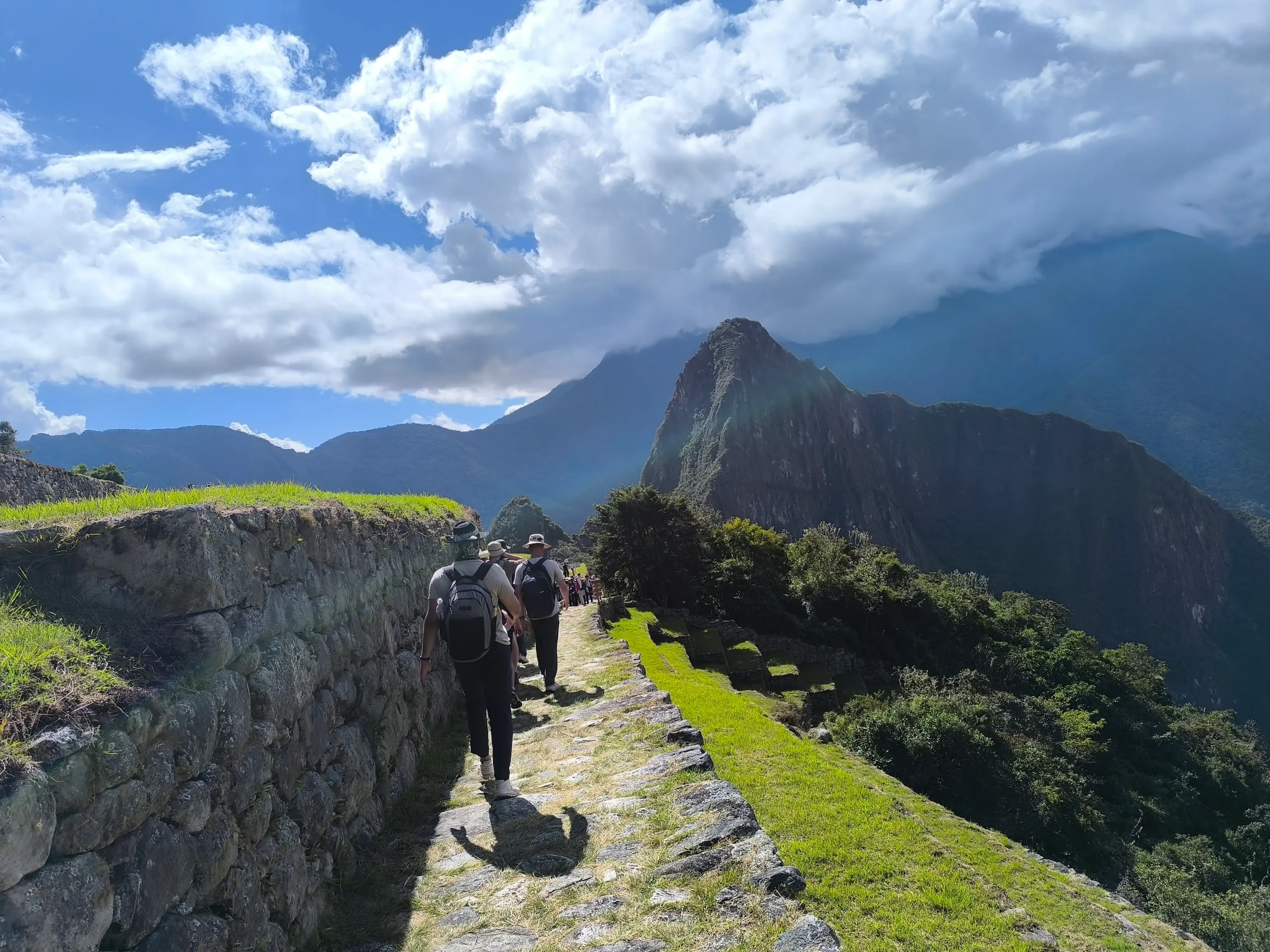
For most travelers, the best time to visit Machu Picchu is during the dry season, from May through September, when rainfall is lowest and skies are clearest for hiking and photography. June, July, and August are the most popular months, largely because they overlap with US summer vacation.
If you’d rather skip the biggest crowds while still enjoying cooperative weather, aim for the shoulder months of April or October. These weeks offer a sweet spot of fewer tourists, better last-minute permit availability, and weather that’s still largely on your side.
There isn’t a single “perfect” month. There’s only the right trade-off for your priorities, which we break down section by section below.
Machu Picchu Weather by Month
Machu Picchu sits on the edge of the cloud forest, at a lower and warmer elevation than Cusco, so daytime temperatures stay relatively mild all year. What really shifts month to month is rainfall, and that’s what drives almost every other decision about your trip.
| Month | Season | Typical Daytime Temp | Rainfall | What to Expect |
|---|---|---|---|---|
| January | Rainy | 64–70°F (18–21°C) | High | Lush, green, fewer tourists, trails can be muddy |
| February | Rainy (peak) | 63–68°F (17–20°C) | Heaviest of the year | Inca Trail closed for annual maintenance |
| March | Rainy (late) | 64–70°F (18–21°C) | Decreasing | Trail reopens March 1, scenery still vivid green |
| April | Shoulder | 65–72°F (18–22°C) | Light | Insider favorite, good light, fewer crowds |
| May | Dry (early) | 64–72°F (18–22°C) | Low | Crowds start building, skies clear up fast |
| June | Dry | 60–70°F (16–21°C), cold nights | Very low | Inti Raymi festival (June 24), busy |
| July | Dry (peak) | 59–70°F (15–21°C), cold nights | Lowest | Highest crowds, book months ahead |
| August | Dry | 60–70°F (16–21°C), windy | Very low | Still very busy, permits sell out early |
| September | Dry (late) | 62–72°F (17–22°C) | Low | Crowds ease, locally considered a top pick |
| October | Shoulder | 64–72°F (18–22°C) | Increasing | Fewer tourists, good value, mostly dry |
| November | Rainy (early) | 64–72°F (18–22°C) | Moderate | Landscape turns green again, lighter crowds |
| December | Rainy | 65–72°F (18–22°C) | High | Holiday-season crowds despite the rain |
Treat these numbers as planning guidelines rather than guarantees. The Andes are famous for changing conditions within the same afternoon, so packing for variability matters more than memorizing exact figures.
Machu Picchu Dry Season vs. Rainy Season
Comparing the Machu Picchu dry season vs. rainy season really comes down to four factors: weather, crowds, cost, and trekking conditions. Here’s the trade-off in a single snapshot.
| Dry Season (May–Sept) | Rainy Season (Nov–Mar) | |
|---|---|---|
| Rainfall | Minimal, occasional brief showers | Frequent, often heaviest in the afternoon |
| Skies | Clear, ideal for long-distance photos | Variable, with dramatic clouds and rainbows |
| Crowds | Heaviest, especially June–August | Lightest, except around Christmas/New Year |
| Prices | Highest, book early | Lower, more room to negotiate or find deals |
| Trekking conditions | Best traction, drier campsites | Slippery sections, Inca Trail closed in February |
Dry Season Highlights (May to September)
This is when Machu Picchu looks the way it does in postcards: clear blue skies, sharp mountain silhouettes, and dry trails. It’s the season most trekkers picture when they imagine hiking the Inca Trail or the Salkantay Trek.
The trade-off is competition. Permits for the Classic Inca Trail are capped, and peak dates in June and July routinely sell out months in advance. Nights also get cold, sometimes dropping close to freezing in Cusco and the Sacred Valley, even though days feel warm in the sun.
Rainy Season Highlights (November to March)
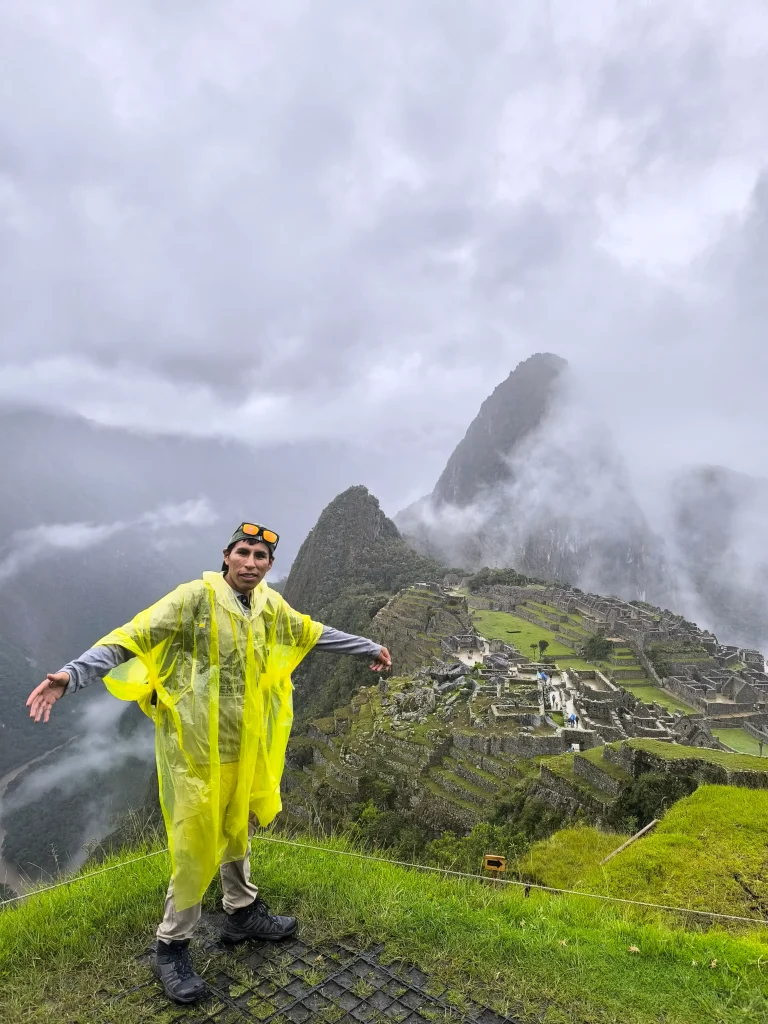
Rain doesn’t mean a ruined trip. It means greener terraces, fewer fellow travelers at the ruins, and noticeably easier access to last-minute permits (outside of December). Afternoon showers are common, but mornings are frequently clear, which is exactly when most Machu Picchu entry tickets are scheduled.
The one month to flag here is February, when the Inca Trail closes completely for government-mandated maintenance. Machu Picchu itself stays open via train and bus access; only the multi-day trek shuts down.
The Shoulder Season Sweet Spot (April and October)
April and October consistently come up as the local favorites among guides who work the trail year-round. You get a blend of decent weather, lighter crowds than peak dry season, and an easier permit-booking process than the May–August rush.
April has the added bonus of post-rainy-season greenery, while October offers warming temperatures before the rains return in earnest.
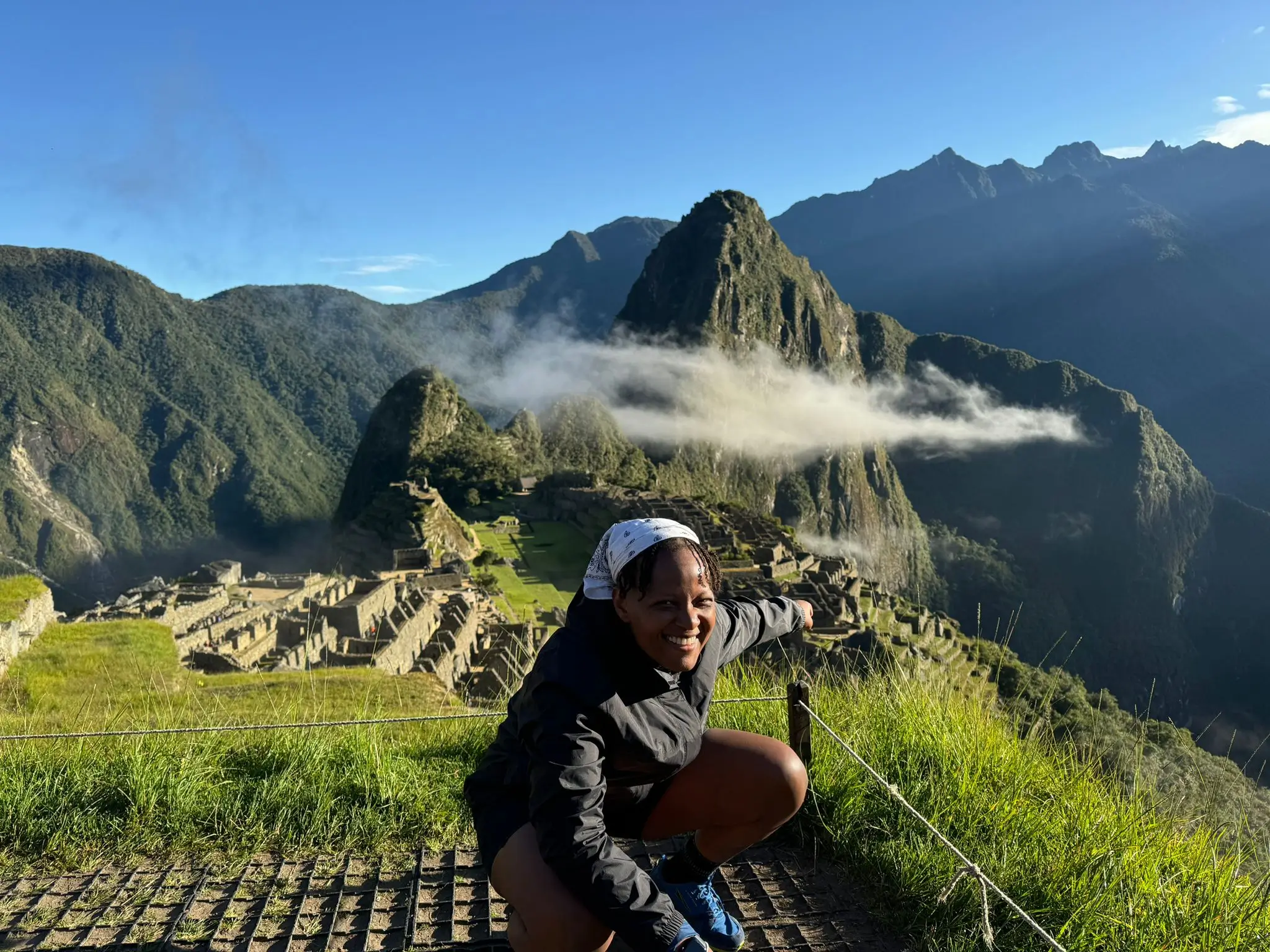
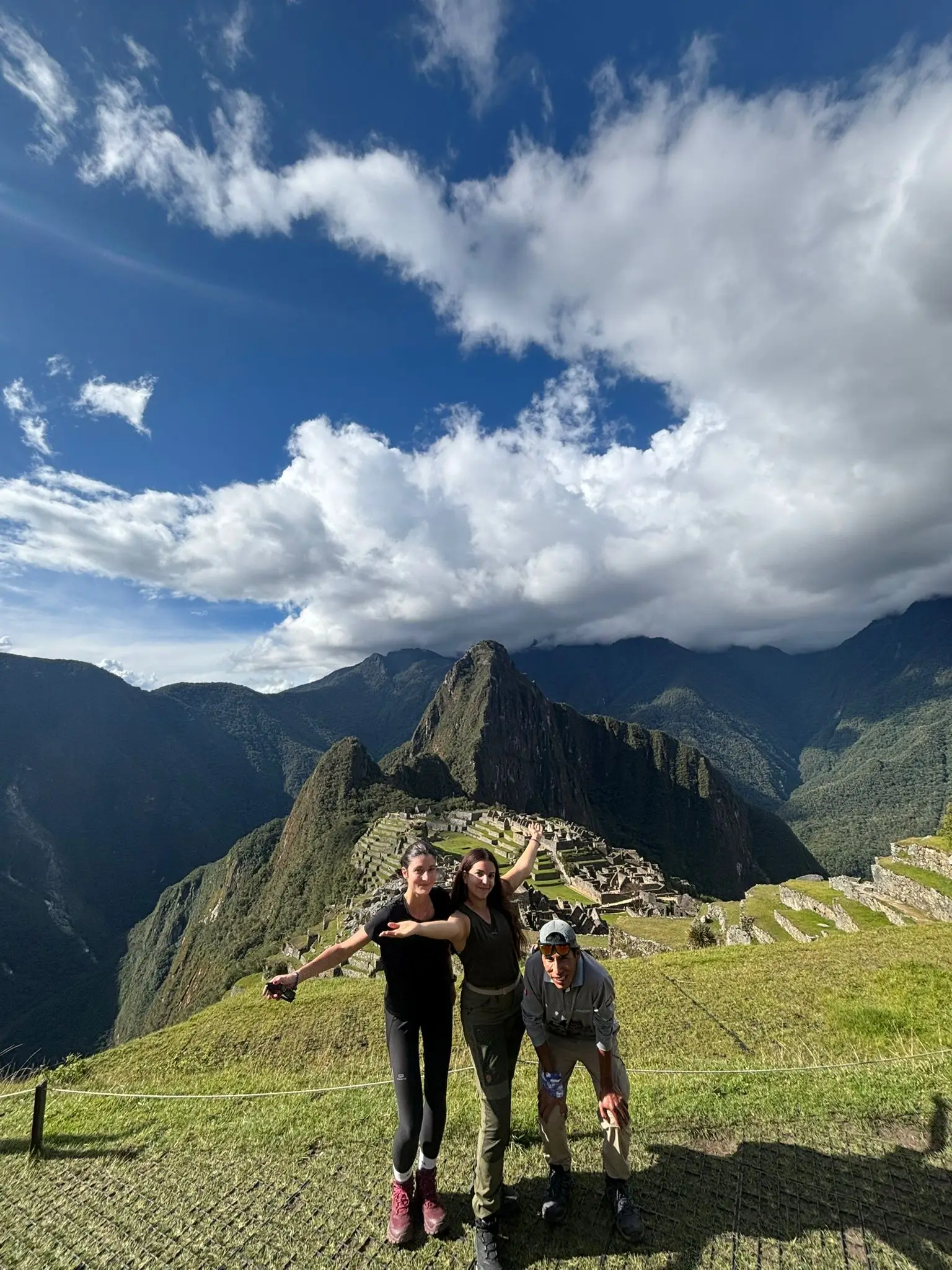
Choosing Your Best Time Based on What Matters Most to You
Best Time for Hiking the Inca Trail or Salkantay Trek
If trekking is the priority, May through September offers the most predictable conditions. Just remember that only around 200 trekker permits are issued per day for the Classic Inca Trail, and peak months can sell out four to six months ahead.
The Salkantay Trek has no daily permit cap, which makes it a more flexible alternative if your travel dates are set in stone or you’re booking later than you’d like.
Best Time to Avoid the Crowds
November, January, and March are consistently the quietest months at the citadel. Late June through August is the busiest stretch of the entire year, partly driven by US and European summer vacations.
If you can shift your trip even two or three weeks outside peak July and August, you’ll notice a real difference in how crowded the viewpoints feel.
Best Time for Budget-Friendly Travel
Hotel rates, train tickets, and trekking packages all tend to soften during the rainy season, especially in January, February, and March. December is the exception, since Christmas and New Year’s pull in holiday crowds despite the rain.
Best Time for Photography
Dry season delivers the crisp, long-distance shots most people associate with Machu Picchu, plus better odds for clear night skies. Rainy season, particularly in November and March, rewards photographers with dramatic cloud layers, vivid green terraces, and the occasional rainbow rolling through the valley.
Altitude and Acclimatization Tips for US Travelers
Here’s something that surprises a lot of first-time visitors: Cusco, at 11,152 feet (3,399 meters), sits higher than Machu Picchu itself, which rests at 7,970 feet (2,430 meters). The city you fly into, not the ruins you’ve come to see, is where most altitude sickness actually happens.
Altitude sickness, known locally as soroche, can cause headaches, nausea, fatigue, and shortness of breath. It has nothing to do with fitness level and everything to do with how your body adjusts to thinner air.
- Spend at least two full days in Cusco or the Sacred Valley before starting any trek or visiting Machu Picchu.
- Stay hydrated and skip alcohol for your first 48 hours at altitude.
- Coca tea is a traditional, widely available remedy that many locals and guides swear by.
- Talk to your doctor before your trip about altitude medication if you have a history of altitude sensitivity.
- Consider starting your itinerary in the Sacred Valley (around 9,160 feet/2,800 meters) before heading up to Cusco, so your body adjusts gradually.
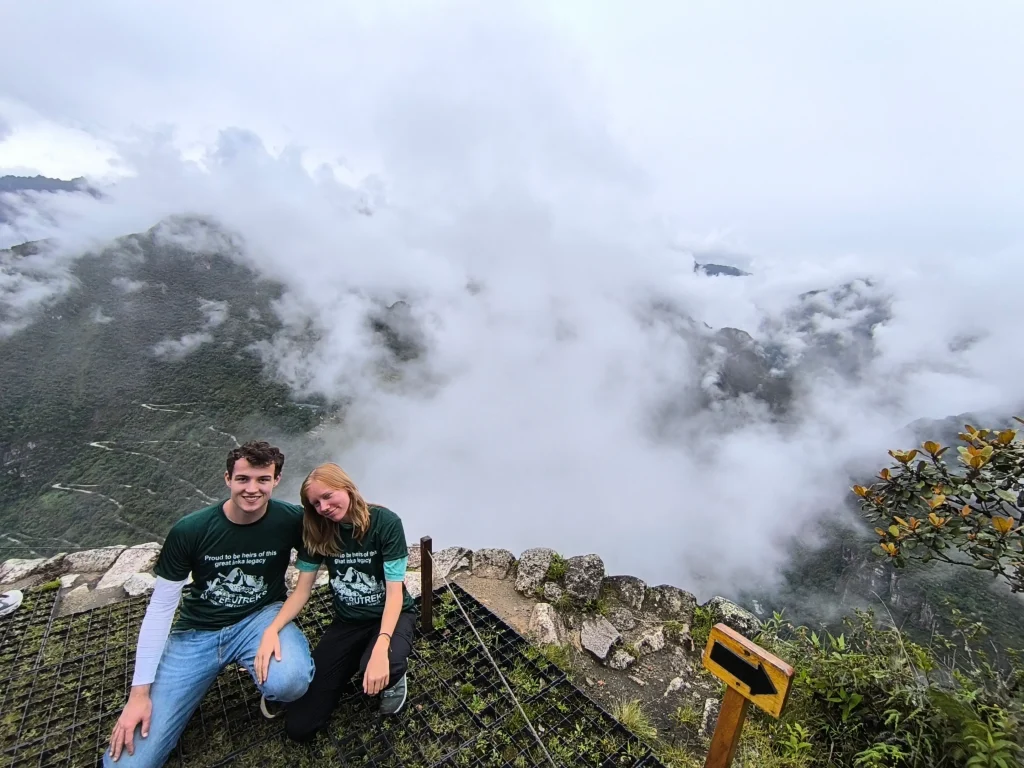
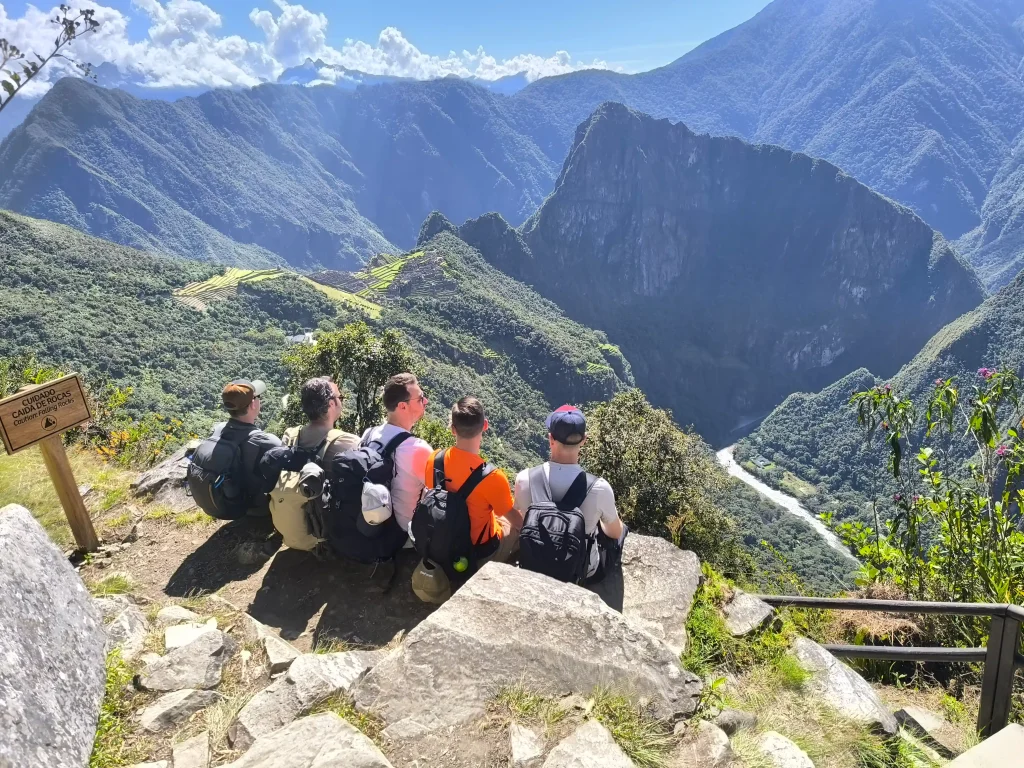
What to Pack for Machu Picchu in Every Season
Dry Season Packing List (May–September)
- Warm layers for cold mornings and nights, like a fleece or packable down jacket
- Wide-brim hat and high-SPF sunscreen, since high-altitude sun is far stronger than it feels
- Sunglasses and SPF lip balm
- A light rain jacket just in case, since brief showers can still happen
Rainy Season Packing List (November–March)
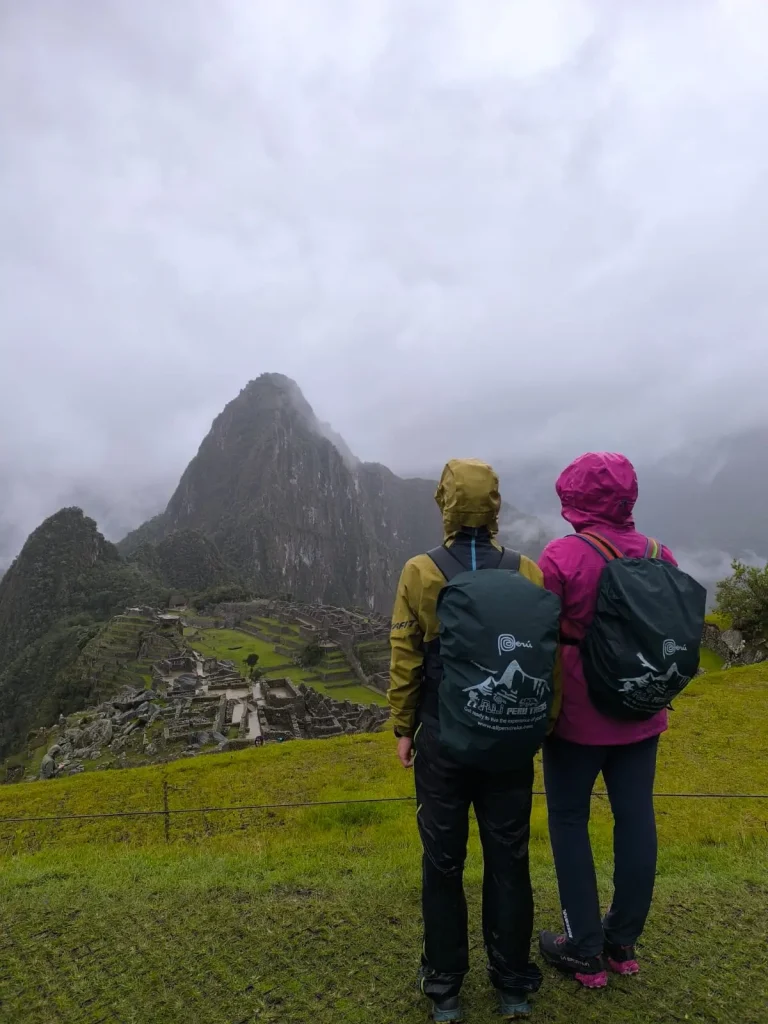
- A genuine waterproof rain jacket, not just water-resistant
- A rain cover for your day pack
- Quick-dry clothing layers instead of cotton
- Hiking shoes or boots with real traction for slippery stone steps
Year-Round Essentials
- Comfortable, already broken-in walking shoes
- A reusable water bottle, since single-use plastics aren’t allowed inside the archaeological site
- Insect repellent, especially around Aguas Calientes
- Your passport, which must match your entry ticket exactly
- A small day pack, since large backpacks aren’t permitted inside Machu Picchu
- Some cash in Peruvian soles for small purchases in Aguas Calientes
Expert Tips From a Local Cusco Travel Agency
- Book Inca Trail permits as early as possible. With roughly 200 trekker spots issued per day, high-season dates in May through July can disappear four to six months out.
- As of 2026, your Inca Trail permit and your Machu Picchu citadel entry ticket are two separate purchases. Work with a licensed operator who coordinates both for the same date and time slot, so your trek doesn’t end at the Sun Gate without access to the ruins themselves.
- Choose the earliest entry time slot your itinerary allows. Clouds frequently roll in over the citadel by midday, even during the driest months.
- If your travel dates fall in February, plan around the Salkantay Trek or a direct train visit instead, since the Inca Trail itself closes completely for maintenance.
- Pack layers no matter which month you travel. Mornings can be near freezing, midday sun is intense, and temperatures drop again once the afternoon clouds move in.
- Always carry your passport in the Sacred Valley region. It’s required for entry and must match the name and number on your ticket precisely.
Final Thoughts on the Best Time to Visit Machu Picchu
There’s no bad month to see Machu Picchu, just different versions of it. For dependable weather and trekking conditions, May through September wins. For lighter crowds, better-value pricing, and greener landscapes, April, October, and the quieter weeks of November are hard to beat.
Whatever the best time to visit Machu Picchu turns out to be for your trip, the most important step is locking in your permits, entry tickets, and train seats early, especially if your dates fall in peak season.
At Ali Peru Treks, our Cusco-based team plans every itinerary around your travel dates and priorities, not the other way around. Whether you’re dreaming of the Classic Inca Trail, the Salkantay Trek, or a faster-paced Short Inca Trail adventure, reach out for a free custom quote and let’s find your ideal week to experience Machu Picchu in person.