
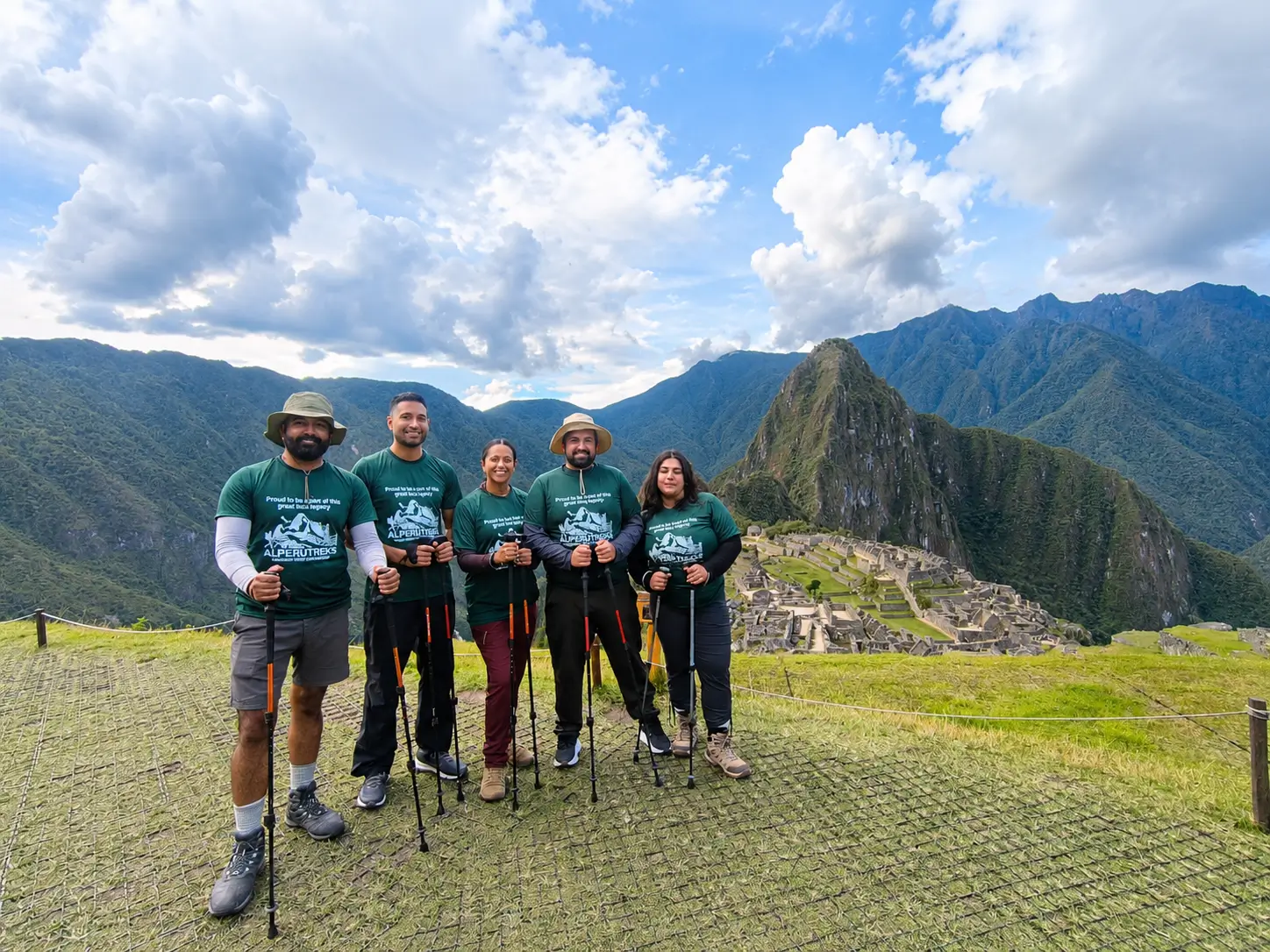
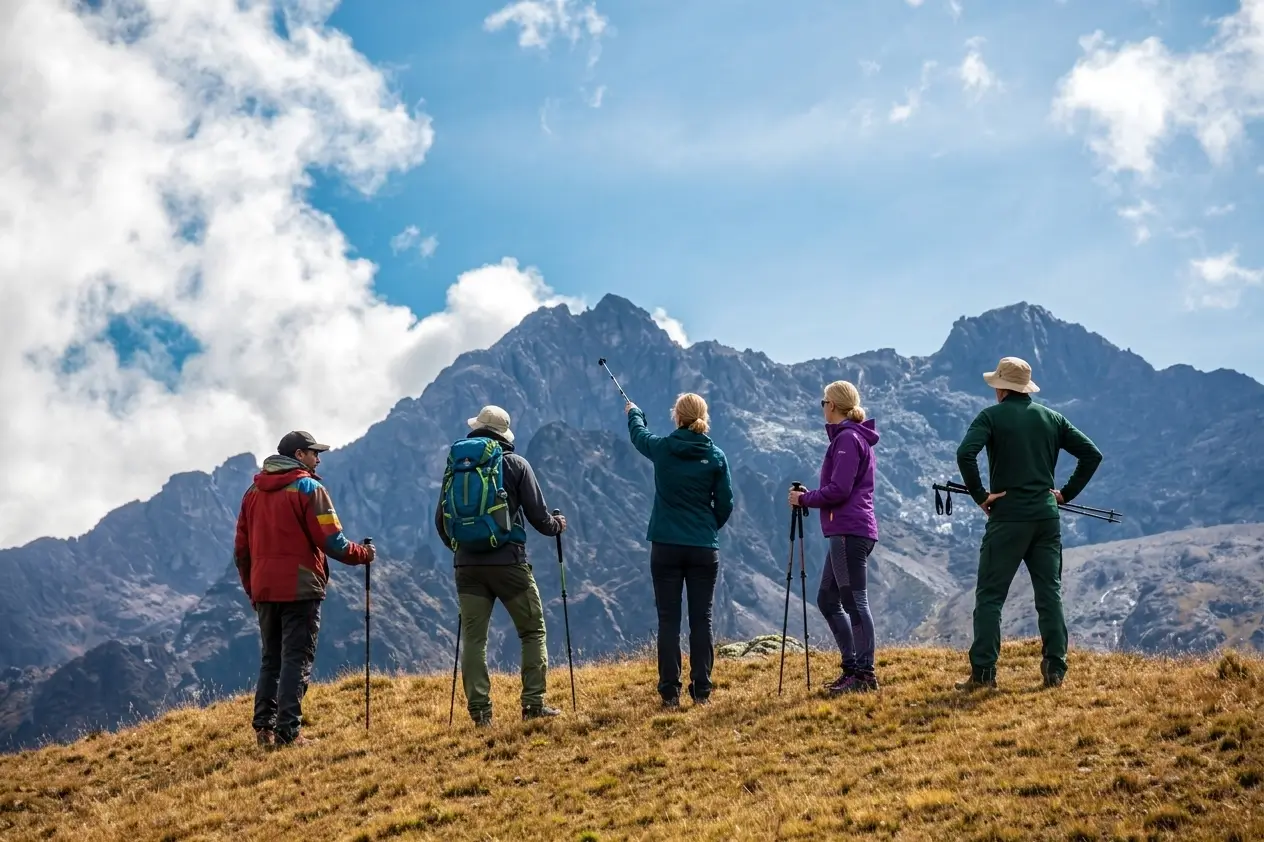
August closes out peak dry season in the Cusco highlands and is, by most measures, the single busiest month of the year for trekking in the region — the Ancascocha Trek in August gives you dry, reliable conditions and slightly less brutal nights than July, but you’re sharing that reliable weather window with the largest number of travelers of any month.
Here’s what actually changes in August versus the rest of peak season.
What August Weather Looks Like on the Trail
Ancascocha follows the same high-Andean climate as the region’s other treks, running from roughly 3,200 m (10,500 ft) near Soqma up to 4,650 m (15,255 ft) at Huayanay Pass. August is the final month of the driest stretch of the year (June–August), and it stays close to July in terms of reliability — low rainfall, clear skies, and good visibility odds at the pass.
The one real shift from June and July: nights start to moderate slightly as the Southern Hemisphere winter begins easing, though “moderate” is relative — sub-freezing temperatures at the higher camps are still common, just marginally less extreme than the coldest stretches of June and July. Daytime conditions remain similar to the rest of the dry season, generally in the 60s°F (15–18°C) with strong high-altitude sun.
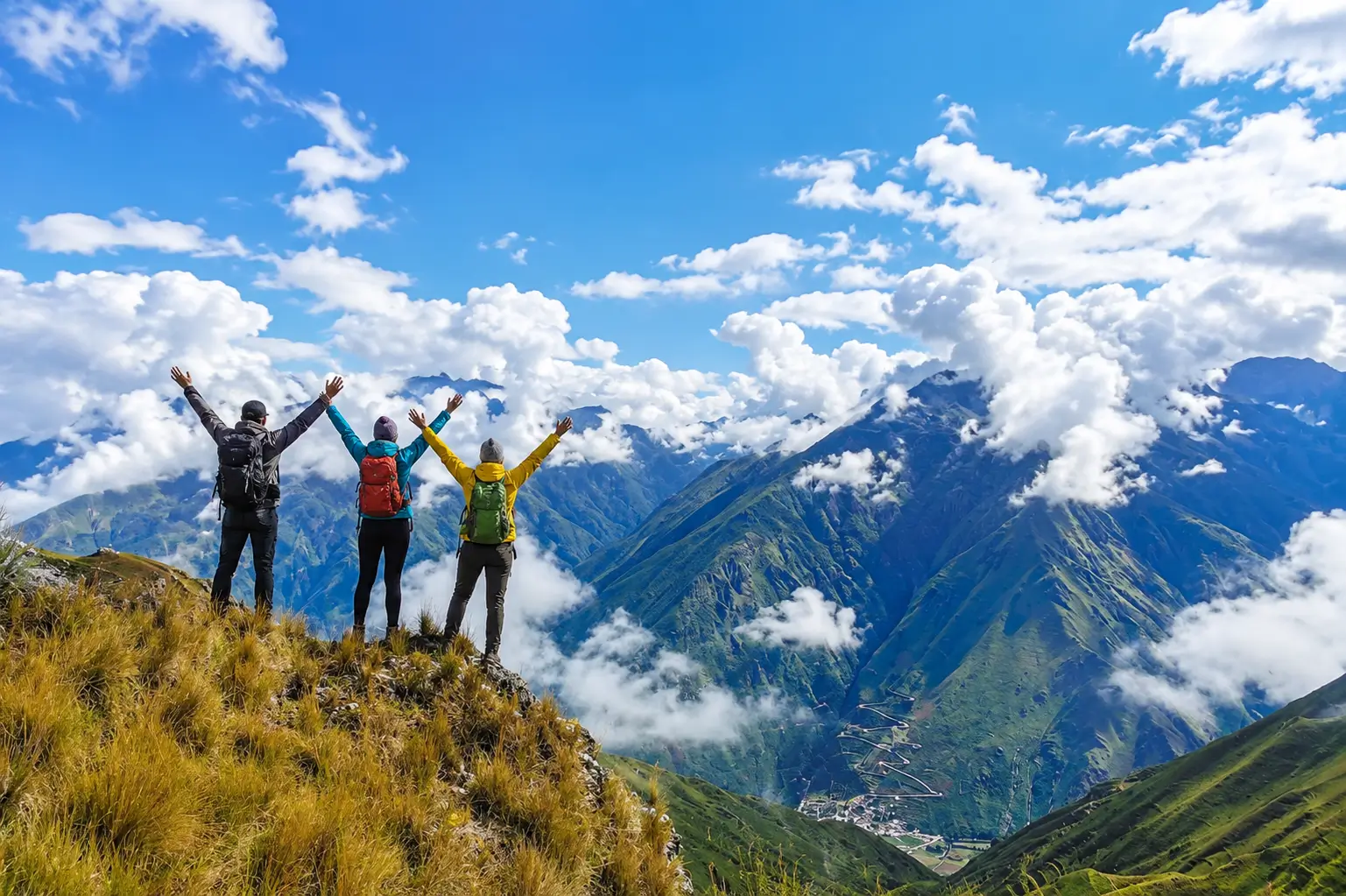
Views from Huayanay Pass in August are about as reliable as any month on the calendar — this isn’t a month where weather is the limiting factor on your experience.
Crowds in August: The Peak of the Peak
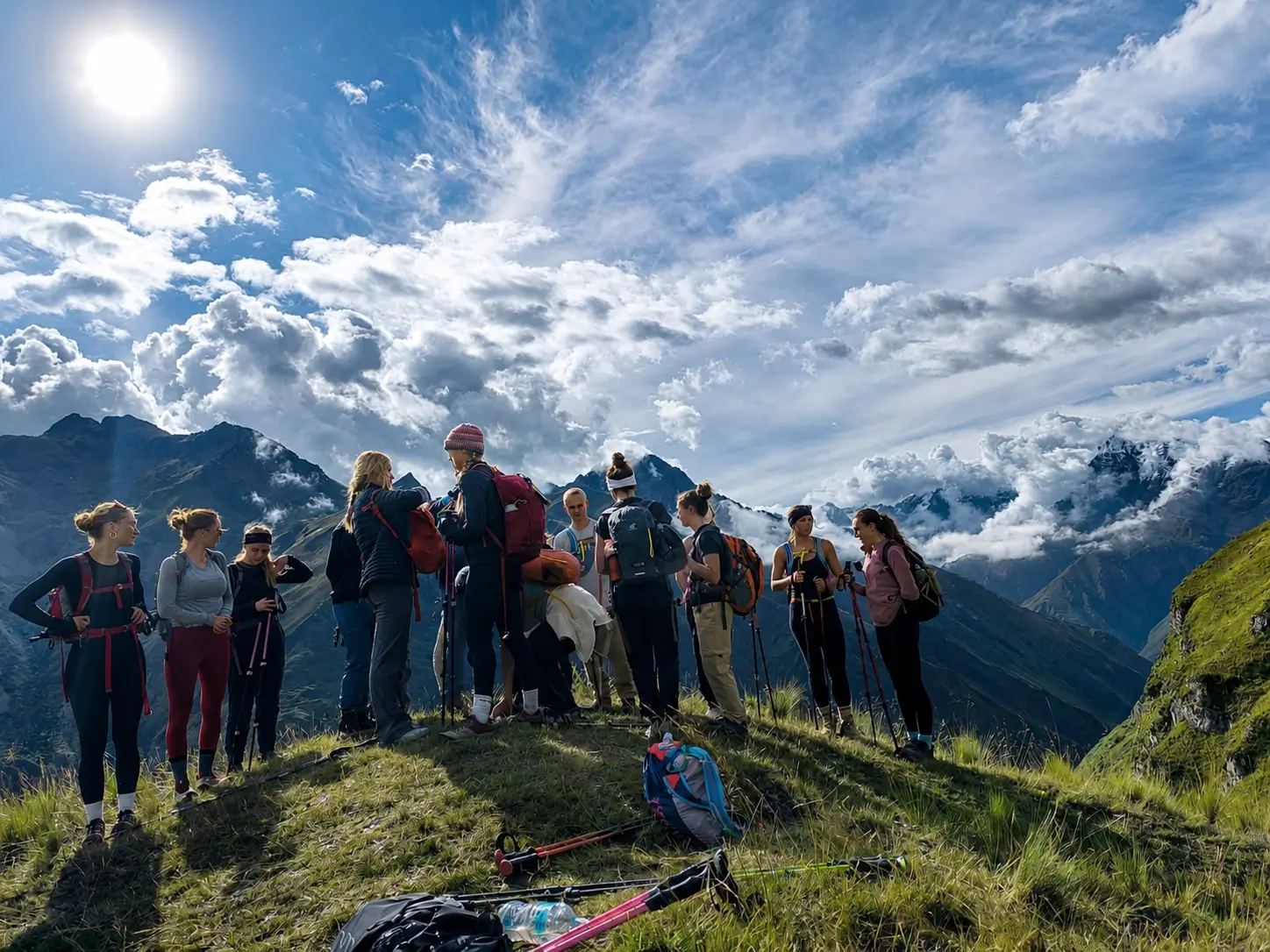
August is widely considered the single busiest travel month for the Cusco region, combining the tail end of the US/UK/Canadian summer travel window with the European August holiday period, which adds another wave of demand on top of what June and July already see. The Inca Trail’s permits for August dates are part of the same May–August high-season pool that sells out within days of release, and the 4–6 month advance booking window applies as much to August as it does to June or July.
Ancascocha isn’t subject to that permit ceiling, so it remains a meaningfully quieter alternative even in August — but it’s worth being direct about this: August is, along with July, the busiest month on Ancascocha itself, relative to the rest of the calendar. If solitude is your top priority, this isn’t the ideal month for it, even on a route that stays uncrowded by regional standards.
Ancascocha in August vs. Other Times of Year
| Factor | August (peak, tail end) | July (peak, coldest) | September (dry season, lower crowds) |
|---|---|---|---|
| Rain | Rare | Rare, near-negligible | Rare |
| Trail conditions | Dry | Dry, dustiest of the year | Dry |
| Views from Huayanay Pass | Excellent | Best odds of the year | Very good |
| Overnight temps at camp | Cold, slightly milder than July | Coldest of the year | Milder than June–August |
| Crowds | Highest of the year, alongside July | Very high | Lower, shoulder-adjacent |
| European holiday overlap | Yes — adds to US/UK demand | Partial | No |
| Booking lead time needed | Longest of the year | Long | Moderate |
The honest summary: August doesn’t meaningfully outperform July on weather, and it’s at least as crowded, if not more so, thanks to the European holiday overlap. If your dates are flexible and crowd levels matter more to you than a specific calendar slot, June is a marginally quieter pick within the same reliable weather window.
What to Pack for August
The Inca Trail packing list covers the essentials, with these August-specific notes:
- A sub-freezing-rated sleeping bag is still the safer choice, even though nights are marginally less extreme than July
- Sun protection is non-negotiable — clear skies and high-altitude UV are consistent through the entire dry season
- Lightweight, breathable layers for daytime hiking, since August afternoons can feel warm in direct sun despite cold mornings
- A headlamp with fresh batteries — cold temperatures drain battery life faster, and pre-dawn starts toward Huayanay Pass are common
Altitude risk stays constant year-round — Huayanay Pass sits above 4,600 m regardless of season — so review our guide to altitude sickness in Cusco before you go.


Which Ancascocha Itinerary Makes Sense for August
Weather reliability supports any itinerary in August, but availability — not conditions — is the real constraint this month:
- The Ancascocha Trek 4 Days is the most budget-friendly and easiest to slot into a tighter August booking window.
- The Ancascocha Trek 5 Days remains the most-booked version year-round.
- The Ancascocha & Short Inca Trail 5 Days and Ancascocha + Classic Inca Trail 7 Days combination routes are worth booking well in advance for August specifically, given it’s the peak of the peak season for guide and porter availability.
- The Luxury Ancascocha Trek 5 Days offers heated glamping-style accommodations, useful for the still-cold August nights, though less critical than in June or July.
If you’re comparing Ancascocha against an August Inca Trail date, check Inca Trail Permits 2026–2027 for current availability, and our Best Time to Visit Machu Picchu guide for the region-wide picture.
FAQ
Yes, in terms of weather — it’s dry, clear, and reliable. The trade-off is that August is the busiest month of the year regionally, combining US/UK summer travel with the European August holiday period, so crowd levels (both on the trail and for booking availability) are the main consideration, not the weather itself.
Marginally warmer at night, though the difference is small. Both months still regularly produce sub-freezing overnight temperatures at the higher camps.
No. The Inca Trail’s permit system caps daily numbers and sells out fast for August dates, while Ancascocha isn’t capped the same way. That said, Ancascocha does see its highest crowd levels of the year in August, relative to its own baseline — it’s just still far less trafficked than the Inca Trail.
Earlier than any other month, if you have specific date or itinerary preferences. There’s no formal permit deadline like the Inca Trail, but guide and porter availability tightens the most during this peak period.
June is generally the quieter of the two, since it doesn’t overlap with the European August holiday surge that adds to August’s numbers on top of the existing US/UK summer travel period.