
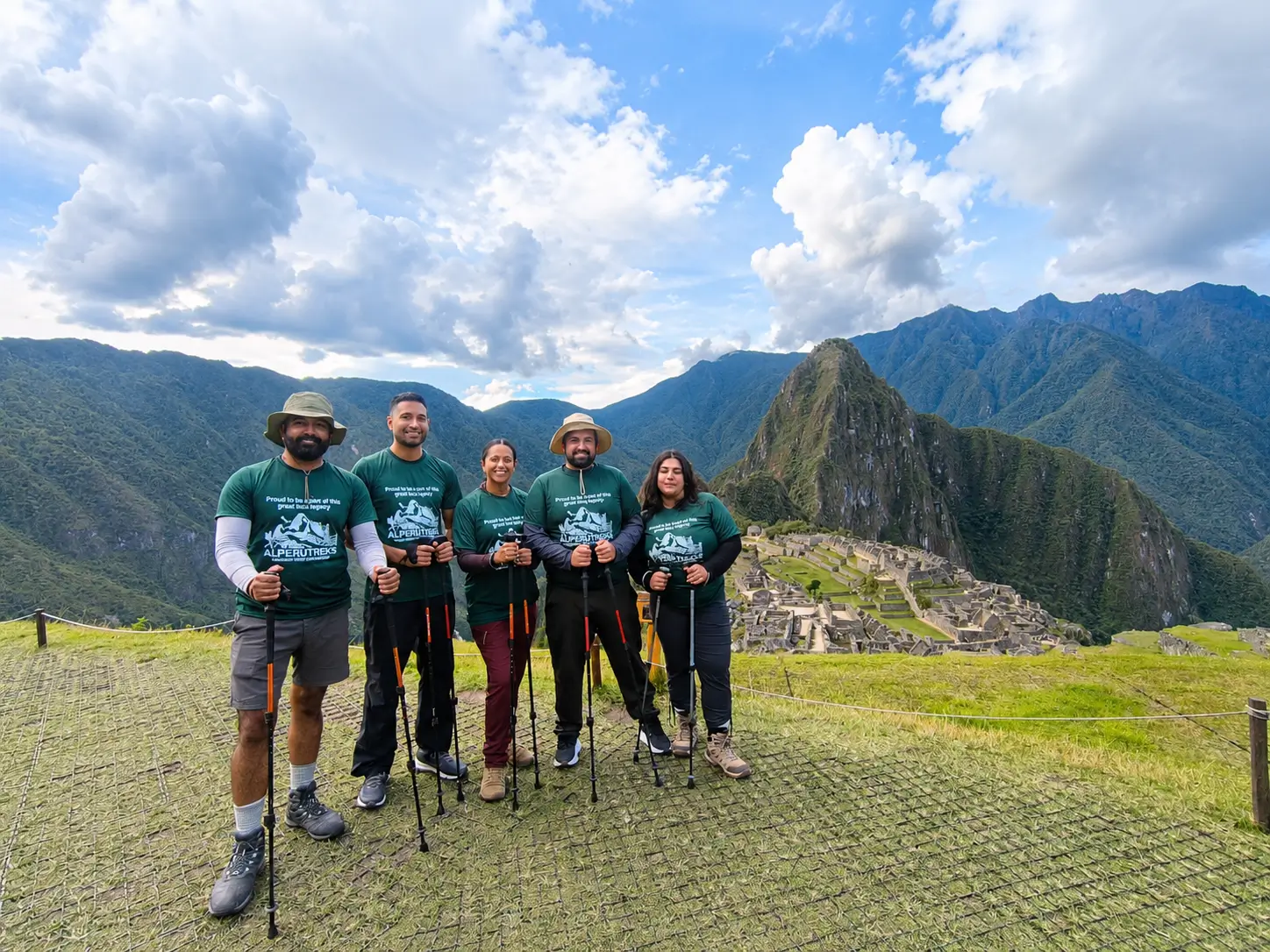
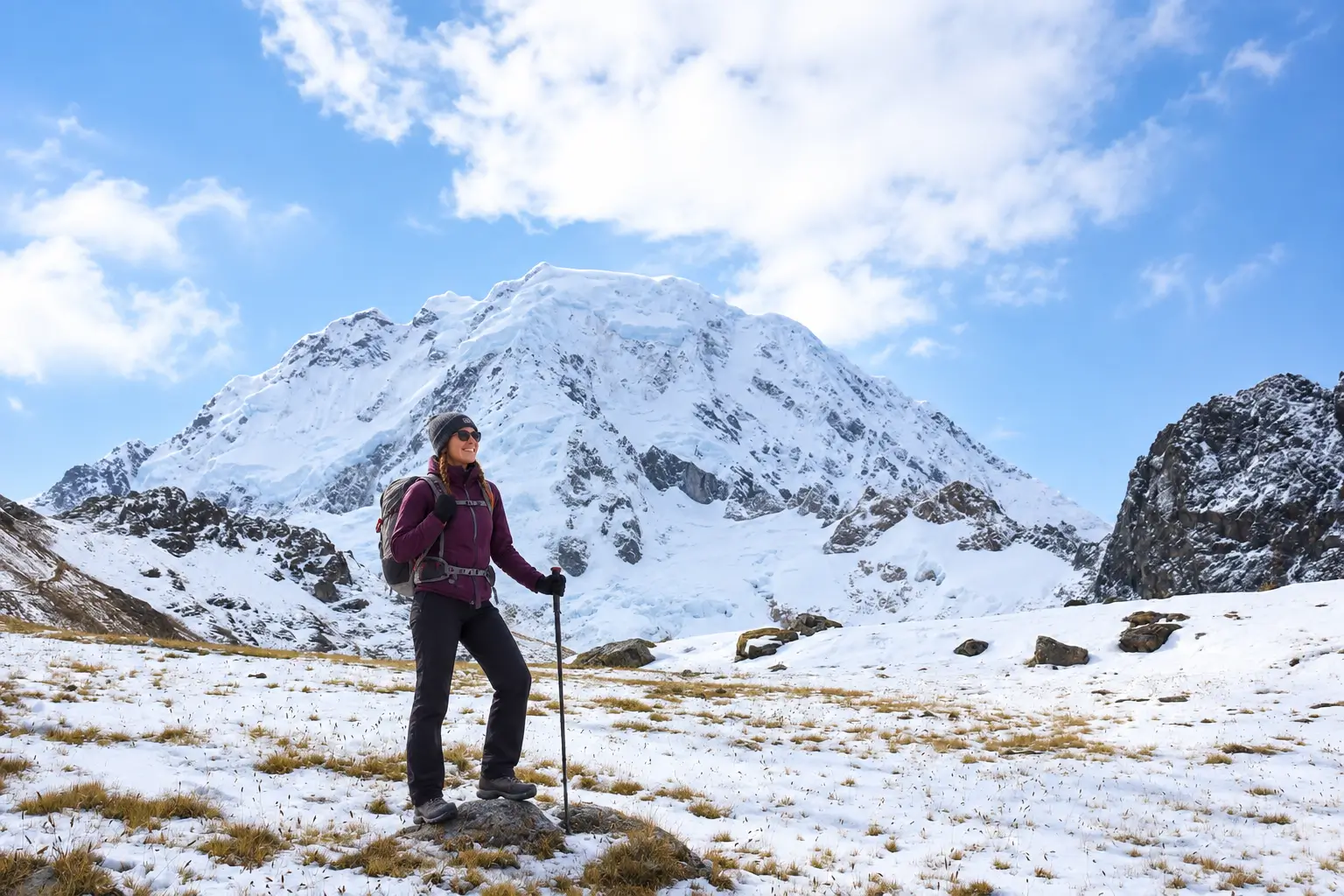
July is the coldest, driest month of the year in the Cusco highlands and the busiest stretch of the Northern Hemisphere summer travel season, which makes the Ancascocha Trek in July a near-guarantee for clear skies and dry trail conditions — paired with the most competition for dates and the coldest nights you’ll encounter on this route all year.
Here’s the actual breakdown.
What July Weather Looks Like on the Trail
Ancascocha runs through the same high-Andean climate zone as the region’s other treks, from roughly 3,200 m (10,500 ft) near Soqma up to 4,650 m (15,255 ft) at Huayanay Pass. July sits at the peak of the dry season, alongside June and August, and is typically the driest and coldest of the three — rainfall is close to negligible, skies are consistently clear, and daytime temperatures land in a similar range to June, roughly 60s°F (15–18°C).
The real story is overnight temperature. July regularly produces the coldest nights of the year at the higher camps, with sub-freezing conditions and frost a normal, expected occurrence rather than an outlier. This isn’t a minor detail to skim past — if you’re not properly equipped for it, a July night at altitude is genuinely uncomfortable, not just “a bit chilly.”
In exchange, July gives you close to the best possible odds of a clear, unobstructed view from Huayanay Pass of any month in the calendar — this is as reliable as the weather gets on this trek.


Crowds in July: The Busiest Stretch of the Year
July overlaps directly with peak Northern Hemisphere summer vacation season for US, UK, Canadian, and Australian travelers, making it — alongside August — the single busiest period for trekking in the Cusco region. The Inca Trail sees its highest demand of the year in this window, with permits typically needing to be booked 4–6 months in advance to secure preferred dates.
Ancascocha doesn’t face the same hard permit ceiling, so it remains a meaningfully quieter option than the Inca Trail even in July. That said, it’s worth being honest here: July is the busiest month on Ancascocha itself too, relative to the rest of the year. You’ll see more fellow trekkers and more competition for guide and porter availability with tour operators than you would in the shoulder months — it’s just still nowhere near Inca Trail volumes.
Ancascocha in July vs. Other Times of Year
| Factor | July (peak dry season) | June (peak dry season) | September (dry season, lower crowds) |
|---|---|---|---|
| Rain | Rare, near-negligible | Very rare | Rare |
| Trail conditions | Dry, dustiest of the year | Dry | Dry |
| Views from Huayanay Pass | Best odds of the year | Excellent | Very good |
| Overnight temps at camp | Coldest of the year, frost common | Very cold, occasional frost | Cold but milder than June/July |
| Crowds | Highest of the year, alongside August | High | Lower, shoulder-adjacent |
| Booking lead time needed | Longest of the year | Long | Moderate |
| Regional context | Peak Northern Hemisphere summer travel | Overlaps with Inti Raymi (June 24) | No major festival overlap |
The trade-off in July is straightforward and worth stating plainly: you get the most reliable weather of the entire year, but you’re also competing for guide availability and dealing with the coldest camp nights, during the single busiest travel window in the region.
What to Pack for July
Build on the standard Inca Trail packing list, but treat cold-weather gear as non-negotiable for a July date:
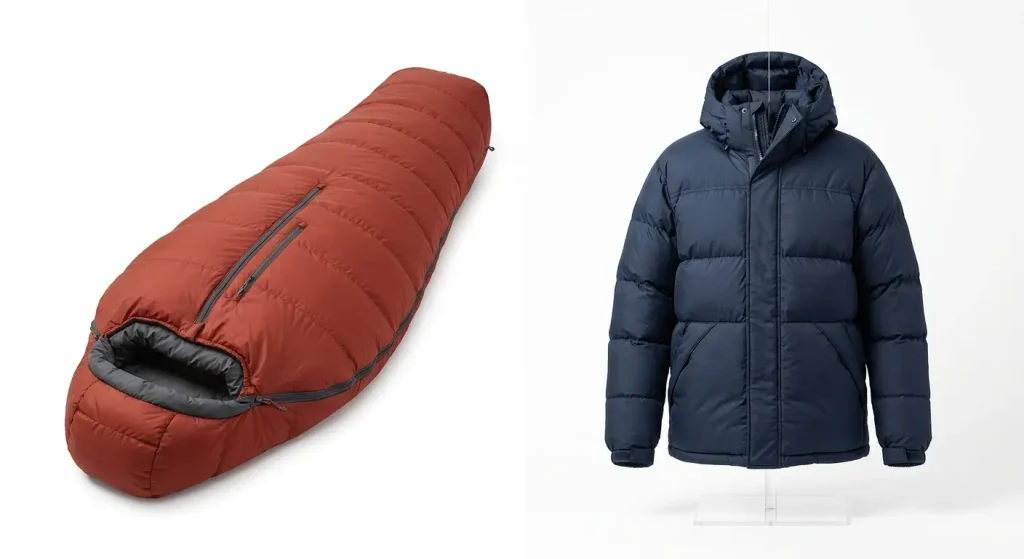
- A sleeping bag genuinely rated for sub-freezing conditions — 0°F (-18°C) or lower is the safer margin, not just “should be fine”
- A heavyweight insulated jacket for camp mornings and evenings
- Thermal base layers dedicated to sleeping, separate from your hiking clothes
- Lip balm and moisturizer — July’s dry air at altitude is harder on skin than the wetter months
- Sun protection remains critical during the day despite the cold nights — high-altitude UV doesn’t drop with temperature
Altitude risk is constant regardless of season — Huayanay Pass sits above 4,600 m year-round — so review our guide to altitude sickness in Cusco before booking, same as any other month.

Which Ancascocha Itinerary Makes Sense for July
July’s reliable weather supports any version of the route, but booking ahead matters more than in the shoulder season:
- The Ancascocha Trek 4 Days minimizes your exposure to the coldest nights and is the most budget-friendly option.
- The Ancascocha Trek 5 Days remains the most-booked version year-round, including in July.
- The Ancascocha & Short Inca Trail 5 Days and Ancascocha + Classic Inca Trail 7 Days combination routes work well in July’s dry conditions, but should be booked well ahead given this is peak season across the board.
- For travelers prioritizing comfort against the cold, the Luxury Ancascocha Trek 5 Days offers heated glamping-style tents, which matter as much in July as they do in June.
If you’re weighing Ancascocha against a July Inca Trail date, check Inca Trail Permits 2026–2027 for current availability, and our Best Time to Visit Machu Picchu guide for the region-wide picture beyond this one trek.
FAQ
Yes, for weather reliability — July offers the driest conditions and among the best odds of clear mountain views all year. The trade-off is the coldest camp nights of the year and the highest crowd levels on the trek itself, even though it stays quieter than the Inca Trail.
July is typically slightly colder than June at the higher camps, with sub-freezing nights and frost being a normal occurrence rather than an exception. Daytime temperatures are similar between the two months.
There’s no hard permit cutoff like the Inca Trail, but July is the single busiest month of the year regionally, so booking further ahead than you would for a shoulder-season date is a sensible precaution, especially for the longer combination routes.
Yes, meaningfully so. The Inca Trail requires permits that often sell out 4–6 months ahead for July dates. Ancascocha isn’t capped the same way, so while it does see its own higher July crowds relative to the rest of the year, it stays well below Inca Trail volumes.
Not directly — Inti Raymi takes place on June 24, so a July trek falls after the festival itself, though the broader regional crowd increase around that period can carry some momentum into early July.