
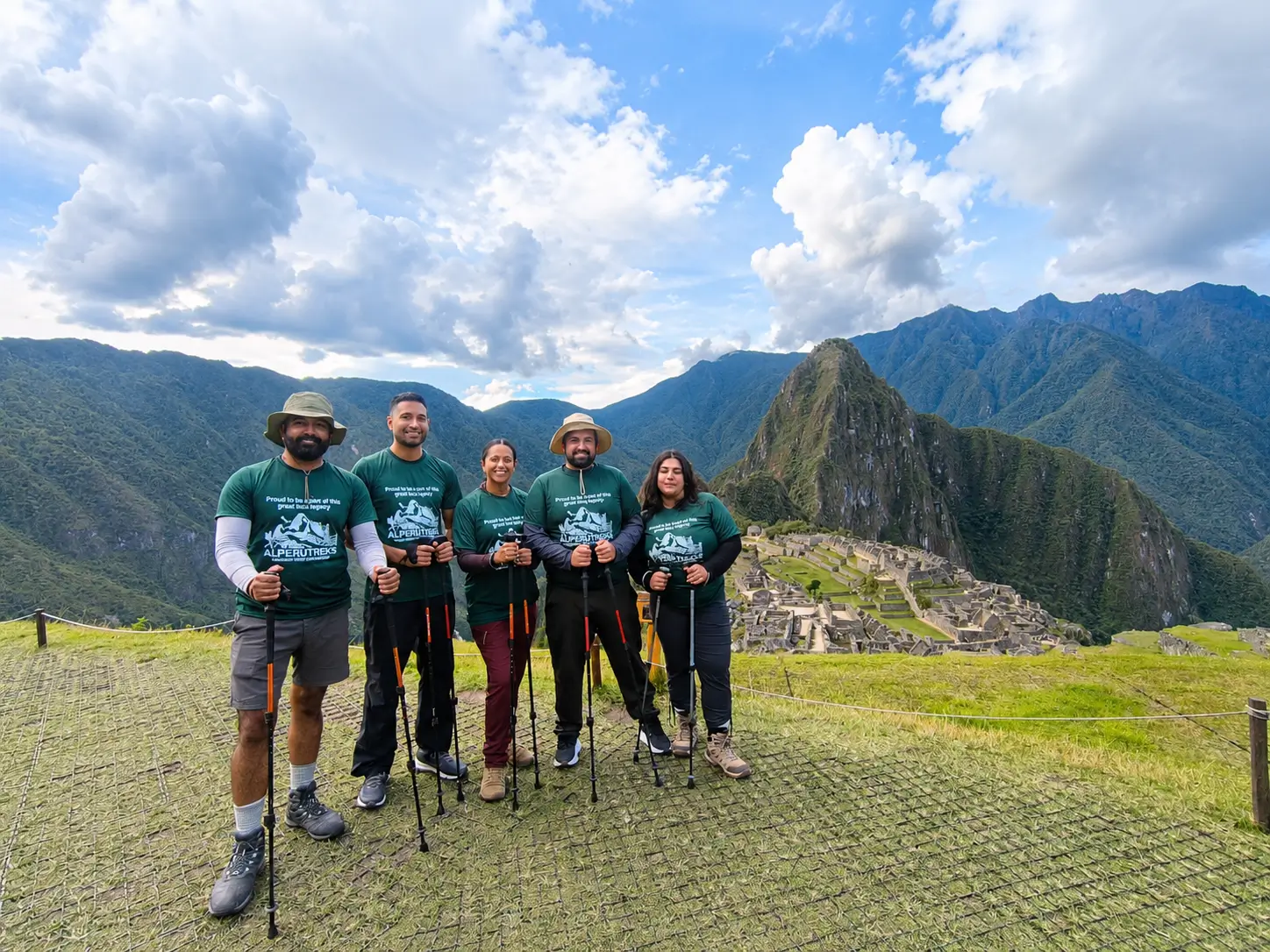
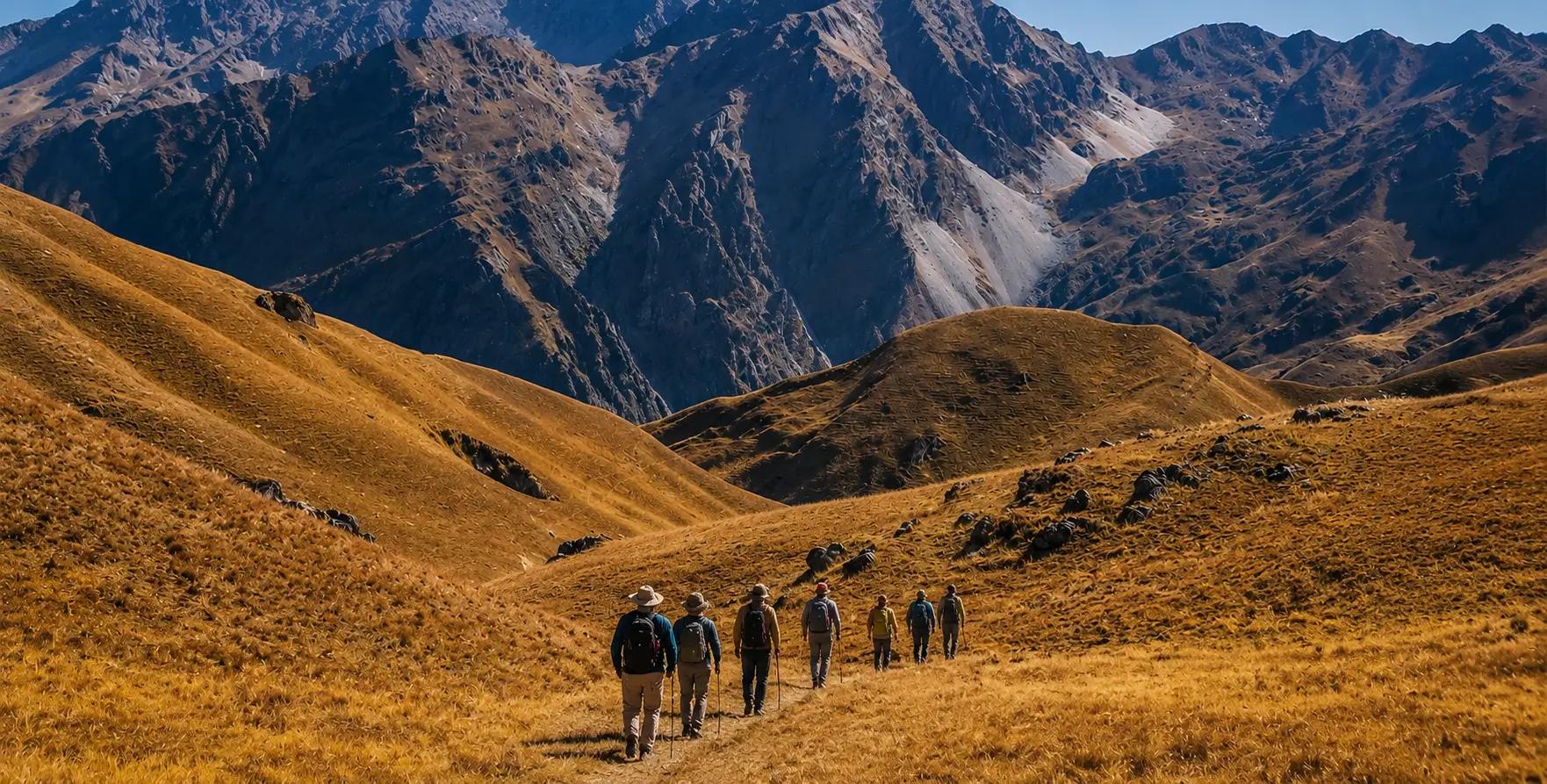
June is peak dry season in the Cusco highlands, which makes the Ancascocha Trek in June one of the most weather-reliable months of the year for clear skies and dry trail conditions — the trade-off is that it’s also one of the coldest, with overnight temperatures at the high camps regularly dropping below freezing.
Here’s how that plays out specifically on this route.
What June Weather Looks Like on the Trail
Ancascocha climbs from around 3,200 m (10,500 ft) near the Soqma trailhead to 4,650 m (15,255 ft) at Huayanay Pass — the same elevation range and climate zone as the region’s other high-altitude treks. June sits in the heart of the dry season (roughly May through October), and it’s one of the driest, clearest months of the entire year, alongside July and August.
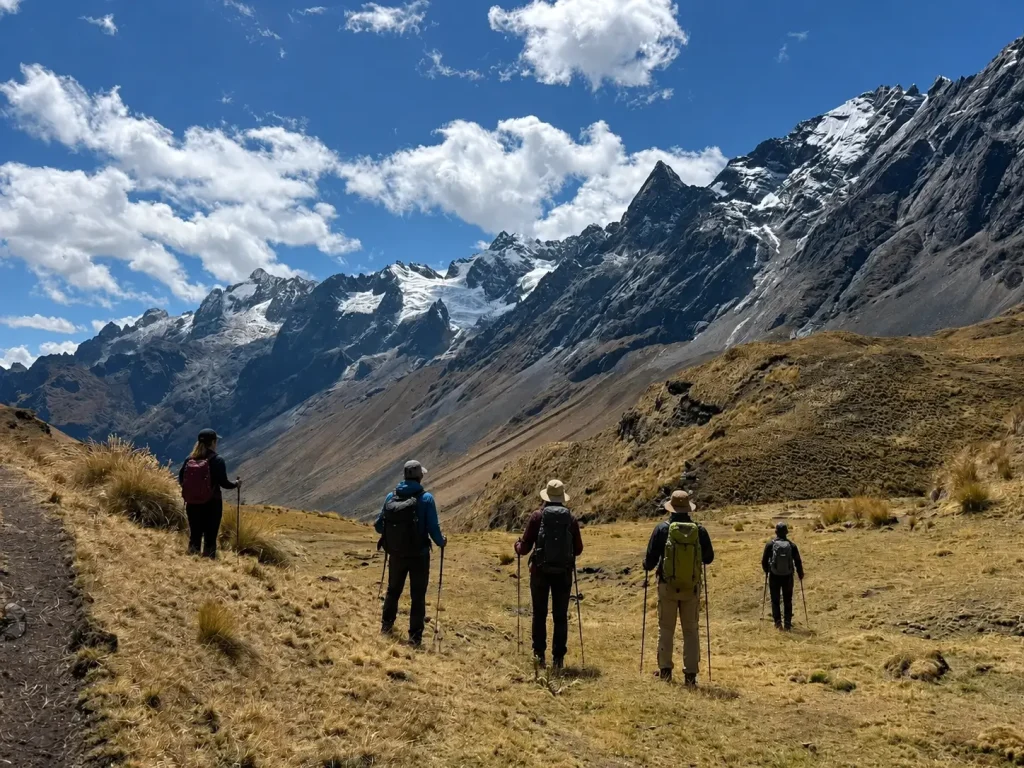
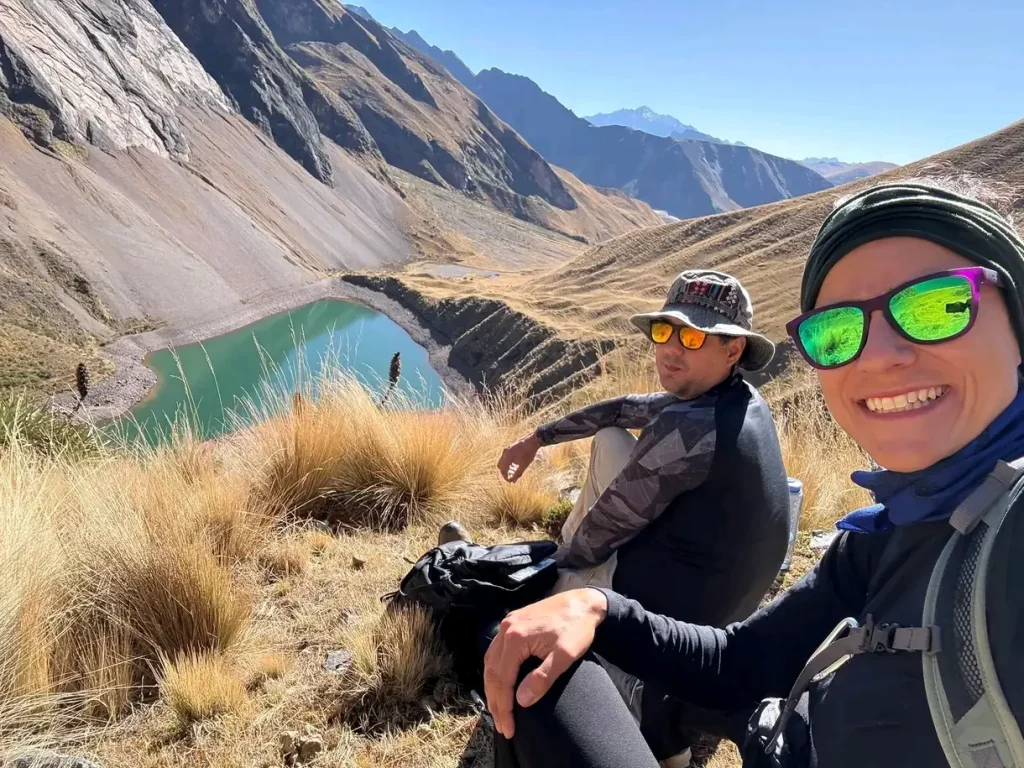
Daytime conditions in June are typically sunny with strong high-altitude sun, daytime temperatures in the 60s°F (around 15–18°C), and very low rainfall probability. The trade-off is at night: June and July bring the coldest overnight temperatures of the year at elevation, and it’s not unusual for the higher camps to see frost or a light dusting of snow even without a storm system moving through. This is a real, physical cost of the reliable weather — not a minor footnote.
For Huayanay Pass specifically, June gives you close to the best possible odds of a clear, unobstructed view — better than any of the rainy-season or shoulder months — but expect a genuinely cold night at camp the evening before you cross it.
Crowds in June: Higher Than Spring, Still Lower Than the Inca Trail
June marks the start of the Inca Trail’s busiest stretch, which overlaps with US, UK, and Australian summer/winter break schedules. Inca Trail permits for June–August departures are recommended to be booked 4–6 months in advance, since peak dates can sell out within weeks of release.
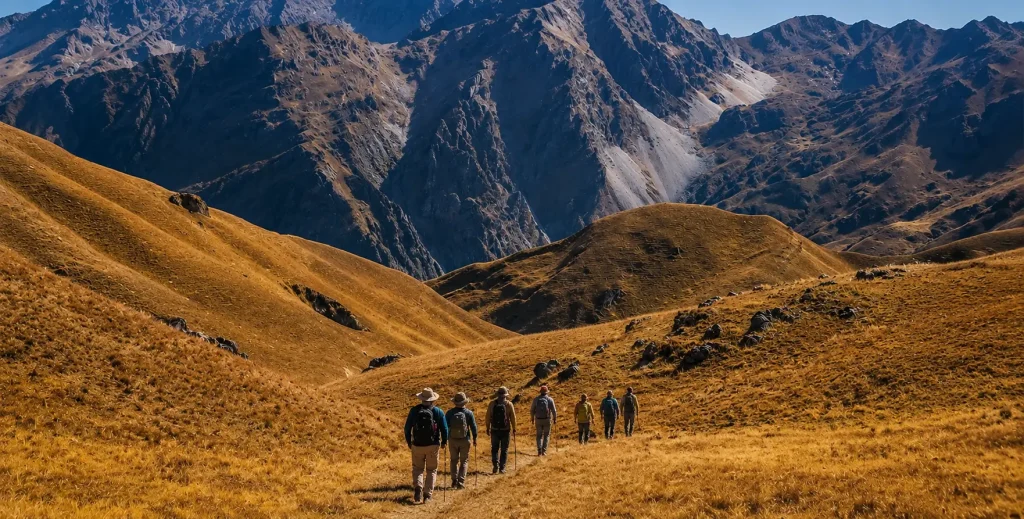
Ancascocha isn’t subject to that same permit cap, so it doesn’t experience the same kind of hard sell-out risk. That said, June is genuinely busier on Ancascocha than the shoulder months (April, May, September) — this is peak season across the whole region, and alternative treks see more bookings too, even if the absolute numbers stay well below the Inca Trail’s daily volume. You’ll likely still have long stretches of trail to yourself, but don’t expect the same near-total solitude you’d get in March or April.
Ancascocha in June vs. Other Times of Year
| Factor | June (peak dry season) | May (early dry season) | March (rainy tail-end) |
|---|---|---|---|
| Rain | Very rare | Rare | Frequent |
| Trail conditions | Dry, dustier | Dry | Muddy in sections |
| Views from Huayanay Pass | Best odds of the year | Good | Cloud risk on many days |
| Overnight temps at camp | Coldest of the year, possible frost | Cold, not the coldest | Cold but less extreme |
| Crowds | Higher than shoulder months | Low | Lowest |
| Inca Trail permit competition | Highest of the year | High | Low |
| Booking lead time needed | Longer, especially for combo routes | Moderate | Minimal |
The honest trade-off in June: you get the most reliable weather and the best visibility odds of the year, in exchange for the coldest nights and noticeably more competition for dates than the shoulder months. Neither side of that trade is exaggerated — it’s a genuinely even swap depending on what you’re optimizing for.
What to Pack for June
The standard Inca Trail packing list is a solid base, but June specifically calls for real cold-weather gear, not just a light layer:
- A sleeping bag rated for well below freezing (0°F / -18°C or lower is a safer margin at the highest camps)
- A warm insulated jacket for camp mornings and evenings, separate from your hiking layers
- Thermal base layers for sleeping, since even a good sleeping bag benefits from added insulation on the coldest nights
- Sun protection remains essential during the day — high-altitude UV is intense even when the air temperature feels cool
- Hand and foot warmers are worth considering if you run cold, particularly for the pre-dawn start toward Huayanay Pass
Altitude risk doesn’t change with the season — Huayanay Pass sits above 4,600 m year-round — so review our guide to altitude sickness in Cusco regardless of when you go.
Which Ancascocha Itinerary Makes Sense for June
June’s reliable weather makes it a solid month for any version of the trek, though booking lead time matters more than in the shoulder months:
- The Ancascocha Trek 4 Days is the shortest, most budget-friendly option and limits your exposure to the coldest nights to a minimum.
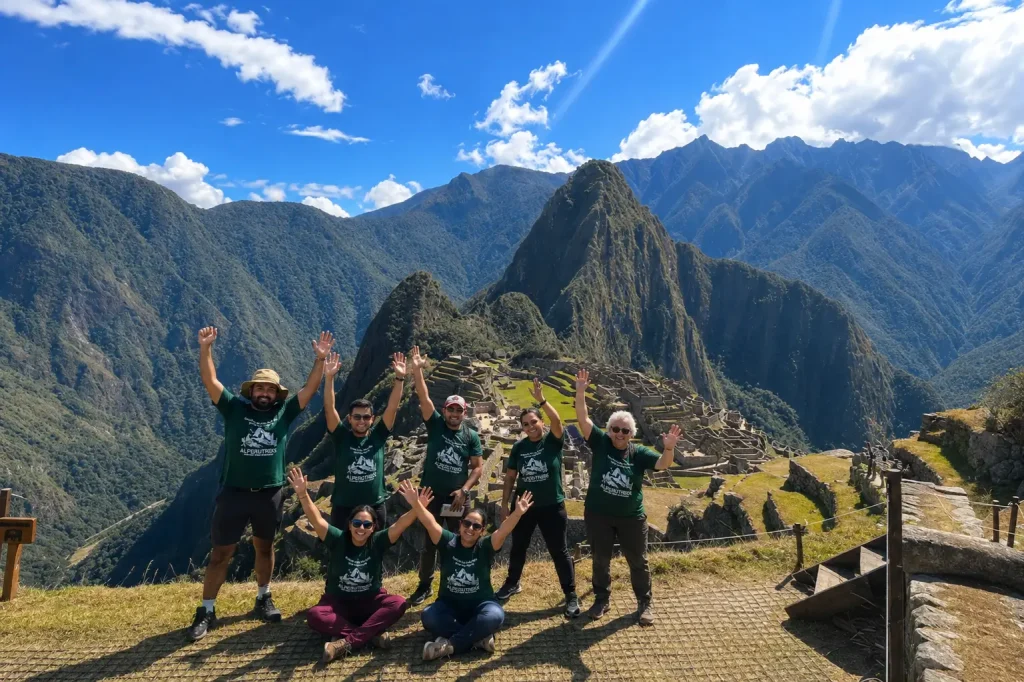
- The Ancascocha Trek 5 Days remains the most-booked version, combining the trek with a guided Machu Picchu visit.
- The Ancascocha & Short Inca Trail 5 Days and Ancascocha + Classic Inca Trail 7 Days combination routes work well in June’s dry conditions, but book earlier than you would for a shoulder-season date, since June demand is higher across the board.
- For travelers concerned about the cold nights specifically, the Luxury Ancascocha Trek 5 Days offers heated glamping-style accommodations, which matters more in June than in any other month of the year.
If you’re weighing Ancascocha against a June Inca Trail date, check Inca Trail Permits 2026–2027 for current availability, and see our Best Time to Visit Machu Picchu guide for how June compares region-wide.
FAQ
Yes, for weather reliability specifically — June has the best odds of clear skies and dry trail conditions of any month. The trade-off is cold nights, with possible frost at the higher camps, so it’s a good month if you’re prepared for that rather than expecting mild conditions throughout.
Overnight temperatures at the higher camps regularly drop below freezing in June, and light frost is common even without a storm. A sleeping bag rated well below freezing is worth prioritizing over one rated just at 32°F (0°C).
No. June is the Inca Trail’s peak booking period, with permits often selling out weeks in advance. Ancascocha sees more trekkers than the shoulder months but stays far less crowded than the Inca Trail corridor during the same window.
There’s no hard permit deadline like the Inca Trail, but because June is regional peak season, booking a few months ahead is a reasonable buffer, especially for the combination routes or if you have specific date requirements.
More reliably than in any other month. June’s dry-season conditions give you the best odds of the year for an unobstructed view from the pass, though a cold, early-morning start is part of that trade-off.