
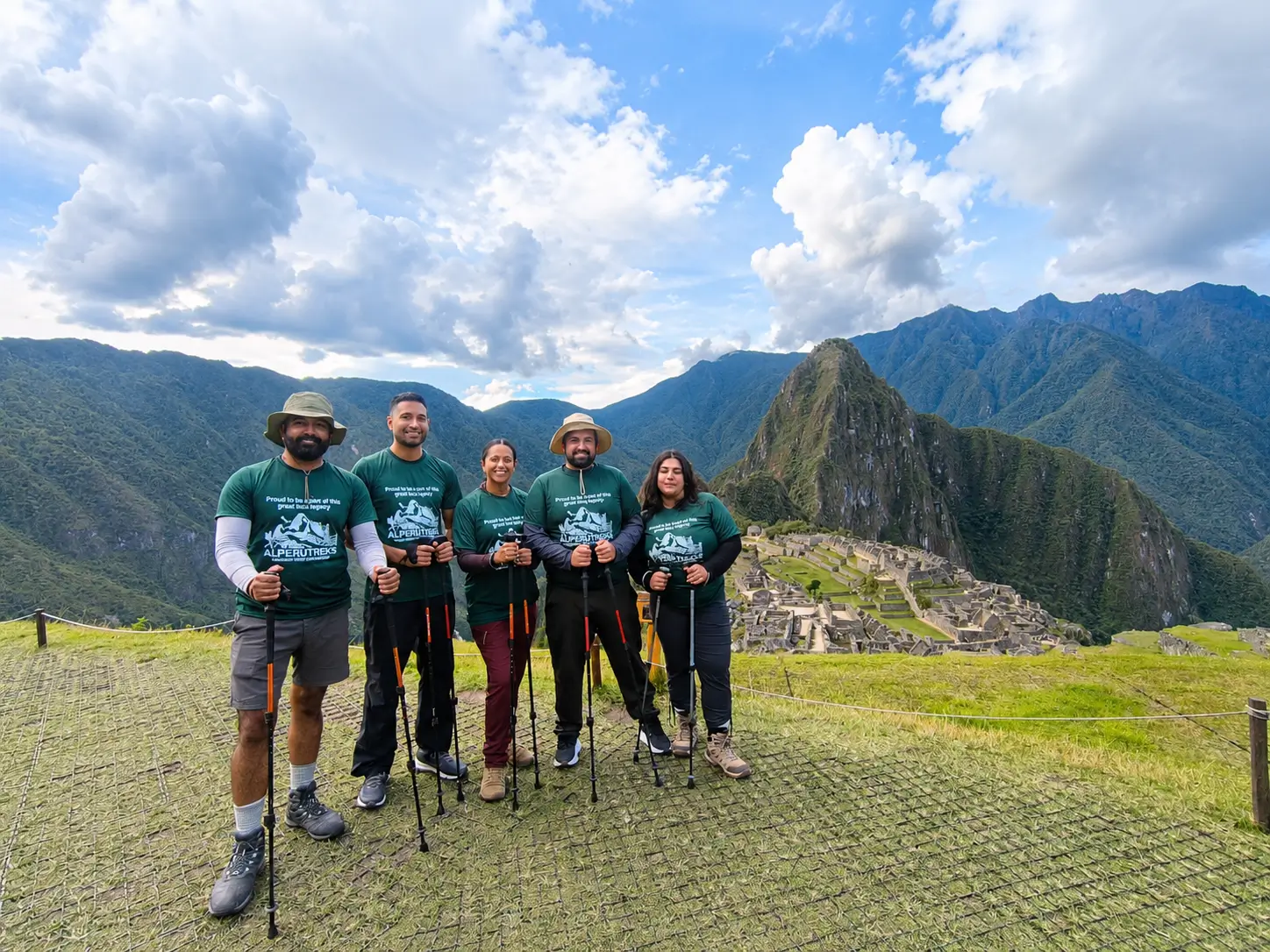
March is the tail end of the Andean rainy season — meaning the Ancascocha Trek in March means fewer hikers and lower prices, but also the highest chance of rain and cloud-covered mountain passes of any month you’d realistically choose to trek.
If you’re deciding whether to book Ancascocha for March specifically, here’s what actually happens on the trail that month, based on regional climate data for the Cusco highlands and how it applies to this route.
What March Weather Actually Looks Like on the Trail
Ancascocha climbs through the same high-Andean corridor as the Inca Trail — starting near Soqma (around 3,200 m/10,500 ft) and topping out at Huayanay Pass (4,650 m/15,255 ft) — so it experiences the same broad climate pattern, even though it’s a separate, unpaved trail.
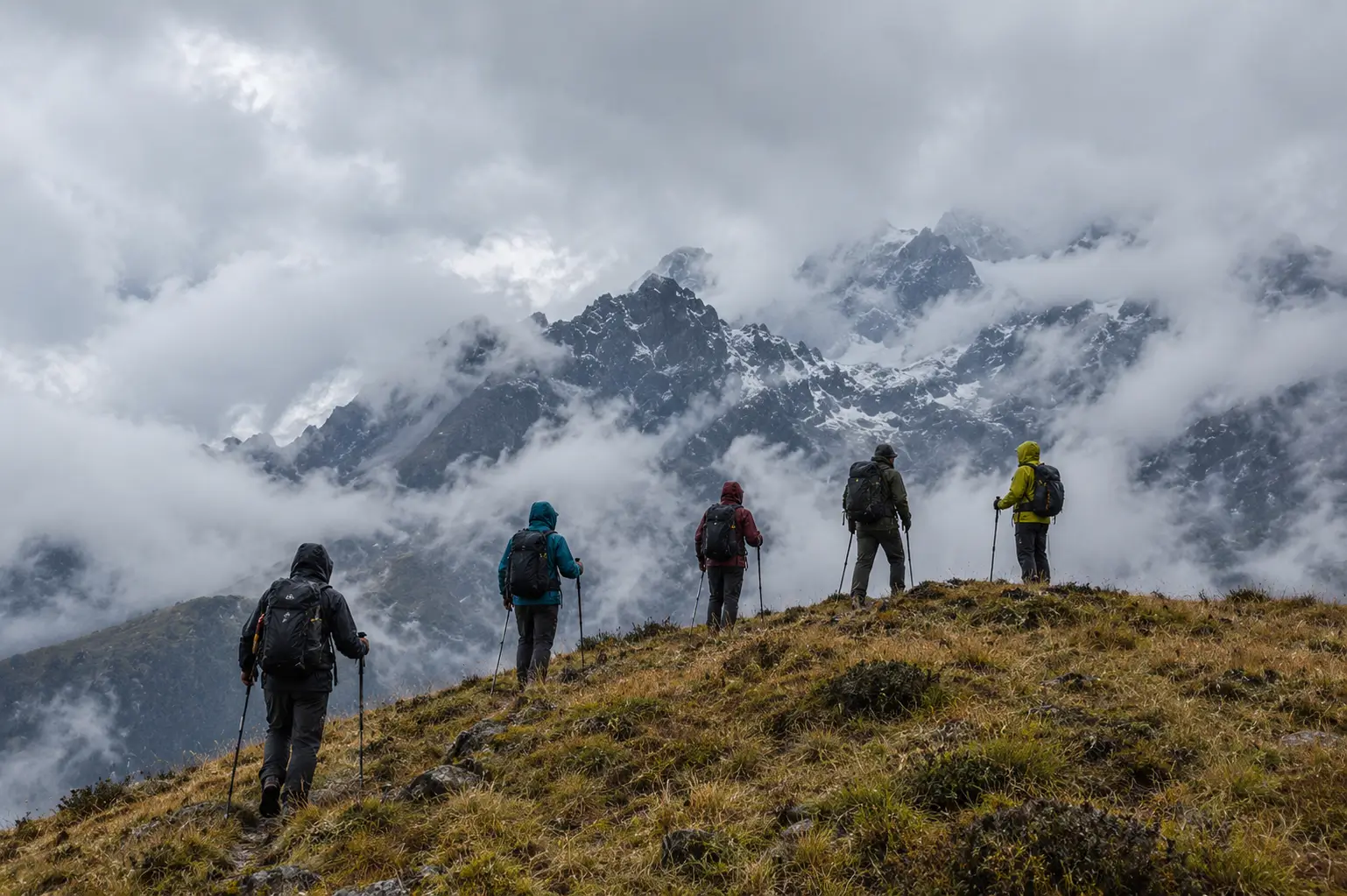
Across the Cusco–Machu Picchu region, the rainy season runs roughly November through March, with January and February the wettest months. By March, the volume of rain is beginning to taper off compared to peak rainy season, but it’s still one of the wetter months of the year — expect afternoon and evening showers more often than not, with mornings more likely to be clear. Daytime temperatures on the trek typically sit in the high 50s to low 60s°F (14–17°C), dropping close to freezing at night at the higher campsites.
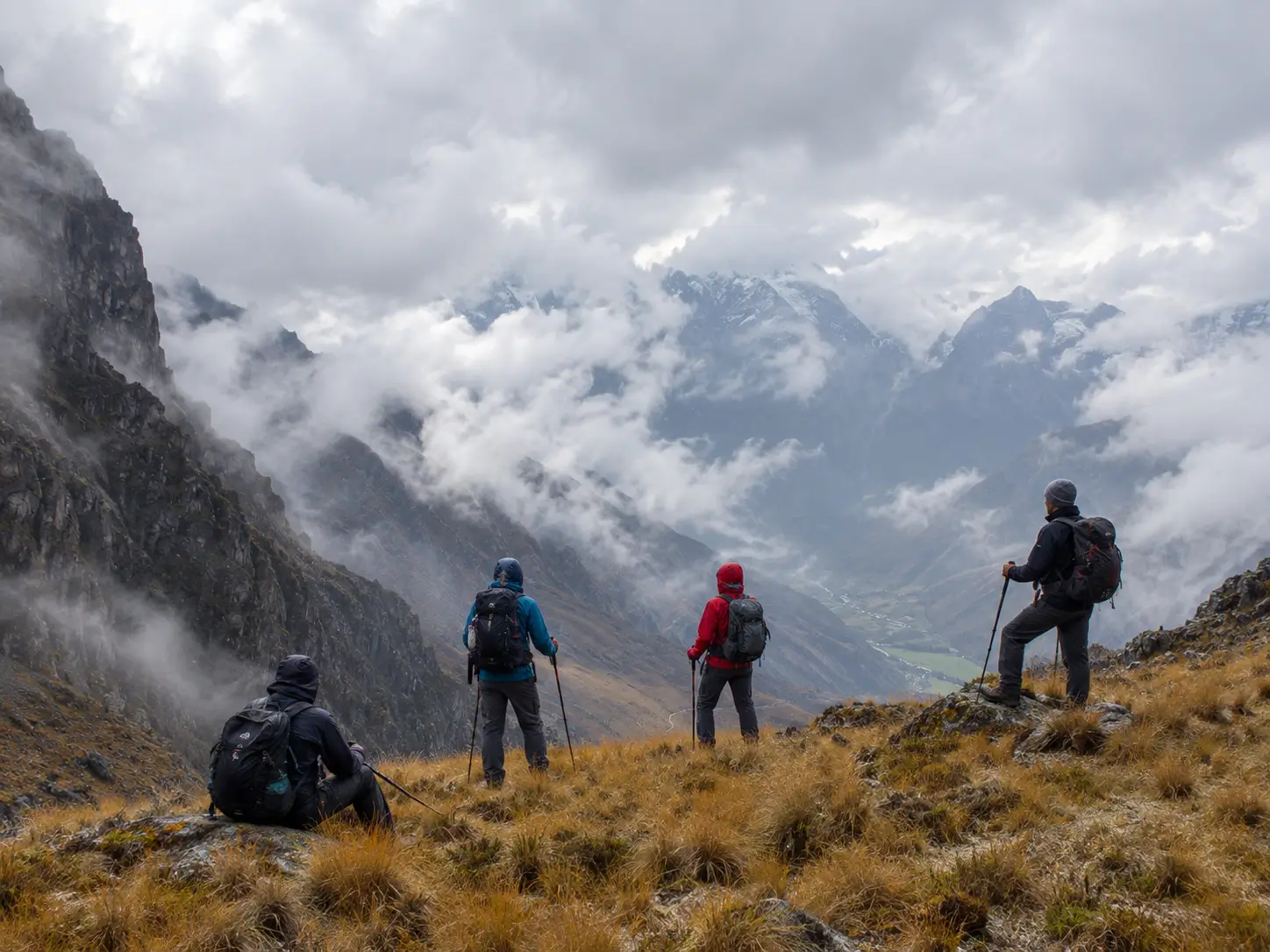
The practical effect on Ancascocha specifically: the trail is dirt and rock rather than the stone-paved sections you get on parts of the Inca Trail, so March mud is more noticeable underfoot, and cloud cover can obscure views from Huayanay Pass on any given day.
Early March carries slightly higher risk of leftover rainy-season buildup (localized landslides or trail damage) than late March, when conditions usually start improving.
Crowds and Trail Access in March
One real advantage of trekking in March: the Inca Trail itself is closed for government maintenance every February, and the crowd backlog from that closure tends to spill into early-to-mid March as demand catches up. Ancascocha isn’t affected by this closure — it doesn’t require the same limited-permit system as the Inca Trail — so it’s a legitimate fallback if your February Inca Trail dates got shut out, or if you simply want the trail without a shoulder-season crowd surge.
Compared to the high season (June–August), March sees a fraction of the trekkers on Ancascocha, which was already one of the least-traveled routes to Machu Picchu even in peak months. You’re unlikely to share campsites or trail sections with other groups regardless of season, but March pushes that solitude even further.
Ancascocha in March vs. Other Times of Year
| Factor | March (rainy tail-end) | April–May / Sept–Nov (shoulder) | June–Aug (dry season) |
|---|---|---|---|
| Rain | Frequent, especially afternoons | Occasional | Rare |
| Trail conditions | Muddy in sections | Mostly dry, still green | Dry, dusty |
| Views from Huayanay Pass | Cloud risk on many days | Good odds, clearer air | Best visibility |
| Crowds | Low | Low–moderate | Highest of the year |
| Pricing / availability | Lowest, easiest to book | Moderate | Book months ahead |
| Landscape | Greenest, waterfalls full | Still green, drying out | Browner, dustier |
The honest trade-off: March gets you the greenest landscape and the fewest people, at the cost of a real chance of rain and obscured mountain views on any given day. If a clear photo from Huayanay Pass is the priority, June–August is the safer bet. If solitude and lower cost matter more than guaranteed clear skies, March is a reasonable, defensible choice — not a compromise pick.
What to Pack Differently for March
The core Inca Trail packing list covers most of what you need, but for a March departure on Ancascocha, prioritize:
- A proper waterproof rain jacket and pack cover (not just water-resistant)
- Gaiters or waterproof trail shoes — the unpaved sections get slick
- An extra dry bag for electronics and sleeping bag
- Quick-dry base layers, since damp gear won’t dry overnight at altitude
- Trekking poles for the muddier descents
Altitude is still a factor regardless of season — Huayanay Pass sits above 4,600 m — so the same acclimatization advice applies in March as any other month. See our guide to altitude sickness in Cusco for prevention tips before you start.


Which Ancascocha Itinerary Makes Sense for March
If you’re set on a March date, the standalone treks are the more sensible choice over the combination routes, simply because they spend less total time exposed to variable weather:
- The Ancascocha Trek 4 Days is the shorter, more affordable option and reduces your total days of rain exposure.
- The Ancascocha Trek 5 Days is the most popular version of the route and includes a full guided Machu Picchu visit.
- If you want a drier, more comfortable version of the experience, the Luxury Ancascocha Trek 5 Days includes glamping-style tents, which matters more in a wetter month than in the dry season.
The combination routes — Ancascocha & Short Inca Trail and Ancascocha + Classic Inca Trail — are still doable in March, but they add extra trail days, which statistically means more chances of a rainy one. If you’re not tied to March, comparing seasons on our Best Time to Visit Machu Picchu guide is worth doing before you commit.
FAQ
Is March a bad time to hike the Ancascocha Trek? Not bad, but not ideal either. March is the tail end of the rainy season, so expect mud and a real chance of afternoon rain most days. It’s a legitimate choice if you want low crowds and don’t mind imperfect weather — it’s just not the month to pick if guaranteed clear mountain views are your top priority.
Is Ancascocha open in March, unlike the Inca Trail in February? Yes. Ancascocha isn’t subject to the same government-mandated closure the Classic Inca Trail has every February, so it runs normally in March with no access restrictions tied to the season.
Do I still need to worry about altitude sickness in March? Yes — altitude risk doesn’t change by season. Huayanay Pass is above 4,600 m year-round, so the same acclimatization guidance applies regardless of when you go.
Will I see Huayanay Pass clearly in March? Some days yes, some days no. Mornings tend to be clearer than afternoons, so an early start improves your odds, but cloud cover at the pass is more common in March than in the June–August dry season.
Is Ancascocha cheaper in March than in high season? Generally yes — March falls in the lower-demand period, so availability is easier and prices tend to be more favorable than during the May–September peak, though exact rates vary by date and group size.