
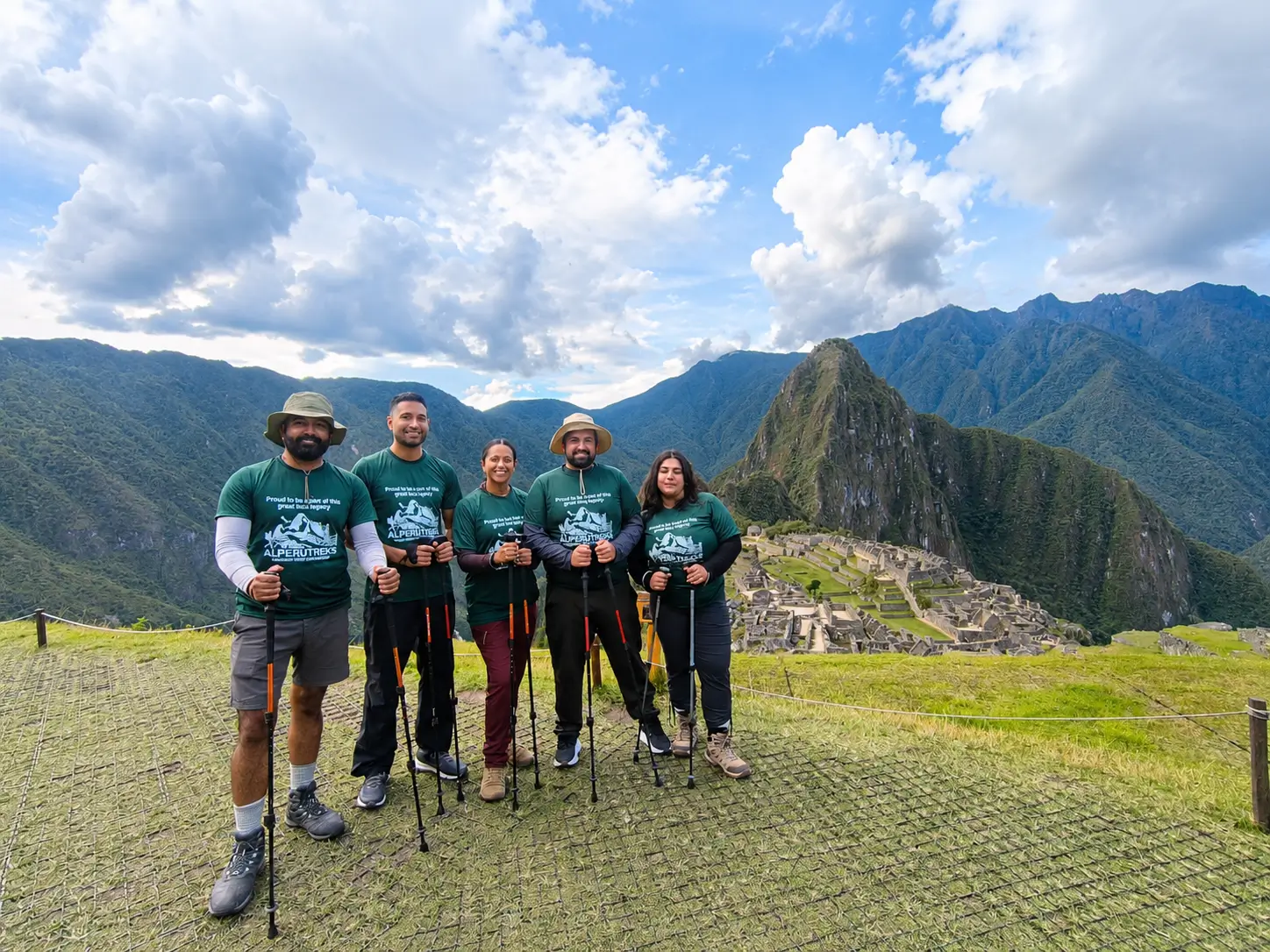
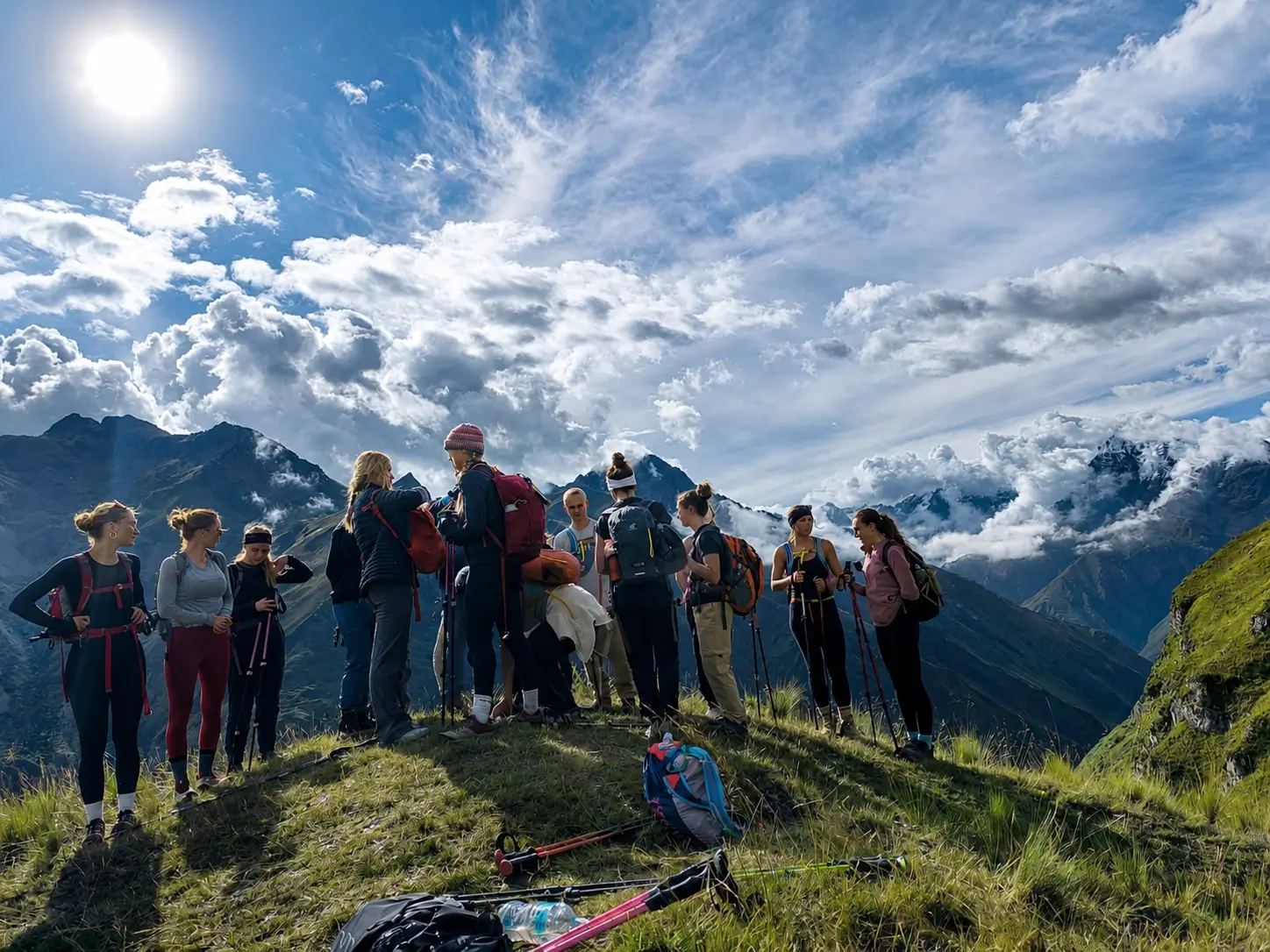
May marks the start of the Cusco dry season, which makes the Ancascocha Trek in May one of the more reliable windows of the year for clear mountain views and dry trail conditions — and it also happens to be the exact month the Classic Inca Trail’s permits start selling out fastest, which is worth knowing if Ancascocha is your backup plan rather than your first choice.
Here’s how the month actually plays out on this specific route.
What May Weather Looks Like on the Trail
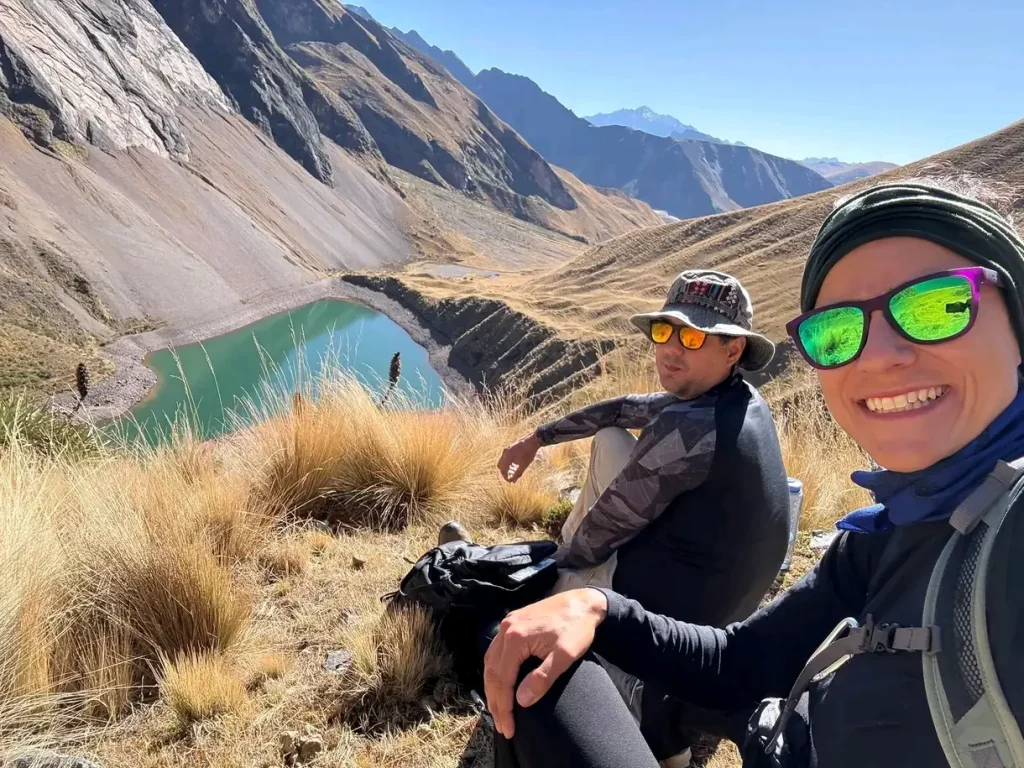
Ancascocha runs through the same Cusco-highland climate zone as the region’s other high-altitude treks, climbing from roughly 3,200 m (10,500 ft) near the Soqma trailhead to 4,650 m (15,255 ft) at Huayanay Pass. May sits right at the transition into the dry season, which regionally runs from May through October, with June, July, and August as the driest, clearest stretch.
Compared to April, May brings noticeably less residual moisture — rain becomes the exception rather than something you plan around. Daytime temperatures typically land in the 60–70°F range (roughly 16–21°C), with nights at the higher camps still dropping close to or below freezing, same as any dry-season month at this altitude.
The trade-off against peak season (June–August) is minor: May keeps slightly more of April’s greenery before the landscape browns out later in the dry season, and nights aren’t quite as cold as the coldest weeks of June and July.
In short, May gives you dry-season reliability without the harshest overnight temperatures of mid-winter — a genuinely reasonable month on its own merits, not just a fallback.
Why May Crowds Behave Differently on Ancascocha vs. the Inca Trail
This is the detail that matters most for May specifically: it’s the start of the Inca Trail’s busiest booking window. Permits for May through August departures on the Classic Inca Trail typically sell out within days to weeks of release, and travelers who miss their preferred dates are often left scrambling months in advance.
Ancascocha doesn’t operate under that same capped-permit system, so it doesn’t carry the same booking pressure. That means if you’re planning a May trip and discover Inca Trail permits are gone for your dates, Ancascocha in May gives you dry-season conditions without the same scramble — it’s a legitimate alternative, not a consolation prize.
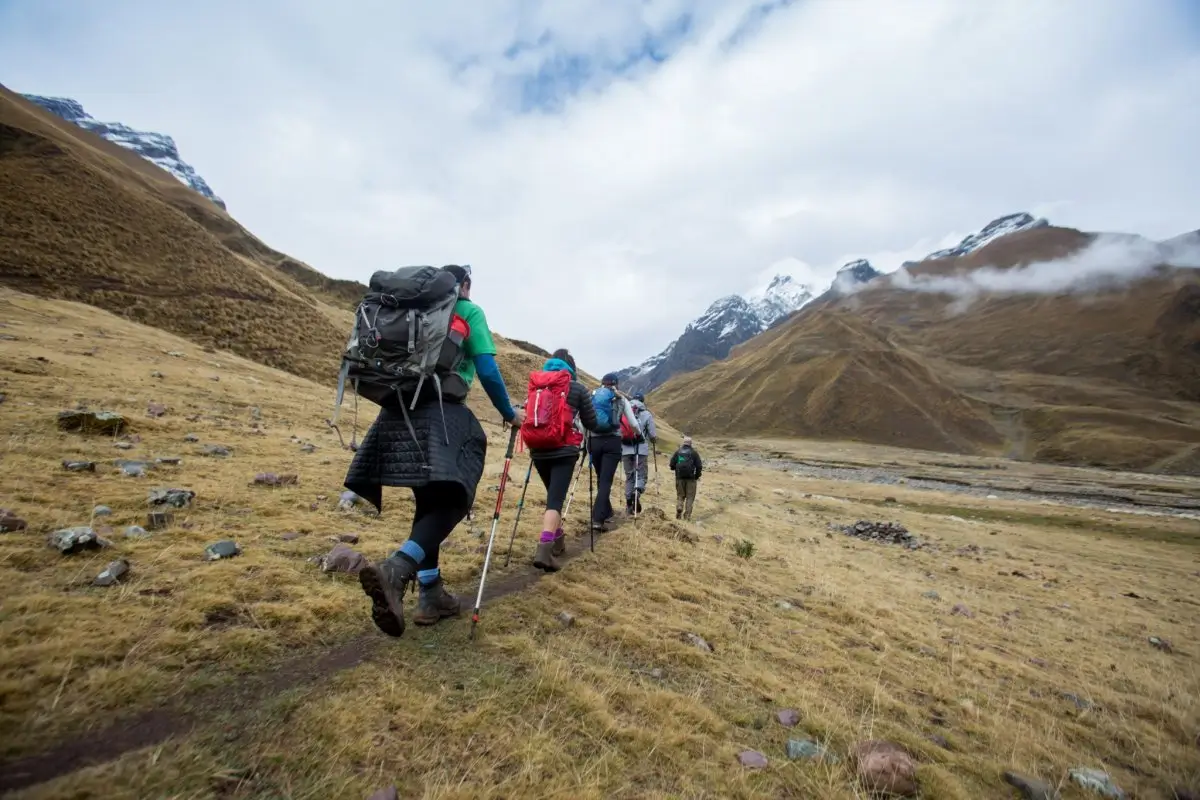
On the trail itself, Ancascocha remains one of the least-trafficked routes to Machu Picchu even during May, so you’re still unlikely to share campsites with other groups, unlike the more crowded Inca Trail corridor during this same window.
Ancascocha in May vs. Other Times of Year
| Factor | May (early dry season) | April (shoulder) | June–Aug (peak dry season) |
|---|---|---|---|
| Rain | Rare | Occasional, especially early April | Very rare |
| Trail conditions | Dry | Mostly dry by mid-month | Dry, dustier |
| Views from Huayanay Pass | Good, clear skies likely | Good, especially late April | Best of the year |
| Overnight temps at camp | Cold, not the coldest of the year | Cold | Coldest nights of the year |
| Landscape | Still some green | Greenest, post-rain | Browner, driest look |
| Inca Trail permit competition | High — booking rush begins | Lower | Highest of the year |
| Ancascocha crowd levels | Low | Low | Low–moderate |
The honest read: May doesn’t have a real downside compared to April or the June–August peak — it’s arguably the best middle ground of the three, trading a touch of April’s greenery for meaningfully more reliable dry weather, without the coldest nights or heaviest Inca Trail crowds of mid-summer.
What to Pack for May
The general Inca Trail packing list applies well to a May Ancascocha departure, with a few month-specific notes:
- Rain gear is optional but not useless — pack a light shell just in case, rather than a full heavy-duty rain kit
- Cold-weather layers matter more than waterproofing this month: overnight temperatures at the higher camps are a bigger factor than rain
- Sun protection is important — May’s clear skies mean consistent high-altitude UV exposure during the day
- A warm sleeping bag rating (down to around -5°C / 23°F or lower) is worth confirming with your operator, since nights get cold even in dry season
Altitude risk is constant year-round on this route — Huayanay Pass sits above 4,600 m regardless of season — so review our guide to altitude sickness in Cusco before booking.
Which Ancascocha Itinerary Makes Sense for May
Stable, dry conditions in May make this a reasonable month for any version of the route, including the longer combination treks:
- The Ancascocha Trek 4 Days is the shortest and most affordable way to do the route.
- The Ancascocha Trek 5 Days remains the most-booked version, with a guided Machu Picchu visit included.
- The Ancascocha & Short Inca Trail 5 Days and Ancascocha + Classic Inca Trail 7 Days combination routes are well-suited to May’s dry, predictable conditions, since the added days carry low rain risk this time of year.
- If you want more comfort at the (cold) campsites, the Luxury Ancascocha Trek 5 Days offers glamping-style accommodation, which can make a real difference on the colder May and June nights specifically.
If you’re still deciding between Ancascocha and the Classic Inca Trail for a May trip, check Inca Trail Permits 2026–2027 for current permit availability before locking in your dates — and our Best Time to Visit Machu Picchu guide for how May compares across the wider region, not just this one trek.
FAQ
Yes — May is the start of the dry season, so rain is rare, trail conditions are dry, and the odds of a clear view from Huayanay Pass are good. It’s one of the more reliable months on this route with few real downsides.
Mainly availability. May is when Inca Trail permits for the May–August high season start selling out fast, sometimes within days of release. Ancascocha isn’t permit-capped the same way, so it’s a dependable option if your Inca Trail dates aren’t available.
Yes, similar to any dry-season month. Camps at higher elevation can drop close to or below freezing overnight, even though daytime conditions are pleasant and dry.
No. Ancascocha stays lightly trafficked even during May, unlike the Inca Trail corridor, which gets noticeably busier starting in May. You’re still unlikely to share campsites with other groups.
Not dramatically different from other dry-season months — prioritize a warm sleeping bag and sun protection over rain gear, since precipitation is unlikely but cold nights and UV exposure are consistent factors.