
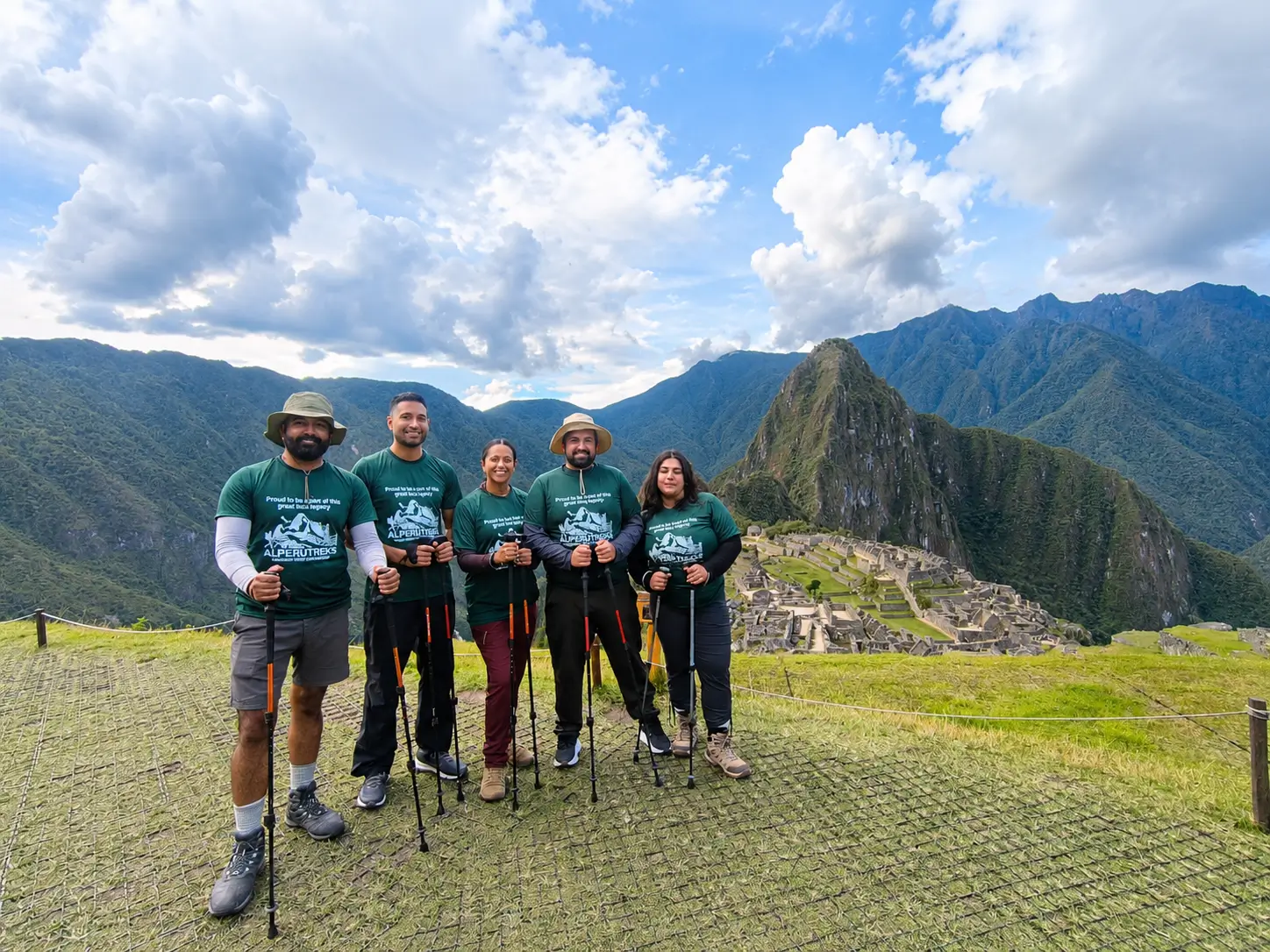

September is widely regarded as one of the best-balanced months for trekking in the Cusco highlands, and the Ancascocha Trek in September gives you the tail end of reliable dry-season weather with noticeably milder nights than June, July, or August — without the coldest-of-the-year camp temperatures or the peak-summer crowd surge.
Here’s what actually sets September apart.
What September Weather Looks Like on the Trail
Ancascocha climbs from roughly 3,200 m (10,500 ft) near Soqma up to 4,650 m (15,255 ft) at Huayanay Pass, in the same climate zone as the region’s other high-altitude treks. September sits at the tail edge of the dry season — some sources place it firmly within the May–September dry-season window, others classify it as the start of shoulder season, and honestly, both framings are reasonable, because September behaves like a hybrid of the two.
Rainfall stays low, similar to the rest of the dry season, and skies remain largely clear. The key difference from June, July, and August is overnight temperature: camps are noticeably milder in September, without the regular sub-freezing, frost-prone nights of peak winter. Daytime temperatures stay comparable to the rest of the dry season, generally in the 60s°F (15–18°C), with good visibility odds from Huayanay Pass throughout the month.
In short, September gives up very little on weather reliability compared to August, while trading away the coldest nights of the year.
Crowds in September: Past the Peak, Not Yet Quiet
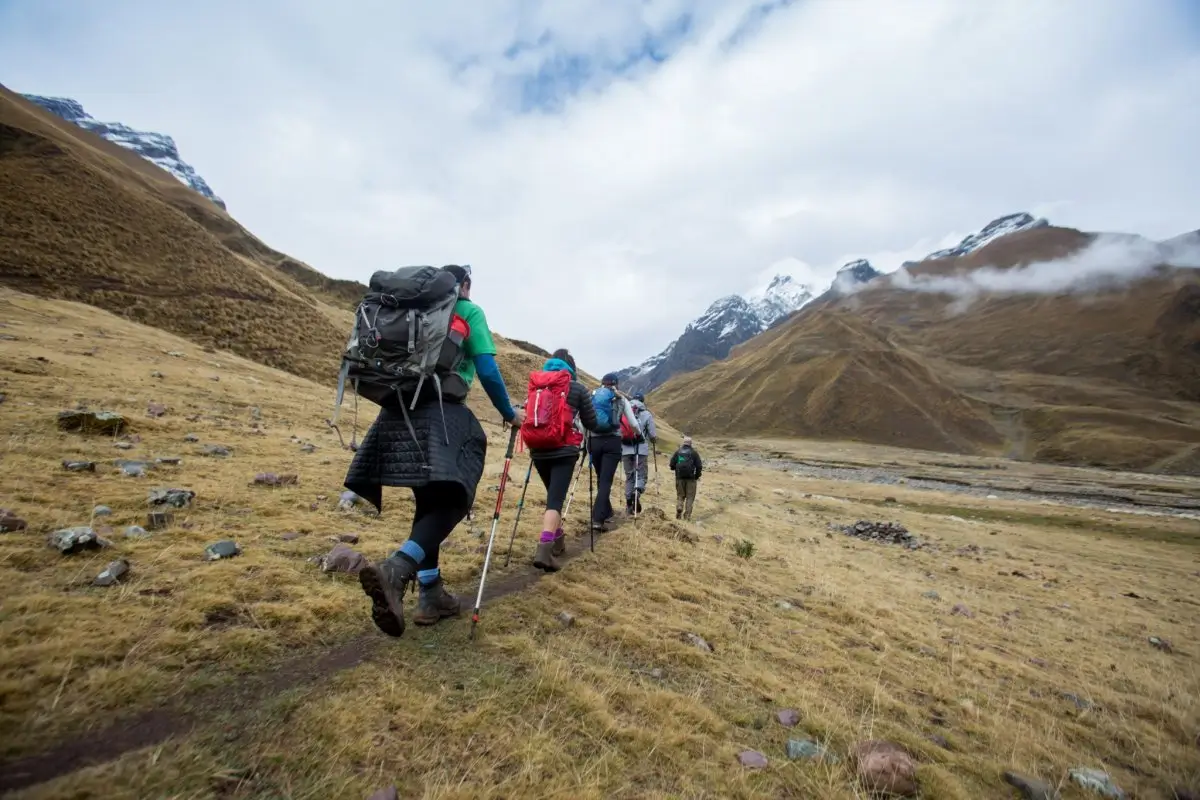
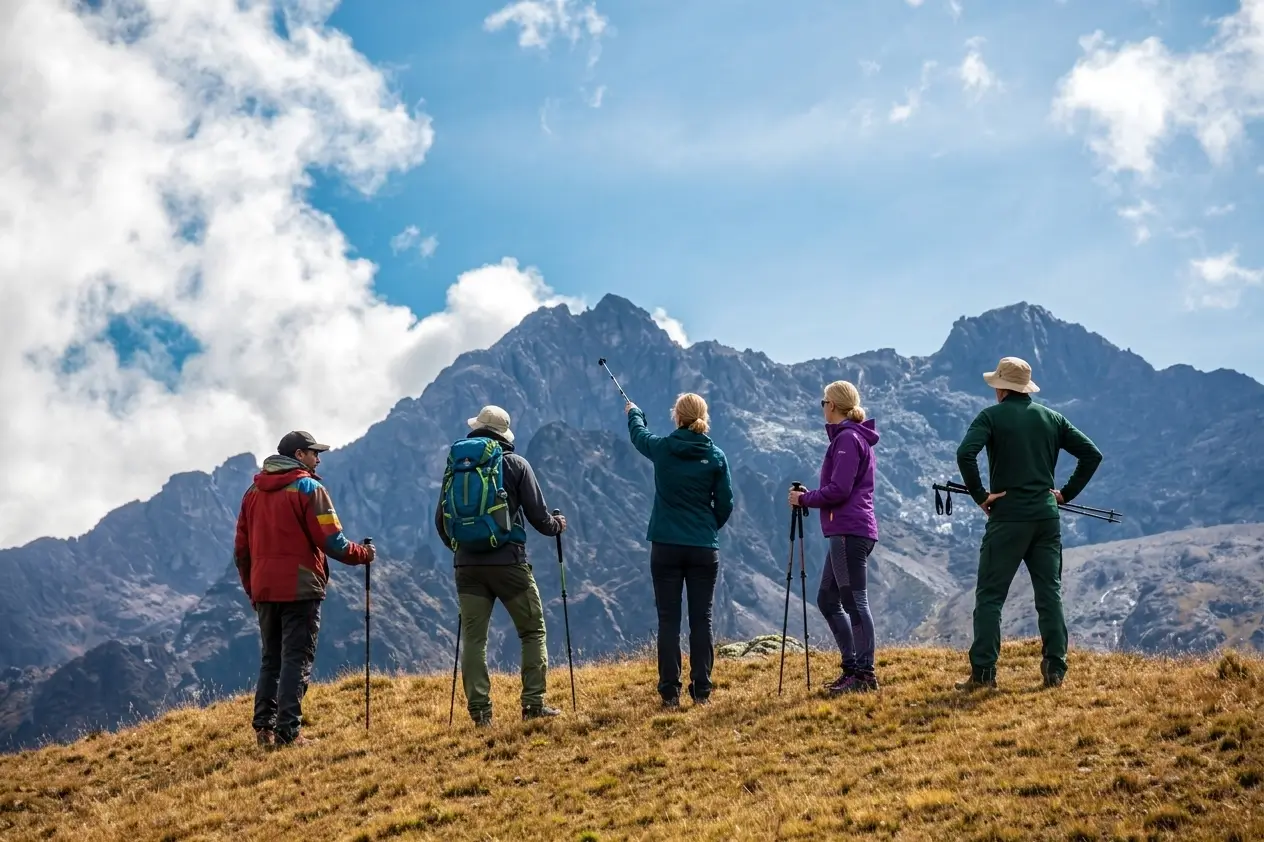
September still falls within the Inca Trail’s broader May–September high-demand window that several sources reference for permit planning, so it’s not accurate to call it a low-crowd month across the board — some operators still recommend a solid booking lead time for September Inca Trail dates. That said, September consistently sees a noticeable drop-off from the July–August peak, both on the Inca Trail and across the region generally, as Northern Hemisphere summer travel winds down.
On Ancascocha specifically, this translates to a genuinely quieter trail than August, closer to the shoulder-season solitude of April or May, while still keeping the dry-season weather advantage. It’s a reasonable claim that September offers one of the better trade-offs of the year on this route — not the absolute quietest month, but close to it, without sacrificing weather reliability.
Ancascocha in September vs. Other Times of Year
| Factor | September (late dry season) | August (peak) | October (shoulder, transitioning) |
|---|---|---|---|
| Rain | Rare | Rare | Occasional, increasing later in month |
| Trail conditions | Dry | Dry | Mostly dry, drier early in month |
| Views from Huayanay Pass | Very good | Excellent | Good |
| Overnight temps at camp | Milder than June–August | Cold, sub-freezing common | Milder still |
| Crowds | Noticeably lower than Aug | Highest of the year | Low |
| Booking lead time needed | Moderate | Longest of the year | Shorter |
| Inca Trail permit pressure | Still elevated per some sources | Highest of the year | Lower |
The realistic read: September rarely disappoints on weather and offers a genuine crowd relief compared to peak summer, but it isn’t a guaranteed low-crowd month the way April or November can be — book with reasonable lead time rather than assuming last-minute availability.
What to Pack for September
The Inca Trail packing list covers the fundamentals well for a September date, with a couple of adjustments from the peak-winter months:
- A sleeping bag rated for freezing temperatures is still worth using, but you don’t need the extreme sub-zero margin required for June or July
- Sun protection remains essential — clear September skies mean consistent high-altitude UV exposure
- A mid-weight insulated layer for camp evenings is usually sufficient, rather than the heaviest gear you’d bring for peak winter
- Standard rain gear is a reasonable “just in case” addition, since September can occasionally see an early hint of the coming shoulder-season transition
Altitude risk remains constant regardless of season — Huayanay Pass sits above 4,600 m year-round — so review our guide to altitude sickness in Cusco before you go.
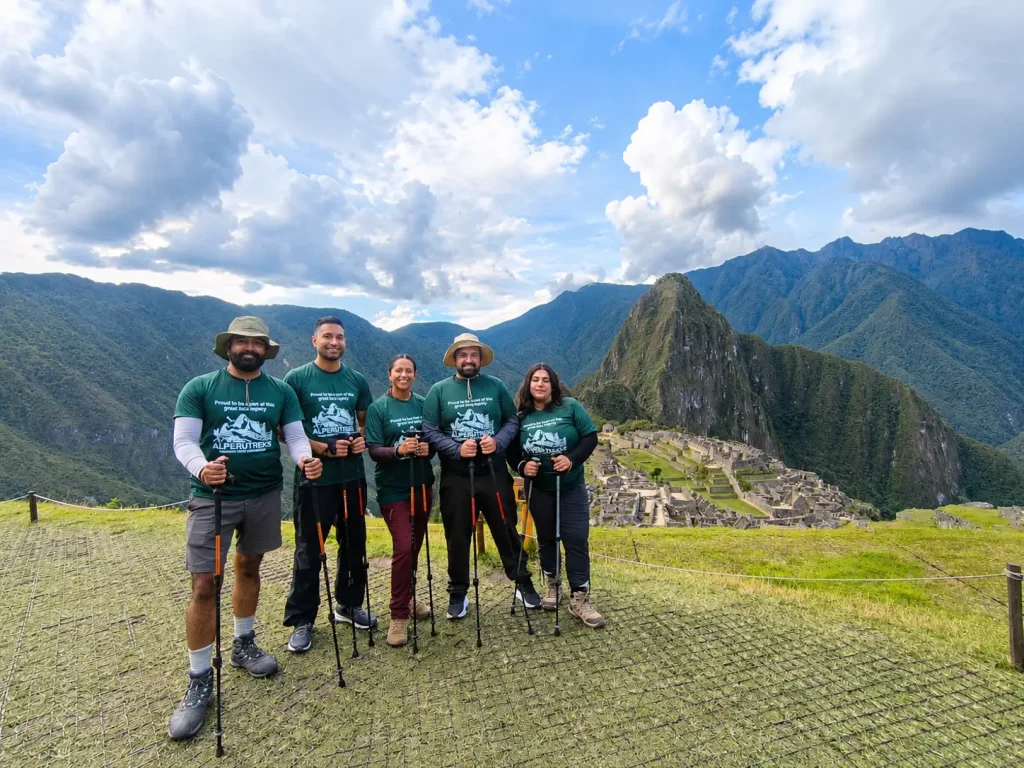
Which Ancascocha Itinerary Makes Sense for September
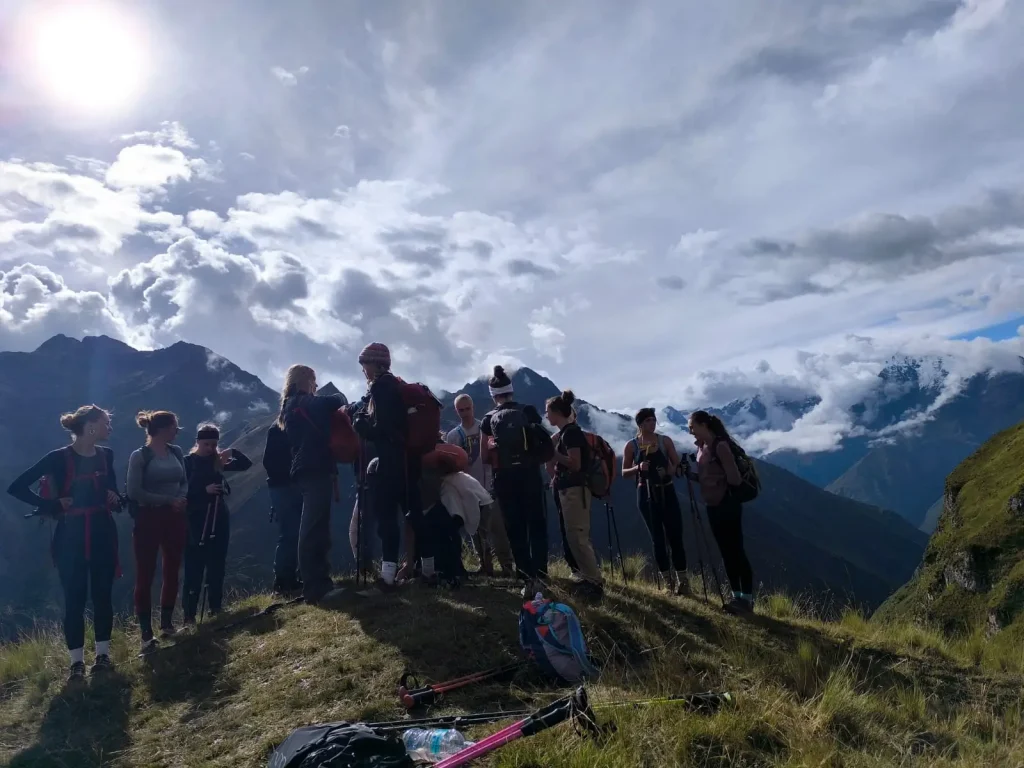
September’s combination of dry weather and lower crowds makes it a strong month for any version of the route:
- The Ancascocha Trek 4 Days is the most affordable, straightforward option.
- The Ancascocha Trek 5 Days remains the most-booked version, with a guided Machu Picchu visit included.
- The Ancascocha & Short Inca Trail 5 Days and Ancascocha + Classic Inca Trail 7 Days combination routes benefit from September’s stable conditions and lighter crowds compared to the peak summer months.
- The Luxury Ancascocha Trek 5 Days is less essential in September than in June or July, given milder overnight temperatures, but still a comfortable option if budget allows.
If you’re weighing Ancascocha against a September Inca Trail date, check Inca Trail Permits 2026–2027 for current availability, and our Best Time to Visit Machu Picchu guide for how September stacks up region-wide.
FAQ
Yes — it’s often considered one of the better-balanced months of the year, combining reliable dry-season weather with a noticeable drop in crowds from the July–August peak, and milder overnight temperatures than June through August.
Depends on the source — some classify it within the core May–September dry season, others as the start of shoulder season. In practice, it behaves like a hybrid: dry-season reliability with shoulder-season crowd levels.
Milder than June, July, or August. Sub-freezing temperatures are less consistent, though still possible at the higher camps, so a freezing-rated sleeping bag is still a sensible choice.
A moderate lead time is reasonable. September isn’t as pressured as June–August, but some sources still place it within the broader Inca Trail high-demand window, so it’s not a guaranteed last-minute booking either.
Yes, noticeably. September consistently sees a drop-off from the July–August peak as summer travel winds down, while keeping most of the dry season’s weather advantages.