
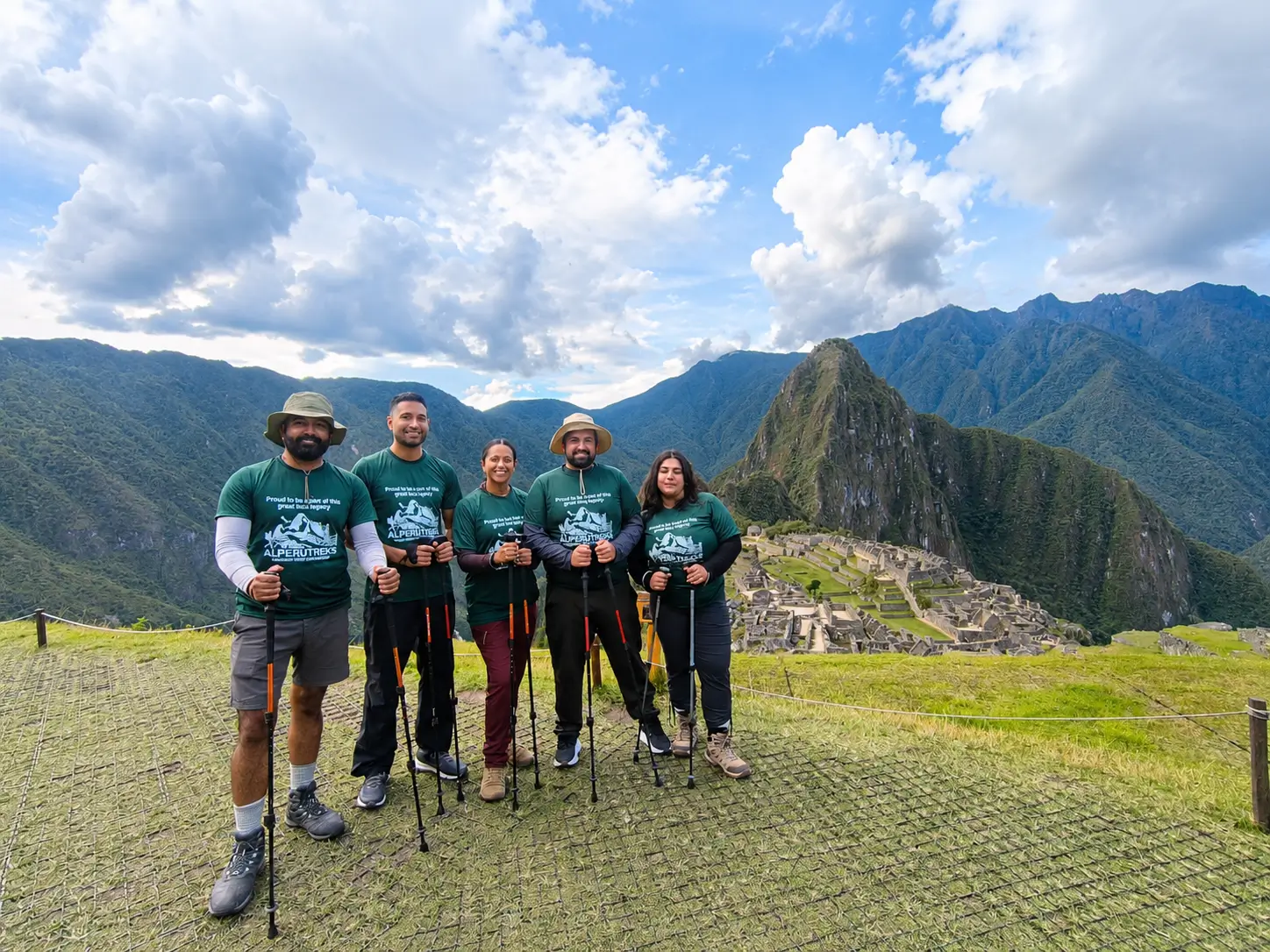
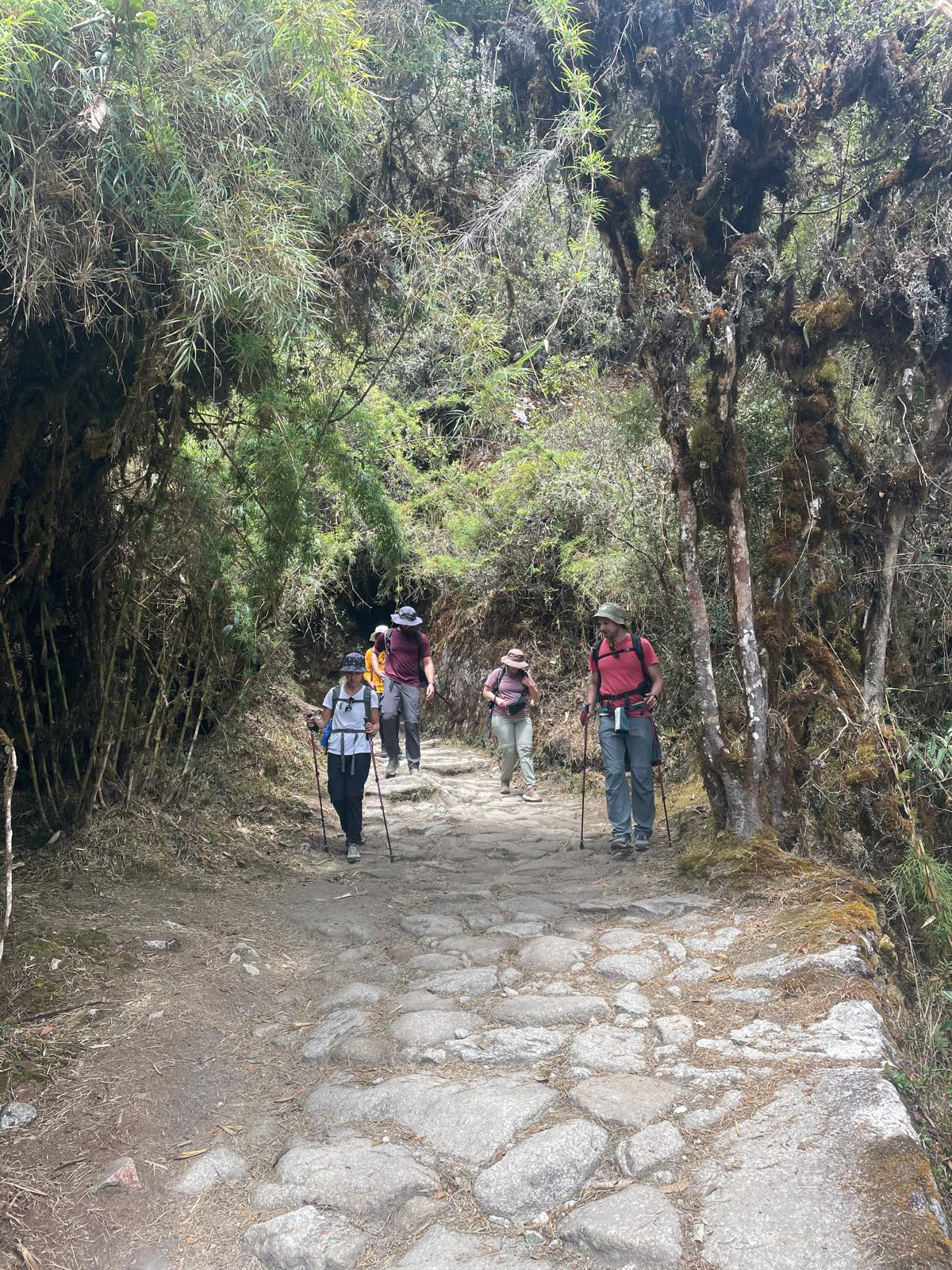
Yes, August is one of the best months to hike the Inca Trail for weather — it’s the last full month of the dry season, with warm, sunny days and reliably clear mountain views. Hiking the Inca Trail in August means dry trails and near-zero rain risk, in exchange for two things many guides mention only in passing: real wind and real dust, both a direct result of months of dry conditions building up before the season finally starts to ease in September.
This guide covers what that combination actually looks like on the ground: real temperature and wind patterns, how far ahead you need to book, and why August’s sun is easier to underestimate than it looks. As with every month in this series, the details here are grounded in Peru’s official trail regulations and cross-checked seasonal data, from a Cusco-based trekking team that runs this route every month it’s open.
Is August a Good Month to Hike the Inca Trail?
Yes, for weather it’s excellent — August sits at the tail end of the dry season (May through September) and delivers largely the same dry trails and clear skies as June and July. Rain is close to a non-issue for planning purposes, and this remains one of the most weather-reliable months of the year.
Like June and July, the real planning consideration isn’t weather risk — it’s demand. August is still firmly peak season, and it’s also the month where the accumulated effects of a long dry stretch (wind, dust, intense sun) become most noticeable. The trail runs on its normal schedule all month, with no closures.
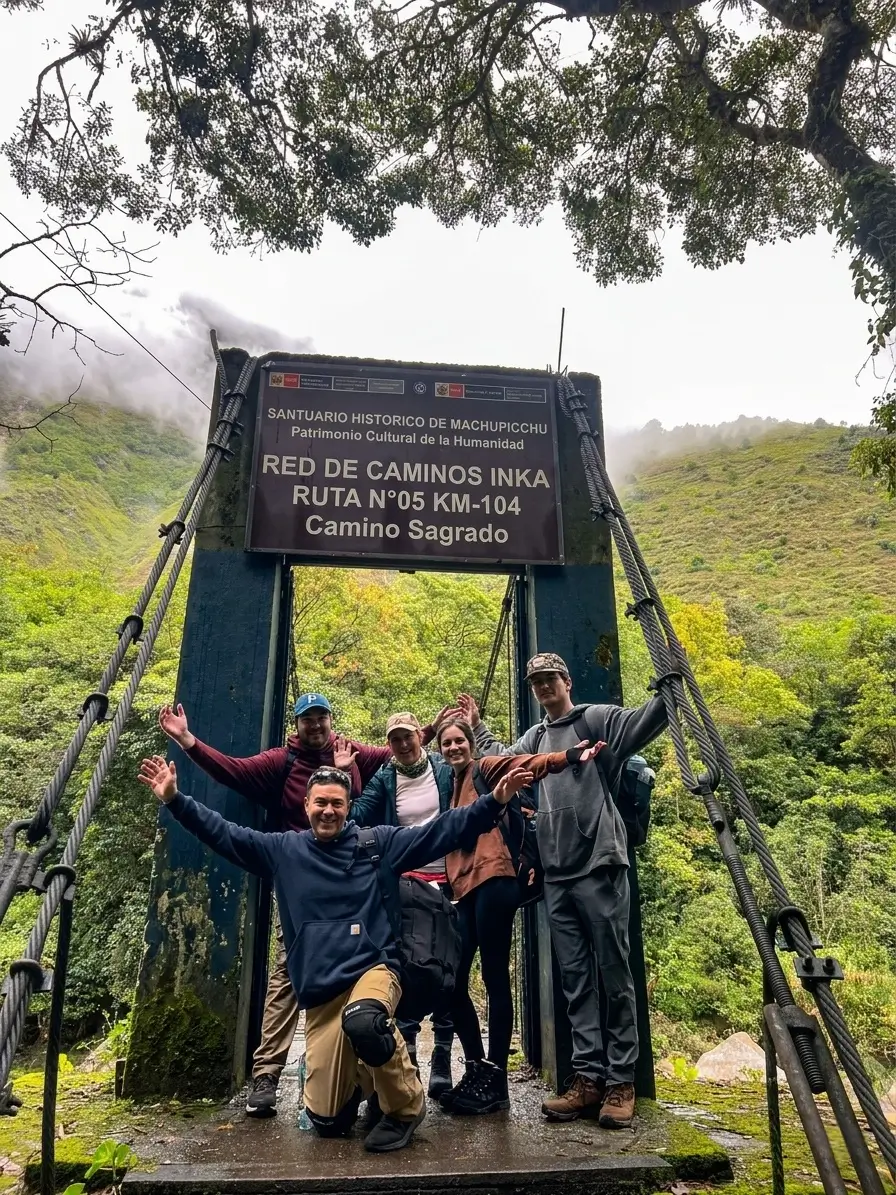
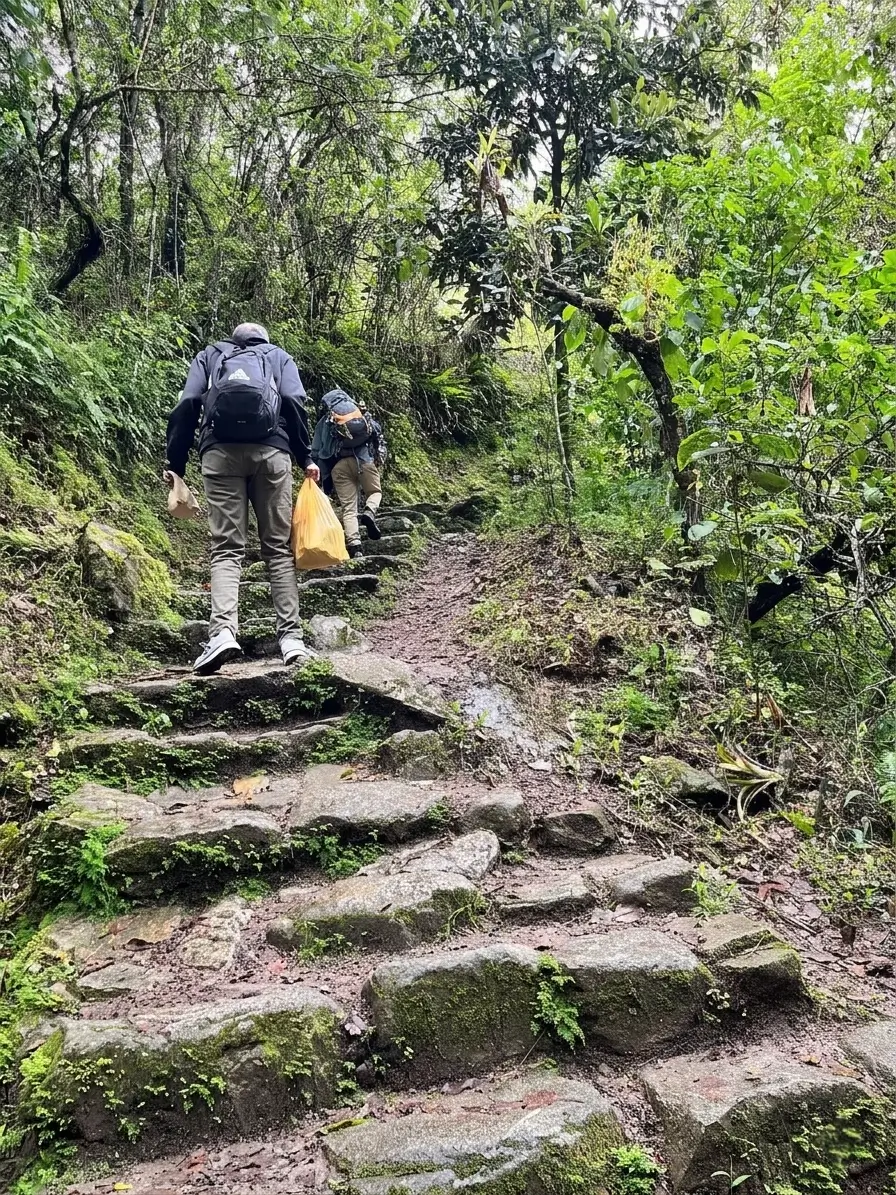
Inca Trail Weather in August
August is late dry season, and while the daytime-warm, nighttime-cold pattern is familiar from June and July, this month adds its own texture: wind and dust.
Daytime and Nighttime Temperatures
Daytime temperatures on the trail generally run in the low 60s to low 70s Fahrenheit (roughly 16–22°C), with some exposed sections feeling noticeably warmer in direct midday sun. Nights remain cold, typically dropping to around freezing or just above, roughly 32–37°F (0–3°C), especially at higher campsites and particularly in the first half of the month. The swing between a hot, sun-exposed ridge at midday and a cold pre-dawn start remains one of the trickiest parts of dressing for this trek.
Wind and Dust: August’s Defining Feature
This is where August genuinely differs from June and July. Several months without meaningful rain leave the ground dry enough that afternoon winds — August is sometimes called “the month of winds” in the Andes — can visibly kick up dust, particularly on the trail’s first day. Winds tend to build through the morning and peak in the afternoon, which is worth factoring into your daily pacing if dust and gusty conditions are something you’d rather hike through less of.
Machu Picchu’s Weather in August
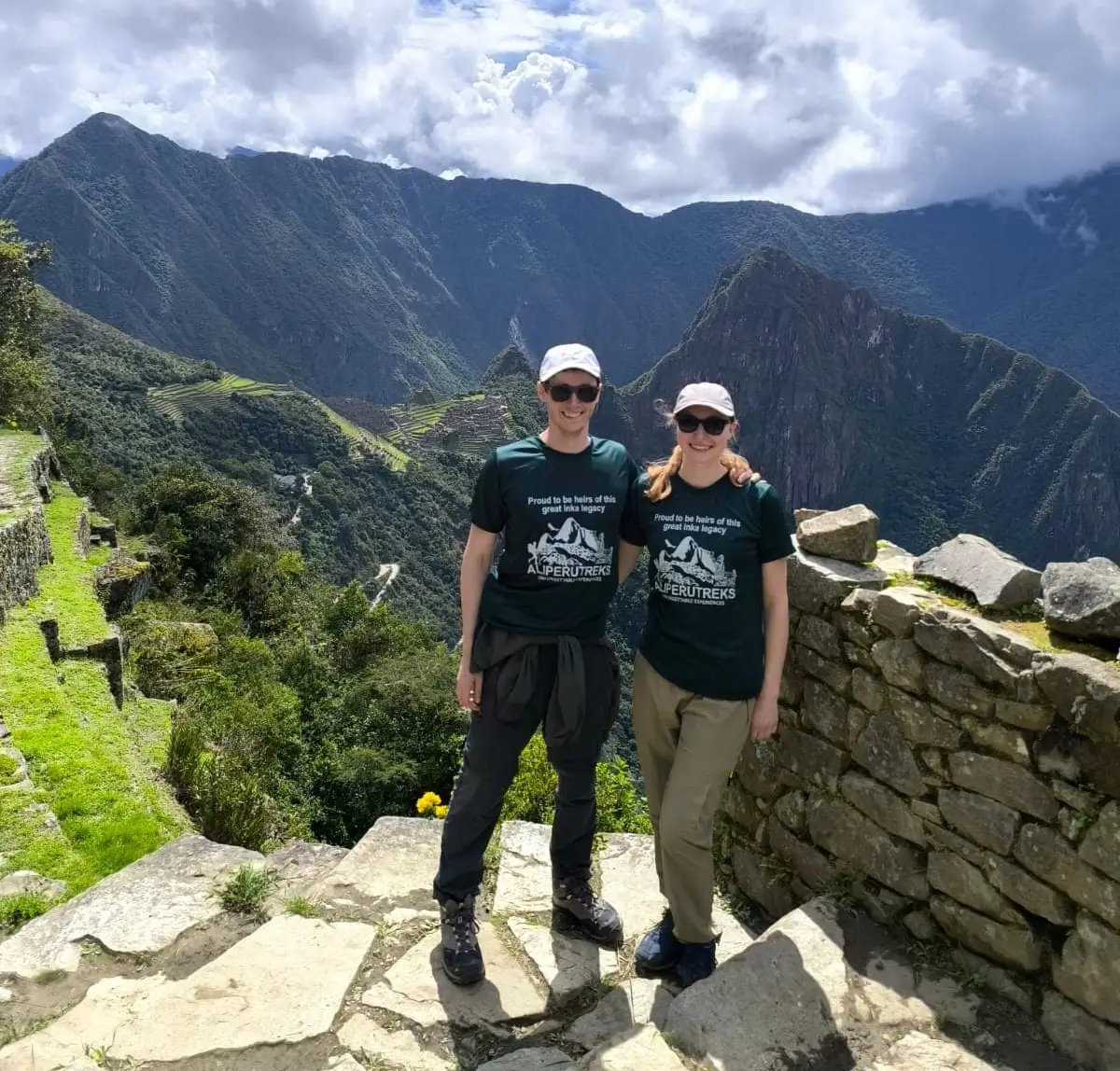
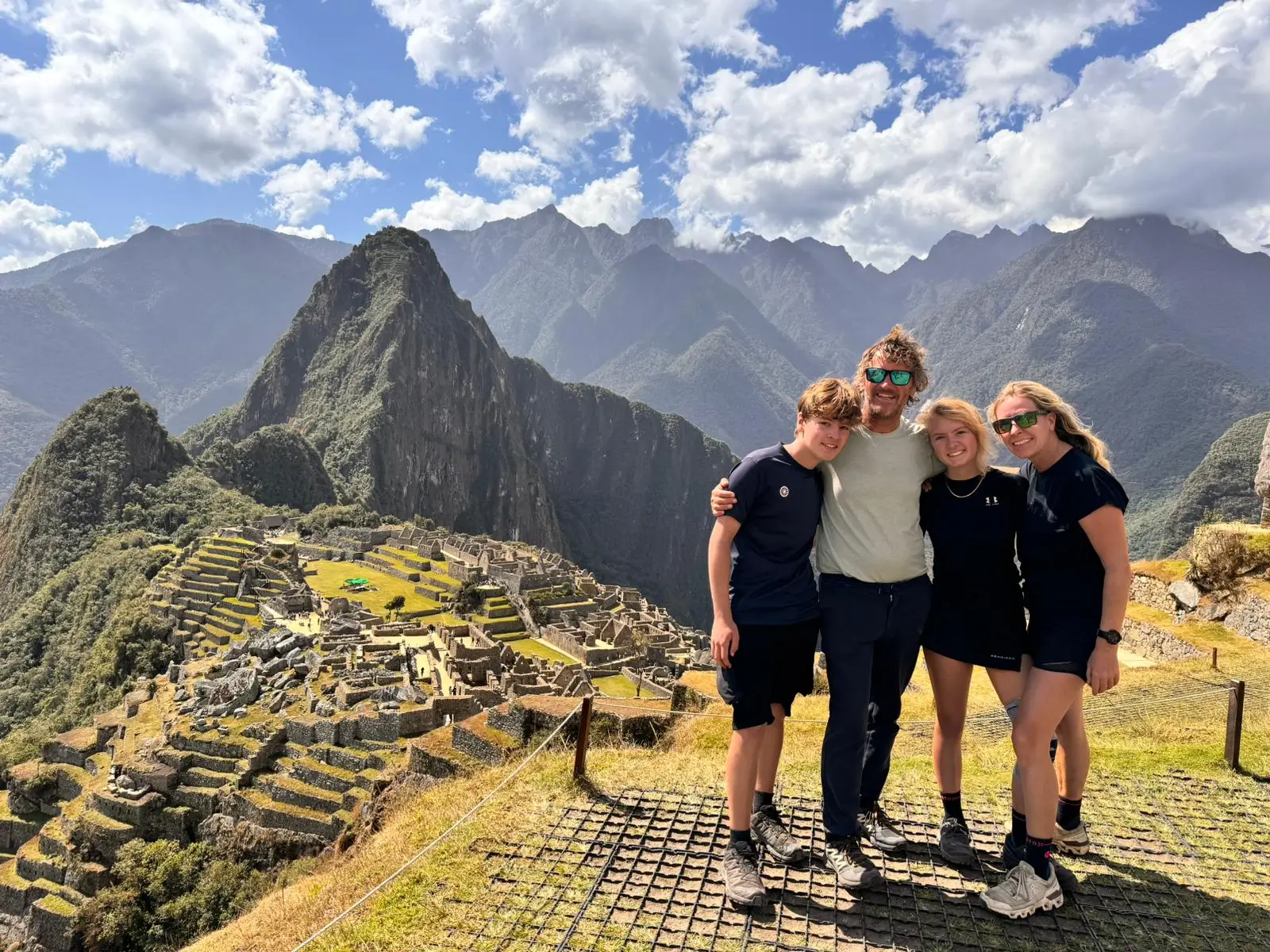
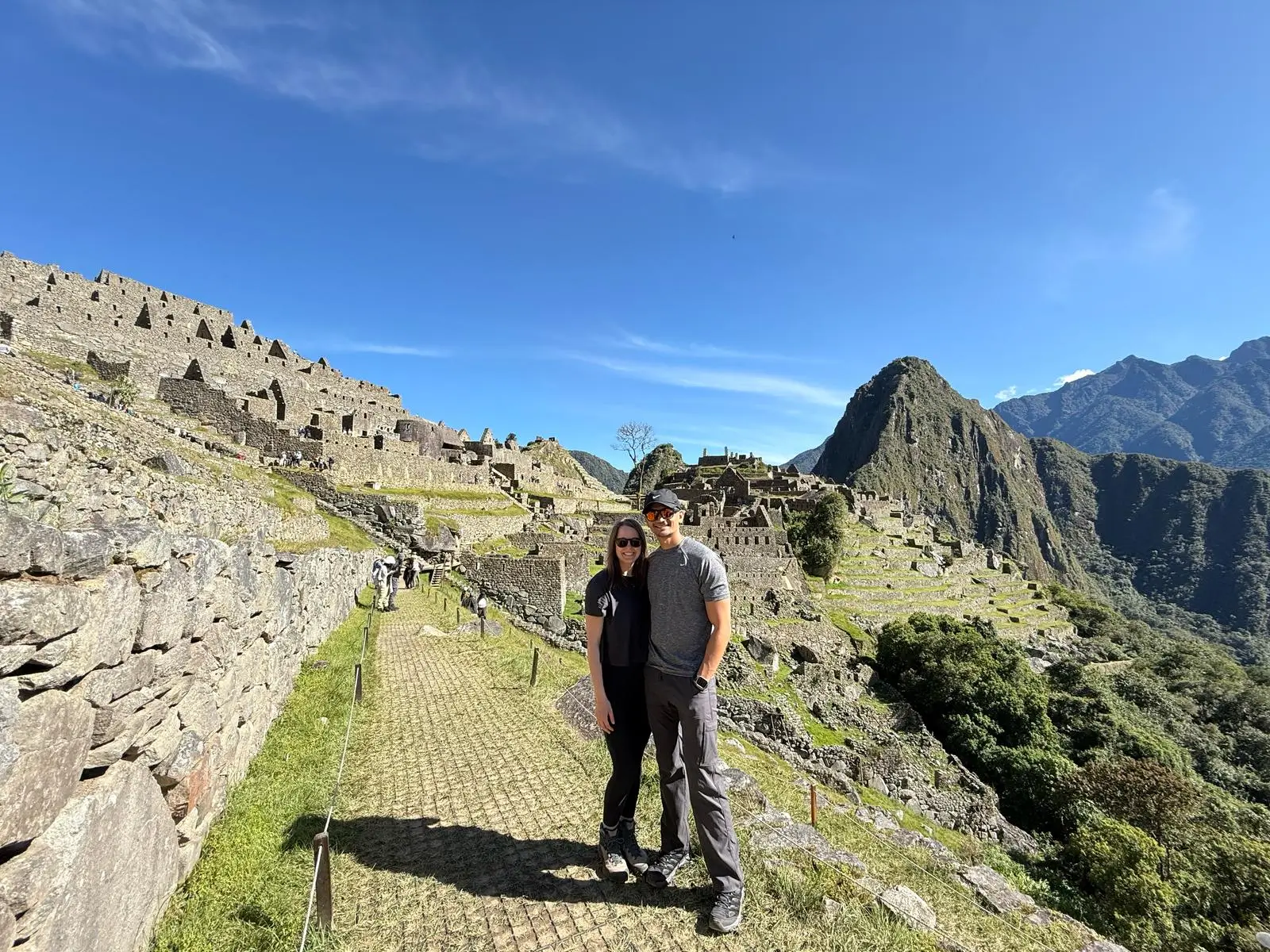
Machu Picchu itself, at its lower and more subtropical elevation, runs milder and less windy than the exposed high trail: daytime temperatures are generally warm and comfortable, skies are typically clear, and humidity stays low. It remains one of the better months of the year for photography at the citadel.
Trail Conditions in August
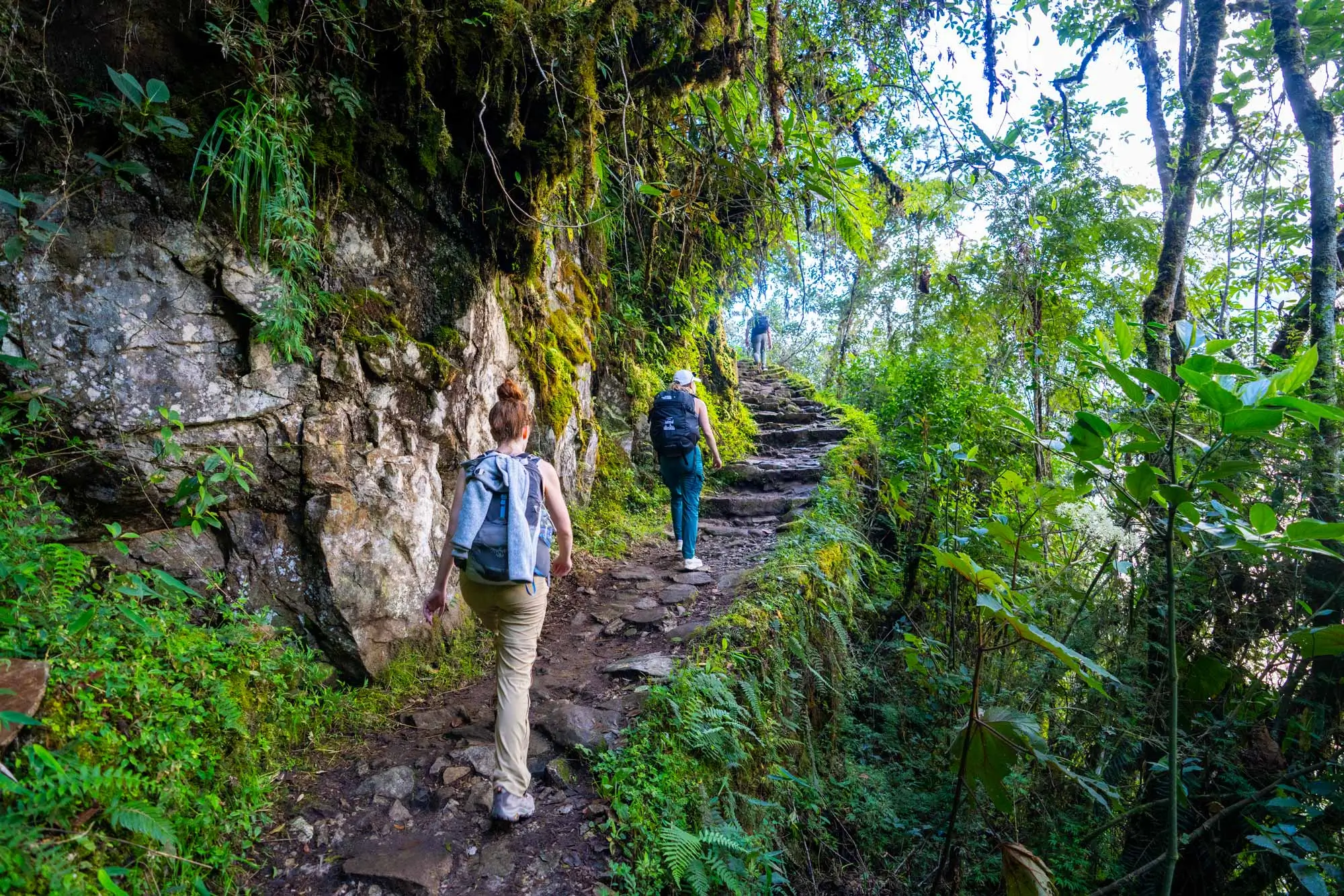
Trail conditions in August are dry and firm throughout, with essentially no mud and straightforward river crossings — much like June and July. The difference is underfoot dust, particularly on the trail’s lower, drier first-day sections, and the afternoon wind that can make exposed ridgelines feel more demanding than the temperature alone would suggest.
Visibility remains excellent on clear mornings, and mountain views are consistently strong throughout the trek. Sun exposure deserves a specific mention: the combination of high altitude, thin cool air, and clear skies means UV exposure is intense even when it doesn’t feel particularly hot, and it’s easy to underestimate on a breezy, comfortable-feeling day.
How Crowded Is the Inca Trail in August?
August remains firmly in peak season, with the trail typically running at or near its full daily capacity of 500 permits for most of the month. Machu Picchu itself also sees high visitor volumes throughout August, continuing the pattern established in June and July.
There’s a slight easing as the month progresses — August is, after all, the dry season’s last stretch before conditions and demand both start to shift in September — but for practical planning purposes, treat August as a genuinely busy month on par with June and July, not a quieter alternative to them.
Inca Trail Permits in August
Every hiker needs a permit, sold only through licensed operators, capped at 500 people a day, non-transferable, and tied to your passport number — the same system that applies in every month the trail is open.
August sits within the high season, and as a general guide, 6 to 8 months ahead is a reasonable booking target, consistent with the rest of the peak dry-season window. Some sources suggest pushing even earlier for August specifically, since it caps off a long stretch of sustained high demand across June, July, and August together. You can check real-time Inca Trail permit availability directly to confirm what’s open for your dates.
It’s also worth confirming with your operator what Machu Picchu access your permit includes, since current Inca Trail permits are bundled with a specific citadel circuit rather than unrestricted access. Our guide to the Machu Picchu circuits breaks this down.
Pros and Cons of Hiking the Inca Trail in August
Pros
- Reliable, dry weather with minimal rain risk, on par with June and July
- Excellent trail conditions: firm, dry footing throughout
- Consistently clear mountain and Machu Picchu views
- The last real opportunity of the season for guaranteed dry-season conditions before things shift in September
- Warm, comfortable daytime hiking temperatures
Cons
- Genuinely windy, especially in the afternoons — a real planning factor, not just a minor detail
- Visible dust, particularly on the trail’s first day
- Cold nights, with temperatures at or near freezing common at higher campsites
- Still a very crowded month; permit demand remains high throughout
- Sun exposure is easy to underestimate given the cool, breezy air
August Compared to the Rest of the Year
August closes out the dry season (May through September) alongside June and July as the three driest, most weather-reliable months. Compared to June and July, August offers essentially the same weather reliability, with the added texture of stronger winds and more noticeable dust — a genuine, if often underreported, difference.
Compared to September, the month directly after it, August is typically windier and busier, while September starts to see both wind and crowds ease as the dry season winds down — many experienced trekkers consider September the better trade-off between weather and crowds for exactly this reason. For a full month-by-month comparison across the entire year, see our complete Inca Trail weather guide.
Who Should Hike in August (and Who Might Prefer a Different Month)
August suits travelers who want dependable dry-season weather, are comfortable with wind and some dust on the first day, and are willing to book well in advance and accept a busy trail in exchange for near-guaranteed clear conditions. It’s a solid choice for anyone whose schedule is tied to late-summer travel windows.
Travelers who’d rather avoid the wind and the season’s cumulative crowd fatigue might prefer September, which offers similar dry-season reliability with somewhat calmer conditions and easing demand. As always, the trek’s physical demands — the climb to Dead Woman’s Pass, the altitude throughout — stay constant regardless of season. Our guide to altitude sickness in Cusco covers what to expect.
What to Pack for the Inca Trail in August
Packing for the Inca Trail in August starts from the same cold-night base as June and July, with a few additions for wind and dust:
- A warm insulated jacket, hat, and gloves for camp mornings and evenings, when temperatures sit at or near freezing
- A buff or bandana to cover your nose and mouth on dusty, windy stretches, especially on day one
- Sunscreen, a wide-brimmed hat, and quality sunglasses — sun exposure is intense and easy to underestimate given the cool, breezy air
- Lip balm and moisturizer, since wind and sun together can be harder on skin than either alone
- Moisture-wicking base layers plus a warm mid-layer for the swing between sun-exposed hiking and cold, windy stretches
- A light rain layer, worth carrying despite the very low overall chance of rain
This covers what to prioritize specifically for August. For the complete gear breakdown, see the full Inca Trail packing list.
Acclimatization and Booking Strategy
Altitude preparation doesn’t ease up because the weather is good. Arriving in Cusco at least two to three days before your trek to acclimatize matters as much in August as any other month, and it directly affects how you’ll feel on the climb to Dead Woman’s Pass. Our guide to altitude sickness in Cusco walks through what to expect.
On booking: 6 to 8 months ahead is a sensible general target for August, and given it caps off the entire peak season, there’s little downside to booking on the earlier end of that range if your dates are flexible enough to allow it. Travel insurance that explicitly covers high-altitude trekking is worth confirming regardless of when you go.
Choosing an Inca Trail Tour Operator for August
Because August closes out three consecutive months of sustained peak demand, working with an operator that has real, current visibility into permit availability is genuinely useful this month. Before booking, confirm your operator is officially licensed and authorized to sell Inca Trail permits, since only accredited agencies can legally do so.
Ali Peru Treks runs both the Classic Inca Trail 4 Days and the Short Inca Trail throughout August. Given how far ahead peak-season dates typically need to be booked, it’s worth checking availability as soon as your travel dates are firm.
Frequently Asked Questions About the Inca Trail in August
Yes, for weather it’s one of the best months of the year — dry, warm, and reliable. Expect real wind and dust on top of the crowds typical of peak season.
Genuinely windy, especially in the afternoons. August is sometimes called “the month of winds” in the Andes, and gusty conditions on exposed ridgelines are common.
Noticeable, particularly on the first day of the trek, as months without meaningful rain leave the ground dry enough for wind to visibly kick up dust.
Daytime temperatures generally run around 61–72°F (16–22°C), while nights drop to roughly 32–37°F (0–3°C), especially at higher campsites.
As a general guide, 6 to 8 months ahead is a reasonable target, and earlier is sensible if your schedule allows, since August caps off a long stretch of sustained peak-season demand.
Yes. August remains firmly in peak season, with the trail typically running near its full daily capacity for most of the month.
Add a buff or bandana for wind and dust, plus extra lip balm and moisturizer, on top of the standard cold-night layers and strong sun protection that dry-season months require.
Both offer strong dry-season weather. August tends to be windier, dustier, and busier, while September generally sees calmer conditions and easing crowds as the dry season winds down.
Final Thoughts: Should You Hike the Inca Trail in August?
August delivers the same dependable dry-season weather as June and July, with its own distinct texture: real afternoon wind, visible trail dust, and sun that’s easy to underestimate in the cool, breezy air. Pack for it specifically, book well ahead given how much demand has built up over the season, and August remains one of the most rewarding months to trek.
If you’re ready to look at dates, you can check current availability for the Classic Inca Trail 4 Days and start planning around them.