
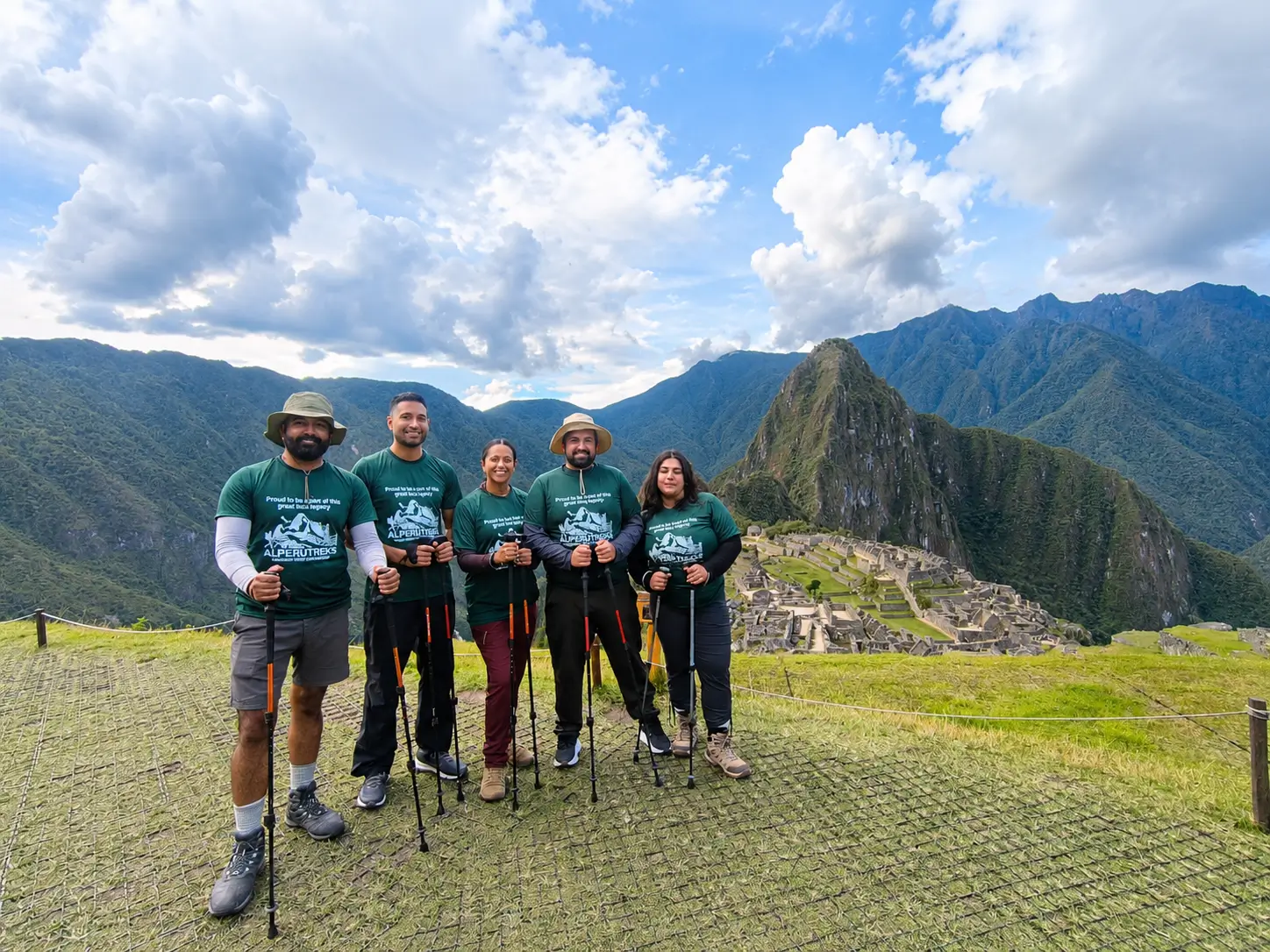
Yes, the Inca Trail is open in December — it’s one of eleven months a year you can hike it, closed only in February for annual maintenance. December sits at the start of the Andean wet season, so expect afternoon rain, muddier trail sections, and lush, green scenery in exchange for noticeably thinner crowds through most of the month, followed by a busier final week tied to Christmas and New Year’s in Cusco.
If you’re deciding whether hiking the Inca Trail in December makes sense for your trip, the short version is this: it’s a legitimate, rewarding option for travelers who don’t need guaranteed sunshine and want a quieter trail, but it comes with real trade-offs in comfort and predictability compared to the June–August dry season. Below is what actually changes on the trail this month — weather, permits, crowd levels, and what to pack — so you can decide with real information rather than guesswork.
Is December a Good Time to Hike the Inca Trail?
December is a mixed but generally good month for the Inca Trail — better than the deep rainy months of January and February, but clearly wetter than the May–September dry season. It’s classified as wet/rainy season by Peru’s Ministry of Culture and by most trekking operators, though the transition is gradual rather than abrupt: the first two to three weeks of December are typically drier and quieter than the dry-season peak crowds, while rain becomes more consistent as the month goes on.
Two forces shape December differently from the rest of the wet season: the approaching rains, and the Christmas–New Year travel surge in Cusco. Both matter for planning, and we’ll cover each in detail below.
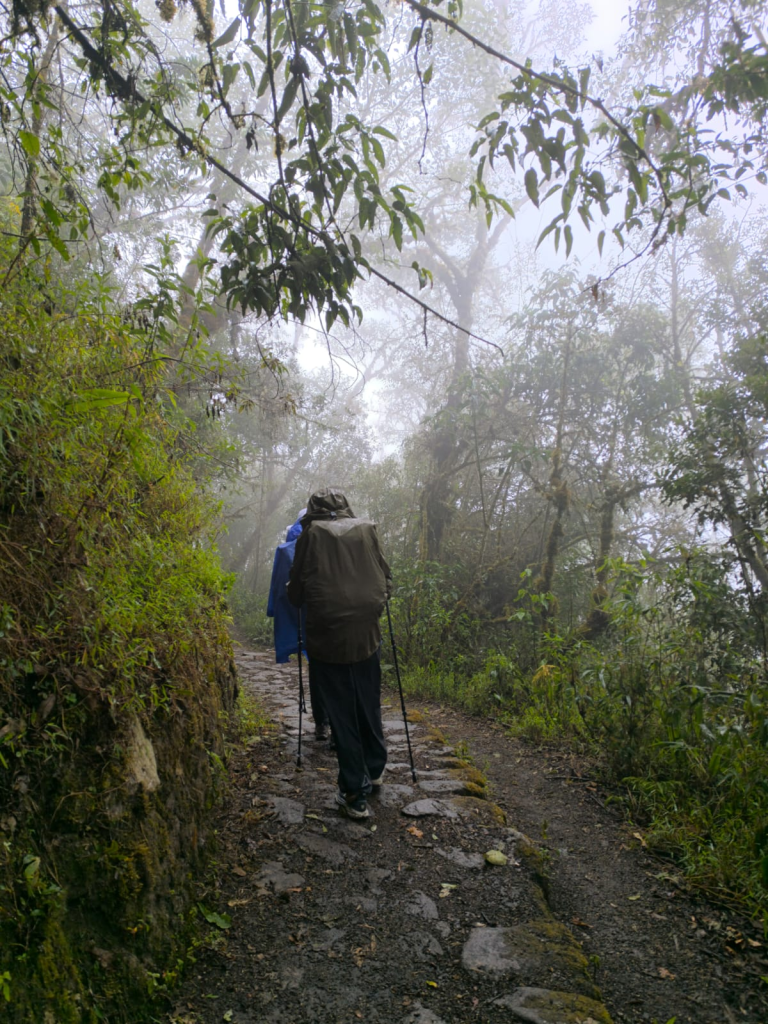
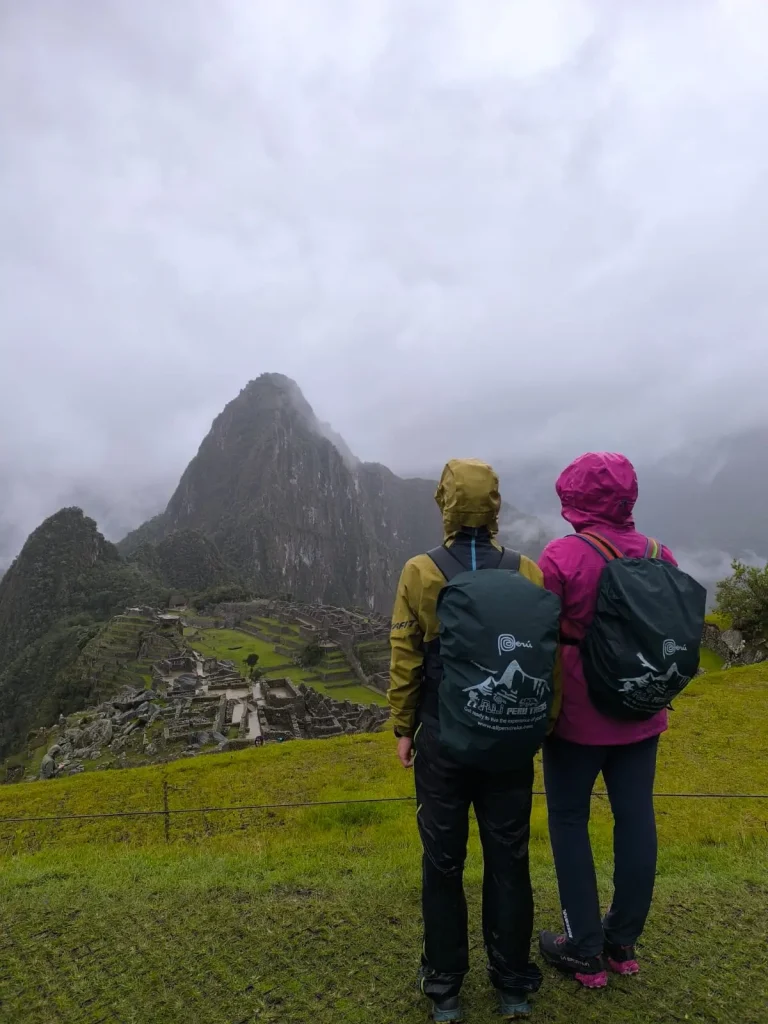
Inca Trail Weather in December
Weather data for the Andes varies somewhat by source and by year, so treat the figures below as typical ranges rather than guarantees — Andean mountain weather can shift quickly regardless of season.
Daytime Conditions
On a typical December day on the trail, expect mild-to-warm sunshine in the morning, with daytime highs commonly falling somewhere in the 14–22°C (57–72°F) range depending on altitude and how far into the month you’re hiking. Mornings tend to be the clearest part of the day; cloud builds through the afternoon and often brings rain by mid- to late afternoon.
Nighttime and High-Altitude Conditions
Nights are considerably colder, especially at the higher campsites near Dead Woman’s Pass. Overnight lows commonly range from around 0–8°C (32–46°F), with the coldest temperatures at the second campsite near the pass. This is milder than the near-freezing dry-season nights of June–August, but still cold enough that a proper sleeping bag and warm layers are non-negotiable.
Rainfall Patterns
December marks the real onset of the wet season. Climate data from Peru’s National Meteorology and Hydrology Service (SENAMHI) and independent long-term weather records put average December rainfall in the Cusco region somewhere in the 80–210 mm (3–8 in) range, spread across roughly 15–20 days of the month — figures vary by data source and by year, so treat this as a general pattern rather than a precise forecast.
In practice, rain on the trail tends to arrive as afternoon and evening showers rather than steady all-day rain, and mornings are frequently clear. Trekkers who’ve hiked in late December often describe short, intense downpours in the evening at camp rather than being rained on for hours while actively hiking — though this varies trip to trip.
Machu Picchu Weather in December
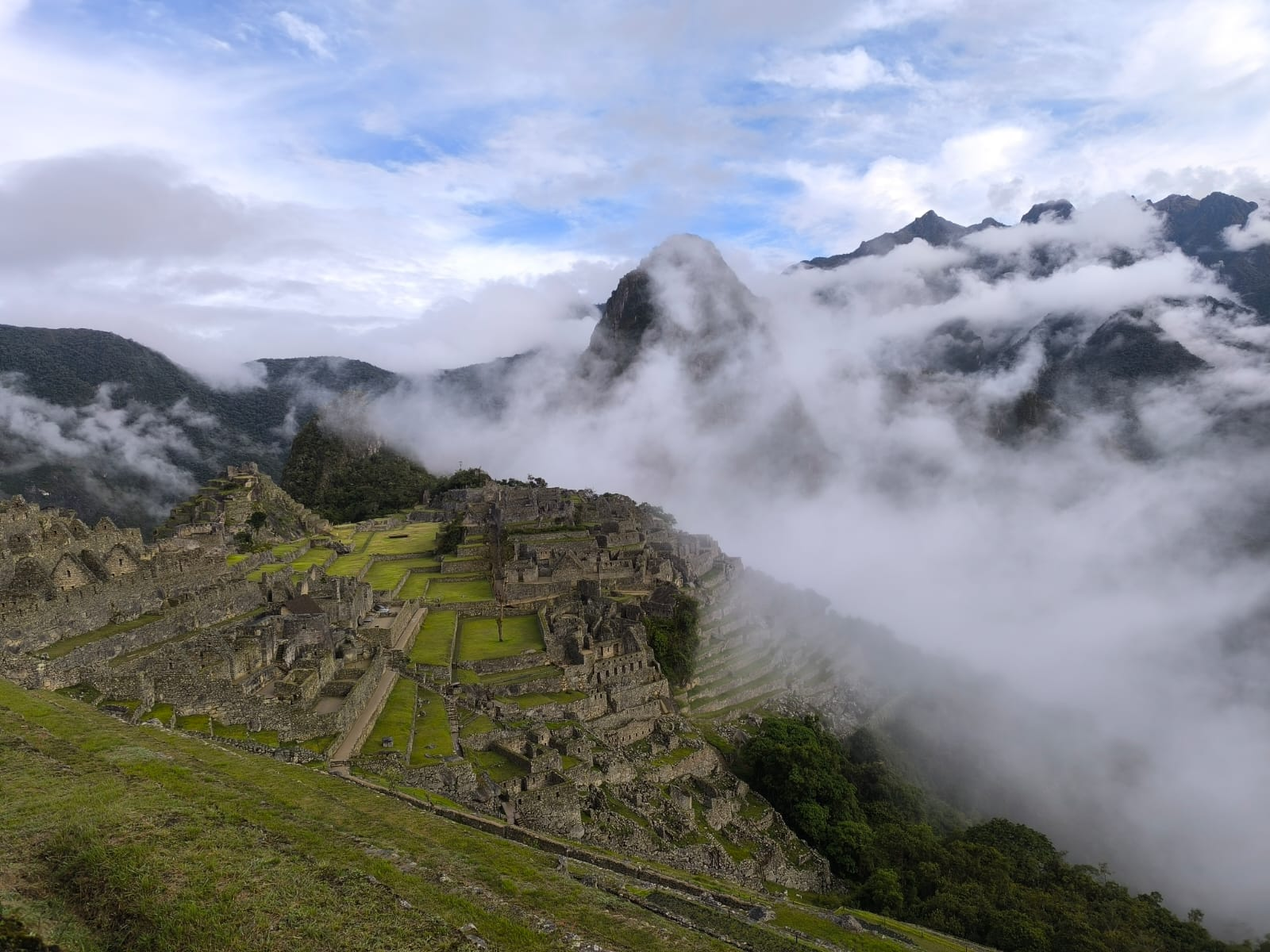
At Machu Picchu’s lower elevation (2,430 m / 7,972 ft), December weather is generally warmer and more humid than up on the trail, with the citadel sitting in cloud forest terrain that sees regular mist and rain showers, especially in the afternoon. Morning visits — which is when Inca Trail hikers arrive via the Sun Gate — have a reasonable chance of clearer skies, though this is never guaranteed in any wet-season month. Pack for both sun and rain on your final day; conditions can shift within the same morning.
Inca Trail Conditions in December (Day by Day)
Trail conditions follow the same pattern as the 4-day itinerary year-round, but December adds mud and slick stone sections to the mix:
- Day 1 (Km 82 to Ayapata): Generally the driest, warmest day of the trek — this section sits in a lower, drier valley and is less affected by afternoon rain than later days.
- Day 2 (Dead Woman’s Pass): The most exposed and weather-sensitive day. Wind and cold are the bigger concern here in December, more than rain, though showers are possible at the pass itself.
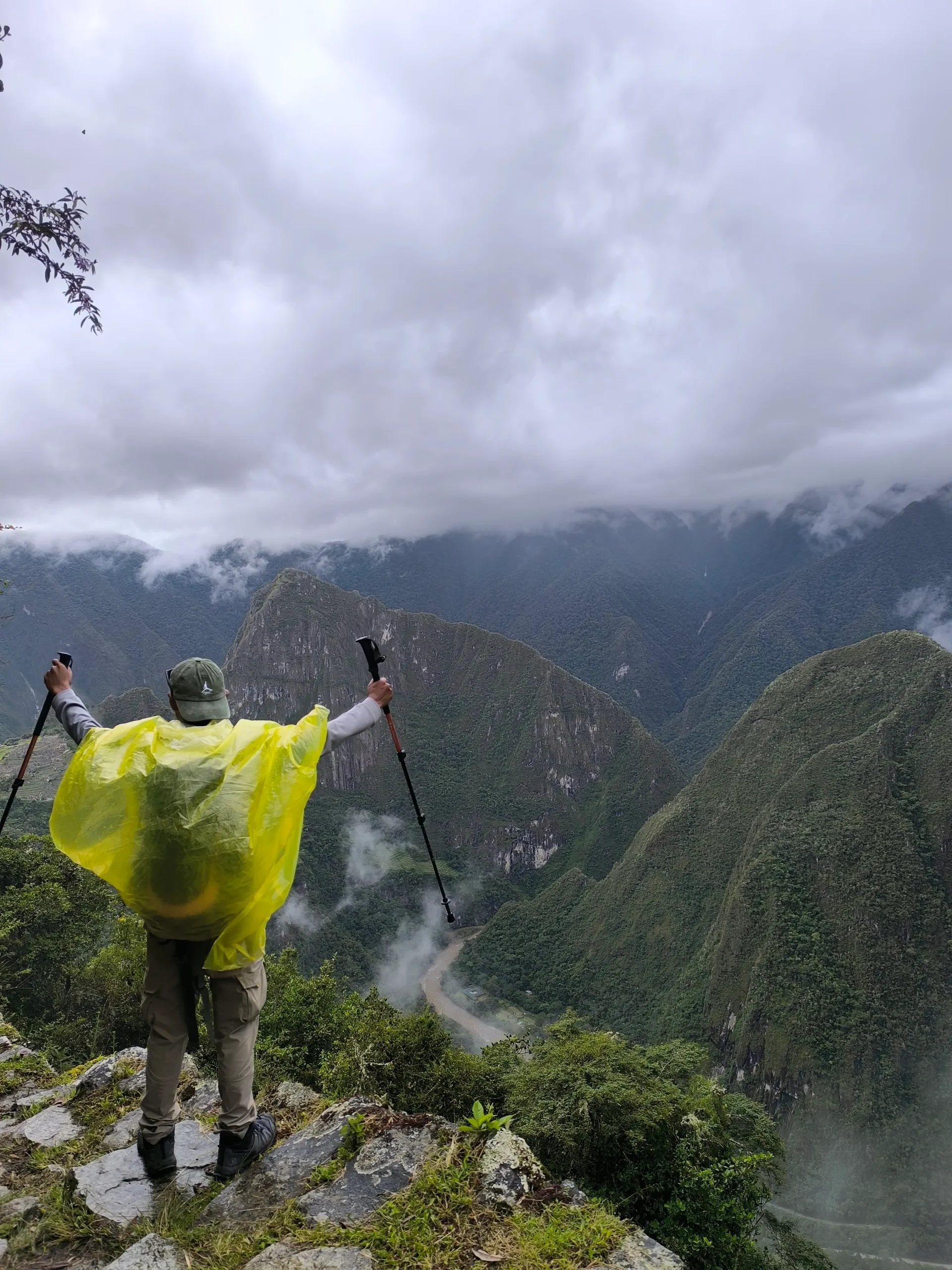
- Day 3 (Cloud forest to Wiñay Wayna): This is where December’s wet season shows up most — the trail passes through cloud forest, and stone steps and paths can be slippery when damp. Good footwear and trekking poles matter here.
- Day 4 (Sun Gate to Machu Picchu): Short and usually clear in the early morning, when most hikers pass through.
Trekking poles and broken-in waterproof boots are worth prioritizing for December specifically, given the higher chance of slick stone stairs on Day 3.
Crowds on the Inca Trail in December
December crowd levels are genuinely lower than peak dry season, but not evenly across the month. Based on how tour operators and the Ministry of Culture structure the season:
- Early to mid-December tends to be among the quieter periods on the trail, with noticeably fewer trekkers than the June–August peak.
- The final week of December (roughly December 24 through January 1) sees a clear jump in demand, driven by Christmas and New Year’s Eve travelers combining the holidays with a Machu Picchu trip, plus Cusco’s own Santuranticuy artisan market on December 24, one of the city’s largest annual events. Expect busier trains, higher hotel rates in Cusco, and more competition for permits around these dates specifically.
If avoiding crowds is your main goal, the first three weeks of December are a better bet than the holiday week itself.
December Inca Trail Permits and Availability
The Inca Trail operates under a strict permit system regulated by Peru’s Ministry of Culture: only 500 total permits are issued per day, of which roughly 200–250 go to trekkers and the rest to guides, porters, and cooks. This cap applies in December exactly as it does the rest of the year — the trail is not exempt from the daily limit just because it’s the wet season.
Permits generally sell out fastest for the May–September dry season, often months ahead. December permits are typically easier to secure than peak season, especially in the first three weeks of the month — but the final week (December 24–January 1) can tighten up due to holiday demand, and permits are non-transferable and non-refundable once issued, so it still pays to book with reasonable lead time rather than assuming a last-minute slot will be available. As with every month, permits can only be purchased through a licensed, government-registered tour operator — independent hiking on the Inca Trail is not permitted under Peruvian law.
If you’re deciding between dates, checking current Inca Trail availability directly is the most reliable way to see what’s actually open, since public real-time permit data isn’t published by the Ministry of Culture.
Pros and Cons of Hiking the Inca Trail in December
Pros
- Noticeably fewer trekkers on the trail, especially in the first three weeks of the month
- Easier permit availability than the May–September peak (outside the holiday week)
- Lush, green landscapes and active waterfalls along the route
- Warmer nighttime temperatures than the dry-season winter months
- A chance to combine your trek with Cusco’s Santuranticuy Festival on December 24
- Often lower accommodation prices outside the Christmas–New Year window
Cons
- Rain is common, especially afternoons and evenings, and can make stone stairs and trail sections slippery
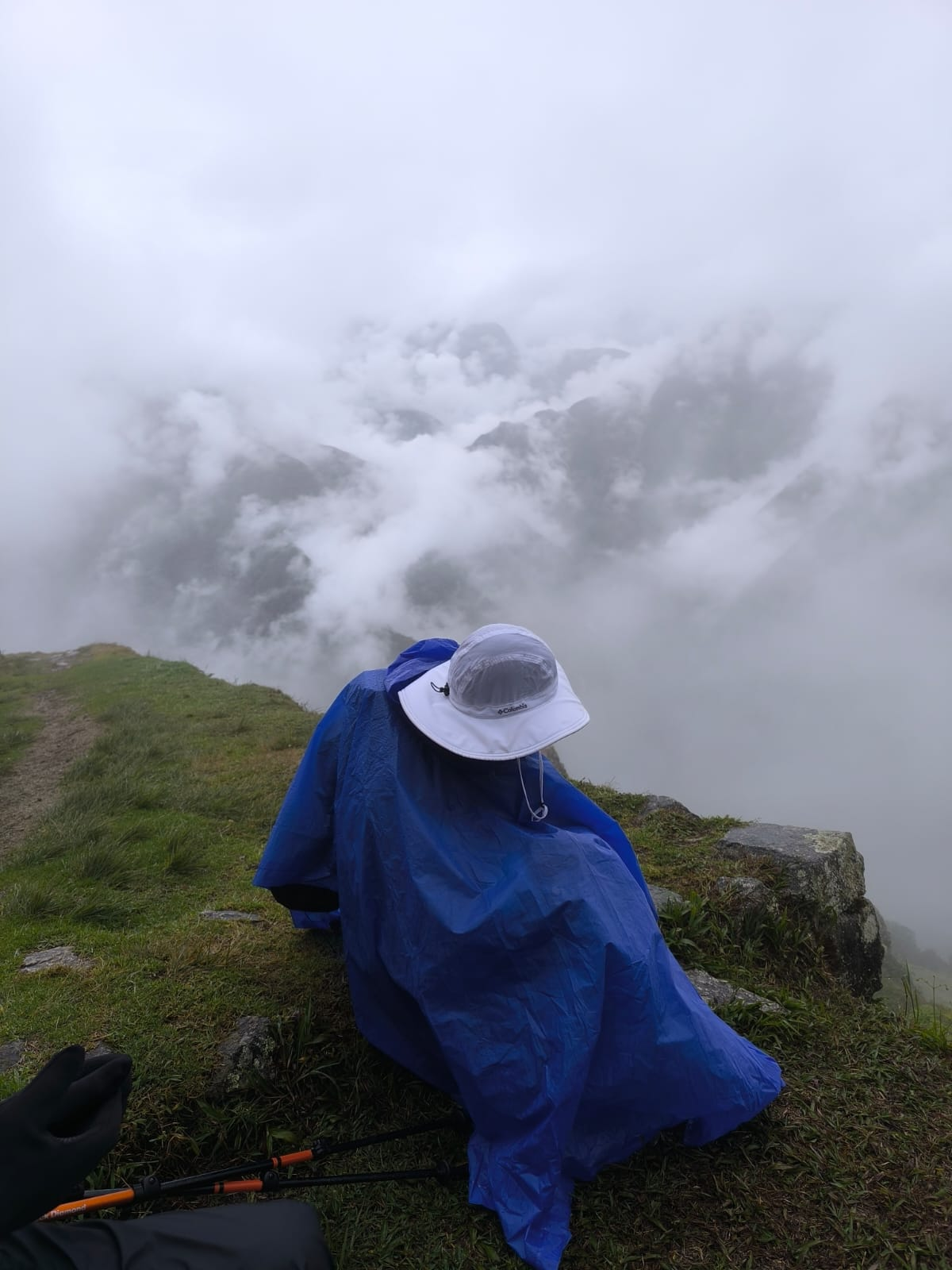
- Reduced visibility at some viewpoints due to cloud and mist
- Christmas and New Year’s week brings a real spike in trail, train, and hotel demand
- Less predictable weather day to day than the dry season
- Requires more careful gear choices (waterproofing, footwear) than a dry-season trek
December vs. Other Months on the Inca Trail
| Comparison | December | Dry Season (May–Sep) | Shoulder Season (Apr, Oct, Nov) |
|---|---|---|---|
| Rain | Frequent, mostly afternoon/evening | Rare | Occasional |
| Crowds | Low (except Dec 24–Jan 1) | High to very high | Moderate |
| Permit availability | Generally good, tighter around holidays | Sells out months ahead | Good |
| Scenery | Lush and green | Dry, dusty in places | Transitioning green |
| Nighttime cold | Milder | Coldest of the year | Moderate |
Travelers who want the most reliable weather and don’t mind crowds and early booking should target June–August. Those who want a genuine middle ground — decent weather, smaller crowds, easier permits — often do better in April, late September, or October. December suits travelers prioritizing quieter trails and lower prices who are comfortable planning around rain, or those whose travel dates are fixed around the holidays regardless of season.
What to Pack for the Inca Trail in December
December packing is built around one idea: layer for temperature swings, waterproof for rain.
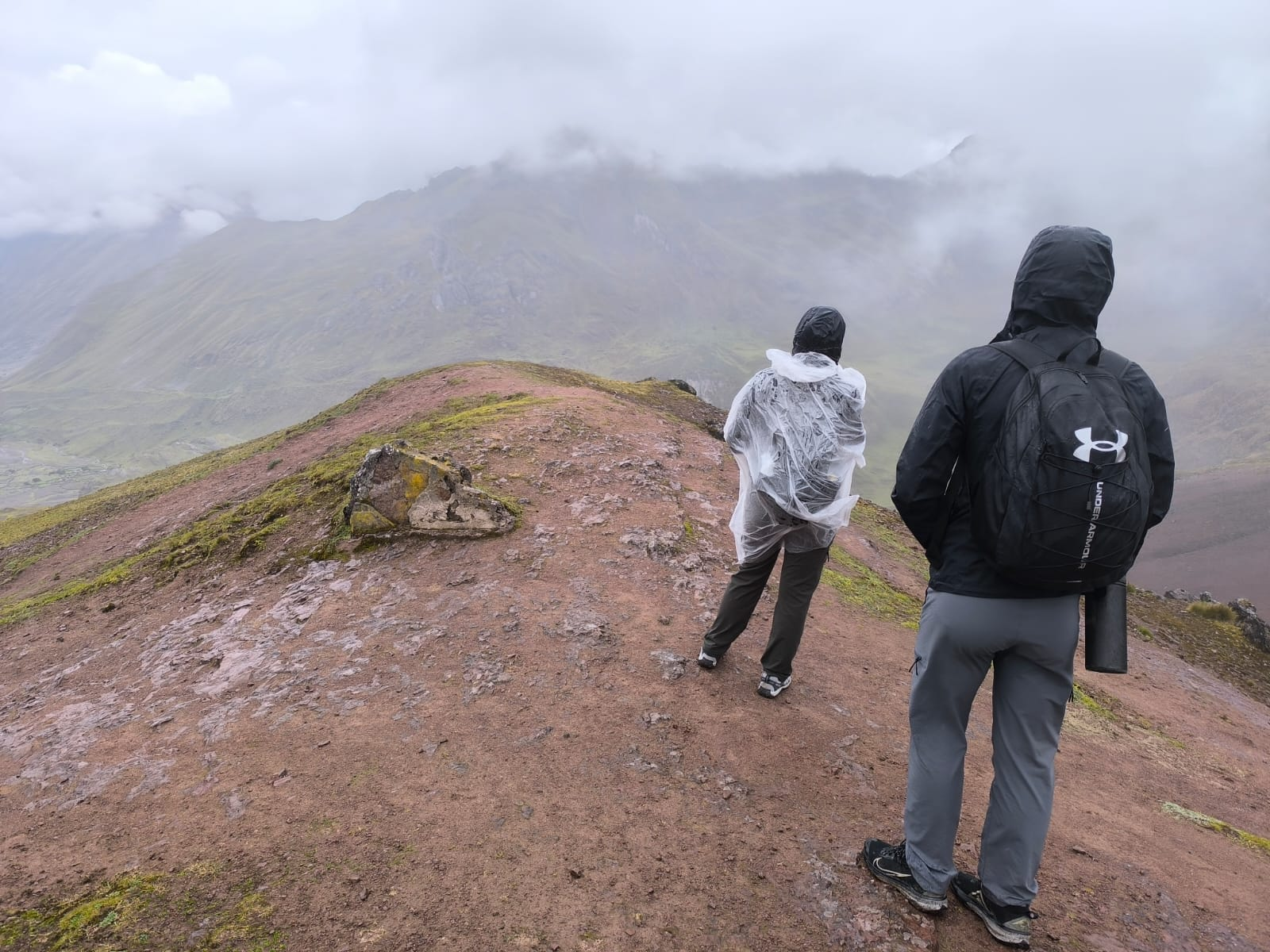
- Rain protection: A quality rain jacket, waterproof pants or a poncho, and a rain cover for your daypack are essential, not optional, this month.
- Footwear: Broken-in, waterproof or water-resistant hiking boots with good tread — stone steps get slick when wet.
- Layers: A moisture-wicking base layer, a fleece or light insulating mid-layer, and a warm layer for camp and Dead Woman’s Pass mornings.
- Sleeping bag: Rated for at least -15°C, since nights near the pass still get cold even in the wet season.
- Trekking poles: Genuinely useful in December for stability on muddy or slippery descents.
- Dry bags or bag liners: To keep spare clothing and electronics dry inside your duffel.
- Sun protection: Still needed — December mornings are frequently sunny at altitude, and UV exposure is strong even under cloud.
- Insect repellent: For the cloud-forest sections on Day 3.
For a complete, itemized breakdown of everything to bring across all four days, see our full Inca Trail packing list.
How to Prepare and Book Your December Trek
- Book early enough to secure your preferred dates, particularly if your trip falls in the Christmas–New Year window — that week behaves more like peak season for permits, trains, and hotels than the rest of December.
- Plan at least 2 days in Cusco before your trek to acclimatize to the altitude (Cusco sits at roughly 3,400 m / 11,150 ft), regardless of season.
- Choose a tour operator with quality waterproof tents and gear — this matters more in December than in the dry season, where a poorly equipped operator can turn a rainy night into a genuinely uncomfortable one.
- Build in flexibility where you can — Andean weather, especially in the wet season, can occasionally affect trail timing or visibility at viewpoints.
- Check current permit availability for your target dates before finalizing flights, since permits are allocated per day and are non-transferable once booked.
Who Should (and Shouldn’t) Hike the Inca Trail in December
December tends to suit:
- Travelers who prioritize a quieter trail experience over guaranteed sunshine
- Photographers who enjoy dramatic, atmospheric mountain light and mist
- Budget-conscious trekkers looking for lower prices outside the holiday week
- Travelers whose trip dates are fixed around a December vacation window
December may be less suitable for:
- Hikers who want the most predictable, driest possible conditions
- Anyone particularly averse to hiking in rain or on wet, slippery stone steps
- Trekkers set on the absolute best mountain visibility at every viewpoint
If reliable dry weather is your top priority, our Inca Trail in January guide and our broader Inca Trail weather resource can help you compare other months side by side.
Frequently Asked Questions
Yes. The trail is open every month except February, when it closes entirely for government-mandated maintenance and conservation work.
No. Rain is frequent but typically arrives in afternoon or evening showers rather than lasting all day; mornings are often clear, especially earlier in the month.
Not for most of the month. The first three weeks of December are generally quiet compared to the dry season. The final week (December 24–January 1) sees a noticeable increase due to Christmas and New Year’s travel.
Outside the Christmas–New Year week, several months ahead is generally sufficient, though earlier booking is always safer given the daily permit cap. For departures between December 24 and January 1, book with the same lead time you’d use for peak season.
Overnight lows typically range from around 0–8°C (32–46°F), coldest at the high campsite near Dead Woman’s Pass. A sleeping bag rated to at least -15°C is recommended.
Sections can get muddy and slippery, particularly the stone stairs in the cloud forest on Day 3, but the trail is not considered unsafe with proper footwear, trekking poles, and a reasonable pace. Licensed guides monitor conditions and adjust as needed.
Santuranticuy is a large traditional artisan market held in Cusco’s main square every December 24. It doesn’t affect the trail itself, but it does mean increased activity, traffic, and demand for hotels in Cusco around that date — worth factoring in if your trek starts or ends near Christmas.
Yes, with the same preparation recommended for any month — cardio training beforehand and 2+ days of acclimatization in Cusco — plus extra attention to footing on wet trail sections.
The two months are similar climatically, both sitting in the wet season. December tends to have a slight edge in the first three weeks before rainfall typically intensifies further into January, though year-to-year variation is real.
Planning Your December Trek
December on the Inca Trail rewards travelers who come prepared for rain and pack accordingly — in exchange, you get a quieter trail, greener scenery, and generally easier permit availability outside the holiday rush. If you’re ready to check dates, explore the Classic Inca Trail 4 Days itinerary and current availability, or get in touch with our Cusco-based team to talk through what December looks like for your specific travel dates.