
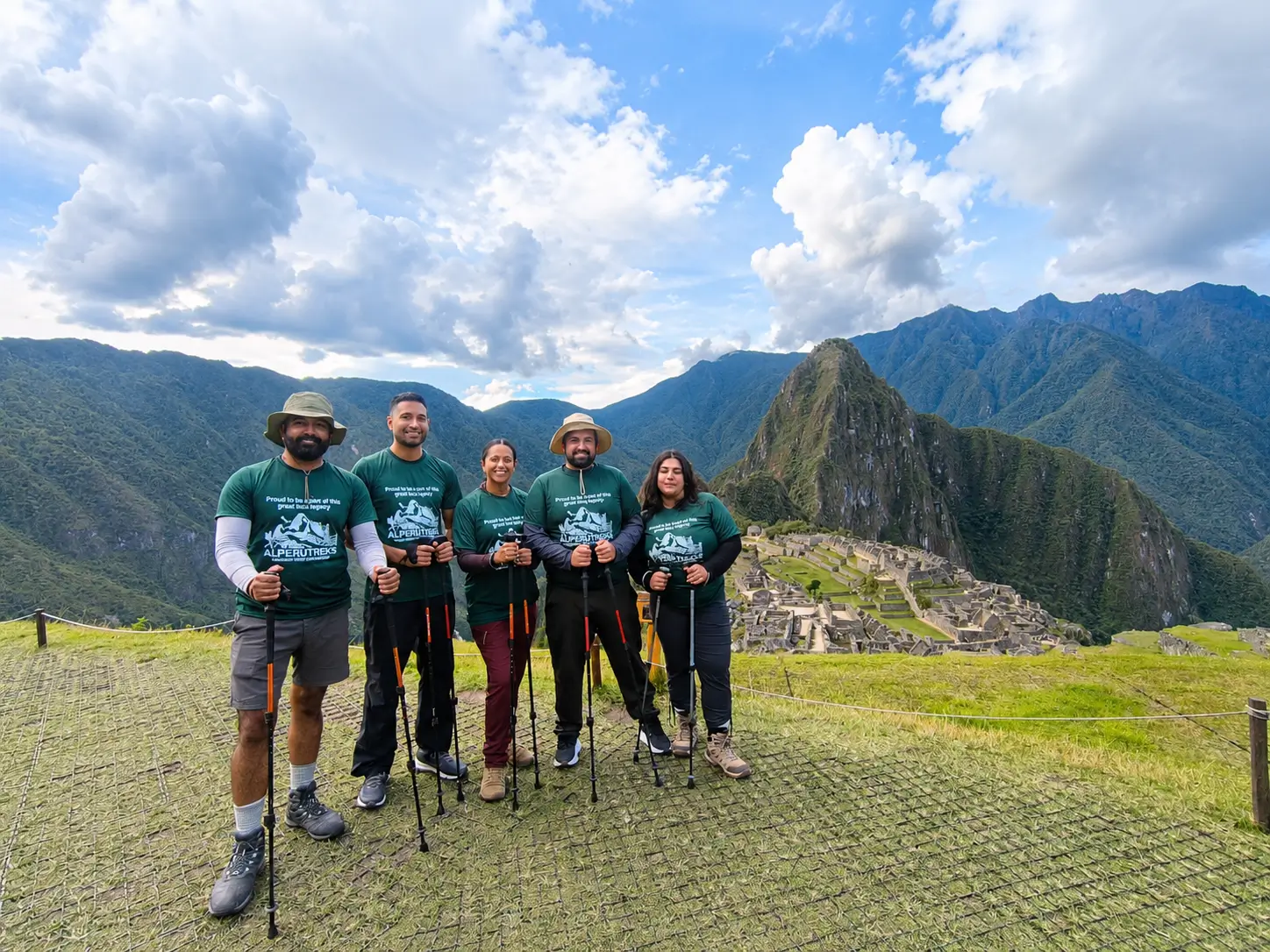
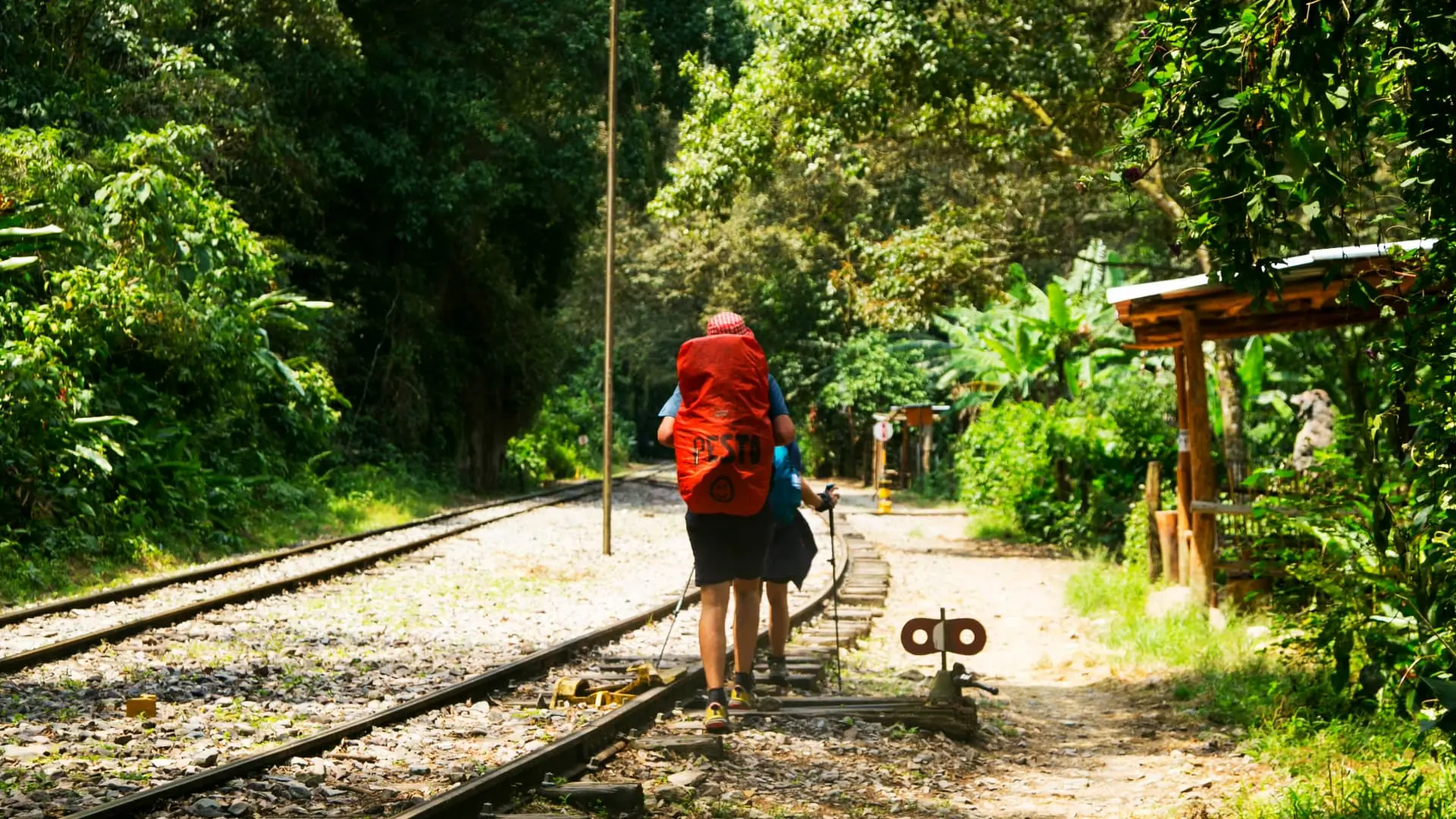
Yes, June is one of the best months to hike the Inca Trail for weather — it sits in the heart of the dry season, with some of the clearest skies, driest trails, and most reliable mountain views of the entire year. Hiking the Inca Trail in June means near-zero rain risk, in exchange for genuinely cold nights and the highest permit demand of the season so far, driven partly by Cusco’s biggest cultural event of the year, Inti Raymi, landing on June 24th.
This guide covers what that combination actually means for your trip: real temperature ranges rather than vague warnings, how far ahead you truly need to book, and how Inti Raymi affects demand even though it happens in Cusco rather than on the trail. As with every month in this series, the details here are grounded in Peru’s official trail regulations and cross-checked seasonal data, from a Cusco-based trekking team that runs this route every month it’s open.
Is June a Good Month to Hike the Inca Trail?
Yes, unambiguously, from a weather standpoint. June sits in the middle of the dry season (May through September) and is widely regarded as one of the two or three best months of the year for trail conditions, visibility, and overall trekking comfort. Rain is a non-issue for practical planning purposes, though it’s never truly zero at this altitude.
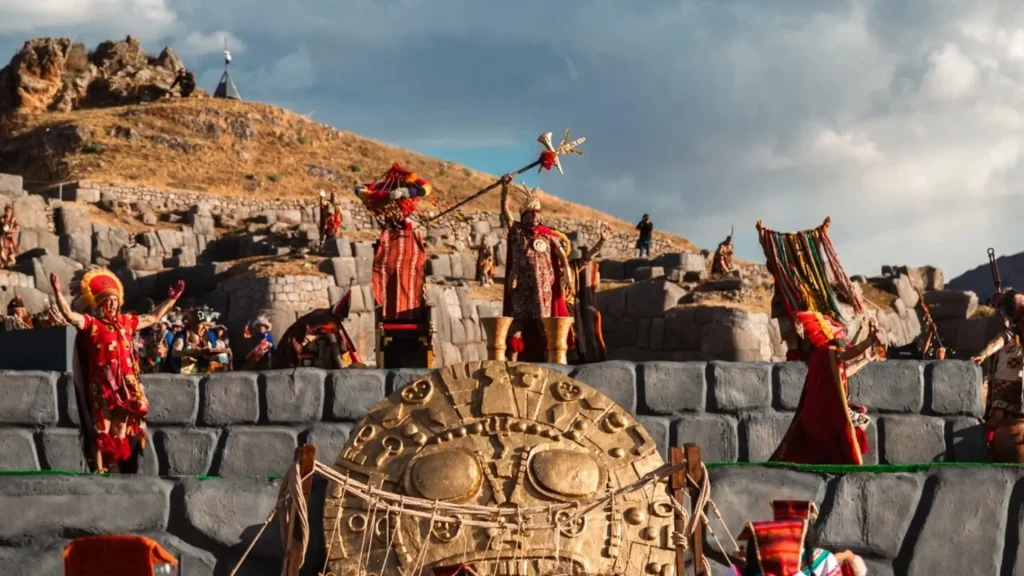
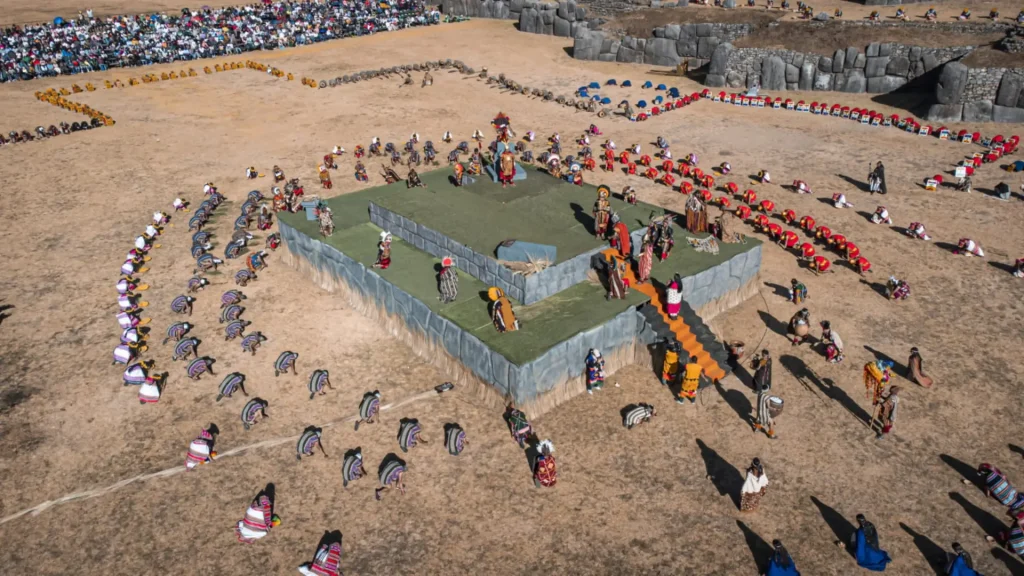
The catch isn’t weather — it’s demand. June is peak season for permits, and it’s also when Cusco hosts Inti Raymi, its largest annual festival, which pulls additional travelers into the region during the same window. The trail itself runs its normal schedule all month, with no closures.

Inca Trail Weather in June
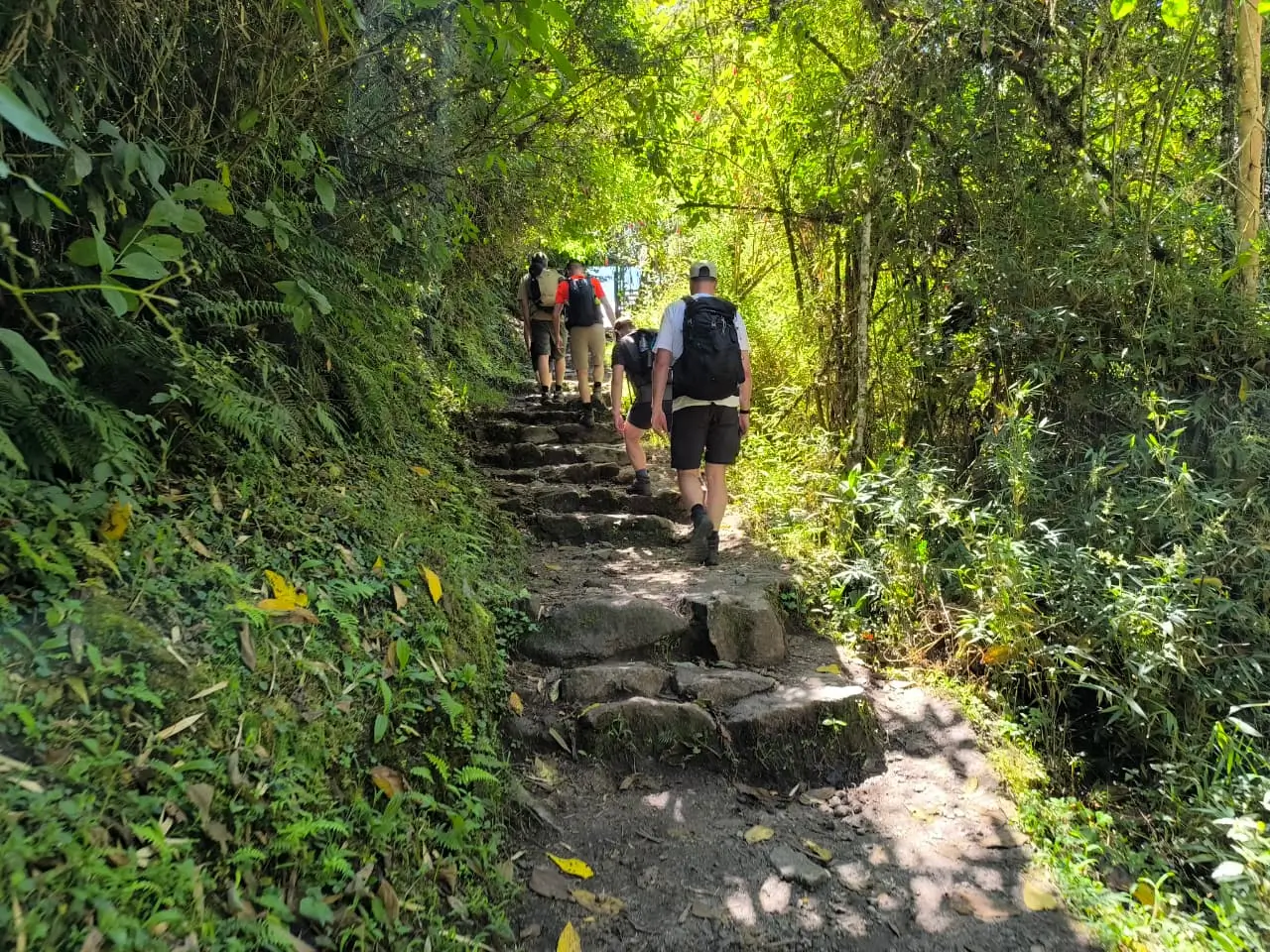
June is deep dry season, and the defining feature is contrast: warm, sunny days against genuinely cold nights.
Daytime and Nighttime Temperatures
Daytime temperatures on the trail generally run in the low-to-upper 60s Fahrenheit (roughly 17–22°C), comfortable for hiking, especially in direct sun. Nights are a different matter entirely: temperatures commonly drop to somewhere between freezing and the upper 30s Fahrenheit (about 0–3°C), and campsites can dip to freezing on the coldest nights, particularly at higher elevations. This is the trade-off for June’s famously reliable daytime weather — clear skies mean heat radiates away quickly once the sun goes down.
Rain: Is There Any in June?
Realistically, very little. June is one of the driest months of the year on the trail, with total monthly rainfall typically staying well under an inch. That said, “almost none” isn’t “none” — a brief, unexpected mountain shower is still possible even on an otherwise clear day, so it’s worth packing a light rain layer even though you’re unlikely to need it for more than a few minutes.
Machu Picchu’s Weather in June
Machu Picchu itself, at its lower and more subtropical elevation, runs noticeably milder than the high trail: daytime temperatures commonly sit in the high 60s to low 70s Fahrenheit, with nights well above freezing, generally in the mid-40s Fahrenheit. Humidity is low and skies are typically clear, making June one of the best months for photography at the citadel.
Trail Conditions in June
Trail conditions in June are about as good as they get: dry, firm footing across the entire route, minimal risk of the mud or landslide-related disruption that can affect the wet-season months, and river crossings at their most straightforward. Visibility on exposed high sections, including Dead Woman’s Pass, is consistently excellent, and clear mountain and valley views are the rule rather than the exception.
The trade-off for all that clarity is the cold, especially overnight and in the early morning before the sun clears the ridgelines. Layering matters more in June than almost any other month, since the temperature swing between a sunny midday and a pre-dawn start can be dramatic.
How Crowded Is the Inca Trail in June?
June is genuinely one of the busiest months of the year. The trail operates at or near its full daily capacity of 500 permits (split between trekkers and support staff) for most of the month, and both the trail and Machu Picchu see significantly more visitors than any month from November through May. Campsites fill up, and popular viewpoints can feel busy at peak hours, particularly mid-morning.
Starting your trek early and pacing key viewpoints around the busiest windows helps, but it’s worth setting expectations accordingly: June is not a quiet-trail month, even though the weather makes it one of the most rewarding.
Inca Trail Permits in June (and Inti Raymi’s Effect on Demand)
Every hiker needs a permit, sold only through licensed operators, capped at 500 people a day, non-transferable, and tied to your passport number — the same system that applies in every month the trail is open.
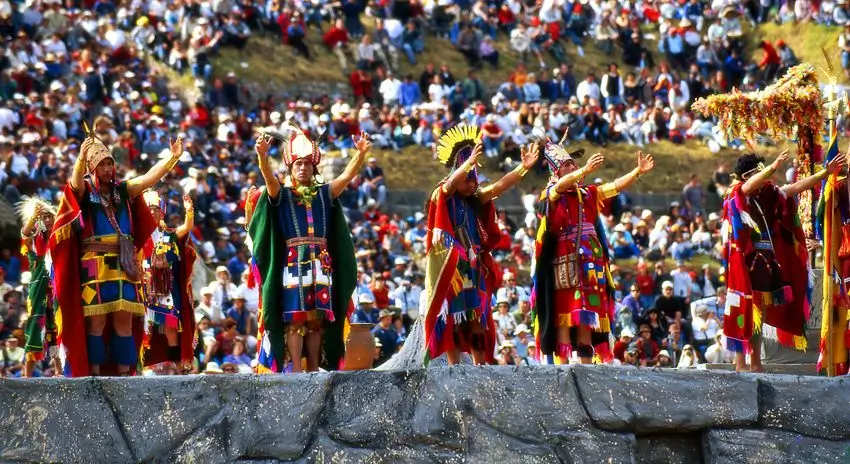
June sits firmly within the high season, and as a general guide, 6 to 8 months ahead is a reasonable booking target — with some sources suggesting even earlier for the most in-demand dates. One factor specific to June is worth understanding clearly: Inti Raymi, the Festival of the Sun, takes place in Cusco on June 24th every year. It doesn’t happen on the trail or at Machu Picchu itself, but it draws a large number of additional travelers into the region during the same window, which pushes hotel, tour, and permit demand even higher around that date. If your trip falls near June 24th, book earlier than you would for a typical June date. You can check real-time Inca Trail permit availability directly to confirm what’s open.
It’s also worth confirming with your operator what Machu Picchu access your permit includes, since current Inca Trail permits are bundled with a specific citadel circuit rather than unrestricted access. Our guide to the Machu Picchu circuits breaks this down.
Pros and Cons of Hiking the Inca Trail in June
Pros
- Some of the driest, most reliable weather of the entire year
- Excellent trail conditions: firm, dry footing and easy river crossings throughout
- Consistently clear mountain and valley views, ideal for photography
- The chance to combine your trek with Inti Raymi, one of South America’s most significant cultural festivals
- Low humidity and generally comfortable daytime hiking temperatures
Cons
- Genuinely cold nights, with camp temperatures often at or near freezing
- One of the most crowded months on the trail and at Machu Picchu
- Permit demand is extremely high; last-minute booking is essentially not an option
- Dates near Inti Raymi (June 24) see even higher demand for hotels and tours across Cusco
- Higher pricing than shoulder or wet-season months across accommodation and tours
June Compared to the Rest of the Year
June sits in the heart of the dry season (May through September), and it’s frequently grouped with May and September as offering the best overall balance of weather and manageable crowds — though June itself tends to be busier than either, closer to the true peak of July and August. Compared to the wet-season months (November through March), June trades green, dramatic scenery and easier bookings for dry trails and dependable mountain views.
Compared to May, June is typically colder at night and busier, in part due to Inti Raymi. Compared to July and August, June is broadly similar in weather but usually just slightly less crowded, making it a reasonable middle ground for travelers who want dry-season reliability without quite the peak of the following two months. For a full month-by-month comparison across the entire year, see our complete Inca Trail weather guide.
Who Should Hike in June (and Who Might Prefer a Different Month)
June suits travelers who want the most dependable weather of the year and are willing to book far in advance and accept a busier trail in exchange. It’s also a strong pick for anyone building a trip around Inti Raymi, since combining the festival with a trek makes efficient use of a single trip to the region.
Travelers who’d rather avoid both the cold nights and the crowds might prefer April, May, or September, all of which offer much of June’s weather reliability with somewhat easier booking and milder nights. As always, the trek’s physical demands — the climb to Dead Woman’s Pass, the altitude throughout — stay constant regardless of season. Our guide to altitude sickness in Cusco covers what to expect.
What to Pack for the Inca Trail in June
Packing for the Inca Trail in June means preparing seriously for cold nights, even though daytime conditions are comfortable:
- A sleeping bag rated for near-freezing temperatures, or confirmation from your operator about what’s provided
- A warm insulated jacket, hat, and gloves for camp mornings and evenings
- Moisture-wicking base layers plus a warm mid-layer for the daytime temperature swing between sunny stretches and shaded sections
- Sun protection — sunscreen, a hat, and sunglasses — since clear skies mean strong, consistent UV exposure
- A light rain layer, still worth carrying despite the low overall chance of rain
- Broken-in, comfortable hiking boots suited to dry, firm trail conditions
This covers what to prioritize specifically for June. For the complete gear breakdown, see the full Inca Trail packing list.
Acclimatization and Booking Strategy
Altitude preparation doesn’t ease up because the weather is good. Arriving in Cusco at least two to three days before your trek to acclimatize matters as much in June as any other month, and it directly affects how you’ll feel on the climb to Dead Woman’s Pass. Our guide to altitude sickness in Cusco walks through what to expect.
On booking: 6 to 8 months ahead is a sensible general target for June, and worth pushing earlier if your dates fall close to Inti Raymi on June 24th. Travel insurance that explicitly covers high-altitude trekking is worth confirming regardless of when you go.
Choosing an Inca Trail Tour Operator for June
Because June is one of the highest-demand months of the year, working with an operator that can confirm availability quickly and clearly — and who understands how Inti Raymi affects regional logistics beyond just the trail — is genuinely useful. Before booking, confirm your operator is officially licensed and authorized to sell Inca Trail permits, since only accredited agencies can legally do so.
Ali Peru Treks runs both the Classic Inca Trail 4 Days and the Short Inca Trail throughout June. Given how far ahead peak-season dates typically need to be booked, it’s worth checking availability as soon as your travel dates are firm, especially around Inti Raymi.
Frequently Asked Questions About the Inca Trail in June
Yes, especially for weather — June offers some of the driest, clearest conditions of the year. The trade-offs are cold nights and high demand for permits and accommodations.
Daytime temperatures generally run around 63–72°F (17–22°C), while nights can drop to freezing or just above, roughly 32–37°F (0–3°C), especially at higher campsites.
Rarely. June is one of the driest months of the year, though a brief, unexpected mountain shower is still possible even on an otherwise clear day.
As a general guide, 6 to 8 months ahead is a reasonable target, and earlier is safer if your dates fall near Inti Raymi on June 24th, when regional demand climbs even higher.
Inti Raymi is Cusco’s Festival of the Sun, held annually on June 24th. It takes place in Cusco itself, not on the trail or at Machu Picchu, but it significantly increases regional demand for hotels, tours, and permits around that date.
Yes. June is one of the busiest months of the year, with the trail typically running near its full daily permit capacity and Machu Picchu seeing high visitor numbers as well.
Prioritize cold-weather gear — a warm sleeping bag, insulated layers, hat, and gloves — for near-freezing nights, along with sun protection for the strong daytime sun and a light rain layer just in case.
Weather is broadly similar across all three months. June tends to be just slightly less crowded than the true peak of July and August, making it a reasonable middle-ground choice within the busiest stretch of the year.
Final Thoughts: Should You Hike the Inca Trail in June?
June delivers some of the most dependable weather of the year on the Inca Trail — dry trails, clear skies, and reliable mountain views — at the cost of cold nights and real competition for permits, especially around Inti Raymi. If you can book early and pack properly for the cold, June is an excellent choice, and pairing your trek with Cusco’s biggest festival makes it an especially efficient use of one trip.
If you’re ready to look at dates, you can check current availability for the Classic Inca Trail 4 Days and start planning around them.