
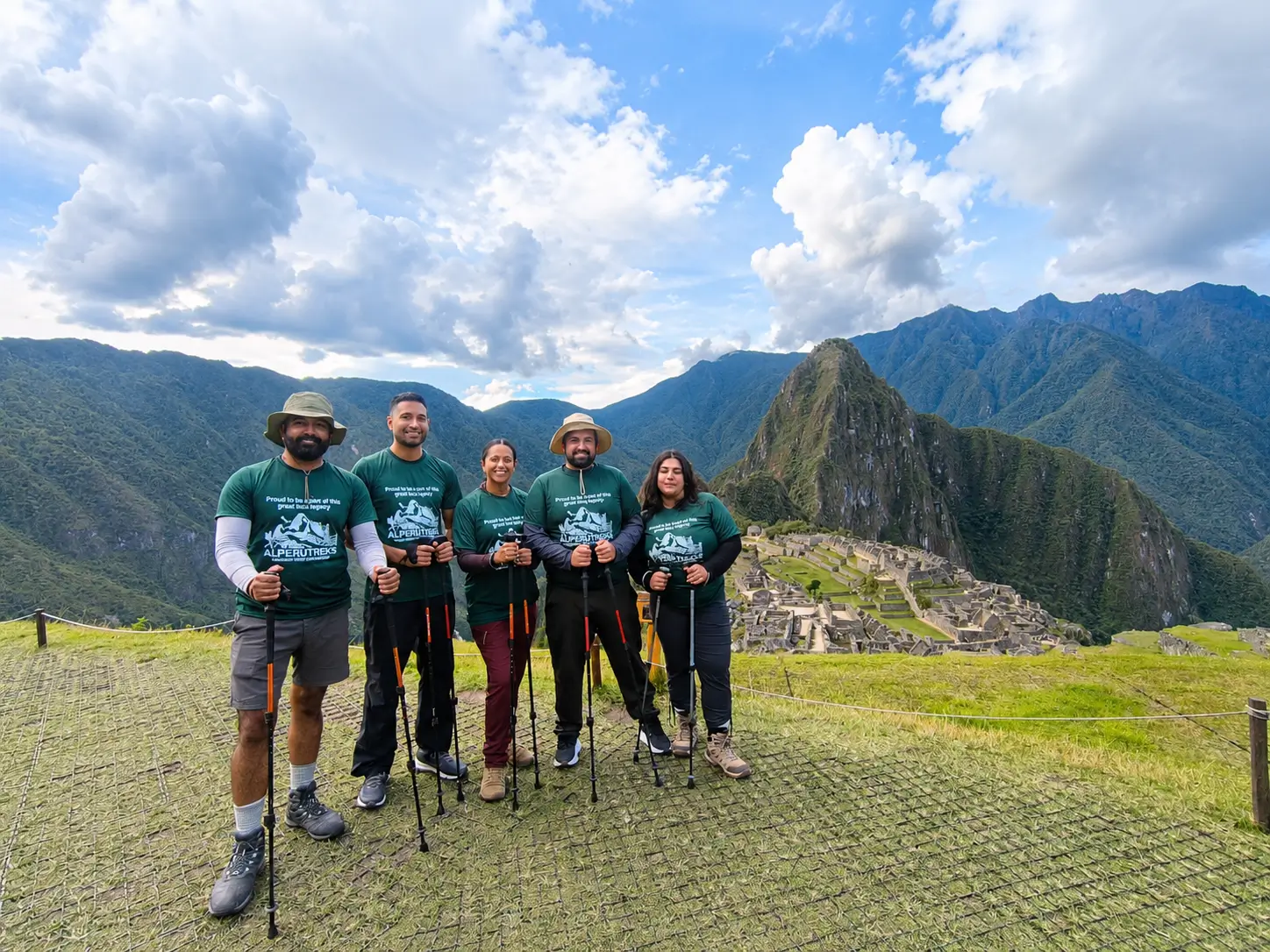
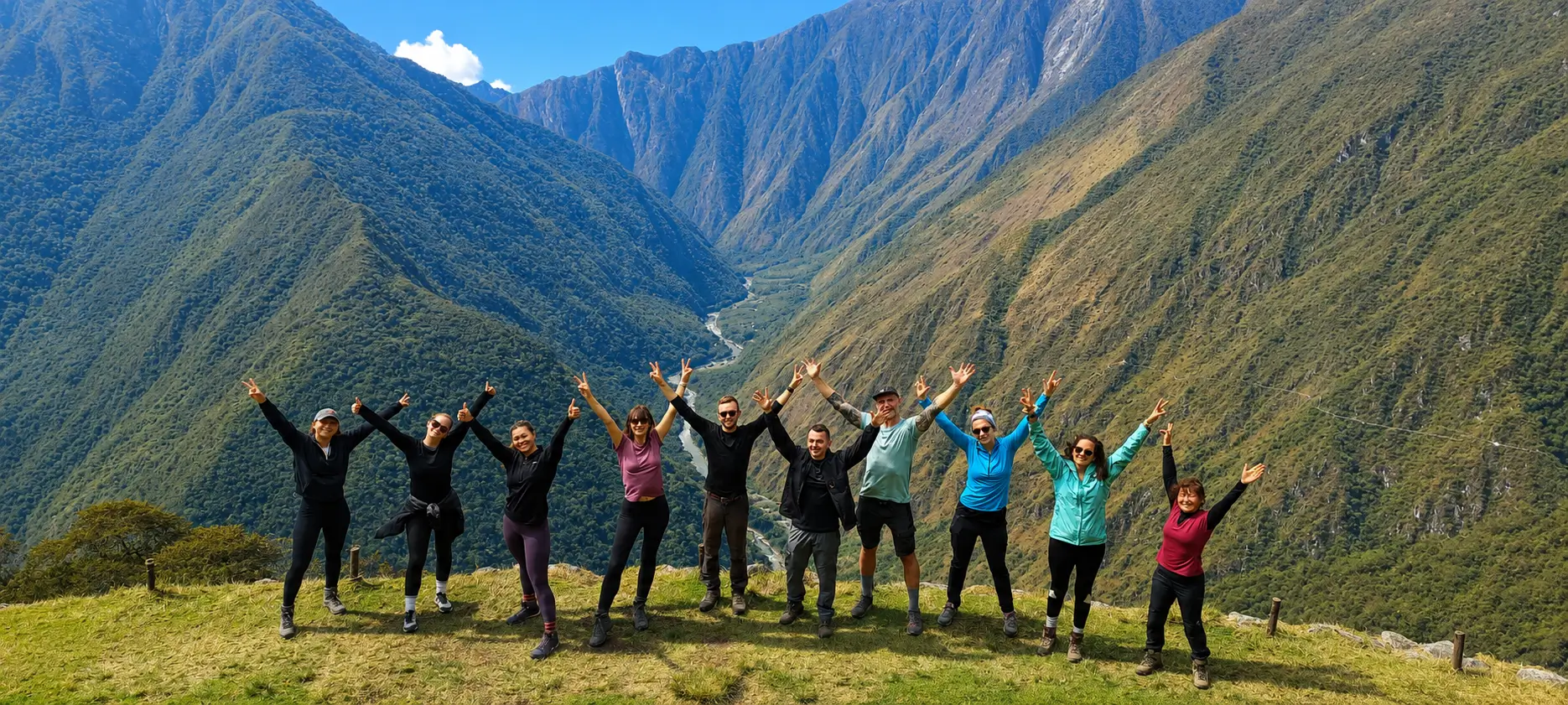
Yes, the Inca Trail is open in March — and this is the month it reopens. After a full month of closure in February for trail maintenance, both the Classic 4-day Inca Trail and the Short 2-day Inca Trail come back online on March 1, which makes hiking the Inca Trail in March a genuinely different experience from the rest of the rainy season. You get a freshly repaired trail, thinning crowds, and noticeably easier permits, in exchange for weather that’s still finishing its transition out of the wet season.
This guide breaks that trade-off down in detail: how weather and trail conditions shift between the beginning and end of the month, what permits and booking timelines look like right after a closure, and how March stacks up against the rest of the year. As with every month this trail is open, the details here come from Peru’s official trail regulations and cross-checked seasonal data — not guesswork — from a Cusco-based trekking team that runs this route through every month it’s open.
Is the Inca Trail Open in March?
Yes, and March is specifically the reopening month. Peru’s Ministry of Culture and SERNANP close the entire trail network every February for maintenance, and reopen it on March 1 — the only fixed closure of the year. In practice, that reopening date has been consistent, but since it follows a full month of trail work, it’s worth a quick confirmation with your operator if your dates fall right at the start of the month, just in case maintenance runs a day or two long in a given year.
Once reopened, March runs as a normal month with no further scheduled closures. The same rare, weather-driven exceptions that can affect any rainy-season month still apply — short, localized sections occasionally closing after serious storms — but there’s no additional March-specific shutdown to plan around.
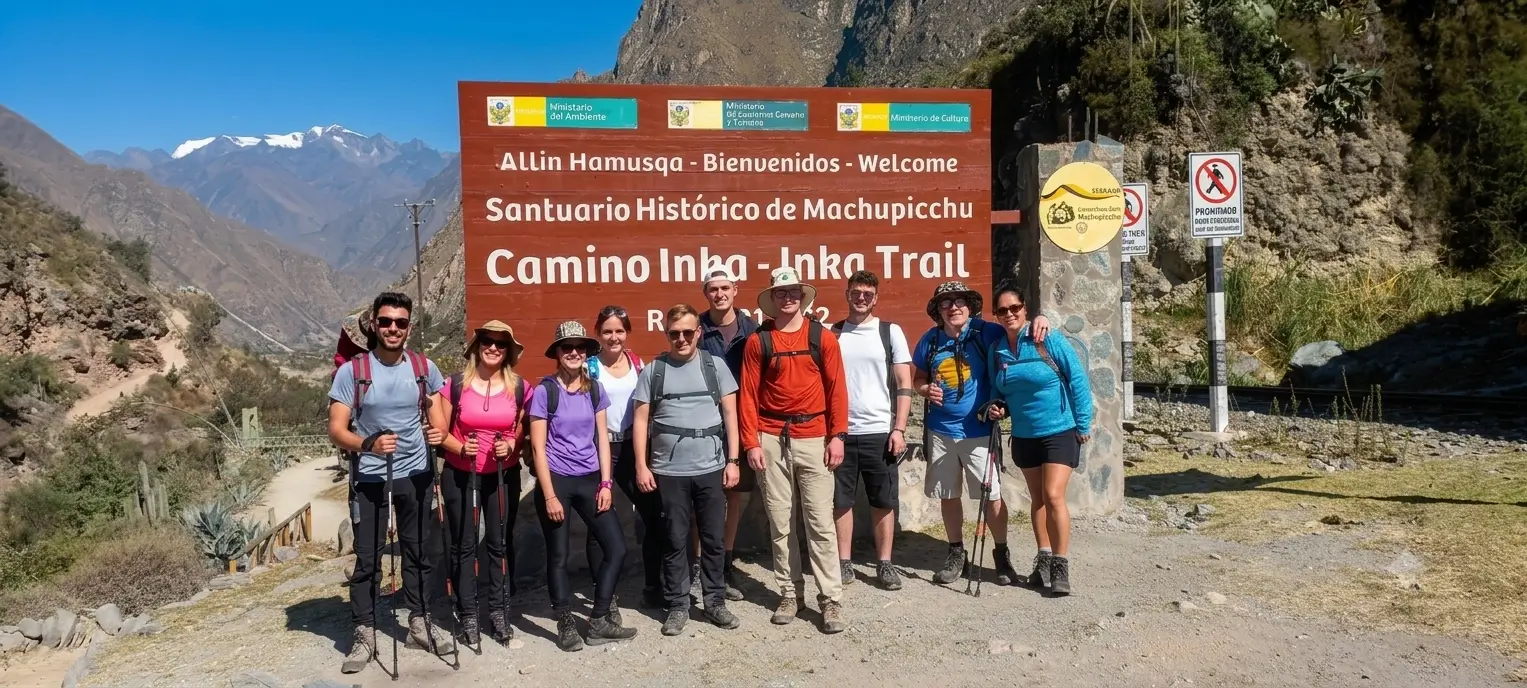
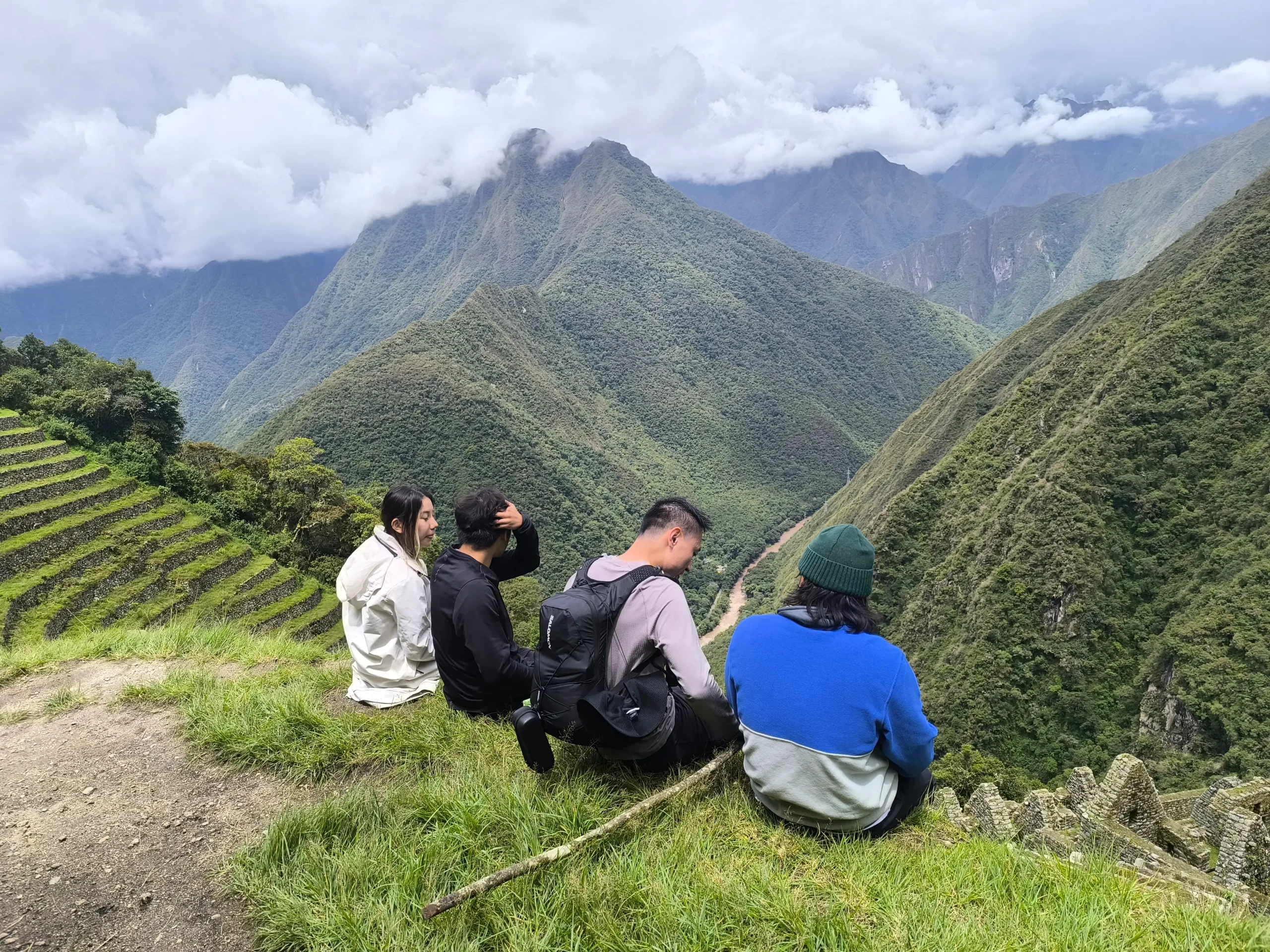
Inca Trail Weather in March
March sits at the tail end of Peru’s wet season (November through March), which means it carries real rain while also being the month where that rain visibly starts to let up.
Daytime and Nighttime Temperatures
On the trail, daytime temperatures in March generally run in the low-to-mid 60s Fahrenheit (roughly 16–19°C), with nights dropping to somewhere in the low-to-mid 40s Fahrenheit (about 5–7°C) — similar to January and February, though slightly milder by the back half of the month. As in every month on this route, the sun at altitude is strong enough to burn skin even on a cloudy day, so temperature swings between direct sun and passing cloud can feel more dramatic than the numbers suggest.
Rain: Early March vs. Late March
This is where March genuinely splits into two different experiences. Rain is still frequent in the first couple of weeks of the month, often in line with what you’d expect in January or February, particularly in the afternoons. From there, most seasonal data shows a fairly steady decline through the rest of the month, with the back half of March seeing noticeably fewer heavy-rain days and more stretches of stable weather.
| Early March (roughly days 1–15) | Late March (roughly days 16–31) | |
|---|---|---|
| Rain | Still frequent, can be heavy | Lighter and less consistent |
| Trail conditions | Muddiest, but freshest post-maintenance | Drier, firmer footing |
| Crowds | Quietest window of the month | Starting to build |
| Permit availability | Generally the most open | Tightening as dry season nears |
| Best suited for | Solitude, lowest-pressure booking | Slightly more predictable weather |
Treat this as a general pattern rather than a guarantee — year-to-year variation is real, and a late-March storm or an early-March dry spell can both happen.
Machu Picchu’s Weather in March
Machu Picchu itself, at a lower and more subtropical elevation than the high trail, tends to run a bit milder: daytime temperatures commonly fall somewhere in the 50s to low 70s Fahrenheit (roughly 11–23°C), with nights in the mid-40s to low 50s Fahrenheit (about 8–12°C). Morning mist over the citadel is common, especially early in the month, and typically clears within an hour or two after sunrise.
Trail Conditions: Freshly Maintained, Still a Little Wet
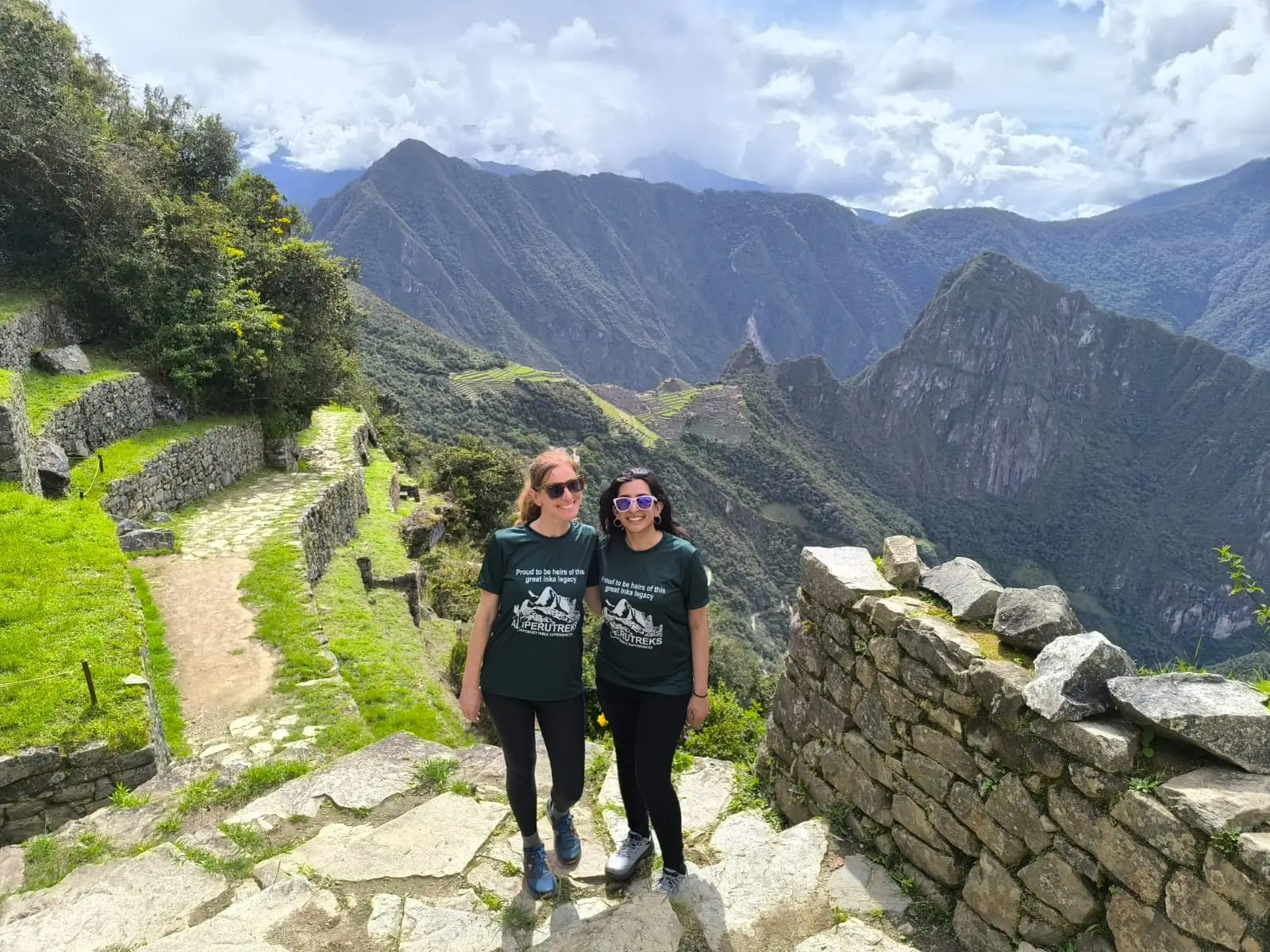
This is the part of March that most competitors undersell: the trail you hike in March is, physically, in the best shape it will be in all year. February’s closure exists specifically so maintenance crews can repair stone steps, reinforce and clean campsites, clear drainage channels, and fix trail damage from the worst of the rainy season — all without hikers on the route. March is the direct payoff of that work.
That doesn’t mean dry. Expect mud on dirt sections and slicker footing on stone steps, especially in the first couple of weeks and on shaded, forest-covered stretches — trekking poles and boots with real tread matter here as much as they do in January. Visibility on exposed high sections can still shift quickly as cloud moves through. As with any wet-season month, heavy storms can occasionally cause brief, localized landslide-related disruption, though this is the exception rather than the rule, and an operator that treks this route year-round will know how to plan around it.
How Crowded Is the Inca Trail in March?
The trail is always capped at 500 total permits a day — roughly 200 trekkers plus support staff — regardless of season, so “crowded” is relative even at the busiest time of year. March sits within the broader low-to-shoulder window, and because it’s the first month back after a full month of zero trail traffic, the opening weeks in particular tend to feel especially quiet.
That changes gradually as the month goes on. By late March, more travelers are booking in anticipation of the approaching dry season, and both trail groups and Machu Picchu itself start to feel busier than they did in the first two weeks. It’s still nowhere near the June-through-August peak, but the difference between March 3rd and March 28th is real enough to plan around if quiet trails are your priority.


Inca Trail Permits in March
Every hiker needs a permit, and permits are sold only through licensed tour operators — never independently or at the trailhead. As always, the 500-per-day cap includes both trekkers and support staff, permits are non-transferable, and they’re tied to the passport number used at booking.
As a general guide, booking 3 to 5 months ahead is usually enough for March, consistent with the wider low-to-shoulder season window. Within that, the early-vs-late split matters again: the first couple of weeks of March typically have the most open availability of any time the trail is open, while late-March dates can tighten up faster as travelers start locking in trips ahead of the dry season. If your dates are flexible, an early-March permit is usually the easiest booking of the entire year to secure. You can check real-time Inca Trail permit availability directly before settling on dates.
It’s also worth confirming with your operator what Machu Picchu entry your permit includes — current Inca Trail permits are bundled with a specific citadel circuit rather than unrestricted access to every route, and the details have shifted more than once in recent years. Our guide to the Machu Picchu circuits breaks down what each one covers.
Pros and Cons of Hiking the Inca Trail in March
Pros
- The best-maintained trail conditions of the year, fresh off February’s repair work
- Noticeably fewer trekkers than the June–August peak, especially in the first half of the month
- Permits are typically the easiest to secure of any month the trail is open
- Rain steadily easing as the month goes on, unlike the sustained wet stretch of December through February
- Lush, green scenery without the crowds of the dry season
Cons
- Still real rain and mud, particularly in the first couple of weeks
- Weather can shift quickly between sun and showers, especially early in the month
- Slightly less predictable than April or May if guaranteed dry conditions matter to you
- Crowds and permit demand both build as the month progresses, so late-March isn’t quite as quiet as early-March
- A very small chance of the March 1 reopening shifting by a day or two, worth confirming for the earliest post-closure dates
March Compared to the Rest of the Year
March closes out the wet season, which runs November through March, and sits opposite the dry season that typically spans May through September, with April and October acting as shoulder months. Compared to the dry season, March trades guaranteed clear skies and firm footing for a quieter trail, fresher infrastructure, and considerably better permit odds.
Compared to the rest of the wet season, March is the clear standout: it lacks the sustained, heavy rain of December through February, and it hands hikers a trail in its best physical condition of the year. Compared to April, the next month up, March generally still has more rain and slightly better availability — April tends to be drier but also busier and pricier as the true shoulder season kicks in. For a full month-by-month look at how every month compares, see our complete Inca Trail weather guide.
Who Should Hike in March (and Who Might Prefer a Different Month)
March tends to suit travelers who want a genuine balance: real cost and crowd advantages without hiking in the heart of the rainy season. It’s a strong pick for photographers who like green, dramatic landscapes; budget-conscious travelers taking advantage of easier permits; and anyone who’d rather book a trip a couple of months out than plan a year in advance, which dry-season dates increasingly require.
Travelers who want the highest possible odds of dry, clear conditions — particularly for a first big trek — are often better served by April through September. The physical demands of the trek itself, including the climb to Dead Woman’s Pass and the altitude throughout, don’t change with the season; only the weather does. Our guide to altitude sickness in Cusco covers what stays constant no matter when you go.
What to Pack for the Inca Trail in March
Packing for the Inca Trail in March starts from the same base list as any season, with a continued emphasis on rain readiness, especially if your dates fall early in the month:
- A genuinely waterproof jacket and rain pants, or a heavy-duty poncho that covers your daypack
- Broken-in, waterproof hiking boots with solid tread for slick stone steps
- Trekking poles, especially useful on muddy descents in the first half of the month
- Moisture-wicking base layers plus a warm layer for cool camp nights — skip cotton
- Dry bags or waterproof stuff sacks for electronics and a spare set of clothes
- Sun protection — sunscreen, a hat, and sunglasses — since UV exposure stays strong even under cloud
- An extra pair of socks, since dry feet make a bigger difference to trek enjoyment than almost anything else
This covers what to prioritize specifically for March. For the complete gear breakdown, see the full Inca Trail packing list.
Acclimatization and Booking Strategy
Altitude doesn’t ease up just because the trail does. Arriving in Cusco at least two to three days before your trek to acclimatize matters as much in March as in any other month, and it’s one of the biggest factors in how you’ll feel on the climb to Dead Woman’s Pass. Our guide to altitude sickness in Cusco walks through what to expect.
On booking: aim for 3 to 5 months ahead as a general rule, and lean toward the earlier end of that range for late-March dates specifically, since demand builds through the month as the dry season approaches. Travel insurance that explicitly covers high-altitude trekking is worth confirming regardless of when you go.
Choosing an Inca Trail Tour Operator for March
Because March starts right after a full month of trail closure, it rewards an operator that treks this route year-round and knows the route’s post-maintenance quirks — rather than one that only ramps up for the June-to-August rush. Before booking, confirm your operator is officially licensed and authorized to sell Inca Trail permits, since only accredited agencies can legally do so.
Ali Peru Treks runs both the Classic Inca Trail 4 Days and the Short Inca Trail year-round, including right through the March reopening. If your preferred dates are tight or you’d rather skip the wet-season camping altogether, it’s worth discussing both options directly with your operator when you check availability.
Frequently Asked Questions About the Inca Trail in March
Yes. Both the Classic and Short Inca Trail reopen on March 1 after the annual February closure and run normally for the rest of the month.
It’s been consistently reliable in practice, but because it follows a full month of maintenance work, it’s worth a quick confirmation with your operator if your trip falls in the first few days of March.
Still a fair amount, especially in the first couple of weeks, but rainfall generally eases as the month progresses, with the back half of March noticeably drier and more stable than January or February.
Daytime temperatures generally run around 61–66°F (16–19°C), dropping to roughly 41–45°F (5–7°C) at night. Machu Picchu itself, at a lower elevation, tends to run several degrees milder.
Yes, for most first-timers it’s one of the better low-pressure options — a freshly maintained trail and easier permits, with a reasonable (if not guaranteed) chance of good weather, especially later in the month.
As a general guide, 3 to 5 months ahead is usually enough, and early-March dates are typically the easiest permits to secure all year. Late-March dates are worth booking on the earlier side of that window as demand builds toward the dry season.
It’s quieter than the June–August peak, particularly in the first half of the month, with numbers gradually picking up by late March as more travelers plan around the approaching dry season.
Prioritize real waterproof outerwear, trekking poles, and dry bags, especially for early-March dates. Everything else — layers, sun protection, sturdy boots — matters year-round.
It depends on your priorities. Early March is wetter but quieter, with the most available permits. Late March trades a bit of that solitude for meaningfully drier, more stable conditions.
Final Thoughts: Should You Hike the Inca Trail in March?
March asks for a bit of rain tolerance, especially in the first couple of weeks, and pays it back with the best-maintained trail of the year, some of the easiest permits you’ll find, and noticeably thinner crowds than the months that follow. If you can be flexible about exactly where in the month you go — earlier for solitude, later for drier footing — hiking the Inca Trail in March is a genuinely smart, underrated choice.
If you’re ready to look at dates, you can check current availability for the Classic Inca Trail 4 Days and start planning around them.