
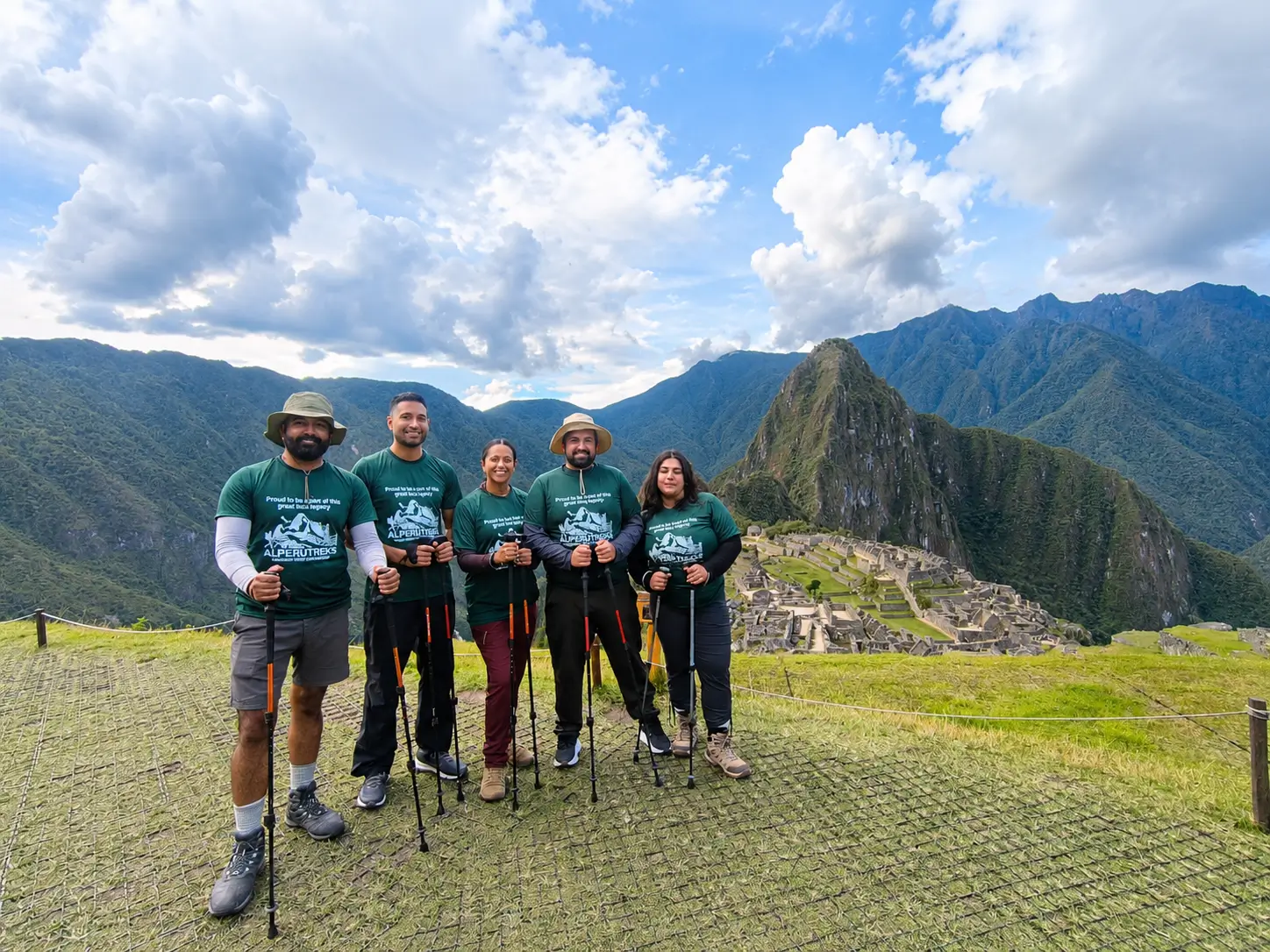
Yes, May is genuinely one of the best months to hike the Inca Trail — it’s the first full month of the dry season, which means dry trails, largely clear skies, and landscapes still green from the rains that ended just weeks earlier. Hiking the Inca Trail in May means trading almost all of the rain risk of the earlier months for cold nights and a real need to book early, since May also marks the start of the year’s highest permit demand.
This guide covers what that actually looks like in practice: how weather and conditions shift between early and late May, how far ahead you really need to book, and how May stacks up against June and the rest of the dry season. As with every month in this series, the details here are grounded in Peru’s official trail regulations and cross-checked seasonal data, from a Cusco-based trekking team that runs this route every month it’s open.
Is May a Good Month to Hike the Inca Trail?
Yes — May is widely regarded as one of the two or three best months of the year to hike, alongside June and September. It’s the first month of the dry season (May through September), meaning rainfall drops off sharply compared to the wet-season months, trail conditions firm up, and mountain views become far more reliable.
The trade-off is demand. May is also when permit bookings shift into high gear, since it’s the start of the season most experienced trekkers consider ideal. The trail itself runs on its normal schedule with no closures — the only closure of the year is February.
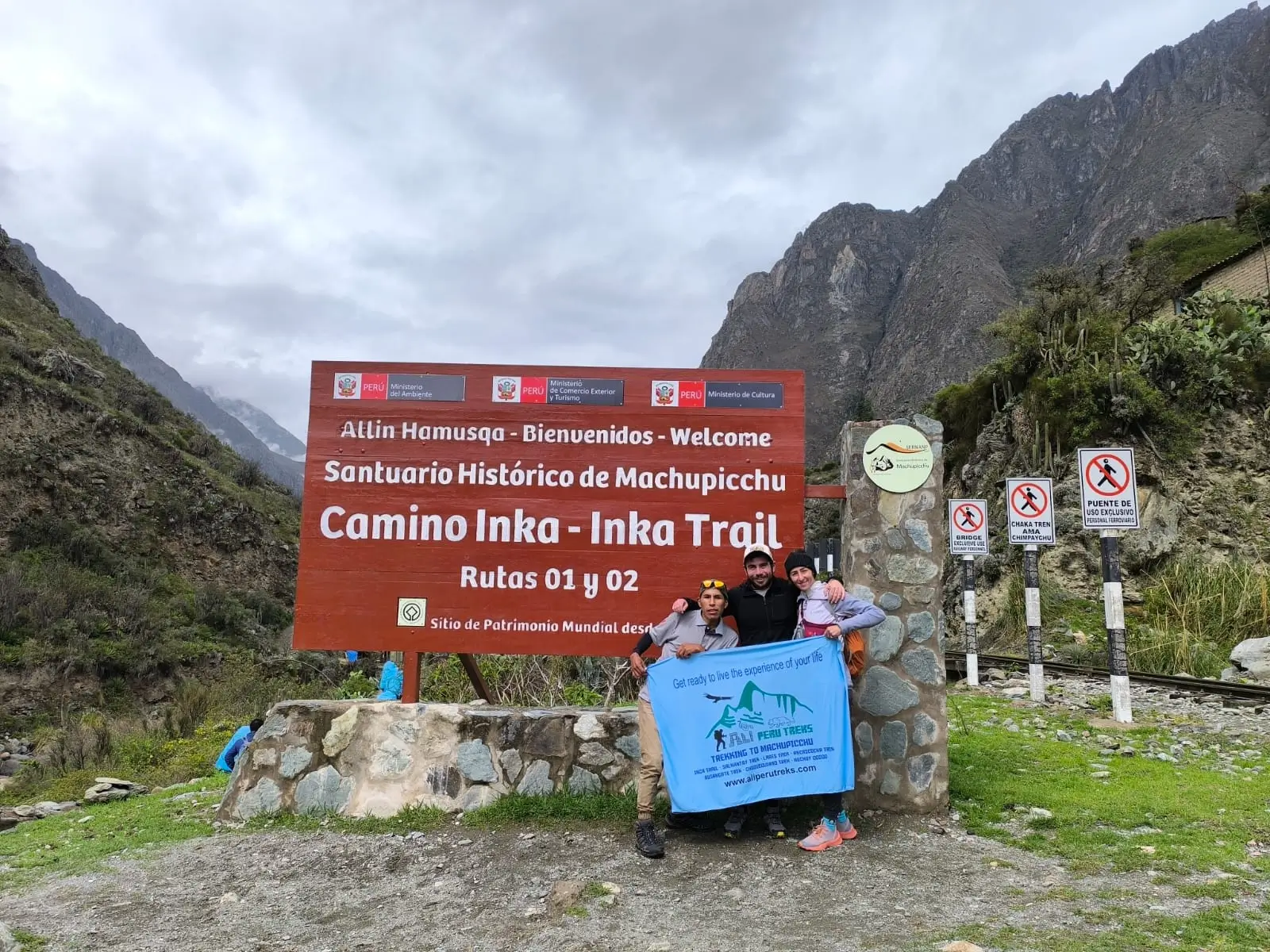
Inca Trail Weather in May
May marks a genuine seasonal shift: the wet season’s tail lingers into the first week or two, and from there the dry season settles in properly.
Daytime and Nighttime Temperatures
Daytime temperatures on the trail generally run in the mid-60s to low 70s Fahrenheit (roughly 18–21°C), comfortable for hiking in a base layer through most of the day. Nights are a different story: temperatures commonly drop into the high 30s to low 40s Fahrenheit (about 3–6°C), and it gets colder as the month goes on and the region moves toward its coldest months. The second night’s campsite, often at higher elevation, tends to be the coldest of the trek.
Rain: How Dry Is May, Really?
Rain drops off dramatically compared to the wet-season months. Most days in May are clear and sunny, and outright rainy days become the exception rather than a real planning risk. That said, an isolated short shower is still possible, especially in the first week or two, so packing a rain layer remains sensible even though you’re unlikely to need it for long.
| Early May (roughly days 1–15) | Late May (roughly days 16–31) | |
|---|---|---|
| Landscape | Still green, flowers lingering from the rains | Drier, browner, classic dry-season look |
| Nights | Cool but comparatively milder | Notably colder as winter approaches |
| Cloud cover | Some passing clouds, welcome shade | Mostly clear skies |
| Crowds/permits | Busy, but slightly more availability | Tightest of the month as June approaches |
Machu Picchu’s Weather in May
Machu Picchu itself, at its lower and more subtropical elevation, runs milder than the high trail: daytime temperatures commonly sit in the high 60s to mid-70s Fahrenheit (roughly 19–23°C), with nights in the mid-40s to low 50s Fahrenheit (about 7–11°C). Morning mist is less frequent than in the wet season but can still appear, typically clearing quickly after sunrise.
Trail Conditions in May
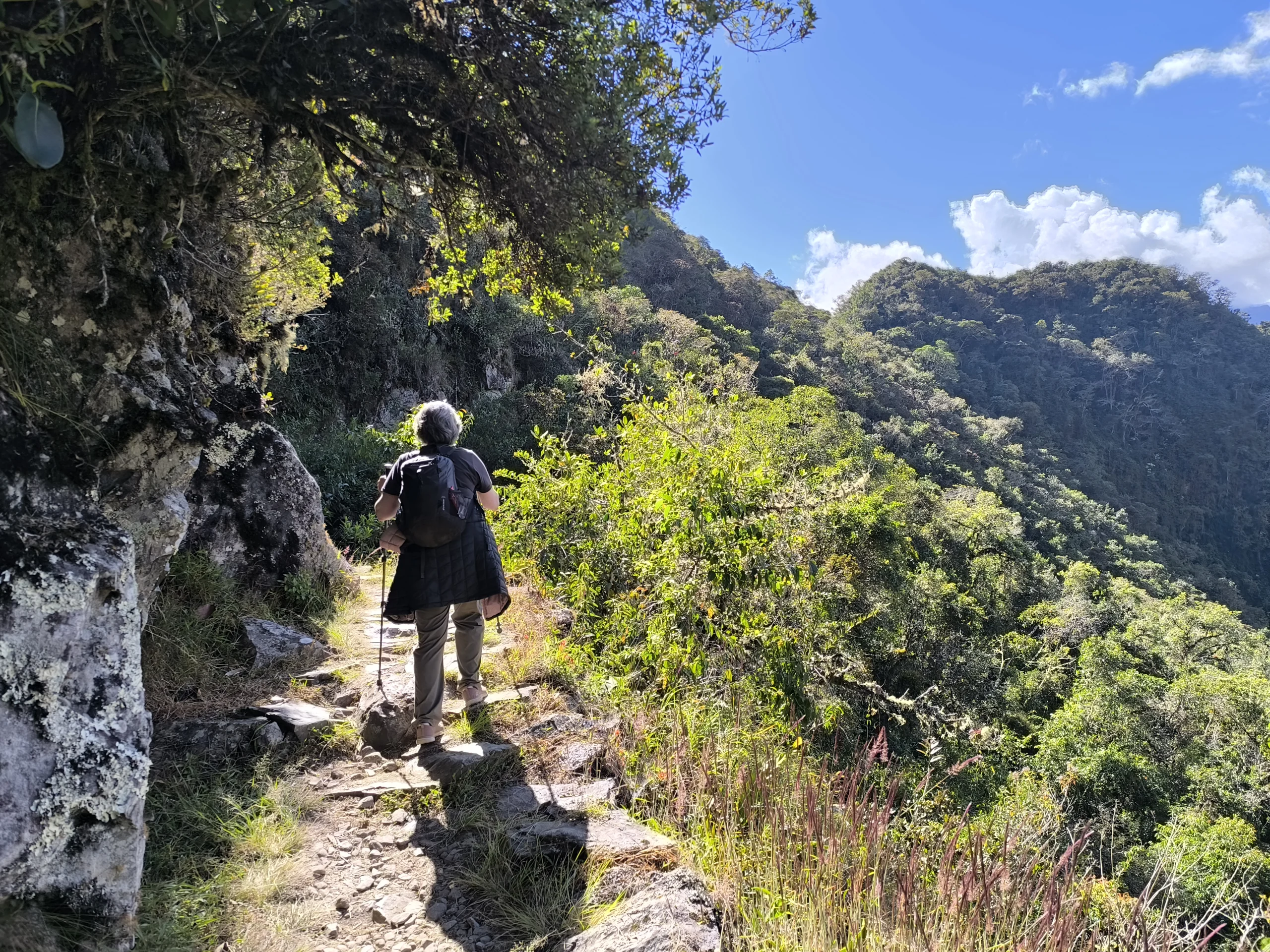
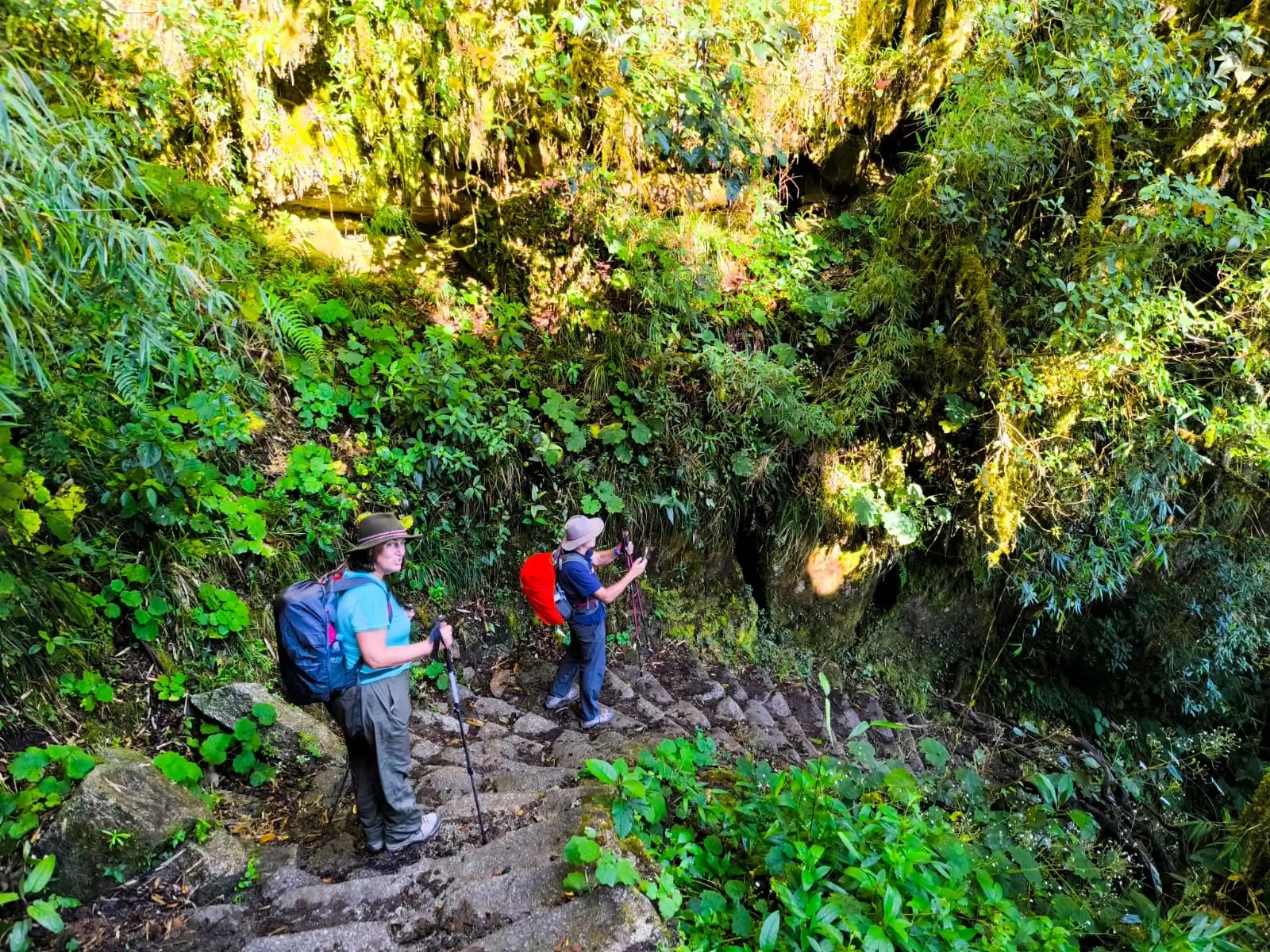
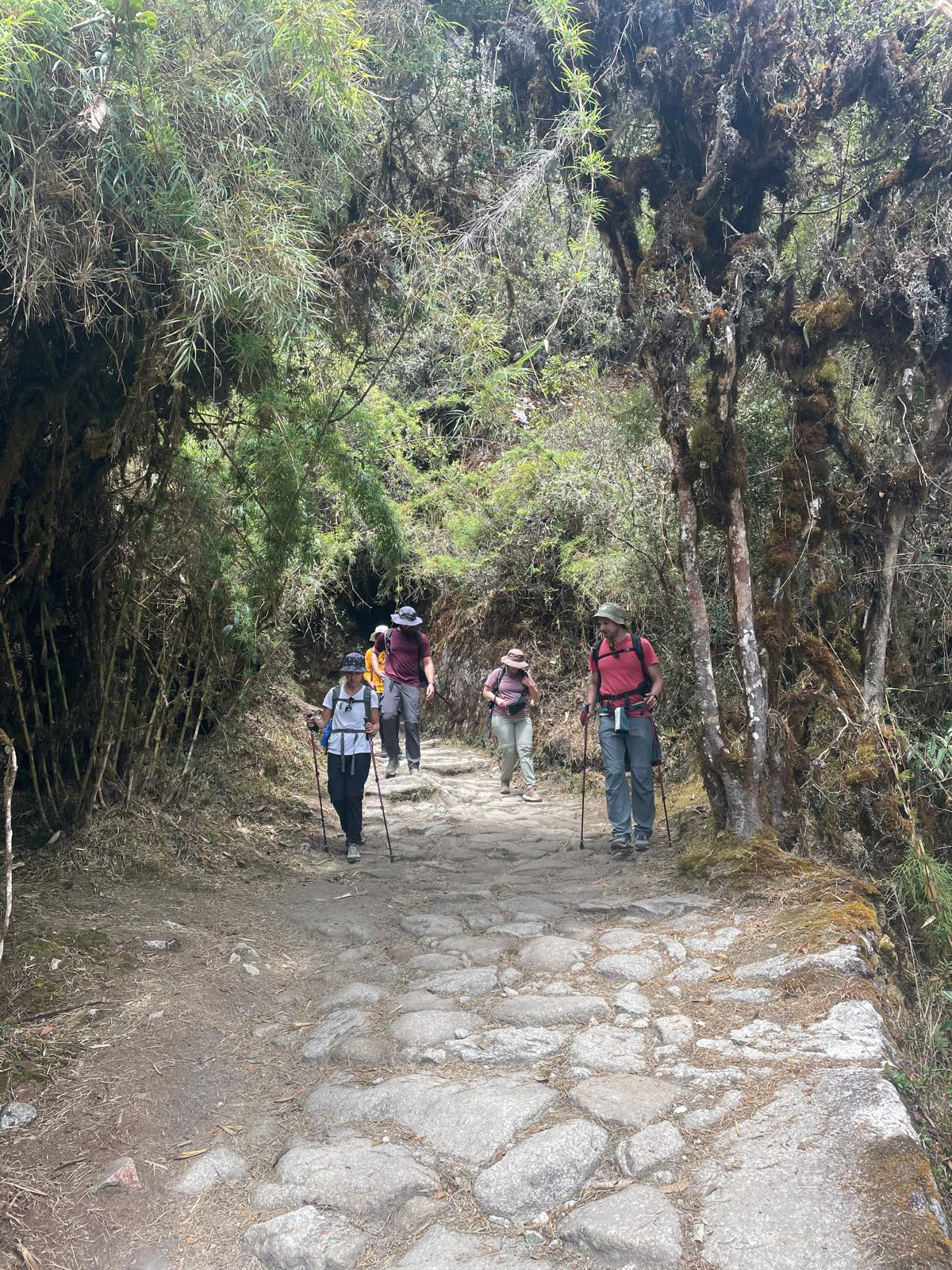
May offers some of the best trail conditions of the year: dry, firm footing on both dirt sections and the trail’s original stone steps, with none of the mud that defines the wet-season months. Visibility on exposed high sections, including Dead Woman’s Pass, is at its most reliable, and mountain views are far more consistent than any month from November through April.
Early May still carries some of the rainy season’s lushness — green hillsides and lingering wildflowers — while the landscape gradually turns drier and more golden-brown as the month progresses. Either way, this is one of the most comfortable and predictable months to hike from a pure trail-conditions standpoint.
How Crowded Is the Inca Trail in May?
This is where May requires a bit of nuance. The trail is always capped at 500 permits a day, split between trekkers and support staff, so the absolute ceiling never changes. What does change dramatically in May is how quickly that ceiling gets reached: this is when permit demand shifts into true high-season gear, and dates can be fully booked well before the month arrives.
On the ground, May generally feels somewhat less crowded than the June-through-August peak, particularly in the first half of the month — but “less crowded than peak season” still means busy. Popular campsites and viewpoints like Dead Woman’s Pass can see real foot traffic at peak hours, and Machu Picchu itself draws a high volume of visitors throughout May. Starting the trek early in the morning is a genuinely useful way to get ahead of the busiest stretches.
Inca Trail Permits in May
Every hiker needs a permit, sold only through licensed operators, capped at 500 people a day, non-transferable, and tied to your passport number — the same system that applies every month the trail is open.
May sits within the high season, and as a general guide, booking 6 to 8 months ahead is a reasonable target — some travelers who wait until 4 to 5 months out still find availability, but the safest approach for popular dates is to book as early as your travel plans allow. You can check real-time Inca Trail permit availability directly to see what’s actually open for your dates.
It’s also worth confirming with your operator what Machu Picchu access your permit includes, since current Inca Trail permits are bundled with a specific citadel circuit rather than unrestricted access. Our guide to the Machu Picchu circuits breaks this down.
Pros and Cons of Hiking the Inca Trail in May
Pros
- Some of the most reliable weather of the entire year — minimal rain, mostly clear skies
- The best trail conditions of the year: dry, firm footing throughout
- Still-green landscapes early in the month, a nice middle ground between wet-season lushness and dry-season starkness
- Fewer crowds than the June–August peak, especially in the first half of the month
- The most consistent mountain and Machu Picchu views of any month
Cons
- Permits sell out early; last-minute booking is genuinely difficult
- Cold nights, especially at higher campsites and later in the month
- Trail and Machu Picchu still see real crowds despite being calmer than peak season
- Higher tour and hotel pricing than the shoulder or wet-season months
- Landscape dries out and becomes less green as the month progresses
May Compared to the Rest of the Year
May opens the dry season, which runs through September, and it’s often grouped with June and September as the three strongest all-around months for weather. Compared to June through August, May typically has a real edge on crowds — noticeably calmer, particularly early in the month — while offering nearly identical trail conditions and reliability.
Compared to April, the shoulder month just before it, May is drier and more predictable but comes with meaningfully higher permit demand and pricing. Compared to the wet-season months (November through March), May trades green, dramatic scenery and easier bookings for reliable weather and firm trail conditions. For a full month-by-month comparison across the entire year, see our complete Inca Trail weather guide.
Who Should Hike in May (and Who Might Prefer a Different Month)
May suits travelers who prioritize reliable weather and firm trail conditions above all else, and who are organized enough to book well in advance — ideally six to eight months out for the best selection of dates. It’s a strong choice for first-time trekkers who want the most predictable experience possible, and for photographers who want a mix of green scenery (especially early in the month) and clear skies.
Travelers who’d rather avoid the season’s highest permit competition, or who can’t commit to booking that far ahead, may find April or September a better fit — both offer much of May’s weather reliability with somewhat easier availability. The trek’s physical demands, including the climb to Dead Woman’s Pass and the altitude throughout, stay the same regardless of season. Our guide to altitude sickness in Cusco covers what to expect.
What to Pack for the Inca Trail in May
Packing for the Inca Trail in May shifts the emphasis from rain protection toward cold-weather layering:
- A warm layer for camp, since nights can drop into the high 30s to low 40s Fahrenheit (3–6°C), colder still by late May
- A hat, gloves, and warm socks for the coldest early mornings and evenings, particularly at the higher second campsite
- A light rain layer, still worth packing even though heavy rain is unlikely
- Sun protection — sunscreen, a hat, and sunglasses — since clear skies mean strong, consistent UV exposure at altitude
- Moisture-wicking base layers for daytime hiking, since temperatures can swing significantly between midday sun and early morning cold
- A reliable pair of broken-in hiking boots; while mud isn’t a major concern in May, comfort over four full days of dry trail still matters
This covers what to prioritize specifically for May. For the complete gear breakdown, see the full Inca Trail packing list.
Acclimatization and Booking Strategy
Altitude preparation matters just as much in May as any other month. Arriving in Cusco at least two to three days before your trek to acclimatize directly affects how you’ll feel on the climb to Dead Woman’s Pass. Our guide to altitude sickness in Cusco walks through what to expect.
On booking: aim for 6 to 8 months ahead for May dates, and treat that as a real target rather than a worst-case estimate, since this is one of the two or three most in-demand months of the year. Travel insurance that explicitly covers high-altitude trekking is worth confirming regardless of when you go.
Choosing an Inca Trail Tour Operator for May
Because May permits move quickly, working with an operator that can confirm availability clearly and help you lock in dates early is especially valuable this month. Before booking, confirm your operator is officially licensed and authorized to sell Inca Trail permits, since only accredited agencies can legally do so.
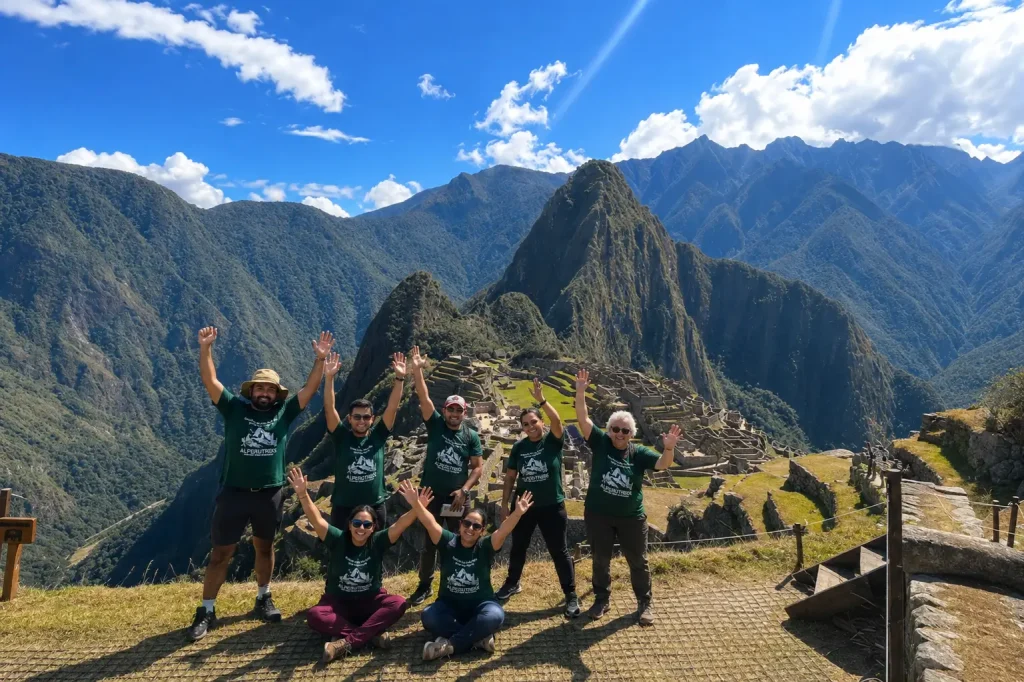
Ali Peru Treks runs both the Classic Inca Trail 4 Days and the Short Inca Trail throughout May. Given how far ahead high-season dates typically need to be booked, it’s worth checking availability as soon as your travel dates are firm.
Frequently Asked Questions About the Inca Trail in May
Yes. May is widely considered one of the two or three best months of the year, offering reliable dry-season weather, firm trail conditions, and calmer crowds than June through August.
Very little. May marks the real start of the dry season, and while an isolated short shower is possible, especially early in the month, sustained rain is uncommon.
Daytime temperatures generally run around 64–70°F (18–21°C), while nights drop to roughly 37–43°F (3–6°C), colder still by the end of the month.
As a general guide, 6 to 8 months ahead is a reasonable target, since May is one of the highest-demand months of the year. Popular dates can sell out well before that window if you wait too long.
Permits sell out quickly, but on-trail crowd levels are generally lower than the June-through-August peak, especially in the first half of the month.
Both offer similarly reliable dry-season weather. May tends to be slightly greener, a bit less crowded, and marginally easier to book, while June brings the true start of peak-season crowds and pricing.
Prioritize warm layers for cold nights and mornings, plus sun protection for clear daytime skies. A light rain layer is still worth carrying, even though heavy rain is unlikely.
Early May tends to have milder nights, a still-green landscape, and slightly easier permits. Late May is drier and more classically “dry season” in appearance, but colder at night and busier as June approaches.
Final Thoughts: Should You Hike the Inca Trail in May?
May delivers on its reputation: reliable weather, dry trail conditions, and some of the best mountain views of the year, without the absolute peak-season crowds of June through August. The real planning challenge isn’t the weather — it’s the calendar. Book as early as you can, pack for genuinely cold nights, and May is very hard to beat.
If you’re ready to look at dates, you can check current availability for the Classic Inca Trail 4 Days and start planning around them.