
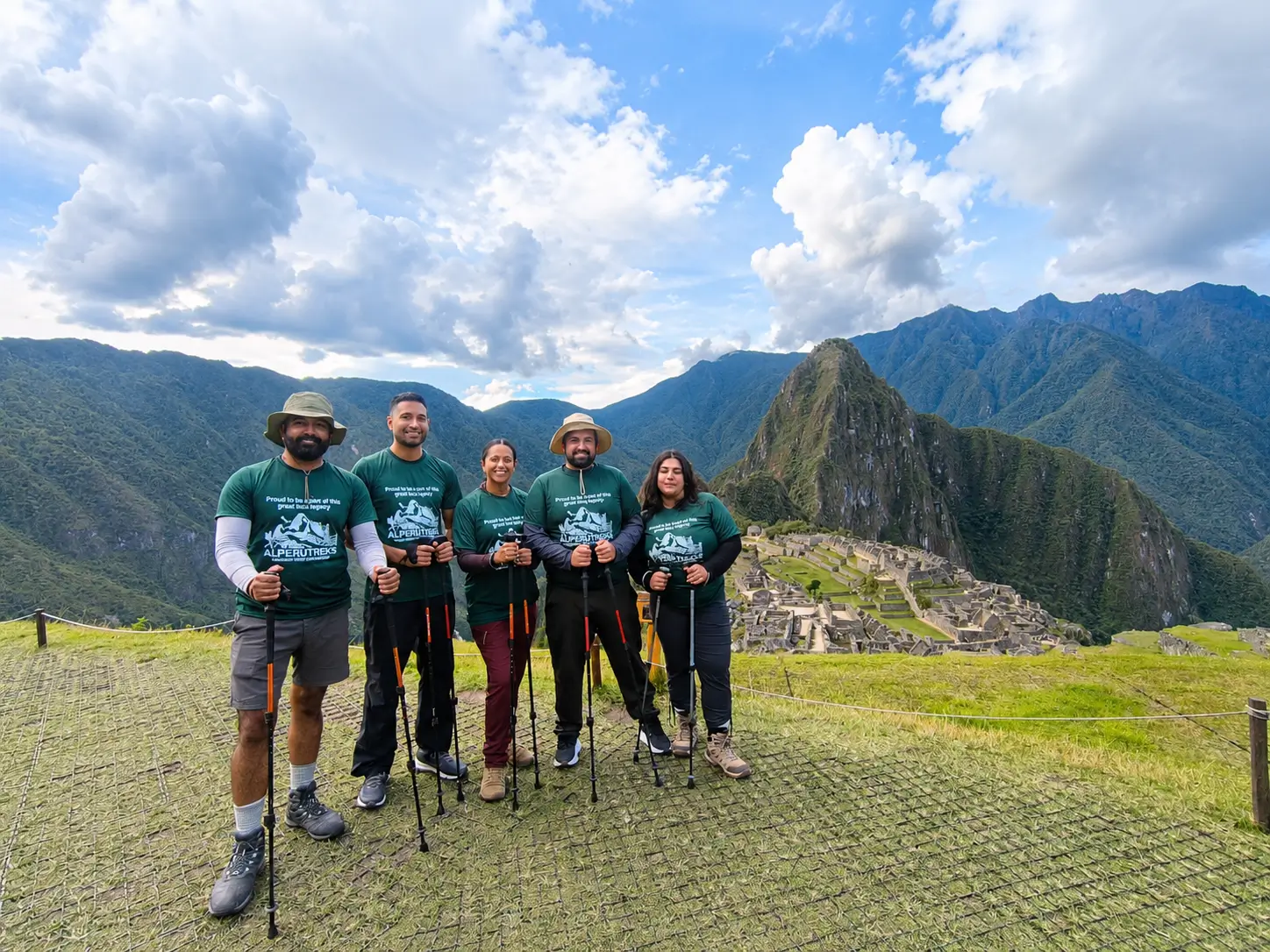
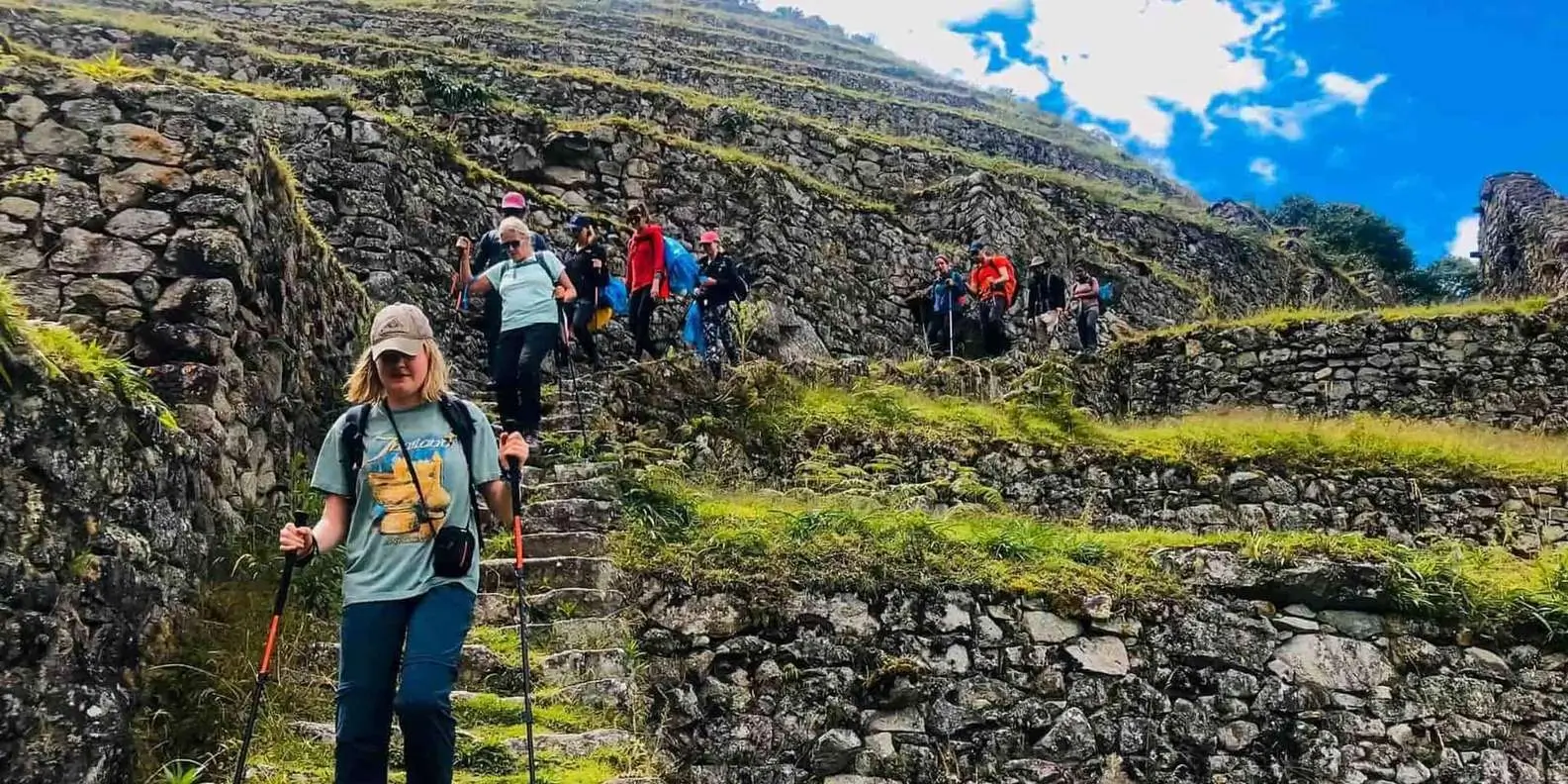
Yes, September is one of the best months to hike the Inca Trail — it closes out the dry season with warm days, milder nights than the peak of winter, and crowds that noticeably ease compared to June through August. Hiking the Inca Trail in September means keeping nearly all of the dry season’s weather reliability while trading away some of its most crowded, coldest conditions, which is why it’s so often mentioned in the same breath as May as one of the two best all-around windows of the year.
This guide covers what that actually looks like: real temperature and rain patterns, how September’s crowds and permit demand compare to the peak months before it, and the early signs of Andean spring that start to show up on the trail this month. As with every month in this series, the details here are grounded in Peru’s official trail regulations and cross-checked seasonal data, from a Cusco-based trekking team that runs this route every month it’s open.
Is September a Good Month to Hike the Inca Trail?
Yes. September sits at the tail end of the dry season (May through September) and is widely regarded as one of the best months of the year to trek — dry trails, largely clear skies, and noticeably calmer conditions than the June-through-August peak, while still keeping nearly all of the dry season’s weather reliability.
September remains officially part of the high season, so this isn’t a quiet, off-season month by any means — it’s better understood as the more comfortable, slightly less crowded end of peak season, rather than a shoulder month proper. The trail runs on its normal schedule all month, with no closures.


Inca Trail Weather in September
September marks the dry season’s final stretch, and the story here is genuine improvement in comfort: still dry, but noticeably milder at night than June through August.
Daytime and Nighttime Temperatures
Daytime temperatures on the trail generally run around the mid-60s Fahrenheit (roughly 18–19°C), comfortable for hiking in a light layer. Nights are meaningfully milder than the peak of winter: typically dropping to somewhere in the high 30s to low 40s Fahrenheit (about 4–6°C), rather than the near-freezing conditions common in June, July, and August. It’s still cold enough at camp to need real layers, just noticeably less punishing than the coldest months.
Rain: How Much, and When?
September stays largely dry, consistent with the tail end of the dry season, though it’s the first month where hints of the coming wet season start to show. Occasional light showers become slightly more likely, particularly in the second half of the month, as the region begins its gradual transition toward the rainy season that properly arrives around November. Some years also see light smoke haze drift toward the trail from agricultural burning in the lower jungle regions, though this varies year to year and isn’t a consistent feature of every September.
Machu Picchu’s Weather in September
Machu Picchu itself, at its lower and more subtropical elevation, runs mild and largely dry, with clear skies typical for most of the month. It’s worth noting that Machu Picchu operates under its own separate visitor-management system, distinct from the Inca Trail’s 500-permit daily cap, so visitor volume at the citadel doesn’t move in exact lockstep with trail permit numbers.
Trail Conditions in September
Trail conditions in September remain excellent: dry, firm footing throughout, with only a modestly higher chance of a brief shower than June through August. Visibility on exposed high sections, including Dead Woman’s Pass, stays strong for most of the month.
One genuine highlight worth calling out: September marks the beginning of the Andean spring, and hikers commonly start to see orchids and other seasonal flora blooming along the trail, adding color to a landscape that’s been dry and relatively muted since June. It’s a nice middle ground between the stark, dusty look of peak dry season and the full lushness of the wet-season months.
How Crowded Is the Inca Trail in September?
September is still part of the high season, and the trail continues to see substantial traffic — this isn’t a quiet month in absolute terms. That said, it’s genuinely calmer than July and August specifically: fewer hikers on the trail day to day, and less pressure on popular viewpoints and campsites, even though permit demand remains real.
Compared to May, the other month frequently mentioned alongside it, September tends to have a drier, browner landscape (since the rains that keep May green ended months earlier) but similarly manageable crowd levels. Compared to October, the following month, September is still busier, since October marks the beginning of the shift toward the rainy season and a further easing of demand.

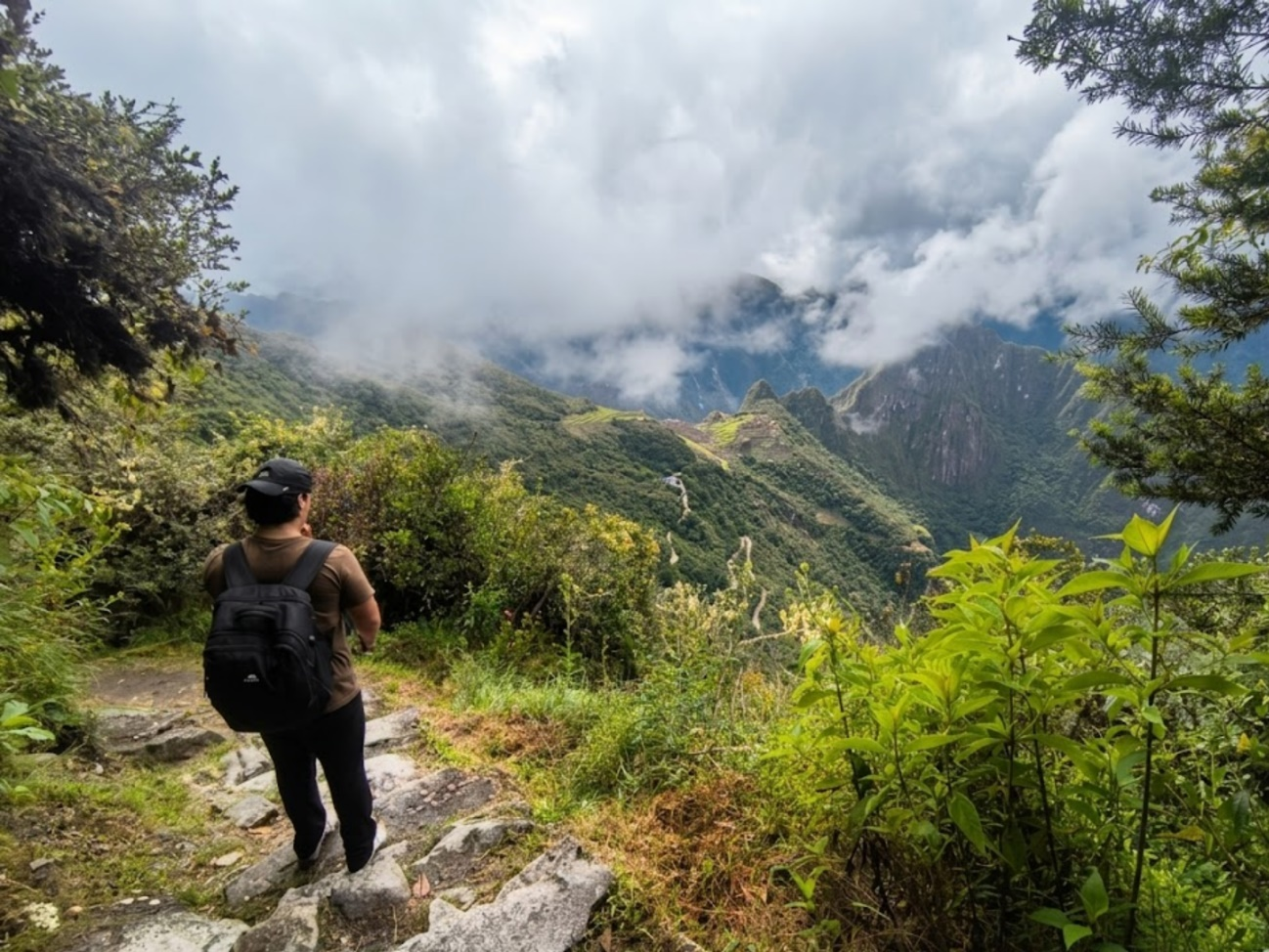
Inca Trail Permits in September
Every hiker needs a permit, sold only through licensed operators, capped at 500 people a day, non-transferable, and tied to your passport number — the same system that applies in every month the trail is open.
September sits within the high season, and as a general guide, 6 to 8 months ahead remains a reasonable booking target, similar to June through August, though the pressure eases slightly as you move later into the month and closer to the shoulder season. You can check real-time Inca Trail permit availability directly to confirm what’s open for your dates.
It’s also worth confirming with your operator what Machu Picchu access your permit includes, since current Inca Trail permits are bundled with a specific citadel circuit rather than unrestricted access. Our guide to the Machu Picchu circuits breaks this down.
Pros and Cons of Hiking the Inca Trail in September
Pros
- Reliable, largely dry weather, consistent with the rest of the dry season
- Noticeably milder nights than June, July, and August
- Fewer crowds than the June-through-August peak, even though it’s still high season
- Early Andean spring blooms — orchids and seasonal flora along the trail
- One of the two or three best all-around months of the year, alongside May
Cons
- Still high season, so permits and pricing remain at peak-season levels
- Landscape is drier and browner than the greener wet-season or early-May months
- Occasional light showers possible, especially in the second half of the month
- Some years see light smoke haze drift toward the trail from agricultural burning
- Not the guaranteed-quiet experience some travelers expect from “shoulder season” framing
September Compared to the Rest of the Year
September closes out the dry season (May through September), and it’s frequently grouped with May as the two best overall months for balancing weather and crowds. Compared to June, July, and August, September offers essentially the same dry, reliable weather with milder nights and calmer trail conditions.
Compared to May, September trades a greener, rain-fed landscape for a drier one, with broadly similar crowd levels. Compared to October, the shoulder month that follows, September is still busier and drier, while October begins the gradual shift toward the wet season with somewhat easier permits. For a full month-by-month comparison across the entire year, see our complete Inca Trail weather guide.
Who Should Hike in September (and Who Might Prefer a Different Month)
September suits travelers who want dry-season reliability without the coldest nights or the heaviest crowds of June through August, and who are comfortable booking on a similar timeline to peak season. It’s a strong choice for photographers interested in early spring blooms alongside classic dry-season mountain views.
Travelers who want the absolute lowest possible crowds might prefer October or November instead, both of which offer meaningfully easier permits at the cost of a real chance of rain. As always, the trek’s physical demands — the climb to Dead Woman’s Pass, the altitude throughout — stay constant regardless of season. Our guide to altitude sickness in Cusco covers what to expect.
What to Pack for the Inca Trail in September
Packing for the Inca Trail in September follows the same dry-season base as June through August, with slightly less emphasis on extreme cold:
- A warm layer for camp mornings and evenings, though temperatures are milder than the near-freezing nights of peak winter
- Moisture-wicking base layers for daytime hiking in generally mild, dry conditions
- Sun protection — sunscreen, a hat, and sunglasses — since clear skies mean consistent UV exposure at altitude
- A light rain layer, worth packing given the modestly higher chance of a shower later in the month
- Broken-in, comfortable hiking boots suited to dry, firm trail conditions
- A camera or phone ready for the season’s blooming orchids and seasonal flora along the trail
This covers what to prioritize specifically for September. For the complete gear breakdown, see the full Inca Trail packing list.
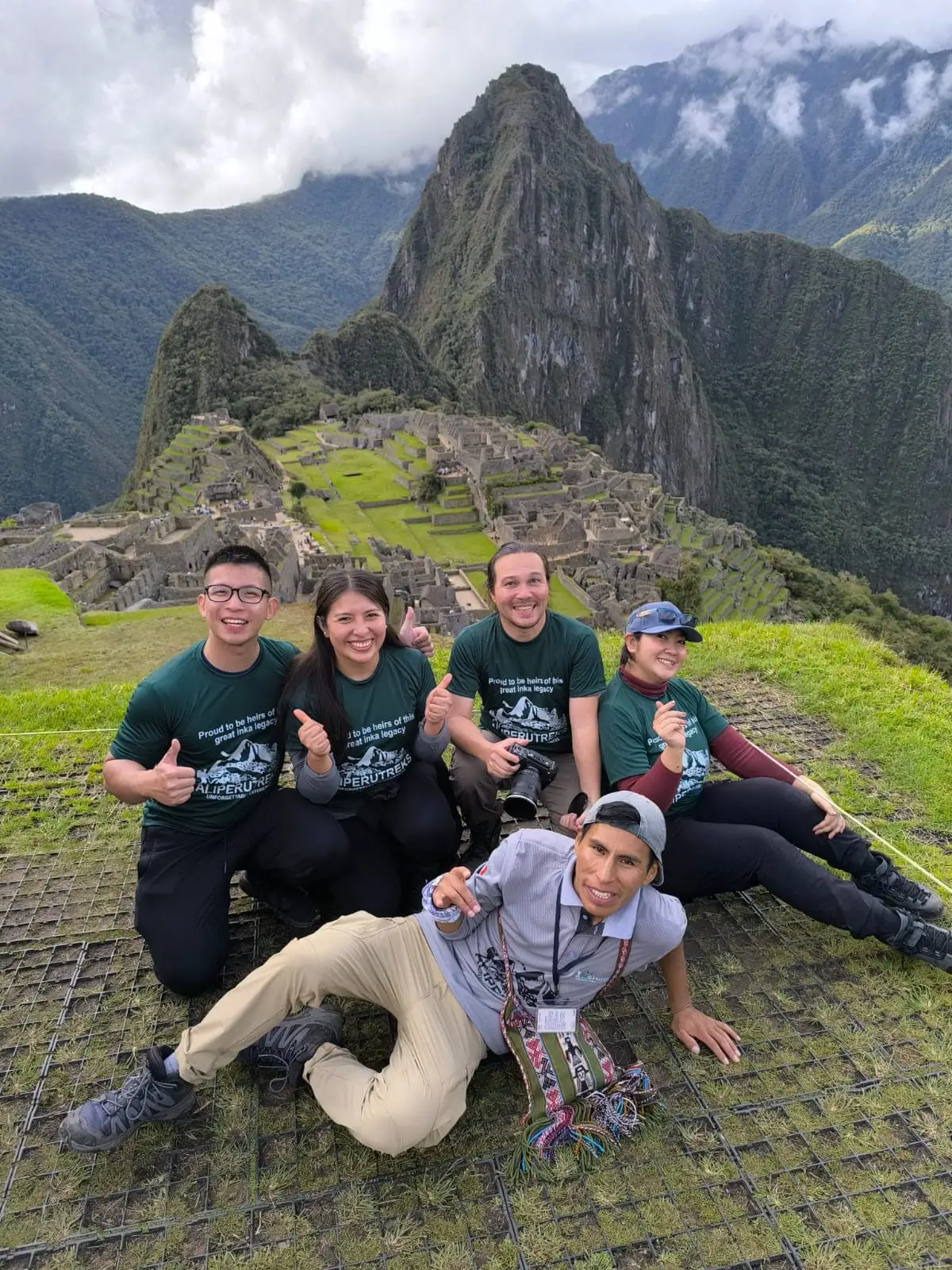
Acclimatization and Booking Strategy
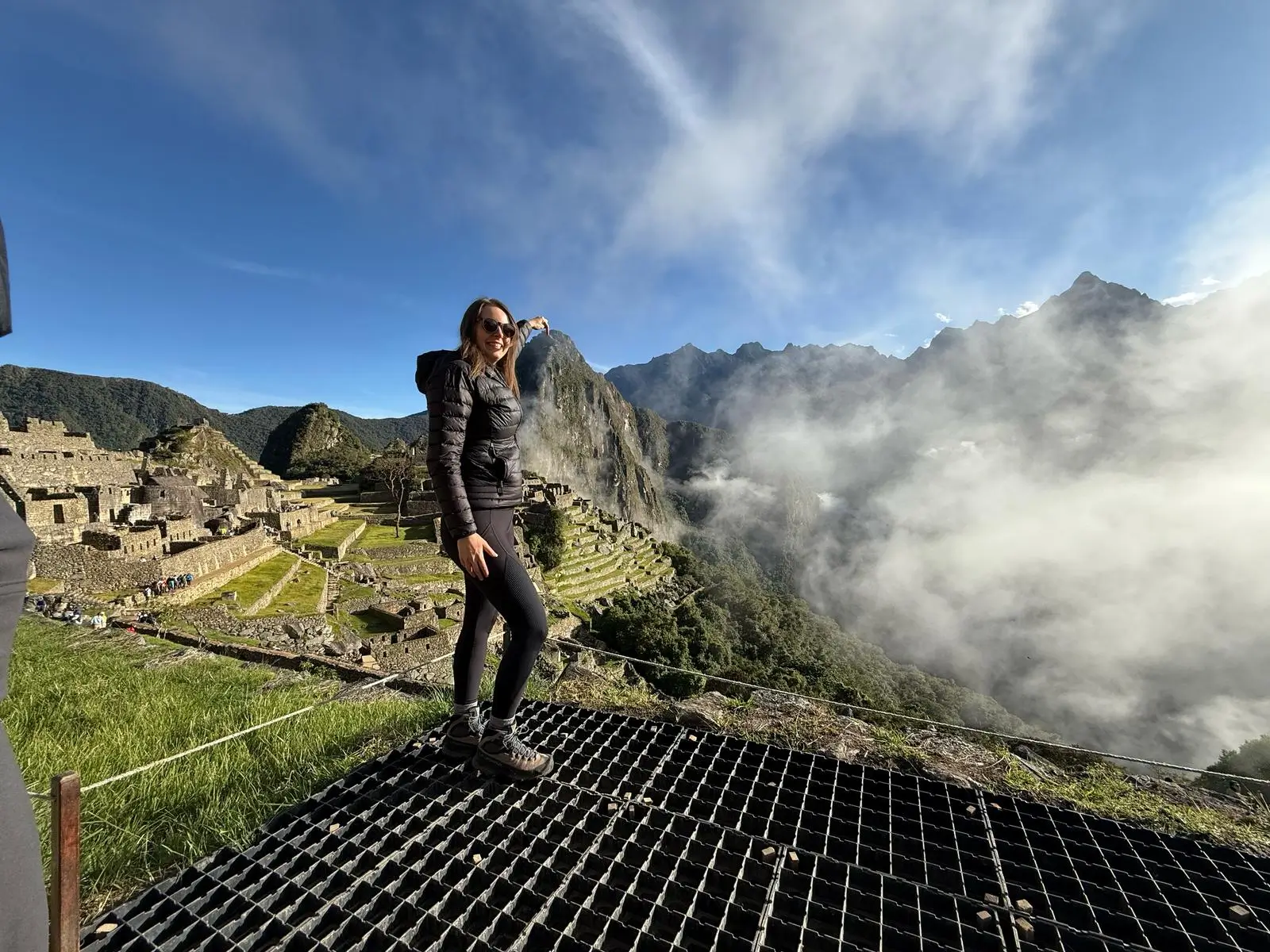
Altitude preparation matters just as much in September as any other month. Arriving in Cusco at least two to three days before your trek to acclimatize directly affects how you’ll feel on the climb to Dead Woman’s Pass. Our guide to altitude sickness in Cusco walks through what to expect.
On booking: 6 to 8 months ahead is a sensible general target for September, similar to the rest of the dry season, though dates later in the month may see slightly less pressure as demand starts easing toward the shoulder season. Travel insurance that explicitly covers high-altitude trekking is worth confirming regardless of when you go.
Choosing an Inca Trail Tour Operator for September
Because September still sits within the high season, working with an operator that can confirm availability clearly remains genuinely useful, even though the pressure is somewhat less intense than June through August. Before booking, confirm your operator is officially licensed and authorized to sell Inca Trail permits, since only accredited agencies can legally do so.
Ali Peru Treks runs both the Classic Inca Trail 4 Days and the Short Inca Trail throughout September. It’s worth checking availability as soon as your travel dates are firm, particularly for earlier-month dates that still carry peak-season demand.
Frequently Asked Questions About the Inca Trail in September
Yes. September is widely considered one of the best months of the year, offering dry-season reliability with milder nights and calmer crowds than June through August.
Very little. September stays largely dry, though occasional light showers become slightly more likely in the second half of the month as the region begins its gradual shift toward the wet season.
Daytime temperatures generally run around 64–66°F (18–19°C), with nights dropping to roughly 39–43°F (4–6°C) — noticeably milder than the near-freezing nights common in June, July, and August.
As a general guide, 6 to 8 months ahead is a reasonable target, similar to the rest of the dry season, with slightly less pressure toward the back half of the month.
It’s still high season, so yes, in absolute terms — but noticeably calmer than July and August specifically, with less pressure on campsites and popular viewpoints.
Both are excellent choices. May tends to have a greener, rain-fed landscape, while September is drier and browner, with broadly similar crowd levels and weather reliability between the two.
A similar dry-season list to June through August — layers, sun protection, and a light rain layer — with slightly less emphasis on extreme cold-weather gear given the milder nights.
In some years, yes. Light smoke haze from agricultural burning in the lower jungle regions can occasionally drift toward the trail, though this varies year to year and isn’t a consistent feature of every September.
Final Thoughts: Should You Hike the Inca Trail in September?
September delivers nearly everything that makes June through August appealing — dry trails, reliable weather, strong mountain views — while trading away the coldest nights and heaviest crowds of peak season. Add in the first blooms of Andean spring, and it’s easy to see why September is so often mentioned alongside May as one of the best overall windows to hike.
If you’re ready to look at dates, you can check current availability for the Classic Inca Trail 4 Days and start planning around them.