
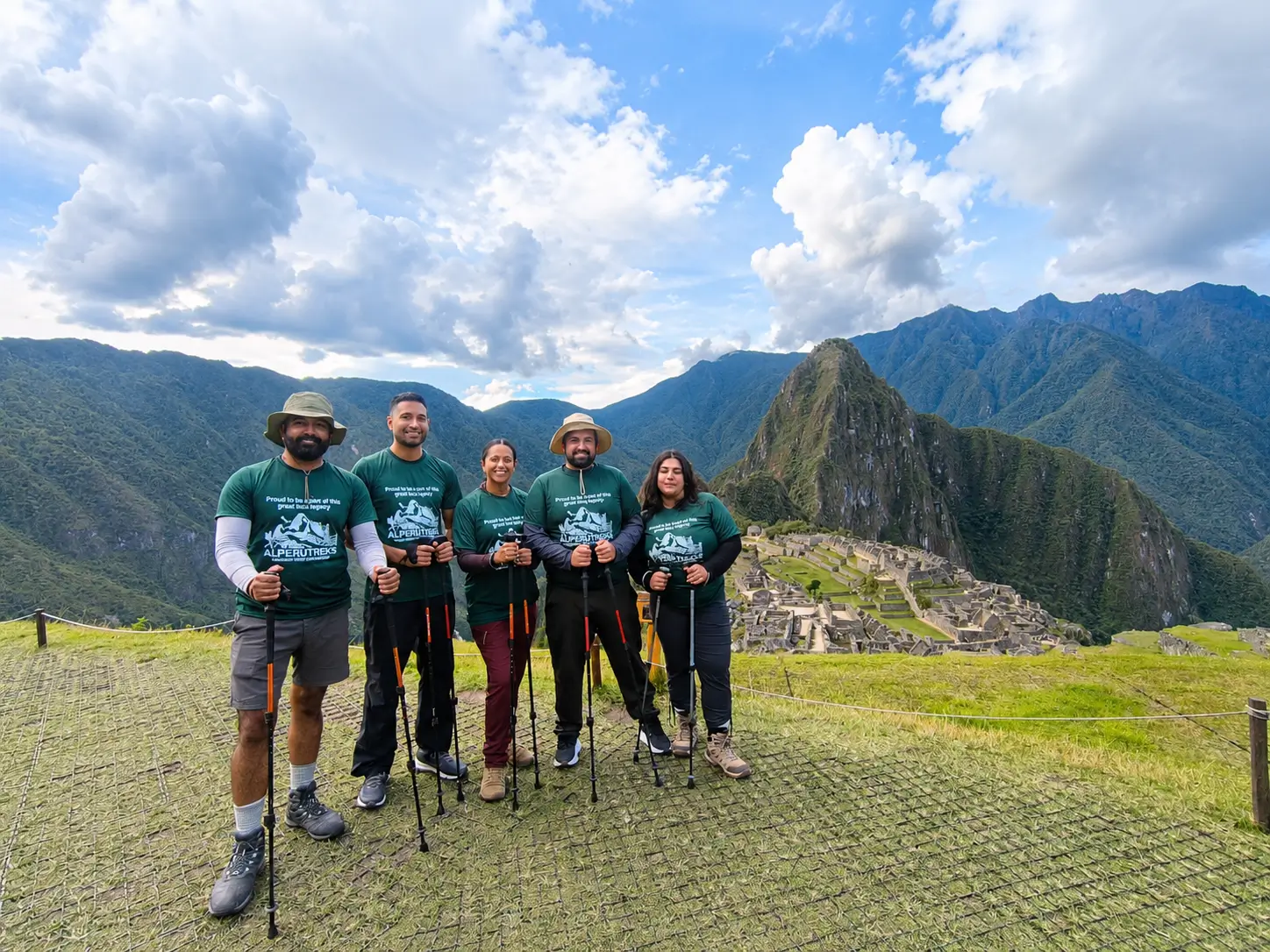
If you dream of exploring the Peruvian Andes by combining legendary Inca sites, pristine glacier landscapes, and authentic sections of the Qhapaq Ñan away from tourist crowds, the Ancascocha Trek is your perfect route. Highlighted by National Geographic as one of the best hikes in the world, this journey links the majesty of the mountain range with fascinating archaeological remains.
Below, the team at Ali Perú Treks breaks down what the Ancascocha Trek is, what wonders you will visit along the way, and why you should choose this adventure.
What is the Ancascocha Trek?
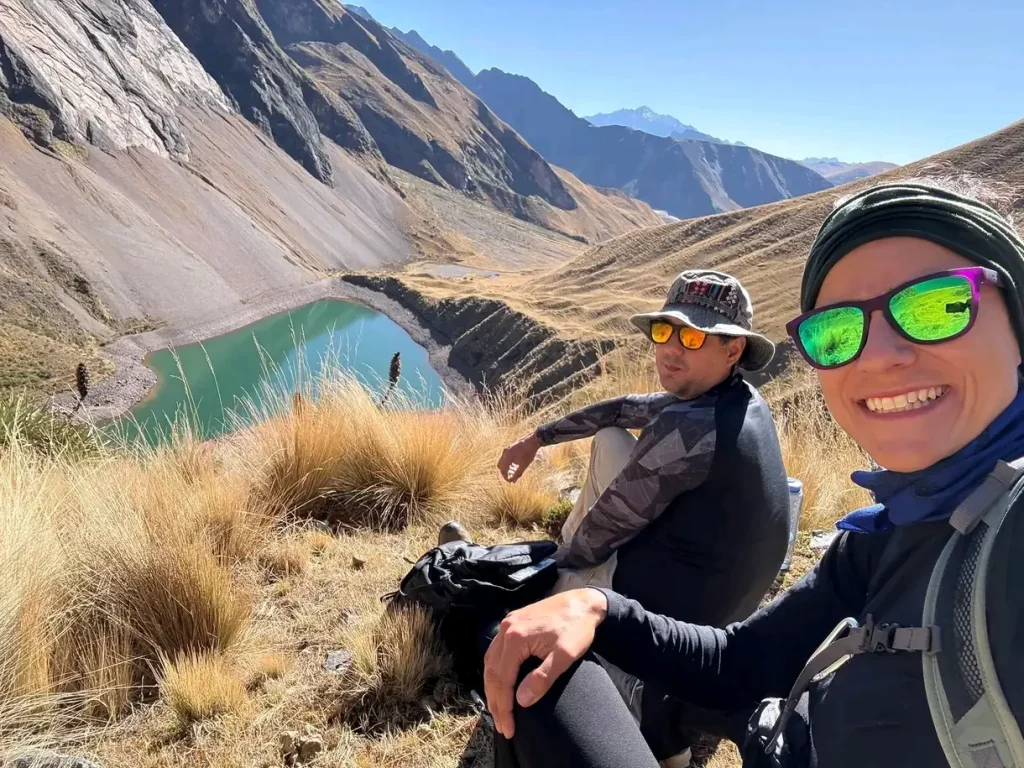
The Ancascocha Trek is an off-the-beaten-path high-mountain hiking route that winds through the Vilcabamba Mountain Range in the Cusco region. Its focal point is the stunning Ancascocha Lake (Blue Lake in Quechua), nestled beneath the towering Huayanay snow-capped peak at over 15,000 feet (4,600 meters) above sea level.
Unlike other hikes, Ancascocha offers more than untouched nature: it is a journey through time connecting traditional Andean communities with fortresses, ancient Inca checkpoints, and the starting stretch of the world-famous Classic Inca Trail.
What You Will Visit Along the Trail
1. Racay Pata Arquiological site & Perolniyoc Waterfall
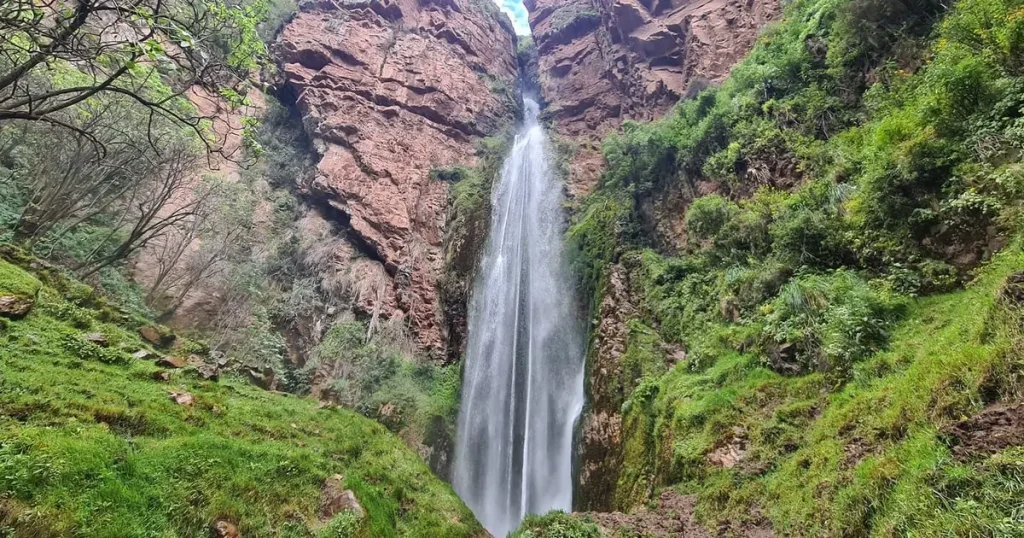
Your adventure begins in the village of Soqma, a peaceful agricultural valley showcasing traditional Andean rural life. From here, we ascend toward one of the route’s finest visual highlights: the stunning Perolniyoc Waterfall, a crystal-clear cascade surrounded by lush vegetation. Perched directly atop the cliff above the waterfall sits the Perolniyoc Inca archaeological site, an ancient ceremonial and residential checkpoint.
2. Magnificent Ancascocha Lake & Huayanay Pass
After traversing high Andean valleys and spotting local wildlife (such as llamas and alpacas), you will reach Ancascocha Lake, whose deep blue waters contrast dramatically with surrounding glaciated peaks. The highest point of the trek is the Huayanay Pass (15,255 ft / 4,650 m), offering sweeping panoramic views across the mountain range.
3. The Paucarcancha Inca Fortress
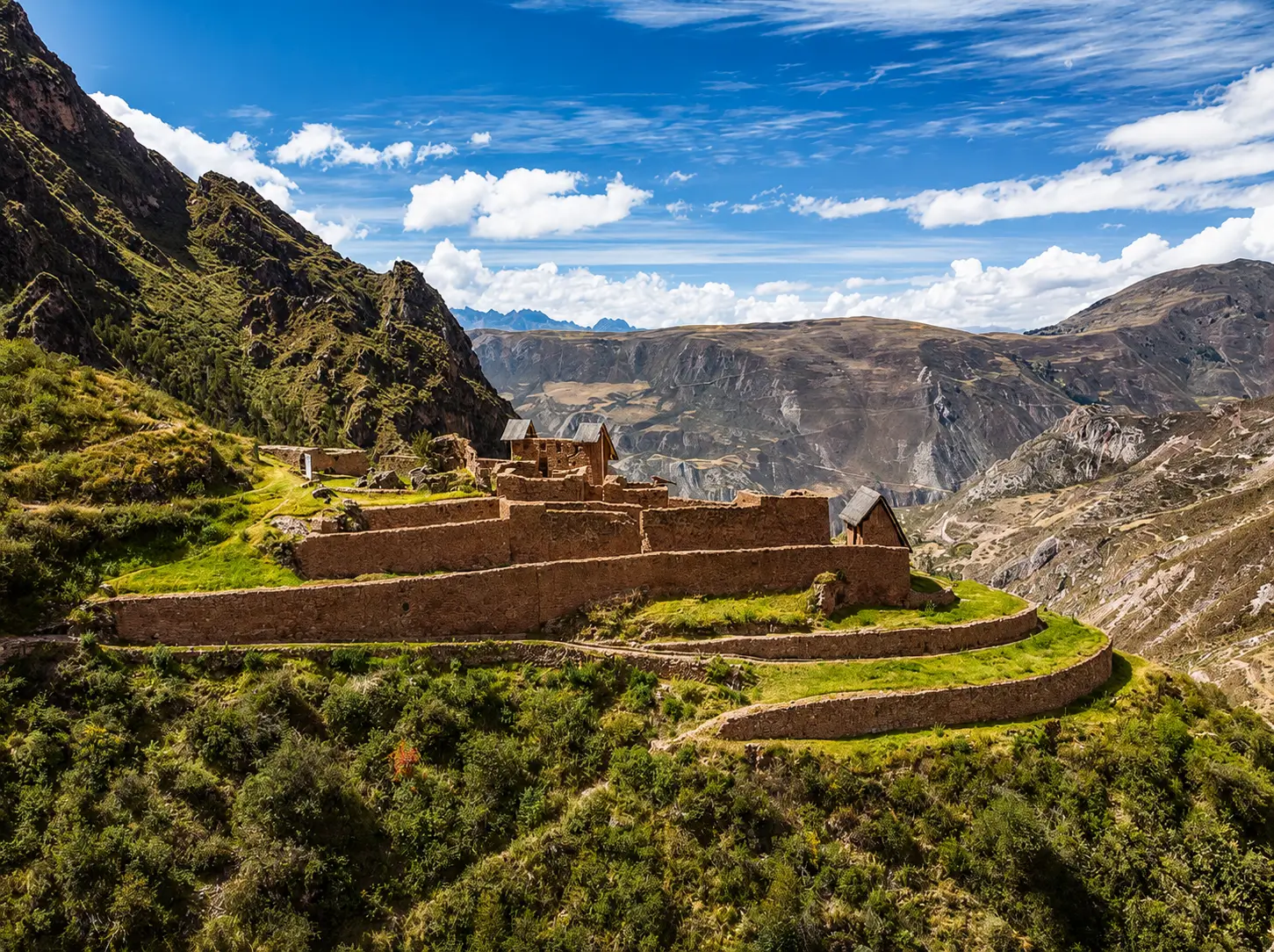
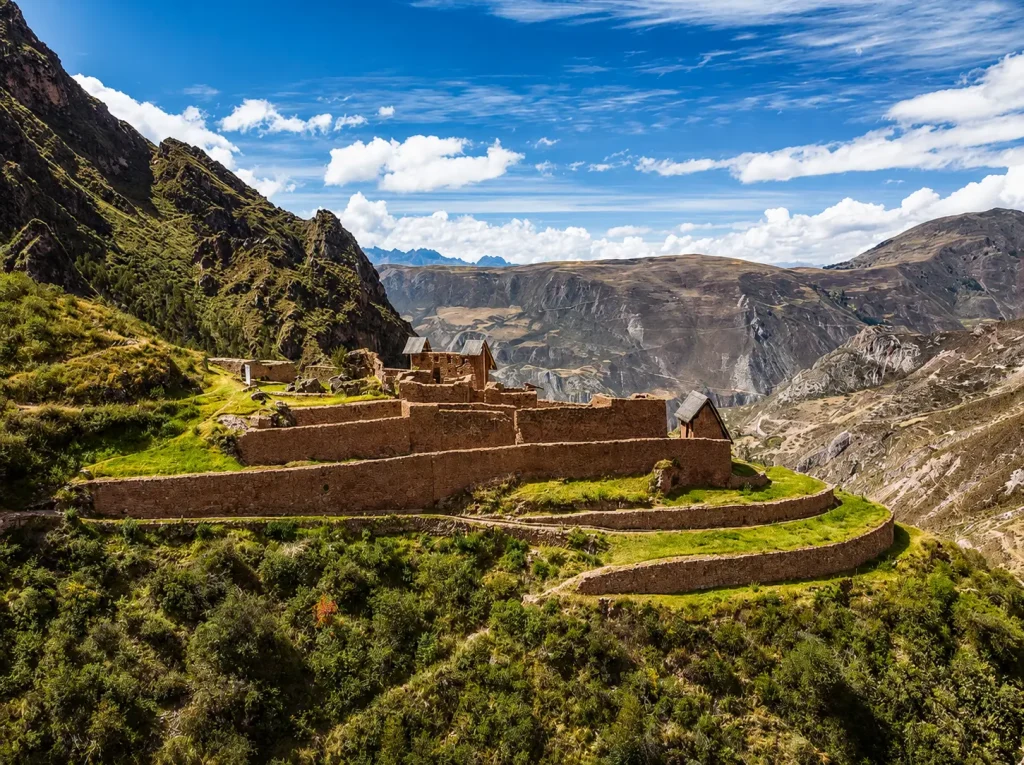
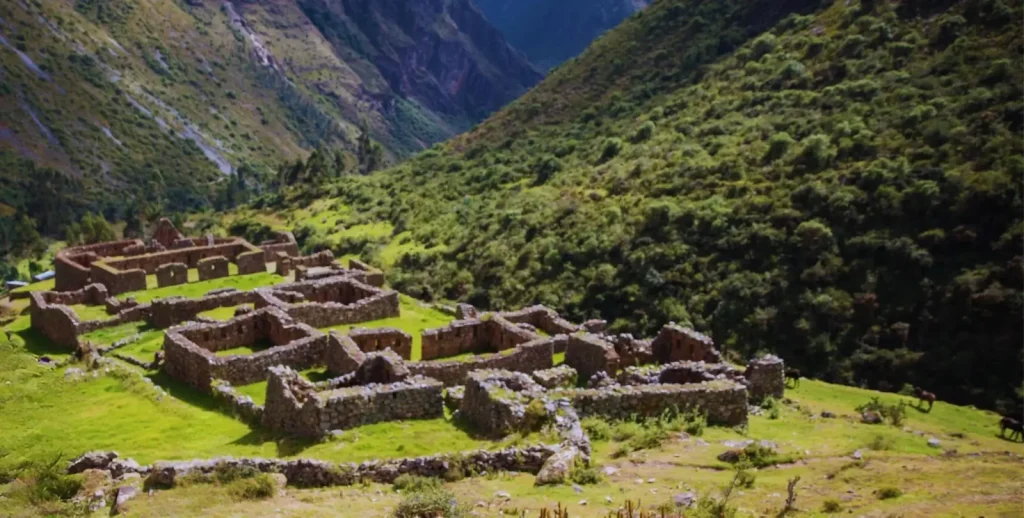
Descending into the Cusichaca Valley, we arrive at Paucarcancha, an impressive archaeological complex featuring semicircular agricultural terraces, plazas, and finely crafted Inca stonework. This site served as a strategic control point at the intersection of two major pre-Columbian valleys.

4. Llactapata (Patallacta) & Connection to the Inca Trail
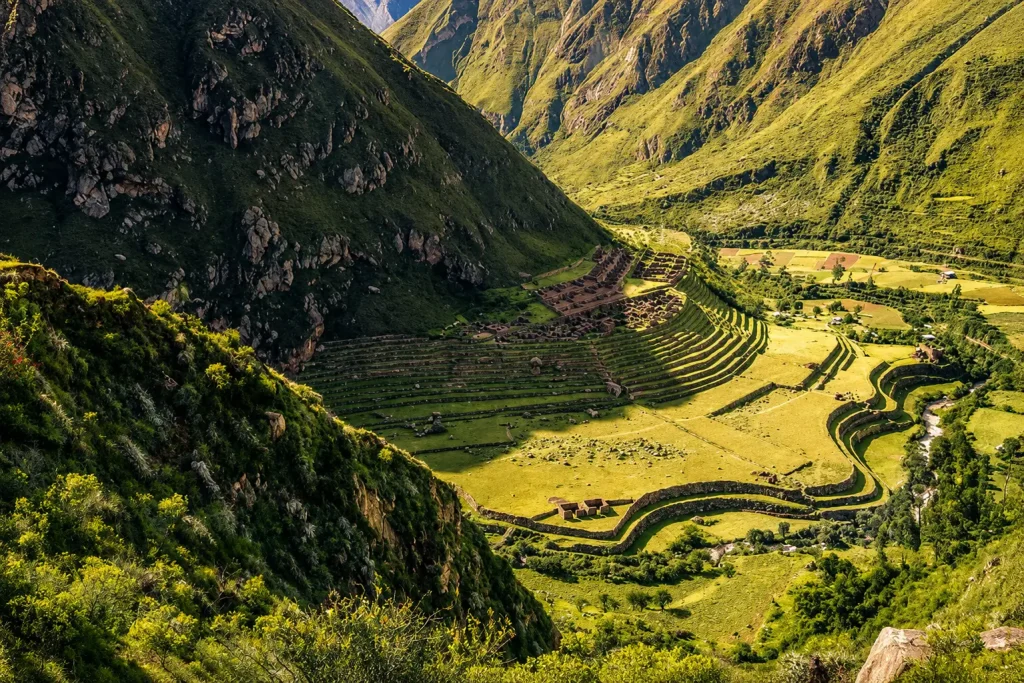
From Paucarcancha, we head toward Llactapata (also known as Patallacta), a major Inca administrative and agricultural center set along the banks of the Cusichaca River. Its extensive terraces and structures highlight the economic importance of this region during the Inca Empire.
5. Hiking from Huayllabamba to Km 82
One of the most unique aspects of the Ancascocha Trek is merging onto the historical section of the Classic Inca Trail. We will hike the stretch leading from the settlement of Huayllabamba to Km 82 (Piscacucho). Walking along the Urubamba River toward the train station lets you experience the magic of the ancient chasquis (Inca messengers) before boarding the train to Aguas Calientes and the iconic citadel of Machu Picchu.
Why You Should Do the Ancascocha Trek
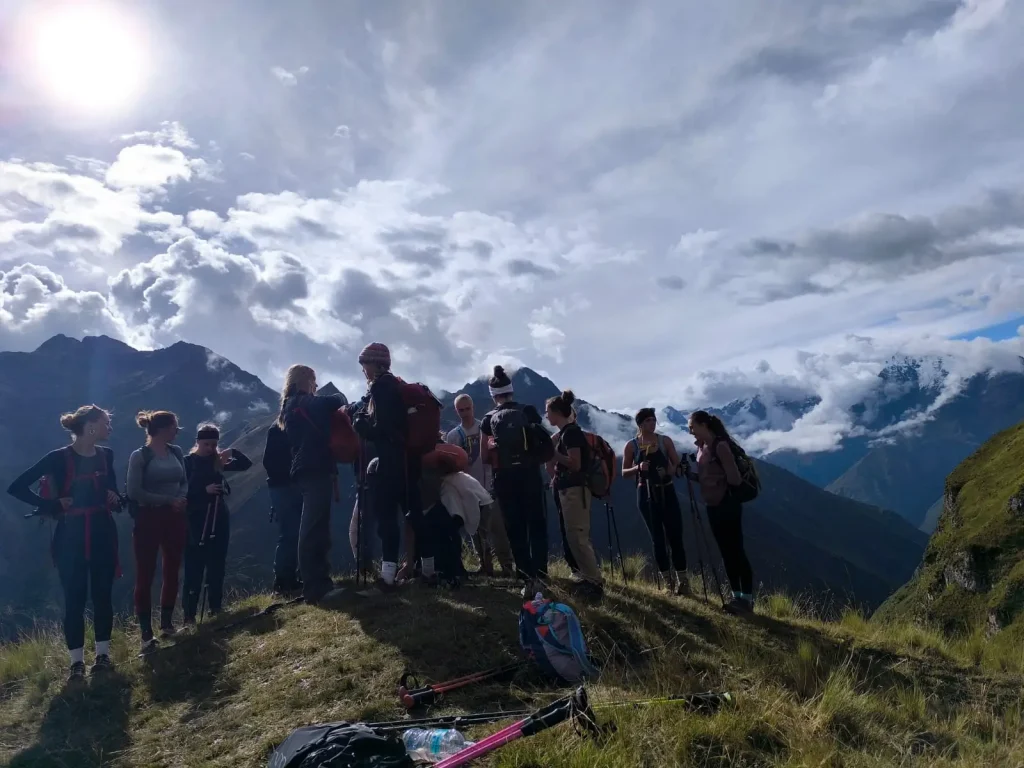
- Absolute Tranquility: Unlike the Classic Inca Trail or Salkantay Trek, Ancascocha sees very few hikers. You will enjoy archaeological sites and campsites practically to yourself.
- Perfect Blend of Nature & History: You don’t have to choose between glacial lakes and Inca ruins; this itinerary offers the best of both worlds.
- Authentic Cultural Immersion: You will share paths with local mountain villagers, gaining firsthand insight into their ancestral traditions and way of life.
Difficulty & Physical Preparation
The Ancascocha Trek is rated as moderate to challenging due to high-mountain passes and varied terrain.
- Maximum Altitude: Approx. 15,255 ft / 4,650 m (Huayanay Pass).
- Recommended Preparation: Spending at least 2 to 3 days acclimating in Cusco or the Sacred Valley prior to the trek is essential, along with maintaining good physical conditioning for daily hikes of 6 to 8 hours.
Navigating this challenge safely and comfortably comes down to choosing an experienced local operator. At Ali Perú Treks, our expert local guides manage trekking paces thoughtfully, oversee proper acclimatization, and provide nutritious meals alongside top-tier camping equipment throughout the expedition.
Ready for the Adventure?
The Ancascocha Trek is waiting for you to push your limits and discover hidden archaeological and natural wonders that few travelers ever get to see. The Andes are calling!