
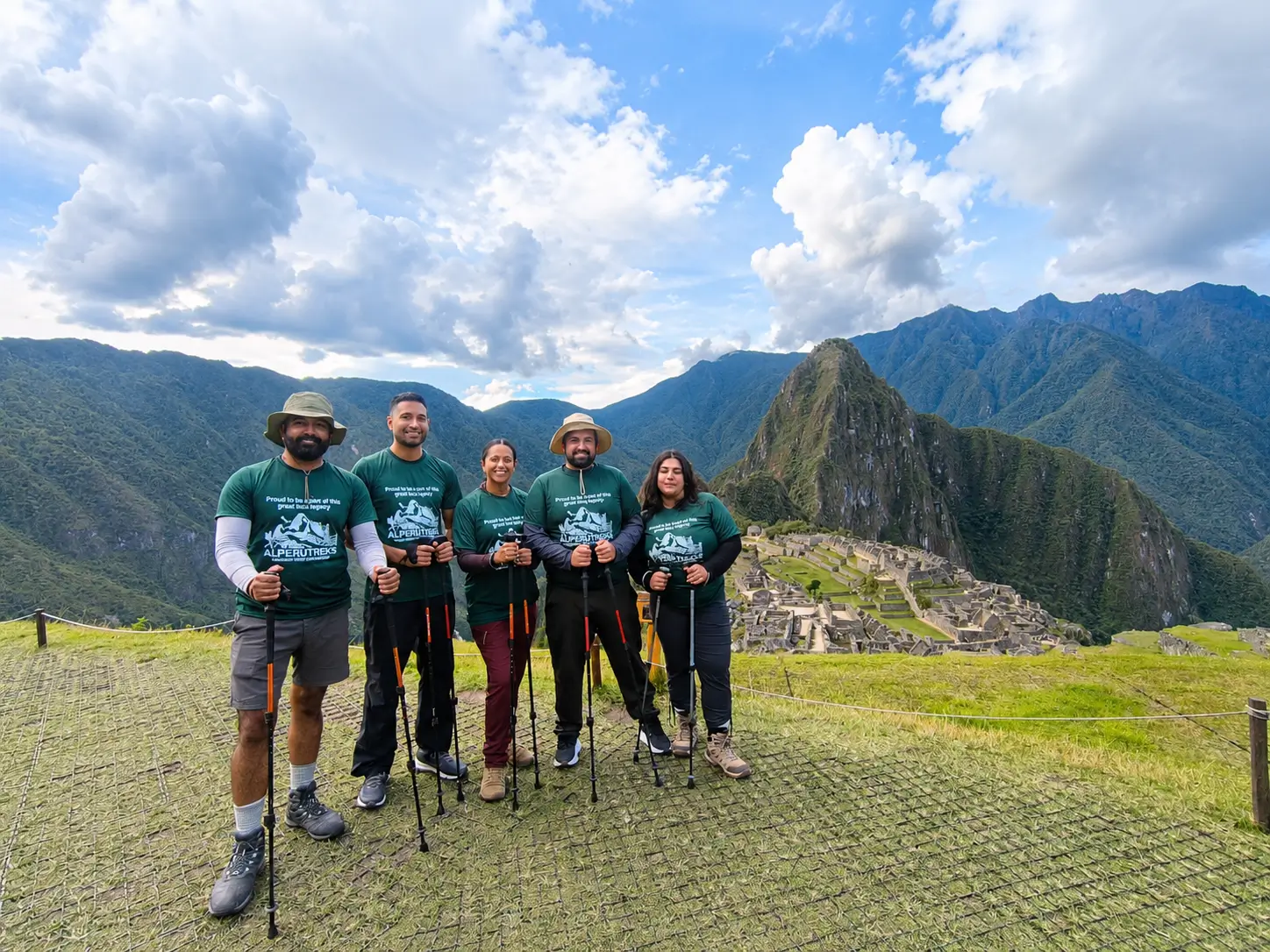
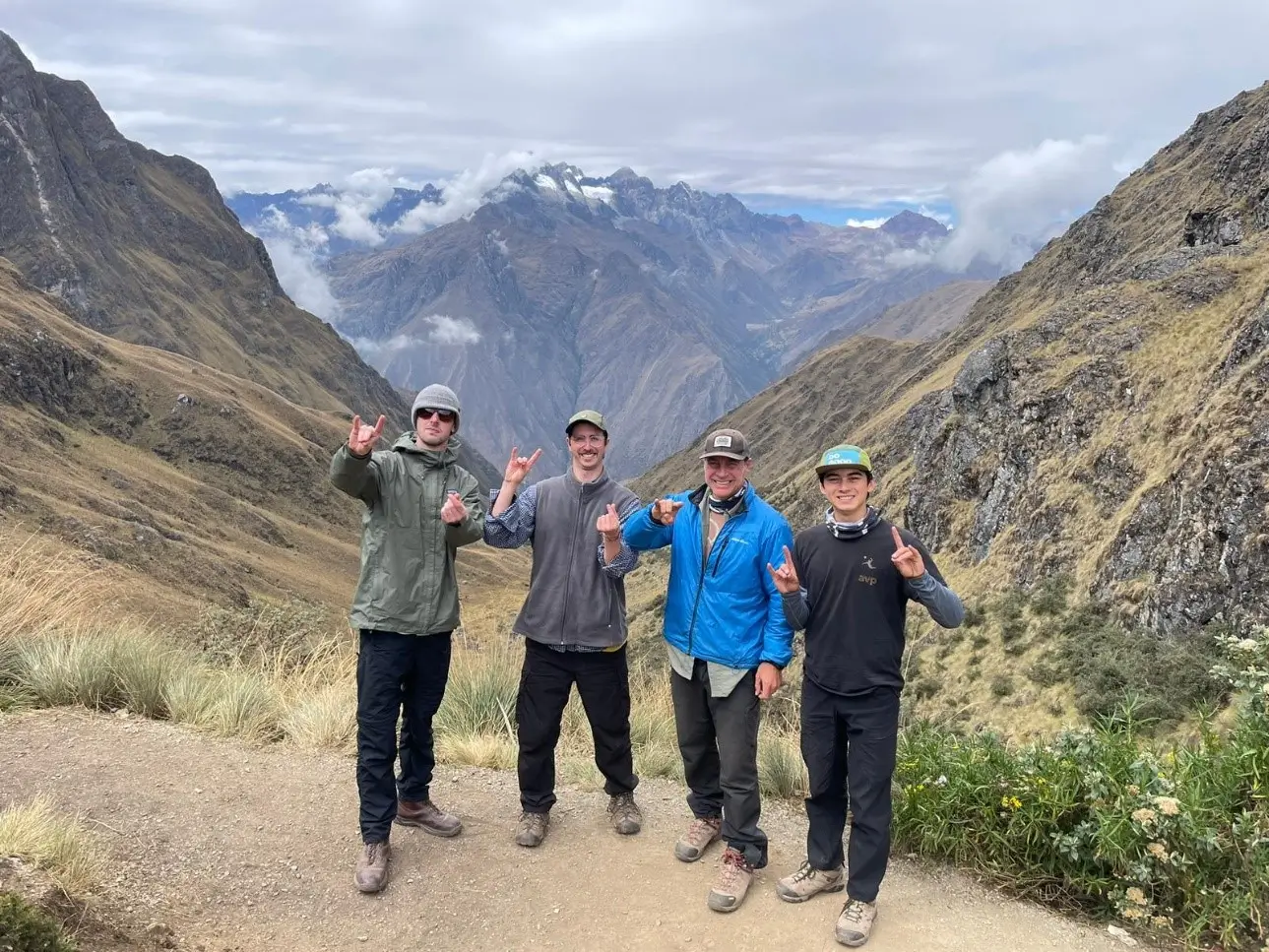
Dreaming of stepping through the Sun Gate to witness the ancient ruins of Machu Picchu at dawn? It is a bucket-list experience for many travelers, but the physical challenge often brings up doubts and concerns.
If you are planning this epic journey to Peru, you are likely researching the inca trail difficulty to see if you are truly up for the trek. The truth is, while it is a demanding hike, it is absolutely achievable with the right mindset and preparation.
In this comprehensive guide, we will break down exactly what makes this famous Andean trek challenging. We will cover altitude, terrain, and expert tips to ensure you are fully prepared to conquer the mountains.
Understanding the Inca Trail Difficulty: What to Expect
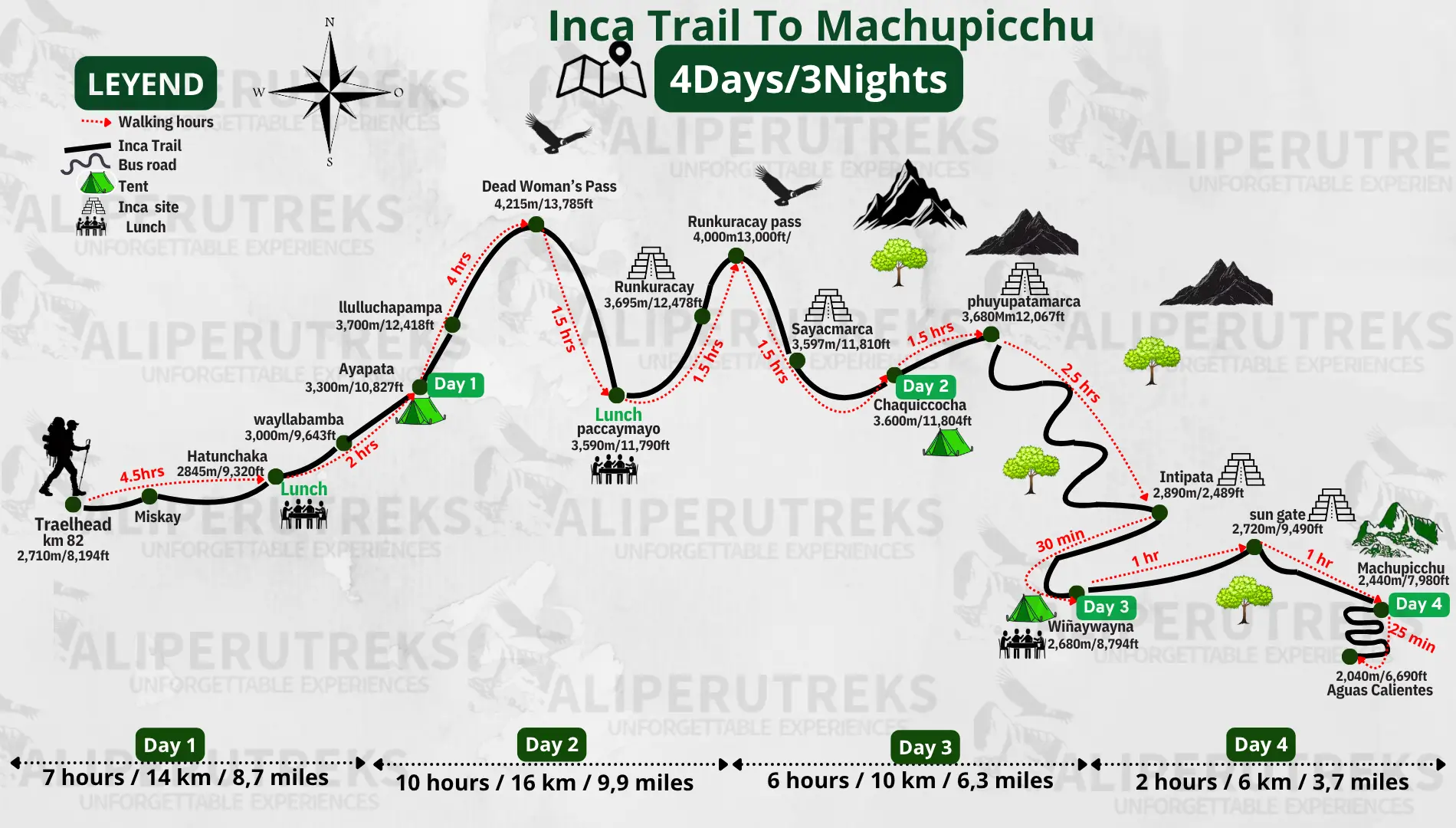
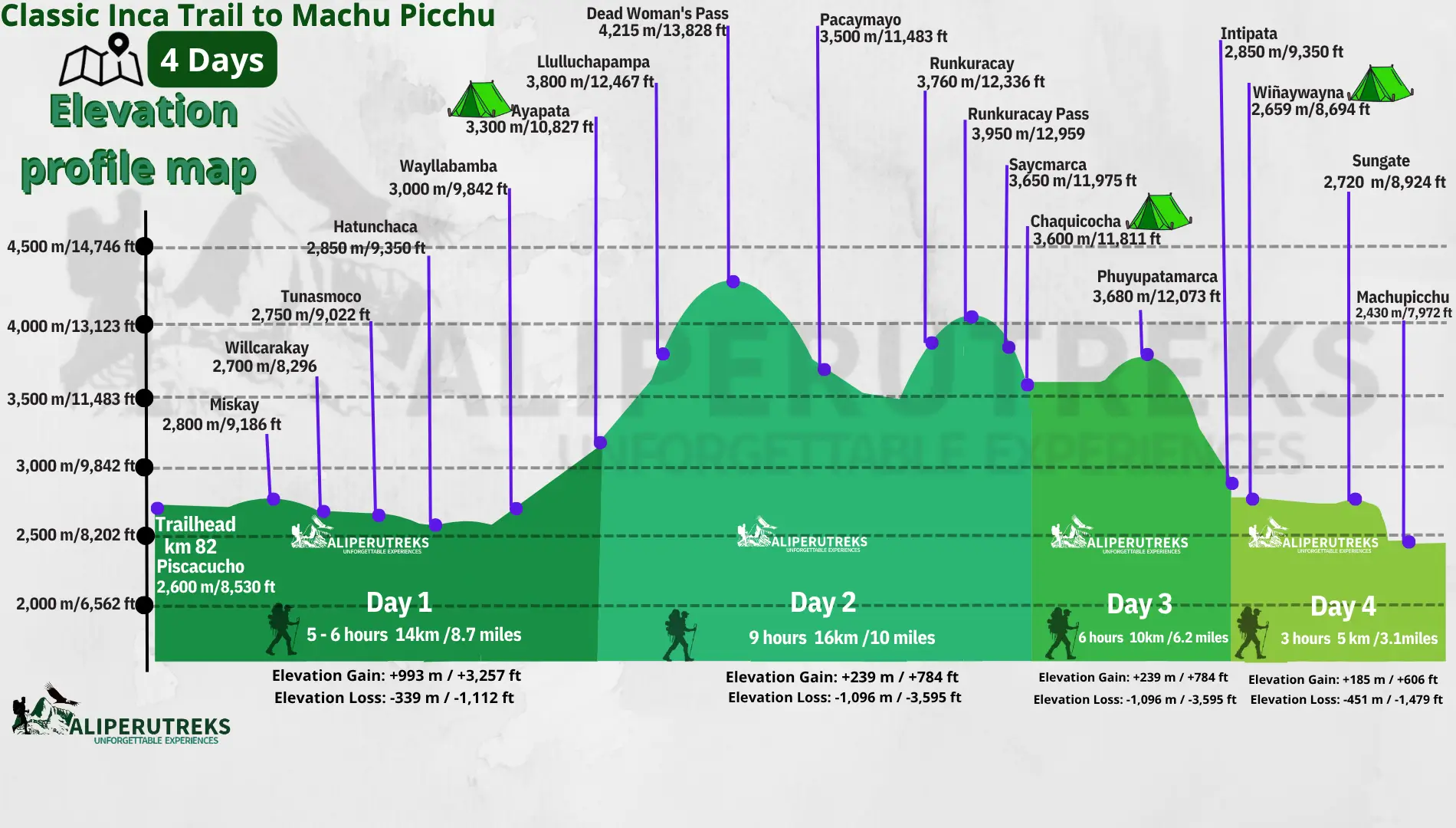
The Classic Inca Trail 4 Days is rated Moderate to Difficult. It’s not a technical climb — no ropes, no scrambling — but it is a sustained, multi-day physical effort at altitude. When travelers ask how hard is the inca trail, the answer depends heavily on their baseline fitness and hiking experience. The classic route covers roughly 26 miles (42 kilometers) over four days and three nights.
You will be hiking anywhere from 5 to 9 hours a day, navigating ancient stone steps that can be steep and uneven. The terrain goes up and down constantly, testing your knees and stamina in ways flat-ground walking simply cannot.
However, this is not a technical climb. You do not need ropes, harnesses, or rock-climbing skills. It is a high-altitude endurance hike that requires mental grit and a steady, consistent pace.
The Altitude Factor: Dealing with Inca Trail Altitude Sickness
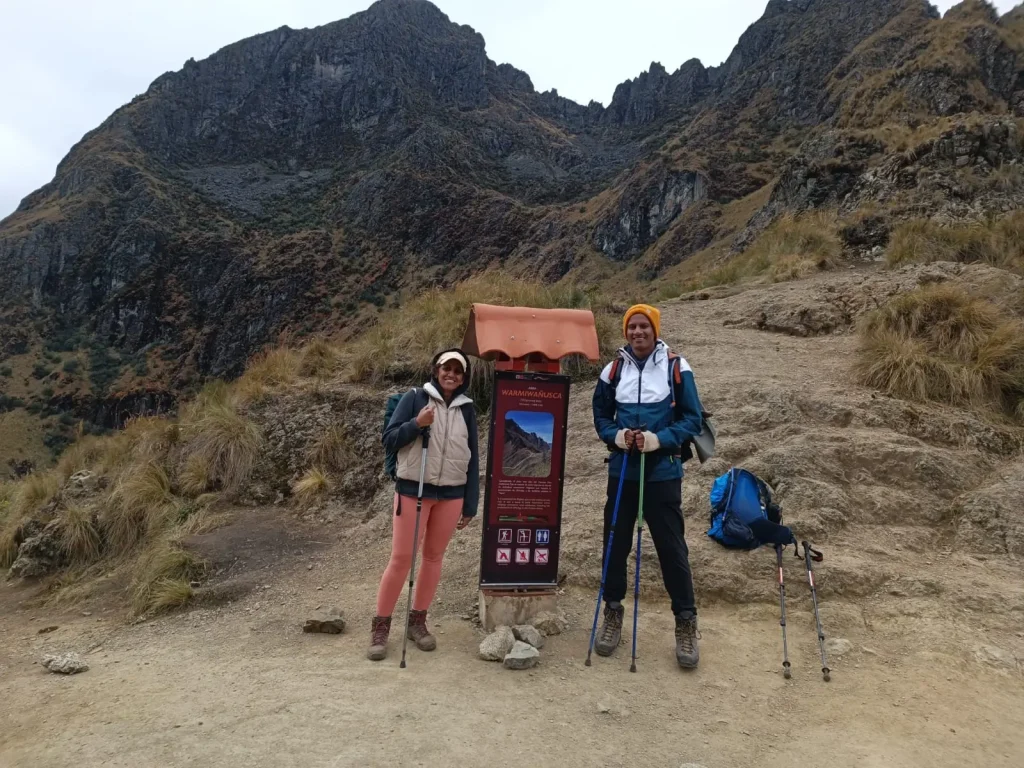
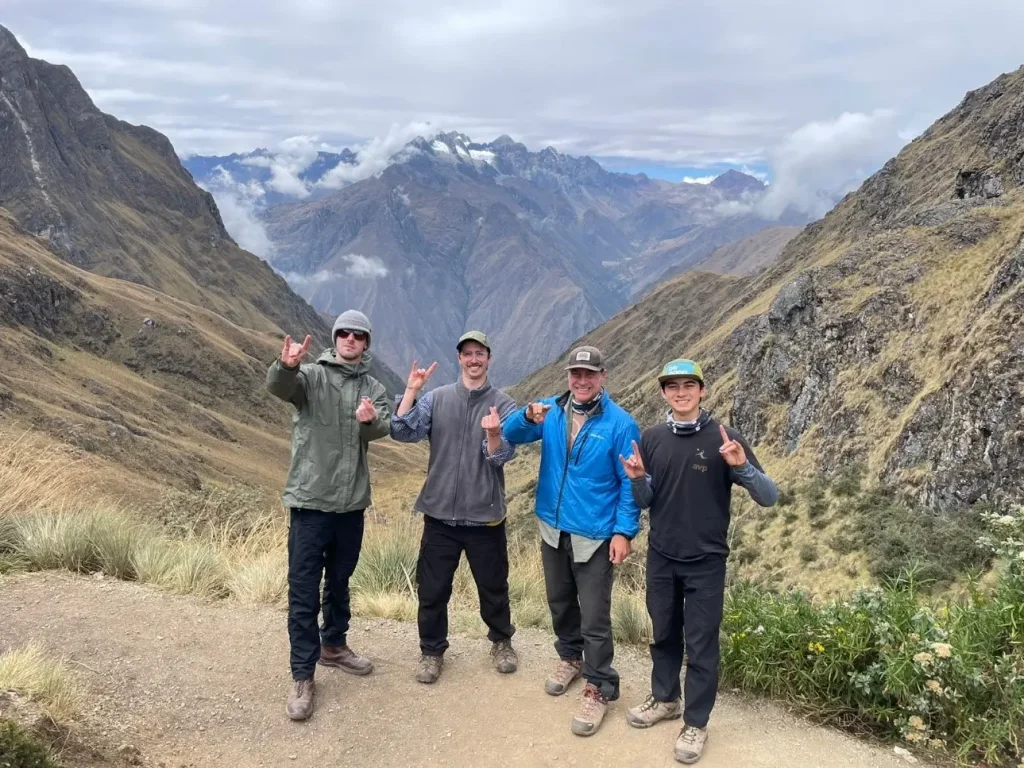
For most American travelers coming from near sea level, altitude is the biggest hurdle. The trek starts at about 8,923 feet (2,720 meters) and reaches its highest point at Dead Woman’s Pass, which sits at a breathless 13,828 feet (4,215 meters).
Because of this elevation, inca trail altitude sickness is a valid concern. Symptoms can include headaches, nausea, shortness of breath, and fatigue. The thin air means your body has to work twice as hard to get the oxygen it needs.
To prevent this, you must spend at least two to three days in Cusco (11,152 ft / 3,400 m) or the Sacred Valley before your hike. Proper acclimatization is the secret weapon to enjoying your trek rather than suffering through it.
Is the Inca Trail Hard for Beginners?
If you have never done a multi-day trek before, you might be wondering: is the inca trail hard for beginners? The honest answer is yes, it will challenge you, but it is far from impossible.
Many novices successfully complete the trail every year. The key is that you cannot show up straight off the couch. You must respect the mountain and put in the work beforehand.
Trekking poles will become your best friends, saving your joints on the steep downhill sections. A positive attitude and a supportive guide team make a massive difference for first-time trekkers facing the Andes.
Your Essential Inca Trail Training Plan
To guarantee a safe and enjoyable experience, you need a solid inca trail training plan. Start preparing at least three to four months before your trip to Peru.
- Cardio is King: Build your cardiovascular endurance with running, cycling, or swimming 3-4 times a week.
- Stair Climbing: The Incas loved stairs. Spend time on the StairMaster at the gym, or find local bleachers to climb.
- Practice Hikes: Do weekend hikes on uneven terrain wearing the exact boots and daypack you will use in Peru to prevent blisters.
- Leg Strength: Incorporate squats, lunges, and calf raises into your routine to protect your knees and power up the mountain passes.
Quick Facts & What to Bring
- Best Season: The dry season runs from May to October. Expect cold nights and sunny days.
- Weather/Climate: Mountain weather is unpredictable. Temperatures can range from 32°F (0°C) at night to 70°F (21°C) during the day.
- What to Bring: Moisture-wicking base layers, a warm fleece, a waterproof Gore-Tex jacket, well-broken-in waterproof hiking boots, a headlamp, and plenty of sunscreen.
Expert Advice from Local Pros
As local experts operating in Cusco, we have guided countless travelers safely to Machu Picchu. Here are our top insider tips:
- Pace Yourself: “Pole pole” (slowly, slowly). This is not a race. Walking at a slow, steady rhythm helps prevent exhaustion and altitude sickness.
- Stay Hydrated: Drink at least 2.5 to 3 liters of water daily on the trail. Dehydration mimics and worsens altitude sickness.
- Book Early: Permits sell out months in advance, especially for the high season (May-August). Plan your logistics well ahead of time.
- Trust Your Porters: Let the amazing local porters carry the heavy gear. Carry only your daily essentials (water, snacks, camera, rain gear) in a small daypack.
Conclusion
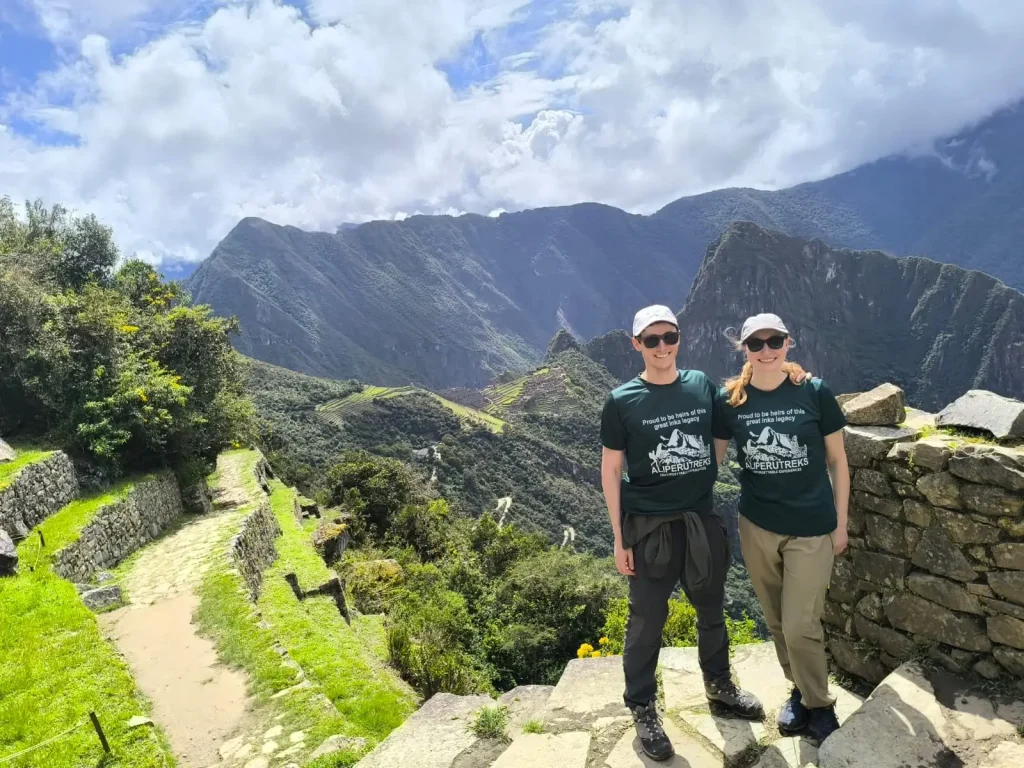
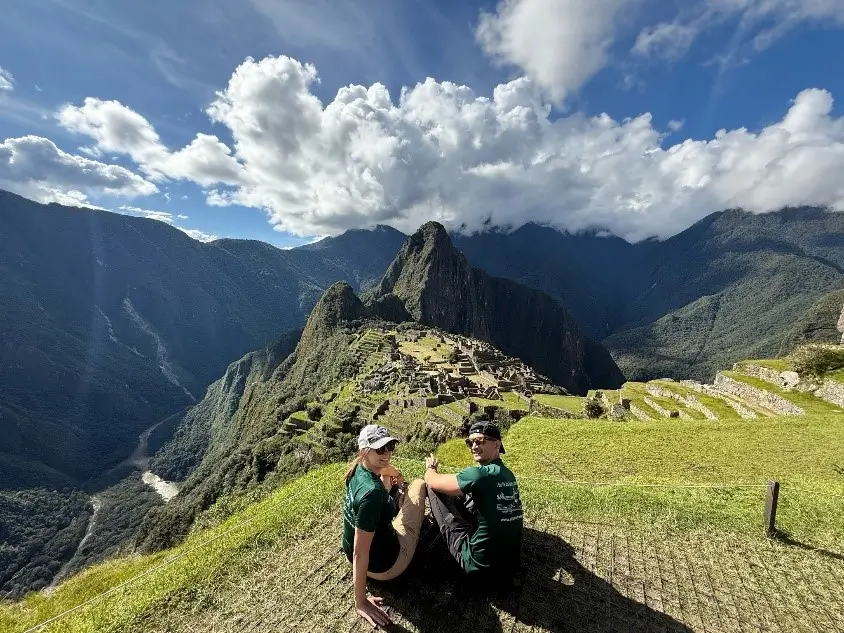
Ultimately, the inca trail difficulty is manageable if you respect the altitude, train your body, and pack correctly. The feeling of arriving at the Sun Gate and looking down at the magnificent citadel of Machu Picchu makes every single steep step worth it.
Are you ready to take on the adventure of a lifetime? At Ali Peru Treks, we take care of all the logistics, permits, and safety measures so you can focus on the hike. Contact us today to check permit availability and start planning your unforgettable journey to Machu Picchu!