Landing in Cusco is the start of an epic adventure, but at 11,152 feet (3,399 meters), the thin Andean air can be a real challenge. At Ali Perú Treks, we believe that a successful trek doesn’t start on the trail—it starts with proper acclimatization.
The concern about altitude is valid, but with the right information and a responsible plan, it’s a manageable part of the Andean experience. As a 100% local operator, we have helped thousands of travelers safely conquer these heights.
Here is everything you need to know about how to acclimate in Cusco, based on medical recommendations and decades of local expertise.
Cusco Elevation Explained Clearly
Cusco’s elevation is the reason your body requires an adaptation period. At this altitude, there is less atmospheric pressure, which means less oxygen is available with each breath. Your body must work harder to oxygenate its tissues.
Starting at 8,202 feet (2,500 meters), you might already experience physiological changes. Cusco is well above that threshold.
Sacred Valley vs. Cusco Altitude: A Strategic Comparison
Understanding the differences in elevation is crucial for planning your first few days. Many travelers choose to arrive in the Sacred Valley first because it is significantly lower, offering a more gradual acclimatization.
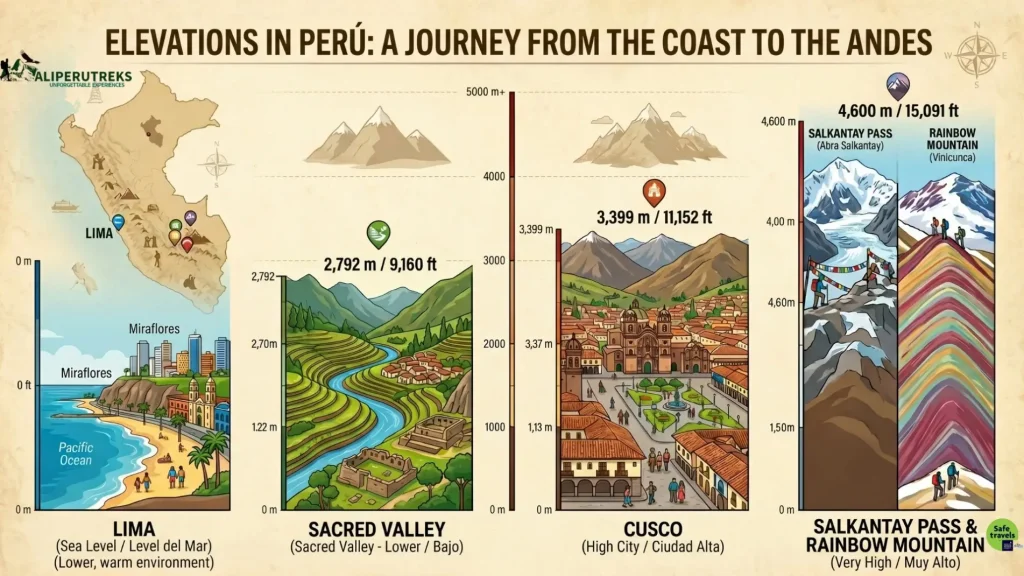
Elevation Quick Guide:
- Lima: 101 m / 331 ft (Sea level)
- Ollantaytambo (Sacred Valley): 2,792 m / 9,160 ft (Moderate)
- Cusco City: 3,399 m / 11,152 ft (High Altitude)
- Salkantay Pass: 4,630 m / 15,190 ft (Very High Altitude)
What Is Altitude Sickness (Soroche)?
Altitude sickness, locally known as soroche, occurs when the body hasn’t had enough time to adapt to reduced oxygen. It is not dangerous if recognized and treated early, but ignoring it can lead to serious complications.
Most Common Symptoms:
- Persistent Headache (the most frequent sign)
- Nausea or Vomiting
- Intense Fatigue or Dizziness
- Difficulty Sleeping
- Shortness of Breath with mild exertion
If you experience these, rest immediately and inform your hotel staff or Ali Perú Treks representative.
How Many Days Do You Need to Acclimatize in Cusco?
This is the number one question we get at Ali Perú. The ideal time depends on your physical condition and your planned activities.
| Stay | Recommendations | Suited For |
| 1 Day | High Risk. Rest only. Avoid exertion. Drink Coca Tea constantly. | Only if immediately transferring to the Sacred Valley. NOT recommended before a trek. |
| 2 Days | Minimum Recommended. Enjoy a slow-paced Cusco City Tour, visit museums, or gentle walks around the Historic Center. | Good for cultural tours. Basic acclimatization. |
| 3 Days+ | Ideal. Progressive improvement in oxygenation. Better performance. | Essential before demanding routes like Salkantay, Inca Trail, or Rainbow Mountain. |
How to Prevent Altitude Sickness in Cusco: Pro-Tips
Beyond just giving it time, these proven habits will significantly help your body adapt.
The Golden Rule: Listen to Your Body
Never rush. Take short, slow walks, use taxis for hills, and don’t push yourself during the first 48 hours.
Hydration and Diet
Altitude is extremely dehydrating.
- Drink: Water constantly (2-3 liters/day).
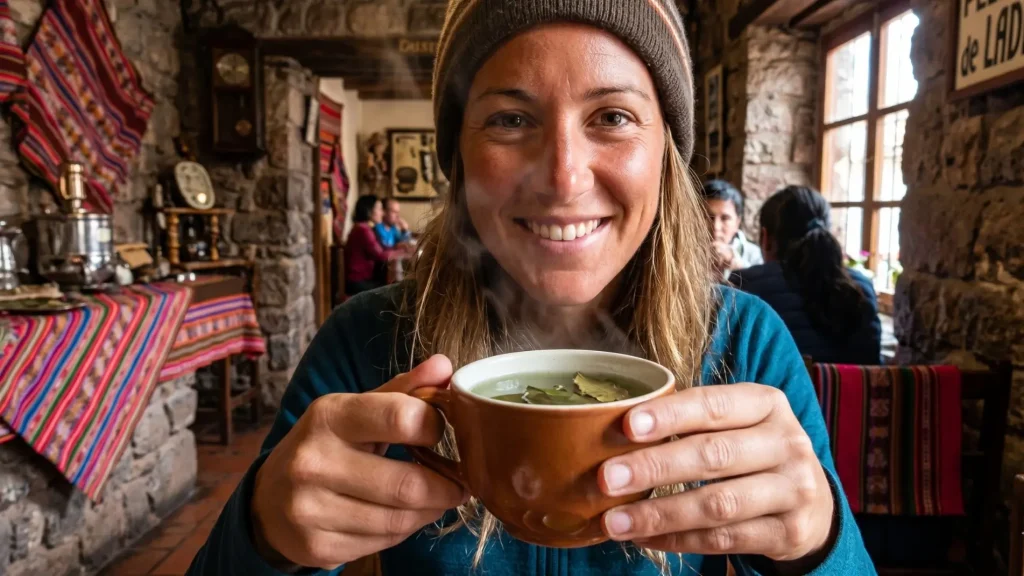
- Traditional: Coca Tea is a legend for a reason; it aids oxygen absorption.
- Eat: Complex carbs (like quinoa). Avoid alcohol and heavy, greasy meals.
Oxygenation and Local Safety: The Ali Perú Treks Advantage
Proper oxygenation is everything. At higher elevations, conscious, deep diaphragmatic breathing can help stabilize your heart rate and saturation.
We Prioritize Your Safety:
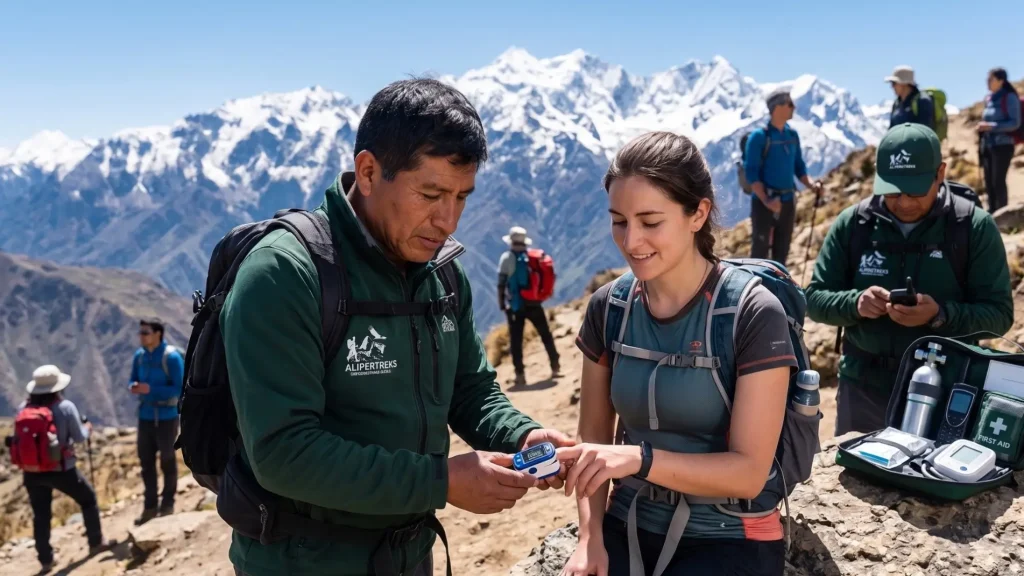
This is where traveling with a local expert makes a world of difference. At Ali Perú Treks, we have strict safety protocols:
- Our guides are locals who know the “mountain rhythm” needed for success.
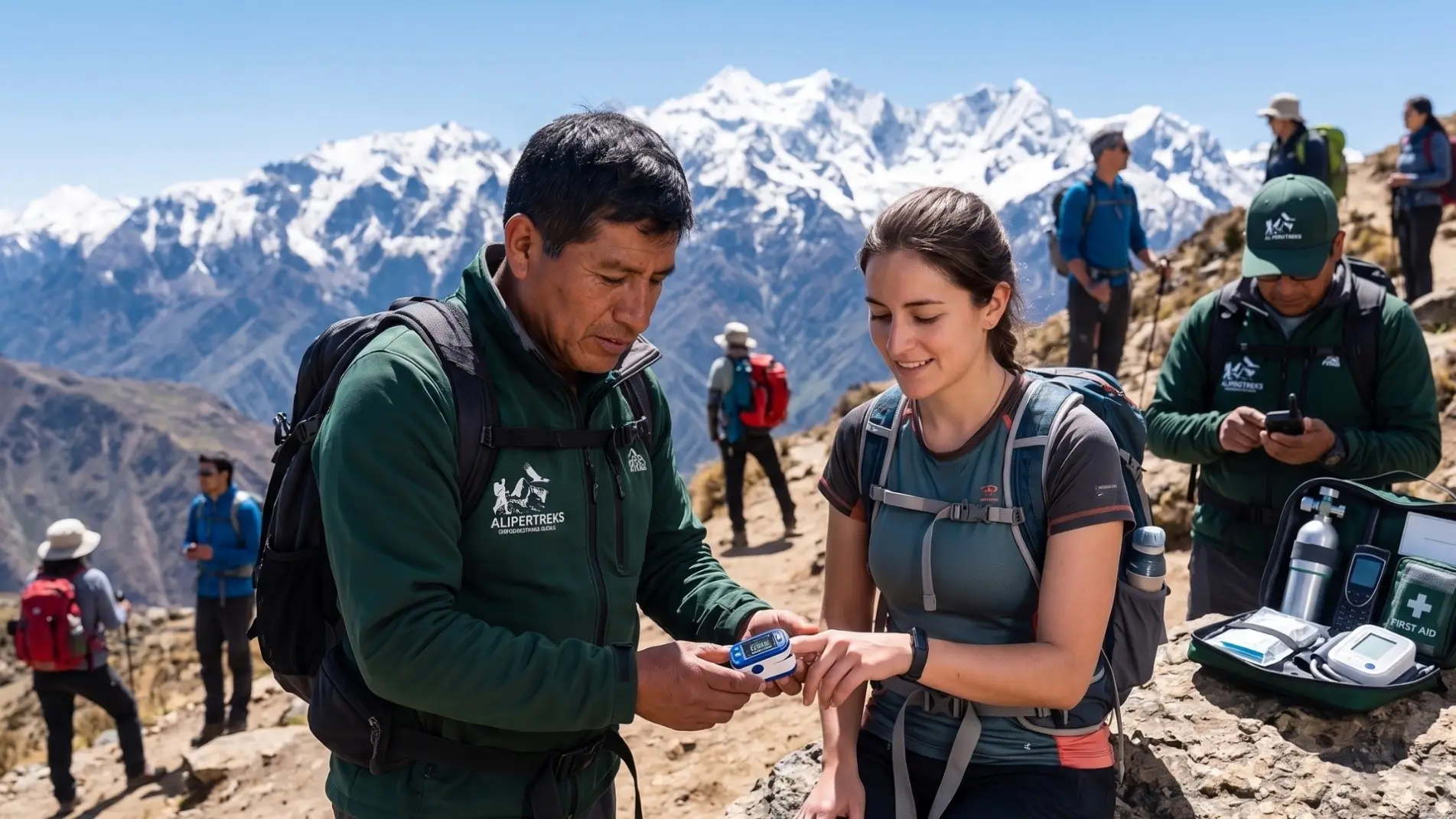
- They are trained to monitor your oxygen levels and recognize early symptoms.
- We carry medical oxygen on every high-altitude trek and tour.
Recommended Activities During Acclimatization
Your first days are not for sleeping all day—they are for gentle, low-impact movement.
- City Tour & Museums: Exploring the Plaza de Armas, Qoricancha, or museums like the Inka Museum is perfect. They offer culture without heavy physical demand.
- San Pedro Market: A fantastic, level-ground cultural immersion.
- Sacred Valley: An excellent 2-3 day excursion to start your journey at a lower elevation before returning to Cusco partially adapted.
Conclusion: Cusco Is Safe with Proper Preparation
Cusco’s elevation is a respectful factor, not a dangerous obstacle. With the right local expertise, adequate acclimatization time, and responsible decisions, your experience can be safe and rewarding.
Altitude is part of Cusco’s Andean identity. Respect it, prepare well, and get ready to enjoy one of the most incredible high-altitude destinations on Earth.
Ready to Begin Your Worry-Free Andean Journey?
Don’t let altitude concerns hold you back! With Ali Perú Treks, you are not just booking a tour; you are gaining a local safety net. Let our expert local team guide you to a successful and healthy conquest of the Andes.
Have questions about the best acclimatization itinerary for you?
Don’t wait! [Contact us via WhatsApp right now] and speak directly with a local expert. Let’s plan your dream trek together, responsibly.
Treks by Altitude Level (After Proper Acclimatization)
Once you are ready, here is how we organize our tours by demand:
- Moderate: Cusco City Tour, Sacred Valley, Maras & Moray.
- Moderate to Challenging: Classic Inca Trail (up to 4,215m), Lares Trek.
- Challenging: Salkantay Trek (Pass at 4,630m).
- High Altitude Impact: Rainbow Mountain (Vinicunca – 5,100m). Needs 3 full days of acclimatization minimum.