
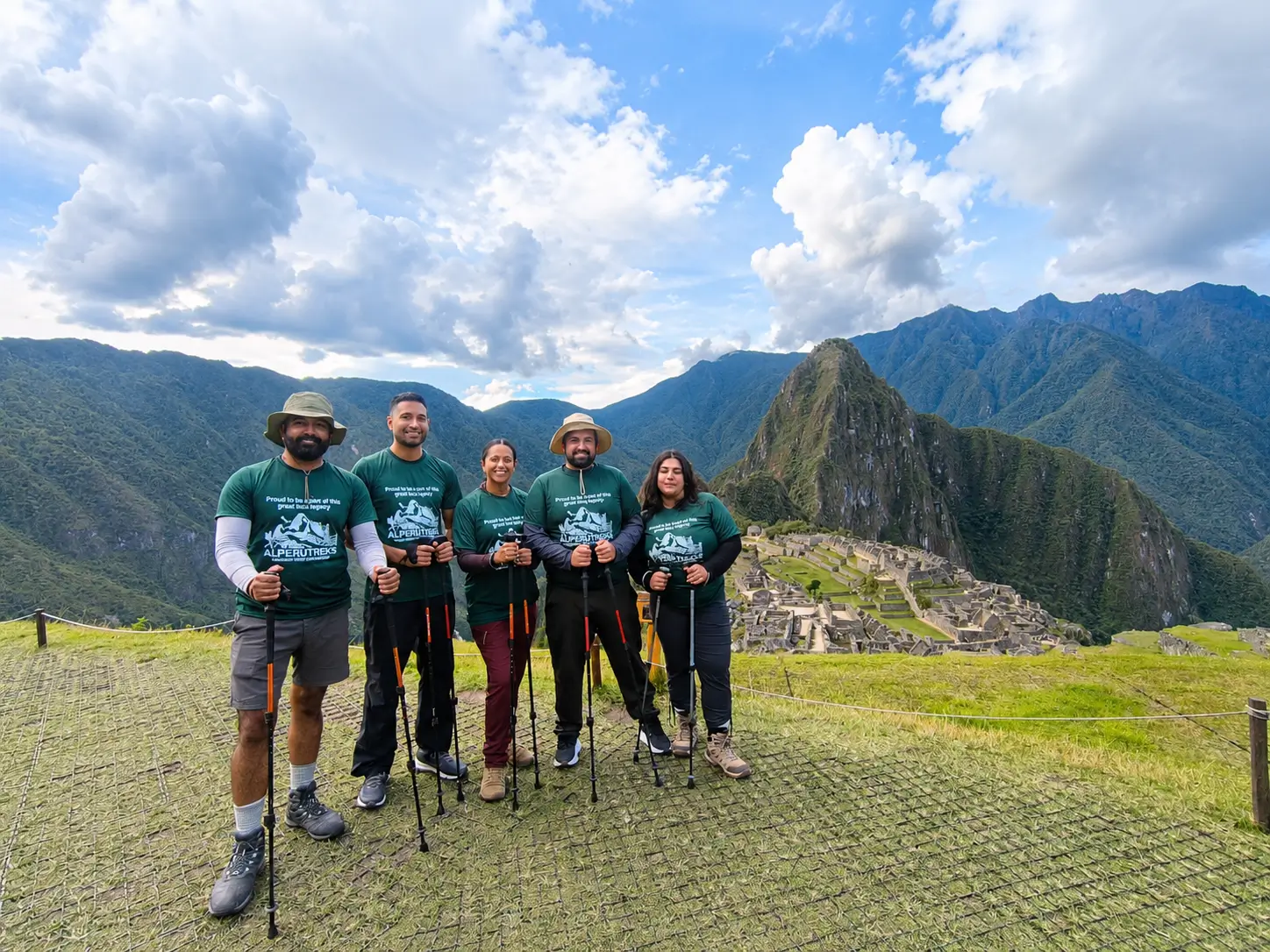
January is inside Peru’s rainy season, so the Ancascocha Trek in January means afternoon rain most days, muddy sections above 4,000 m, and cloud cover that can hide the Verónica and Salkantay glacier views. In exchange, you get a trail that’s already nearly empty in dry season and virtually deserted in January, plus lower prices.
It’s a real trade-off, not a bad month by default — the answer depends on what you’re optimizing for.
What January Weather Actually Looks Like
Cusco itself, at 3,399 m (11,152 ft), sees average daytime highs around 16–18°C (61–64°F) and nighttime lows near 4°C (39°F) in January, with rain falling on the majority of days — most sources put it somewhere between 15 and 20 rainy days for the month, usually as afternoon or evening showers rather than all-day downpours. Mornings are frequently clear or partly cloudy; rain tends to build through the afternoon.
The Ancascocha Trek climbs well above Cusco, and that matters more than the city forecast. The trek’s highest point, Huayanay Pass, sits at 4,650 m (15,255 ft), and the Ancascocha campsite itself is around 4,090 m (13,418 ft).
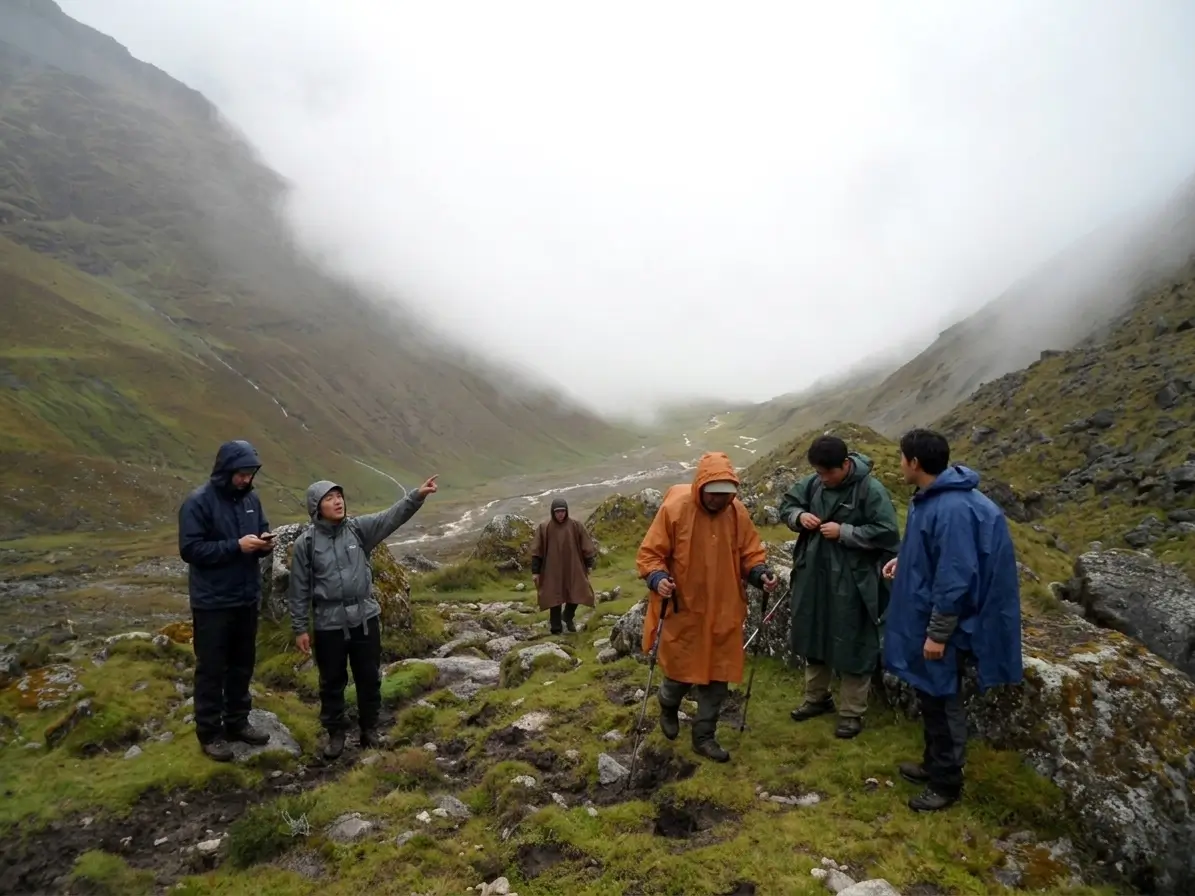
At that elevation, January precipitation is just as likely to fall as sleet or wet snow on the pass, and overnight temperatures at camp can drop toward freezing or below — cold enough that trekking operators recommend a sleeping bag rated to at least -15°C (5°F) regardless of season.
| Cusco (city) | Ancascocha Trek (camps & pass) | |
|---|---|---|
| Daytime temp | 16–18°C / 61–64°F | Similar at lower camps, colder near the pass |
| Nighttime temp | 4°C / 39°F | Can drop toward 0°C / 32°F or below at high camps |
| Rain pattern | Afternoon/evening showers most days | Same pattern, plus possible sleet/snow above 4,000 m |
| Trail surface | N/A | Muddy, slippery sections on ascents and descents |
The Case For Hiking in January
You’ll likely see no one else. Ancascocha is already one of the least-crowded routes to Machu Picchu in dry season — in January, “zero crowds” becomes closer to a guarantee. If your priority is solitude over guaranteed clear skies, this is close to the best month for it.
No Inca Trail permit competition. Ancascocha has no daily hiker cap the way the Classic Inca Trail does, so January doesn’t create the booking pressure that hits Inca Trail permits in high season — you’re not racing a quota either way, but it’s worth knowing this trek sidesteps that system entirely.
Greener landscapes. The valleys, high pastures, and the approach to Perolniyoc Waterfall are noticeably more lush in the wet months, and the waterfall itself typically runs fuller.
Lower prices and open dates. January sits in the low season for Cusco tourism generally, which tends to mean easier availability and softer pricing across hotels and tour operators.
The Case Against
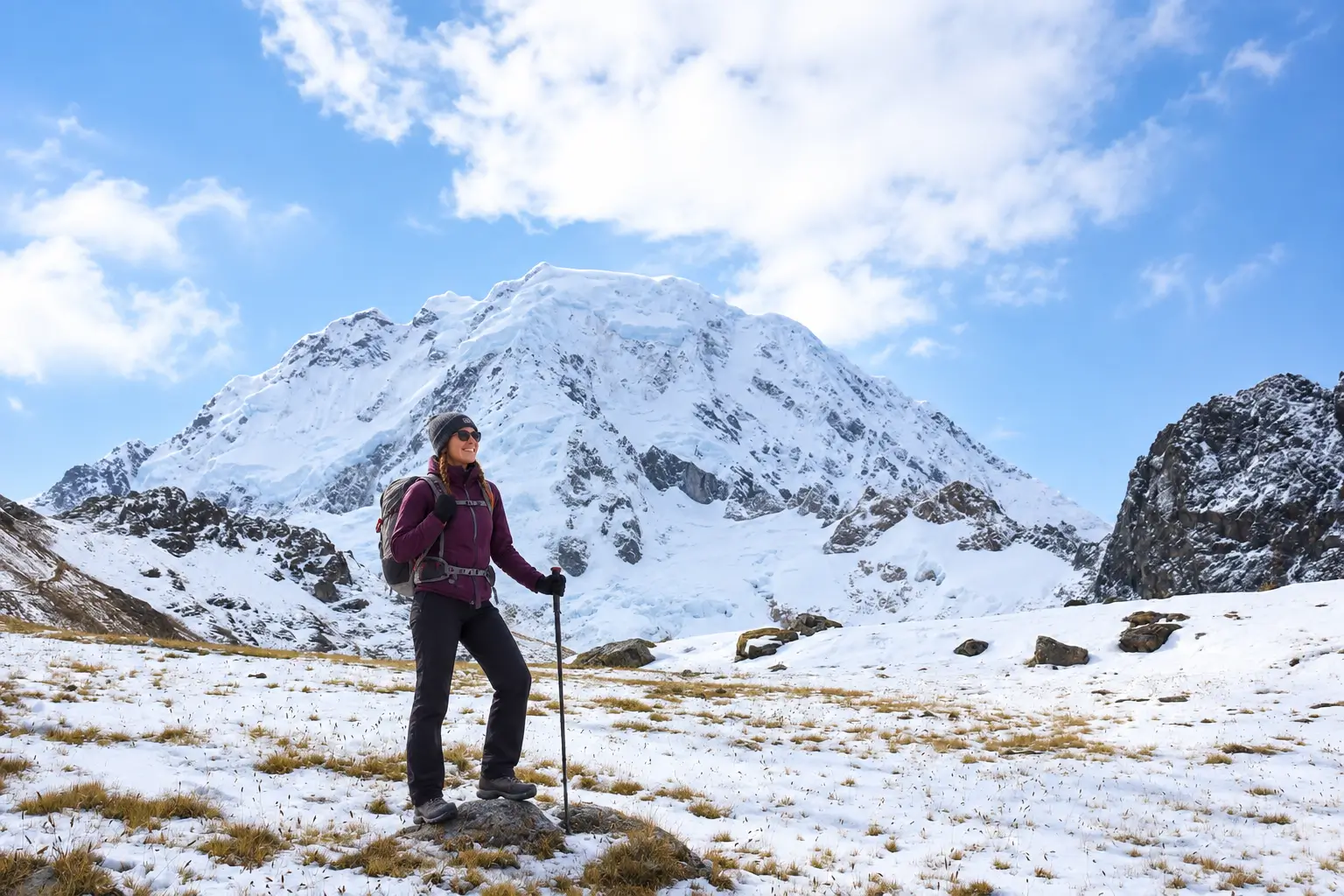
Reduced visibility on the passes. The main scenic payoff of Ancascocha — panoramic views of Mt. Verónica (5,893 m) and Apu Salkantay from Huayanay and Kuychiccasa passes — depends on clear skies. In January, cloud cover can obscure these views on any given day, and there’s no way to guarantee otherwise.
Trail conditions. Sections of the route, particularly the descents from Kuychiccasa and Huayanay passes, become muddy and slippery. This isn’t dangerous with proper boots and trekking poles, but it slows the pace and adds physical strain on already long hiking days (some days on this route run 8–10 hours).
Cold, wet nights at altitude. Camping at 3,900–4,100 m in the rain is a different experience than camping in the dry season. A quality four-season tent and a genuinely warm sleeping bag aren’t optional in January — they’re the difference between a good night’s sleep and a miserable one.
February closure looms. If your dates are flexible and land in late January, know that the Inca Trail network closes entirely every February for maintenance. This doesn’t affect Ancascocha directly since it has no permit system, but it does mean the whole region gets busier with displaced Inca Trail hikers rerouting to alternatives in late January and early February.
How January Compares to the Dry Season
| January (rainy season) | April–October (dry season) | |
|---|---|---|
| Rain | Frequent afternoon showers | Rare, mostly clear |
| Trail crowds | Essentially none | Low (still far fewer than Salkantay or the Inca Trail) |
| Mountain views | Hit or miss, cloud-dependent | Reliable, clear |
| Trail conditions | Muddy, slippery in sections | Dry, stable footing |
| Overnight camp temps | Cold and wet | Cold and dry (can still drop below freezing) |
| Pricing/availability | Lower demand, more flexibility | Higher demand in peak months (June–August) |
Ancascocha vs. Other Routes in January
If solitude and off-season pricing matter more to you than guaranteed views, Ancascocha holds up reasonably well against the alternatives in January. The Salkantay Trek sees more January traffic since it’s better known and has more built-up infrastructure along the route, while the Classic Inca Trail isn’t closed in January but does still carry a fixed permit system regardless of weather. For a fuller side-by-side on terrain, difficulty, and crowd levels, our dedicated comparisons cover Ancascocha vs. Salkantay and Ancascocha vs. the Classic Inca Trail in more depth. Ancascocha’s National Geographic recognition, covered separately here, doesn’t change with the season — the trail itself is the same trail, just wetter.
What to Pack for a January Departure
A January packing list on Ancascocha isn’t radically different from dry season — it’s the same layering logic, weighted more heavily toward waterproofing:
- Waterproof, broken-in hiking boots (not just water-resistant)
- A genuine rain jacket plus a poncho for the pack — one alone usually isn’t enough in sustained rain
- A sleeping bag rated to at least -15°C / 5°F, since camp nights stay cold even when it’s raining rather than freezing
- Dry bags or pack liners for electronics and spare clothing
- Trekking poles — genuinely useful on the muddy descents, not just a dry-season nicety
- Extra socks; wet feet on multi-day terrain lead to blisters fast
Our full Ancascocha packing list covers the complete kit, camp gear included.

Altitude Still Matters — Arguably More
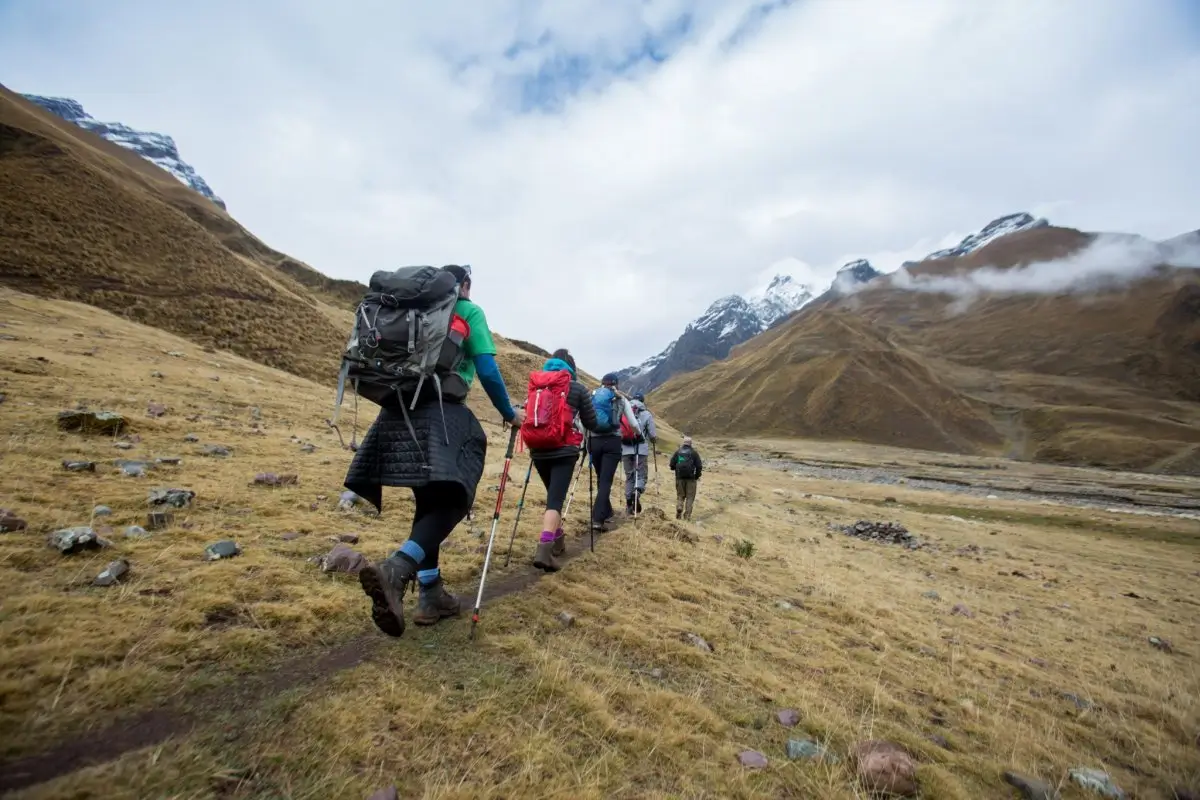
Rain or shine, Huayanay Pass sits at 4,650 m. Cold, wet conditions don’t cause altitude sickness, but they do make it harder to notice early symptoms and easier to under-hydrate, since people drink less water when it’s cold. Spend at least two full days acclimatizing in Cusco before departure regardless of season — our altitude sickness guide covers prevention and warning signs in detail.
The Honest Verdict
January isn’t the best month for photographs of Verónica and Salkantay — for that, the dry season between April and October is the more reliable bet. But if what draws you to Ancascocha in the first place is the promise of an empty trail and a route almost no other hikers will be on, January doesn’t undercut that promise — if anything, it reinforces it. Go in with the right gear and realistic expectations about cloud cover, and it’s a legitimate month to hike this route, not just a compromise.
Frequently Asked Questions
Yes. Unlike the Classic Inca Trail, which closes entirely every February, the Ancascocha Trek has no permit system and no annual closure, so it runs year-round including January.
Expect rain on most days, typically arriving in the afternoon or evening rather than as an all-day downpour. Mornings are often clear, which is usually the best window for hiking and photos.
No. Ancascocha has no daily hiker quota or government permit requirement, unlike the Classic Inca Trail. You do still need Machu Picchu entrance tickets and train tickets, which your operator arranges.
It’s not more technically difficult, but mud on the pass descents slows your pace and adds physical strain. Trekking poles and waterproof boots make a meaningful difference.
Possibly, but it’s not guaranteed. Cloud cover is common in the rainy season, and while mornings often offer the clearest conditions, there’s real day-to-day variability compared to the dry season.