
Ancascocha Trek: The Trail Named Among National Geographic’s 20 Best Hikes in the World
The short answer: the Ancascocha Trek is a multi-day route through the Vilcabamba mountains near Cusco that reaches a maximum altitude of 4,650 m (15,255 ft) at Huayanay Pass, passes the turquoise Ancascocha Lake and the Perolniyoc Waterfall, and is widely cited by Cusco tour operators as one of National Geographic’s 20 dream hikes on their World’s Best Hikes list. It’s an alternative to the Classic Inca Trail for travelers who want a quieter route and don’t need to book a capped government permit months in advance.
If you’re researching this trek because of the National Geographic mention, here’s what that recognition actually means in practice, what the trail is like day to day, and whether it’s the right choice for your Machu Picchu trip.
What the National Geographic Recognition Actually Refers To
The claim you’ll see repeated across nearly every Cusco trekking operator’s website — including this one — is that the Ancascocha Trek was named among National Geographic’s “20 dream hikes” in a World’s Best Hikes feature. This claim is consistent across a large number of independent operators, which suggests it traces back to a real National Geographic feature rather than being invented by any single company.
That said, we think it’s worth being straightforward with you: we haven’t been able to pull up the original National Geographic page with Ancascocha named on it, so treat this as an industry-repeated claim rather than something we’ve personally verified against nationalgeographic.com. What we can verify directly is the trail itself — the altitude, the route, and what you’ll actually experience — which is covered below.
Quick Facts
| Ancascocha Trek | |
|---|---|
| Highest point | Huayanay Pass, 4,650 m / 15,255 ft |
| Trailhead | Sacred Valley (Socma area), roughly 2 hours from Cusco |
| Route highlights | Ancascocha Lake, Perolniyoc Waterfall, remote Andean communities |
| Difficulty | Challenging |
| Permit required | No — not subject to the Inca Trail’s daily permit cap |
| Trail traffic | Low — one of the quieter routes to Machu Picchu |
| Accommodation | Camping throughout |
| Starting price (Ali Peru Treks) | From $640 (4 days) |
Prices reflect Ali Peru Treks’ current listings and are subject to change.
What the Trail Is Actually Like
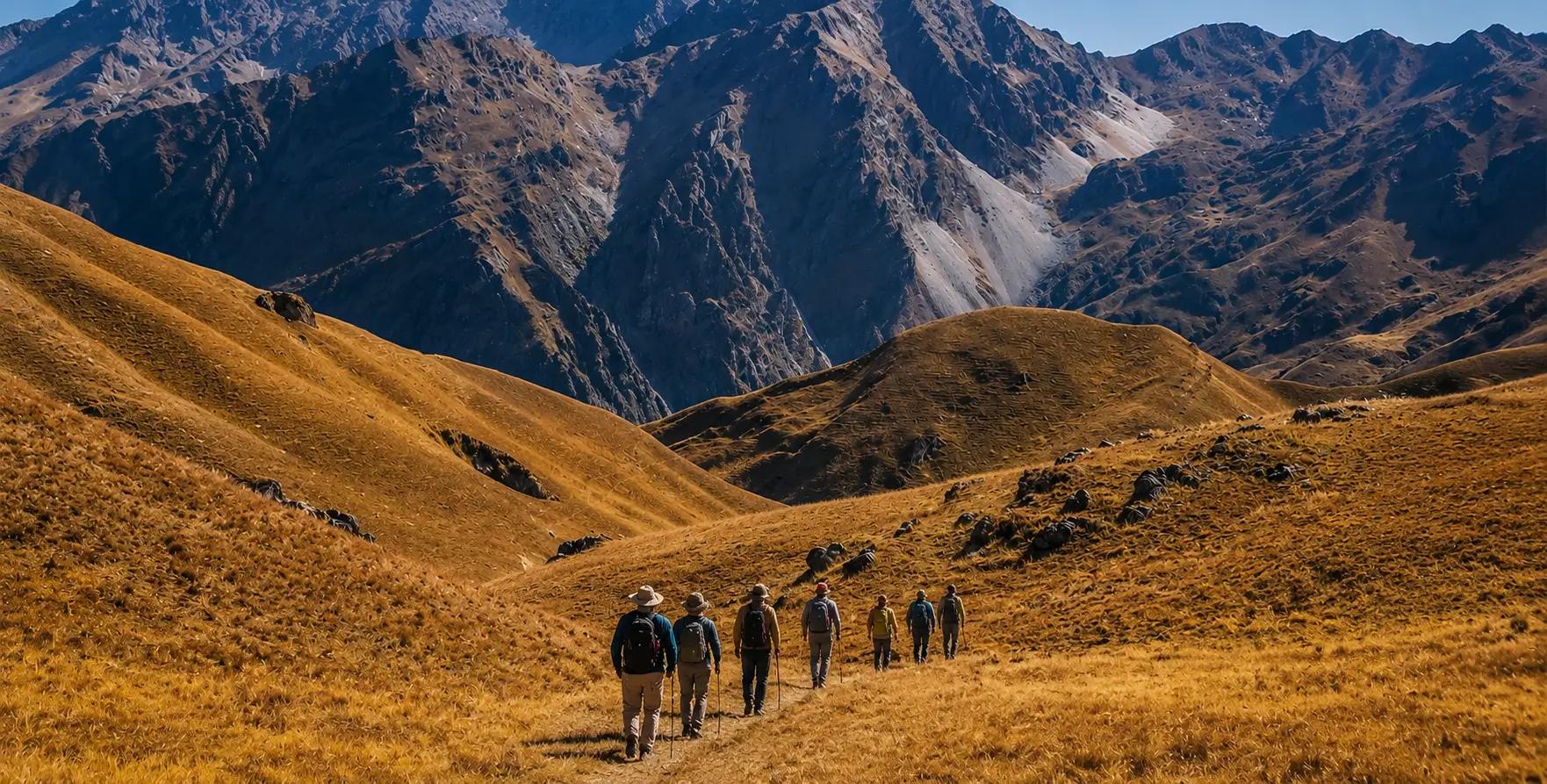
The Ancascocha Trek starts in the Sacred Valley and climbs into the Cordillera Vilcabamba, a range that sits west of the more famous Salkantay massif. Early on, the route passes the Perolniyoc Waterfall and nearby archaeological remains before climbing toward the community of Ancascocha itself, at roughly 3,700 m (12,140 ft). The trail’s defining feature is Huayanay Pass, at 4,650 m (15,255 ft) — the trek’s highest point and, on a clear day, a viewpoint for the snow-capped peaks of Salkantay and Verónica.
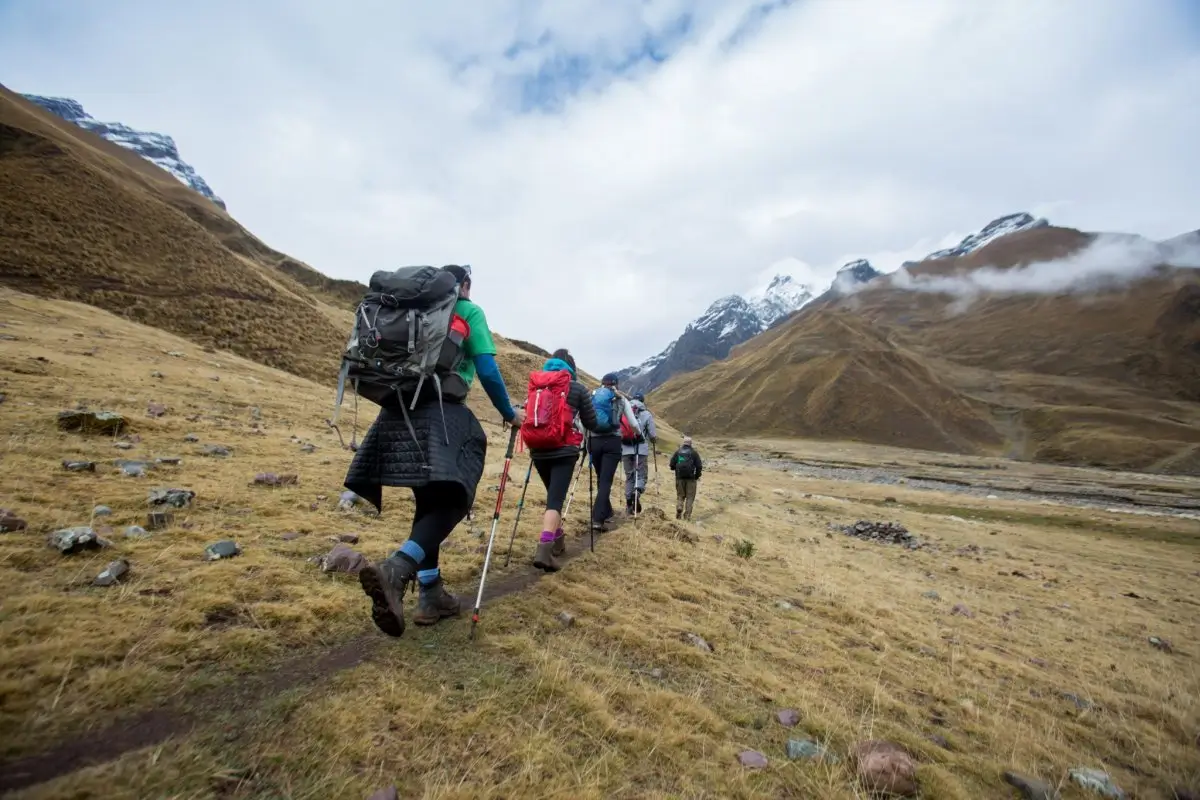
Along the way, the route passes through small Andean communities where herding livestock is still a daily activity rather than something staged for visitors. This is the main reason operators describe it as “off the beaten path” — it’s not marketing language so much as an accurate description of how few groups you’ll encounter on the trail relative to the Inca Trail or even the Salkantay Trek.

Honest Pros and Cons
Pros
- Genuinely quiet trail — a real difference from the more trafficked alternative routes
- No government permit cap, so booking is far more flexible than the Classic Inca Trail
- Turquoise lake and waterfall scenery that doesn’t require a side trip to reach
- Passes remote communities with limited tourist infrastructure, for travelers who want that
Cons
- Less developed trail infrastructure than Salkantay or the Inca Trail — fewer services along the way
- Camping the entire trek, with no hotel night built into standard itineraries
- Less name recognition means less independently verifiable information about the route compared to the Inca Trail
- At 4,650 m, the pass is higher than the Classic Inca Trail’s Dead Woman’s Pass (4,215 m), so acclimatization matters more, not less
The Different Ancascocha Itineraries
Ali Peru Treks runs several versions of this trek, depending on how much time you have and whether you want the traditional Sun Gate entrance to Machu Picchu added on:
| Itinerary | Duration | From (price) | Best for |
|---|---|---|---|
| Ancascocha Trek 4 Days | 4 days / 3 nights | $640 | Travelers with limited time who still want the core route |
| Ancascocha Trek to Machu Picchu 5 Days | 5 days / 4 nights | $730 | A less rushed pace over the same terrain |
| Ancascocha & Short Inca Trail 5 Days | 5 days / 4 nights | $860 | Travelers who want a taste of the Inca Trail’s stonework and the Sun Gate |
| Ancascocha + Classic Inca Trail 7 Days | 7 days / 6 nights | $1,260 | Hikers who want both routes in full, including the traditional Sun Gate arrival |
| Luxury Ancascocha Trek 5 Days | 5 days / 4 nights | $2,800 | Travelers who want the remote route without giving up camp comfort |
Difficulty and Altitude
Ali Peru Treks rates the Ancascocha Trek as Challenging across every version of the itinerary. The main reason is Huayanay Pass at 4,650 m (15,255 ft) — higher than the Classic Inca Trail’s toughest point, Dead Woman’s Pass, at 4,215 m (13,828 ft). This isn’t a trek to attempt straight off a flight from sea level. Spending at least two to three days in Cusco (3,400 m / 11,150 ft) beforehand to acclimatize is standard advice for any high-altitude trek in this region, and it applies here as much as anywhere — our guide to altitude sickness in Cusco covers what to expect and how to prepare.
Best Time to Hike
Like most treks in the Cusco region, the Ancascocha Trek is best attempted during the dry season, from roughly May to September, when trail conditions are firmer and mountain views are clearer. Shoulder months — April and October — offer a reasonable trade-off between weather and lower demand. Our guide to the best time to hike in the region covers month-by-month conditions in more detail, and the same general seasonal pattern applies to Ancascocha.


Is the Ancascocha Trek Right for You?
If solitude on the trail matters more to you than convenience or established infrastructure, Ancascocha is a legitimate option — probably the quietest multi-day route to Machu Picchu currently offered by Cusco operators. If you specifically want the on-foot Sun Gate entrance, you’ll need to add the Short or Classic Inca Trail on at the end, since the standard Ancascocha itinerary arrives at Machu Picchu by train and bus. If you’re still deciding between this trek and the alternatives, we’ve written direct comparisons: Ancascocha Trek vs. Classic Inca Trail and Ancascocha Trek vs. Salkantay Trek.
Neither Ancascocha nor its combination itineraries are subject to the Inca Trail’s capped permit system, so if your Classic Inca Trail dates are sold out, this is a realistic fallback rather than a compromise. Whatever you choose, check our essential trekking gear list before you pack — camping-based routes at this altitude require more preparation than a day hike.
Frequently Asked Questions
In terms of maximum altitude, yes. Huayanay Pass sits at 4,650 m (15,255 ft), which is higher than the Classic Inca Trail’s Dead Woman’s Pass at 4,215 m (13,828 ft). Both are rated Challenging, but Ancascocha’s higher point makes acclimatization more important, not less.
No. Unlike the Classic Inca Trail, which is limited to roughly 200 hikers a day under a government permit system, the Ancascocha Trek has no daily cap, which makes it easier to book on shorter notice.
Ali Peru Treks offers 4-day and 5-day standard versions, plus longer combination itineraries — 5 days with the Short Inca Trail, or 7 days with the full Classic Inca Trail — for travelers who want the traditional Sun Gate entrance included.
Not on its own. The standard Ancascocha itinerary ends by train to Aguas Calientes and bus up to the citadel. The Sun Gate entrance is only included if you book one of the versions combined with the Short or Classic Inca Trail.
No — this is one of its main selling points relative to the Inca Trail and Salkantay Trek. It remains one of the quieter multi-day routes to Machu Picchu, largely because fewer travelers know it exists.