
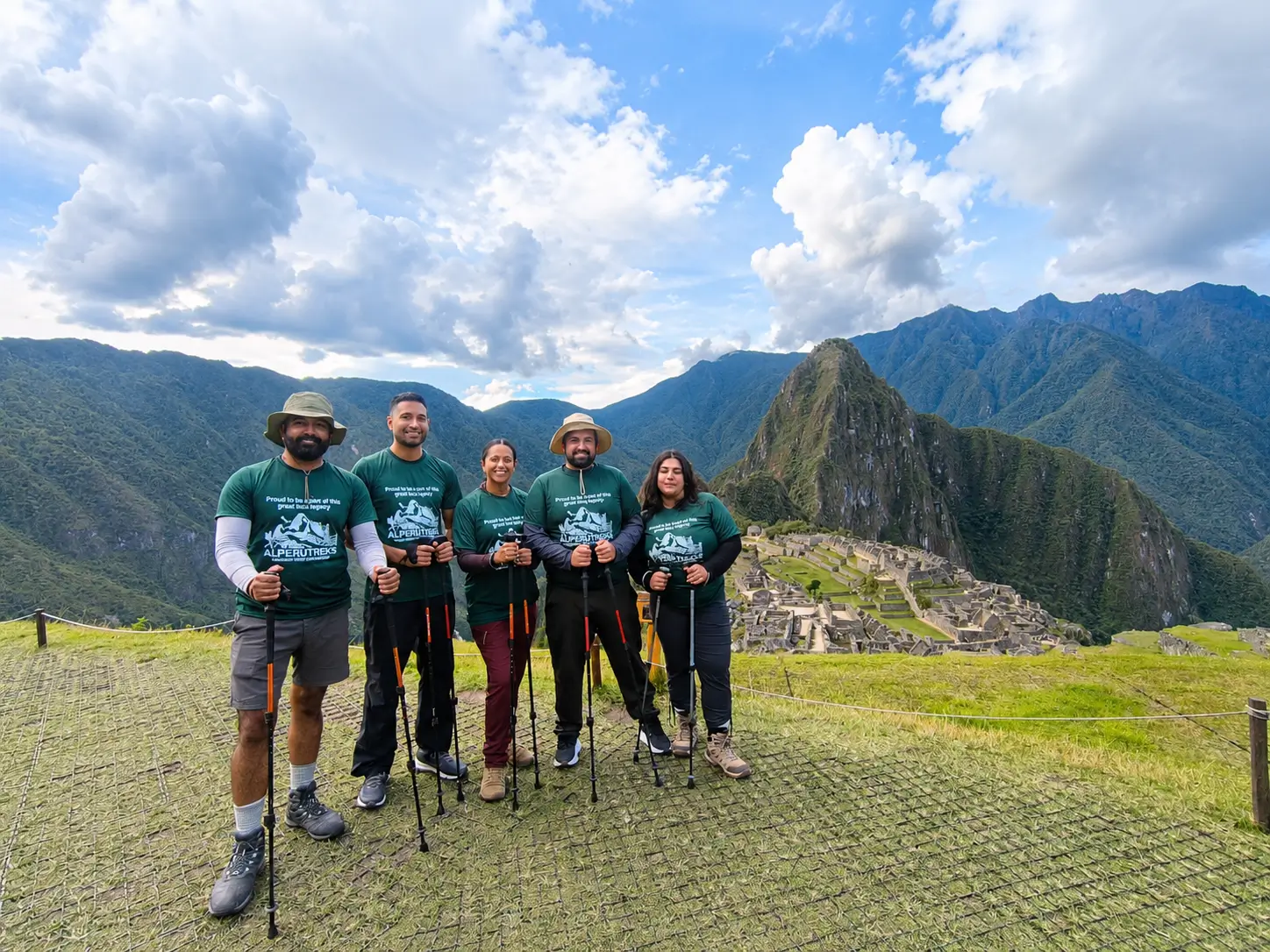
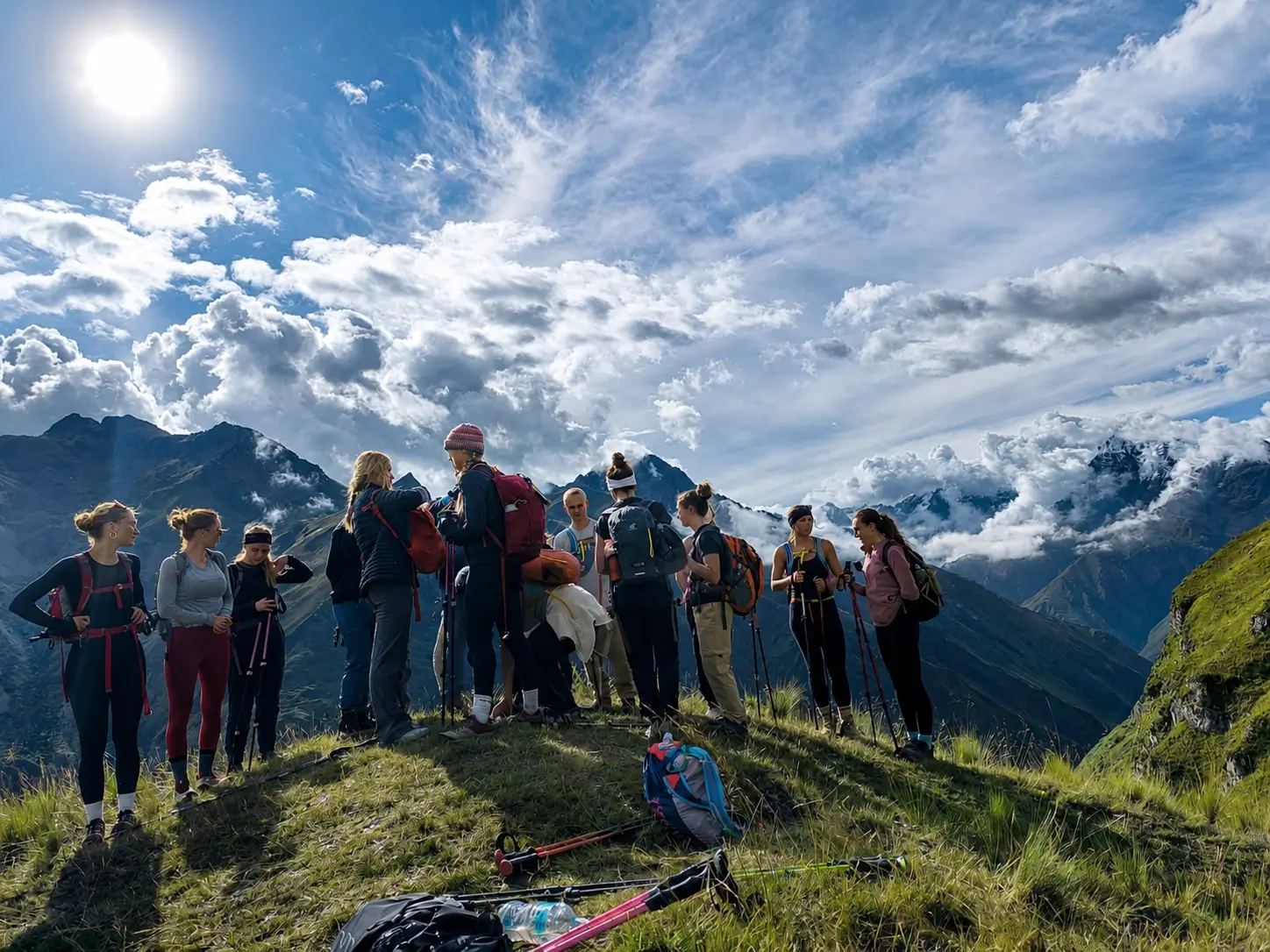
Ancascocha Trek vs. Classic Inca Trail: Which Should You Hike?
The short answer: the Classic Inca Trail is the route to choose if you specifically want to walk through the Sun Gate at sunrise and don’t mind booking 6+ months ahead for a permit; the Ancascocha Trek is the better fit if you want a quieter, higher, more physically demanding route with no permit cap and don’t need the Sun Gate arrival. Both end at Machu Picchu — they just get you there very differently.
Both treks start in the Cusco region and both are run as fully supported, multi-day camping expeditions. Beyond that, they diverge in almost every practical way: permits, crowds, altitude, and how you actually arrive at the citadel. Here’s an honest, side-by-side breakdown to help you decide.
Quick Comparison Table
| Ancascocha Trek | Classic Inca Trail | |
|---|---|---|
| Duration | 4 or 5 days (longer combo options available) | 4 days / 3 nights (fixed) |
| Highest point | Huayanay Pass, 4,650 m / 15,255 ft | Dead Woman’s Pass, 4,215 m / 13,828 ft |
| Permit required | No — no daily cap | Yes — capped at 200 hikers/day |
| How far ahead to book | A few weeks is usually fine | 5–8 months for May–August dates |
| Crowds on trail | Low — it’s genuinely off the beaten path | Moderate to high, especially June–August |
| Arrival at Machu Picchu | By train to Aguas Calientes, then bus up | On foot through the Sun Gate (Inti Punku), on the classic route |
| Difficulty | Challenging (higher pass, less-maintained trail) | Moderate to Challenging |
| Starting price (Ali Peru Treks) | From $640 (4 days) / $730 (5 days) | From $760 |
| National Geographic recognition | Yes — named one of the world’s best hikes | Not specifically listed, but the region’s most iconic route |
| Accommodation | Camping throughout | Camping throughout |
Prices and permit figures reflect Ali Peru Treks’ current listings and are subject to change — always confirm current rates and availability before booking.
What the Ancascocha Trek Is Actually Like
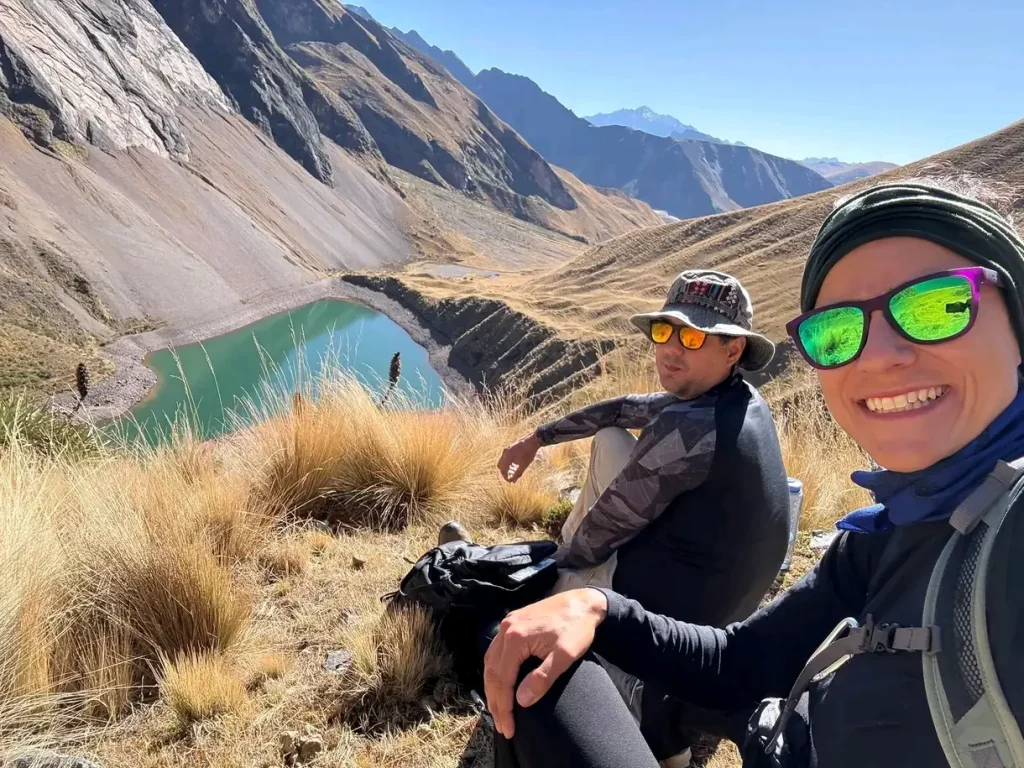
The Ancascocha Trek is a lesser-known route through the Vilcabamba mountain range that National Geographic has named among the world’s best hikes. It passes the turquoise Ancascocha Lake, the Perolniyoc Waterfall, and several remote Andean communities where herding llamas and alpacas is still a daily reality rather than a photo opportunity.
The trade-off for that solitude is elevation and terrain. The trek’s high point, Huayanay Pass at 4,650 m (15,255 ft), sits over 400 meters higher than the Classic Inca Trail’s toughest climb. The path itself is also less maintained than the stone-paved Inca Trail, since it isn’t a protected UNESCO route with government upkeep — expect dirt and rock trail rather than Inca stonework for most of the way.
Ali Peru Treks runs the Ancascocha Trek in a 4-day version and a 5-day version, and offers a combination with the Short Inca Trail for hikers who want a taste of the classic stonework and the Sun Gate without doing the full 4-day Classic route. There’s also a luxury glamping version with real beds and hot showers at camp.
Because there’s no government-imposed daily cap, dates rarely sell out. That makes Ancascocha a realistic option for travelers who decide on their Peru trip late, or who want to avoid the Inca Trail permit scramble entirely.
What the Classic Inca Trail Is Actually Like
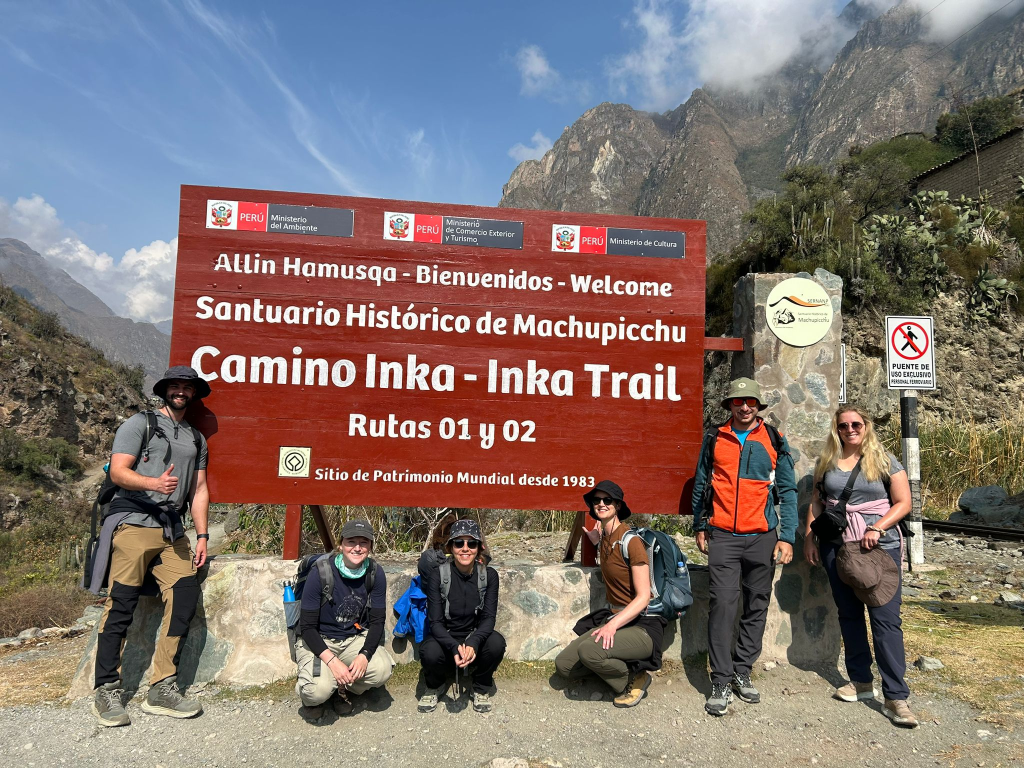
The Classic Inca Trail 4 Days is the original 45-km (28-mile) stone path built by the Incas, and it’s the only route into Machu Picchu that ends by walking through the Sun Gate (Inti Punku) — the same entrance the Incas themselves used, with the citadel appearing below you as you crest the final ridge. Along the way you pass well-preserved archaeological sites, including Sayacmarca, Phuyupatamarca, and Wiñay Wayna, that don’t exist on the Ancascocha route.
The trade-off here is availability and crowds. The Peruvian government limits the trail to 500 people per day total — hikers, guides, cooks, and porters combined — which works out to roughly 200 tourist permits daily. For May through August departures, those permits typically sell out within days of release, so booking 5 to 8 months in advance is the norm, not the exception. You also need to check the real-time permit calendar before locking in flights, since dates cannot be changed once a permit is issued — it’s tied to your passport number.
The trail’s toughest section is Day 2, climbing to Dead Woman’s Pass at 4,215 m (13,828 ft) — lower than Ancascocha’s Huayanay Pass, but still the single hardest day most hikers will face on either route. The trail is also closed every February for maintenance and due to heavy rains, something that doesn’t affect Ancascocha.
Honest Pros and Cons
Ancascocha Trek
- No permit cap — much easier to book on short notice
- Genuinely quiet trail; you may go long stretches without seeing another group
- Higher, more physically demanding — appealing if you want more of a challenge
- You don’t walk into Machu Picchu through the Sun Gate; the final approach is by train and bus
- Less Inca stonework and fewer preserved ruins directly on the trail itself
- A higher pass means a harder acclimatization curve if you haven’t spent time at altitude yet
Classic Inca Trail
- The only route with the on-foot Sun Gate arrival at Machu Picchu
- Passes several well-preserved Inca archaeological sites en route
- Slightly lower maximum altitude than Ancascocha
- Permits are capped and sell out months ahead for peak season
- More hikers on the trail, particularly June–August
- Closed every February; no flexibility if your dates fall then
Cost Difference
Based on current published rates, the Ancascocha Trek runs slightly cheaper at the entry level — from $640 for the 4-day version versus $760 for the Classic Inca Trail 4 days — largely because the Classic Inca Trail’s fixed permit fee is baked into every operator’s price. A full breakdown of what’s included and excluded in Inca Trail pricing is available in our Inca Trail Cost guide. The 5-day Ancascocha & Short Inca Trail combo, which does include a Sun Gate entry, runs from $860 — closer to what you’d pay for the Classic route with a longer itinerary.

Which One Should You Pick?
If arriving at Machu Picchu through the Sun Gate on foot is non-negotiable for you, the Classic Inca Trail is the only route that delivers that — plan around the permit calendar and book early. If you’re more interested in solitude, a quieter trail, and don’t mind a higher pass and a train-and-bus final approach, the Ancascocha Trek is a strong alternative, especially for last-minute planners who missed the Inca Trail permit window.
For travelers who genuinely can’t choose, Ali Peru Treks also runs a combined Ancascocha + Classic Inca Trail 7-Day trek, which crosses both Huayanay Pass and Dead Woman’s Pass and finishes with the traditional Sun Gate entrance — the most complete way to experience both routes on a single trip, if you have the extra days.
Either way, give yourself at least 2–3 days in Cusco to acclimatize before starting either trek — both routes climb well above 4,000 meters, and altitude, not fitness, is usually what catches first-time Andean trekkers off guard. Check our essential trekking gear list before you pack.
Frequently Asked Questions
In terms of maximum altitude, yes — Ancascocha’s Huayanay Pass at 4,650 m is higher than the Inca Trail’s Dead Woman’s Pass at 4,215 m. The Inca Trail’s stone steps are also physically demanding in a different way, so “harder” depends partly on whether you struggle more with elevation or with sustained stair-climbing.
No. The Ancascocha Trek does not fall under the government’s daily permit system that limits the Classic Inca Trail to roughly 200 hikers per day, so it can typically be booked with much shorter notice.
Yes — Ali Peru Treks offers a 7-day combined itinerary that links the Ancascocha route with the Classic Inca Trail, finishing with the traditional Sun Gate entrance to Machu Picchu.
The Ancascocha Trek, since it isn’t subject to the Inca Trail’s permit sell-out timeline. If your Inca Trail dates are already gone, Ancascocha (or the Salkantay Trek, another permit-free alternative) is worth considering.
No — this is the key difference. The Classic Inca Trail ends on foot through the Sun Gate. The standard Ancascocha Trek ends by train to Aguas Calientes and bus up to the citadel, unless you book the version combined with the Short or Classic Inca Trail, which restores the on-foot entrance.