
Ancascocha Trek vs. Salkantay Trek: Which Alternative Route Should You Choose?
The short answer: the Salkantay Trek is the more established, more social alternative to the Inca Trail — it’s the more popular of the two, includes a hotel night in Aguas Calientes, and passes the well-known Humantay Lake. The Ancascocha Trek is the quieter, more remote option — no other groups on the trail for long stretches, but no hotel night and a slightly higher pass. Both are camping-based, permit-free (in the sense that neither has the Inca Trail’s government cap), and end at Machu Picchu without the on-foot Sun Gate entrance.
Both routes exist because the Classic Inca Trail is capped at roughly 200 hikers a day and sells out months ahead. Salkantay and Ancascocha are the two most direct ways around that limit — but they’re built for different kinds of travelers. Here’s how they actually compare.
Quick Comparison Table
| Ancascocha Trek | Salkantay Trek | |
|---|---|---|
| Duration | 4 or 5 days | 4 or 5 days |
| Highest point | Huayanay Pass, 4,650 m / 15,255 ft | Salkantay Pass, 4,637 m / 15,213 ft |
| Total distance (4-day version) | Roughly comparable multi-day mileage | 62 km / 38 mi |
| Trail traffic | Low — genuinely off the beaten path | Moderate to high — one of Peru’s most popular alternative treks |
| Permit cap | None | None (Machu Picchu entrance tickets and train seats still need advance booking) |
| Accommodation | Camping throughout | Camping + 1 hotel night in Aguas Calientes |
| Signature landmark | Ancascocha Lake, Perolniyoc Waterfall | Humantay Lake, Llactapata ruins with a distant Machu Picchu view |
| National Geographic recognition | Yes — named among the world’s best hikes | Yes — named among the world’s 25 best treks |
| Starting price (Ali Peru Treks) | From $640 (4 days) / $730 (5 days) | From $580 (4 days) / $650 (5 days) |
| Arrival at Machu Picchu | Train + bus (Sun Gate only if combined with Short/Classic Inca Trail) | Train + bus (Sun Gate only if combined with Inca Trail) |
Prices and route figures reflect Ali Peru Treks’ current listings and are subject to change — confirm current rates and availability before booking.
What the Salkantay Trek Is Actually Like
The Salkantay Trek is the best-known alternative to the Inca Trail, and its 4-day version covers 62 km, crossing Salkantay Pass at 4,637 m (15,213 ft) beneath the glaciated Apu Salkantay. Day one starts with a side trip to the turquoise Humantay Lake before the climb to the pass, then the trail drops rapidly into cloud forest and, eventually, coffee-growing country near Lucmabamba. On day three, most operators — including Ali Peru Treks — route hikers up to the Llactapata ruins, where you get a distant first view of Machu Picchu across the valley, on a preserved stretch of original Inca trail.
Because it’s the most-hiked of the alternative routes, Salkantay has more built-out trail infrastructure: hot showers for a small fee at some villages, and a hotel night in Aguas Calientes on the last night before visiting the citadel, rather than a fourth night of camping. It’s also the trek most likely to have other groups on the trail with you, particularly during May–September.
Ali Peru Treks runs Salkantay Trek 4 Days, Salkantay Trek 5 Days, and a combined Salkantay + Classic Inca Trail 7-Day itinerary for hikers who want both the Salkantay scenery and the traditional Sun Gate finish.
What the Ancascocha Trek Is Actually Like
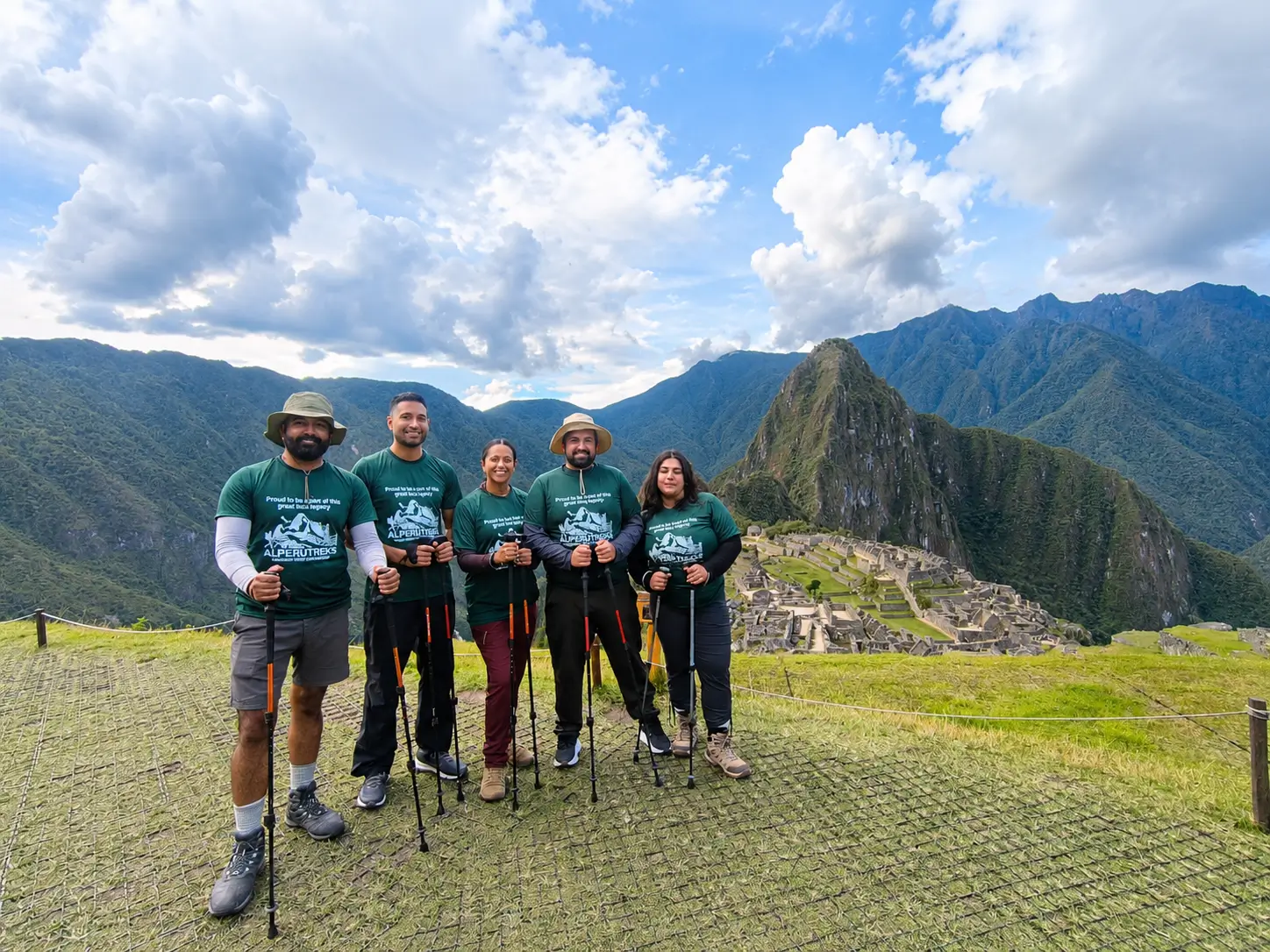
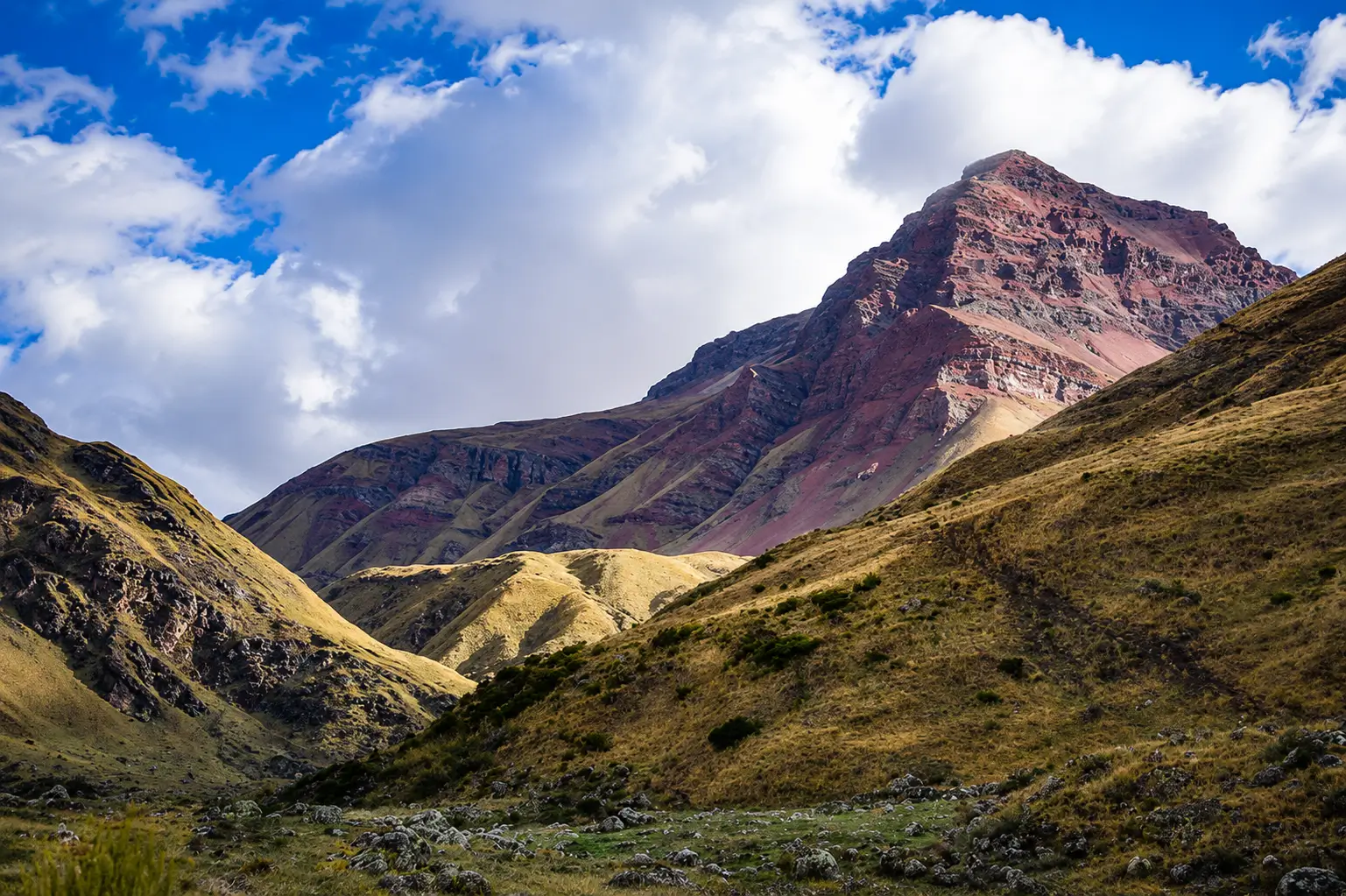
The Ancascocha Trek sits in the Vilcabamba range and is named by National Geographic among the world’s best hikes, the same distinction Salkantay carries — but far fewer travelers know about it. The route passes the turquoise Ancascocha Lake, the Perolniyoc Waterfall, and remote Andean communities where herding is still an everyday activity rather than a photo stop. Its high point, Huayanay Pass at 4,650 m (15,255 ft), is marginally higher than Salkantay’s pass.
Unlike Salkantay, Ancascocha is camping throughout — there’s no hotel night built into the standard itinerary. The trail itself is also less developed: fewer services along the way, and a real chance of not seeing another trekking group for a full day. Ali Peru Treks offers the Ancascocha Trek in a 4-day version and a 5-day version, plus a combination with the Short Inca Trail and a 7-day combo with the Classic Inca Trail for those who want the Sun Gate finish added on.

Honest Pros and Cons
Salkantay Trek
- Includes a hotel night and hot shower before Machu Picchu — genuinely more comfortable at the end
- Passes Humantay Lake, a well-known and easily photographed highlight
- More established trail infrastructure and route familiarity for guides
- Noticeably busier trail than Ancascocha, especially in peak season
- Being the most popular alternative route means it’s lost some of the “off the beaten path” feel it originally had
Ancascocha Trek
- Genuinely quiet — long stretches with no other groups
- Slightly higher, arguably more dramatic pass at Huayanay
- Less commercialized; fewer souvenir stalls and crowded viewpoints along the way
- No hotel night included — camping the entire trek
- Less well-known, so trail support (local shops, informal services) is thinner
- Slightly higher starting price than the equivalent Salkantay itinerary
Cost, Crowds, and Difficulty
Salkantay is marginally cheaper at the entry level — from $580 for 4 days versus $640 for the Ancascocha 4-day version — while offering a more comfortable final night. Both routes are rated Challenging by Ali Peru Treks, and the altitude difference between the two high passes (4,637 m vs. 4,650 m) is small enough that it shouldn’t be the deciding factor for most hikers. What should be the deciding factor is trail traffic: if solitude matters more to you than convenience, Ancascocha delivers it more reliably than Salkantay does today, simply because fewer people know about it.
Neither trek requires the Inca Trail’s capped daily permit system, but Machu Picchu entrance tickets and return train seats are still limited and should be booked at least 2–3 months ahead for high season, regardless of which route you choose.

Which One Should You Pick?
If you want a well-supported, slightly more comfortable trek with a famous side stop at Humantay Lake and don’t mind sharing the trail with other groups, the Salkantay Trek is the more proven option — it’s also covered in more depth in our Salkantay Trek Ultimate Adventure Guide and our piece on camping at Llactapata facing Machu Picchu. If quiet trail time is your priority and you’re willing to camp the whole way, Ancascocha is the better fit.
If you’re weighing either of these against the Classic Inca Trail specifically, we’ve covered that separately in Salkantay Trek vs Inca Trail and Ancascocha Trek vs. Classic Inca Trail. And if Lares is also on your shortlist, our Lares Trek vs Salkantay Trek comparison covers that pairing.
Whichever you choose, plan on 2–3 days in Cusco to acclimatize before starting — both routes climb above 4,600 meters, and altitude tends to be the bigger obstacle for first-time Andean trekkers, not fitness. Check our essential trekking gear list before you pack, and consider adding the Humantay Lake day tour separately if you end up choosing Ancascocha but still want to see that lake.
Frequently Asked Questions
The two routes are close in difficulty. Ancascocha’s Huayanay Pass (4,650 m) is marginally higher than Salkantay’s pass (4,637 m), but both are rated Challenging, and daily hiking distances are comparable. Neither has a clear edge in difficulty.
Ancascocha. Salkantay is the most popular of the Inca Trail alternatives and sees noticeably more foot traffic, especially May through September, while Ancascocha remains a genuinely quiet route.
No — neither Ancascocha nor Salkantay is subject to the government’s daily permit cap that limits the Classic Inca Trail. Machu Picchu entrance tickets and train seats are still limited, though, and should be booked a few months ahead for peak season.
The Salkantay Trek’s standard itineraries include one hotel night in Aguas Calientes before visiting Machu Picchu. The standard Ancascocha Trek is camping throughout, with no hotel night built in.
Yes. Ali Peru Treks offers a Salkantay + Classic Inca Trail 7-day combo and an Ancascocha + Classic Inca Trail 7-day combo, both of which restore the traditional on-foot Sun Gate arrival.