
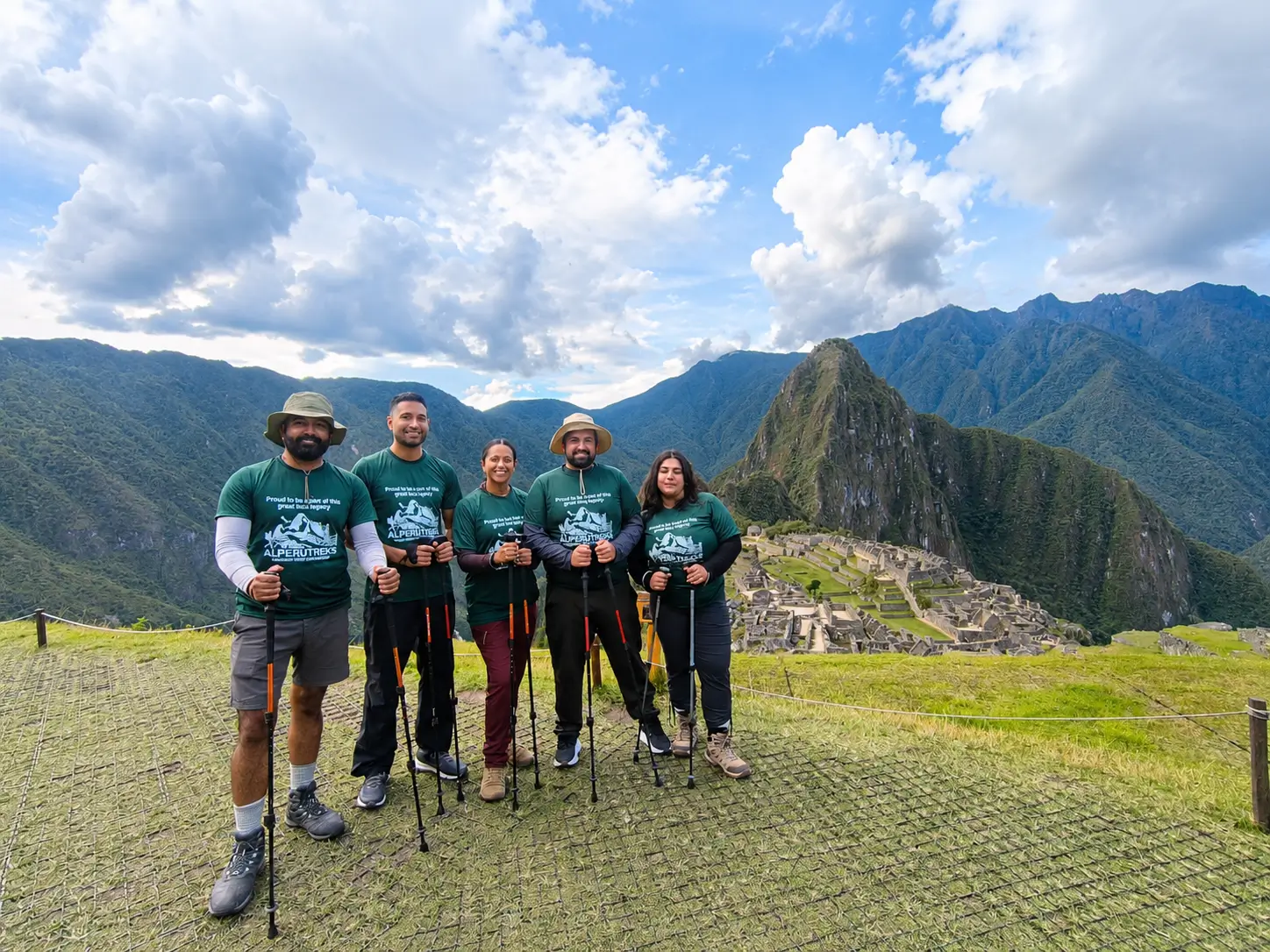
October is one of the better months to hike the Ancascocha Trek: it falls at the tail end of the dry season, before the rains typically arrive in November, and it draws noticeably fewer trekkers than the July–August peak. It’s not a guarantee of perfect conditions — some operators classify it as a “shoulder” month rather than peak dry season — but it’s a reasonable trade-off between weather reliability and crowd levels.
Here’s what that actually means for your trip.
October Weather on the Ancascocha Trek
October falls at the boundary between Cusco’s two seasons: the dry season (roughly May–September) and the rainy season (roughly November–April). Most days in October are still dry, with occasional afternoon cloud cover and a somewhat higher chance of a passing shower than you’d see in July or August. Nighttime temperatures at the trek’s higher camps — near Huayanay Pass at 4,650 m (15,255 ft) — can still drop close to or below freezing, since the cold at altitude doesn’t ease up on the same schedule as the rain.
In practical terms: expect largely clear days good for photography and pass visibility, with a real but modest chance of some afternoon cloud or light rain, especially later in the month as the transition into the rainy season begins.
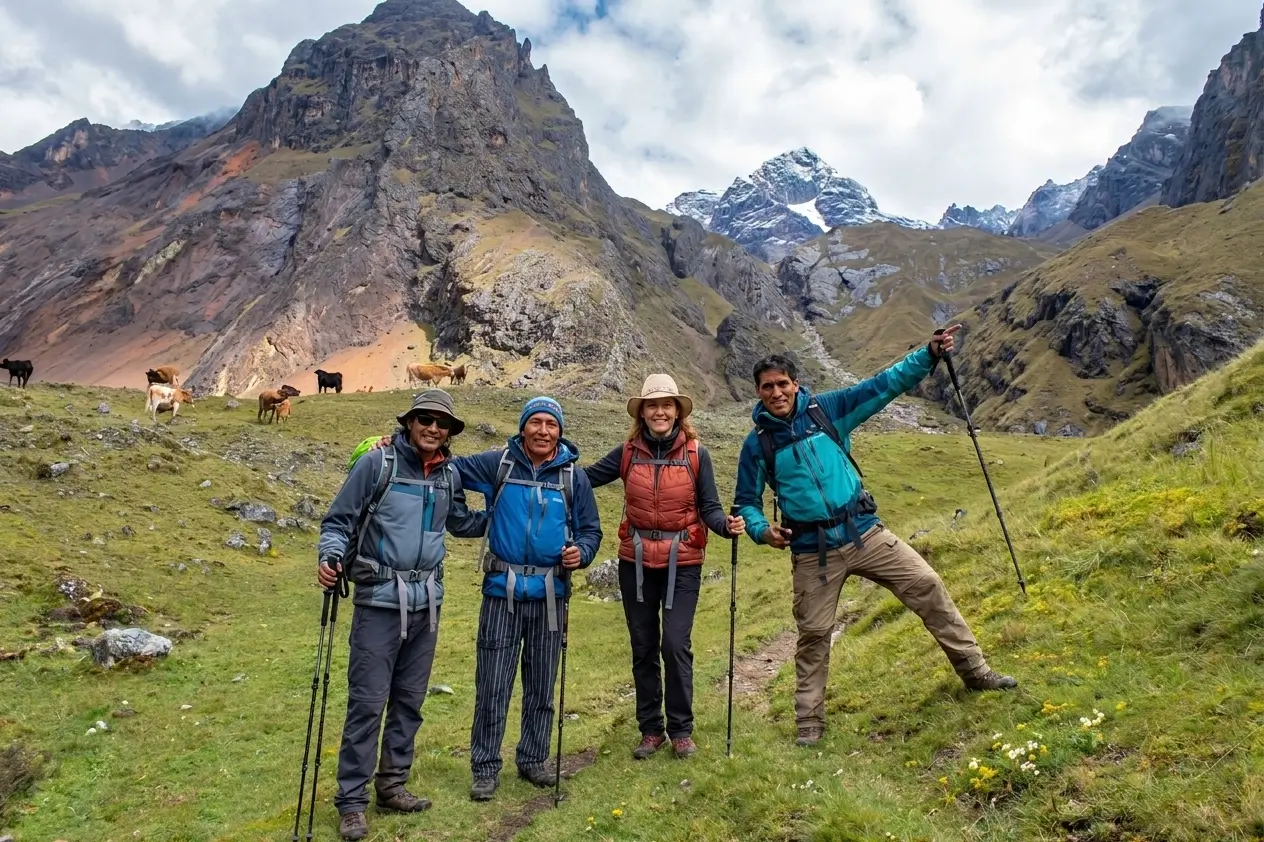
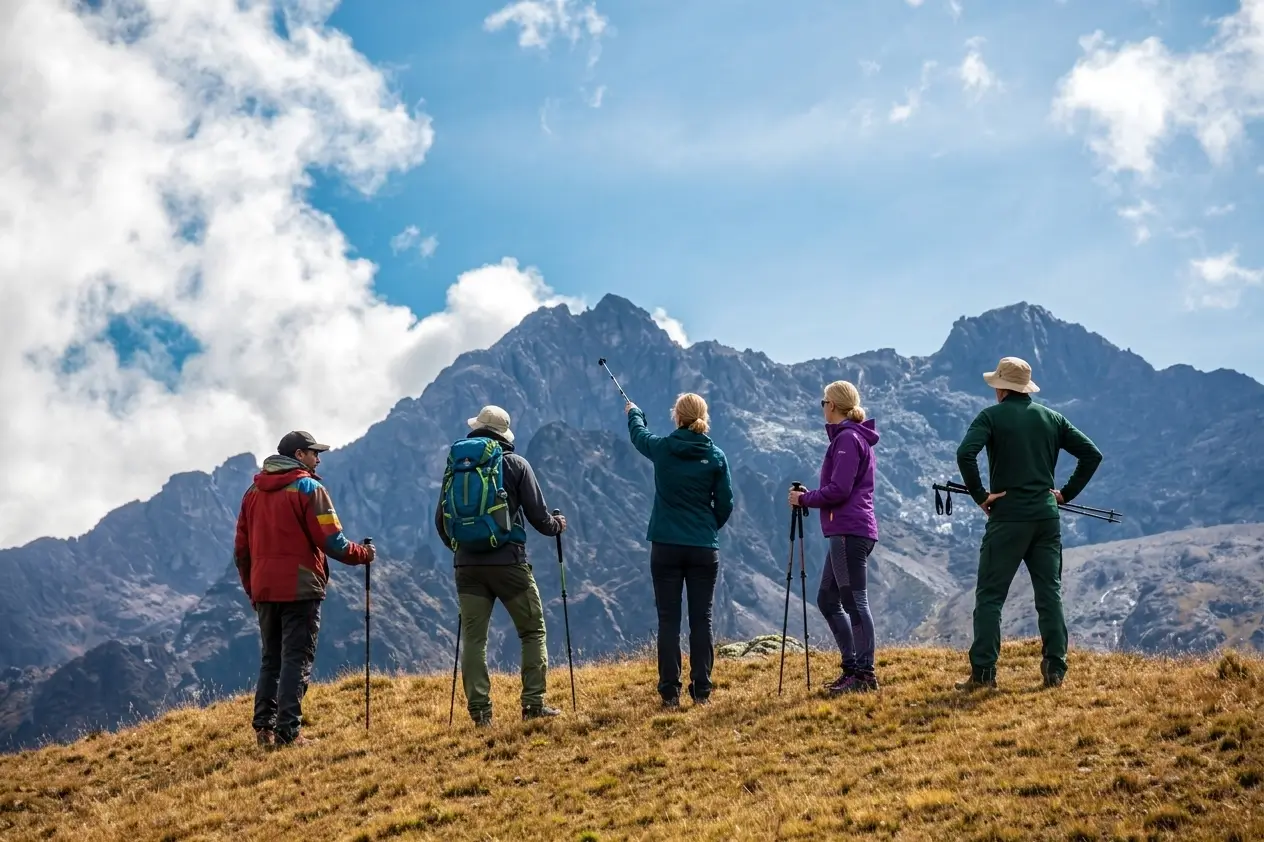
October vs. Peak Dry Season vs. Early Rainy Season
| Factor | Peak Dry Season (Jun–Aug) | October | Early Rainy Season (Nov) |
|---|---|---|---|
| Rain likelihood | Very low | Low to moderate | Increasing |
| Trail conditions | Firmest footing | Still generally firm | Starting to soften in unpaved sections |
| Visibility at high passes | Best odds of clear views | Good, slightly more variable | Fog risk increasing |
| Crowd levels (regional trekking overall) | Highest of the year | Noticeably lower | Lower still |
| Nighttime cold at high camps | Coldest of the year | Still cold, marginally milder | Milder overnight, but wetter |
Ancascocha itself stays quiet relative to the Classic Inca Trail or Salkantay year-round, so the “crowd levels” column reflects the wider Cusco trekking circuit more than a route-specific spike — but October’s lighter overall tourist season still means fewer people in town, shorter waits at Machu Picchu, and generally easier logistics around transport and lodging.
Pros and Cons of Trekking Ancascocha in October
Pros:
- Mostly dry, stable trail conditions without the peak-season crowds of June through August
- Better availability for last-minute bookings compared to July–August, when the wider Cusco trekking calendar is busiest
- Landscapes are still relatively dry and clear rather than the greener, mistier look of rainy season
Cons:
- Not a guarantee of zero rain — afternoon showers become more common as the month progresses, and some operators classify October as “shoulder season” rather than peak dry conditions
- Nights at high camps near Huayanay Pass remain cold regardless of daytime conditions
- If your trip falls in late October specifically, you’re closer to the rainy season’s typical onset than someone trekking in June or July, so conditions are somewhat less predictable
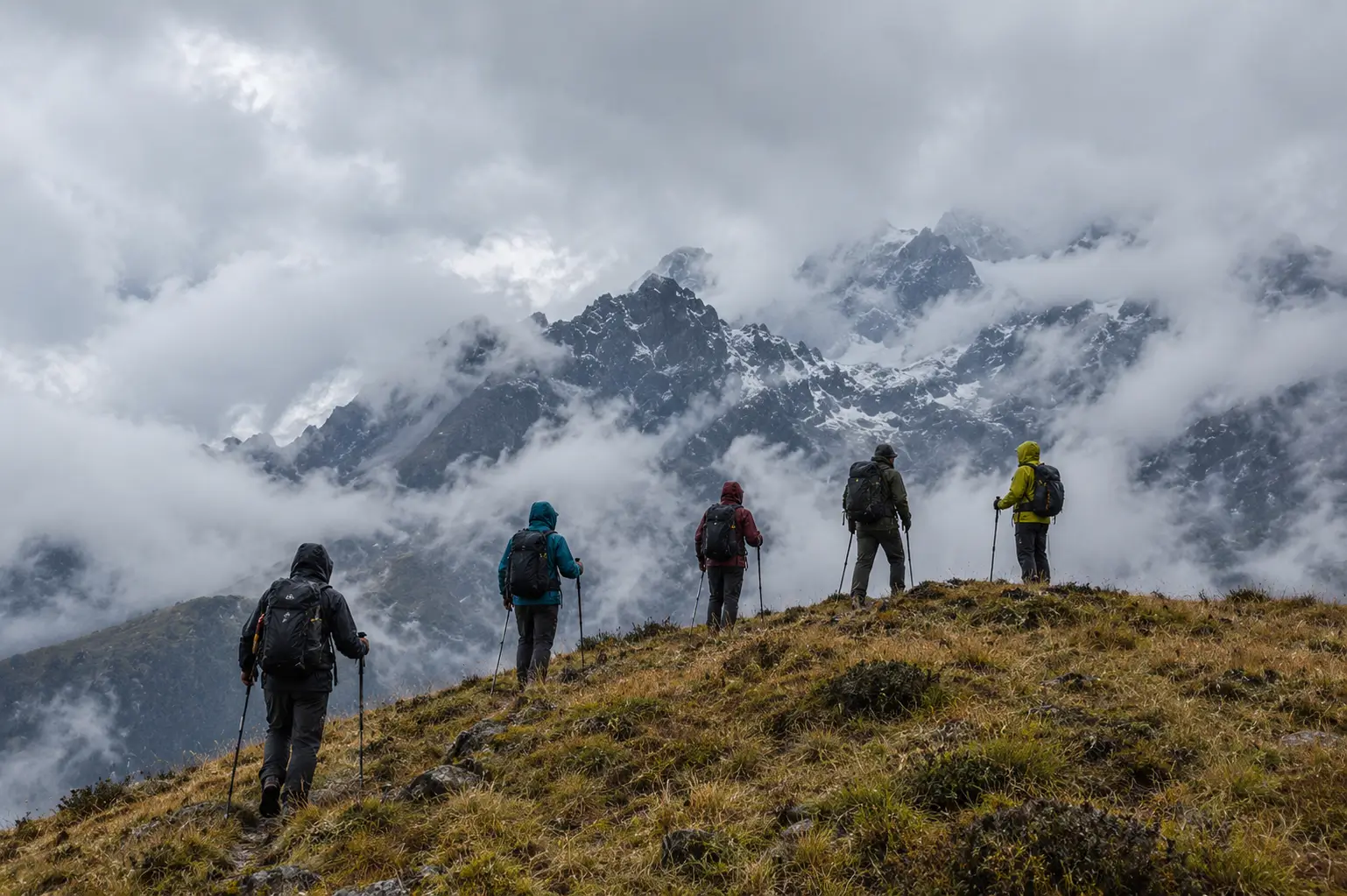
What to Pack for October
The layering logic doesn’t change much from peak dry season, but a genuine rain shell becomes more worth prioritizing than it would be in July:
- A real waterproof (not just water-resistant) outer layer, even though most days will likely stay dry
- Warm layers for camp — nighttime cold near Huayanay Pass doesn’t ease up just because it’s October
- Sun protection for daytime hiking at altitude, since clear skies are still the norm for most of the month
- Standard trekking gear: broken-in boots, trekking poles, and a headlamp for early starts
How October Compares Across Routes
If you’re weighing October specifically as your travel window rather than Ancascocha specifically as your route, it’s worth knowing the broader seasonal pattern applies across the region’s treks, not just this one. The Classic Inca Trail in October follows a similar shoulder-season profile — generally good conditions with somewhat lower crowds than peak summer months — and the general Inca Trail by month breakdown gives a fuller year-round picture if your dates are flexible.
Since Ancascocha climbs higher than the Classic route at points — Huayanay Pass (4,650 m) sits above Dead Woman’s Pass (4,215 m) — it’s also worth reading up on altitude sickness regardless of which month you go, since altitude risk doesn’t really follow a seasonal calendar the way rain does.
For travelers still deciding on the trek itself rather than just the timing, the existing comparisons against Salkantay and the Classic Inca Trail cover permits, crowd levels, and included amenities beyond weather alone. If a shorter or longer combined itinerary interests you, the 4-day version, the Ancascocha & Short Inca Trail 5-day combo, and the 7-day combo with the Classic Inca Trail are all available across this same October window.
FAQ: Ancascocha Trek in October
Generally yes. It sits at the tail end of the dry season with mostly stable weather and fewer crowds regionally than the June–August peak, though it’s typically classified as shoulder season rather than the driest window of the year.
Some chance of afternoon showers exists, increasing as the month progresses toward November, but most days in October remain dry. It’s a reasonable idea to pack real rain gear regardless.
At the higher camps near Huayanay Pass (4,650 m), nighttime temperatures can still drop close to or below freezing in October — altitude-driven cold doesn’t track the same calendar as rainfall.
Generally, yes, if predictable weather matters more to you than avoiding crowds — November marks the beginning of the rainy season, with a higher likelihood of rain and reduced visibility at the high passes than October offers.
Less so than for peak months like July or August, since the Ancascocha Trek has no government permit cap the way the Classic Inca Trail does. That said, booking a few weeks ahead is still a reasonable idea to guarantee your preferred dates and group arrangements.