
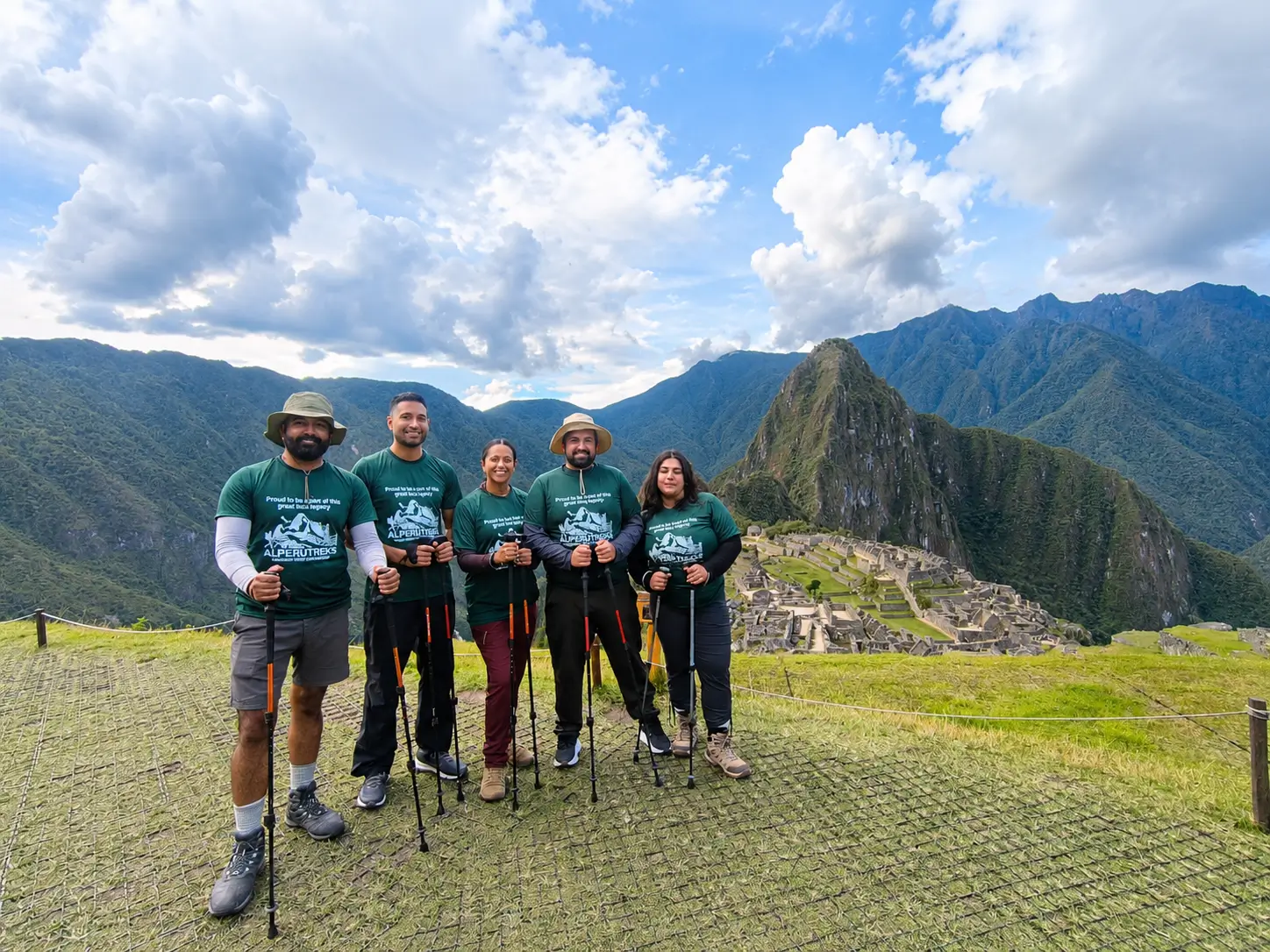
For many travelers from the United States, hiking the historic road to Machu Picchu is the ultimate adventure. However, the journey features an infamous challenge that tests every trekker’s resolve. Preparing yourself for conquering dead womans pass is the key to turning an intimidating mountain climb into an unforgettable triumph.
This ultimate dead woman’s pass guide will break down exactly what to expect on the most challenging day of your trek. With the right preparation, pacing, and mindset, you can navigate this high-altitude pass safely and enjoy the breathtaking views of the Peruvian Andes.
What is Dead Woman’s Pass?
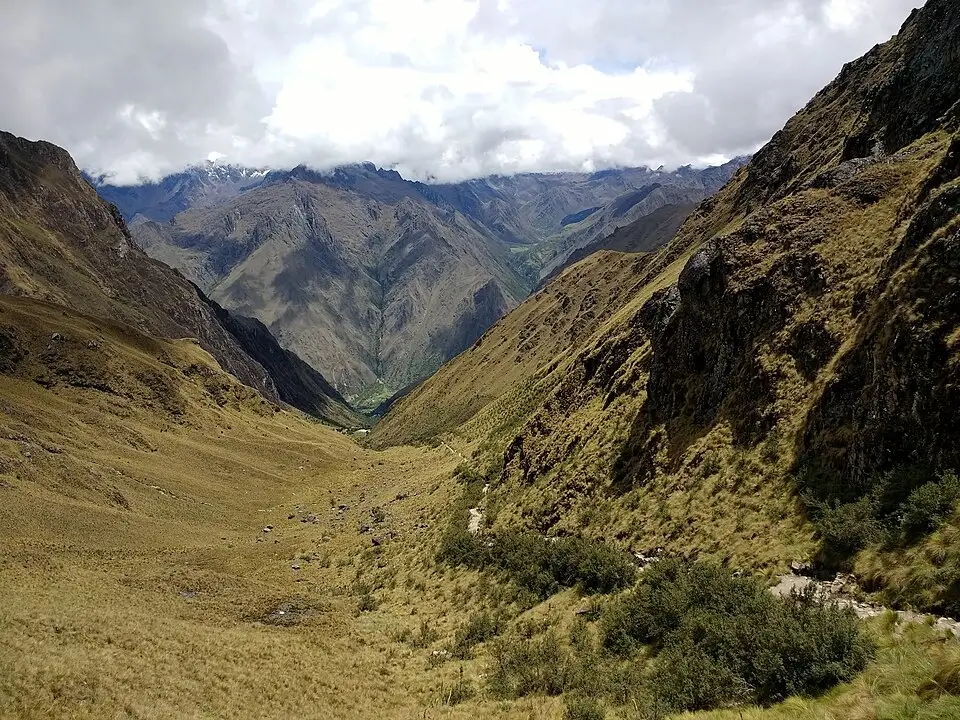
Known locally by its traditional Quechua name, Warmiwañusca, this pass is named after its distinct topographical shape. When viewed from the valley below, the mountain ridges trace the silhouette of a woman lying down, looking up at the Andean sky.
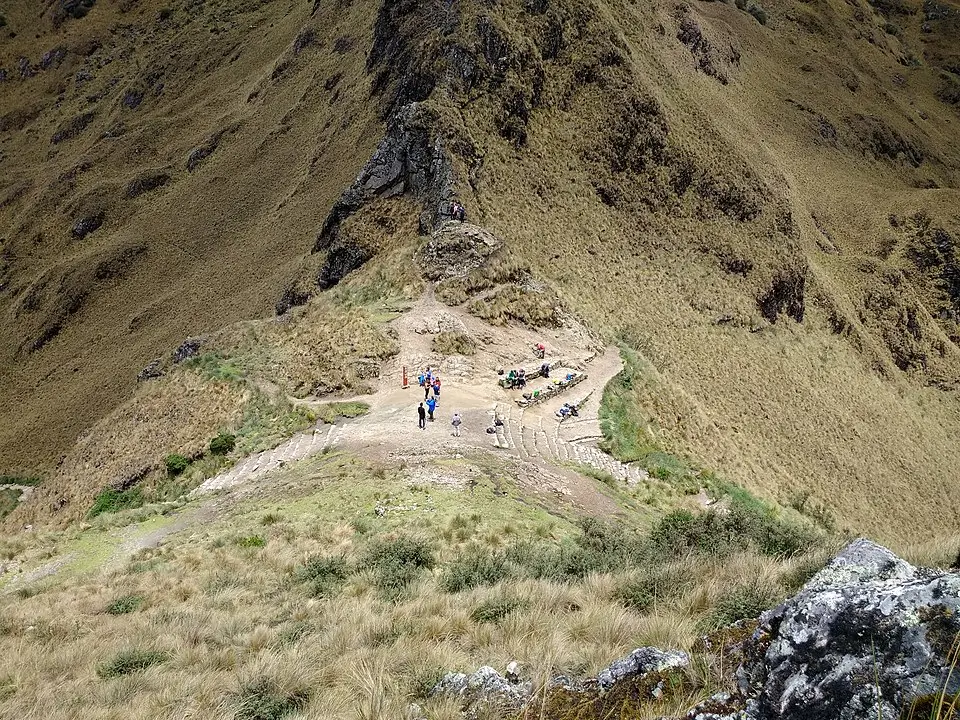
You will encounter this milestone during the second morning of the classic 4-day trek. It marks the highest geographical point of the entire trail, where the alpine terrain gives way to sweeping, cloud-enveloped vistas.
Key Trekking Stats: What You Need to Know
To set your expectations and prepare your body, look closely at the physical realities of this section of the trail:
- Maximum Elevation: The official warmiwañusca pass altitude stands at 13,828 feet (4,215 meters) above sea level. This is significantly higher than Cusco or any city in North America.
- The Climate: Expect dramatic shifts. The valley ascent can feel warm and humid, but the summit is windy, exposed, and drops down to near-freezing temperatures rapidly.
- Best Season to Hike: The dry season from May to September offers stable trails and clear skies, though night temperatures frequently plunge into the 30s°F (0°C).
- The What to Bring Checklist: Pack high-filtration sunscreen, a windproof outer layer, trekking poles with rubber tips, and an easily accessible rain poncho.
There is an undeniable reason why the inca trail day 2 difficulty is widely discussed in trekking communities. You will wake up early at your campsite—usually around 5:00 AM—to face a continuous, steep uphill climb made of hand-cut Inca stone steps.
The ascent spans roughly 4 to 5 hours of relentless uphill movement. As the thin air reduces your oxygen intake, every step requires deliberate physical effort. The path changes from lush cloud forest into an open, rocky landscape known as the Puna, where the wind intensifies as you edge closer to the peak.
How to Conquer Dead Womans Pass
The secret to conquering this peak is not sheer speed; it is mastering your rhythm and managing your respiratory rate. Local guides use specific tactics to ensure every traveler makes it to the top safely:
- Embrace the “Paso de Ganso” (The Goose Step): Take short, slow, deliberate steps. Keep your feet close to the ground to preserve lower-body energy and keep your heart rate stable.
- Rest Strategically: Do not stop for long stretches that let your muscles get cold. Instead, take brief 30-second breathing pauses every few steps to catch your breath.
- Focus on Deep Breathing: Inhale deeply through your nose and exhale fully through your mouth to maximize the limited oxygen available at high elevations.
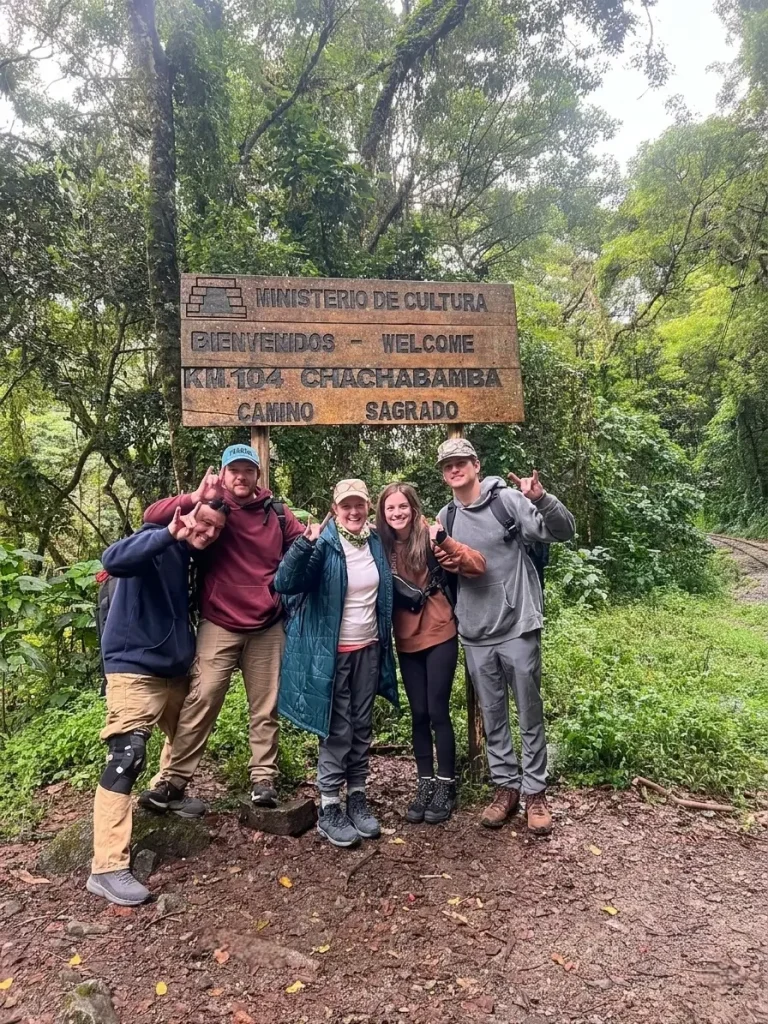
Expert Advice from Ali Peru Treks
As an experienced local tour operator based directly in Cusco, our team has guided thousands of international hikers over this pass. Here are our top insider tips for a successful climb:
- The 3-Day Acclimatization Rule: Do not rush your itinerary. Spend at least 3 full days in Cusco or the Sacred Valley before starting the trail. Use this time to rest, hydrate, and let your body generate red blood cells.
- Utilize Trekking Poles: Your knees will thank you. High-quality trekking poles alleviate up to 25% of the weight and pressure from your joints during the steep ascent and the heavy stair descent into Pacaymayo Valley.
- Pack Local Remedies: Carry traditional coca leaves to chew on or sip as tea during your breaks. The natural alkaloids help alleviate mild symptoms of altitude sickness (soroche) and provide a clean energy boost.
Your Reward is Waiting
Once you make that final push and place your boots on the rocky summit of the pass, the feeling of exhaustion instantly turns into pure euphoria. Standing on top of dead womans pass, you will look back at the valley you just conquered and ahead toward the mystical cloud forests leading to Machu Picchu.
The descent following the pass consists of roughly two hours of steep downhill stone stairs leading to the Pacaymayo campsite. Take it slow, protect your joints, and celebrate the fact that the hardest physical hurdle of the trail is officially behind you.
Ready to Take on the Challenge?
Planning a high-altitude trek requires precision logistics, authorized permits, and an expert local team that prioritizes your safety and comfort. At Ali Peru Treks, we specialize in providing premium, small-group experiences with expert guides who know how to pace your journey perfectly.