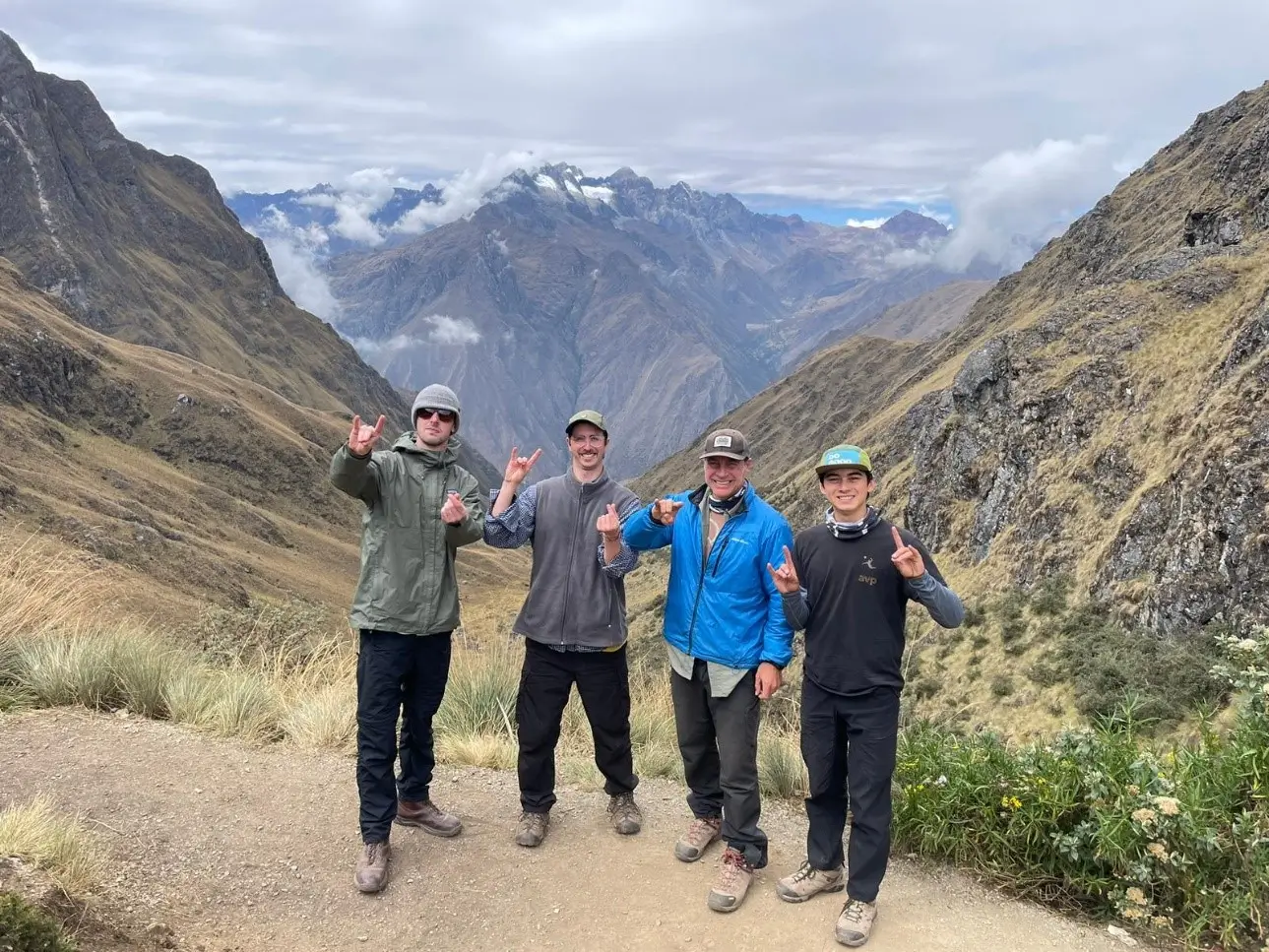
The Classic 4-day Inca Trail is the most iconic trek on the planet. However, before lacing up your boots, the inevitable question arises: How hard is the Inca Trail, really?
As the team behind Ali Perú Treks, 100% local operators in Cusco, we have guided thousands of adventurers through these ancient stone paths. Today, we want to give you a professional, honest, and direct perspective so that your arrival at Machu Picchu is a resounding success.
Contents
What is the Official Difficulty Level?
Technically, the Inca Trail is rated as Moderate to Difficult. It does not require technical climbing or specialized mountaineering gear, but it demands consistent physical endurance. You will be walking on original 500-year-old stone pavements, which means uneven surfaces and thousands of steps.
The Challenge of Altitude
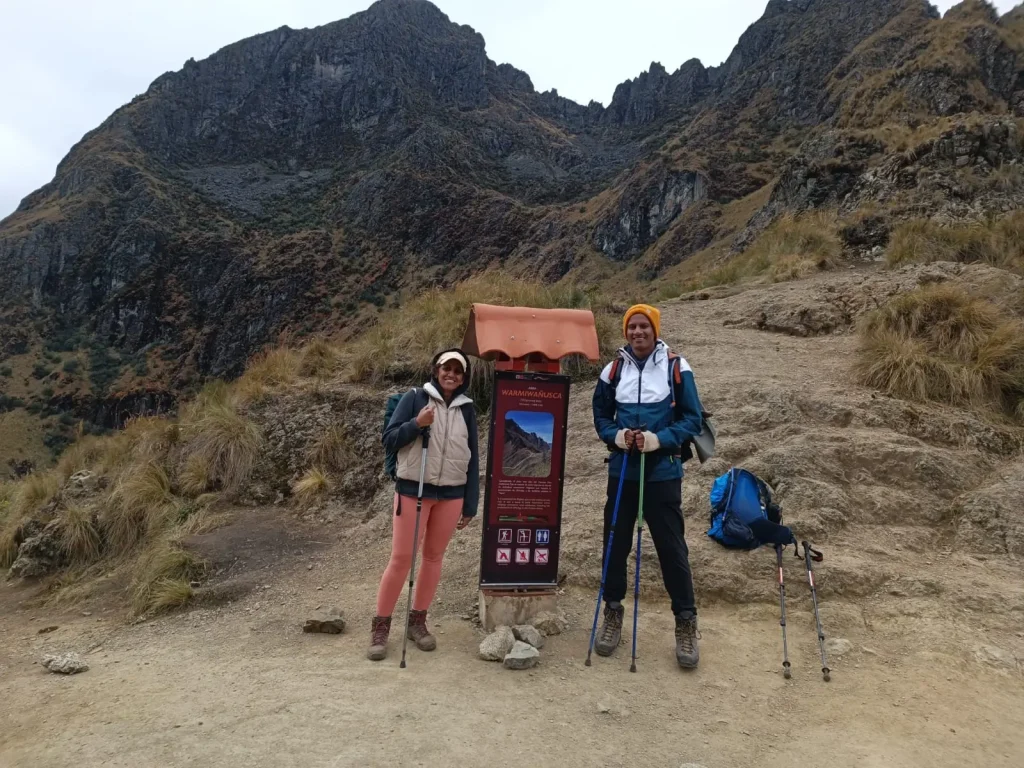
The real difficulty lies not in the distance (approximately 26 miles total), but in the elevation. The most critical point is Warmiwañusca (Dead Woman’s Pass), located at 13,828 feet (4,215 meters) above sea level. At this height, oxygen is thinner, which accelerates your heart rate and fatigue.
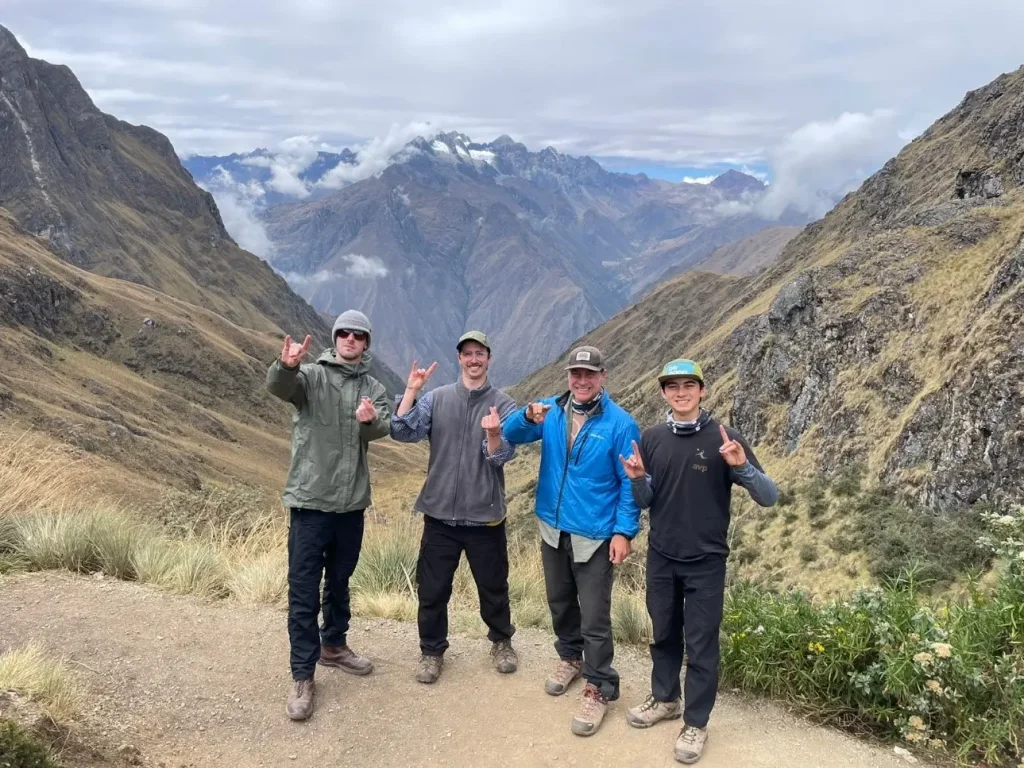
Day-by-Day Difficulty Breakdown
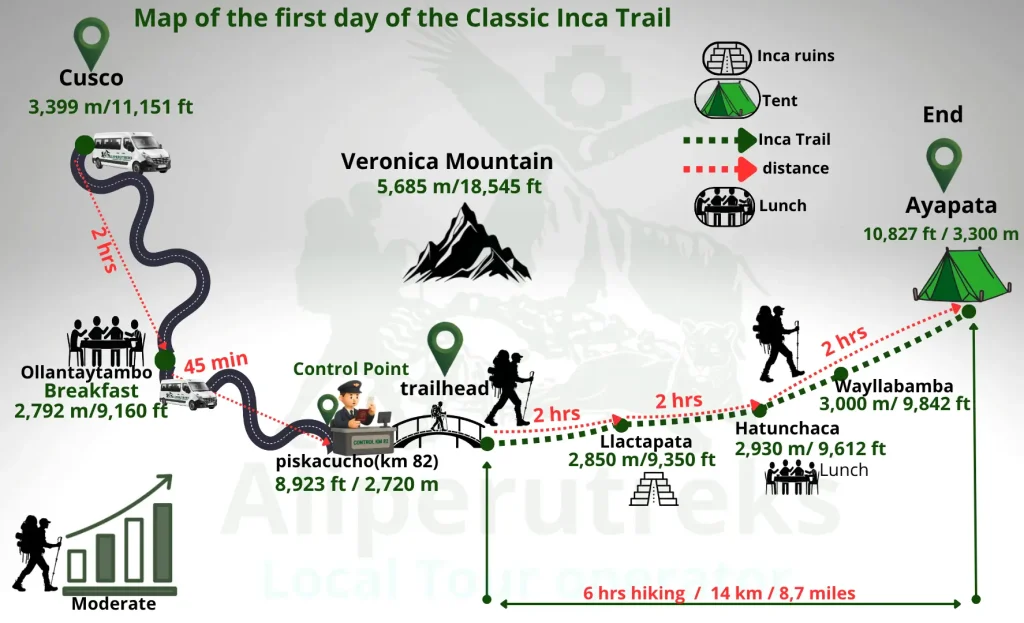
- Day 1: The Warm-up (Moderate). About 8.7 miles of hiking. It is the perfect day for your lungs to start understanding the Andean air.
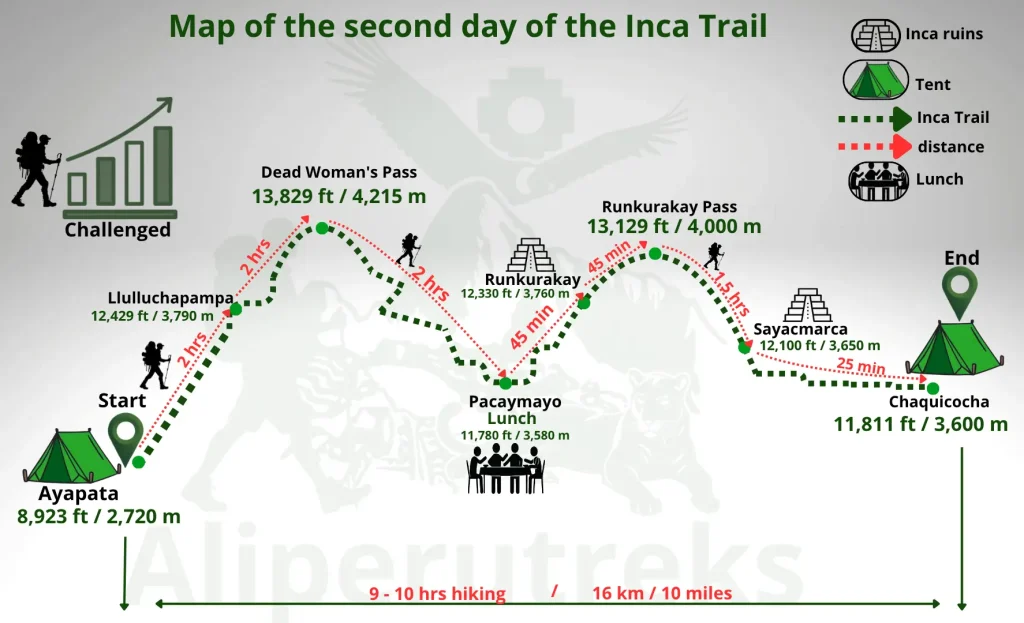
- Day 2: The Real Challenge (Difficult). This is the most demanding day. We climb nearly 3,000 feet in elevation to reach Dead Woman’s Pass. Here, mental determination is just as important as physical strength. determination is just as important as physical strength.
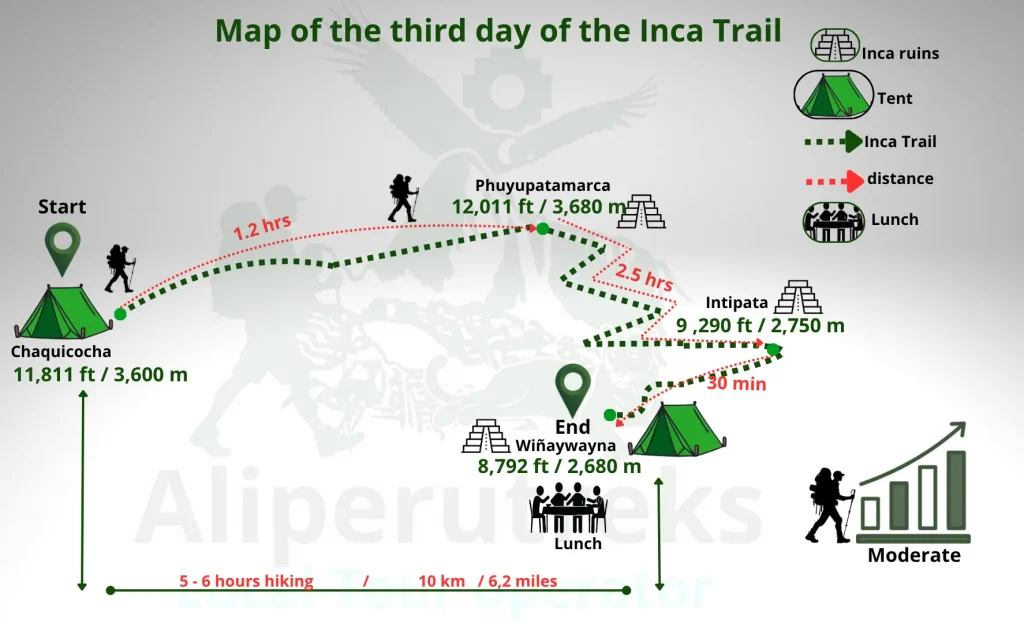
- Day 3: The Descent and the Jungle (Moderate). While it is mostly downhill, your knees will feel the impact of the thousands of Inca steps. This is the longest day, but visually the most beautiful.
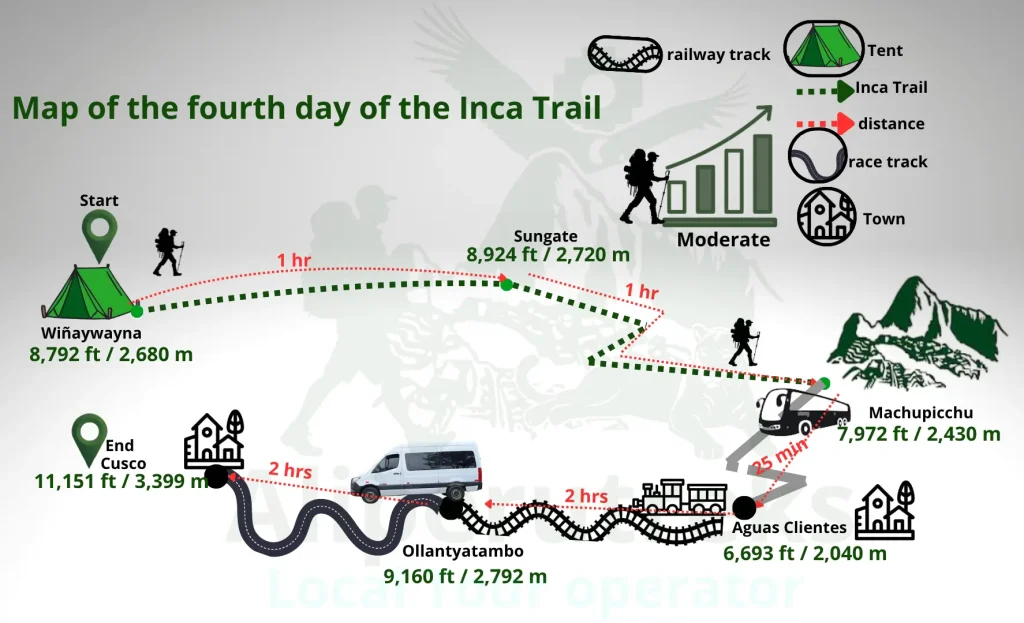
- Day 4: The Reward (Easy). A short 2-hour hike to the Sun Gate (Inti Punku) to see Machu Picchu at sunrise.
Physical Preparation for the Inca Trail
To enjoy the route rather than “endure” it, we recommend basic Inca Trail physical preparation:
- Cardio: Engage in hiking, swimming, or cycling at least 3 months in advance.
- Acclimatization: Stay in Cusco for at least 2 days before departing. At Ali Perú Treks, we emphasize that proper acclimatization reduces the risk of altitude sickness by 80%.
- Stair Training: Your quads and calves must be ready for the descents.
Why Choose a Local Operator Like Ali Perú Treks?
On the mountain, details make the difference. We know the trail is tough, which is why at Ali Perú Treks, we focus on elite-level rest. We provide high-density mats, premium sleeping bags, and nutritious meals designed for mountain athletes.
Our guides are proudly local; they know every corner of the route and know exactly how to motivate you when your legs feel heavy. With us, you aren’t just a client; you are part of our Andean family.
Are you ready for the challenge?
The Inca Trail is a life-changing experience. Don’t let the numbers intimidate you; with the right preparation and our professional team by your side, that photo at Machu Picchu will be yours!