
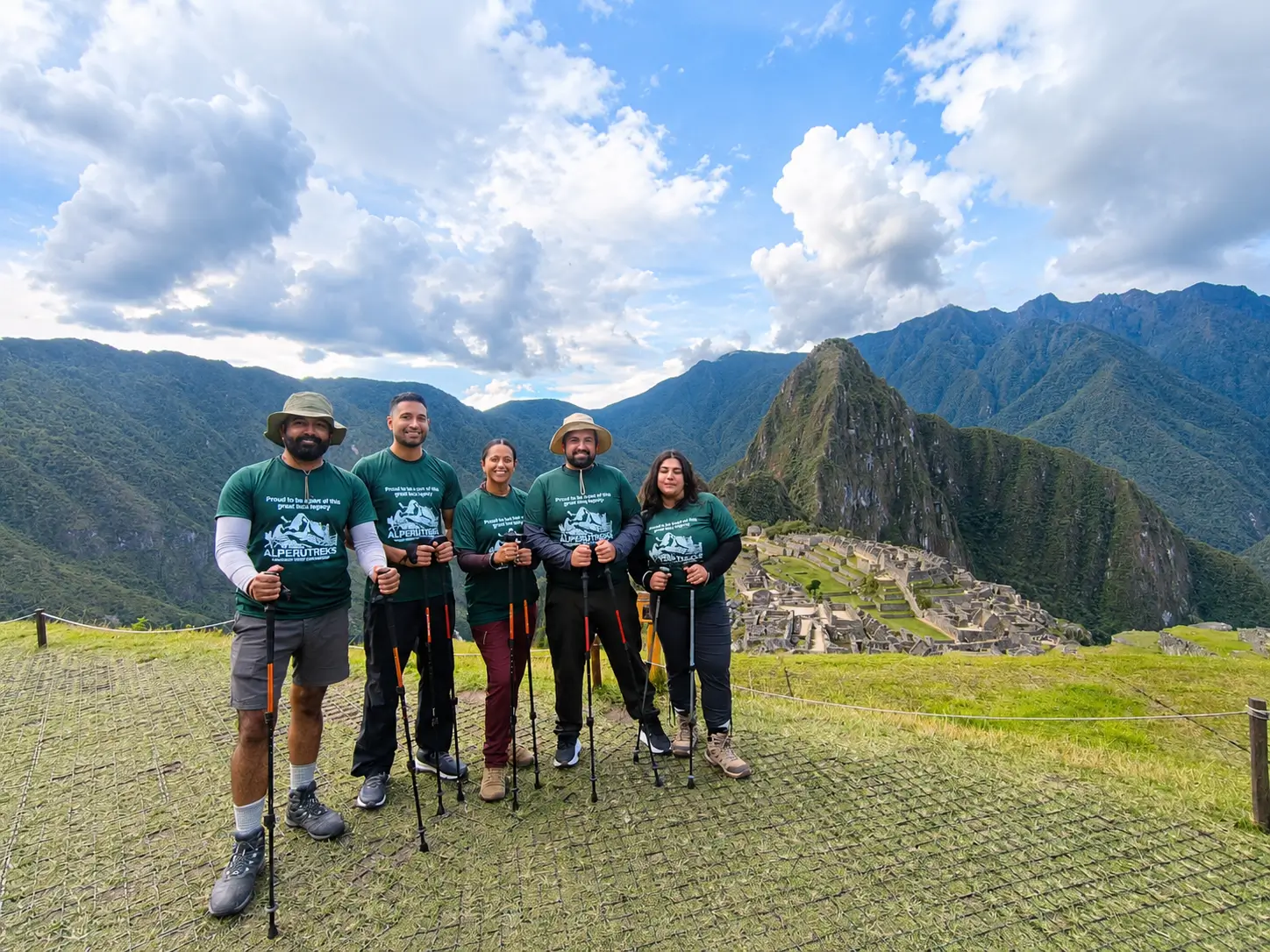
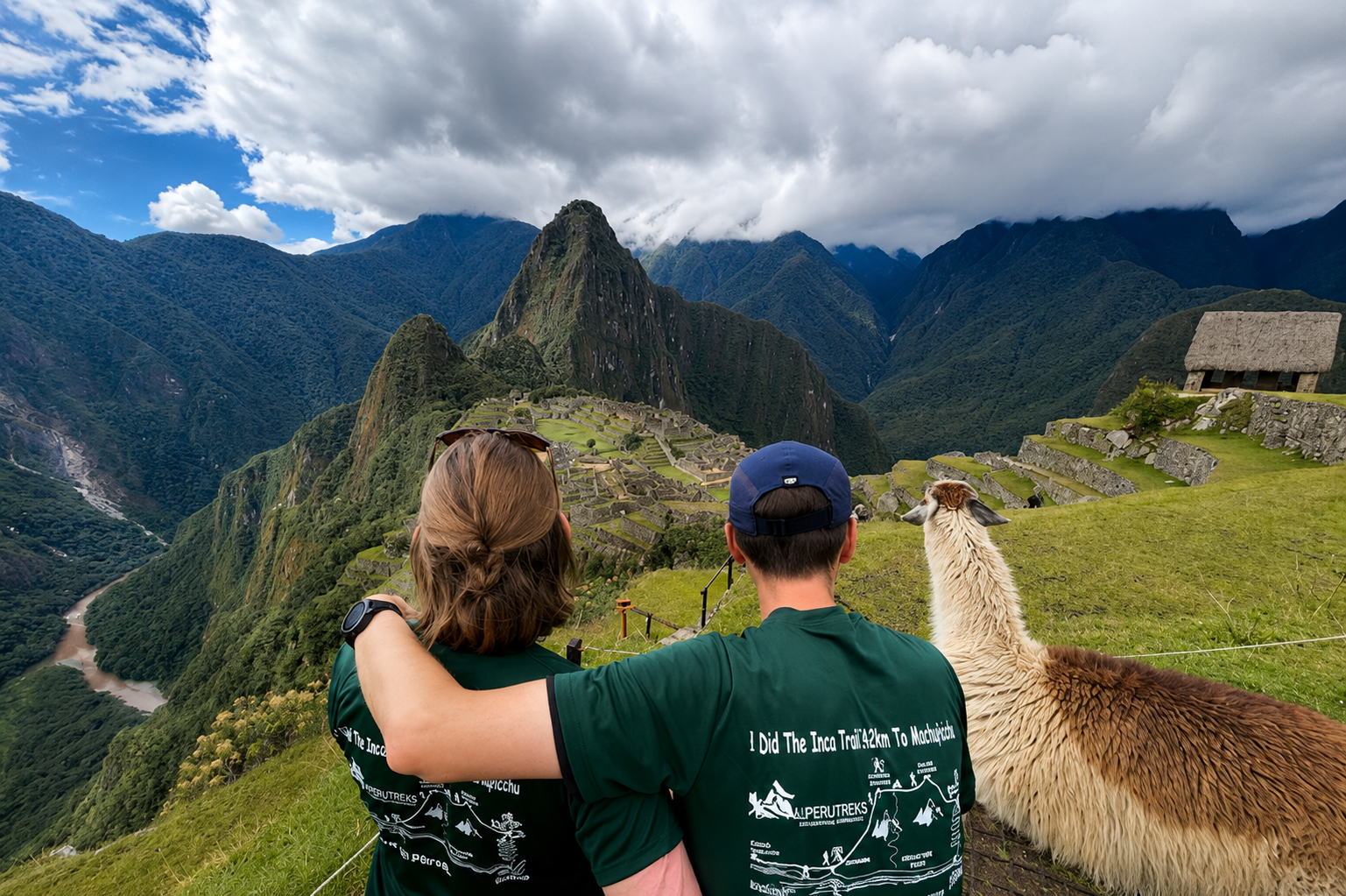
July offers some of the most reliable weather at Machu Picchu, and some of the biggest crowds. Rainfall averages about 22 mm (0.9 in) over roughly 2 days, and most days bring around 8 hours of sunshine. The citadel runs at its high-season cap of 5,600 visitors per day all month. North American summer vacations and Peru’s national holidays on July 28–29 both drive demand.
If July is your only option, you can still have a great visit. It just takes more planning. This guide explains what to expect and how to avoid the busiest moments. To compare with other months, see our guide to the best time to visit Machu Picchu.
July at Machu Picchu at a Glance
| What you need to know | July |
|---|---|
| Average high / low | 25°C / 9°C (77°F / 48°F) |
| Average rainfall | 22 mm (0.9 in) |
| Days with some rain | About 2 |
| Daily sunshine | About 8 hours |
| Daily visitor cap | 5,600 all month |
| Seasonal routes | Sun Gate, Inca Bridge, Great Cavern, and Huchuy Picchu are typically on sale |
| Busiest dates | Late July, around Fiestas Patrias (July 28–29) |
| Inca Trail | Open, and one of the hardest months to get permits |
Climate averages for the citadel at 2,430 m (7,970 ft).
July Weather at Machu Picchu
July is the middle of the Andean dry season. Expect dry, sunny days and the coldest nights of the year. At the citadel, afternoons reach around 25°C (77°F), while early mornings are cool. In Cusco, at 3,399 m (11,152 ft), frost is common on clear nights, and hotel rooms without heating can feel cold.
Good news for photographers and hikers:
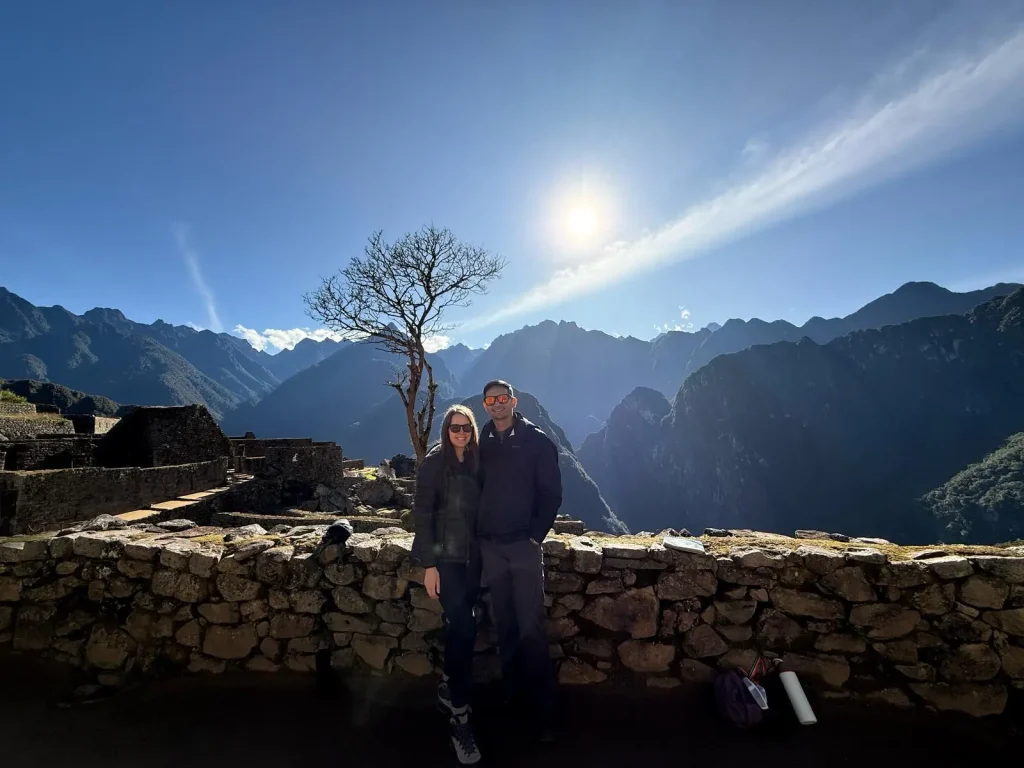
- Long, clear views over the Urubamba Valley
- Dry steps on Huayna Picchu and Machu Picchu Mountain
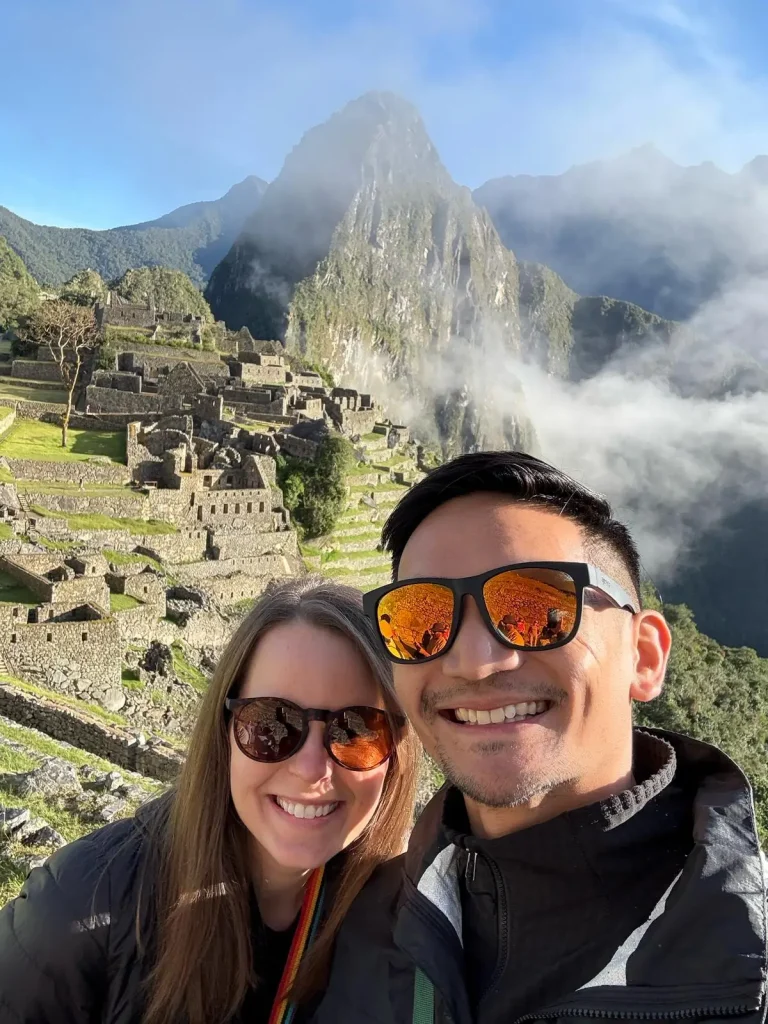
- Morning mist that often lifts by mid-morning, revealing the full site
The only real weather downside is the sun. With high UV and strong midday glare, sunscreen and a hat are essential.
How Crowded Is Machu Picchu in July?
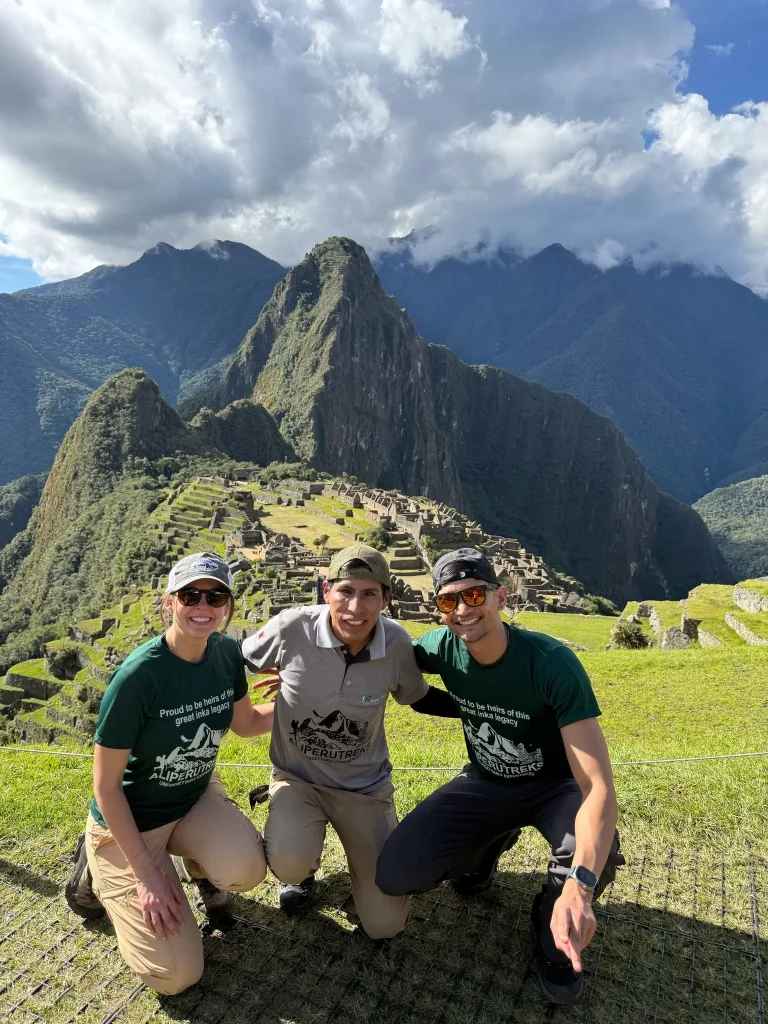
July and August are the peak months for international travel to Peru. With the cap at 5,600 visitors per day, the citadel is often at or near capacity.
The busiest pattern you’ll see:
- Mid-morning (roughly 9:00 a.m. to 1:00 p.m.) is when most visitors are inside the citadel.
- Late July adds a wave of Peruvian travelers around Fiestas Patrias, Peru’s Independence Day holidays on July 28–29. Trains, hotels, and the bus queues in Aguas Calientes are at their busiest that week.
- Mountain routes such as Huayna Picchu sell out first, sometimes months in advance.
The 1,000 tickets sold in person each day in Machu Picchu Pueblo are not a reliable backup in July. Lines can be long, and the routes you want may be gone.
Smart Ways to Avoid the Worst of the Crowds
- Book the first or last entry slots. Early entries give you cooler air and softer light. Mid-afternoon entries often feel calmer as morning groups head back to Aguas Calientes.
- Spend a night in Aguas Calientes. Waking up near the bus stop puts you ahead of day-trippers from Cusco. Our Aguas Calientes guide explains what’s there.
- Choose Machu Picchu Mountain over Huayna Picchu if Huayna Picchu is sold out. It’s a longer climb with a wide panoramic view.
- Use the seasonal routes. The Sun Gate (1-C) and Inca Bridge (1-D) routes add a short walk away from the busiest terraces.
- Avoid July 26–31 if your dates are flexible.
Festivals and Events in July
- Virgen del Carmen, July 15–17, 2027: the town of Paucartambo, a few hours from Cusco, hosts one of the Andes’ most colorful festivals, with masked dancers and street processions. Hotels there are limited, so plan transport early.
- Fiestas Patrias, July 28–29: national holidays with parades and family travel across Peru. Expect busy roads and full trains around these dates.
For more ideas on what to see in the city, see our list of things to do in Cusco.
Tickets, Circuits, and Routes in July
Machu Picchu runs on three circuits and 10 routes, each with a fixed direction and hourly entry slot. Our guide to the Machu Picchu circuits explains what each route includes.
Approximate 2027 prices for foreign adults:
- Standard routes: about S/163 (about US$47), including the S/11 conservation fee
- Huayna Picchu, Machu Picchu Mountain, or the Great Cavern: about S/211 (about US$61)
From 2027, Huayna Picchu and Machu Picchu Mountain require entry by 10:00 a.m. Total visit time is capped at around 5.5 and 6.5 hours, respectively. Tickets are personal, tied to your passport, and must be paid at checkout. Read our guide on how to buy Machu Picchu tickets before you book.
Getting There in July
Trains from Ollantaytambo to Aguas Calientes take about 1 hour 25 minutes to 1 hour 50 minutes, and bimodal services connect from Cusco. In July, train seats sell out before many travelers expect, especially the Vistadome and morning departures. Our comparison of the Vistadome vs. Expedition trains helps you choose, and our guide to getting to Machu Picchu from Cusco outlines every route.
If you’d rather not coordinate all of it yourself, a Machu Picchu full day tour from Cusco includes trains, the bus, entry, and a guide.
Hiking to Machu Picchu in July
July has the driest trail conditions of the year and the coldest nights at camp, often near or below freezing at high campsites. Inca Trail permits for July are among the hardest to get. Many sell out shortly after release. Our page on the Inca Trail in July covers campsite temperatures and trail conditions.
If permits are gone, read our guide to alternatives to the Inca Trail. Routes such as Salkantay and Lares don’t require Inca Trail permits and enjoy the same dry weather.
Pros and Cons of Visiting Machu Picchu in July
Pros
- Some of the most reliable dry weather of the year
- Clear views and dry steps for the mountain climbs
- Seasonal routes typically open
- Lively festivals around Cusco
Cons
- Peak crowds at the citadel and in Aguas Calientes
- Tickets, trains, hotels, and permits sell out early
- The coldest nights of the year in Cusco and at camps
- Higher hotel rates in peak season
What to Pack for Machu Picchu in July
- A warm down or synthetic jacket, a hat, and gloves for cold mornings
- Breathable layers you can peel off as the day warms up
- SPF 50 sunscreen, sunglasses, and a brimmed hat
- Supportive hiking shoes
- Lip balm and moisturizer, because the air is very dry
- Your original passport, which is checked against your ticket
Our Peru packing list covers the rest of the trip.
Is July a Good Month for You?
July works best for travelers who must travel during US summer break, want dry weather for photos, or are planning a dry-season trek and can book early. If you’d prefer fewer people with similar weather, look at May or late September instead.
Frequently Asked Questions
For weather, yes. July is one of the driest months, with about 22 mm (0.9 in) of rain. It’s also one of the most crowded, so book early.
Very busy. The daily cap is 5,600 visitors all month, and demand peaks around Peru’s national holidays on July 28–29.
The citadel averages about 9°C (48°F) at night and 25°C (77°F) by day. Cusco is much colder and often below freezing at night.
Book tickets, trains, and hotels as early as possible, ideally several months ahead. Book Inca Trail permits as soon as they’re released.
Yes. Huayna Picchu is open in July, and it’s one of the first routes to sell out. From 2027, entry must be by 10:00 a.m.