
Top 5 Alternatives to the Inca Trail When Permits Are Sold Out
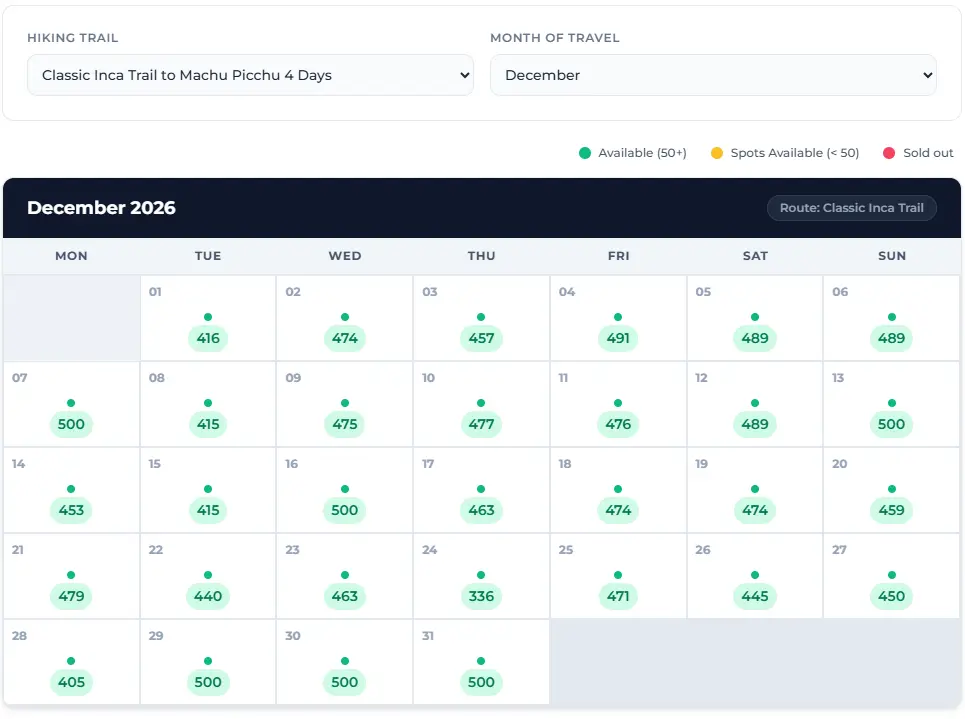
So you’ve finally planned your dream trip to Peru, you’ve blocked out the dates, and then… reality hits. The Inca Trail permits are sold out. With only 500 spots available per day (including guides and porters), this iconic trek often books up 5 to 6 months in advance, especially for the May–September dry season.
The good news? Missing out on the classic Inca Trail doesn’t mean missing out on Machu Picchu — or on an unforgettable Andean adventure. There are several alternatives to the Inca Trail that rival (and in some cases surpass) the original in terms of scenery, culture, and adventure. In this guide, we’ll walk you through the best hikes similar to the Inca Trail, what makes each one special, and the insider details only a local Cusco agency would know.
Why Inca Trail Permits Sell Out So Fast
The Peruvian government strictly limits access to the Inca Trail to protect the ancient stonework and surrounding ecosystem. This means:
- Only 200 trekker permits are released daily (the rest go to staff)
- Inca Trail permits are tied to your passport number and can’t be transferred
- High season (June–August) often sells out 4-6 months ahead
If you’re reading this and your dates are already set, don’t panic. The alternatives below are not “second-best” options — many seasoned trekkers actually prefer them.
Top 5 Alternatives to the Inca Trail
1. Salkantay Trek
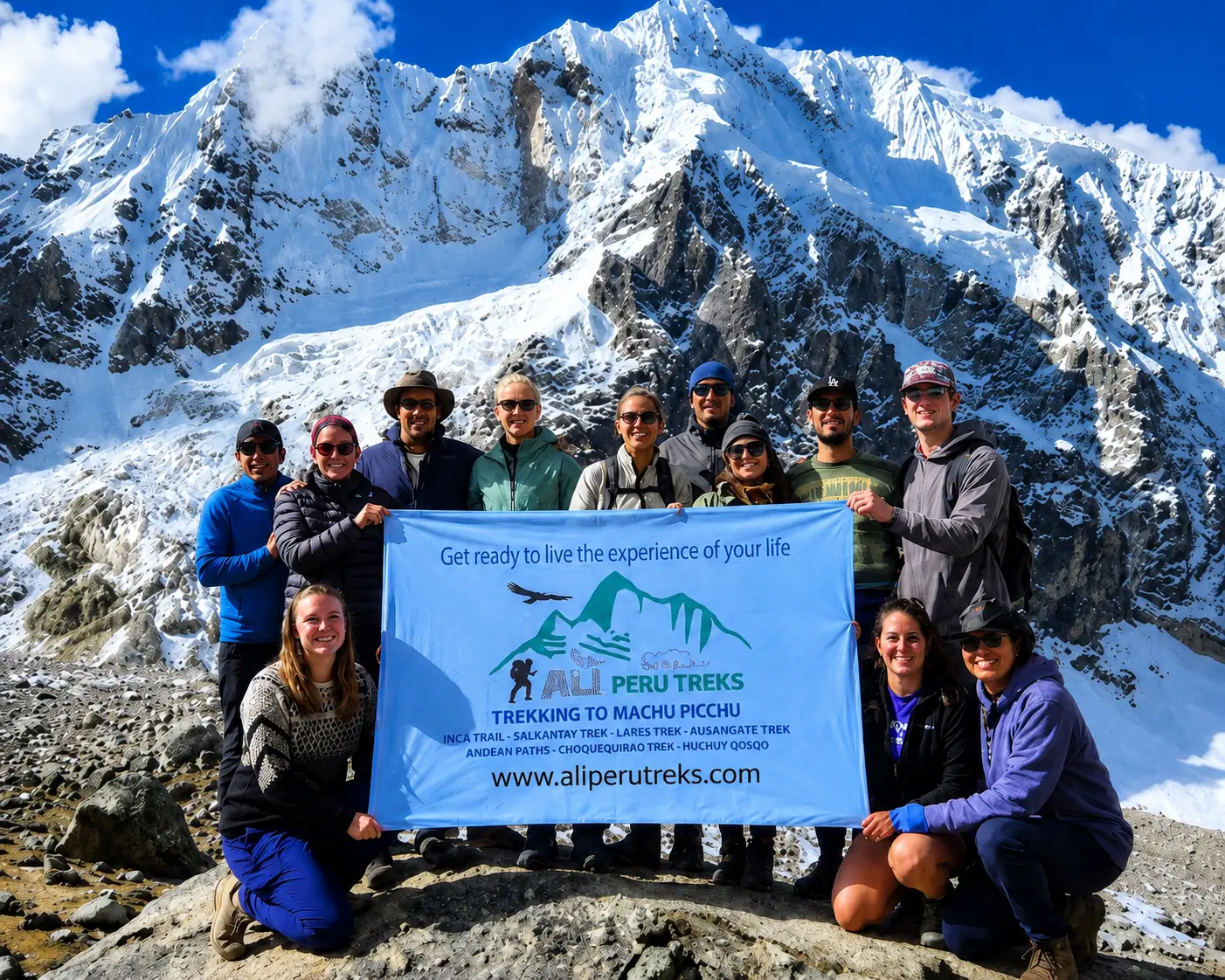
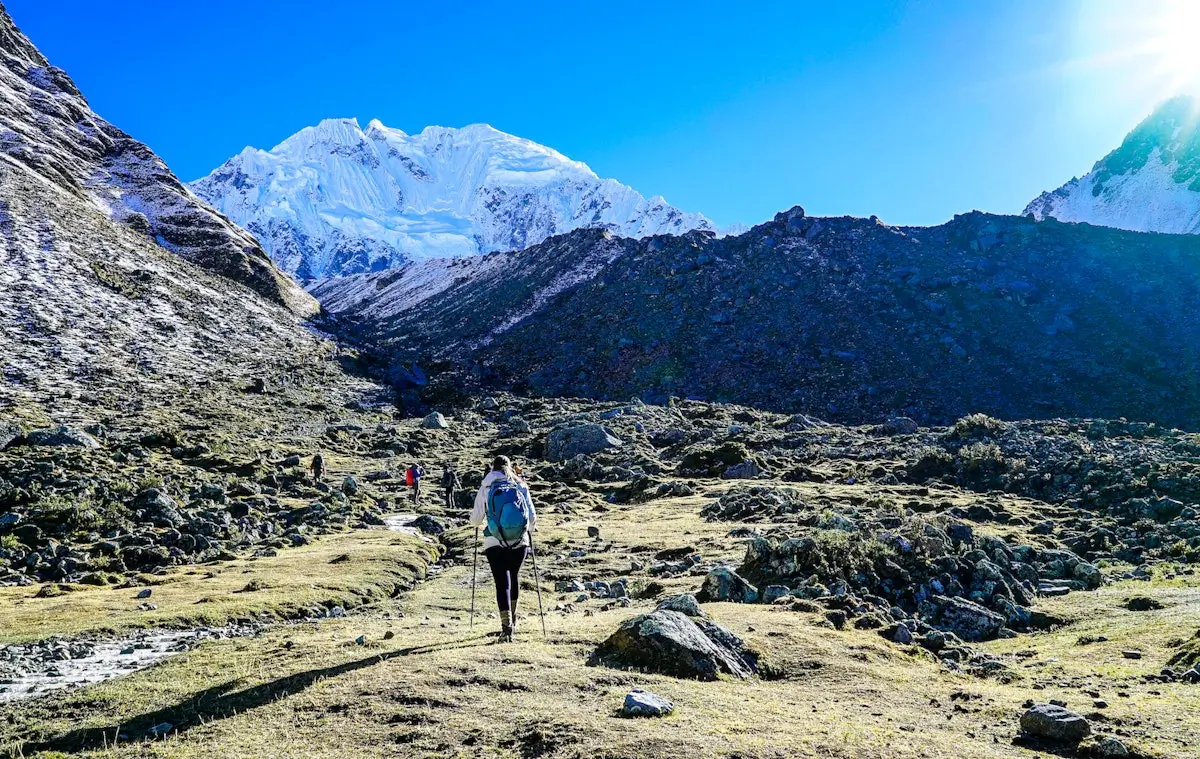
Often called the “new Inca Trail,” the Salkantay Trek is consistently ranked by National Geographic as one of the top 25 trekking routes in the world.
- Duration: 4-5 days
- Max Altitude: 15,213 ft (4,638 m) at Salkantay Pass
- Difficulty: Challenging (steep climbs, high altitude)
- Best Season: April to October (dry season)
- Highlights: Snow-capped Salkantay Mountain, cloud forest, coffee plantations, and a final approach to Machu Picchu via Aguas Calientes
This trek offers more dramatic mountain scenery than the Inca Trail, with the option to add a zipline or horseback riding segment for travelers wanting a bit of adrenaline.
2. Lares Trek
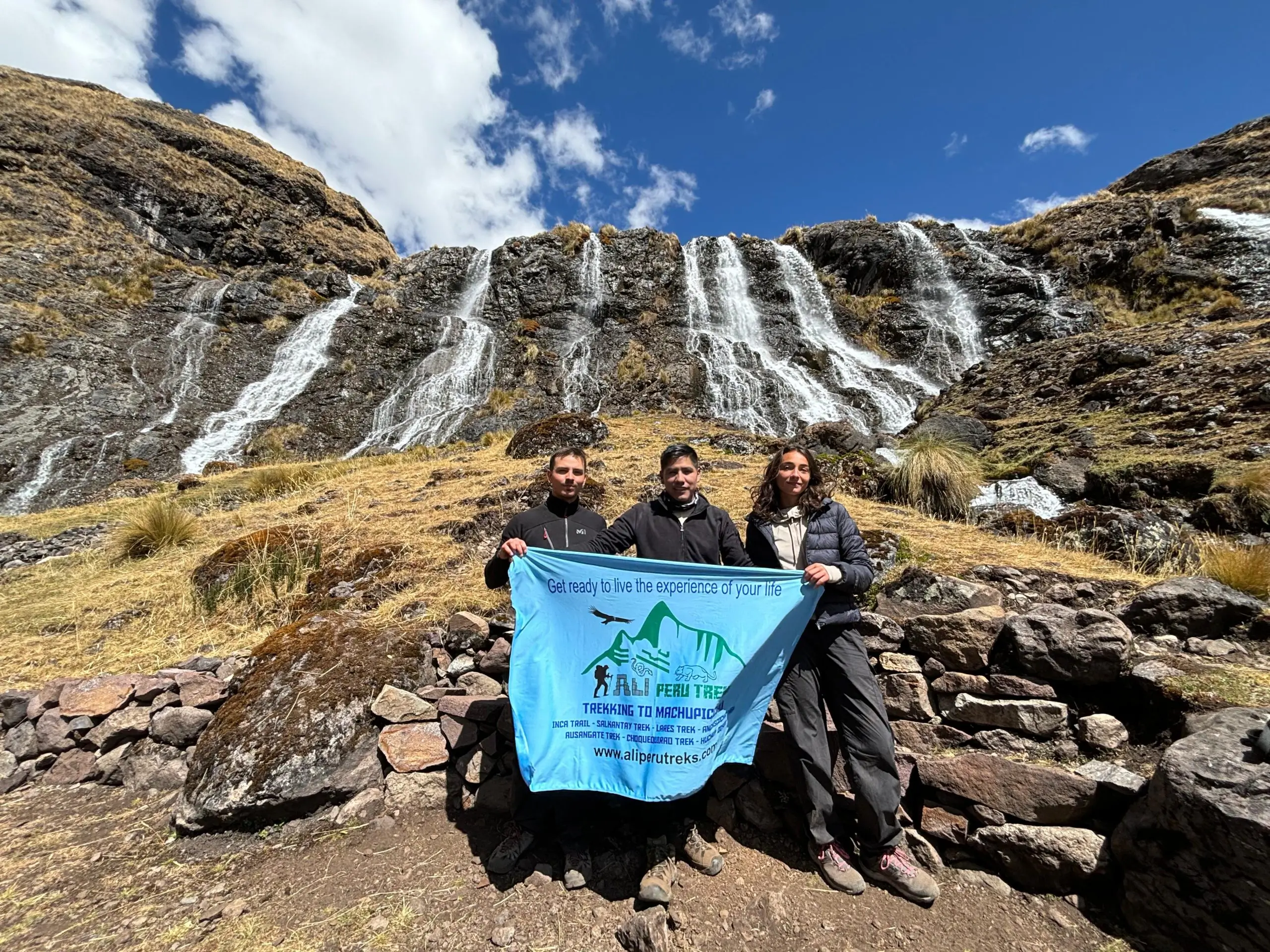
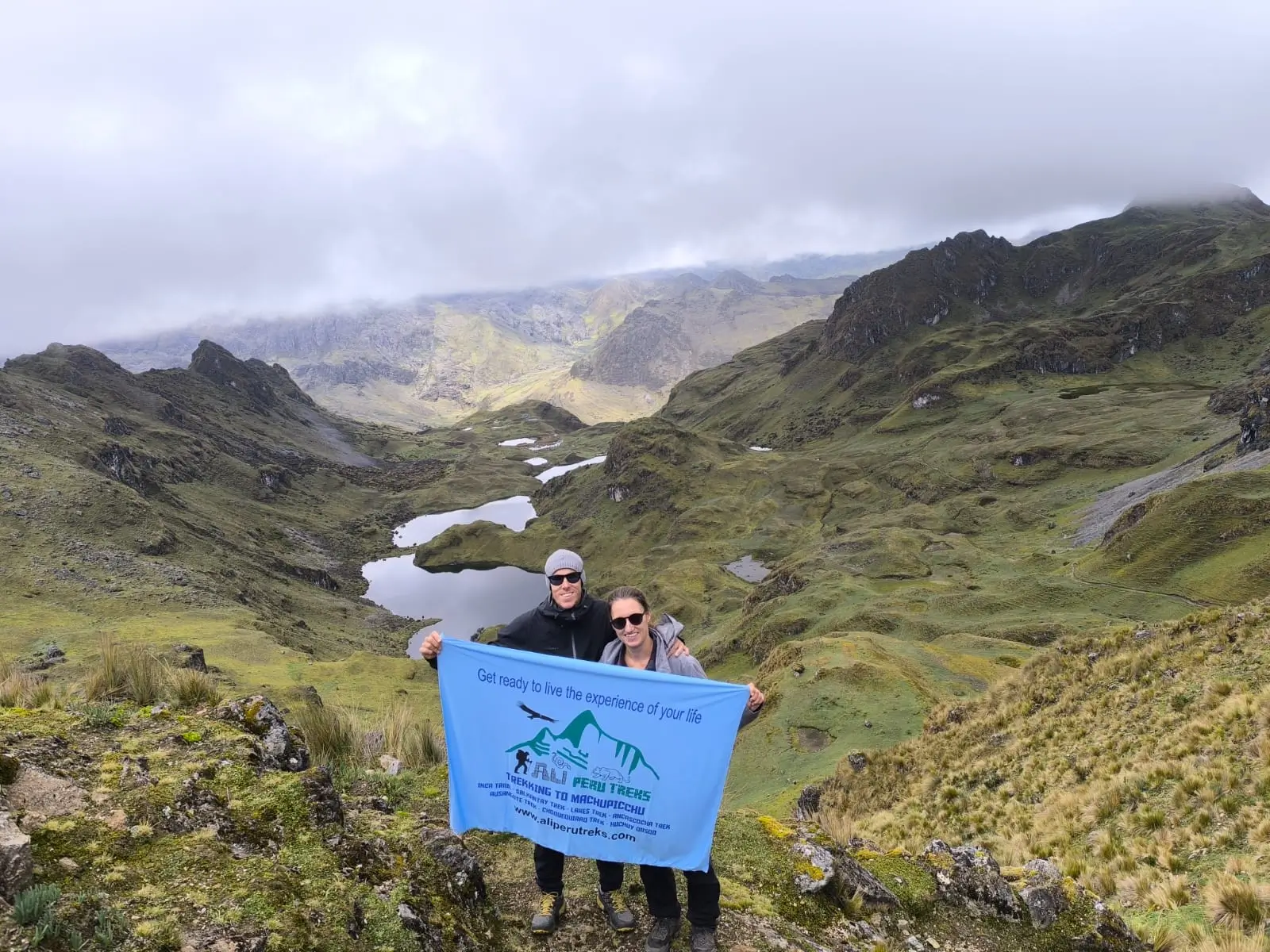
If cultural immersion is your priority, the Lares Trek is hard to beat. This route winds through remote Andean villages largely untouched by mass tourism.
- Duration: 3-4 days
- Max Altitude: 14,750 ft (4,500 m)
- Difficulty: Moderate to challenging
- Best Season: May to September
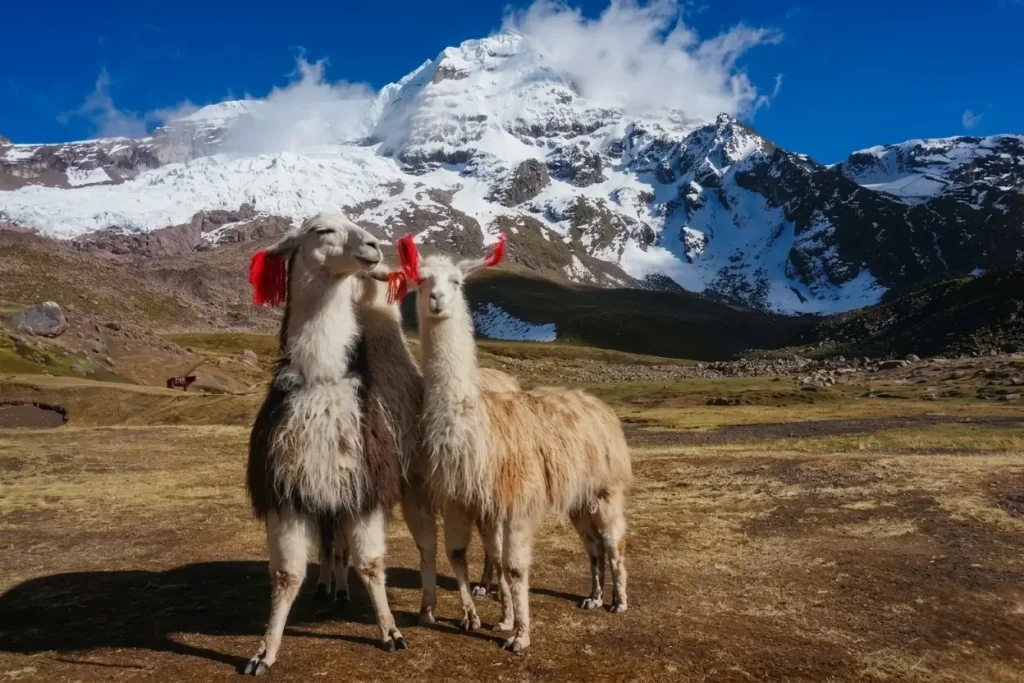
- Highlights: Natural hot springs, llama and alpaca herds, traditional weaving communities, and panoramic views of the Urubamba mountain range
Many travelers combine Lares with a train ride to Machu Picchu on the final day, making it a great option for those with limited time but a desire for authentic encounters.
3. Choquequirao Trek
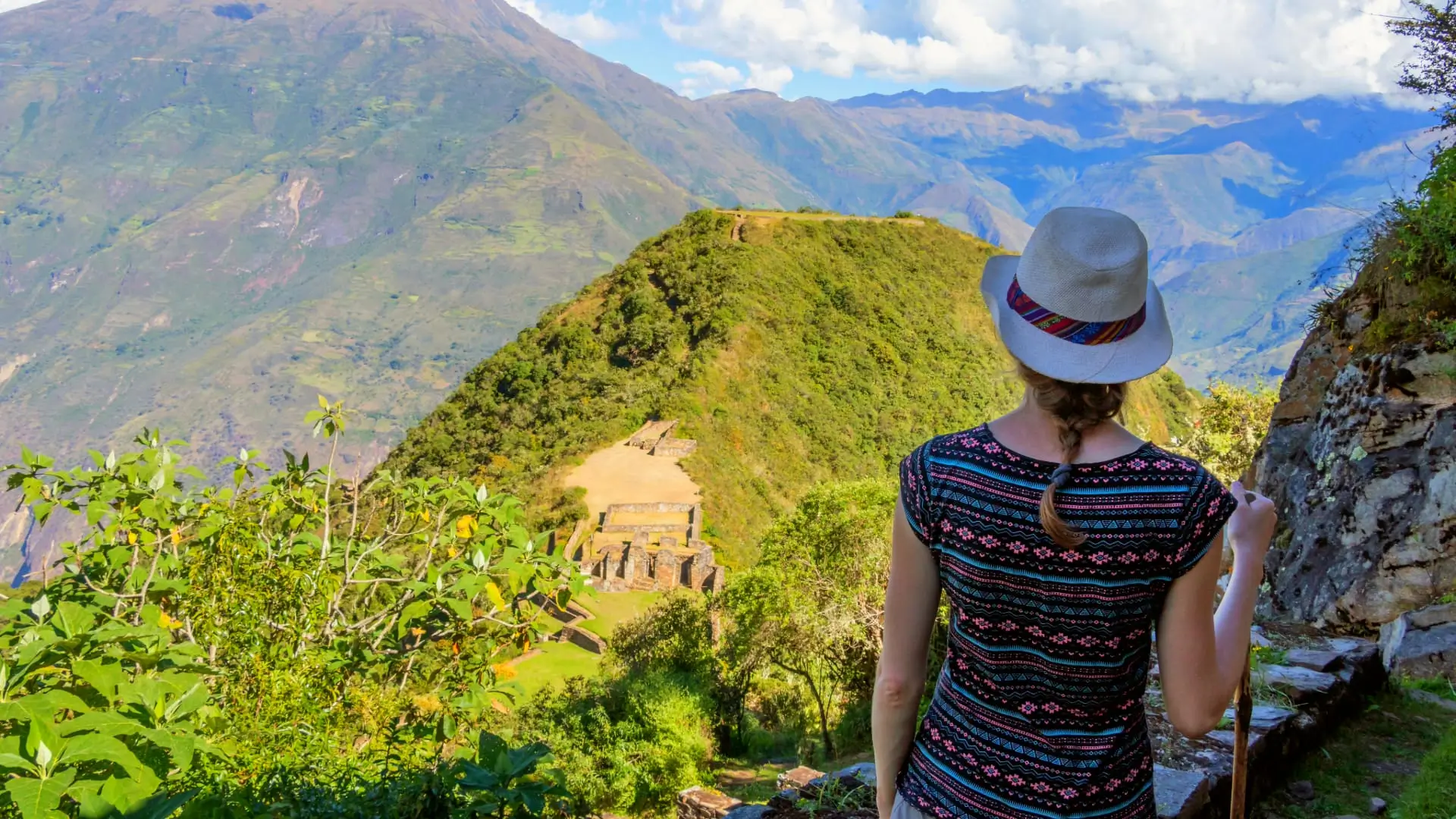
For those craving a true “lost city” experience without the crowds, Choquequirao is often described as Machu Picchu’s “sister city” — and only about 30% of it has been excavated.
- Duration: 4-9 days (depending on the route)
- Max Altitude: 12,500 ft (3,800 m)
- Difficulty: Very challenging (steep ascents and descents)
- Best Season: May to September
- Highlights: Massive Inca terraces, llama-shaped stone mosaics, and almost zero tourist crowds
This is the trek for experienced hikers who want the satisfaction of seeing ruins most travelers will never visit. Note: Choquequirao doesn’t connect directly to Machu Picchu, so it’s often done as a separate excursion before or after your Cusco itinerary.

4. Inca Jungle Trail
Looking for something more action-packed? The Inca Jungle Trail swaps strict trekking for a multi-sport adventure.
- Duration: 3-4 days
- Max Altitude: 14,232 ft (4,338 m) at the start, descending quickly
- Difficulty: Moderate (less high-altitude walking)
- Best Season: Year-round, best April-October
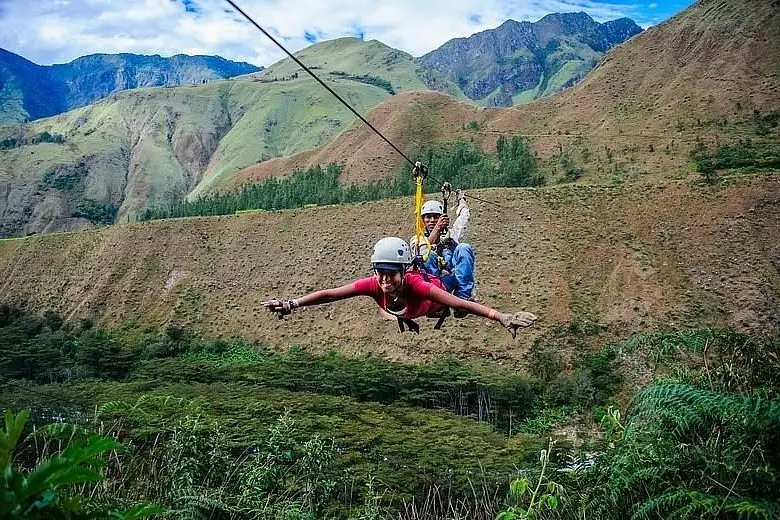
- Highlights: Mountain biking down from Abra Málaga, white-water rafting on the Urubamba River, ziplining through the jungle canopy, and a hike to the hot springs of Santa Teresa
This is one of the most popular Machu Picchu alternative treks for younger travelers, groups, and adventure seekers who want variety over pure hiking.
5. Vilcabamba Traverse (Ausangate Circuit Alternative)
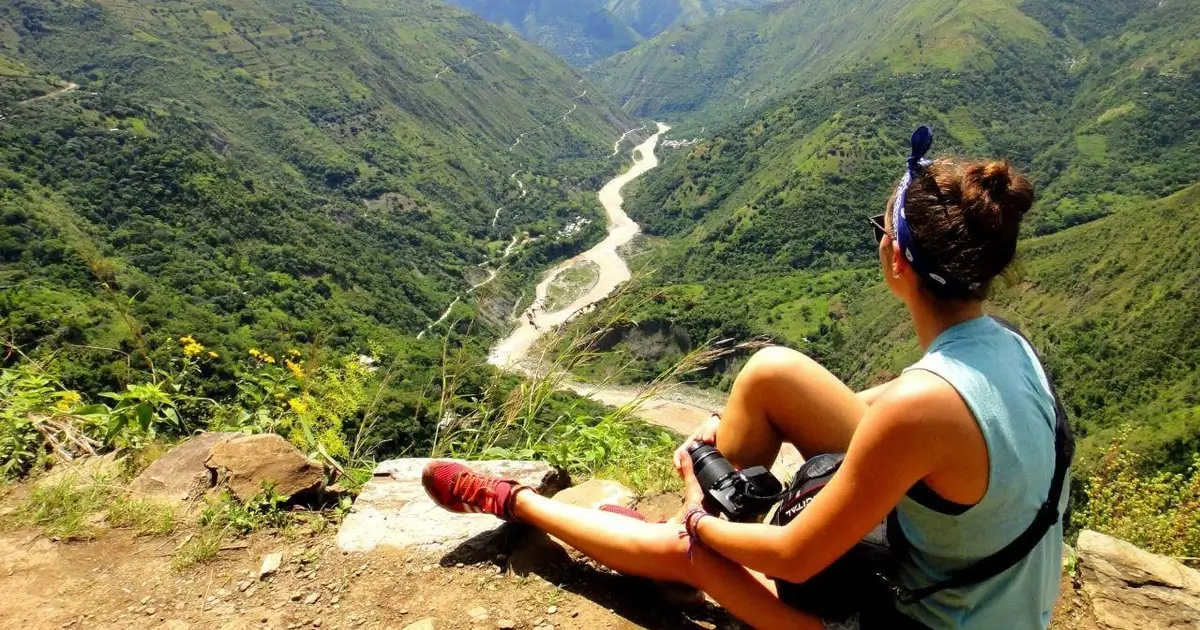
For the ultimate off-the-beaten-path experience, the Vilcabamba Traverse (sometimes paired with sections of the Ausangate Circuit) takes you through some of the most remote, glacier-studded landscapes in the Cusco region.
- Duration: 6-7 days
- Max Altitude: Over 16,000 ft (4,900 m) at certain passes
- Difficulty: Very challenging (true high-altitude expedition trekking)
- Best Season: May to September
- Highlights: Turquoise glacial lakes, the colorful Vinicunca (Rainbow Mountain) area, and traditional Quechua communities living much as they have for centuries
This route is best suited for travelers with prior high-altitude hiking experience and a genuine love of remote wilderness.

Hikes Similar to the Inca Trail: What to Expect
While each trek above has its own personality, most hikes similar to the Inca Trail share a few common threads:
- High-altitude conditions: All of these routes reach above 12,000 ft, so altitude sickness is a real consideration (more on this below)
- Camping or lodge-based nights: Depending on the operator, you’ll sleep in tents or eco-lodges along the way
- Support teams: Reputable agencies provide porters, cooks, and bilingual guides
- Connection to Machu Picchu: Salkantay, Lares, and Inca Jungle all end with entry to Machu Picchu; Choquequirao and Vilcabamba are typically standalone adventures
Best Treks in Cusco: Quick Comparison
| Trek | Difficulty | Duration | Crowds | Ends at Machu Picchu? |
|---|---|---|---|---|
| Salkantay | Challenging | 4-5 days | Moderate | Yes |
| Lares | Moderate-Challenging | 3-4 days | Low | Yes (via train) |
| Choquequirao | Very Challenging | 4-9 days | Very Low | No |
| Inca Jungle | Moderate | 3-4 days | Moderate | Yes |
| Vilcabamba | Very Challenging | 6-7 days | Very Low | No |
When people ask us about the best treks in Cusco, the honest answer is: it depends on your fitness level, how much time you have, and whether reaching Machu Picchu on foot is a priority.
Expert Tips From a Local Cusco Agency
Here’s what 15+ years of guiding travelers through the Andes has taught us:
- Arrive in Cusco at least 2-3 days early. Cusco sits at 11,150 ft (3,400 m), and proper acclimatization dramatically reduces altitude sickness risk on any of these treks.
- Avoid alcohol and heavy meals your first night. Stick to coca tea, soups, and lots of water during your first 48 hours in the highlands.
- Pack layers, not just a jacket. Mornings can be near freezing while afternoons feel warm — a fleece, windbreaker, and rain shell are essentials year-round.
- Book during shoulder season (April or October) for fewer crowds and lower prices, while still enjoying mostly dry weather.
- Choose a licensed operator. Ask whether your guide carries oxygen and a first-aid kit, and confirm porter welfare standards (a sign of a responsible, ethical agency).
- Bring cash in Peruvian soles. Many checkpoints, small villages, and rest stops along these routes don’t accept cards.
- Start hikes early in the morning. Not only does this beat the heat and afternoon rain, but it also means you’ll often have the trail — and the views — almost entirely to yourself.
Final Thoughts: Your Adventure Doesn’t End With “Sold Out”
Missing out on Inca Trail permits can actually open the door to something even more special. From the glacier views of Salkantay to the hidden ruins of Choquequirao, these alternatives to the Inca Trail offer the same sense of discovery — often with smaller groups and more authentic encounters along the way.
Ready to find the trek that fits your dates, fitness level, and travel style? Contact Ali Peru Treks today for a free, no-obligation quote, and let our local experts help you build the perfect Cusco adventure — Machu Picchu included.