Home » Blog » How to Get to Machu Picchu from Cusco
How to Get to Machu Picchu from Cusco
Ali Peru Treks
5 min read
Jun 11, 2026
255 views
Planning your trip to Peru and wondering how to get to Machu Picchu from Cusco? You’re not alone. With multiple routes, train companies, and trekking options, the logistics can feel overwhelming for first-time visitors.
The good news: getting from Cusco to this iconic Inca citadel is easier than most people think, once you understand your options. In this guide, we’ll break down every route, cost, and travel time so you can plan with confidence.
Why Cusco Is Your Starting Point
Cusco, the former capital of the Inca Empire, sits at 3,400 meters (11,150 feet) above sea level. Most international flights into Peru land in Lima, requiring a connecting flight to Cusco (about 1 hour).
Because of the high altitude, we recommend spending at least 1-2 days in Cusco before heading to Machu Picchu. This helps your body acclimatize and reduces the risk of altitude sickness.
Machu Picchu itself sits lower, at 2,430 meters (7,970 feet), so many travelers actually feel better once they descend toward the site.
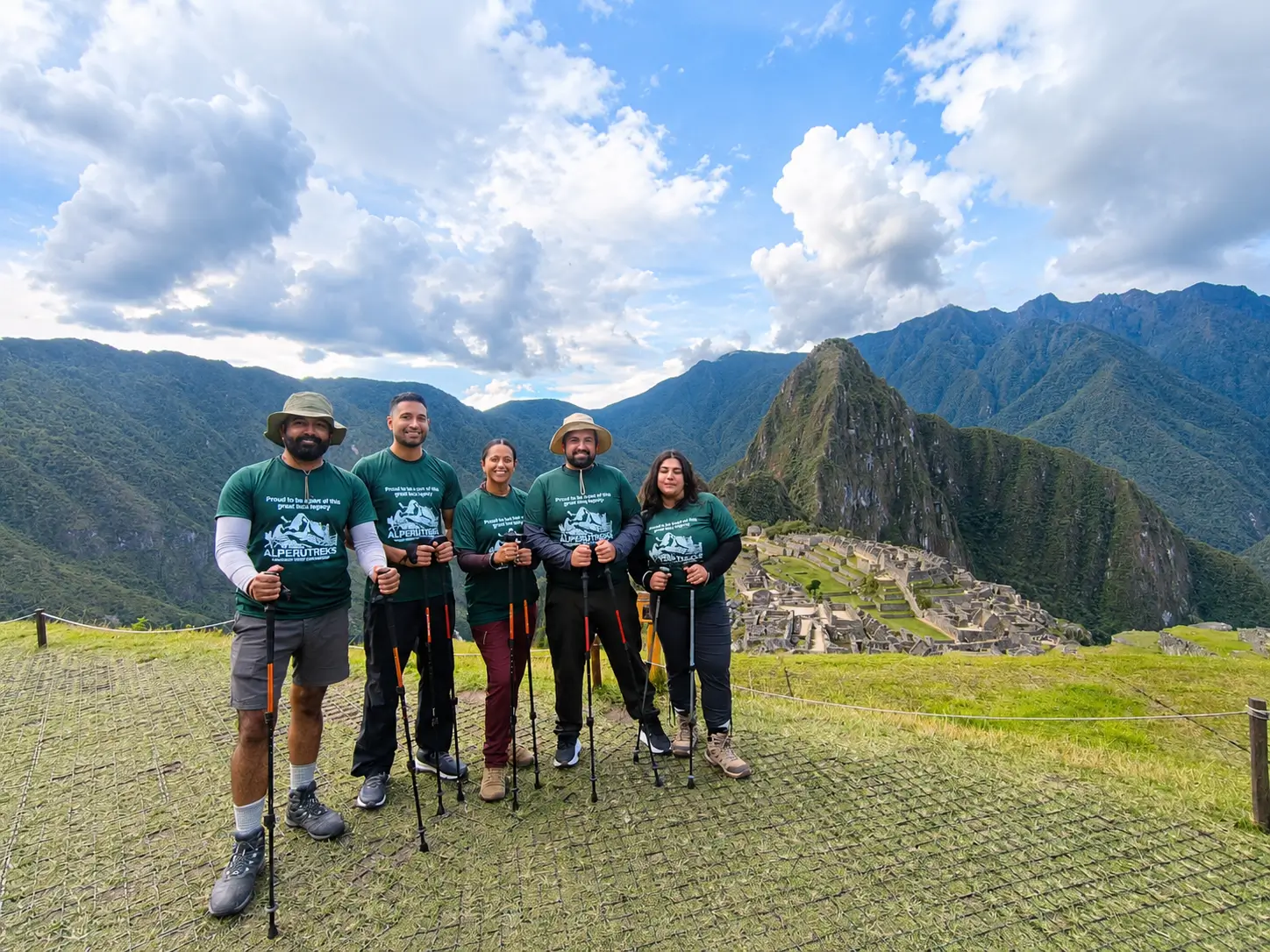
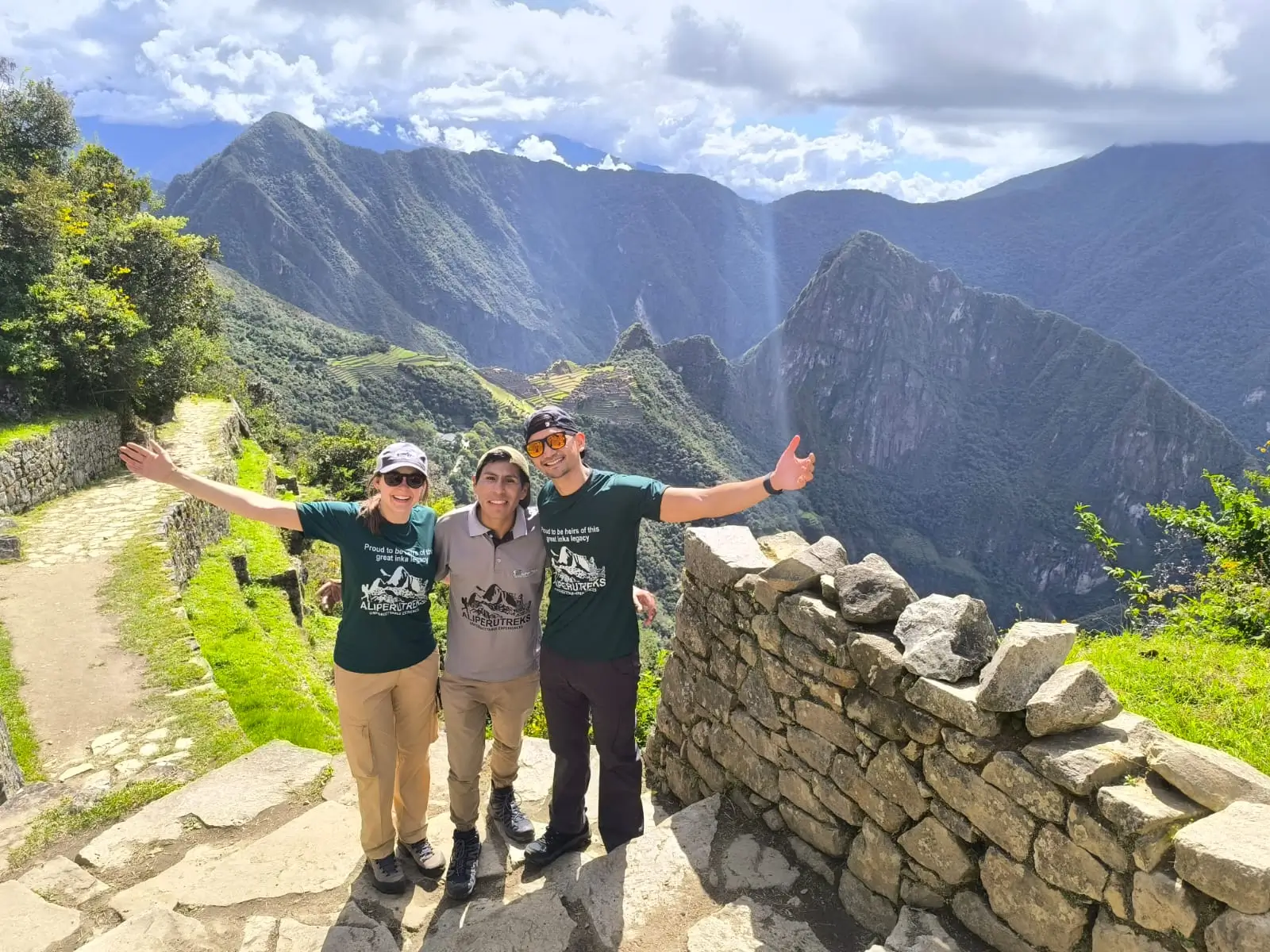
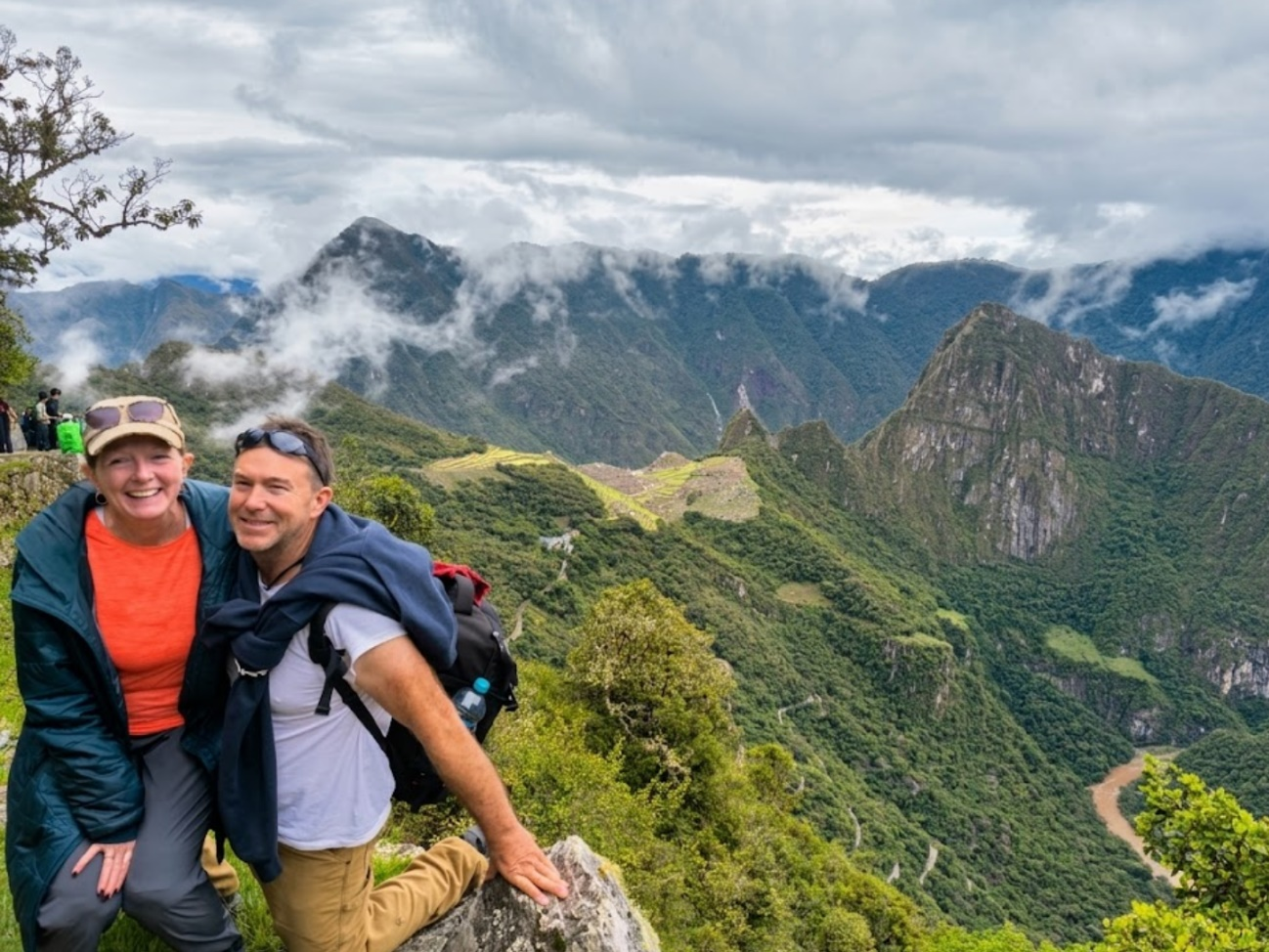
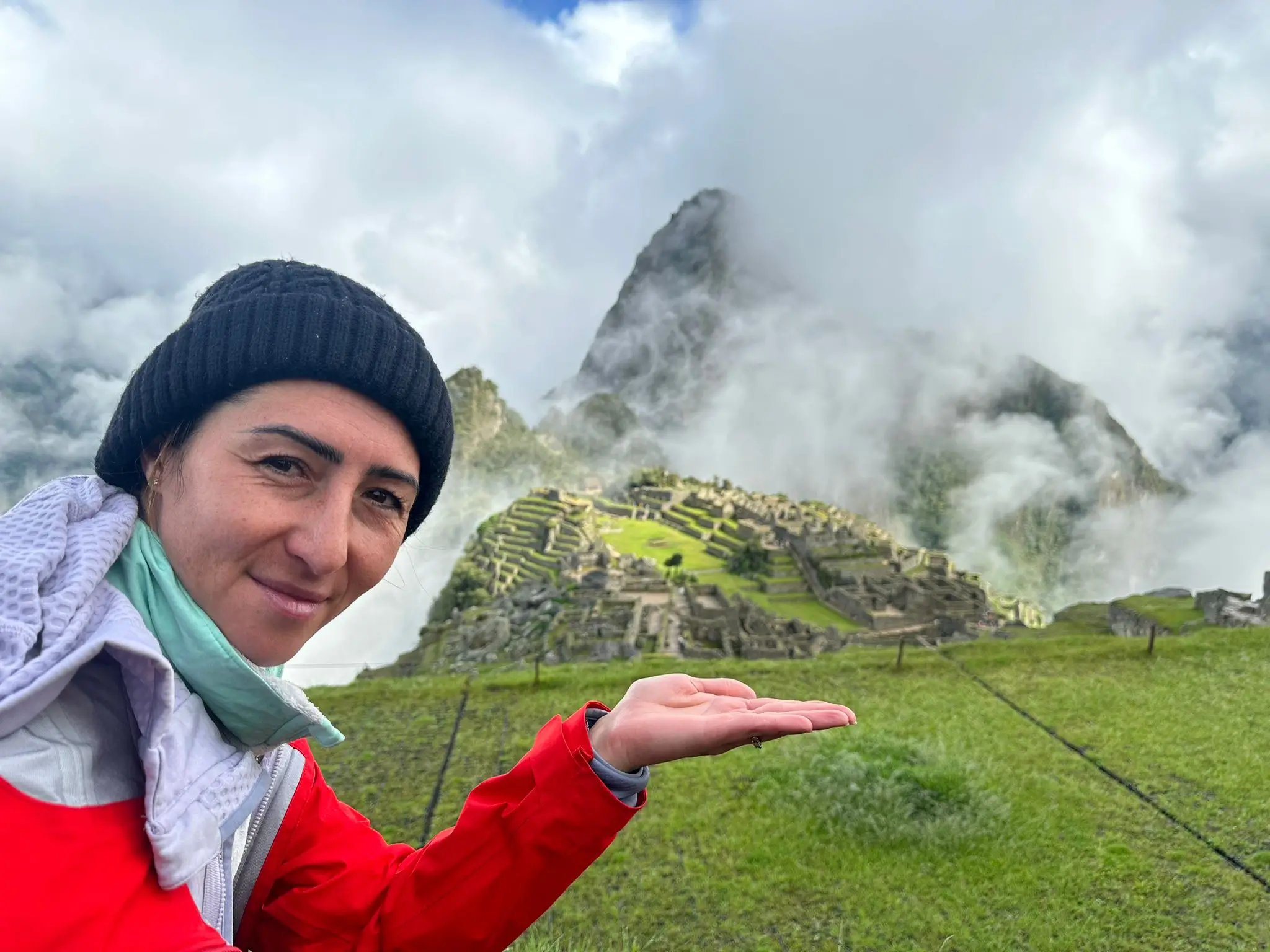
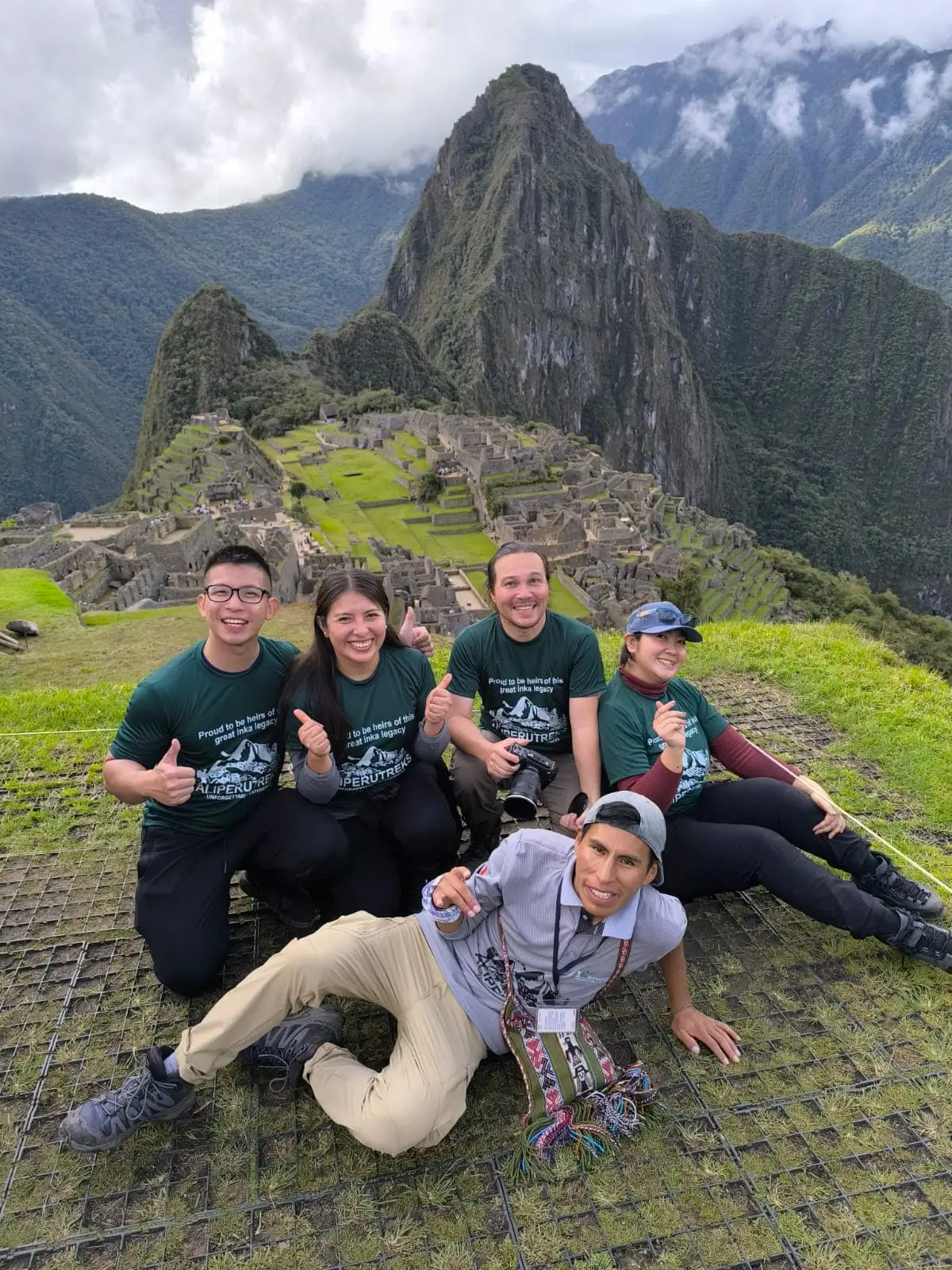
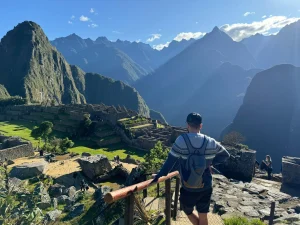
Arrival at the famous Inca citadel of Machu Picchu, following the Salkantay hiking trailHappy couple posing during their scenic machu picchu hike
Machu Picchu Transportation Options
There are three main Machu Picchu transportation options from Cusco. Your choice depends on budget, time, and how adventurous you want to be.
1. Cusco to Machu Picchu Train
The most popular and comfortable option is the Cusco to Machu Picchu train, which takes you to the town of Aguas Calientes (also called Machu Picchu Pueblo).
Two main companies operate this route:
PeruRail – departs from Poroy station (20 minutes from Cusco) or Ollantaytambo
IncaRail – departs primarily from Ollantaytambo
Train journey times:
From Poroy: approximately 3.5 hours
From Ollantaytambo: approximately 1.5–2 hours
Most travelers combine a bus or shared van from Cusco to Ollantaytambo (about 1.5–2 hours by road), then board the train from there. This saves time and money compared to taking the full train from Cusco.
Train classes range from:
Expedition (budget-friendly, basic comfort)
Vistadome (panoramic windows, scenic views)
Hiram Bingham (luxury, includes meals and entertainment)
2. Machu Picchu by Bus vs Train (Combined Route)
Many travelers choose a hybrid approach when comparing Machu Picchu by bus vs train. This typically looks like:
Bus or private van from Cusco to Ollantaytambo (1.5–2 hours)
Train from Ollantaytambo to Aguas Calientes (1.5–2 hours)
Shuttle bus from Aguas Calientes up to the Machu Picchu entrance (25 minutes)
This combination is often the most cost-effective and time-efficient option, especially for travelers with limited days in Peru.
3. Trekking Routes (For Adventure Seekers)
If you have 4-5 extra days, hiking is an unforgettable alternative. Popular treks include:
Salkantay Trek (5 days/4 nights) – no permit required, more flexible
Lares Trek – less crowded, passes through traditional Andean villages
These treks reach altitudes of 4,200-4,600 meters (13,800-15,100 feet), so proper acclimatization is essential.
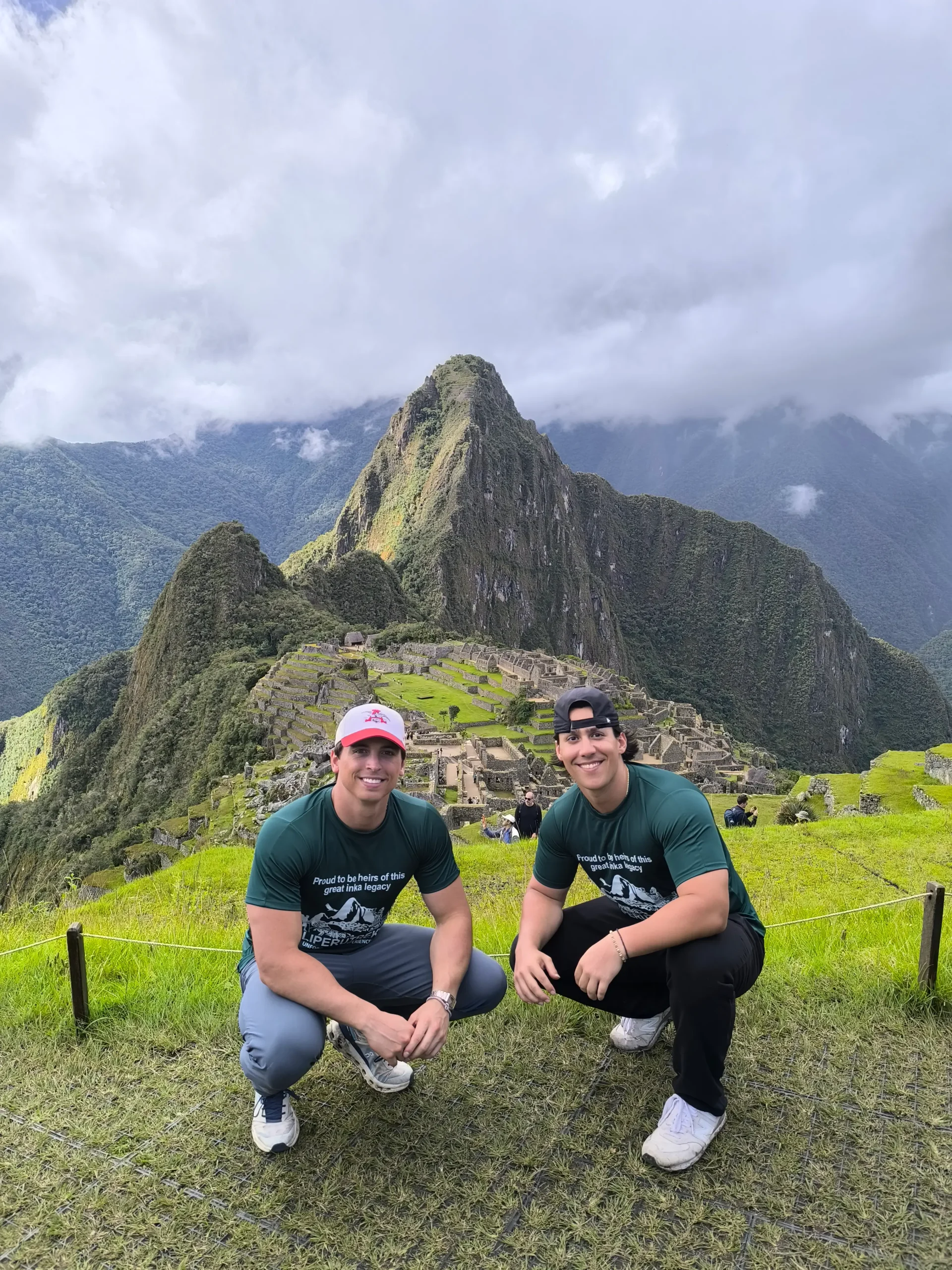
Machu Picchu Full Day Experience with Panoramic ViewUnforgettable View of Machu Picchu
Best Time to Visit Machu Picchu
Dry season (May–September) offers the best weather: sunny days, cool nights, and minimal rain. This is also the busiest period, so book trains and entrance tickets in advance.
Wet season (November–March) sees more rainfall, especially in January and February (when the Inca Trail closes for maintenance). However, prices are lower and crowds are thinner.
Shoulder months (April and October) often offer a sweet spot: fewer crowds and decent weather.
What to Pack for Your Journey
Layered clothing (temperatures vary dramatically between Cusco and Machu Picchu)
Comfortable walking shoes with good grip
Rain jacket, even in dry season
Sunscreen and sunglasses (high-altitude sun is intense)
Reusable water bottle
Cash in Peruvian soles for small purchases in Aguas Calientes
Your passport (required for entry to Machu Picchu)
Expert Tips: Local Insider Tips
Book your Machu Picchu entrance ticket online in advance — daily visitor numbers are limited, and tickets sell out weeks ahead during high season.
Choose morning entry slots (6-7 AM) if you want fewer crowds and softer light for photos.
Spend a night in Aguas Calientes rather than doing a rushed day trip — it reduces stress and lets you enjoy the site without rushing for a return train.
Acclimatize in Cusco for 1-2 days minimum before any trek or train journey — altitude sickness can ruin your trip if ignored.
Carry your passport at all times — it’s required to enter Machu Picchu and board trains.
Confirm your specific entrance ticket type — Machu Picchu, Machu Picchu + Huayna Picchu, and Machu Picchu + Montaña each require separate bookings.
Book trains 2-3 months ahead during June-August, as seats fill quickly.
Final Thoughts and Next Steps
Now that you know how to get to Machu Picchu from Cusco, the next step is choosing the route that fits your travel style, whether that’s a scenic train ride, a combined bus-and-train journey, or an unforgettable multi-day trek.
Every option leads to the same breathtaking destination, but planning ahead makes all the difference in comfort and cost.
Ready to start planning your adventure? At Ali Peru Treks, our local experts can help you choose the perfect route, handle all logistics, and create a custom itinerary tailored to your travel dates and fitness level.
The Ancascocha Trek passes four main Inca sites on its way to Machu Picchu. Perolniyoc (also called Raqaypata) sits on a cliff above a waterfall at about 3,550 m, Rayan Pata is a ceremonial site at about 3,800 m, Paucarcancha guards the junction of two valleys at about 3,100 m, and Patallacta (also called Llactapata)…
Moray and the Maras Salt Mines are two neighboring sites on the high plateau above the Sacred Valley, about 50 km from Cusco, and most travelers visit them together in half a day. Moray is a set of circular Inca terraces, and Maras is a hillside of thousands of salt pans still worked by local…
Plan at least three days in Cusco if you want to see the city and visit Machu Picchu, and four to five days if you also want the Sacred Valley or a high-altitude hike like Rainbow Mountain. Three days is the practical minimum because Cusco sits at 3,399 m (11,152 ft), and your first day…
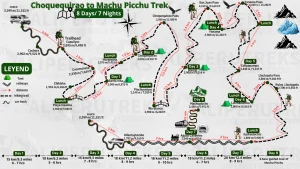
Yanama Pass, at about 4,660 m (15,290 ft), is the highest point on the trek from Choquequirao to Machu Picchu. It sits in the Vilcabamba range, between the village of Yanama (about 3,500 m) and the Totora valley, and crossing it is usually the longest day of the route: 8 to 10 hours, with a…
The Choquequirao cable car is a planned public-private project that would link the Inca site of Choquequirao with the Apurímac and Cusco sides of the canyon, cutting a journey that now takes about two days on foot to roughly 20 minutes. As of November 2026, it has not been built. The project is still in…
The Choquequirao trek starts at Capuliyoc (about 2,950 m), drops to the Apurímac River at Playa Rosalina (about 1,550 m), and climbs back up through Santa Rosa and Marampata to the ruins at about 3,050 m. That means a descent of roughly 1,400 m followed by a climb of about 1,500 m, each way. This…
Yes, Choquequirao is open. The archaeological park reopened in the second half of April 2026, after a rainy-season closure that began on February 1, 2026. However, Peru’s Ministry of Culture has closed the site during heavy rains in several recent years, so if you plan to visit between December and April, expect the possibility of…
Both routes visit Choquequirao and finish at Machu Picchu, but they get there in very different ways. The 6-day trek is an out-and-back hike to Choquequirao through the Apurímac Canyon, followed by a road transfer and train to Aguas Calientes. The 8-day trek is a full traverse on foot, crossing the Vilcabamba range over Yanama…
On the Ausangate llama trek, a caravan of llamas led by local herders carries the camping equipment and your duffel bag, so you hike with only a daypack. Llamas are used because they are native to the high Andes, they are lighter on the trail than horses, and hiring them supports the herding families who…
The Ausangate trek follows high Andean trails around the base of Ausangate (about 6,384 m), crossing three passes between 4,850 and 4,980 m, passing turquoise lakes, and camping at Upis, Pucacocha, and Queullacocha before finishing at Rainbow Mountain (5,036 m). The route changes slightly between our four treks, so this guide lists the stops in…