
Standing at the airport with an overstuffed suitcase, wondering if you’ll freeze in Cusco or roast in the jungle, is not how you want to start your Peru adventure. Between coastal deserts, high-altitude mountains, and Amazon rainforest, Peru packs three completely different climates into one country.
Knowing what to pack for a Peru trip is the difference between enjoying every sunrise over the Andes and shivering through it in the wrong jacket. This guide breaks down exactly what belongs in your bag, layer by layer, season by season.
We’ve guided thousands of travelers from the US through Cusco’s cobblestone streets and up to Machu Picchu, so we know firsthand which items get used daily and which ones just take up space.
Why Peru Packing Is Different From a Typical Trip
Most destinations have one climate. Peru has several, often in the same day.
Cusco sits at 11,152 feet (3,399 meters), where mornings can start near freezing and afternoons warm up under intense UV sun. The jungle region, like Manu or Puerto Maldonado, sits below 1,000 feet and stays hot and humid year-round.
This is why a generic Peru packing list pulled from a general travel blog often falls short. Your bag needs to work for altitude, sun exposure, and sudden temperature swings, not just “vacation weather.”
Understanding Peru’s Regions Before You Pack
- The Andes (Cusco, Sacred Valley, Machu Picchu): High altitude, cold nights, strong daytime sun.
- The Coast (Lima): Mild and humid, with a gray, overcast winter (June to September).
- The Amazon (Manu, Tambopata): Hot, humid, and rainy nearly year-round.
If your itinerary includes more than one of these regions, plan to pack for all of them.
Best Season to Visit and How It Affects Your Packing List
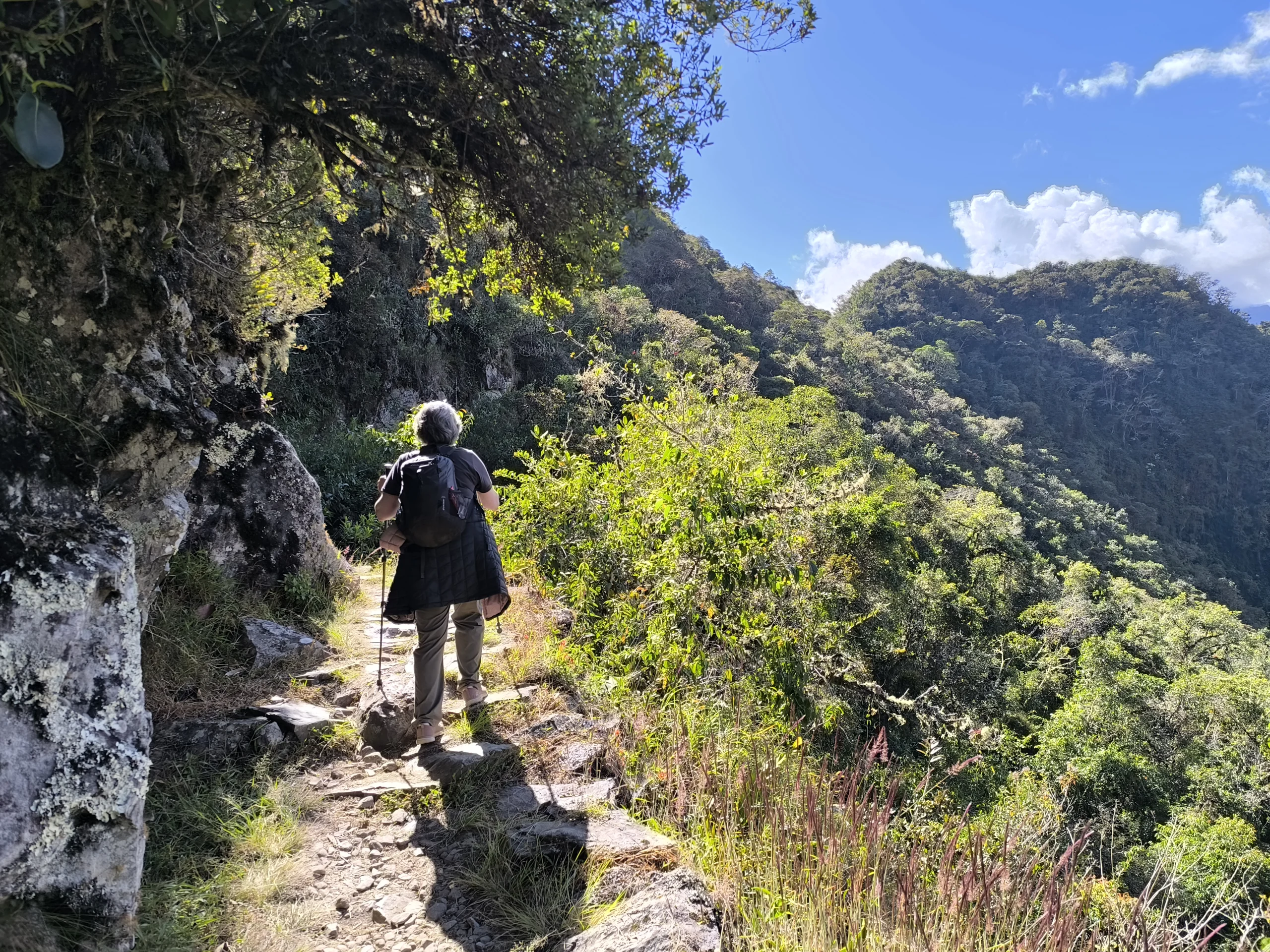
Peru’s dry season runs from May to September, and it’s the most popular time to visit Cusco and hike to Machu Picchu.
Days are sunny with clear mountain views, but nights drop close to 32°F (0°C) in Cusco and the Sacred Valley. A solid down jacket is non-negotiable during these months.
The wet season, from November to March, brings afternoon rain showers but fewer crowds and greener landscapes. Rain gear becomes just as important as warm layers.
Bottom line: check your specific travel dates before finalizing your bag, since the difference between June and January packing lists is significant.
The Core Peru Packing List by Category
Layering Is Everything
Think of your Cusco wardrobe in three layers, not one bulky coat.
- Base layer: Moisture-wicking t-shirts or thermal tops (avoid cotton, which stays wet and cold).
- Mid layer: A fleece or wool sweater for warmth during the day.
- Outer layer: A packable down or synthetic insulated jacket for early mornings and nights.
This system lets you add or remove layers as the temperature swings throughout the day, which happens constantly in the Andes.
What to Wear in Cusco Day to Day
Knowing what to wear in Cusco matters beyond just staying warm. Comfort and practicality win over fashion here.
- Comfortable walking shoes or light hiking shoes for cobblestone streets and uneven sidewalks.
- Long pants or leggings (jeans are fine in the city, but avoid them for treks since they’re heavy when wet).
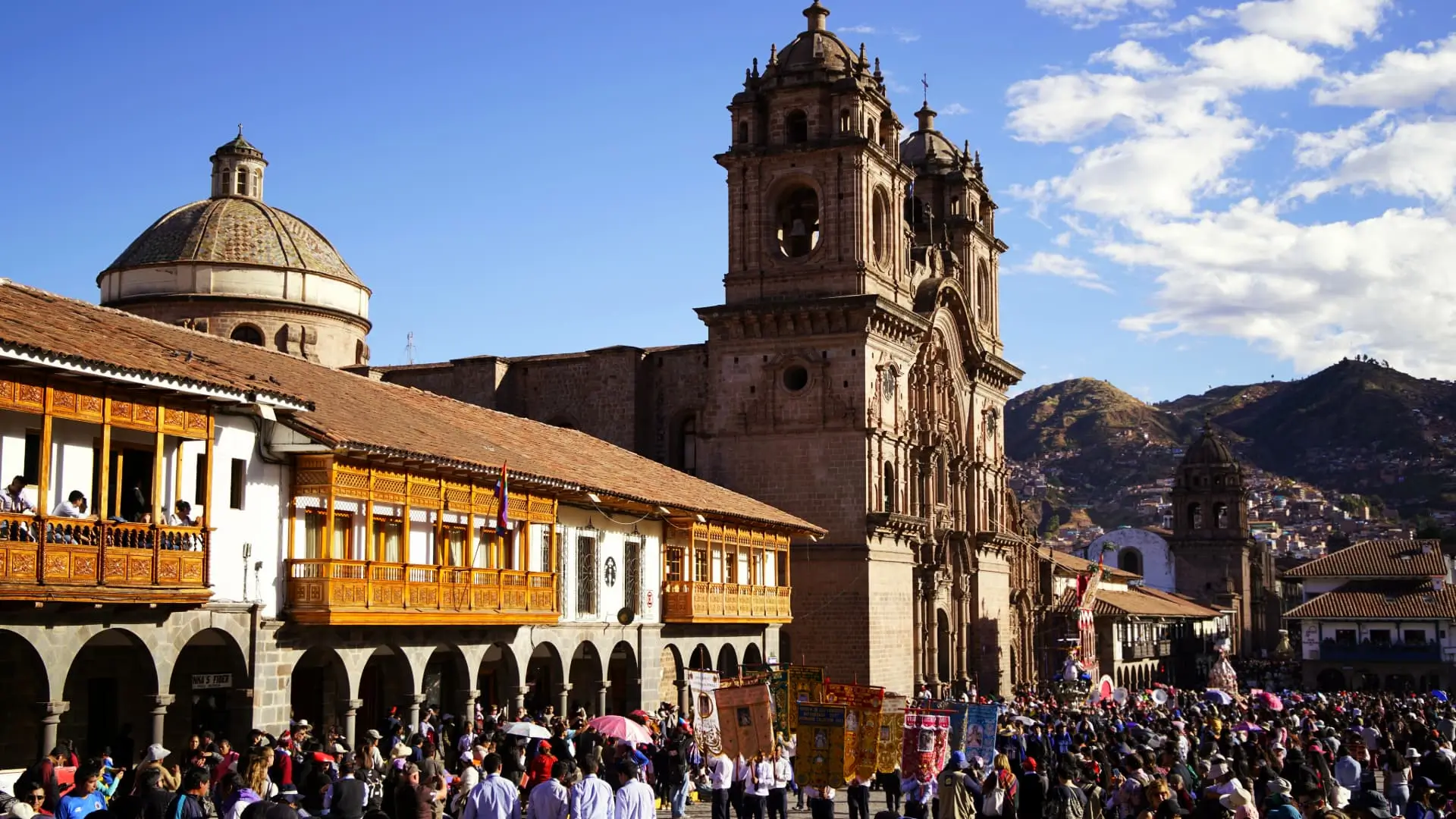
- A warm hat and gloves for chilly evenings in the Plaza de Armas.
- A light scarf or buff, useful for both warmth and sun protection.
For dinners out or visiting churches and museums, modest, casual clothing is appropriate. Peru is not formal, but shorts and tank tops can feel out of place in colder Andean towns.
Trekking and Outdoor Gear
If your trip includes the Inca Trail, Salkantay, or Lares Trek, your packing list needs to go further than city wear.
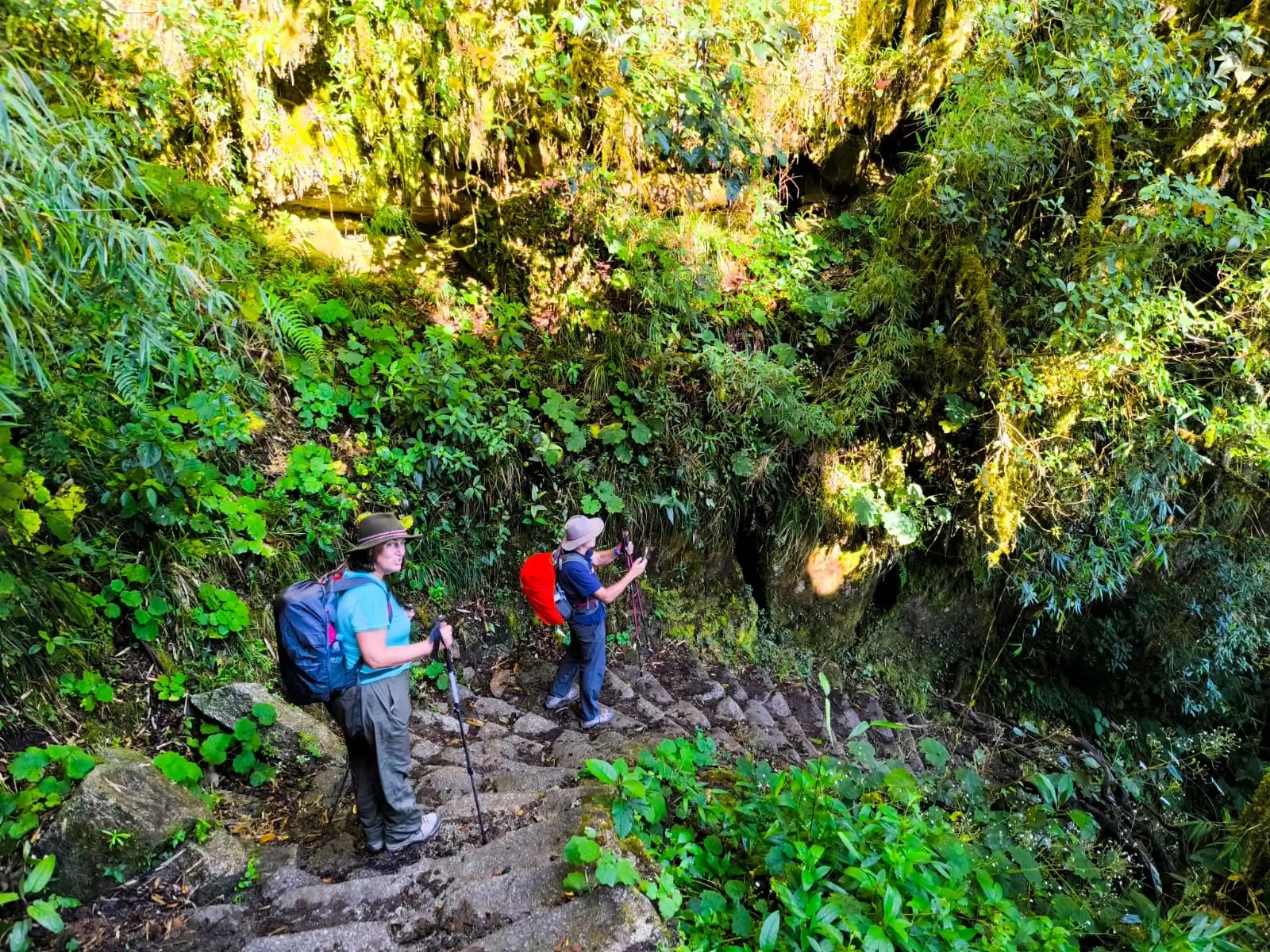
- Broken-in hiking boots with ankle support (never trek in brand-new boots).
- Moisture-wicking hiking socks, plus a spare pair per day.
- A reusable water bottle or hydration bladder (2 liters minimum for trekking days).
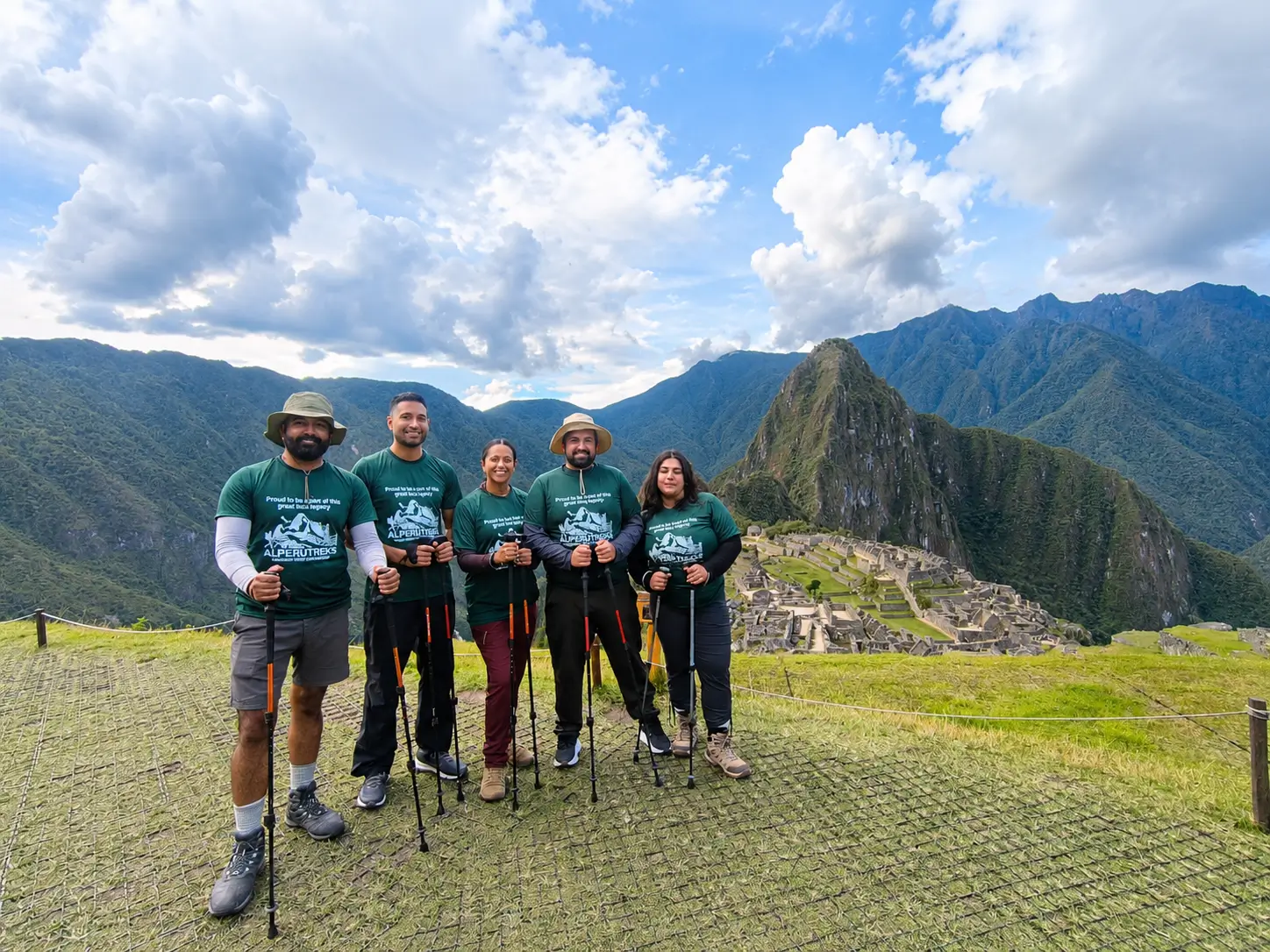
- Trekking poles, especially useful for steep descents like the one into the Sacred Valley.
- A rain cover or dry bag for your daypack.
- A headlamp for early departures and pre-dawn Machu Picchu entries.
Sun and Altitude Protection
At Cusco’s elevation, UV exposure is significantly stronger than at sea level, even on cloudy days.
- SPF 50+ sunscreen, reapplied often.
- Sunglasses with UV protection.
- A wide-brimmed hat or cap.
- Lip balm with SPF, since lips crack quickly in dry mountain air.
Health and Comfort Essentials
- Altitude sickness medication (consult your doctor about Diamox before traveling).
- Basic pain relievers and electrolyte tablets.
- Hand sanitizer and a small personal first-aid kit.
- Personal medications in original packaging, plus a few extra days’ supply.
Documents and Money
- Passport with at least 6 months of validity remaining.
- Printed and digital copies of your travel insurance and permits (Inca Trail permits especially, since they’re tied to your passport number).
- A mix of US dollars (crisp, newer bills) and Peruvian soles for small purchases.
- A copy of your entry stamp or Andean Migration form, since Peru still requires this for some hotel check-ins.

Expert Tips From a Local Cusco Agency
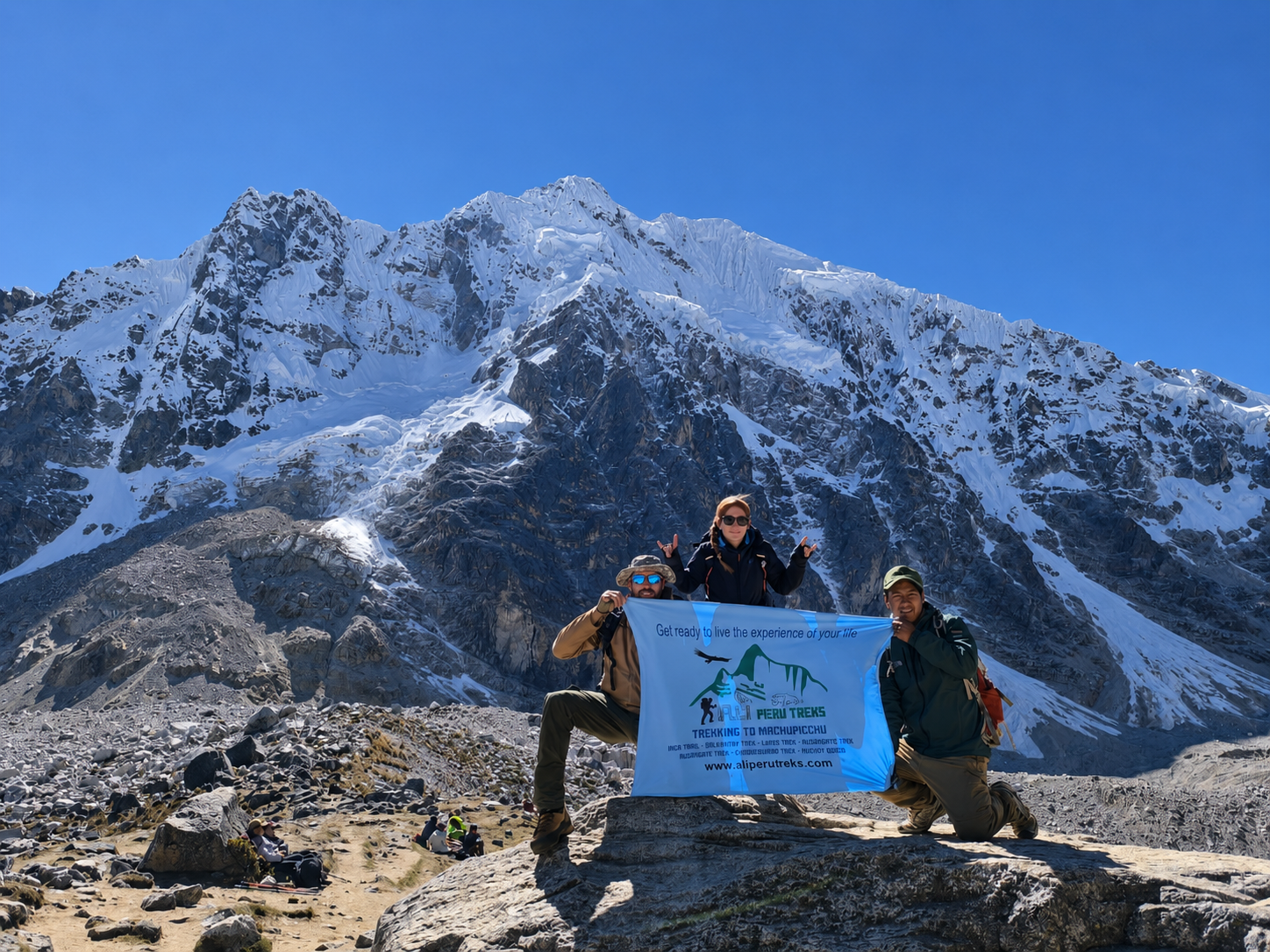
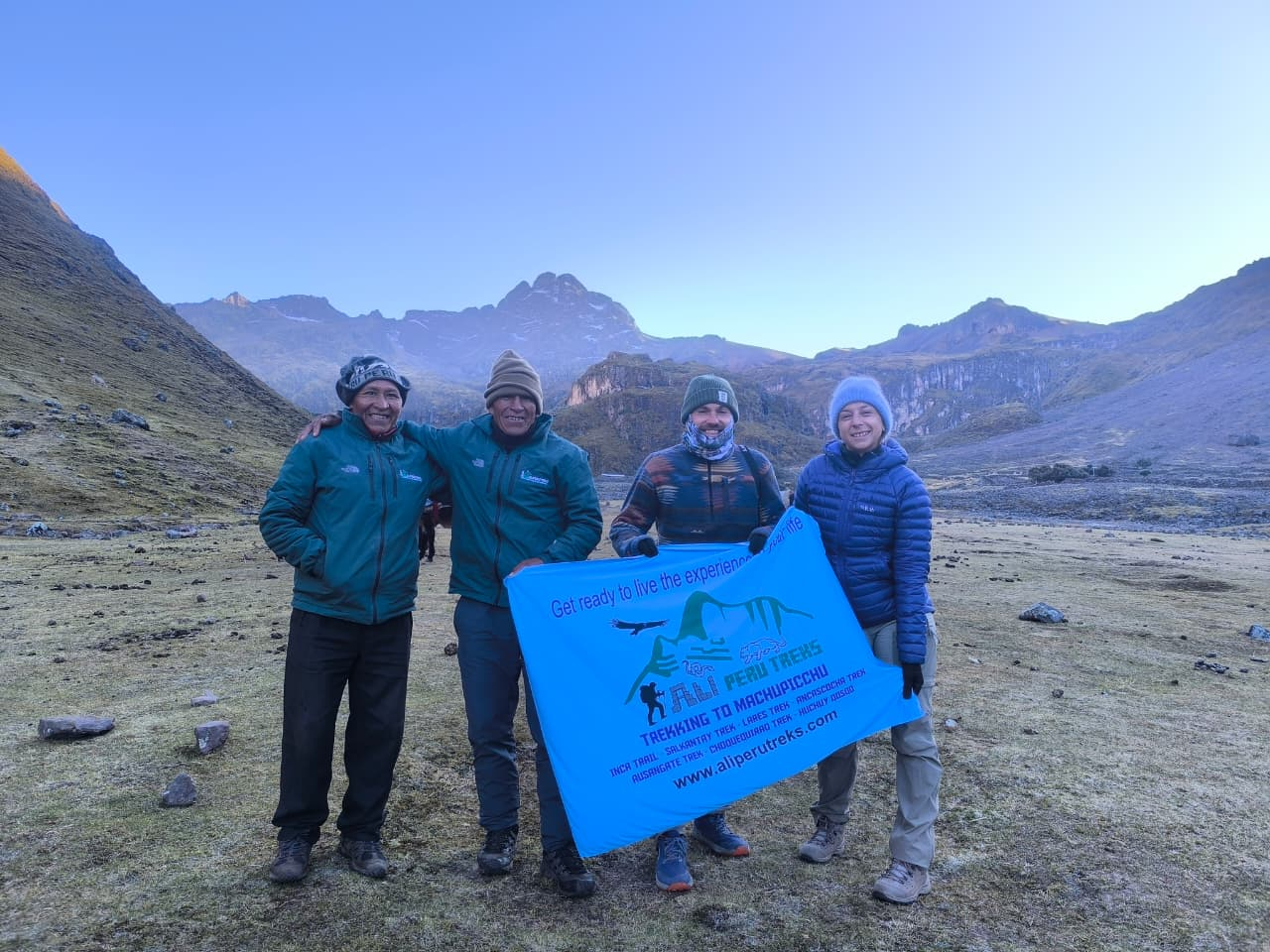
- Arrive in Cusco at least one full day before any trek. Altitude acclimatization matters more than any gear on your list, and rushing straight into a hike from Lima increases the risk of altitude sickness.
- Pack a paper copy of your permits for the Inca Trail. Cell service is unreliable at the trailhead, and rangers check physical or downloaded copies, not just email confirmations.
- Bring small bills in soles. Many rural stops, bathroom attendants, and small vendors along the Sacred Valley cannot break large notes.
- Skip the jeans for trekking days. They’re heavy, slow to dry, and uncomfortable if it rains, which is common even in the dry season at higher elevations.
- Pack coca leaves or coca candy from a local pharmacy once you arrive. They’re a traditional and effective remedy for mild altitude symptoms, and buying them locally is easier than trying to bring anything similar from home.
What NOT to Pack
- Heavy cotton clothing, which soaks up sweat and rain and takes forever to dry at altitude.
- A single massive suitcase for multi-day treks, since porters and transport have weight limits (usually 15-20 lbs / 7-9 kg for trek duffels).
- Excess valuables or jewelry, which just add stress without adding value to a trekking-focused trip.
- Flip-flops as your only footwear, since Cusco’s streets and trek terrain are uneven and often wet.
Final Packing Checklist Summary
Getting what to pack for a Peru trip right comes down to layering for temperature swings, protecting yourself from strong UV rays, and preparing for the physical demands of altitude.
Whether you’re wandering Cusco’s historic center or trekking toward Machu Picchu, the right gear keeps the focus on the experience, not on being cold, sunburned, or uncomfortable.
Ready to put this packing list to use? Browse our Cusco and Sacred Valley tour packages and let our local team help you plan an itinerary that matches your dates, fitness level, and travel style. Reach out today for a personalized quote and expert advice straight from Cusco.