
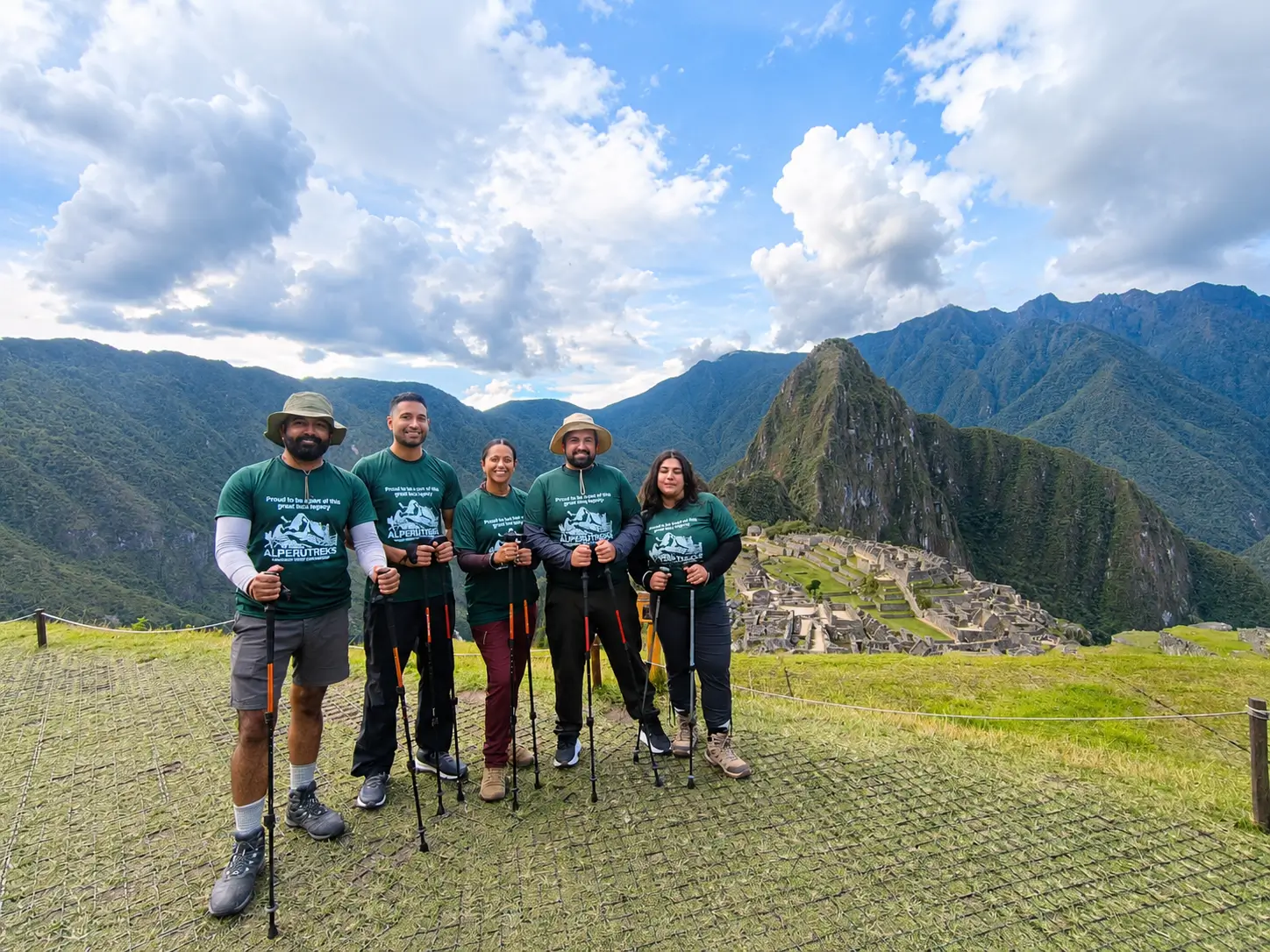
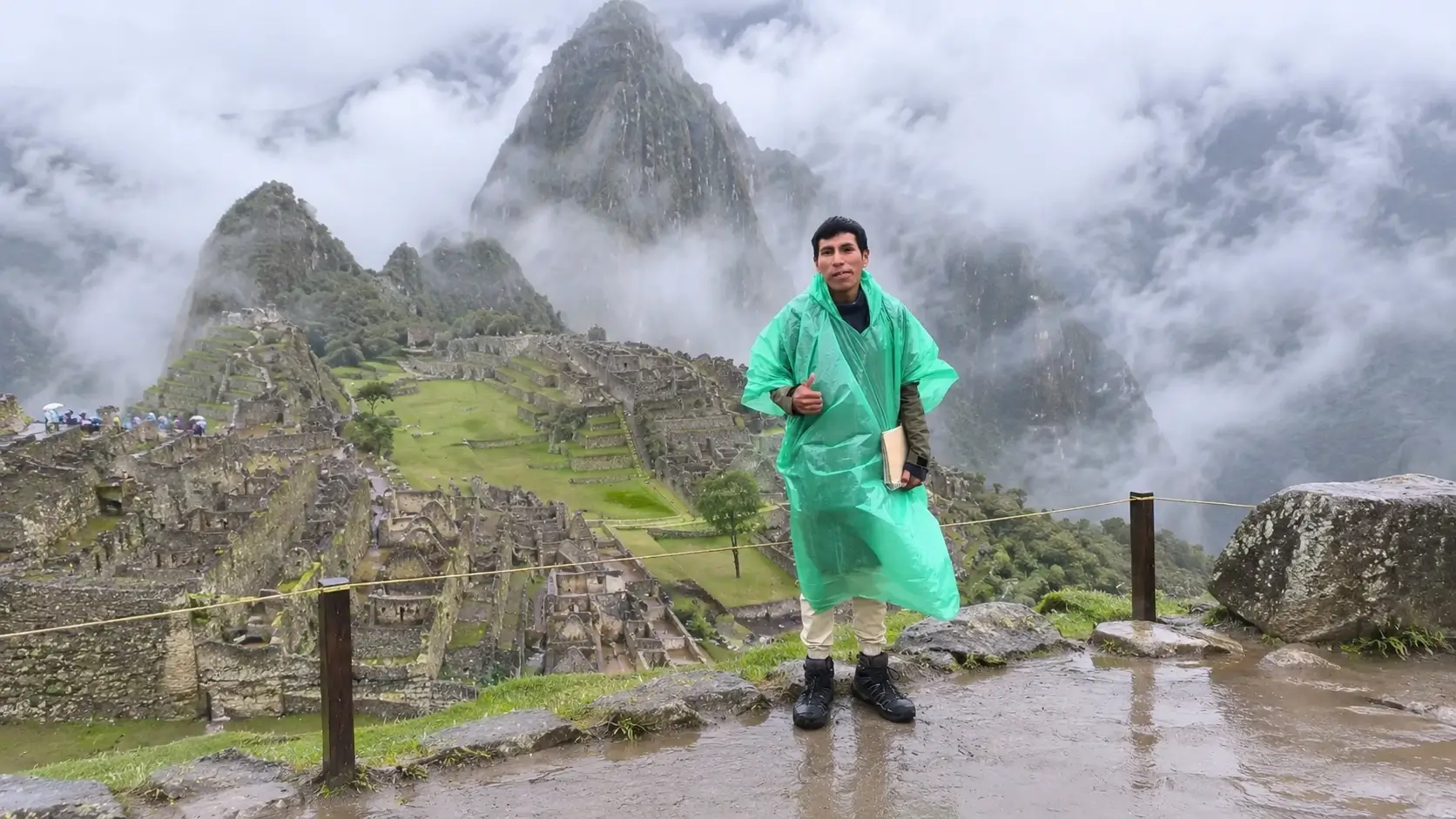
March is a transition month at Machu Picchu. It’s still the rainy season, and on average it’s the wettest month by total rainfall, at 151 mm (5.9 in). But rain falls on fewer days than in February (about 13), and conditions often improve in the second half of the month. The Inca Trail reopens on March 1, and Holy Week brings a short spike in visitors. In 2027, that spike falls on March 25–28.
If you want lighter crowds and are willing to pack for rain, March can be a smart compromise. This guide explains what to expect week by week. For the full-year picture, see our guide to the best time to visit Machu Picchu.
March at Machu Picchu at a Glance
| What you need to know | March |
|---|---|
| Average high / low | 25°C / 13°C (77°F / 55°F) |
| Average rainfall | 151 mm (5.9 in), the highest monthly total |
| Days with some rain | About 13 |
| Daily sunshine | About 6 hours |
| Daily visitor cap | 4,500, rising to 5,600 on March 25–28, 2027 |
| Inca Trail | Reopens March 1 |
| Holy Week 2027 | March 21–28 |
| Trains from Cusco | Bimodal bus + train on all PeruRail departures |
Long-term averages for the citadel (2,430 m / 7,970 ft).
March Weather, Early vs. Late Month
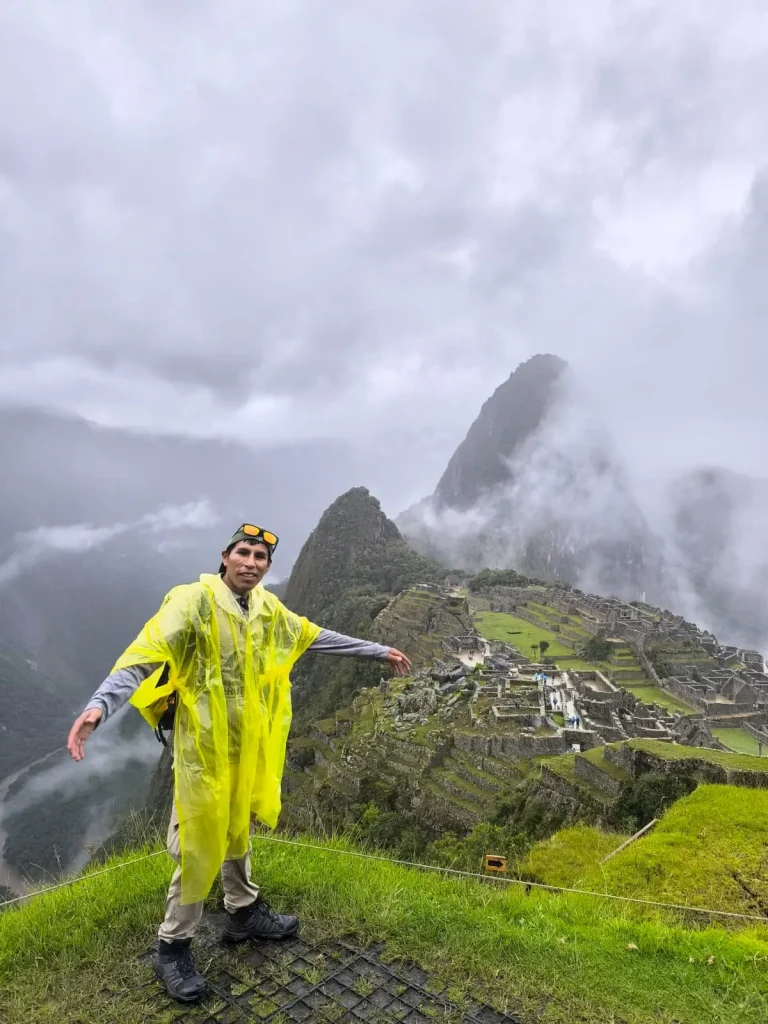
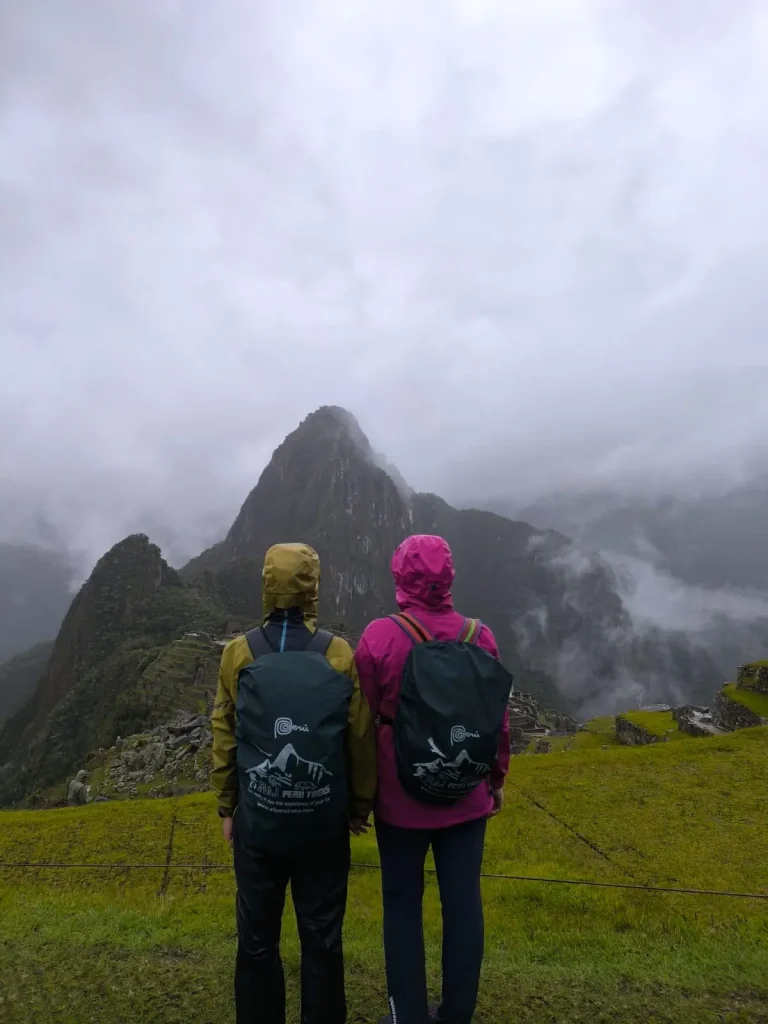
Early March usually feels like a continuation of February: frequent showers, low cloud, and soaked trails. Late March tends to bring longer dry spells and more sun, although heavy afternoon storms can still roll in. The monthly average hides that shift, which is why two travelers visiting a few weeks apart can describe March very differently.
What doesn’t change much is the temperature. Days stay warm at the citadel, while Cusco, at 3,399 m (11,152 ft), has cool, damp nights. Pack for both.
Expect:
- Rain on roughly every other day, often in heavy bursts
- Fast-changing visibility around Huayna Picchu and the upper terraces
- Wet, slick stone on stairways throughout the circuits
- Extreme UV (11+) whenever the sun breaks through
Crowds in March and the Holy Week Effect
For most of the month, Machu Picchu is relatively calm. The Ministry of Culture keeps the regular 4,500-visitor cap, and it’s still low season for international travel.
Two things push numbers up:
- Holy Week (Semana Santa). In 2027, Holy Week runs March 21–28, and the government lifts the cap to 5,600 visitors per day from Thursday, March 25, to Sunday, March 28. Peruvians travel widely over the Thursday and Friday holidays, so trains, hotels, and morning entry slots fill up. In Cusco, the procession of the Lord of the Earthquakes (Señor de los Temblores) on Holy Monday, March 22, 2027, is one of the city’s most important religious events.
- US spring break. Many American college and family trips land in March, mostly in the middle two weeks.
If your dates overlap Holy Week, book tickets and trains early and expect busier conditions in Aguas Calientes.
The Inca Trail Reopens in March
After its February maintenance closure, the Inca Trail reopens on March 1. Demand is moderate, so permits are usually easier to get than for May through August. Still, the trail is wet and the high camps are chilly. If you’re thinking about trekking in, our page on the Inca Trail in March covers trail conditions, and you can check live Inca Trail permit availability for your dates.
For a shorter hike, the Short Inca Trail also resumes in March and finishes with a hotel night in Aguas Calientes instead of camping.
Tickets, Circuits, and Routes in March
Entry works the same as the rest of the year: you choose a circuit, a route, and an hourly slot, then follow a one-way path. Our guide to the Machu Picchu circuits helps you match a route to your interests.
Typical 2027 prices for foreign adults:
- Standard routes: about S/163 (about US$47), including the S/11 conservation fee
- Huayna Picchu, Machu Picchu Mountain, or the Great Cavern: about S/211 (about US$61)
Tickets are personal and tied to your passport, and online payment must be completed within 15 minutes of reserving a slot. Our guide on how to buy Machu Picchu tickets explains the process step by step.
March note: seasonal routes linked to high-season dates (the Sun Gate, the Inca Bridge, the Great Cavern, and Huchuy Picchu) may only appear around the Holy Week window. Outside those days, plan on the year-round routes.
Getting to Machu Picchu in March
From January to April, PeruRail’s departures from Cusco run as bus-plus-train bimodal services, with the bus leaving from Wanchaq Station. From Ollantaytambo, the train to Aguas Calientes takes roughly 1 hour 25 minutes to 1 hour 50 minutes. Our comparison of the Vistadome vs. Expedition trains can help you pick a class.
March storms still occasionally disrupt the rail line. Keep at least one flexible day before your flight home. Spending a night in Aguas Calientes gives you the option of an early entry and reduces timing pressure. Our Aguas Calientes guide explains what the town offers.
Pros and Cons of Visiting Machu Picchu in March
Pros
- Lower crowds for most of the month
- The Inca Trail is open again, with better permit availability than in peak season
- Vivid green scenery, waterfalls, and cloud-forest flowers
- Late March often brings drier spells
Cons
- The highest average monthly rainfall
- Holy Week and spring break push up demand on certain dates
- Wet, slippery steps on all routes
- Higher risk of travel disruption than in the dry season
Who March Suits Best
March is a good match if you want an Inca Trail trek without peak-season competition for permits, or a citadel visit with fewer people, and you’re comfortable with rain gear. It’s also attractive for travelers who want to see Holy Week traditions in Cusco. If clear skies matter most, push your trip to April or May.
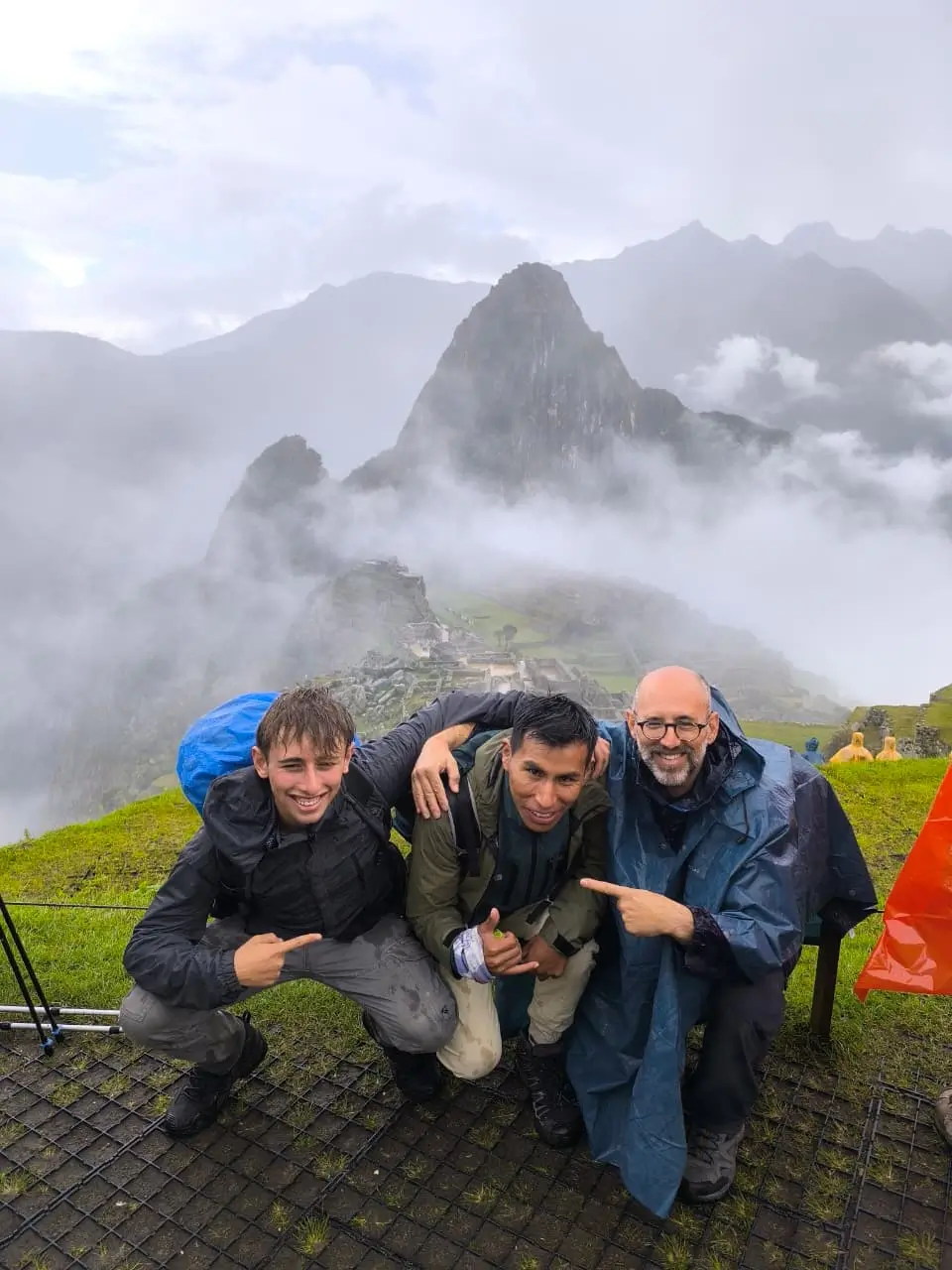
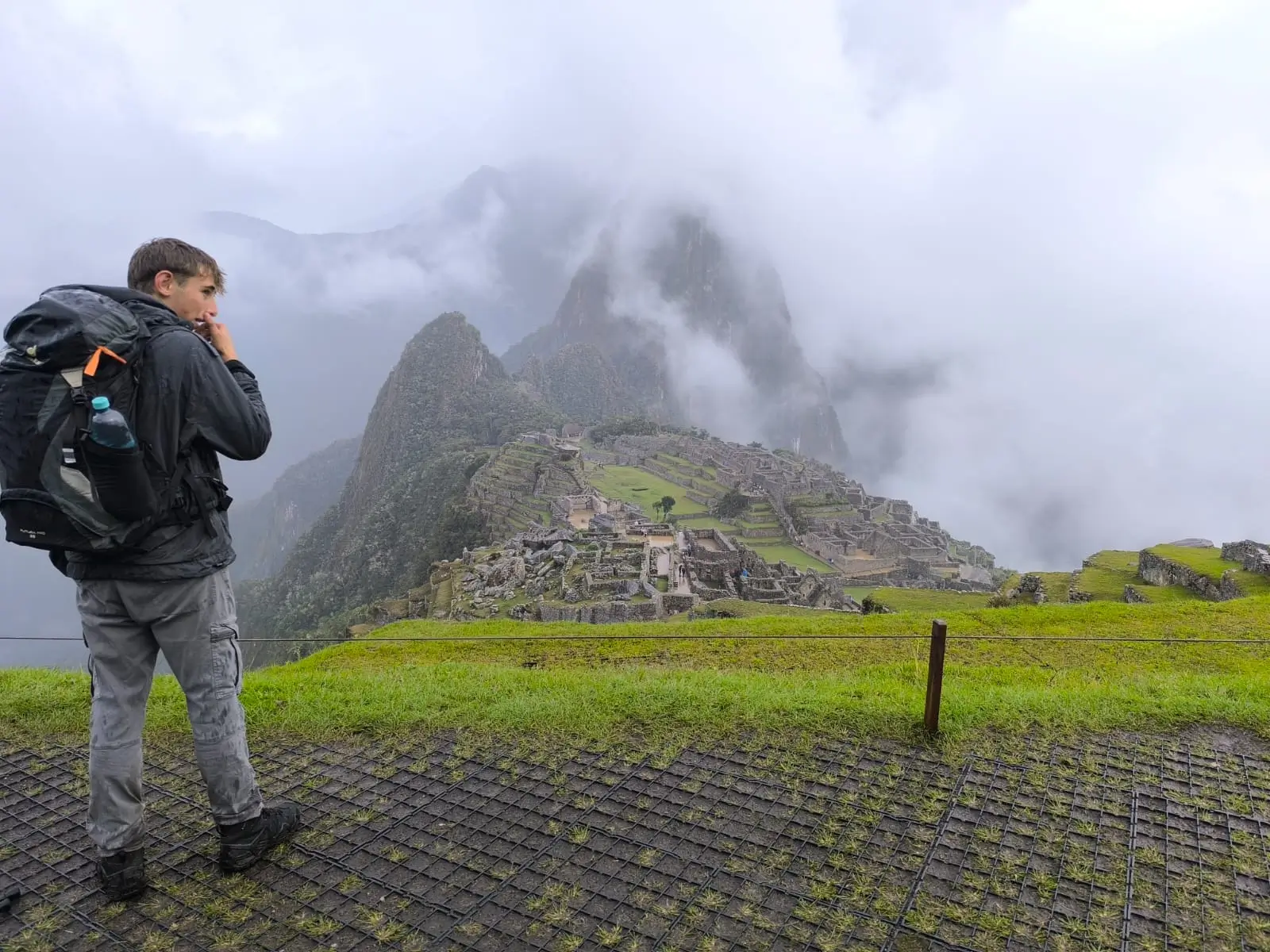
What to Pack for Machu Picchu in March
- A breathable rain jacket and a pack cover or poncho
- Hiking shoes with grippy soles that you’ve already broken in
- Layers: a T-shirt for the citadel and a fleece for Cusco evenings
- Sunscreen, a hat, and sunglasses
- Insect repellent
- Small bills in soles for snacks and restrooms in Aguas Calientes
Inside the site, large backpacks, food, and drinks aren’t permitted. For a full checklist, see what to pack for a trip to Peru.
Local Tips for a March Visit
- Aim for the second half of the month if your dates are flexible, but avoid March 25–28, 2027, if you want quieter trails.
- Book a morning slot. You’ll have more time to wait out a shower without missing your train back.
- Acclimatize before hiking. A few easy days in Cusco or the Sacred Valley make a real difference. Our guide to altitude sickness in Cusco covers symptoms and prevention.
- Plan around Holy Week closures. Some shops and restaurants in Cusco change hours on Good Friday.
- Let a local operator handle the logistics. A Machu Picchu full day tour from Cusco includes the trains, bus, ticket, and guide.
Frequently Asked Questions
It can be. Crowds are low for most of the month and the scenery is green, but March has the highest average rainfall. The second half is often drier than the first.
March averages about 151 mm (5.9 in) of rain over roughly 13 days. Showers are often heavy but short.
Holy Week runs March 21–28, 2027. Machu Picchu’s daily cap rises to 5,600 visitors from March 25 to 28 to handle the extra demand.
Yes. The Inca Trail reopens on March 1 after its February maintenance closure.
The visitor regulations require a licensed guide, and enforcement for independent travelers has varied. Plan your visit with a guide to avoid problems at the gate.