
How Hard is the Inca Quarry Trek? Difficulty & Altitude Guide
If you’re researching alternatives to the classic Inca Trail, you’ve probably come across the Inca Quarry Trek (also known as the Cachicata Trek) and wondered: how tough is it really? Whether you’re an experienced hiker or someone with moderate fitness preparing for the trip of a lifetime, understanding the Inca Quarry Trek difficulty before you book is essential for a safe and enjoyable adventure.
This guide breaks down everything you need to know: elevation profiles, daily distances, weather conditions, and expert tips from a local Cusco-based agency that knows this trail inside and out.
What is the Inca Quarry Trek?
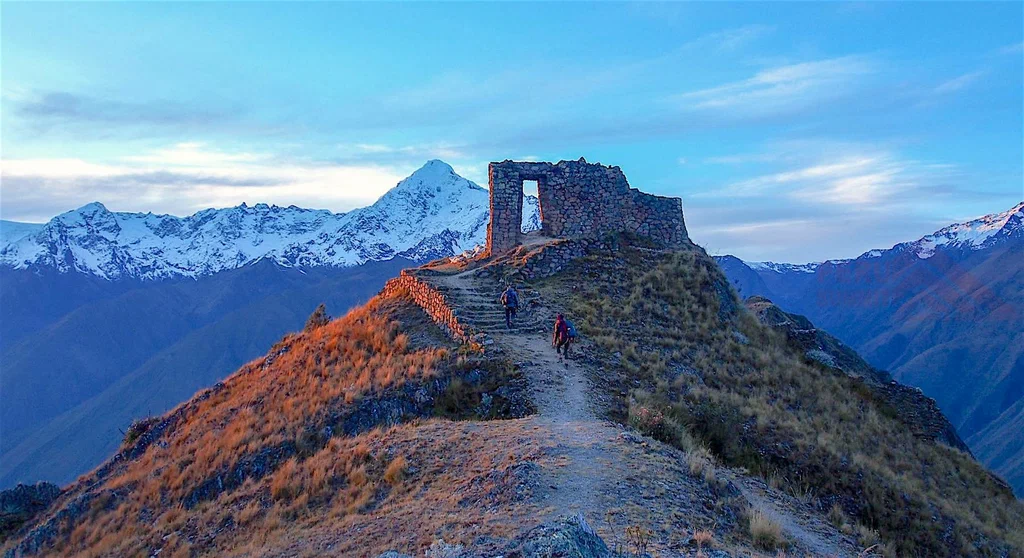
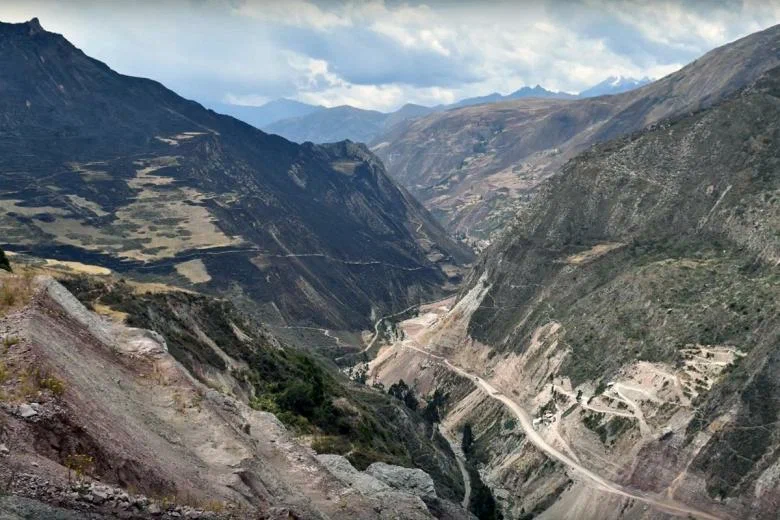
The Inca Quarry Trek, often called the Cachicata Trek, is a 4-day, 3-night trekking route through the Sacred Valley of Peru. It follows ancient stone-cutting paths once used by the Incas to transport massive granite blocks to Ollantaytambo.
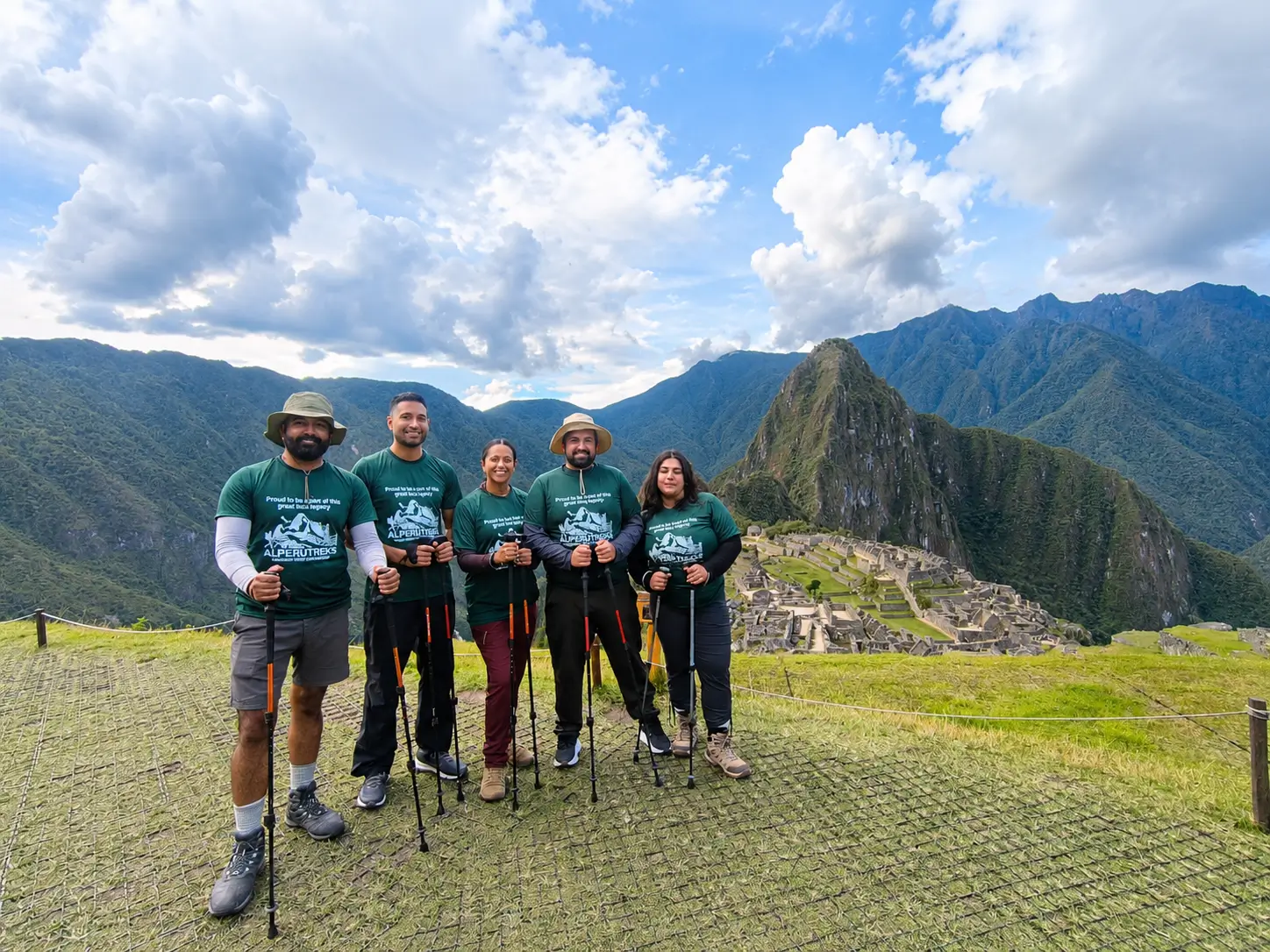
Unlike the heavily regulated Inca Trail, this route offers a quieter, more authentic experience with fewer crowds, dramatic mountain scenery, and a final visit to Machu Picchu.
Inca Quarry Trek Difficulty: Overall Rating
So, how hard is the Inca Quarry Trek? In short: moderate to challenging.
It’s generally considered slightly less demanding than the classic Inca Trail, but it still involves multiple days of hiking at high altitude, with one notably steep pass.
Quick Difficulty Snapshot:
- Difficulty Level: Moderate to Challenging (3 out of 5)
- Daily Hiking Time: 4 to 7 hours
- Total Distance: Approximately 30 km (18.6 miles) over 4 days
- Highest Point: Around 4,450 meters (14,600 feet)
- Physical Demands: Steady uphill sections, rocky terrain, long descents
If you’ve never hiked at altitude before, this trek will challenge your lungs more than your legs—and that’s something every traveler needs to prepare for.
Cachicata Trek Difficulty by Day
Breaking down the Cachicata trek difficulty day by day helps set realistic expectations.
Day 1: Cusco to Cachicata Quarry
This first day is relatively gentle, designed to help your body adjust. You’ll hike through Andean villages and visit the actual stone quarries where the Incas extracted rock for their monumental constructions.
- Distance: 8–10 km
- Elevation gain: Moderate
- Terrain: Dirt trails, some rocky sections
Day 2: The Toughest Day
This is the day most people refer to when discussing Inca Quarry Trek difficulty. You’ll cross the highest point of the entire route.
- Distance: 10–12 km
- Highest elevation: ~4,450 m (14,600 ft)
- Terrain: Steep, rocky switchbacks with a long ascent followed by a knee-testing descent
Day 3: Scenic Descent to the Sacred Valley
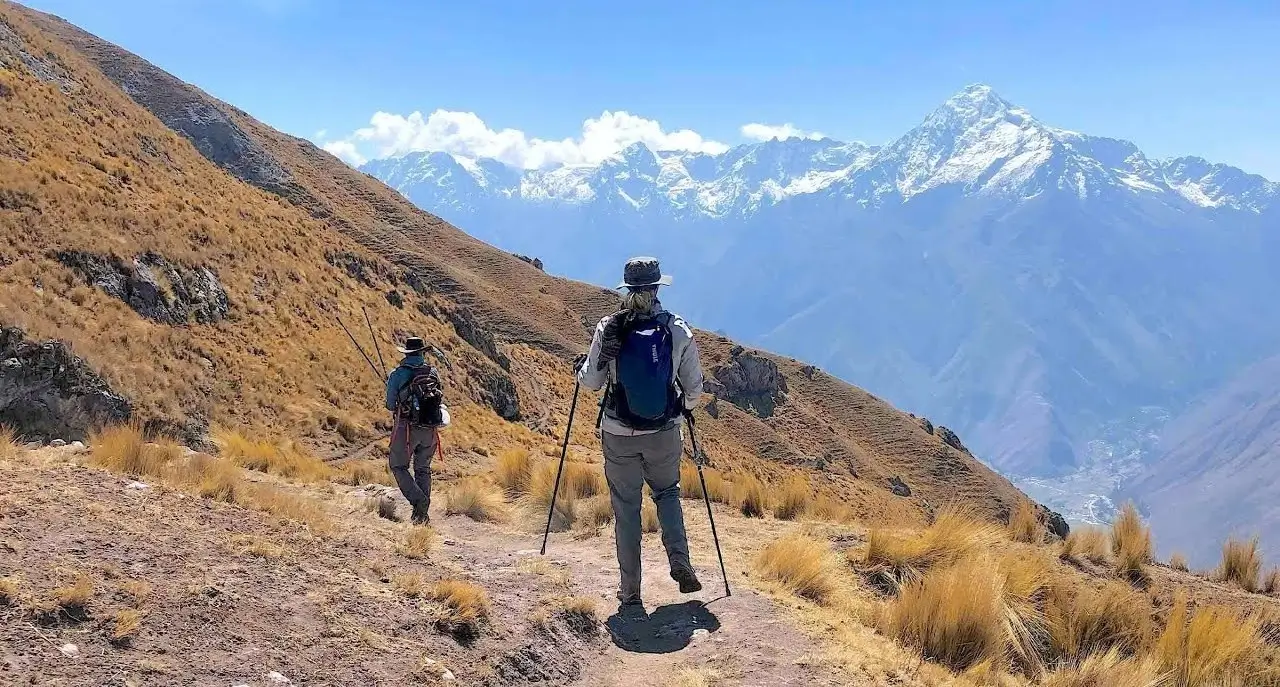
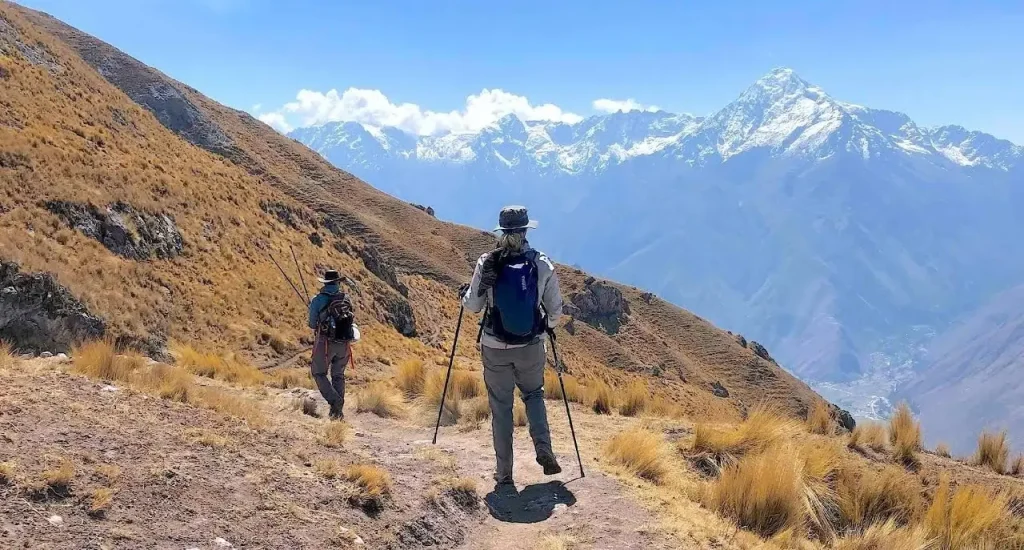
A welcome change of pace, this day involves mostly downhill walking with stunning views of snow-capped peaks and traditional farming communities.
- Distance: 8–10 km
- Terrain: Easier trails, gradual descent
Day 4: Machu Picchu
After a scenic train ride or short hike to Aguas Calientes, you’ll wake up early to explore Machu Picchu itself—a relatively easy walking day, though stairs and uneven stone paths require decent mobility.
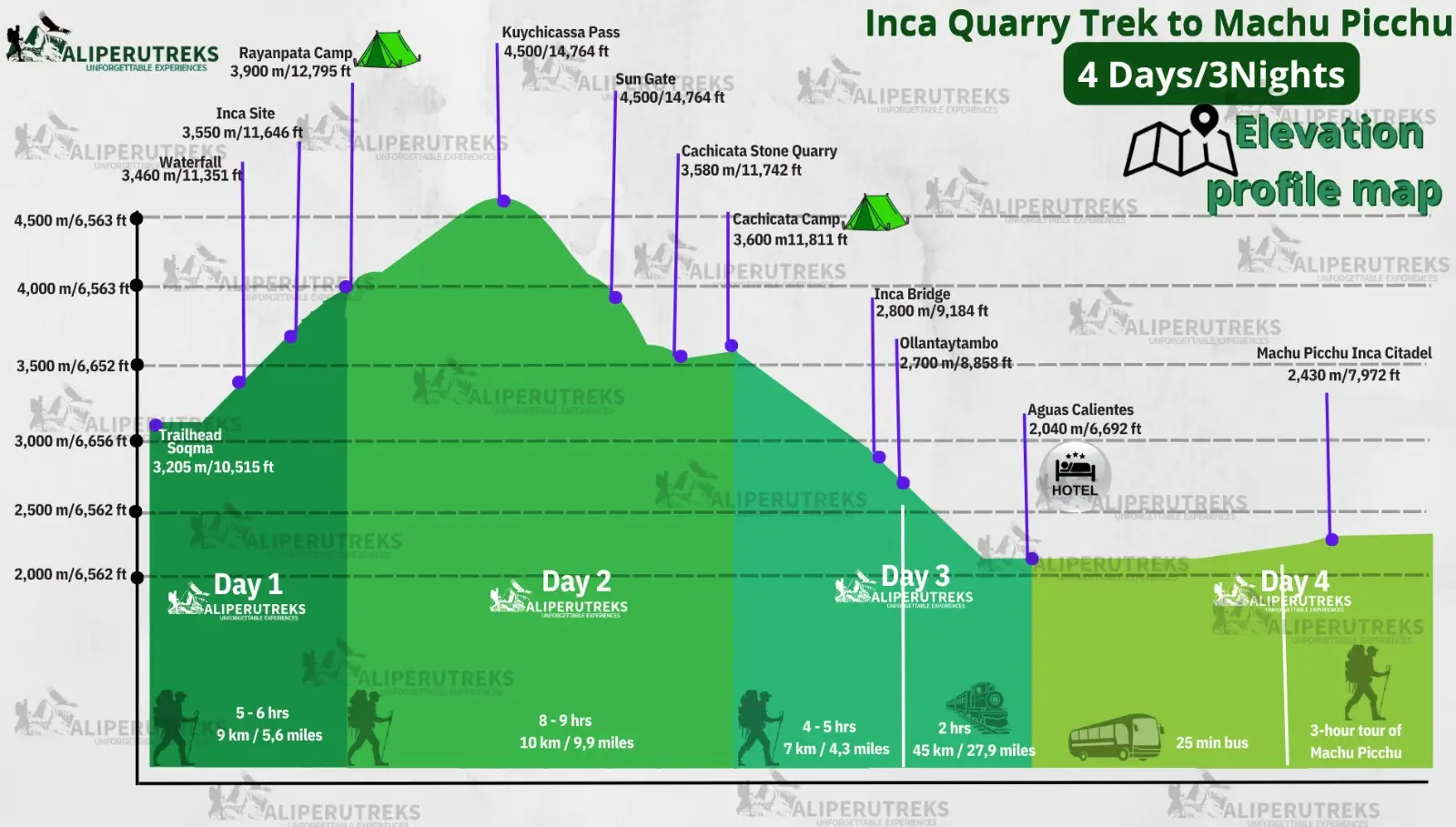
Quarry Trail Elevation: What to Expect
Understanding the quarry trail elevation profile is one of the most important factors in preparing for this trek.
| Location | Elevation |
|---|---|
| Cusco (starting point) | 3,400 m (11,150 ft) |
| Highest Pass | 4,450 m (14,600 ft) |
| Machu Picchu | 2,430 m (7,970 ft) |
For US travelers coming from sea-level cities, altitude—not distance—is usually the biggest challenge. Cusco itself sits higher than most ski resorts in Colorado, so altitude sickness (locally called soroche) is a real consideration.
Best Season and Weather Conditions
Weather plays a major role in how challenging the trek feels.
Dry Season (May–September):
- Clear skies, cold nights (can drop below freezing at high camps)
- Best visibility for mountain views
- Most popular time to visit—book in advance
Wet Season (November–March):
- Warmer temperatures but frequent afternoon rain
- Trails can be muddier and more slippery
- Fewer crowds, lush green landscapes
Shoulder Season (April & October): Often considered the sweet spot—good weather with fewer tourists.
Training for Machu Picchu Hikes: How to Prepare
If you’re serious about reducing the Inca Quarry Trek difficulty, your training matters just as much as your gear. Here’s how seasoned trekkers prepare:
- Cardio training: Start 6–8 weeks before your trip with hiking, running, or stair climbing
- Leg strength: Squats and lunges build the muscle endurance needed for descents
- Practice hikes: If possible, do training hikes carrying a daypack similar to what you’ll use on the trail
- Altitude prep: Spend at least 2 full days in Cusco before starting the trek to acclimatize
Even fit travelers underestimate training for Machu Picchu hikes when altitude is involved—cardiovascular fitness at sea level doesn’t always translate directly at 4,000+ meters.
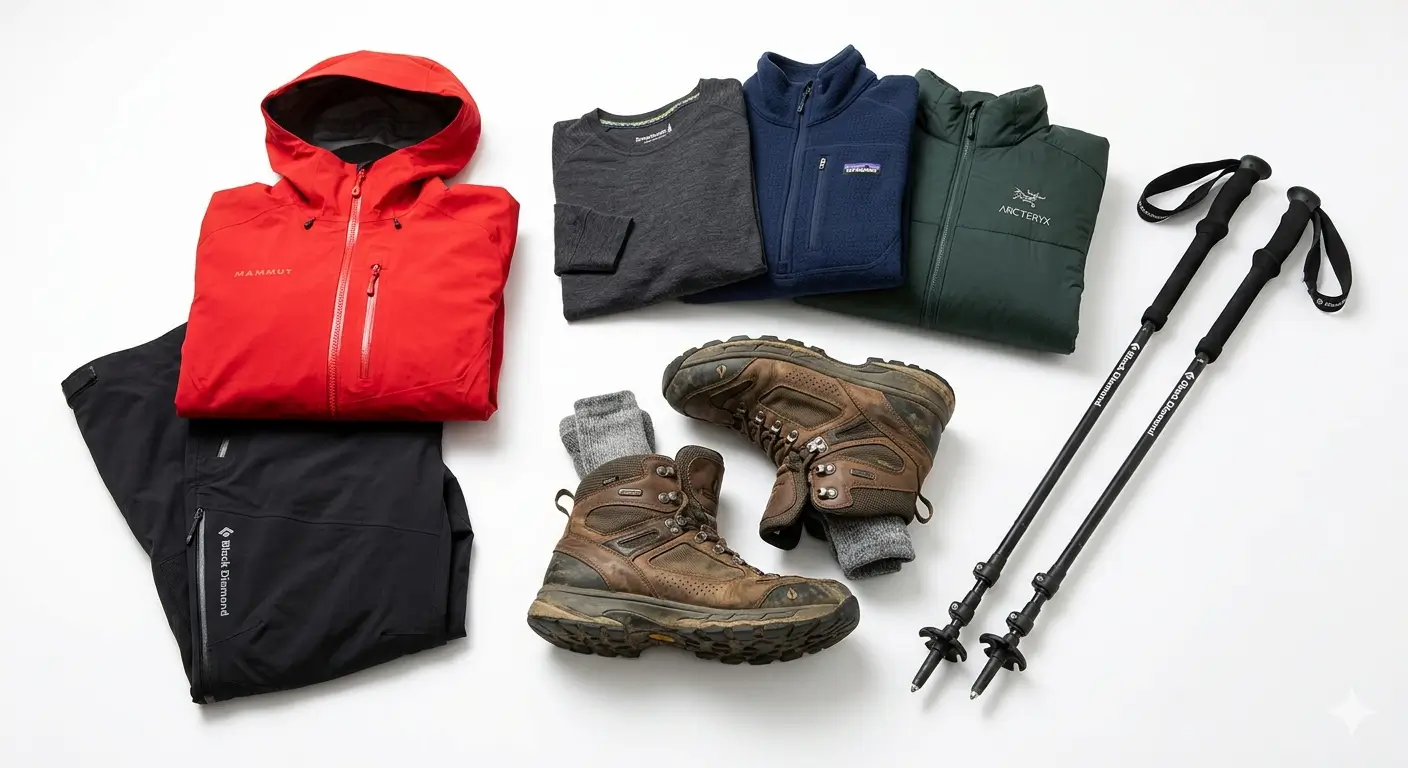
What to Pack for the Inca Quarry Trek
Packing smart can make a huge difference in how the trek feels day to day.
- Layered clothing (temperatures swing from hot midday sun to freezing nights)
- Waterproof jacket and pants (even in dry season)
- Broken-in hiking boots with ankle support
- Trekking poles (especially helpful for the Day 2 descent)
- Sunscreen, sunglasses, and a hat (UV exposure is intense at altitude)
- Refillable water bottle with purification tablets
- Personal first-aid kit including altitude sickness medication (consult your doctor about Diamox)

Expert Tips: What Only a Local Agency Knows
Here at Ali Peru Treks, our local guides have walked this route hundreds of times. These insider tips can make a real difference:
- Arrive in Cusco at least 2–3 days early. This isn’t just a suggestion—altitude acclimatization significantly reduces fatigue on Day 2.
- Start Day 2 early. Weather conditions are typically best in the morning, and starting early avoids afternoon rain in wet season.
- Hydrate constantly, even if you’re not thirsty. Dehydration intensifies altitude symptoms.
- Coca tea is your friend. It’s a traditional remedy widely used by locals to ease altitude discomfort—available at every lodge and campsite.
- Don’t skip the rest days. Many travelers try to “save time” by skipping acclimatization days, which often backfires physically.
- Pack out, pack in. Responsible trekking operators follow strict Leave No Trace practices—your gear choices matter for preserving these trails.
Final Verdict: Is the Inca Quarry Trek Right for You?
So, what’s the final word on Inca Quarry Trek difficulty? If you’re in reasonably good physical shape, willing to train beforehand, and prepared for high-altitude conditions, this trek is absolutely achievable—and incredibly rewarding.
It offers a perfect balance: challenging enough to feel like a real accomplishment, but accessible enough for motivated beginners with proper preparation.
Ready to experience this incredible trek for yourself? At Ali Peru Treks, our expert local guides handle every logistical detail—from acclimatization schedules to safety protocols—so you can focus on the adventure. Contact us today to get a free quote and explore our Inca Quarry Trek packages, fully customizable to your fitness level and travel dates.