
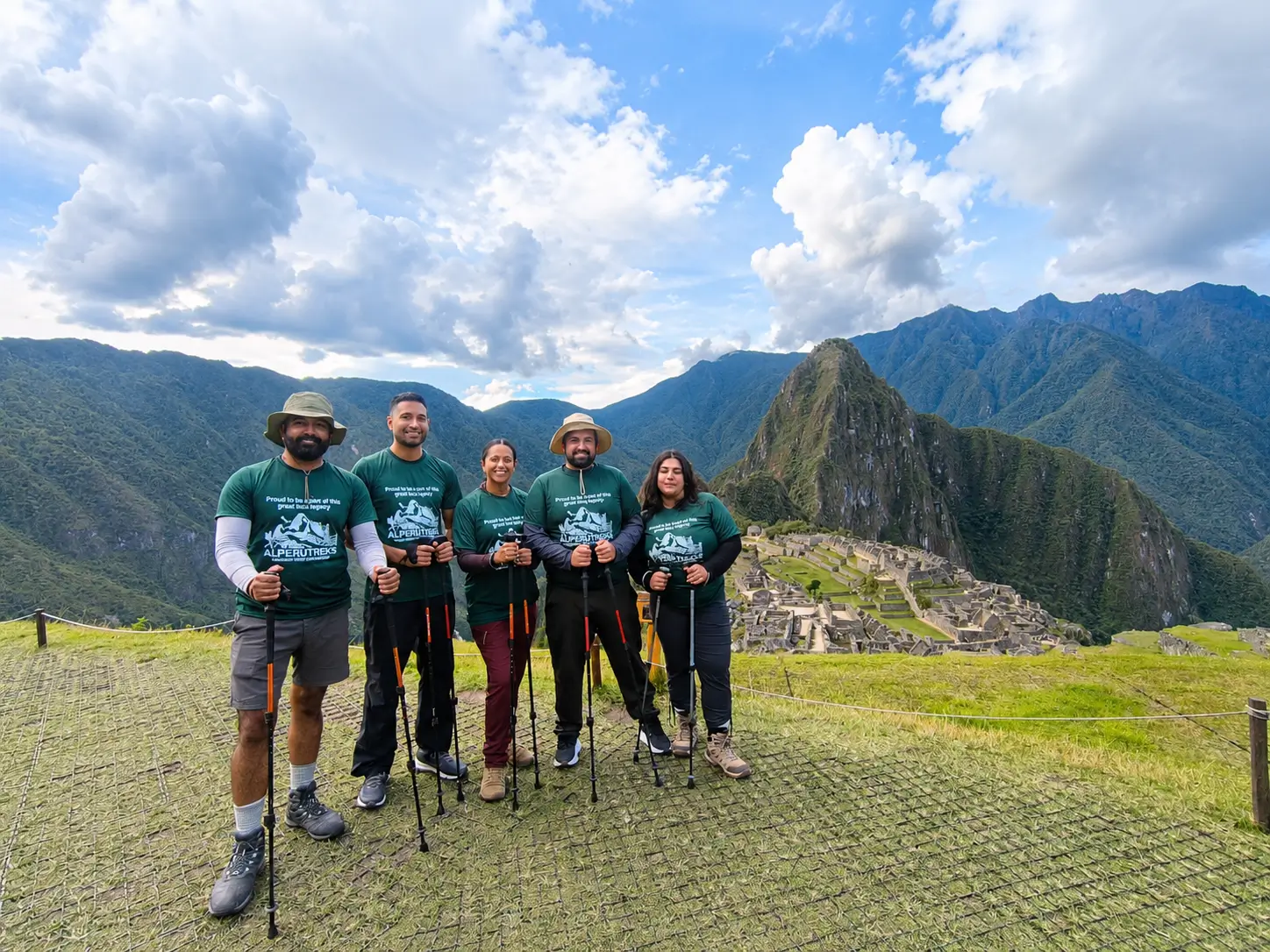
February is the one month of the year when the Classic Inca Trail is fully closed by the Peruvian government — but the Ancascocha Trek has no such closure and technically runs year-round. That doesn’t mean it’s a good idea by default: February is also the wettest, most unstable month in the Cusco region, with real landslide risk on high-altitude routes. Whether Ancascocha is worth it in February depends on how much risk and discomfort you’re willing to trade for near-total solitude.
Why February Is Different From the Rest of the Rainy Season
Peru’s rainy season runs roughly November through March, but February sits at its peak. Average temperatures in Cusco hover around 16–18°C (61–64°F) during the day and 4–6°C (39–43°F) at night, similar to January — the difference isn’t temperature, it’s intensity and duration of rainfall.
February typically brings the heaviest, most sustained precipitation of the year, and it’s specifically why the Peruvian Ministry of Culture shuts the Inca Trail down completely from January 31 to February 28 (29 in leap years) rather than just discouraging hikers. The stated reasons are trail maintenance, but also — explicitly — saturated soil, unstable slopes, and landslide risk on stone steps and drainage systems that can’t handle the volume of water safely with hundreds of hikers on them daily.
Ancascocha isn’t subject to that same mandatory closure because it’s not a government-permitted, government-maintained route the way the Inca Trail is. But the mountains don’t know the difference: Huayanay Pass, the trek’s highest point at 4,650 m (15,255 ft), sits in the same weather system and is exposed to the same saturated-slope conditions that shut the Inca Trail down.
The Real Risk Worth Knowing About
This is the part most trekking sites gloss over. In recent years, Peruvian authorities have issued temporary closures on other high-altitude alternative treks in the region — not just the Inca Trail — during the peak of the rainy season, specifically citing landslide risk, unstable roads, and sudden snowfall at altitude. These closures have applied to routes like Ausangate and sections of the Salkantay corridor, sometimes extending from as early as January through mid-March.
There is no direct evidence that Ancascocha itself has been formally closed in past Februarys — as of this writing, it’s listed as running year-round. But it crosses terrain at a comparable altitude and exposure to those routes that have been closed, so the honest takeaway is: conditions on high Andean passes in February are genuinely more dangerous, and route status can change on short notice. If you’re set on a February date, confirm current trail conditions with your operator close to departure rather than assuming a “year-round” listing guarantees the pass will be safely crossable that week.


What You Gain by Going in February Anyway
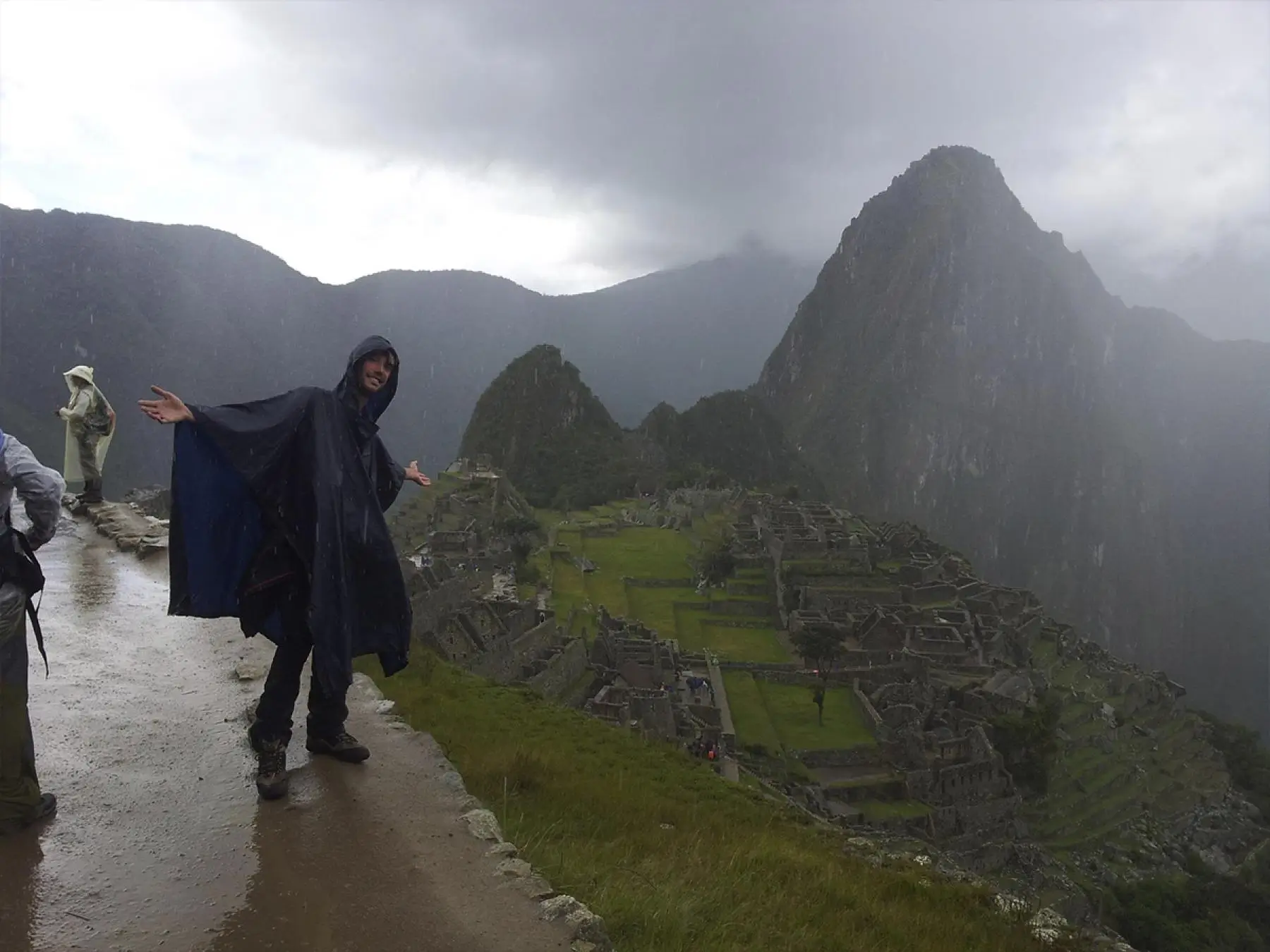
- Machu Picchu itself stays open. The citadel doesn’t close — only the Inca Trail footpath does. If your priority is standing at the ruins rather than the trekking route to get there, February doesn’t block that.
- The lowest crowds of the year, by a wide margin. With the Inca Trail shut entirely, alternative routes absorb some overflow, but historically not enough to make them crowded — Ancascocha, already one of the least-hiked routes to Machu Picchu, is about as empty as it gets in February.
- Carnival season in Cusco. Late February typically overlaps with Andean Carnival celebrations in Cusco and surrounding towns — water fights, traditional dances, and local festivities that aren’t really visible in dry-season months.
- Lower prices, more flexibility. Same low-season economics as January, generally a bit more pronounced since February is the deepest trough of the year for tourism demand.
What You’re Trading For It
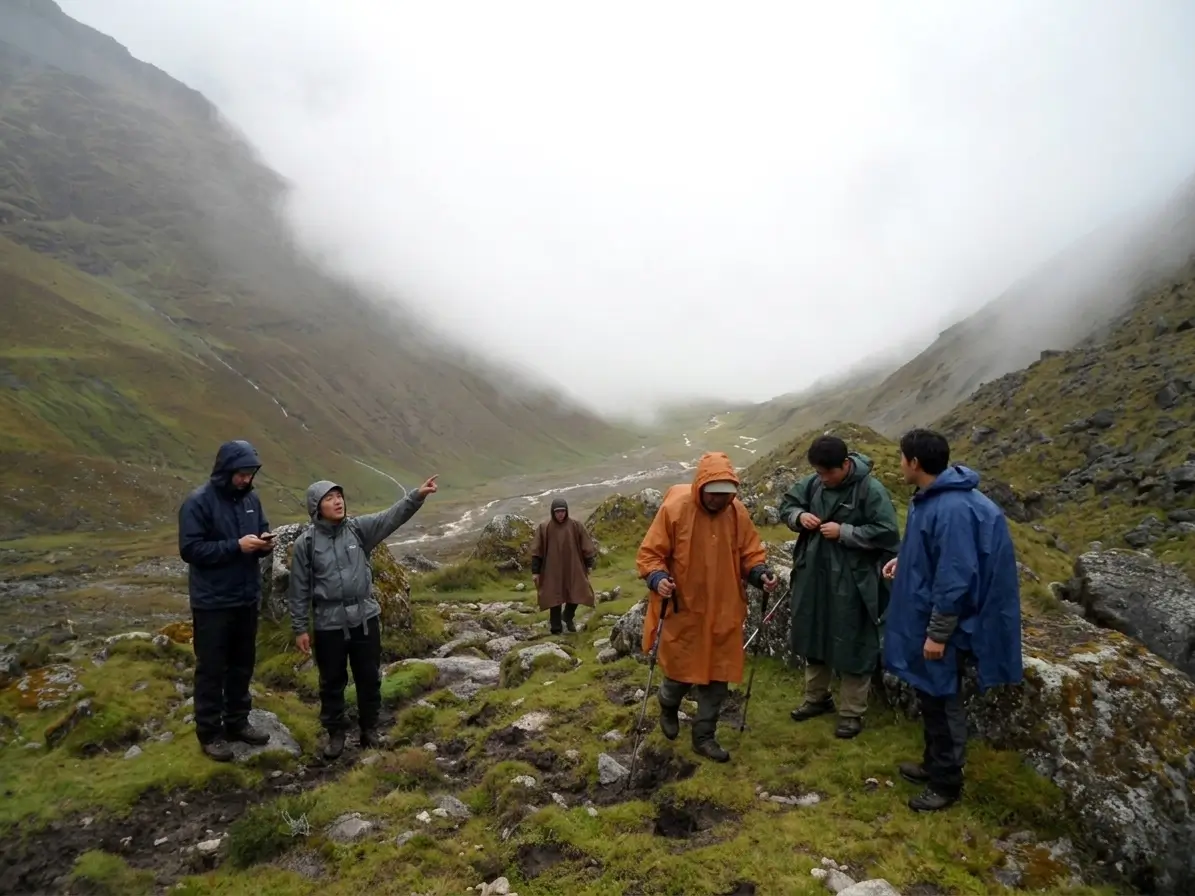
- The heaviest, most sustained rainfall of the year — not just afternoon showers, but multi-day wet spells are more common than in January.
- Elevated landslide and trail-washout risk, particularly on descents and river crossings.
- The worst visibility of the year for the mountain views Ancascocha is built around — Verónica and Salkantay can be fully clouded in for days at a time.
- Possible last-minute itinerary changes. If a section becomes unsafe, a responsible operator will reroute or reschedule rather than push through, which can mean less flexibility on your exact dates.
- Colder, wetter camps. Same gear requirements as January, but expect more days where nothing fully dries out.
Ancascocha in February vs. January vs. Dry Season
| February | January | April–October (dry season) | |
|---|---|---|---|
| Rainfall | Heaviest of the year, often sustained | Frequent, mostly afternoon showers | Rare |
| Landslide/trail risk | Elevated — highest of the year | Present but lower than February | Minimal |
| Inca Trail status | Fully closed | Open | Open |
| Crowds on Ancascocha | Lowest of the year | Very low | Low (still far below Salkantay) |
| Mountain views | Least reliable | Hit or miss | Reliable |
| Pricing | Lowest of the year | Low | Higher in June–August |
If You’re Weighing Ancascocha Against Other February Options
With the Inca Trail closed, most travelers default to the Salkantay Trek as the February fallback, partly because it has more established infrastructure along the route. Ancascocha remains the quieter option of the two, but it’s also more remote — fewer villages, less cell signal, and a longer stretch between any kind of outside help if something goes wrong. That trade-off is worth weighing seriously in February specifically, more than in the dry season. Our full breakdowns of Ancascocha vs. Salkantay and Ancascocha vs. the Classic Inca Trail cover the terrain and logistics differences in more detail if you’re still deciding, and our Inca Trail closure and permits guide has the exact closure dates and the operator-recommended alternatives for the current season.
Packing for February
The gear list doesn’t change much from January — it’s the same waterproofing priorities, just with less margin for error:
- Fully waterproof (not water-resistant) boots and gaiters
- A real rain jacket and a poncho — plan for both being in use on the same day
- Dry bags for everything electronic and any spare clothing layers
- A sleeping bag rated to at least -15°C / 5°F
- Trekking poles, non-negotiable on wet descents
- A spare set of dry socks kept sealed and untouched until camp
The full Ancascocha packing list covers the complete kit.
Altitude and Health Notes
Nothing about February changes the altitude math: Huayanay Pass is still 4,650 m, and Cusco is still 3,399 m. What does change is that cold, wet conditions make people less likely to notice early symptoms of altitude sickness and more likely to under-hydrate. Build in at least two full acclimatization days in Cusco regardless of season — see our altitude sickness guide for warning signs and prevention.
The Honest Verdict
February is not a month to book on a whim for Ancascocha. It’s the highest-risk, lowest-visibility month of the year on this route, and the same conditions that force the Peruvian government to shut the Inca Trail down completely are present — just not officially regulated — on Ancascocha’s passes. If solitude is genuinely your top priority and you’re comfortable with real weather risk, flexible dates, and a trip that might get modified on short notice, it’s a legitimate choice. If you want any reliability around mountain views or trail conditions, the dry season — or even January, which carries meaningfully less risk than February — is the better call.
Frequently Asked Questions
It’s not subject to the same mandatory government closure as the Inca Trail, but it crosses terrain at similar altitude and exposure to routes that have faced temporary closures in past Februarys due to landslide risk. Confirm current conditions with your operator close to your departure date.
The Inca Trail is a government-permitted, government-maintained archaeological route, so the Ministry of Culture can and does mandate its annual closure for maintenance and safety. Ancascocha doesn’t operate under that same permit system, so there’s no equivalent fixed closure — but the underlying weather risk on its passes is comparable.
Yes. Only the Inca Trail footpath closes; the citadel itself remains open via train and bus access throughout February.
It’s the highest-risk month of the year for landslides and trail washouts on high-altitude Andean routes, due to sustained heavy rainfall saturating slopes. This is the specific reason the Inca Trail closes entirely rather than just discouraging hikers.
The Salkantay Trek is the most commonly chosen alternative once the Inca Trail closes, mainly due to more established infrastructure along the route. Machu Picchu itself, reached by train, remains a fully viable option regardless of trekking conditions that month.