
Ancascocha Trek Packing List: What to Bring on the Hidden Inca Trail
Packing for the Ancascocha Trek is different from packing for the Classic Inca Trail: you’ll climb higher (up to 4,650 m / 15,255 ft at Huayanay Pass), your gear is carried by horses or mules instead of human porters, and nights at camp can drop below freezing. This list covers exactly what to bring, what your duffel bag can hold, and what genuinely isn’t worth the extra weight.
Duffel Bag Weight & What Carries It
Unlike the Classic Inca Trail, where government-regulated human porters carry your gear, the Ancascocha Trek relies on horses or mules led by local horsemen, since it isn’t a UNESCO-protected route subject to the same porter regulations. This is one of the most practical differences trekkers overlook when comparing the two.
Duffel weight allowances vary by operator, but a typical range is 5–7 kg (11–15 lbs), which must include your sleeping bag and sleeping pad if you’re renting them. Ali Peru Treks confirms the exact limit for your specific departure at booking — always check it before you start packing, since it can differ slightly between the 4-day and 5-day versions of the trek.
Heads up: You won’t have access to your duffel bag until you reach camp each evening — the animals travel ahead of the group. Anything you might need during the day (rain layer, snacks, camera, water) goes in your daypack, not your duffel.

Clothing: The Layering System for a Higher, Colder Trek
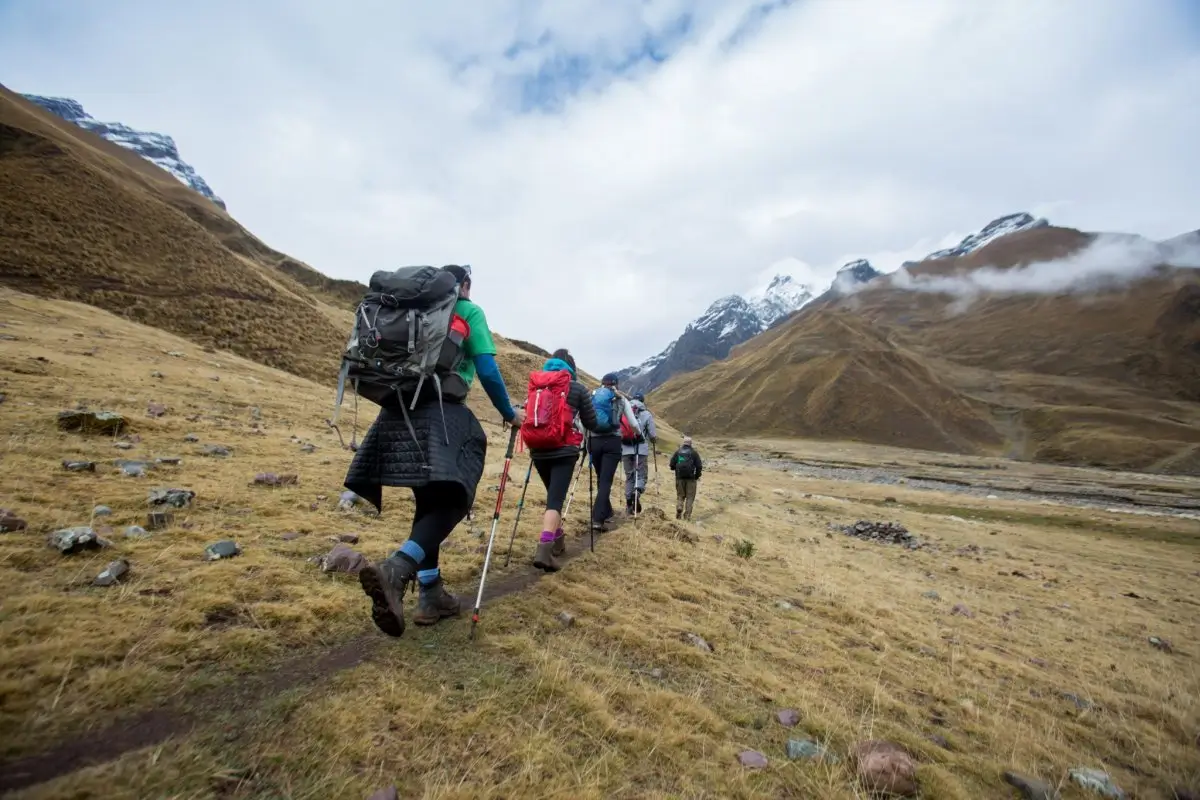
Because Huayanay Pass sits about 400 m higher than the Classic Inca Trail’s Dead Woman’s Pass, temperature swings are more extreme. Days can reach 60–70°F (15–21°C) in the sun; nights at high camps commonly fall to 20–25°F (-6 to -4°C).
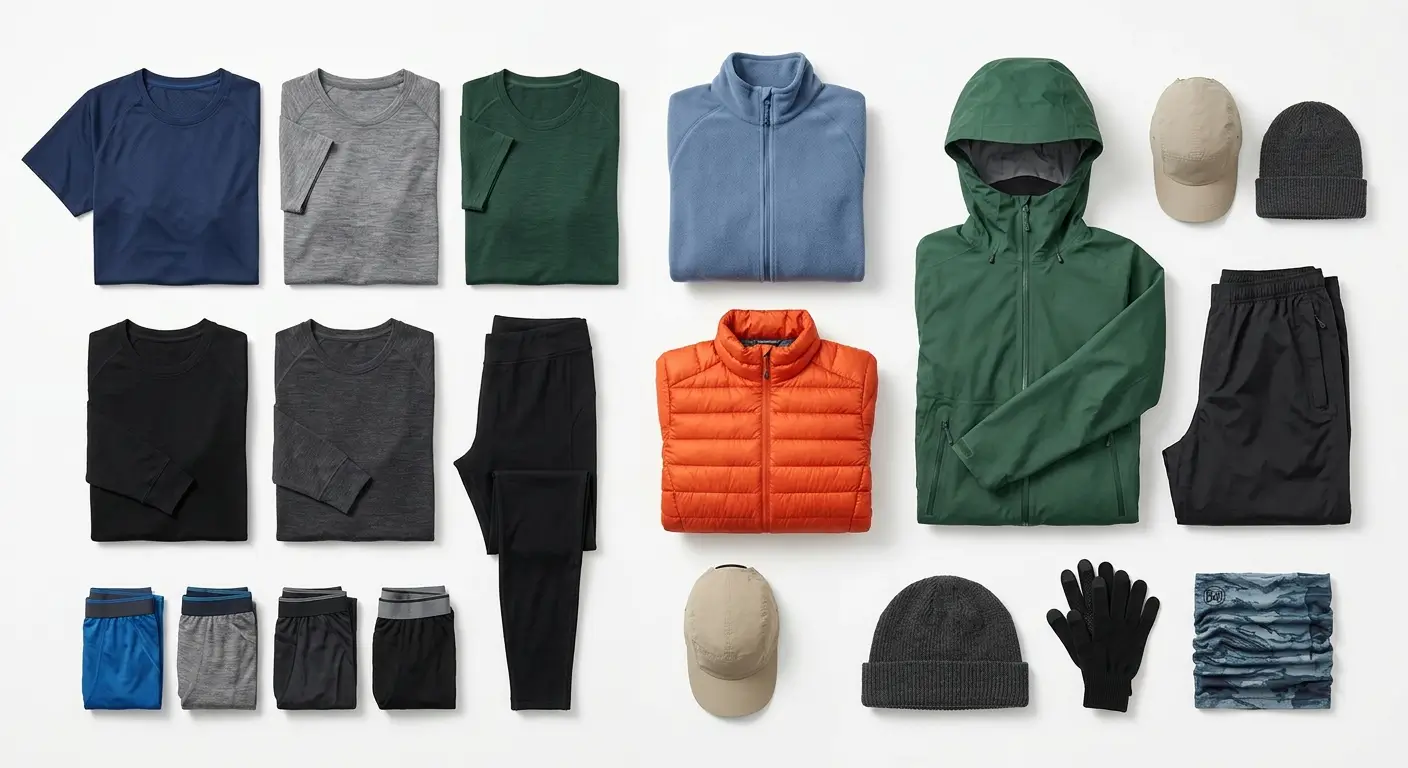
Base layer
- 2–3 moisture-wicking short-sleeve tops (synthetic or merino — skip cotton entirely)
- 1–2 long-sleeve thermal tops for mornings and sleeping
- 1 pair of thermal leggings for cold camp nights
- 4–5 pairs of synthetic or merino underwear
Mid layer
- 1 fleece jacket for hiking warmth
- 1 compressible down or synthetic puffy jacket for camp and passes
Outer layer
- 1 waterproof, windproof jacket
- 1 pair of rain pants or a full-length poncho (more important in the wet season, but pack it year-round — mountain weather here is unpredictable)
Extras
- Sun hat or cap + a warm beanie
- Lightweight gloves
- Buff or neck gaiter (useful against dust on drier sections of trail)
Footwear
- Broken-in hiking boots with ankle support — this is not the trek to test new boots on, given the looser, less-maintained trail surface compared to the Inca Trail’s stone paving
- 3–4 pairs of wool hiking socks, plus liner socks if you’re blister-prone
- Camp shoes or sandals to let your feet breathe in the evening
Daypack Essentials
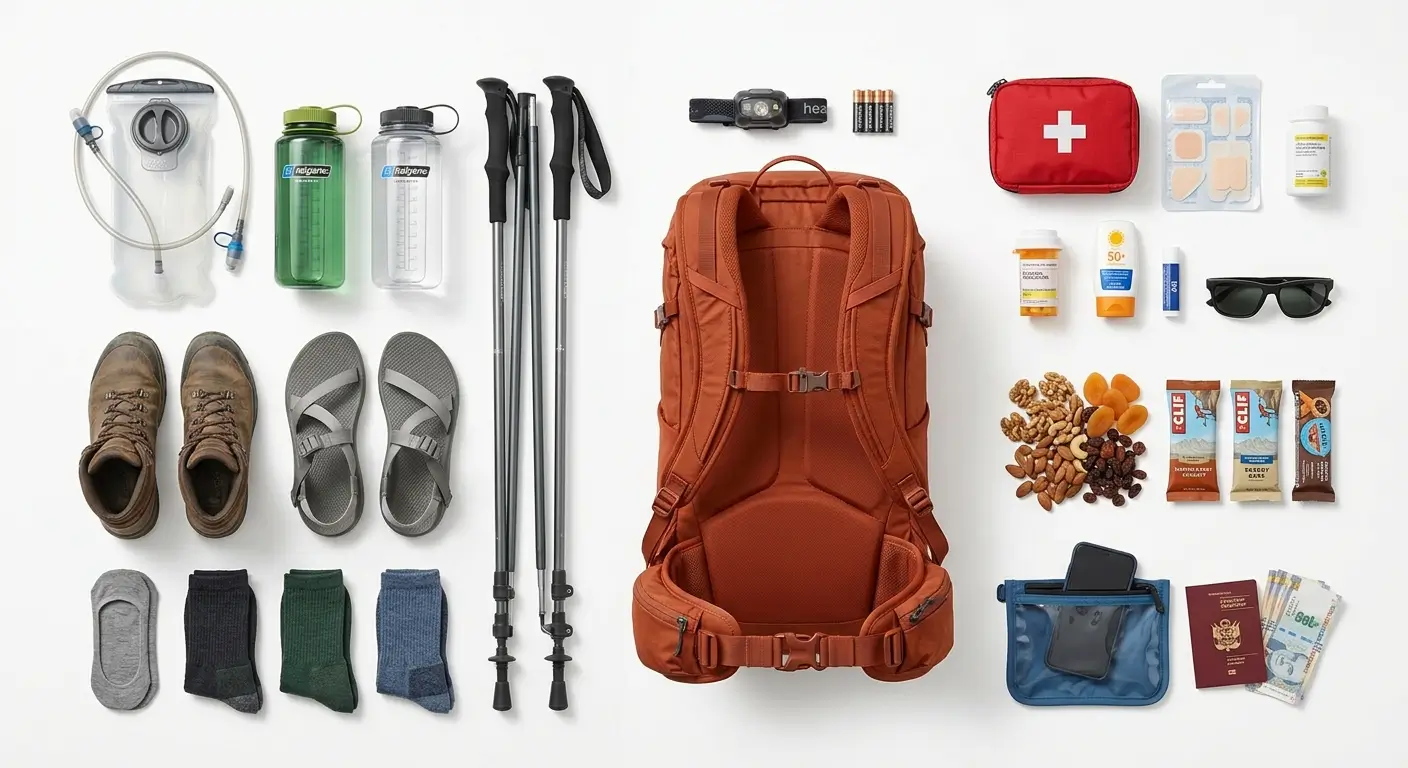
Aim for a 25–30L pack with a hip belt, since you’ll carry it all day, every day.
- 2–3L water reservoir or bottles (there’s no bottled water for sale along most of the route, unlike the Inca Trail)
- Trekking poles with rubber tips
- Headlamp with spare batteries
- Sunscreen SPF 50+, lip balm, sunglasses — UV exposure is intense above 4,000 m
- Basic first aid items, blister treatment, and any personal medication
- High-energy snacks (nuts, dried fruit, energy bars) for the long climbing days
- Small dry bag for your phone, passport copy, and cash
Camping & Sleep Gear
| Item | Notes | Bring or rent in Cusco? |
|---|---|---|
| Sleeping bag | Rated to at least 14°F / -10°C given the higher camps | Rent (~$25) or bring |
| Sleeping pad | Insulated, R-value 3+ | Usually provided or rentable |
| Sleeping bag liner | Adds warmth and hygiene | Recommended |
| Inflatable pillow | Small comfort item that packs flat | Optional |
Tents, dining tent, and cooking equipment are typically included by your operator — confirm what’s supplied before packing your own.
Documents, Cash & Health
- Original passport — required at trail checkpoints
- Cash in Peruvian Soles for tips and any extra purchases in villages along the way
- Travel insurance details covering trekking above 4,000 m
- Personal altitude medication if prescribed (consult your doctor before traveling)
Since Ancascocha’s high point sits above most travelers’ Cusco acclimatization comfort zone, it’s worth reading our guide to altitude sickness in Cusco before you go, and giving yourself at least 2–3 days in the city beforehand. Altitude, not fitness, is what most commonly derails first-time trekkers here.

Dry Season vs. Wet Season Packing
| Dry season (May–Oct) | Wet season (Nov–Apr) | |
|---|---|---|
| Days | Warm, sunny, dusty trails | Milder, more humid |
| Nights | Freezing at high camps | Cooler, damper, less extreme |
| Pack extra | Sun protection, dust buff | Waterproof dry bags, heavy rain gear, extra socks |
What NOT to Bring
- Metal-tipped trekking poles — same restriction as the Inca Trail; use rubber tips
- Single-use plastic bottles — bring a reusable bottle or reservoir instead
- Heavy cotton clothing — slow to dry and adds unnecessary weight for the horses
- Excess toiletries — there’s no electricity or hot showers at most camps; keep it minimal
FAQ
Mostly in two ways: your gear is carried by horses or mules rather than human porters, and you should pack for slightly colder, higher-altitude conditions given Huayanay Pass’s elevation. See our Classic Inca Trail packing list if you’re comparing the two routes directly.
Typically 5–7 kg (11–15 lbs), including your sleeping bag and pad if rented, though the exact figure depends on your operator and departure. Confirm it at booking.
A warm sleeping bag (rated to at least 14°F/-10°C) and solid insulating layers are non-negotiable, since camps sit well above 3,900 m. Beyond gear, proper acclimatization in Cusco beforehand matters more than any single item on this list.
Yes — sleeping bags, trekking poles, and sleeping pads are commonly rentable. Check our trekking gear page for what’s typically available.
Yes, the gear itself doesn’t change — you’ll just carry it for an extra day on the 5-day route compared to the 4-day version. If you’re combining it with the Inca Trail, check the Ancascocha + Short Inca Trail or 7-day combo itineraries for any extra requirements.