
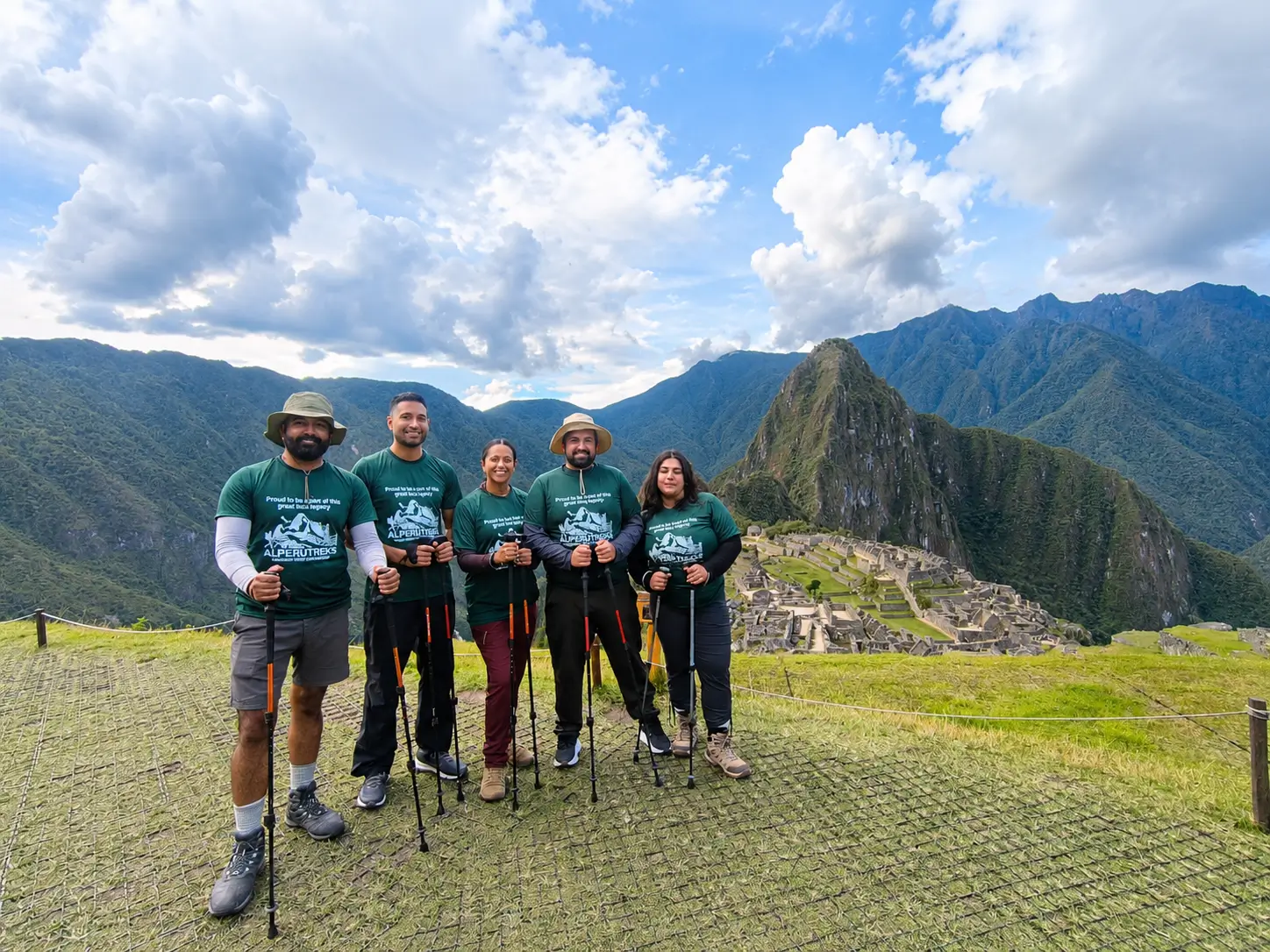
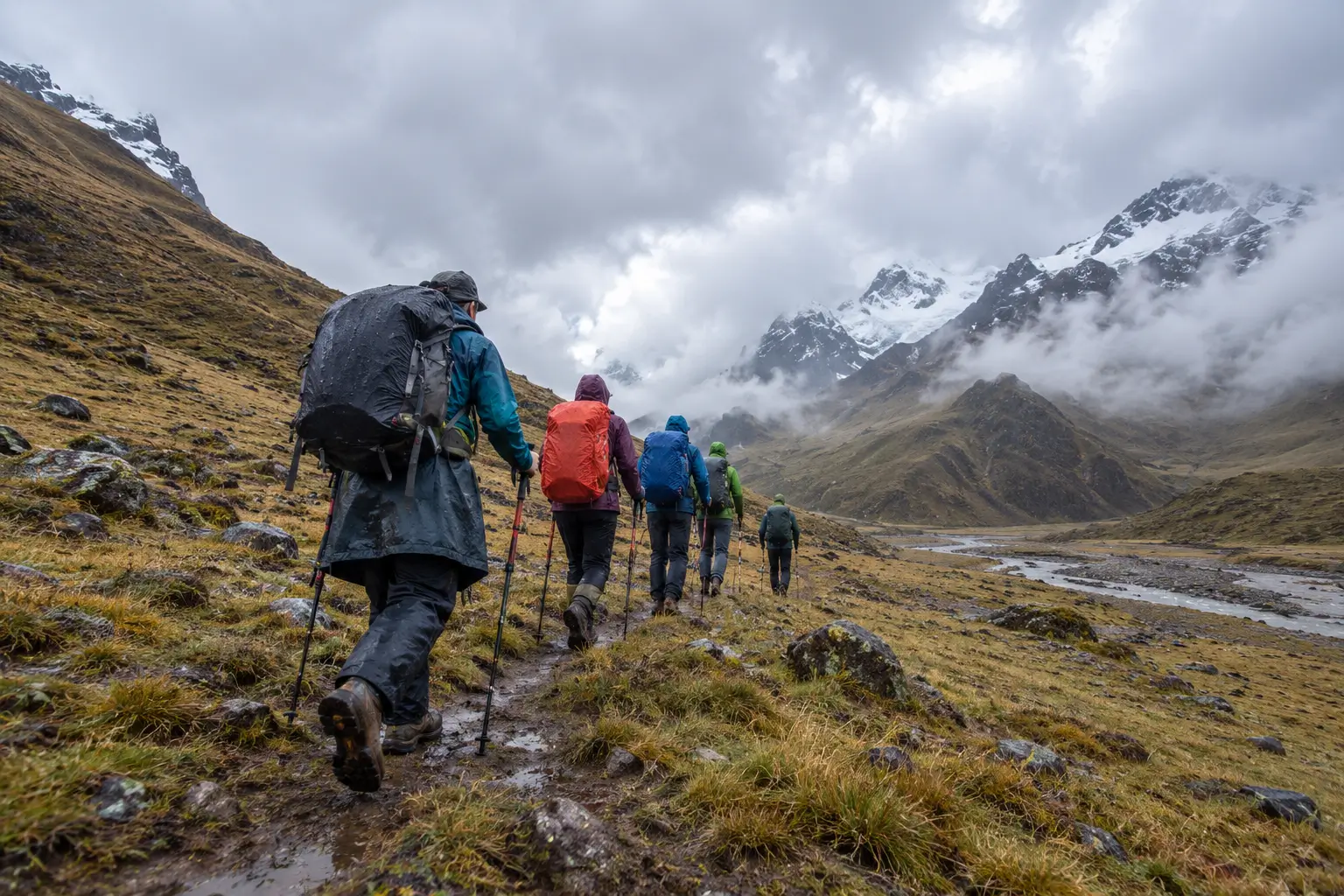
November is the first month of the rainy season on the Ancascocha Trek, which means the reliable dry-season weather of June through September has typically ended and afternoon showers become more frequent. It’s not the worst month to go, and some travelers specifically prefer it for the quieter trail and greener scenery — but it’s a genuine trade-off month, not a hidden dry-season secret.
Here’s what actually changes once November arrives.
November Weather on the Ancascocha Trek
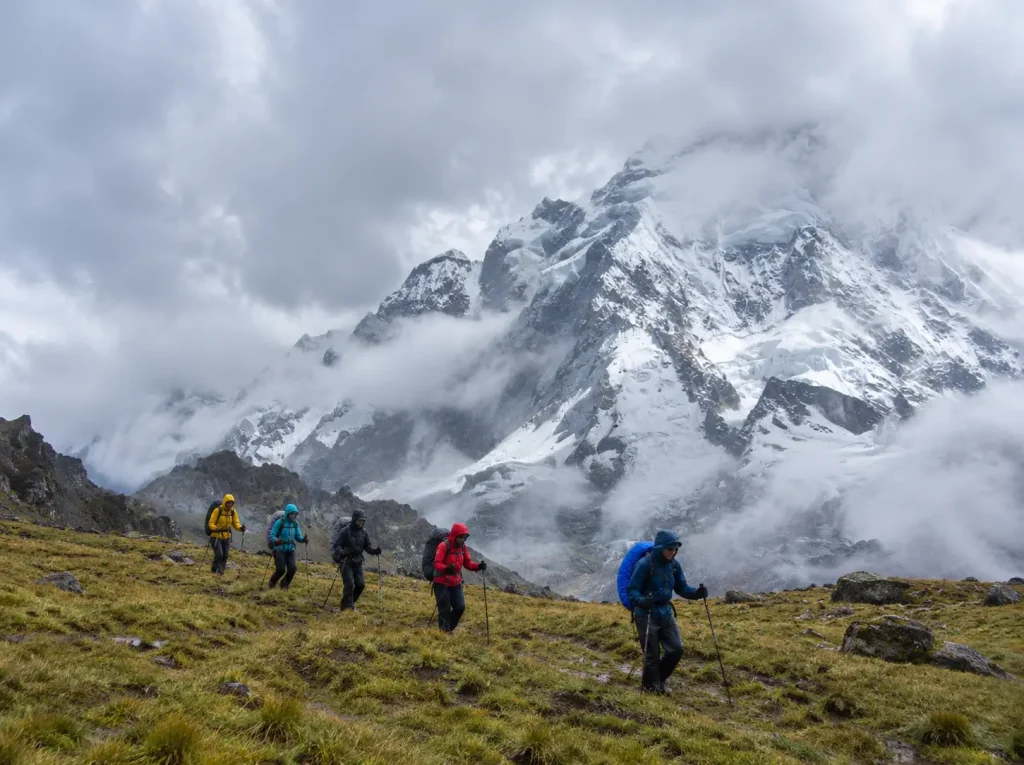
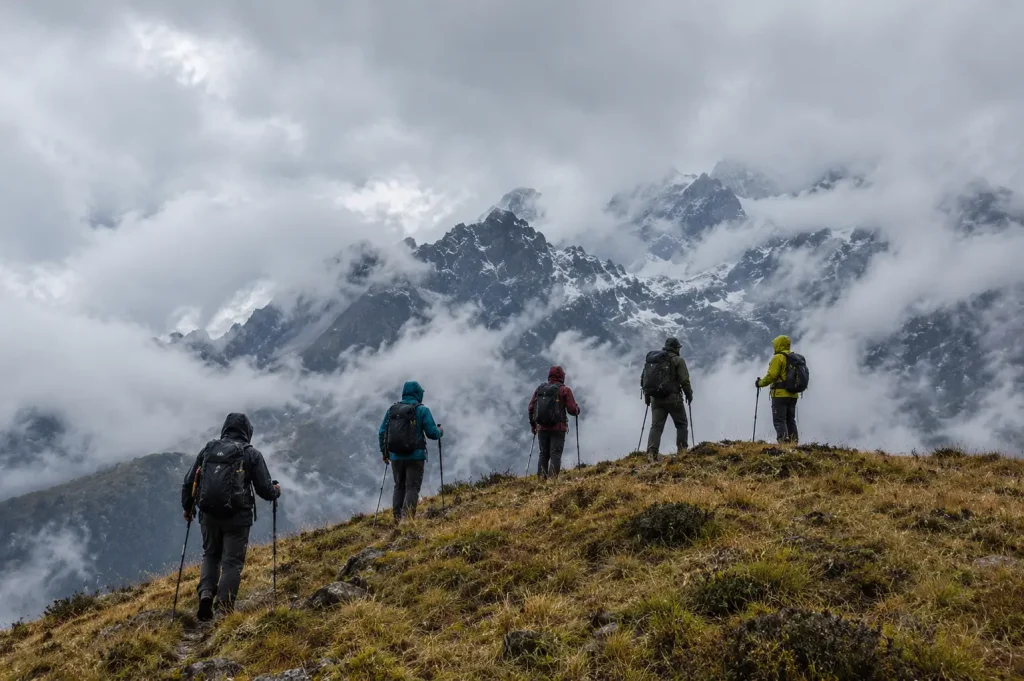
Most sources covering the Cusco region, including competing trek operators, classify November as the start of the rainy season, running through roughly April. That doesn’t mean constant rain — dry mornings followed by afternoon showers is a more typical pattern than all-day downpours — but it does mean the firm, predictable trail conditions of peak dry season are behind you. At the trek’s higher points, particularly Huayanay Pass (4,650 m / 15,255 ft), increased cloud cover also raises the chance of reduced visibility compared to a clear July morning.
Nighttime temperatures at high camps remain cold regardless of the season — altitude, not rainfall, drives that cold, so don’t expect November nights to feel noticeably warmer than dry-season nights just because rain has started.
November vs. October vs. Peak Rainy Season (Dec–Mar)
| Factor | October (late dry/shoulder) | November (early rainy) | Dec–Mar (peak rainy season) |
|---|---|---|---|
| Rain frequency | Low to moderate | Moderate, increasing through the month | Frequent, often daily afternoon showers |
| Trail conditions | Mostly firm | Starting to soften in unpaved sections | Muddy on unpaved sections, more physically demanding |
| Visibility at Huayanay Pass | Good, occasionally variable | More variable, fog risk rising | Fog a real possibility on any given day |
| Crowd levels | Lower than peak dry season | Lower still | Quietest time of year regionally |
| Landscape | Still relatively dry-toned | Beginning to green up | Noticeably green, fuller waterfalls |
November sits in a genuine middle ground: meaningfully wetter than October, but not yet at the sustained, daily-rain pattern of December through March.
The Honest Trade-Off: Why Some Trekkers Still Choose November
Rain isn’t purely a downside, and it’s worth being straightforward about that. A quieter trail, a greener landscape, and lower demand across Cusco’s broader tourism calendar are real advantages some travelers actively seek out. Waterfalls along the route — including near Perolniyoc — tend to run fuller once the rains begin. And since the Ancascocha Trek has no government permit cap the way the Classic Inca Trail does, there’s no risk of a sold-out departure the way there can be during high season.
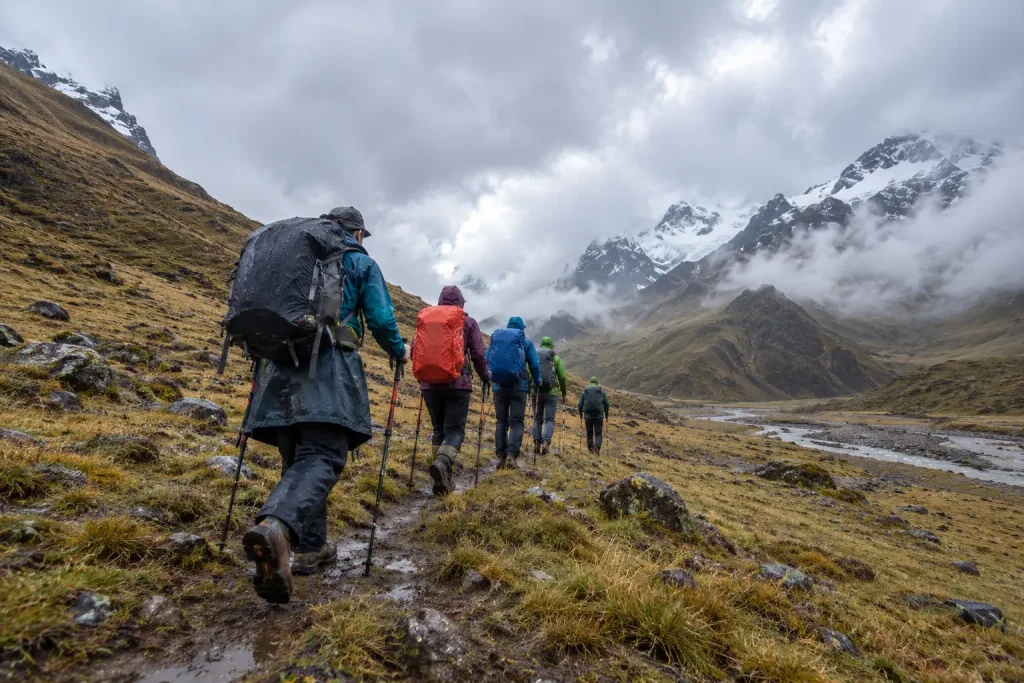
The honest downside is that the lack of trail maintenance compared to the regulated Inca Trail matters more once rain enters the picture. Mud on unpaved sections is genuinely more tiring to walk through, and with fewer other trekkers on the route to help pack down soft ground, conditions can feel rougher underfoot than the same rainfall would produce on a heavily trafficked trail.
What to Pack for November
- A genuine waterproof outer shell — not just water-resistant — since afternoon rain becomes a real possibility rather than an edge case
- Warm layers for camp nights, since cold at altitude doesn’t ease up with the arrival of rain
- A pack cover or dry bags to keep gear dry through wetter stretches of trail
- Trekking poles, which help meaningfully with stability on muddy or slippery sections
- Quick-dry clothing layers rather than cotton, which stays wet and cold for hours once soaked

How November Compares Across Routes
If your travel dates are fixed to November rather than the route itself, it’s worth knowing this seasonal shift applies regionally, not just to Ancascocha. The Classic Inca Trail in November follows a similar transition into the rainy season, and the Inca Trail by month overview gives a fuller year-round comparison if your dates have some flexibility.
Since Ancascocha’s high point at Huayanay Pass sits above Dead Woman’s Pass on the Classic route, it’s also worth reviewing altitude sickness prevention regardless of the month, since altitude risk doesn’t track the rain calendar.
If October’s better weather odds matter more to you than the quieter trail November offers, it’s worth comparing both directly — the trade-offs are laid out in the Ancascocha Trek in October guide. And if you’re still deciding on the route itself, the existing comparison against Salkantay covers crowd levels and amenities beyond weather timing alone.
FAQ: Ancascocha Trek in November
Not necessarily — November is the start of the rainy season, with increasing but not yet daily showers. It’s wetter and less predictable than October, but not as consistently rainy as the December–March peak.
No. Ancascocha has no official closure period, unlike the Classic Inca Trail, which closes entirely each February for maintenance. November remains fully open, just with a higher chance of rain than dry-season months.
Yes, generally. November falls outside the peak June–August tourist season regionally, meaning fewer people across the wider Cusco trekking circuit, even though Ancascocha itself stays relatively quiet year-round compared to the Classic Inca Trail or Salkantay.
Reduced visibility at the high passes due to increasing cloud cover, and muddier trail conditions on the route’s less-maintained dirt sections, compared to the firmer footing of dry-season months.
October generally offers more reliable dry conditions, since it sits at the tail end of the dry season rather than the start of the rainy one. If avoiding rain is your top priority, October is the safer bet between the two.