Hiking through the Vilcanota Mountain Range is not just any ordinary excursion; it is a complete disconnection from the modern world and a profound reunion with nature in its purest state. If you are looking for a unique, mystical, physically rewarding, and deeply eco-friendly journey, the Ausangate Llama Trek is the ultimate answer.
In this guide crafted by our expert team at Ali Peru Treks, we will share everything you need to know about this iconic high-altitude route, what to expect from its towering peaks, exactly what to pack to shield yourself from the extreme weather, and why trekking alongside our traditional Andean allies the llamas is a game-changer.

What is the Ausangate Llama Trek and Why is it Unique?
Unlike traditional trekking circuits that use horses or mules, llama trekking in Peru revives an Inca tradition that dates back over a thousand years. The llama (Lama glama) is the native Andean pack animal par excellence, perfectly adapted to the high altitudes and fragile grasslands of the puna.
Embarking on an adventure with them doesn’t just add a mystical, historical charm to your trek—it represents the most sustainable and eco-friendly travel option to preserve Cusco’s fragile high-altitude ecosystems. Tip: Emphasize how this directly supports local economies, as Western travelers highly value social impact. The soft, padded feet of llamas do not erode or damage the ancient Andean trails or native flora (unlike the steel horseshoes of pack horses). Furthermore, by choosing this style of travel, you directly support local native shepherding communities who keep this invaluable cultural heritage alive.
The Recommended Itinerary: Ausangate Trek 4 Days
To conquer this giant of ice and visit the famous Rainbow Mountain without rushed days, an optimal itinerary requires strategic planning, comfortable campsites, and a steady, mindful hiking pace. Our preferred format for the ausangate trek 4 days is mapped out as follows:
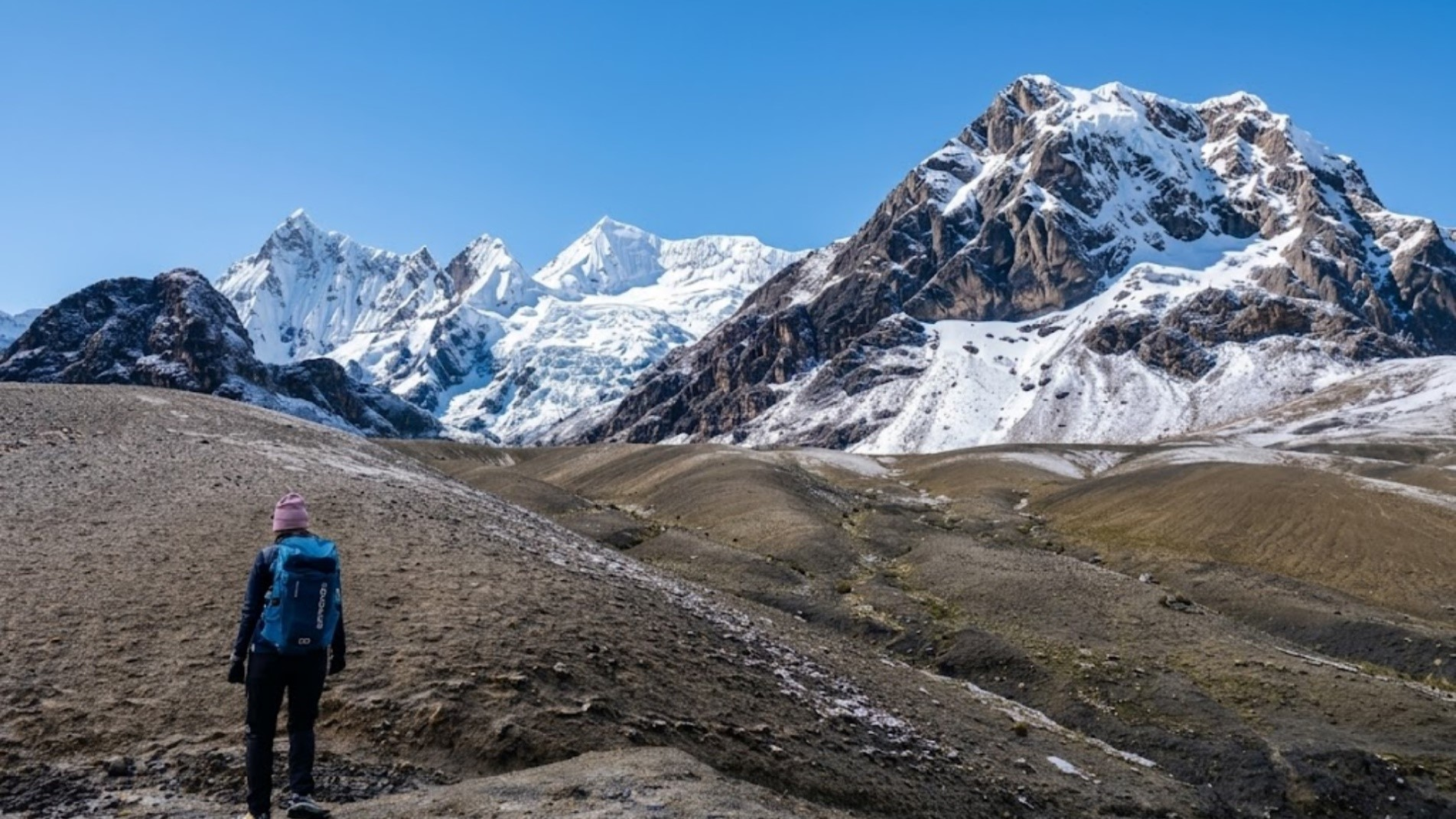
- Day 1: Cusco – Upis Bajo – Upis Hot Springs: We head south of Cusco to the official trailhead, where you will meet our local horsemen (arrieros) and the beautiful llamas that will carry our camping gear. We hike under the imposing gaze of Mount Ausangate, ending the day relaxing in natural hot springs right at the foot of the glacier.
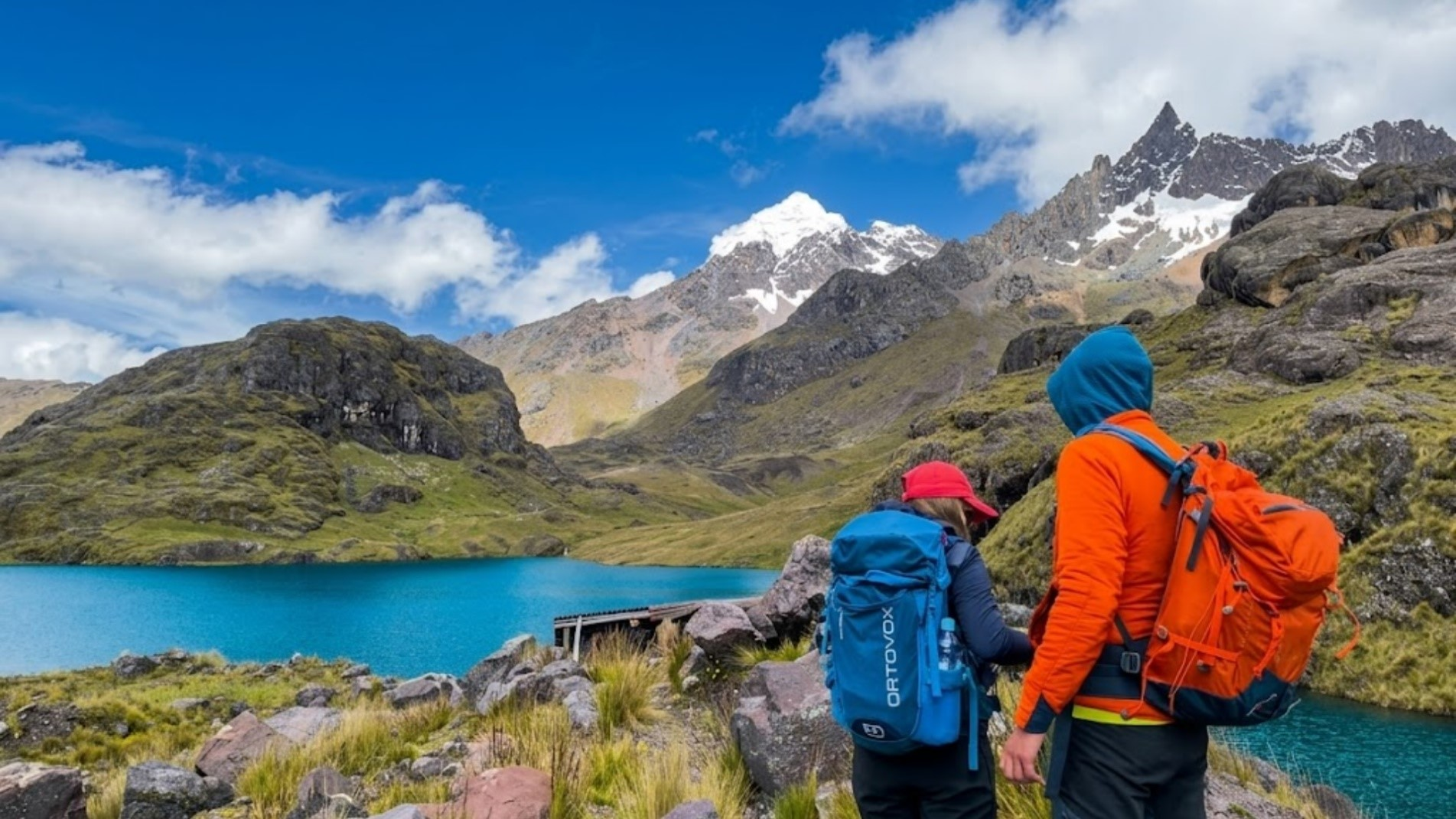
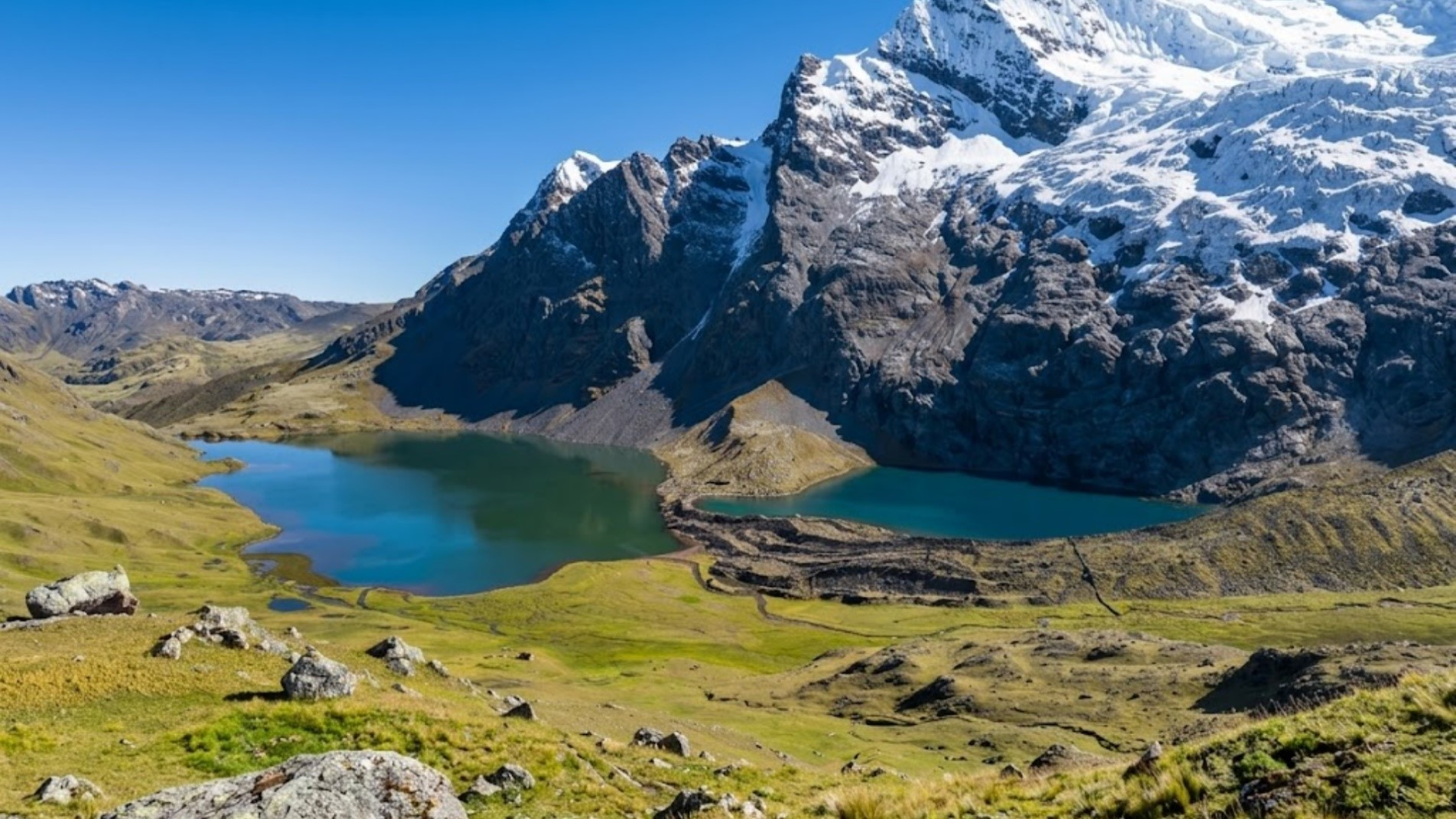
- Day 2: Upis – Arapa Pass – Puka Cocha Lake: We conquer the Arapa Pass, feeling the true power of Andean altitude. The views of turquoise glacial lakes contrasting with the intense red mountainsides will leave you breathless.
- Day 3: Puka Cocha – Ananta Pass – Huarmisaya: A day of pure physical reward where we cross glacial ridges and position ourselves close to tomorrow’s ultimate goal, sleeping under an idyllic starry sky at our private campsite.
- Day 4: Huarmisaya – Rainbow Mountain (Vinicunca) – Cusco: We wake up early to be among the very first to summit rainbow mountain with llamas, avoiding the massive crowds of typical single-day tours. After capturing unforgettable photos, we descend to our private transport for our return to Cusco.
Ausangate Weather and the Ultimate Packing List
The ausangate weather peru is alpine, cold, and highly unpredictable. During the dry season (May to October), days are usually sunny with bright blue skies, but as soon as the sun dips behind the peaks, temperatures plummet below freezing. It is common to experience temperatures ranging from from -5 °C to -10 °C (from 23 °F to 14 °F) to our highest campsites.
To enjoy this route safely and comfortably, knowing exactly what to pack for ausangate trek is vital. Here is the ultimate breakdown of the high altitude trekking gear you need to prepare:
The Layering System (Mandatory Clothing)
Avoid heavy cotton clothing, as it absorbs sweat and moisture and will freeze you within minutes. Always dress in layers:
- Base Layer (Thermal / Second Skin): At least 2 sets of tops and bottoms made of quick-dry synthetic materials or high-quality merino wool. Tip: Mention merino wool explicitly as it is highly favored by American hikers for its warmth and odor-resistance.
- Mid Layer (Insulation): A lightweight fleece jacket, plus a packable down jacket or high-loft synthetic jacket for when we stop to rest and during cold nights at camp.
- Outer Layer (Weather Protection): A fully waterproof, windproof jacket and rain pants (preferably with breathable membranes like Gore-Tex). The wind over the mountain passes is relentless.
- Hiking Pants: 2 pairs of comfortable, durable, quick-dry trekking pants that allow for full range of motion.
Footwear and Foot Care
Your feet are your engine. Protect them with the right gear:
- Hiking Boots: An absolute must. They should be mid-to-high-cut boots to protect your ankles on rocky, uneven terrain. They must be waterproof and, most importantly, well broken-in (never wear brand-new boots on a multi-day trek!).
- Trekking Socks: At least 4 pairs of thick merino wool or high-density hiking socks to prevent blisters. Keep one extra-warm thermal pair exclusively for sleeping.
- Camp Shoes: A pair of lightweight, comfortable shoes (like sandals with socks or light sneakers) to wear around camp, giving your feet a chance to breathe at the end of the day.
Head, Hands, and Technical Accessories
High altitude multiplies the intensity of both the sun and the cold on your extremities:
- Head & Neck Warmers: A thick fleece or wool beanie that covers your ears, a wide-brimmed sun hat or baseball cap for sunny days, and a fleece neck gaiter (buff) to protect your neck and face from the dry, icy wind.
- Gloves: One pair of lightweight liner gloves and one pair of heavy-duty, insulated, waterproof gloves.
- Trekking Poles: Equipped with rubber tips (mandatory on eco-friendly trails). These are crucial for balance, helping to distribute your weight and reduce impact on your knees by $25\%$ on steep descents.
- Headlamp: Essential for navigating the camp at night and for our early-morning hike to Rainbow Mountain. Bring spare batteries or a portable charger.
- Sunglasses: UV protection category 3 or 4 to prevent snow blindness and shield your eyes from the intense glare off glacial lakes.
Health, Hygiene, and Toiletries
There are no stores or pharmacies along the trail. Pack a small personal kit:
- Skin & Sun Protection: High SPF sunscreen (SPF 50+), lip balm with UV protection (vital to prevent painfully chapped lips from the wind), and moisturizing cream.
- Trail Hygiene: Biodegradable wet wipes (essential for quick clean-ups since there are no showers), hand sanitizer, and toilet paper stored in sealable plastic bags.
- Personal First Aid Kit: Any personal medications, pain relievers (ibuprofen or acetaminophen to manage altitude headaches), blister bandages/moleskin, motion sickness pills, and rehydration salts.
- Sustainable Hydration: A reusable metal bottle or a hydration bladder (Camelbak) with at least a 2-liter capacity. Staying hydrated is your number-one defense against altitude sickness.
Frequently Asked Questions (FAQs)
To help you feel fully prepared and confident before hitting the trail, here are answers to the questions our travelers ask most:
What is the maximum altitude, and how do I prevent altitude sickness?
The highest point of the trek is reached when crossing the mountain passes (such as Ananta Pass) and arriving at Rainbow Mountain, both sitting above 5,000 meters ($16,400\text{ feet}$) above sea level. At this height, oxygen levels are significantly lower. Proper altitude acclimatization cusco is non-negotiable. We strictly require spending at least 2 to 3 days in Cusco or the Sacred Valley prior to the trek.
What physical fitness level is required for the Ausangate Trek?
This route is rated as moderate to challenging. You don’t need to be a professional climber, but you do need solid cardiovascular stamina and physical health. We highly recommend doing cardio exercises (running, swimming, hiking, or cycling) for a few weeks leading up to your trip.
Is it better to trek with llamas or horses?
From an ecological and cultural standpoint, llamas are infinitely superior because they protect the delicate Andean soils. However, keep in mind that llamas carry a lighter weight load. At Ali Peru Treks, we strictly monitor the welfare of our animals, ensuring fair weight distribution so they walk happily alongside us.
How is my luggage organized during the trek?
To ensure you hike light and enjoy the breathtaking views without straining your back, we divide your gear into two:
- Your Daypack (20 to 30 liters): You will carry this during the day. Pack only what you need immediate access to: water, sunscreen, sunglasses, your waterproof jacket, camera, passport, snacks, and cash in Peruvian Soles (for local hand-woven textiles).
- Your Duffle Bag: Ali Peru Treks will provide you with a durable duffle bag. Here, you will pack your sleeping bag, change of clothes, camp shoes, and toiletries. This bag is safely and sustainably transported by our beloved pack llamas and will be waiting for you inside your tent at each campsite.


Why Choose Ali Peru Treks for Your Mountain Adventure?
At Ali Peru Treks, we know that high-altitude mountains demand absolute respect, flawless planning, and top-tier gear. We want you to focus solely on enjoying the towering glaciers and ancient pathways. We are a 100% local, Cusco-based operator founded by passionate, licensed guides who grew up in these mountains.
- Professional Safety First: Our mountain guides are fully certified in Wilderness First Responder (WFR) and mountain rescue. For your peace of mind, every single expedition carries a medical-grade emergency oxygen tank, pulse oximeters to monitor your acclimatization daily, and a specialized first-aid kit.
- Premium Thermal Comfort: The cold won’t be an issue. We provide expedition-grade, triple-layer thermal tents set up for just two guests (giving you double the personal space!), ultra-thick insulated sleeping mats to block ground frost, comfortable pillows, and private eco-toilet tents at every camp.
- High-Energy Mountain Cuisine: Our professional trail chefs prepare hot, nutritious, and delicious multi-course meals using fresh, high-quality local ingredients. We happily cater to vegetarian, vegan, gluten-free, or any food allergy requirements.
Are You Ready for the Challenge?
Do not let the altitude or the cold hold you back! The physical effort of the trail fades the moment you stand before towering glaciers, look into turquoise lakes, and walk alongside our sacred pack llamas. The experienced team at Ali Peru Treks is ready to guide you every step of the way, delivering an authentic, comfortable, and fully secure expedition.
Are you ready for the adventure of a lifetime? You are not alone! Check out our detailed 4-Day Ausangate Llama Trek itinerary and Contact us on WhatsApp to ask any questions. The Ali Peru Treks family is ready to help you conquer the Vilcanota Range!