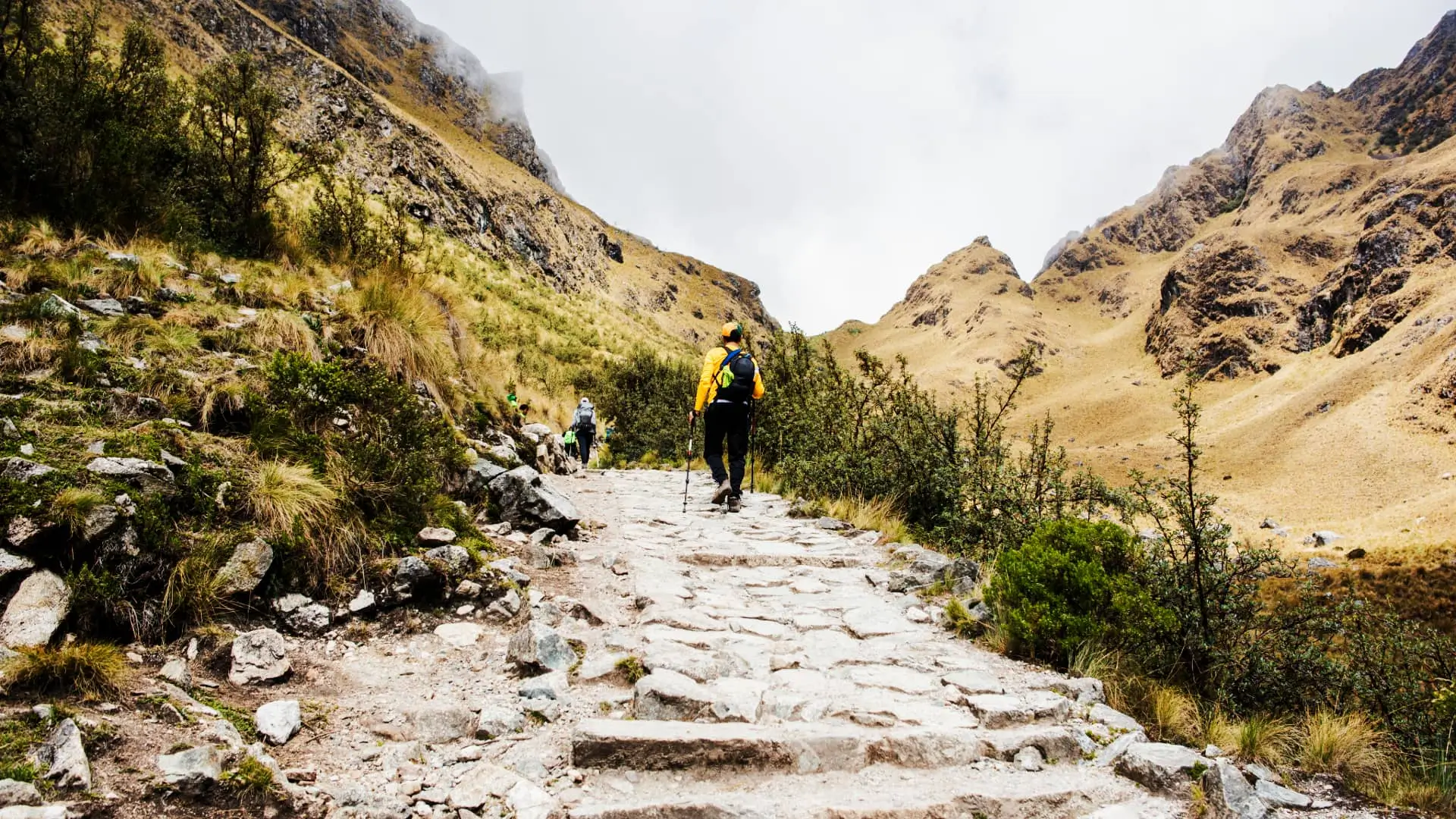
Getting ready for the Inca Trail is one of the most exciting — and stressful — parts of planning your Peru adventure. What you pack can genuinely make or break your experience. Too heavy and your knees will hate you by Day 2. Too light and you’ll be freezing at 13,780 feet above sea level. That’s why we put together this complete 4-Day Inca Trail packing list: a practical, field-tested guide from our local expert guides at Ali Peru Treks so you arrive at Machu Picchu feeling strong, prepared, and ready to celebrate.
Contents
- 1 Why Your Packing List for the 4-Day Inca Trail Matters More Than You Think
- 2 The Weight Limit Rule: What You Need to Know Before You Pack
- 3 4-Day Inca Trail Packing List: The Complete Checklist
- 4 Expert Tips from Ali Peru Treks Local Guides
- 5 Best Time to Hike the 4-Day Inca Trail
- 6 Quick-Reference Packing Checklist
- 7 Ready to Hike? Ali Peru Treks Has Everything Covered
- 8 Frequently Asked Questions
Why Your Packing List for the 4-Day Inca Trail Matters More Than You Think
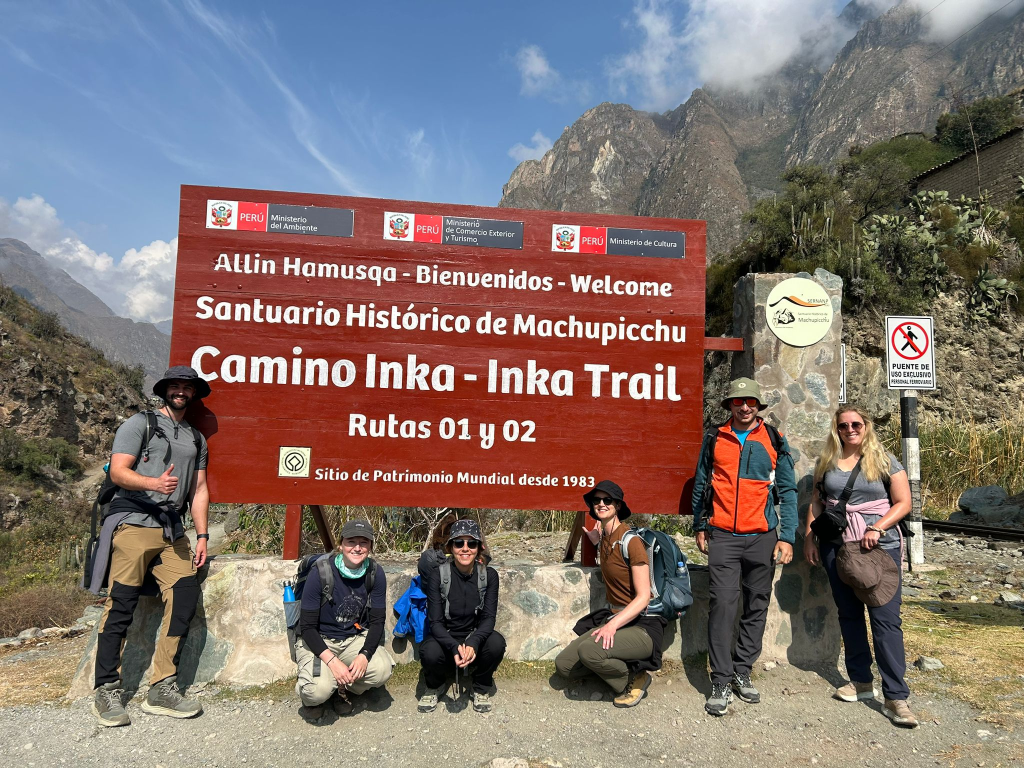
The Classic Inca Trail is a 43-kilometer (26.7-mile) trek through the Andes Mountains, starting near Cusco and ending at the Sun Gate (Inti Punku) above Machu Picchu. The trail climbs as high as Dead Woman’s Pass (Abra de Warmihuañusca) at 4,215 meters (13,828 ft), crosses three mountain passes, and moves through multiple climate zones — from humid cloud forest to high-altitude grasslands.
In a single day, temperatures can swing from 32°F (0°C) at night to 65°F (18°C) at midday. Rain can arrive without warning, even in the dry season. Sun at altitude burns fast. And your knees will face significant downhill pressure on Day 3.
Packing smart is not optional — it’s how you finish the trail.
The Weight Limit Rule: What You Need to Know Before You Pack
Here’s the first thing every hiker must understand: trekkers on the Classic Inca Trail are allowed a personal daypack of up to 7 kg (15 lbs). Porters — the incredibly hardworking local men who carry camp equipment — have a regulated carry limit of 25 kg (55 lbs) total, which includes tents, food, and group gear.
Your duffel bag (which porters carry for you) typically has an allowance of 5–7 kg (11–15 lbs) depending on your tour operator. Ali Peru Treks provides a clear breakdown before your trek.
Pro tip: Weigh your gear at home before you leave the U.S. Postal and luggage scales are accurate enough. If you’re close to the limit, cut ruthlessly — you’ll thank yourself on the trail.
4-Day Inca Trail Packing List: The Complete Checklist
Footwear & Foot Care
Your boots are your single most important piece of gear. Do not cut corners here.
- Hiking boots (waterproof, ankle support, already broken in — never brand new)
- Camp sandals or lightweight crocs (for evenings at camp)
- Hiking socks — at least 3–4 pairs (merino wool preferred; moisture-wicking)
- Gaiters (optional but great for muddy sections and rainy season)
- Blister kit: moleskin, Compeed patches, medical tape
⚠️ Critical: Wear your boots on at least 5–6 full-day hikes before the trail. Blisters are the #1 reason hikers don’t finish. New boots = blisters = misery.
Clothing: The Layering System
The Inca Trail demands a layering strategy. You’ll be stripping off and adding layers throughout each day.
Base Layers:
- 2 moisture-wicking long-sleeve shirts (synthetic or merino wool — no cotton)
- 2 pairs of moisture-wicking underwear
- 1 pair of thermal/base layer pants (for cold nights and early mornings)
Mid Layers:
- 1 fleece jacket or mid-layer pullover (Patagonia, Arc’teryx, or similar)
- 1–2 pairs of trekking pants (convertible zip-off pants work great)
- 1 pair of trekking shorts (for warm midday sections)
Outer / Shell Layers:
- 1 waterproof rain jacket (Gore-Tex or equivalent — not a poncho as primary layer)
- 1 rain poncho (covers your pack too — local vendors sell these in Cusco)
- 1 down or synthetic puffer jacket (essential for cold nights at 3,600 m / 11,800 ft camps)
Head & Hands:
- 1 warm wool or fleece beanie/hat
- 1 sun hat or wide-brim cap (UV protection at altitude is serious)
- 1 pair lightweight gloves
- Buff/neck gaiter (versatile for cold mornings, dust, and sun protection)
The Right Backpack
You’ll carry a daypack on the trail each day — your big duffel goes with the porters until camp.
- Daypack size: 20–30 liters is ideal
- Must have a rain cover or be waterproof
- Hip belt is important to distribute weight from your shoulders
- Trekking poles (collapsible, lightweight — highly recommended for downhill sections and altitude)
Your duffel bag (soft-sided, no wheels) should fit the items you don’t need during the day: sleeping bag, extra clothing, toiletries.
Sleeping & Shelter
Gear that goes in your duffel (porters carry this):
- Sleeping bag rated to 14°F (-10°C) or lower — this is not negotiable for the cold nights
- Sleeping bag liner (adds warmth + keeps bag clean)
- Inflatable or foam sleeping pad (some operators include this — confirm with Ali Peru Treks)
- Earplugs (camp can get noisy)
- Headlamp with fresh batteries + backup batteries (starts early — 5 AM!)
Altitude Items & Health Essentials
Altitude sickness (AMS) is real. Cusco sits at 3,400 m (11,155 ft) and you’ll be trekking higher. Every traveler from the U.S. should take altitude preparation seriously.
- Diamox (Acetazolamide) — consult your doctor before your trip; many U.S. physicians prescribe this for high-altitude trekking
- Coca leaves or coca tea — a traditional Andean remedy widely used to ease altitude symptoms; available in Cusco
- Ibuprofen or Acetaminophen (headache relief)
- Oral rehydration salts (Pedialyte packets or equivalent)
- Personal prescription medications — bring extra supply
- Blister treatment kit (see footwear section)
- Antidiarrheal medication (Imodium)
- Sunscreen SPF 50+ — UV radiation at altitude is significantly stronger than at sea level
- Lip balm with SPF
- Eye drops (dry air at altitude)
- Hand sanitizer
- Small first aid kit: bandages, gauze, medical tape, antiseptic wipes
Hydration & Nutrition
- Hydration bladder (2–3L) or water bottles (2 x 1L)
- Water purification tablets or Steripen (as backup — your guide will provide boiled/filtered water)
- High-energy snacks: trail mix, protein bars, Snickers, dried mango, crackers — pack 4–6 snacks per day
- Electrolyte tablets (Nuun, Liquid I.V.) — critical for preventing dehydration and altitude issues
Toiletries & Personal Hygiene
Lightweight and minimal is the rule here:
- Biodegradable soap and shampoo (mandatory — this is a protected UNESCO trail)
- Biodegradable wet wipes (your best friend when showers aren’t available)
- Toilet paper + small ziplock bags (pack it out — leave no trace)
- Small quick-dry towel
- Toothbrush + toothpaste
- Feminine hygiene products if needed
- Insect repellent (DEET-based for jungle sections)
- Deodorant (travel size)
Electronics & Documents
- Passport (original — required for trail entry permits)
- Printed Inca Trail permit (your operator provides this)
- Travel insurance documents (emergency evacuation coverage is strongly recommended)
- Phone + waterproof case or ziplock bag
- Portable power bank (there are no outlets on the trail)
- Camera with extra memory card and battery
- Adapter plug (Peru uses Type A/B outlets — same as the U.S., so no adapter needed!)
- Earbud headphones (optional — for camps)
What NOT to Pack on the Inca Trail
Less is truly more. Here’s what to leave behind:
- ❌ Heavy DSLR camera with multiple lenses (your phone is enough; save the weight)
- ❌ Jeans or cotton pants (cotton kills in the cold when wet)
- ❌ More than 2 books (bring a Kindle or just enjoy the nature)
- ❌ Unnecessary jewelry or valuables
- ❌ Full-size toiletries (decant into travel containers)
- ❌ More than 3 changes of clothes (you won’t need them — embrace the trail life)
- ❌ Glass bottles (prohibited on the trail)
- ❌ Trekking poles with rubber tips removed (metal tips damage the trail stones)
Expert Tips from Ali Peru Treks Local Guides
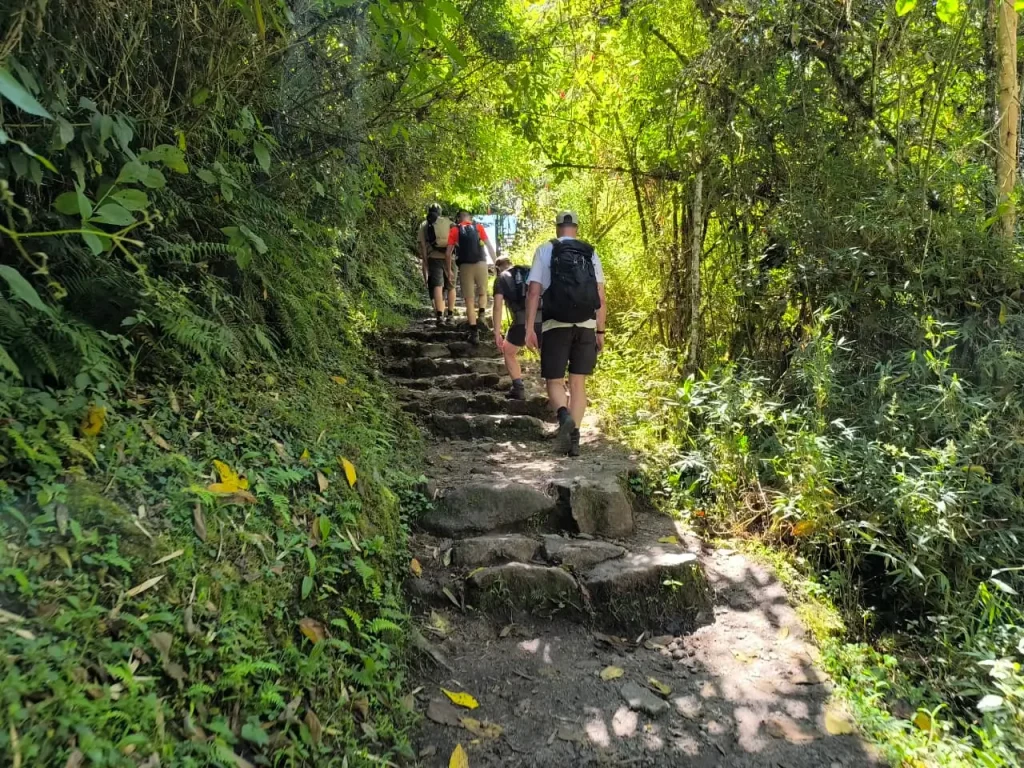
Our team has guided thousands of trekkers from the U.S. and beyond. Here are insights you’ll only get from locals who walk this trail every week:
- 🏔️ Arrive in Cusco 2–3 days early before the trek starts. Acclimatization to Cusco’s altitude (11,155 ft) is the single best thing you can do to prevent altitude sickness on the trail.
- 💧 Drink more water than you think you need — at altitude, dehydration happens faster. Aim for 3–4 liters per day on the trail.
- 🌙 Your coldest night is Night 1 at campsite Wayllabamba (around 3,000 m / 9,800 ft) and Night 2 near Dead Woman’s Pass (around 3,600 m / 11,800 ft). Sleep with a full set of dry layers.
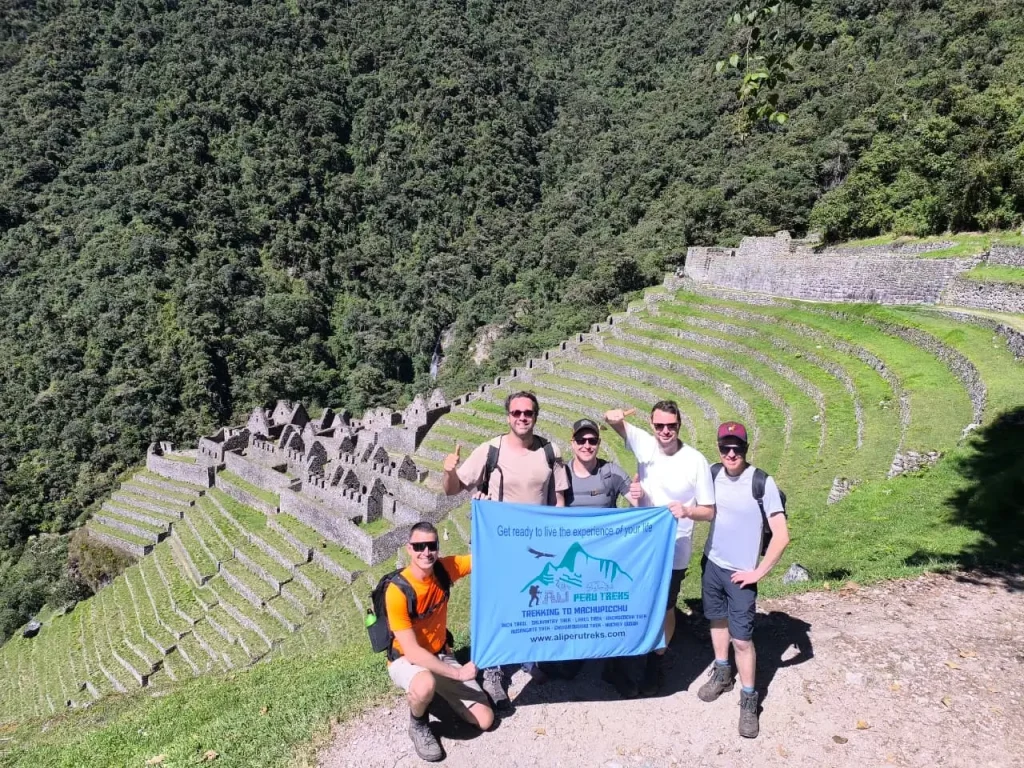
- 🥾 Trekking poles change everything on Day 3 — the descent from Dead Woman’s Pass to Wiñay Wayna is knee-crushing. Don’t skip them.
- 🌧️ The “dry season” (May–October) still has rain at altitude. Waterproof everything: pack your electronics and dry clothing in dry bags or large ziplock bags inside your daypack.
- 🚫 Do not bring aerosol cans — prohibited at high altitude and on the trail.
- 🎒 Test your full loaded pack with a 3–5 mile hike before your trip. You’ll quickly discover what’s too heavy.
- 🧤 Bring an extra pair of gloves and socks in your daypack — wet gloves and socks are miserable. A dry backup pair in a ziplock can save your day.
Best Time to Hike the 4-Day Inca Trail
| Season | Months | Conditions |
|---|---|---|
| Dry Season ✅ Best | May – October | Clear skies, cooler nights, popular — book 6+ months ahead |
| Shoulder Season | April, November | Mild, less crowded, occasional rain |
| Wet Season ❌ Closed | February | Trail is closed in February for maintenance |
| Wet Season | December – March (excl. Feb) | Heavy rain, lush landscape, smaller crowds |
Important for U.S. travelers: Inca Trail permits sell out up to 6 months in advance, especially for peak season (June–August). Book early — once permits are gone, they’re gone.
Quick-Reference Packing Checklist
Use this before you zip up your bag:
In Your Daypack (carry yourself):
- Rain jacket + poncho
- Water (2–3L) + purification tablets
- Snacks for the day (4–6 items)
- Sunscreen SPF 50+ and lip balm
- Headlamp + batteries
- First aid + blister kit
- Trekking poles
- Passport + permit
- Phone + power bank
- 1 extra dry layer (fleece or puffer)
- Dry bag for electronics
In Your Porter Duffel:
- Sleeping bag (rated -10°C / 14°F)
- Down jacket or puffer
- Thermal base layers
- Extra clothing (2 sets)
- Camp sandals
- Toiletries
- Towel
- Sleeping bag liner
Ready to Hike? Ali Peru Treks Has Everything Covered
Packing right is half the battle — choosing the right guide is the other half. At Ali Peru Treks, our expert local guides, small group sizes, and fully supported camps mean you can focus on the experience, not the logistics.
We also offer equipment rental in Cusco (trekking poles, sleeping bags, duffel bags) so you don’t have to fly with everything from the U.S.
Don’t wait — Inca Trail permits are limited and sell out months in advance.
Your Machu Picchu moment is waiting. Let’s get you there — prepared, safe, and smiling.
Frequently Asked Questions
Can I rent gear in Cusco instead of bringing everything from the U.S.? Yes! Ali Peru Treks offers sleeping bag rentals, trekking pole rentals, and duffel bag rentals in Cusco. We recommend renting gear that’s bulky to fly with, and bringing your own boots (already broken in) and personal clothing.
How heavy should my daypack be on the Inca Trail? Aim for 6–7 kg (13–15 lbs) maximum for your daypack. Every extra pound feels like three by the afternoon of Day 2.
Is the 4-Day Inca Trail physically demanding? Difficulty: Moderate to Challenging. Day 2 is the hardest, with a steep climb to Dead Woman’s Pass at 4,215 m. Most reasonably fit adults who prepare with 2–3 months of regular hiking can complete it. Acclimatization in Cusco for 2–3 days before the trek makes a significant difference.
Do I need travel insurance for the Inca Trail? Yes — strongly recommended. Look for a policy that covers emergency medical evacuation, trip cancellation, and high-altitude trekking. Companies like World Nomads or Allianz offer plans that cover the Inca Trail.