
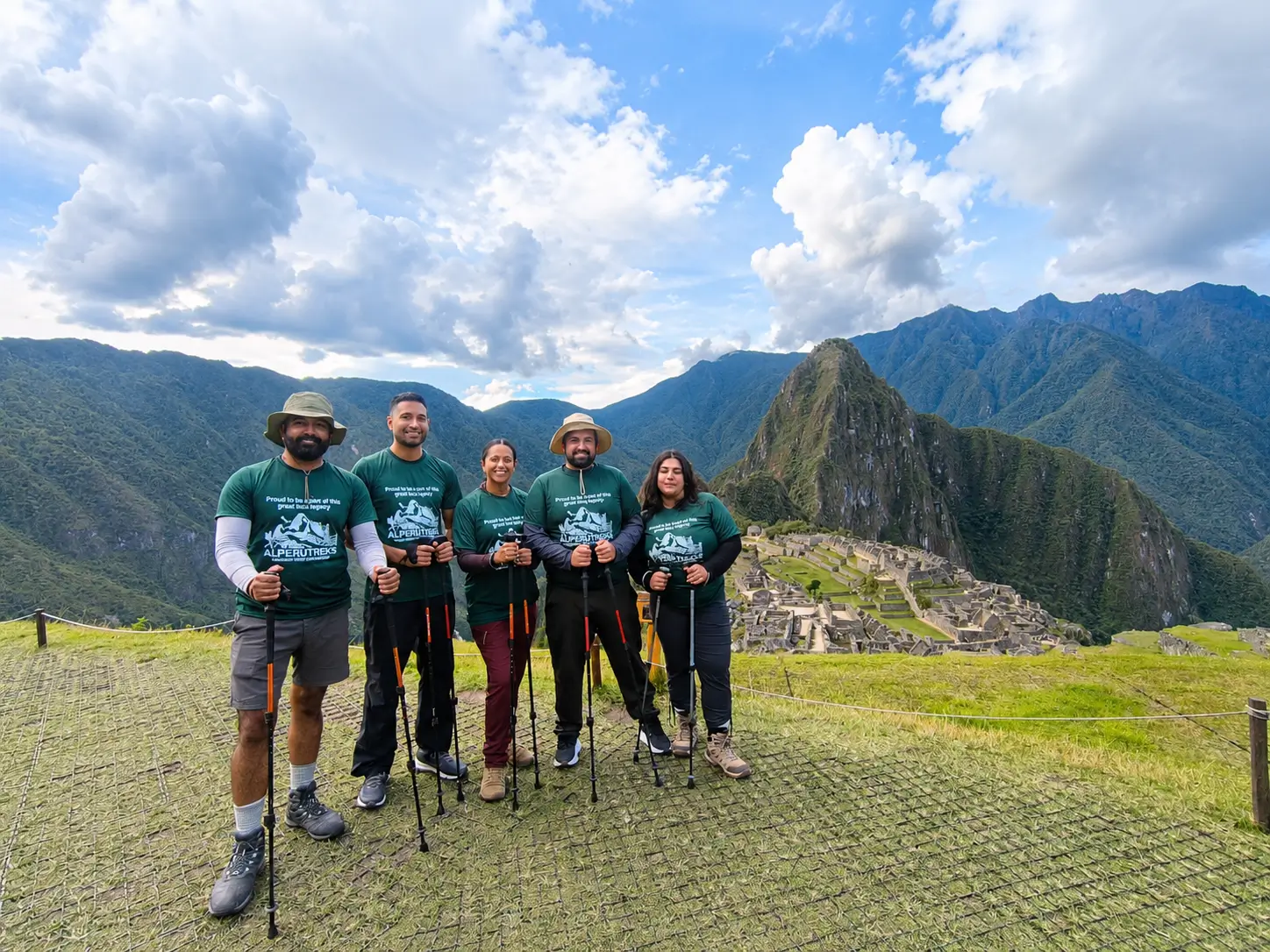
Standing at the edge of the Sacred Valley with the Andes rising sharply on every side, most travelers feel one thing first: pure excitement. The second thing they feel is a little panic about what to actually bring.
If you’re planning to hike one of Peru’s most rewarding alternative routes, having the right Inca Quarry Trek packing list can make the difference between an unforgettable adventure and a miserable, cold, blister-filled few days.
The good news? You don’t need to overpack or buy a closet full of expensive gear. You need the right gear, packed smart, for the specific conditions of this high-altitude trail. In this guide, we’ll walk you through exactly what to bring, what to skip, and a few insider tips that only a local trekking agency would know.
What Is the Inca Quarry Trek? A Quick Overview
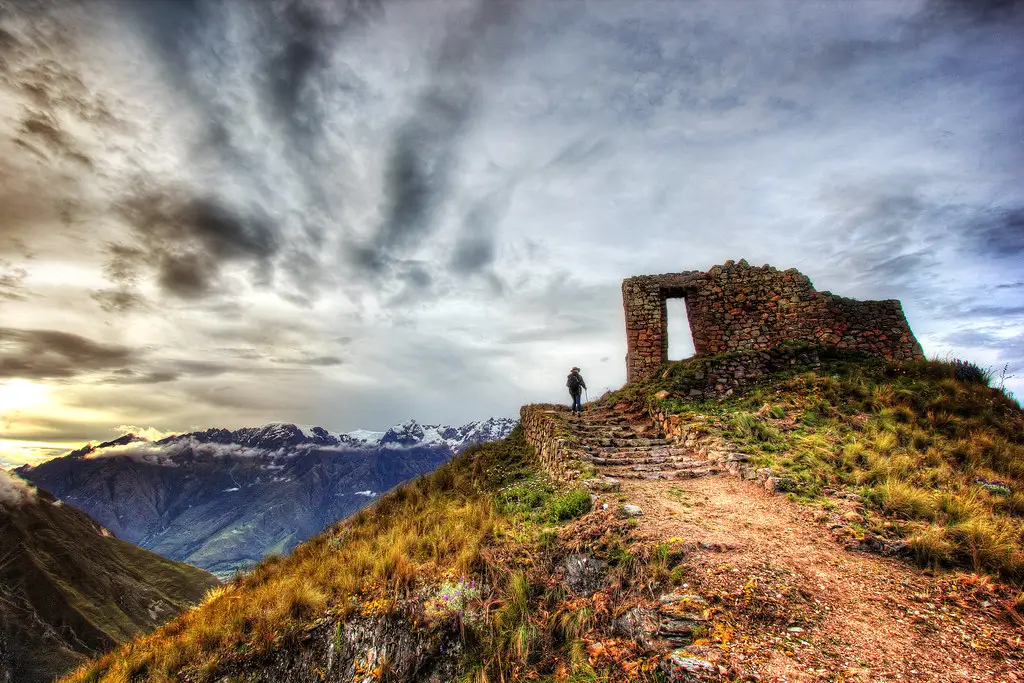
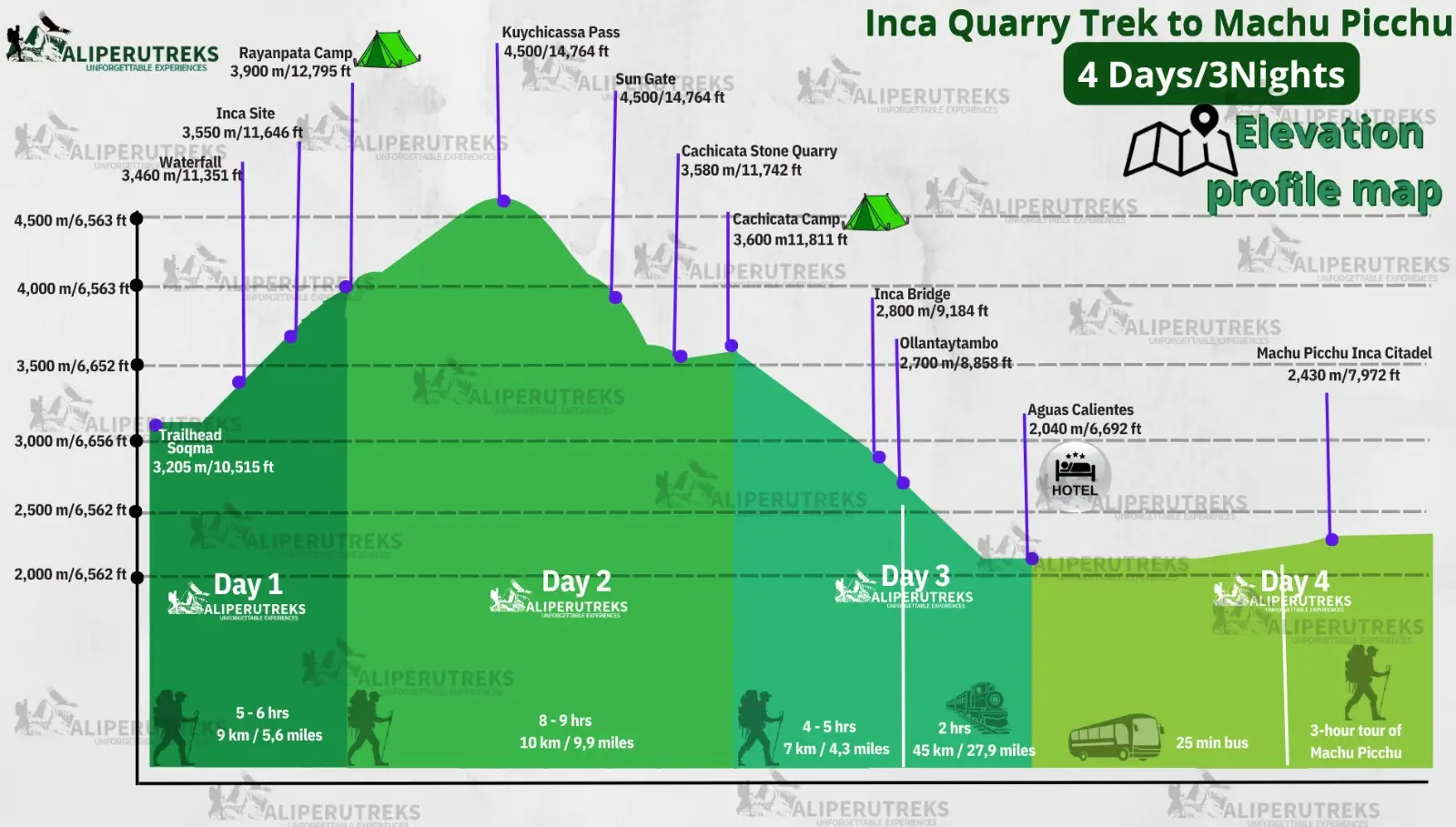
The Inca Quarry Trek (also commonly called the Cachicata Trek) is a 4-day, 3-night alternative trekking route to Machu Picchu. It follows ancient Inca quarry trails through the Sacred Valley, passing stone quarries, original Inca roads, lagoons, and small Andean communities.
Here’s what makes it different from the classic Inca Trail:
- Less crowded: Far fewer permits issued, so you’ll often hike for hours without seeing another group.
- Cultural immersion: You’ll pass through living communities, not just ruins.
- Flexible permits: No advance permit required (unlike the classic Inca Trail, which sells out months ahead).
- Stunning landscapes: Snow-capped peaks, turquoise lagoons, and panoramic valley views.
Key Trek Facts You Need to Know
| Detail | Information |
|---|---|
| Duration | 4 days / 3 nights (most common itinerary) |
| Maximum Altitude | Approx. 4,450 m (14,600 ft) at Puccaqasa Pass |
| Starting Altitude | Around 3,300 m (10,800 ft) |
| Difficulty Level | Moderate to Challenging |
| Daily Hiking Distance | 10–18 km (6–11 miles) per day |
| Best Season | May to September (dry season) |
| Accommodation | Camping (tents provided by your operator) |
Because this trek reaches higher elevations than Machu Picchu itself, altitude is the single biggest factor influencing your packing decisions — more on that in our expert tips below.
Climate and Best Time to Hike
Understanding the weather is essential when building your Cachicata trek packing list, because temperatures swing dramatically between day and night.
Dry Season (May–September):
- Sunny, clear days perfect for photos and views.
- Daytime temps: 60–70°F (15–21°C).
- Nighttime temps: can drop to 20–28°F (-6 to -2°C), especially at higher campsites.
- This is the most popular season — book at least 2–3 weeks ahead.
Wet Season (November–March):
- Warmer nights but frequent afternoon rain.
- Trails can be muddy and slippery.
- Fewer crowds and lower prices.
Shoulder Months (April & October):
- A great compromise: decent weather, fewer crowds than peak season.
No matter when you go, pack for four seasons in one day. Sun, wind, rain, and freezing nights can all happen within 24 hours in the Andes.
The Complete Inca Quarry Trek Packing List
Below is the full breakdown, organized by category so you can check items off as you pack.
1. Clothing: The Layering System
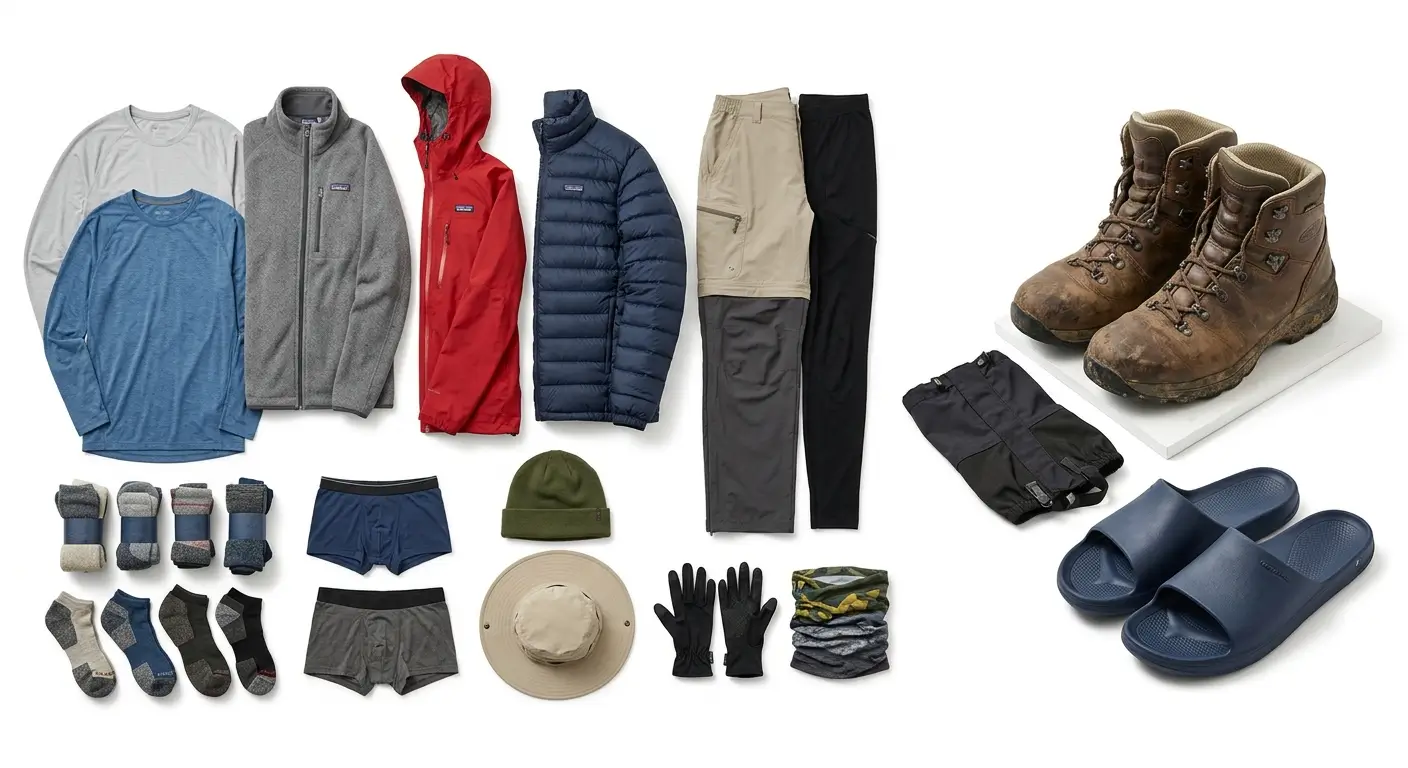
The secret to staying comfortable is layering, not bulk. You want to be able to add or remove layers as the temperature changes throughout the day.
- Base layers: 2 moisture-wicking long-sleeve shirts (avoid cotton — it stays wet and gets cold)
- Mid layer: Fleece jacket or lightweight insulated layer
- Outer layer: Waterproof, windproof jacket (essential, even in dry season)
- Insulated jacket: Down or synthetic puffer for cold nights at camp
- Hiking pants: 1–2 pairs, quick-dry, ideally convertible to shorts
- Thermal leggings: For sleeping and cold mornings
- Underwear and socks: Bring enough for each day, plus 1–2 extra wool hiking socks (blister prevention!)
- Warm hat/beanie: Nights drop below freezing
- Sun hat or cap: UV exposure is intense at altitude
- Gloves: Lightweight but warm
- Buff or neck gaiter: Doubles as sun protection, dust mask, and extra warmth
2. Footwear
- Broken-in hiking boots: Waterproof, with ankle support — never wear brand-new boots on the trail
- Camp shoes/sandals: Lightweight shoes to rest your feet at camp
- Gaiters (optional): Useful during wet season to keep mud and debris out of boots
3. Sleeping Gear
Most reputable operators, including Ali Peru Treks, provide tents and sleeping mats. However, you’ll still want:
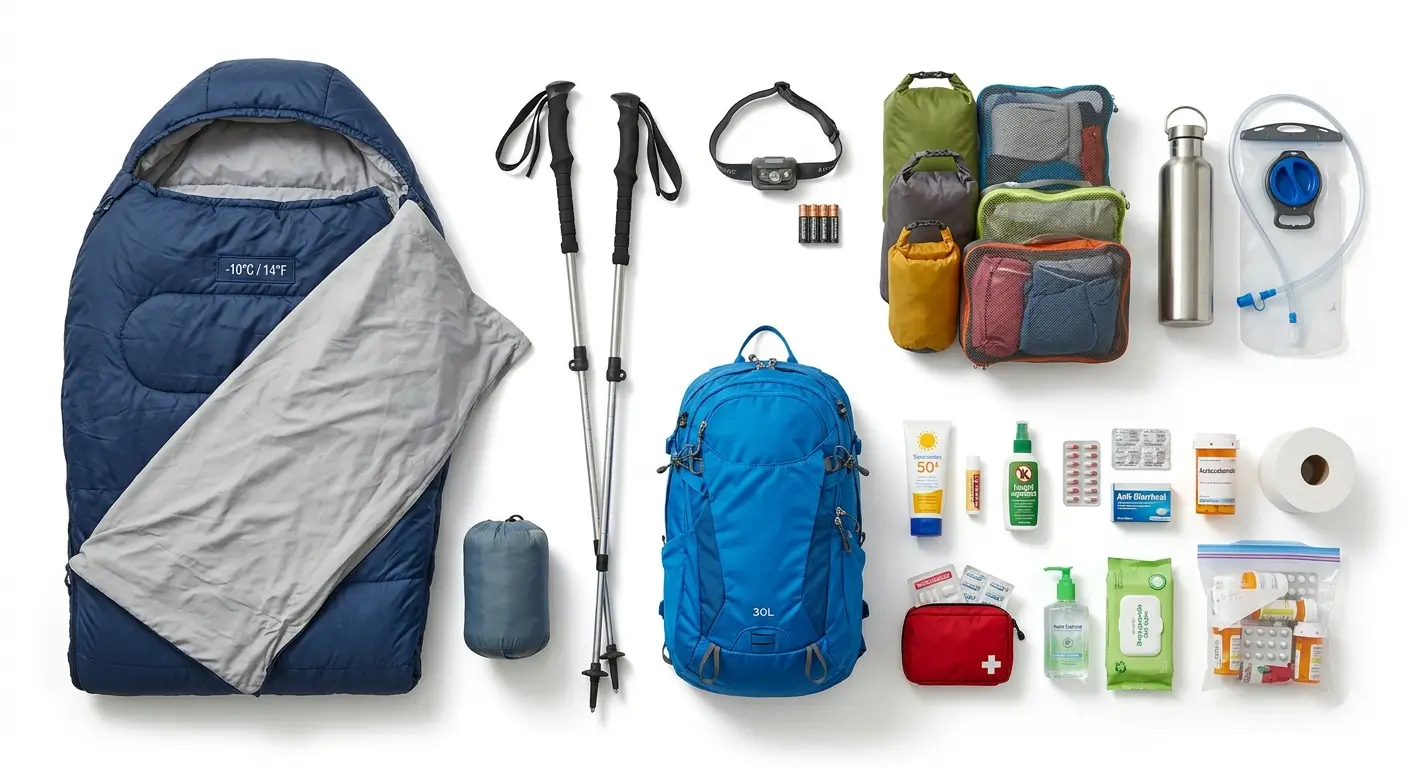
- Sleeping bag rated for at least -10°C (14°F): Nights at high camps are cold
- Sleeping bag liner: Adds warmth and keeps your bag clean
- Inflatable travel pillow: Small comfort item that’s worth the space
4. Trekking Equipment
When researching trekking gear Peru travelers commonly need, these are the non-negotiables:
- Trekking poles: Save your knees on steep descents (highly recommended)
- Headlamp + extra batteries: For early starts and bathroom trips at night
- Daypack (25–35L): For carrying daily essentials while porters/horses carry the rest
- Dry bags or packing cubes: Keep clothes organized and protected from rain
- Reusable water bottle or hydration bladder (2L+): Staying hydrated helps with altitude
5. Health and Personal Care
- Sunscreen (SPF 50+): The Andean sun is far stronger than it looks
- Lip balm with SPF
- Insect repellent: Especially for lower-altitude sections near rivers
- Personal first aid kit: Blister pads, pain relievers, anti-diarrheal medication
- Altitude sickness medication: Consult your doctor about acetazolamide (Diamox) before your trip
- Hand sanitizer and biodegradable wet wipes
- Toilet paper: Bathroom facilities are basic along the route
- Personal medications: Bring more than you think you’ll need
6. Documents and Money
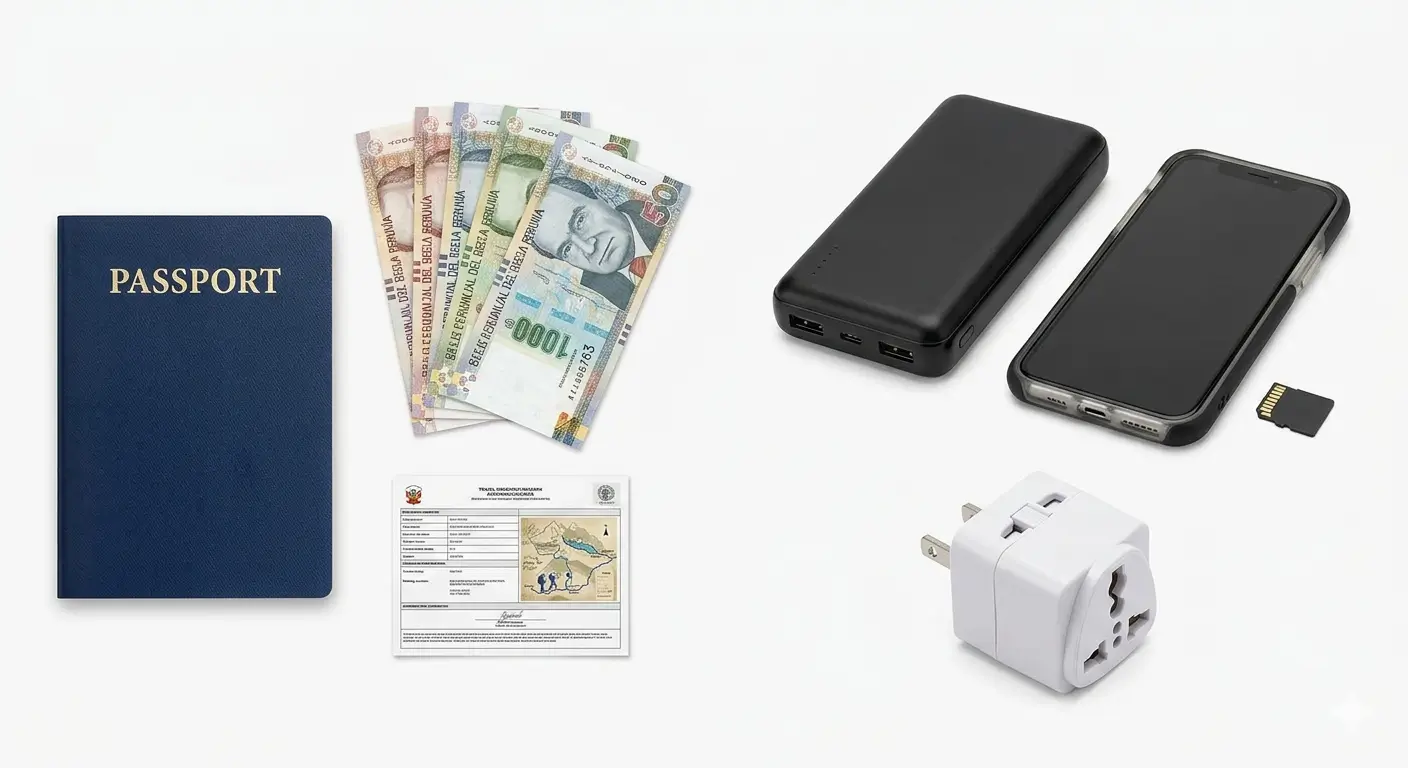
- Original passport: Required for entry checkpoints
- Cash in Peruvian Soles: Small bills for tips and snacks (no ATMs on the trail)
- Travel insurance details: Make sure your policy covers high-altitude trekking
- Printed/digital copy of your booking voucher
7. Electronics
- Camera or smartphone: With extra memory cards
- Portable power bank: No outlets on the trail for charging
- Universal adapter: For your hotel before and after the trek (Peru uses Type A/C/B plugs, 220V)
What to Pack for Machu Picchu Trek Day
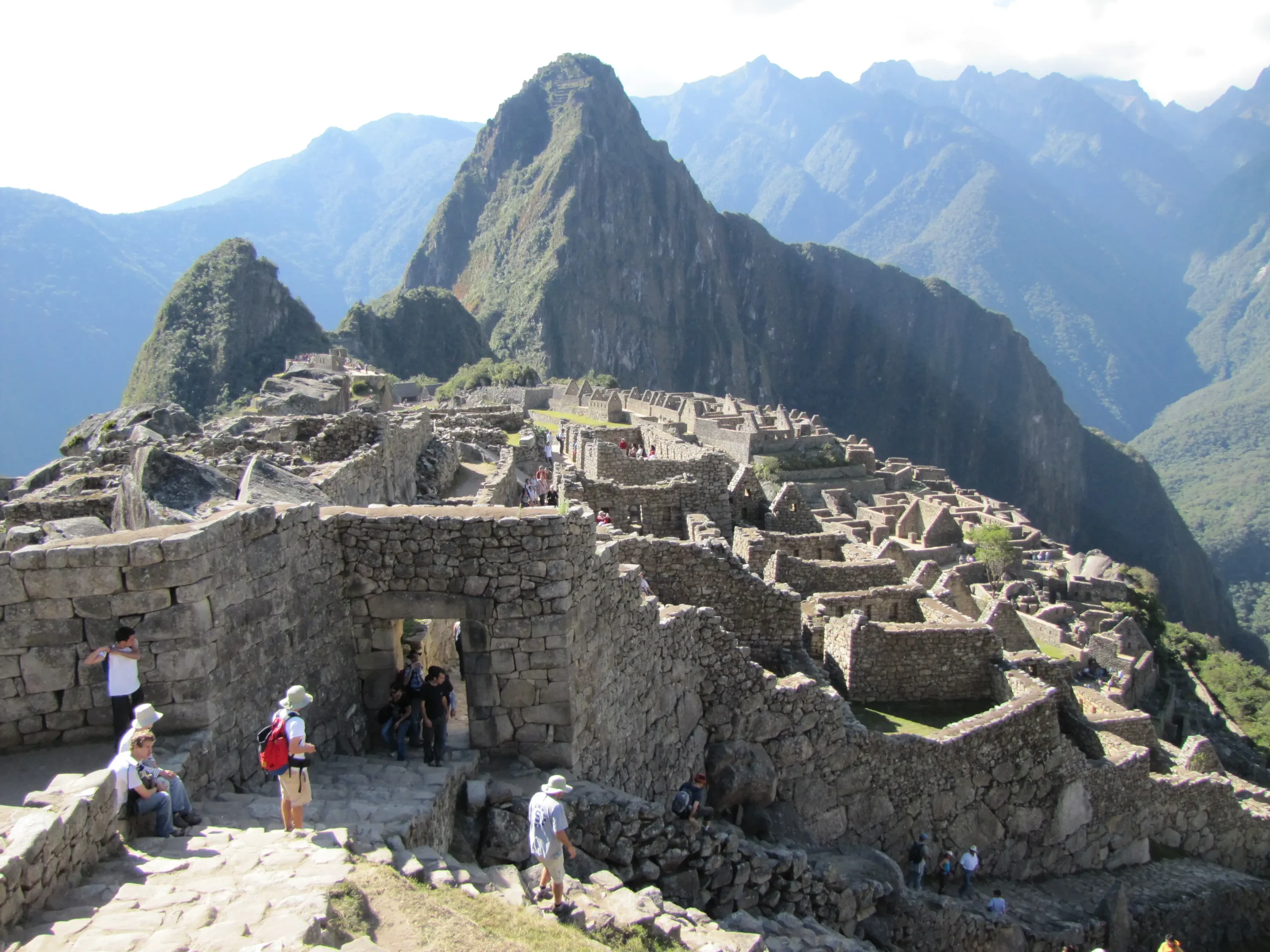
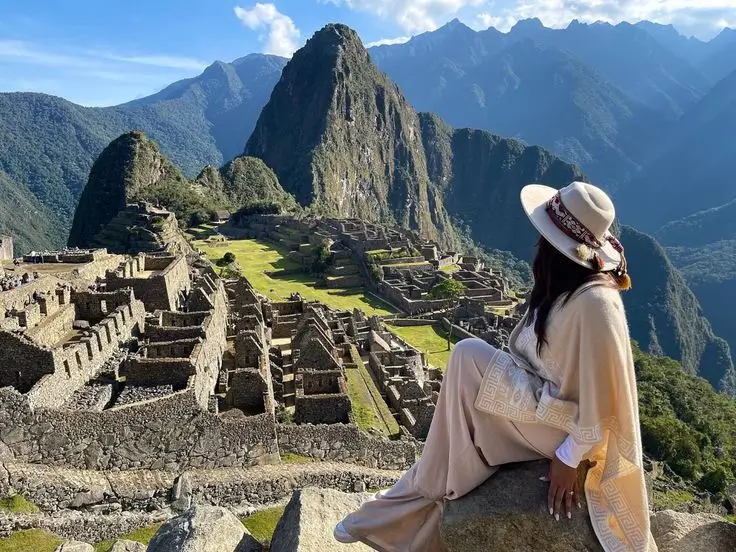
The final day of the Inca Quarry Trek typically ends with a visit to Machu Picchu, so it’s worth packing slightly differently for this part.
When thinking about what to pack for Machu Picchu trek day specifically, keep these points in mind:
- Lightweight daypack only: Large backpacks and trekking poles with metal tips are restricted inside the citadel.
- Passport: Required for entry — no exceptions.
- Light layers: Machu Picchu sits at a lower altitude (2,430 m / 7,970 ft) and is noticeably warmer and more humid.
- Rain poncho: Even in dry season, sudden showers are common at the ruins.
- Snacks and water: Food consumption inside the site is restricted, so eat before entering.
Expert Tips From a Local Trekking Agency
After years of guiding travelers through the Sacred Valley, here’s what our team always recommends — the kind of insider knowledge that doesn’t show up in generic packing guides.
- Arrive in Cusco 2–3 days early. Altitude sickness is the #1 reason trekkers struggle on Day 1. Spending two nights in Cusco (3,400 m / 11,150 ft) before starting helps your body adjust.
- Drink coca tea and stay hydrated. It’s a local remedy that genuinely helps with altitude symptoms — your guides will offer it constantly.
- Pack a small daypack AND a duffel bag. Your main duffel (provided by your operator) is carried by horses or porters; your daypack stays with you for water, snacks, camera, and layers.
- Start hiking early. Mornings in the Andes are clear; afternoons often bring clouds or rain, especially in the shoulder seasons.
- Tip your crew in cash (soles). Porters, cooks, and guides rely on tips as a significant part of their income — bring small bills specifically for this.
- Don’t skip the trekking poles. The descent to the Cachicata quarries and toward Ollantaytambo is steep and rocky — your knees will thank you.
- Secure valuables at night. Keep your passport, cash, and electronics inside your sleeping bag at night, not in an outer tent pocket.
- Test all gear before you fly. A leaky rain jacket or a sleeping bag that isn’t actually warm enough is something you want to discover at home, not at 4,400 meters.
Final Thoughts: Pack Smart, Trek Happy
Building the right Inca Quarry Trek packing list comes down to three principles: layer for changing temperatures, prepare for altitude, and pack light but smart. With the right gear, you’ll be free to focus on what really matters — the breathtaking scenery, ancient Inca stonework, and the sense of accomplishment as you arrive at Machu Picchu on foot.
Still have questions about gear, logistics, or which season is right for your trip? Our local team at Ali Peru Treks has guided travelers through the Sacred Valley for years and knows this trail inside and out.
Ready to experience the Andes for yourself? Contact us to get a free quote or browse our Inca Quarry / Cachicata Trek packages to find the perfect itinerary for your adventure.