
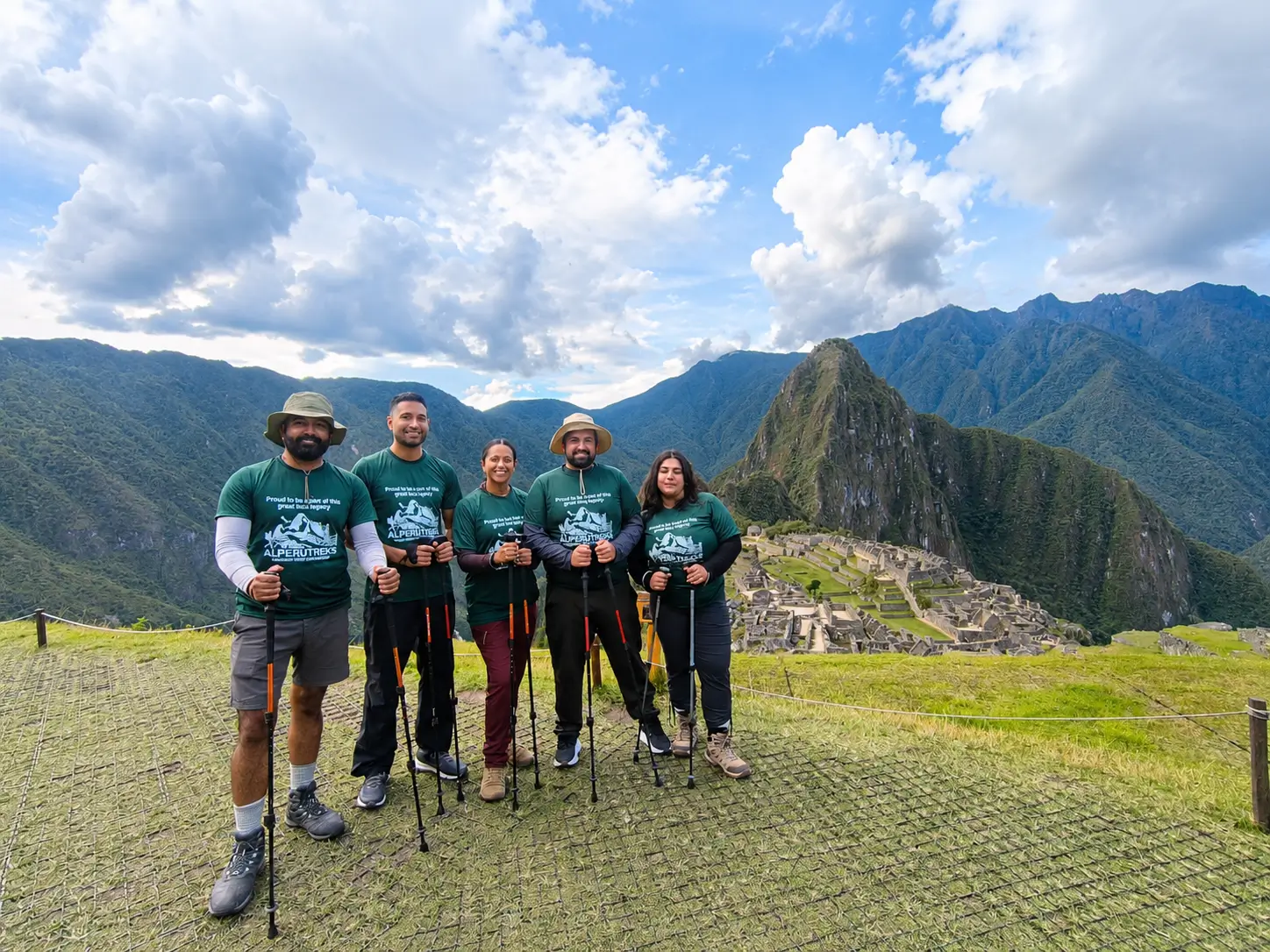

Introduction: The Secret the Inca Trail Keeps Until the Very End
Most travelers dream about Machu Picchu — but seasoned trekkers know that one of the most breathtaking moments of the entire journey happens before you reach the Sun Gate. Tucked into the cloud forest on Day 3 of the Inca Trail, the ancient site of Winay Wayna rises dramatically from the mountainside, almost as if the Incas built it to reward only those willing to walk for it.
If you’re planning a Winay Wayna Inca Trail adventure, this guide will tell you everything you need to know — from elevation and altitude sickness to expert camping tips and exactly what to expect on the trail.
What Is Wiñay Wayna? A Closer Look at the Ruins
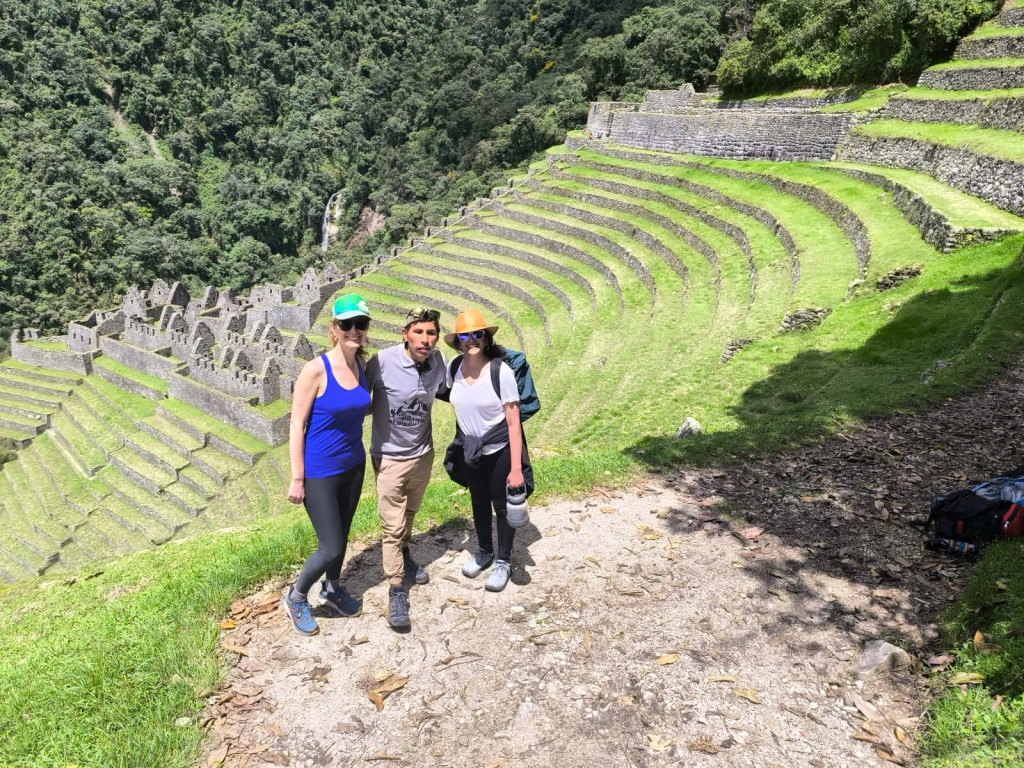
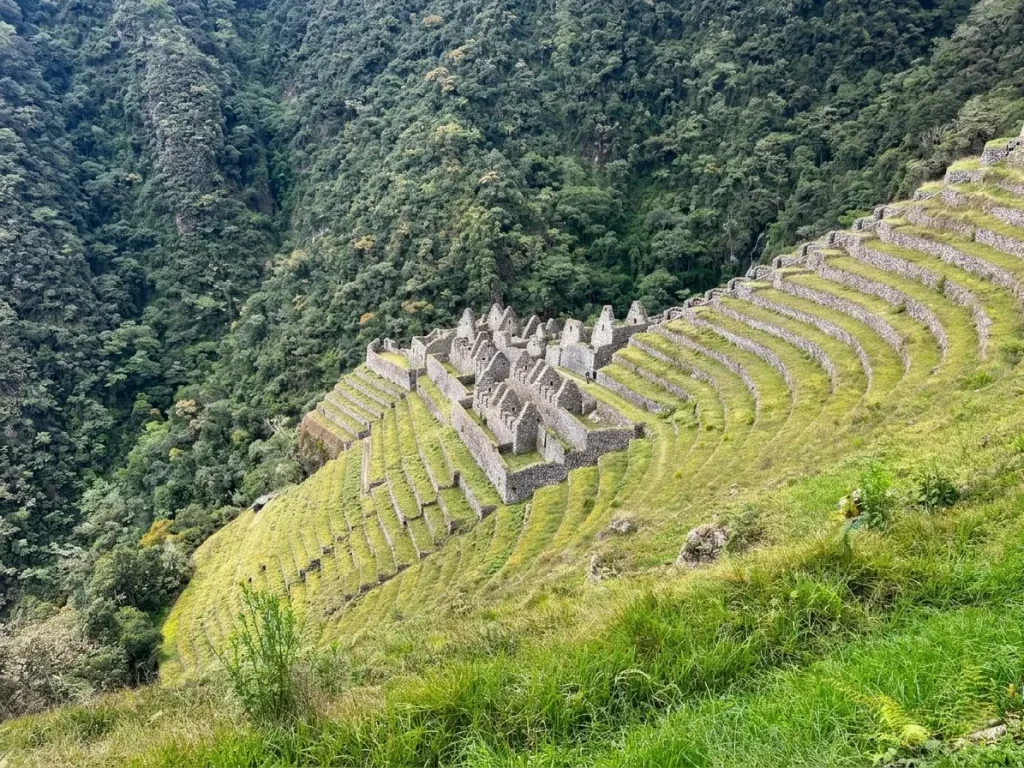
Wiñay Wayna (also spelled Winay Wayna) is a remarkably well-preserved Inca archaeological site located along the Classic Inca Trail, approximately 4 miles (6 km) from Machu Picchu.
The name translates from Quechua — the ancient language of the Inca — as “Forever Young.” Local legend ties this name to the pink and purple orchids (Epidendrum secundum) that bloom year-round along the site’s terraces.
What You’ll See at the Winay Wayna Ruins
The Winay Wayna ruins are divided into two main sections connected by a grand staircase:
- Upper town: Features a series of ceremonial fountains and ritual baths — 19 in total — carved directly into the rock. Archaeologists believe these were used for Inca water rituals and religious ceremonies.
- Lower town: Contains residential and agricultural terraces that cascade down the steep mountainside, demonstrating the Incas’ extraordinary engineering skill.
- Watchtower: A restored tower perched above the terraces offering sweeping views of the Urubamba River valley below.
Unlike the crowds at Machu Picchu, most trekkers arrive at Winay Wayna with a genuine sense of solitude — making it feel like a truly personal discovery.
Winay Wayna Elevation: What You Need to Know
Winay Wayna sits at approximately 8,990 feet (2,740 meters) above sea level.
This is significantly lower than the trail’s highest point — Dead Woman’s Pass at 13,780 feet (4,200 m) — which most trekkers cross on Day 2. By the time you arrive at Winay Wayna, your body has had critical time to adjust to the altitude, making the experience far more comfortable.
However, if you’re flying directly from a low-altitude U.S. city (Los Angeles, New York, Miami), Winay Wayna altitude sickness can still affect you early in the trek. Here’s a quick reference:
| Point on Trail | Elevation |
|---|---|
| Cusco (starting city) | 11,152 ft / 3,399 m |
| Dead Woman’s Pass (highest point) | 13,780 ft / 4,200 m |
| Winay Wayna campsite | 8,990 ft / 2,740 m |
| Machu Picchu | 7,972 ft / 2,430 m |
The Inca Trail Day 3 Experience: Arriving at Winay Wayna
Inca Trail Day 3 is widely considered the most beautiful day of the entire trek. After the grueling altitude climb of Day 2, Day 3 offers a dramatic shift — descending through lush cloud forest draped in moss, orchids, and bromeliads.
What the Day Looks Like
- Morning start: Trekkers leave the Phuyupatamarca campsite early, passing through a series of cloud forest ecosystems.
- Arrival at Winay Wayna: Most groups reach the site by mid-morning to early afternoon, giving you time to explore the ruins, rest, and prepare for the final push to Machu Picchu.
- The campsite: Inca Trail campsites at Winay Wayna are the last stop before the Sun Gate. This is where trekkers spend their final night on the trail — often sharing stories around dinner while anticipating the 4 AM wake-up call for sunrise at Machu Picchu.
The Winay Wayna hike on Day 3 covers roughly 7 miles (11 km) with a total descent of nearly 5,000 feet (1,500 m), so your knees will feel it — but the payoff is unlike anything else in Peru.
Winay Wayna and the Short Inca Trail (2 Days)
Not everyone has 4 days for the Classic Inca Trail. If you’re short on time, the Short Inca Trail 2 days is an excellent option that includes Winay Wayna.
How the 2-Day Trail Works
- Day 1: You travel by bus and then hike from Km 104 on the Inca Trail railway, passing through the Chachabamba ruins and climbing up through cloud forest.
- Day 2: You arrive at Winay Wayna, explore the ruins, then continue through the Sun Gate (Inti Punku) into Machu Picchu for a guided tour.
This route is ideal for travelers who want the Machu Picchu hiking tours experience but can’t commit to the full 4-day classic. It’s also a great option for those who struggle with high altitude, as it bypasses Dead Woman’s Pass entirely.
Important: Even the 2-day trail requires a permit, and these sell out months in advance — sometimes up to 6 months ahead of your travel date.
Peru Trekking Routes: How Winay Wayna Compares
If you’re exploring Peru trekking routes and wondering whether Winay Wayna fits your plan, here’s a quick comparison:
| Route | Duration | Difficulty | Includes Winay Wayna? |
|---|---|---|---|
| Classic Inca Trail | 4 days / 3 nights | Moderate–Hard | Yes |
| Short Inca Trail | 2 days / 1 night | Moderate | Yes |
| Salkantay Trek | 5 days | Hard | No |
| Lares Trek | 4 days | Moderate | No |
For travelers whose top priority is seeing Winay Wayna, the Classic or Short Inca Trail are your only options — it’s exclusively accessible via the permitted Inca Trail corridor.
Best Time to Visit Winay Wayna on the Inca Trail
Dry Season (May to October) Recommended
- May–June: Ideal conditions — green from recent rains, clear skies, mild temperatures.
- July–August: Peak season. Expect the trail at full permitted capacity (500 people/day total).
- September–October: Excellent weather with fewer crowds.
Rainy Season (November to April) Use Caution
- Heavy rainfall makes the stone steps extremely slippery.
- February is closed entirely — the entire trail shuts down for maintenance.
- Experienced trekkers sometimes prefer the shoulder months (November, March) for solitude and lush greenery.
Temperatures at Winay Wayna:
- Day: 65–75°F (18–24°C)
- Night at campsite: 40–50°F (4–10°C)
What to Pack for the Winay Wayna Hike
Packing smart is non-negotiable on the Inca Trail. Here’s what every American traveler should bring:
- Layered clothing: Mornings are cold, afternoons warm up quickly
- Waterproof rain jacket and pack cover (even in dry season — cloud forest means mist)
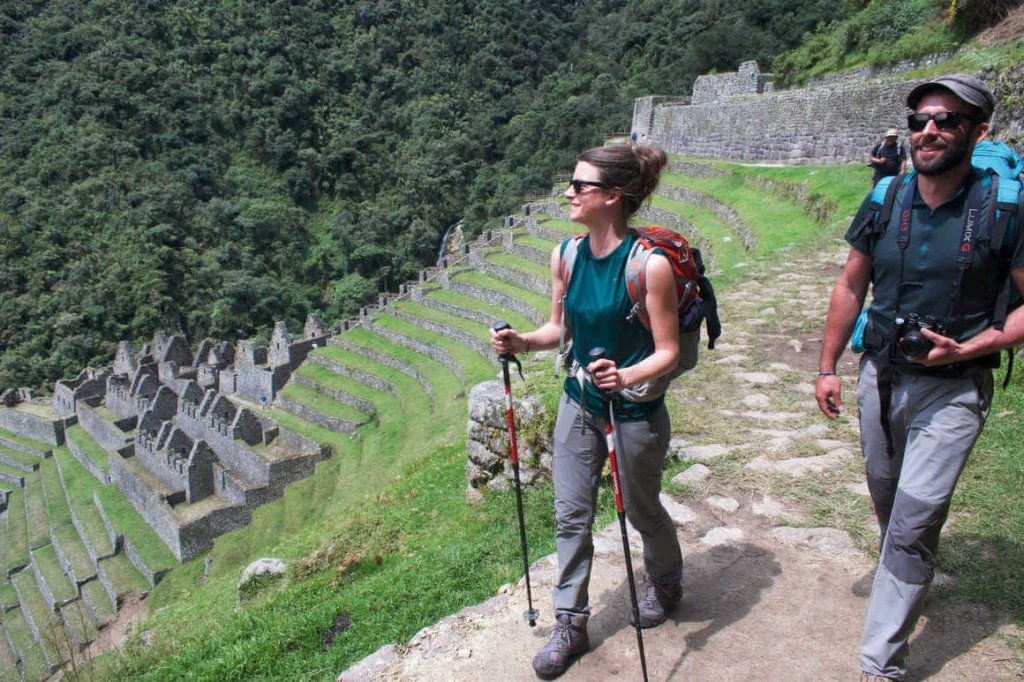
- Trekking poles — essential for the steep descents on Day 3
- Broken-in hiking boots — never wear new boots on this trail
- Altitude medication (Diamox): Consult your doctor before departure
- Sunscreen SPF 50+ — UV radiation is intense at altitude
- Electrolyte packets and snacks: Energy is crucial on long trekking days
- Cash in Peruvian soles: For tipping porters and guides at the campsite
- Passport or official ID: Required at all trail checkpoints
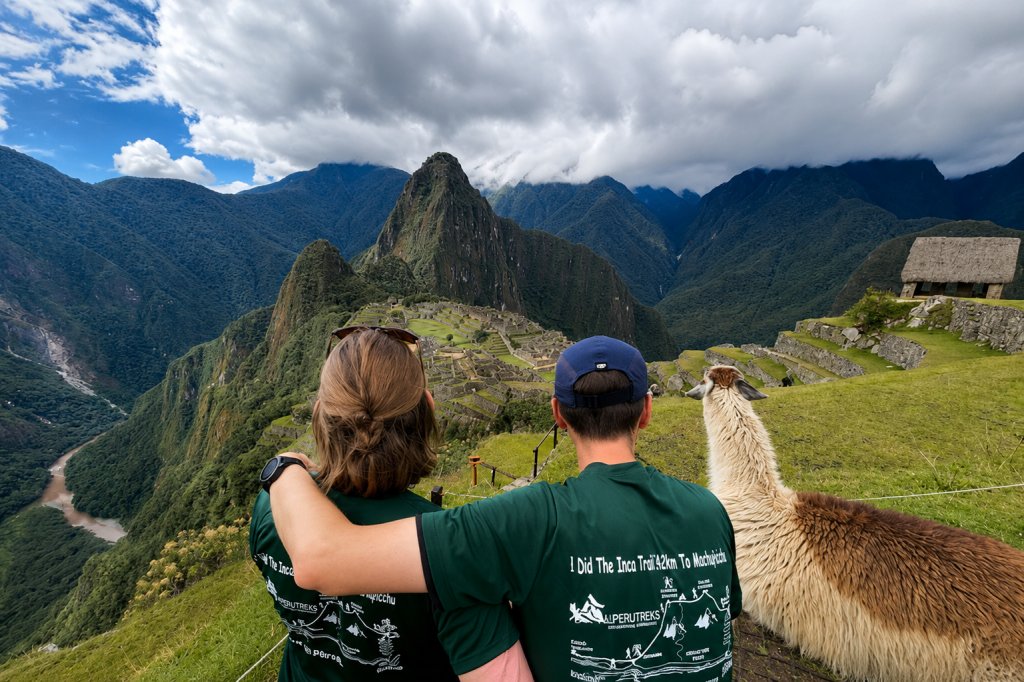
Expert Tips from Ali Peru Treks: Advice Only a Local Agency Knows
After years of guiding trekkers along the Inca Trail, our team at Ali Peru Treks has learned the things no guidebook tells you. Here are our insider tips:
- Acclimatize in Cusco first. Spend at least 2 full days in Cusco before starting any Inca Trail route. Visit the Sacred Valley (lower altitude) on day one to ease in gradually.
- Talk to your doctor about Diamox. It won’t ruin your experience — it will save it. Many trekkers who skip this regret it by Day 2.
- Arrive at Winay Wayna before 11 AM. The 2-day trail groups arrive in the afternoon. If you’re on the Classic Trail, you’ll have the ruins almost to yourself in the morning — take advantage of it.
- Don’t rush the ruins. Most groups spend only 20–30 minutes. Budget at least an hour to truly explore the terraces and fountains. The views from the upper section are extraordinary.
- Hire a porter. Porters are licensed, certified, and essential to the local economy. A good porter carries up to 15 kg and transforms the experience from brutal to joyful.
- Pack warm for the last night. The Winay Wayna campsite is lower in elevation than the previous camps, but nighttime temperatures still drop sharply. A sleeping bag rated to 32°F (0°C) is a must.
- Use the early light. The ruins at Winay Wayna catch golden hour light beautifully in the morning. Set an alarm for 30 minutes before the group and get those shots without people in them.
Altitude Sickness at Winay Wayna: How to Stay Safe
Winay Wayna altitude sickness is less common at this particular site compared to higher points on the trail — but it can still affect travelers who haven’t acclimatized properly.
Symptoms to watch for:
- Persistent headache
- Nausea or loss of appetite
- Dizziness or lightheadedness
- Shortness of breath at rest
- Insomnia
What to do:
- Hydrate constantly — aim for 3–4 liters of water daily on trekking days.
- Walk at your own pace — “Slowly, slowly” (despacito) is the Inca Trail motto for a reason.
- Avoid alcohol during the trek — it accelerates dehydration.
- Descend if symptoms worsen — your guide at Ali Peru Treks is trained to handle altitude emergencies and carries supplemental oxygen.
Conclusion: Is Winay Wayna Worth It?
Absolutely — and unreservedly.
The Winay Wayna Inca Trail experience is, for many trekkers, the emotional peak of their entire Peru journey. It’s the moment where the beauty of the Inca world truly hits you — not in the familiar postcard image of Machu Picchu, but in a quiet, mist-shrouded forest where ancient fountains still run with mountain water after 600 years.
Whether you choose the 4-day Classic Trail or the more accessible 2-day Short Inca Trail, Winay Wayna will stop you in your tracks and remind you exactly why you came to Peru.
Ready to walk in the footsteps of the Incas? At Ali Peru Treks, we specialize in small-group and private Inca Trail experiences with certified local guides, licensed porters, and full logistical support. Our permits sell out fast — especially for peak season.