
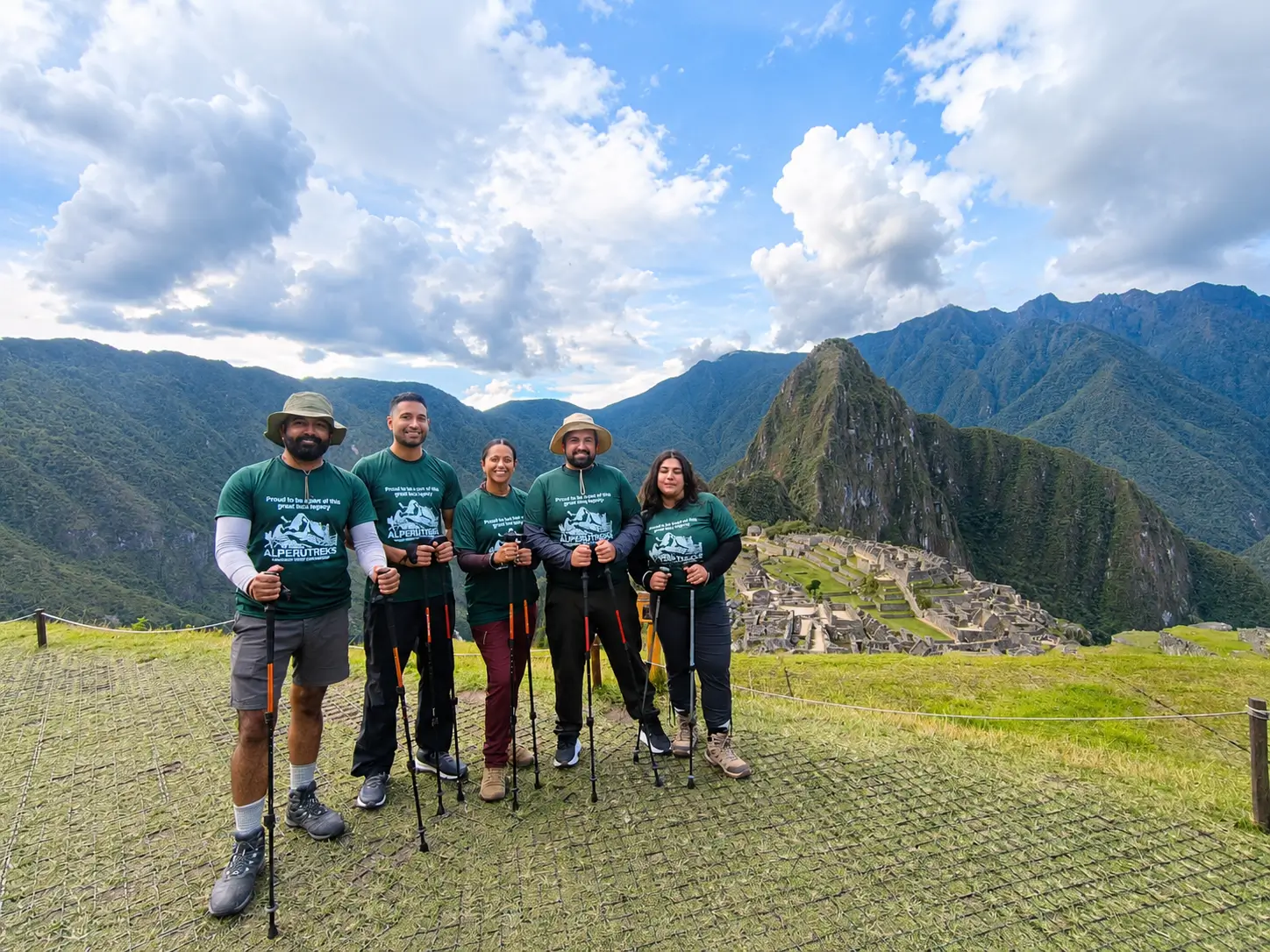
Machu Picchu is open in January, but it’s the heart of the rainy season. Expect warm, humid days around 24°C (75°F), about 138 mm (5.4 in) of rain spread over roughly 15 wet days, and clouds that can hide the mountains for an hour and then lift. In exchange, you get some of the lightest crowds of the year once the New Year rush ends.
This guide covers what January is actually like at the citadel: weather, crowd levels, tickets, trains, and whether this month fits the kind of trip you want. If you’re still comparing months, start with our guide to the best time to visit Machu Picchu.
January at Machu Picchu at a Glance
| What you need to know | January |
|---|---|
| Average high / low | 24°C / 13°C (75°F / 55°F) |
| Average rainfall | 138 mm (5.4 in) |
| Days with some rain | About 15 |
| Daily sunshine | About 5 hours |
| UV index | 11+ (extreme) |
| Daily visitor cap | 5,600 on Jan 1–3, 2027, then 4,500 |
| Inca Trail | Open (closes all of February) |
| Trains from Cusco | Bus + train “bimodal” service on all PeruRail departures |
Climate figures are long-term averages for the citadel (2,430 m / 7,970 ft). Rain at Machu Picchu is never guaranteed, and neither is sunshine.
What the Weather Is Really Like in January
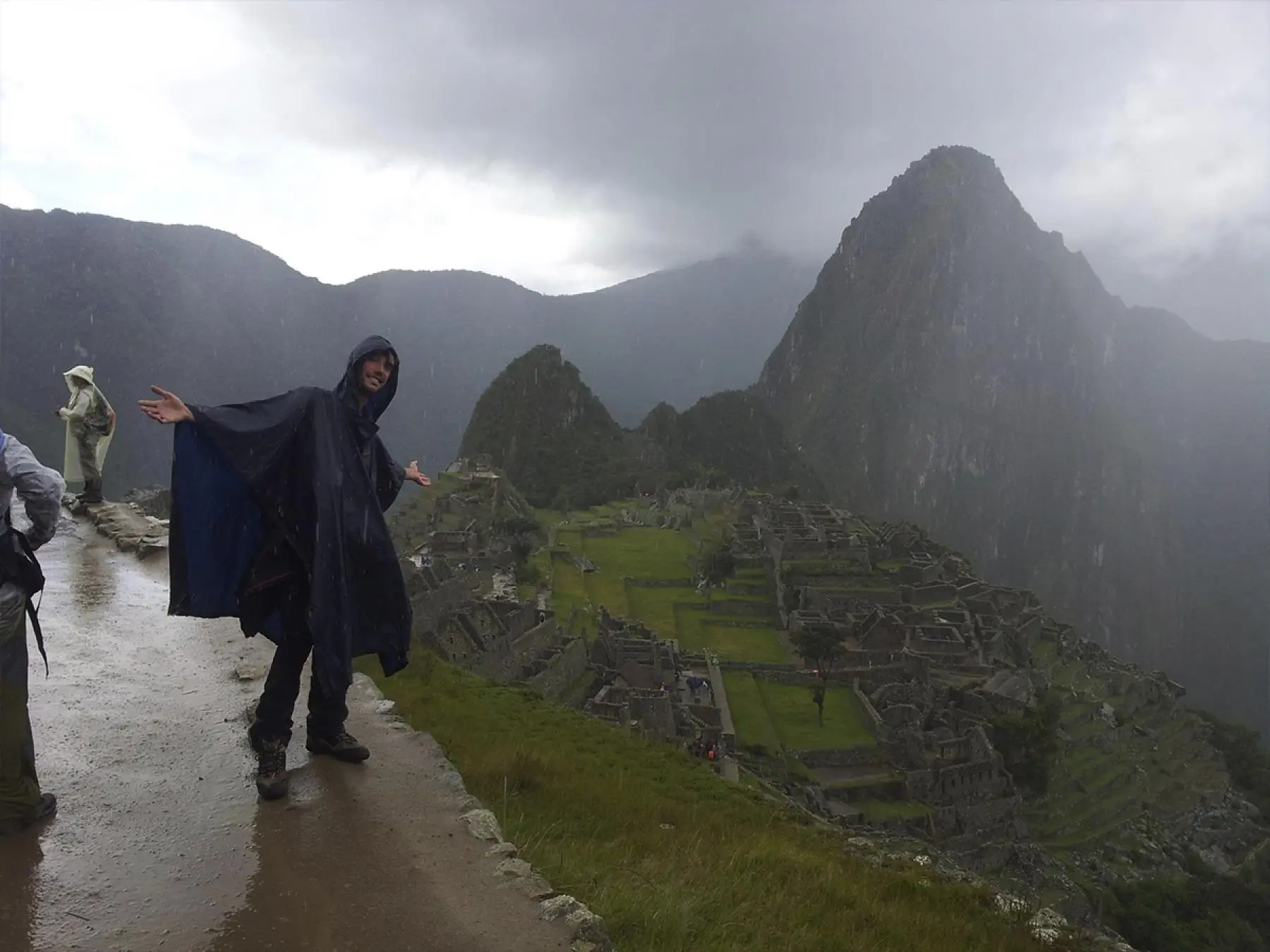
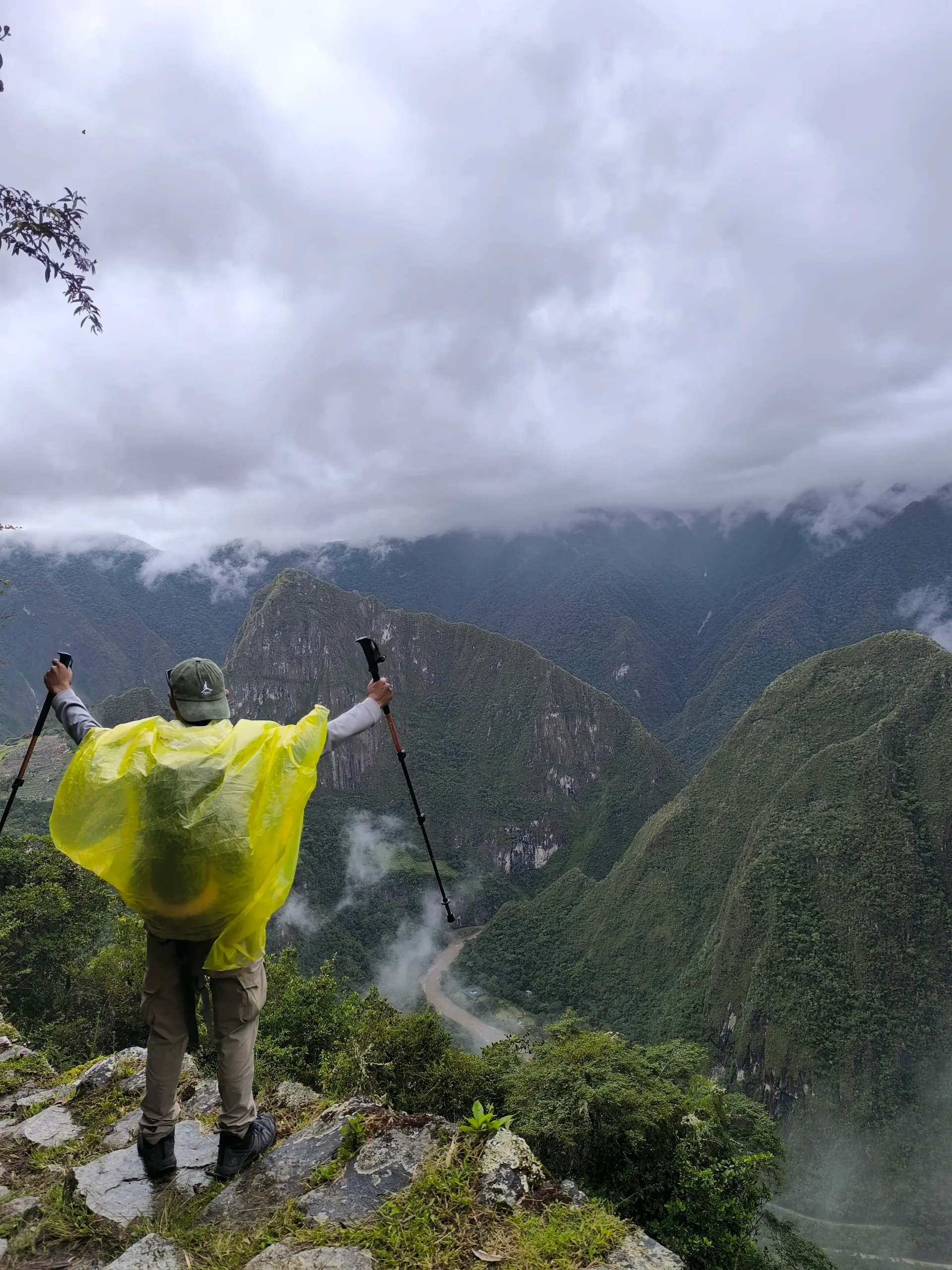
January rain at Machu Picchu rarely arrives as a single all-day downpour. More often, you’ll get bursts of rain, drizzle, and fast-moving cloud that settles over the terraces and then pulls back. Many visitors get both “lost in the clouds” views and clear windows in the same morning.
Temperatures are mild because the citadel sits on the edge of the cloud forest. It’s far warmer here than in Cusco at 3,399 m (11,152 ft), where January nights feel cold and damp. The humidity is what you notice most. Clothes dry slowly, stone steps stay slick, and the vegetation around the ruins is at its greenest.
A few practical realities:
- Mist and photos. The classic postcard view from the upper terraces can disappear for 20–40 minutes at a time. Patience usually pays off, but it isn’t guaranteed.
- Sun between showers. The UV index stays 11+ even on cloudy days. People get burned in January because they don’t expect it.
- Mud and slick steps. The circuits use original Inca stairways. Shoes with real grip matter more than in any other month except February and March.
How Crowded Is Machu Picchu in January?
January has two distinct halves.
January 1–3 falls inside Peru’s official high-season window for 2027, when the Ministry of Culture raises the cap to 5,600 visitors per day. The holiday week from Christmas through New Year’s is one of the busiest periods of the rainy season, especially with Peruvian, South American, and North American families on school break.
From about January 4 onward, the cap drops to 4,500 per day, and demand falls with it. Lines for the shuttle bus in Aguas Calientes move faster, and photo spots are less congested. You’ll still share the site with thousands of people, but it feels noticeably calmer than in July or August.
Don’t confuse “quieter” with “walk-up friendly.” Tickets are sold by circuit, route, and hourly time slot, and the most popular morning slots and mountain climbs still sell out. About 1,000 tickets per day are sold in person in Machu Picchu Pueblo, but relying on them is a gamble when your train and hotel are already booked.
Tickets, Circuits, and Routes in January
Since 2024, every visit follows one of three circuits split into 10 routes, and you must walk the route printed on your ticket in one direction. Our guide to the Machu Picchu circuits explains each one.
For 2027 visits, expect to pay about:
- S/163 (about US$47) for a foreign adult on the standard routes. That’s the S/152 Ministry of Culture ticket plus the S/11 SERNANP conservation fee.
- S/211 (about US$61) for routes that include Huayna Picchu, Machu Picchu Mountain, or the Great Cavern.
Tickets are tied to your passport number, so the name and number must match exactly. Online purchases now require payment within 15 minutes of selecting a slot. Our step-by-step guide on how to buy Machu Picchu tickets walks you through the process.
What changes in January: several seasonal routes, including the Sun Gate (1-C), Inca Bridge (1-D), Great Cavern (3-C), and Huchuy Picchu (3-D), are enabled mainly during high-season dates. For most of January, build your plans around the year-round routes. Huayna Picchu (3-A) and Machu Picchu Mountain (1-A) remain bookable. Starting in 2027, both require entry by 10:00 a.m., and wet, exposed steps make them noticeably harder this month.
Getting to Machu Picchu in January
Rain affects the logistics as much as the visit itself.
Trains. From January through April, every PeruRail departure from Cusco runs as a bimodal service. You take a bus from Wanchaq Station to a Sacred Valley station, then board the train. Expect around 4 hours 15 minutes door to door. From Ollantaytambo, the train ride to Aguas Calientes takes about 1 hour 25 minutes to 1 hour 50 minutes. Our guide to getting to Machu Picchu from Cusco compares every option.
Delays. Heavy rain occasionally triggers landslides or track inspections on the line to Aguas Calientes. They’re not daily events, but they’re common enough in the rainy season that you should never schedule your Machu Picchu visit for the day before an international flight.
Sleeping in Aguas Calientes. Spending the night in town lets you take one of the first buses up and gives you a second chance if your train runs late. Our Aguas Calientes guide covers where the town fits into your plans.
If you’d rather not juggle trains, buses, tickets, and a guide yourself, a Sacred Valley and Machu Picchu tour over 2 days builds in an overnight and a buffer.
Hiking to Machu Picchu in January
January is the last month before the Inca Trail’s annual closure (the entire month of February). The trail is open, permits are easier to find than in peak season, and the scenery is lush. The trade-off is consistent rain, cold nights at the high campsites, and slippery stone. If you’re weighing the trek, our page on the Inca Trail in January goes into trail conditions day by day.
Shorter options also run this month, including the Short Inca Trail in 2 days, which reaches the Sun Gate on foot without camping.
Pros and Cons of Visiting Machu Picchu in January
Pros
- Lighter crowds after the first few days of the month
- Easier availability for tickets, trains, and hotels than in the dry season
- Peak green landscapes, flowering orchids, and atmospheric clouds
- Warm, comfortable temperatures at the citadel
Cons
- High chance of rain during your visit
- Views can be hidden by cloud for part of your time slot
- Slick steps make the mountain climbs less enjoyable
- Higher risk of transport delays than in the dry season
- Fewer seasonal routes open
What to Pack for Machu Picchu in January
- A lightweight waterproof jacket plus a cheap poncho to cover your daypack
- Quick-dry layers instead of cotton
- Hiking shoes or trail runners with good grip (no smooth-soled sneakers)
- High-SPF sunscreen, sunglasses, and a hat, even when it’s overcast
- Insect repellent for the cloud-forest gnats in Aguas Calientes and at the site
- A dry bag or zip-lock bags for your passport and phone
Large backpacks, food, and drinks aren’t allowed inside. Our full list of what to pack for a trip to Peru covers Cusco’s colder evenings too.

Local Tips for a January Visit
- Book an early slot. Mornings give you more buffer if the weather shifts, and you’ll be back in Aguas Calientes before the afternoon train rush.
- Plan a buffer day. One flexible day between Machu Picchu and your flight out of Cusco protects your trip from rain-related delays.
- Acclimatize first. Spending two or three days in Cusco or the lower Sacred Valley before strenuous hikes helps your body adjust. Read our guide on how to acclimate in Cusco.
- Hire a licensed guide. The visitor regulations require one, and enforcement for independent travelers has varied. Plan as if you’ll need one.
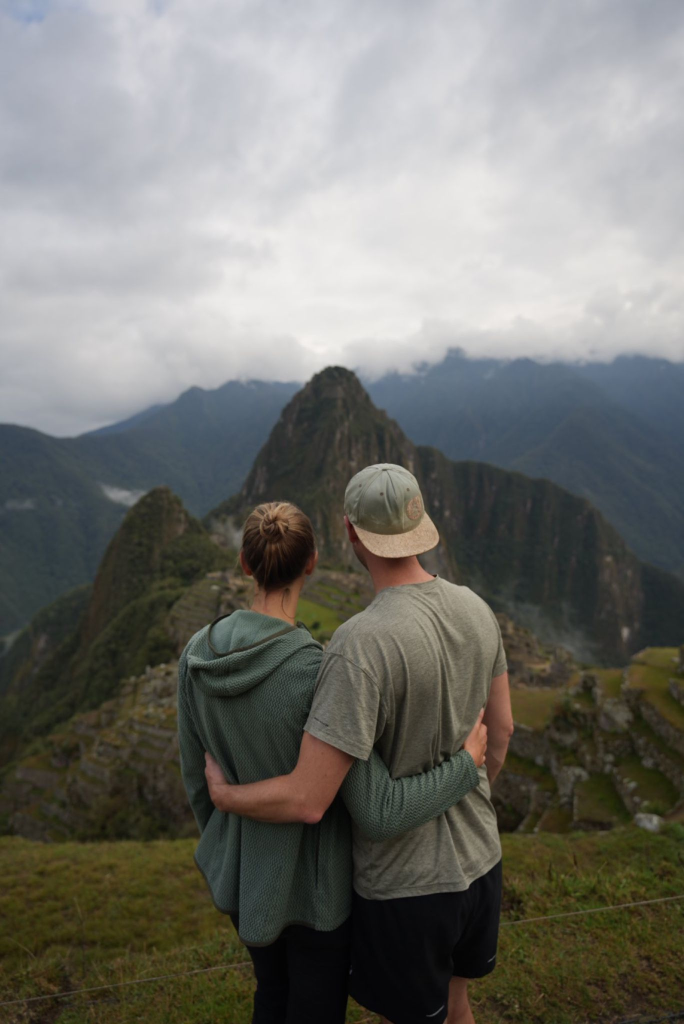
- Stay flexible with photos. If cloud covers the classic viewpoint, keep walking your route and enjoy the details. The view often opens up later.
Is January a Good Month to Visit Machu Picchu?
January is a good fit if you value space and lower demand over guaranteed blue skies, and if your schedule has room for a weather buffer. It’s a weaker choice if your main goal is a sweeping, cloud-free photo, or if you plan to climb Huayna Picchu and dislike exposed, wet stone. If clear skies are non-negotiable, consider the shoulder month of April or the dry season from May to September.
Frequently Asked Questions
Yes. Machu Picchu is open every day of the year, including January. Only the Inca Trail closes, and that happens in February.
On average, about 138 mm (5.4 in) of rain falls over roughly 15 days. Rain usually comes in showers and bursts rather than all day.
The first days of January are busy, with a 5,600-visitor daily cap on January 1–3, 2027. After that, the cap drops to 4,500, and the site feels noticeably calmer than in the dry season.
Yes, Huayna Picchu tickets are sold in January. The steps can be wet and slippery, so climb only if you’re comfortable with exposure and have shoes with good grip.
Yes. From January to April, PeruRail runs all departures from Cusco as a bus-plus-train service. Trains from Ollantaytambo run directly to Aguas Calientes.