
You’ve booked your trip to Peru, secured your permit for the Short Inca Trail, and counted down the days. The last thing you want is to arrive at the trailhead and realize you forgot your rain jacket — or worse, your altitude sickness pills.
The short inca trail packing list is deceptively simple. This is a 2-day trek, not a 10-day expedition, but the Inca Trail environment is unpredictable. You’ll hike through cloud forest, climb steep stone stairs built by the Incas, and arrive at the Sun Gate (Inti Punku) overlooking Machu Picchu — all while dealing with altitude, changing weather, and physical effort.
This guide tells you exactly what to pack, what to leave behind, and how to prepare like a seasoned traveler in 2026.
What Is the Short Inca Trail? A Quick Overview for US Travelers
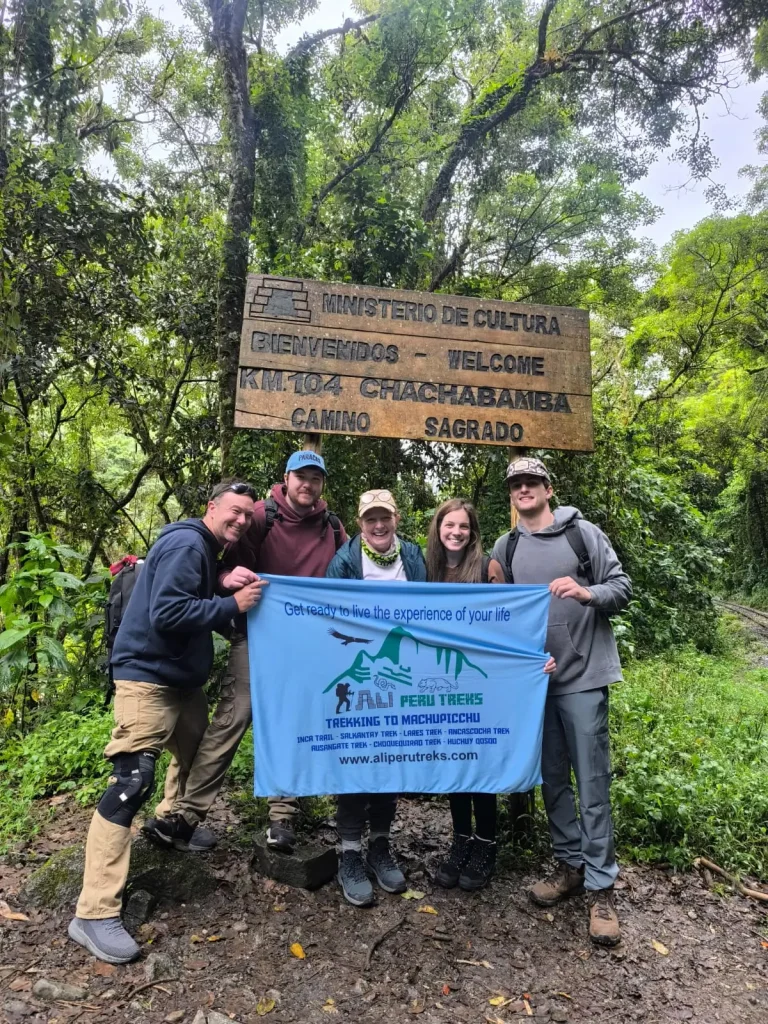
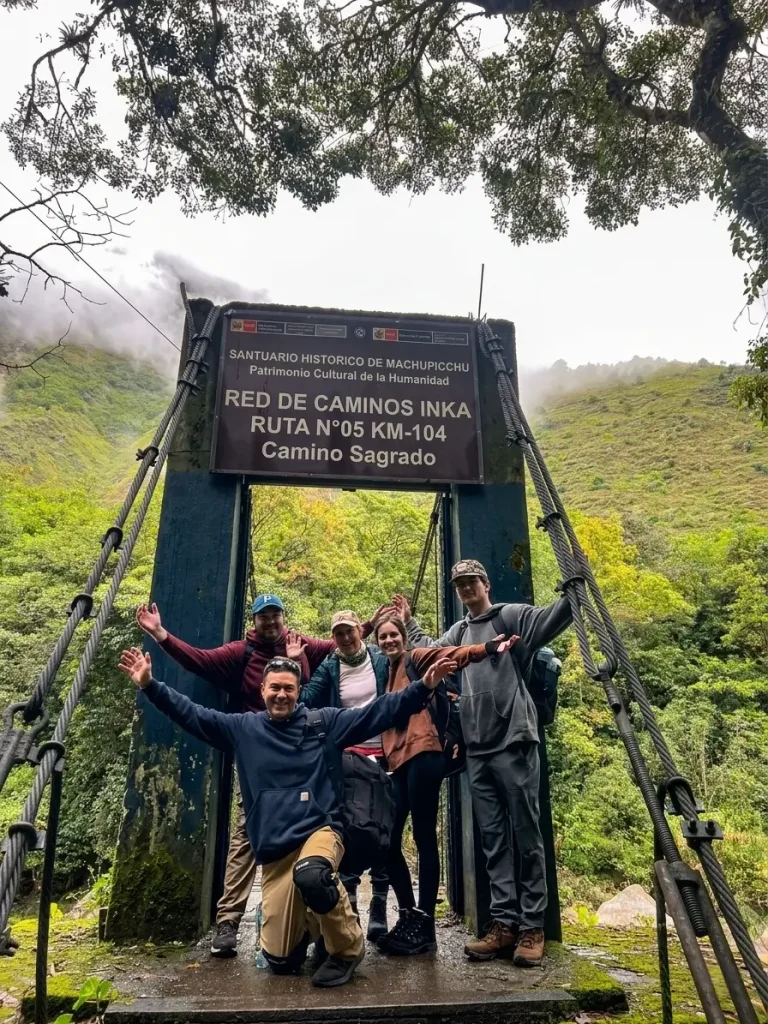
The Short Inca Trail — also called the 2-Day Inca Trail — is a condensed version of the Classic 4-Day Inca Trail. Instead of starting at km 82, this route begins at km 104, near the archaeological site of Chachabamba.
Key facts:
- Distance: Approximately 12 km (7.5 miles) one way
- Duration: 2 days / 1 night
- Highest point: Wiñay Wayna pass at approximately 8,900 ft (2,700 m)
- Difficulty: Moderate to challenging — steep stone steps, uneven terrain
- Permit required: Yes — permits sell out months in advance
- End point: Machu Picchu via the Sun Gate
This is one of the most rewarding hikes in South America and a bucket-list experience for travelers from the United States and beyond.
Short Inca Trail Packing List: The Complete Gear Breakdown
Backpack: The Right Size Matters
For the 2 day inca trail backpack, size is everything. You want a daypack between 25 and 35 liters — large enough for all your essentials, small enough that it doesn’t slow you down on the stone stairways.
What to look for in your pack:
- Hip belt for weight distribution
- Rain cover (many come included, or buy a separate one)
- External mesh pockets for water bottles
- Chest strap for stability on steep sections
Note for US travelers: If you’re using a porter service through your agency, they can carry your main duffle (up to 7 kg / 15 lbs). Your daypack is what you carry yourself every step of the way.
Clothing: What to Wear on the Short Inca Trail
The biggest mistake hikers make is packing cotton. Avoid cotton entirely — it retains moisture, makes you cold, and is uncomfortable on the trail.
Base Layer:
- 1–2 moisture-wicking t-shirts (merino wool or synthetic)
- 1 long-sleeve base layer for cooler mornings and evenings
Mid Layer:
- 1 lightweight fleece or softshell jacket — temperatures at camp can drop to 45°F (7°C) at night
Outer Layer:
- 1 waterproof, packable rain jacket — non-negotiable. Rain is common year-round in the cloud forest
- Light rain pants or waterproof pants are highly recommended
Bottoms:
- 1–2 pairs of hiking pants or convertible pants (zip-off style is great for temperature changes)
- Avoid jeans entirely
Underwear & Socks:
- 2 pairs of moisture-wicking underwear
- 2 pairs of quality wool hiking socks (merino wool is excellent)
- Prevent blisters by breaking in your boots before the trip
Footwear:
- Waterproof hiking boots with ankle support — this is the single most important gear item
- 1 pair of lightweight sandals or camp shoes for the campsite in the evening
Accessories:
- Wide-brim hat or baseball cap for sun protection
- Warm beanie for the nights and early morning start
- Lightweight gloves
- Buff or neck gaiter (multipurpose: sun, wind, dust)
- Sunglasses with UV protection
Inca Trail Daypack Essentials
This is what you carry every single step of the hike. Keep it light but complete.
Hydration:
- 2 x 1-liter water bottles or a 2-liter hydration bladder
- Water purification tablets or a compact filter (LifeStraw or Sawyer Squeeze)
- Aim to drink 3–4 liters of water per day — hydration is the best altitude sickness prevention
Nutrition:
- High-energy snacks: trail mix, energy bars, dried fruit, nuts
- Your agency will provide meals at camp and on the trail, but personal snacks are key between stops
- Electrolyte packets or powder (especially important at altitude)
Navigation & Lighting:
- Headlamp with fresh batteries — you’ll start hiking early, before sunrise on Day 2
- Backup portable charger for your phone
Personal Care & Hygiene:
- Biodegradable wet wipes (essential — shower facilities are limited)
- Hand sanitizer
- Lip balm with SPF
- Sunscreen SPF 50+ — the Andean sun at altitude is intense
- Small pack towel (microfiber)
- Toilet paper in a zip-lock bag
- Personal toiletry kit (toothbrush, toothpaste, deodorant)
Documents & Money:
- Original passport — required at all checkpoints on the Inca Trail
- Printed copy of your Inca Trail permit
- Cash in Peruvian Soles (PEN) for tips and any extras
- Travel insurance card and emergency contact info
Health & Medical Essentials
Altitude is the number one concern for US travelers arriving from sea level.
Altitude & Illness:
- Diamox (Acetazolamide): Consult your doctor before the trip — many hikers start taking it 1–2 days before the trek
- Coca leaves or coca candy — a traditional Andean remedy widely available in Cusco; many locals swear by it
- Ibuprofen or acetaminophen for headaches and muscle soreness
First Aid Kit (Compact):
- Blister pads and moleskin — blisters are the #1 complaint on the trail
- Bandages and antiseptic wipes
- Elastic bandage for knees or ankles
- Antidiarrheal medication (Imodium)
- Antacids
Camping Gear: What the Agency Provides vs. What You Bring
This is where the short inca trail gear list gets easier. Most reputable agencies — including Ali Peru Treks — provide:
- Tent
- Sleeping mat
- Dining tent with tables and chairs
- Meals prepared by a camp cook
What you should bring yourself:
- Sleeping bag rated to 32°F (0°C) or lower — nights at camp can be cold. Your agency may rent these; confirm in advance
- Earplugs (camp can be noisy with other groups)
- Eye mask for sleeping
Tech & Photography
- Camera or smartphone — you’ll want to photograph Wiñay Wayna and the Sun Gate at sunrise
- Extra memory cards
- Waterproof phone case or dry bag for electronics
- Universal power adapter (Peru uses Type A/C outlets; US plugs often work fine, but verify)
What NOT to Pack for the Short Inca Trail
Just as important as what you bring is what you leave behind.
- Heavy DSLR with multiple lenses — your phone camera is enough unless photography is your profession
- Too many clothing changes — it’s 2 days; 2 outfits is plenty
- Valuables like expensive jewelry — leave them at the hotel safe in Cusco
- Large bottles of shampoo or conditioner — use solid toiletry bars or travel-size products
- Trekking poles with sharp metal tips — rubber tips are required on the Inca Trail to protect the ancient stone path
Machu Picchu 2-Day Hike Packing List: Day-by-Day Breakdown
Day 1 — Km 104 to Wiñay Wayna Campsite
You’ll board a train from Cusco (or Ollantaytambo) to km 104, arriving mid-morning. The day involves:
- A moderate hike through cloud forest
- Visiting Chachabamba ruins at the start
- Arriving at the incredible Wiñay Wayna terraces in the afternoon
Key items for Day 1: Rain jacket, sunscreen, snacks, water, trekking poles, camera.
Day 2 — Wiñay Wayna to the Sun Gate to Machu Picchu
This is the magic day. You’ll wake up before 4:00 AM to reach the Sun Gate (Inti Punku) at sunrise and descend into Machu Picchu.
Key items for Day 2: Headlamp, warm layers, snacks, water, your permit and passport, camera.
After Machu Picchu, you’ll take a bus down to Aguas Calientes town for lunch, then board the train back to Cusco.
Expert Tips: What Only a Local Agency Would Tell You
These are the insider tips that make the difference between a good trek and an unforgettable one.
- Acclimatize in Cusco first. Spend at least 2 full days in Cusco (elevation: 11,152 ft / 3,400 m) before the trek. Walk slowly, eat lightly, and avoid alcohol your first night.
- Break in your boots before you fly. New boots cause blisters. Wear your hiking boots for several weeks before the trip — around the neighborhood, at the gym, anywhere.
- Layers are everything. Mornings on the trail start cold (sometimes below 50°F / 10°C). By midday you may be in a t-shirt. Pack for rapid changes.
- Tip your porters generously. Porters are the backbone of the Inca Trail experience. The recommended tip is $20–$30 USD per porter for the trip. Have small bills in Soles ready.
- The train ticket back is key. Your return from Aguas Calientes to Cusco is by train — your agency includes this, but confirm your train time so you don’t miss it.
- Altitude medication timing matters. If you’re using Diamox, start at least 24 hours before the trek begins, not the morning you leave.
- Pack everything in ziplock bags. Rain can come suddenly. Protect your documents, phone, and extra clothes with zip-lock freezer bags inside your daypack.
- Don’t skip the sunscreen at altitude. UV radiation increases approximately 10% for every 1,000 meters of elevation gain. You’re hiking above 2,700 m — sunburn happens fast.
Frequently Asked Questions About the 2-Day Inca Trail Packing List
Highly recommended, especially on the steep descents into Machu Picchu. Bring collapsible poles, and make sure they have rubber tips.
Yes — sleeping bags, trekking poles, and rain ponchos are all available for rent in Cusco. Ali Peru Treks can arrange rentals for you.
Aim for under 10 kg / 22 lbs — ideally closer to 7–8 kg. The lighter you pack, the more you enjoy the trail.
No. You’ll be offline for the duration of the hike. Download offline maps (Maps.me or Google Maps offline) before you leave Cusco.
Peruvian Soles (PEN) for tips and small purchases. US Dollars are also widely accepted but you’ll get a better rate using Soles. ATMs are available in Cusco.
Conclusion: Pack Smart, Hike Well, and Arrive Ready
The Short Inca Trail is one of the most rewarding two-day experiences in the world — ancient ruins, cloud forest, high-altitude passes, and the unforgettable sunrise view from the Sun Gate. But it rewards the prepared traveler.
Your short inca trail packing list doesn’t need to be elaborate or expensive. What it needs to be is smart: the right footwear, the right layers, essential health items, and a well-organized daypack.
At Ali Peru Treks, we specialize in making the Short Inca Trail seamless and memorable for travelers from the US and beyond. From securing permits and arranging quality camping equipment to guiding you every step of the way, our local expertise means you can focus on the experience — not the logistics.